
- Key Takeaways
- Prioritizing Your Tuscan Towns
- A 3-Day Itinerary for Tuscany
- Beyond the Main Path
- Navigating the Tuscan Roads
- Experiencing Local Life
- My Personal Tuscan Reflections
- Conclusion
- Frequently Asked Questions
- What are the must-see towns in Tuscany for a short visit?
- How many days are ideal for a Tuscany visit?
- Are there lesser-known towns in Tuscany worth visiting?
- What is the best way to travel between Tuscan towns?
- Is it easy to find local experiences in Tuscany?
- Which town is best for Tuscan wine tasting?
- Can I visit Tuscany without speaking Italian?
Key Takeaways
- You can’t miss the beautiful towns of Siena, Pienza, and Montepulciano, all of which showcase Tuscany’s world-famous culture, history, and cuisine.
- With a little planning, a three day itinerary lets you experience both the renowned and the unknown, including unforgettable drives through Val d’Orcia and Chianti Classico.
- Visit small villages, Etruscan ruins, and natural hot springs. Look beyond the popular destinations for a better feel for Tuscany.
- Take advantage of intricate maps or navigation software to zip between sites while taking in Tuscany’s scenery and roadside driving idiosyncrasies.
- Put your feet on the ground at local markets, artisan workshops and seasonal festivals. Engage with residents and sample authentic Tuscan fare.
- Make sure to relax and hang out. A well-balanced trip mixes sightseeing with good cultural experiences.
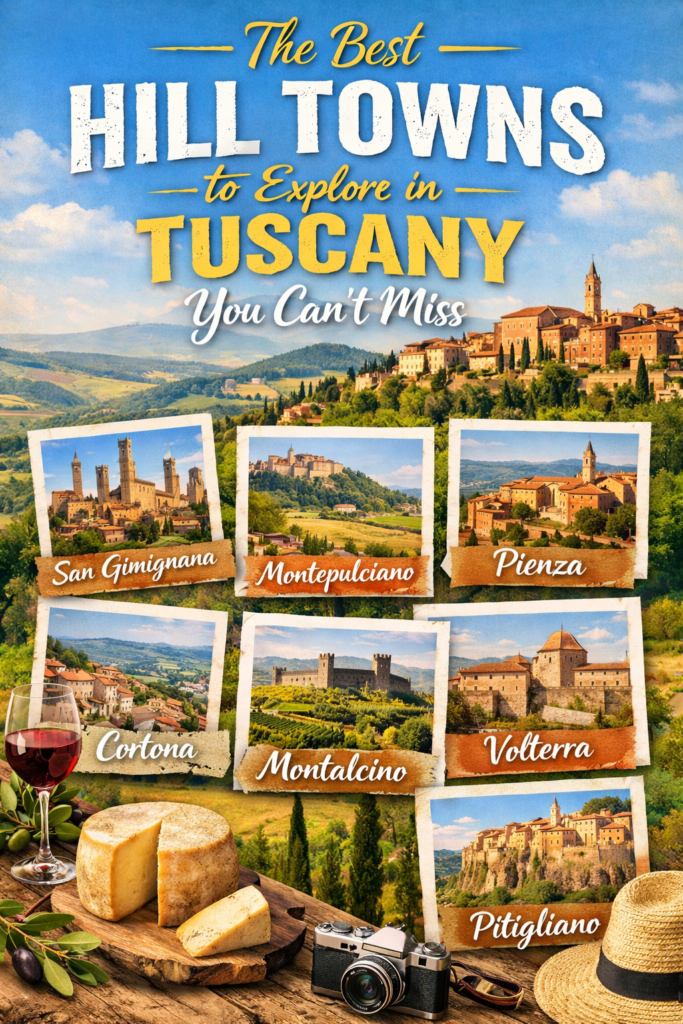
The best locations to visit and towns not to miss on a brief stay in Tuscany are Florence, Siena, Pisa, Lucca, and San Gimignano. All provide a unique combination of art, history, and local life. Florence dazzles with its famed museums and Renaissance sites. Siena pulls in a lot of visitors with its medieval streets and lively piazza. Pisa is known for its iconic Leaning Tower and old town charm. Lucca has beautifully preserved city walls and tree-lined streets. San Gimignano is known for its towers and markets. These locations provide a solid sampling of the sights, cuisine, and culture for the short-term Tuscany traveler. The main body goes into what to see and do in each town.
Prioritizing Your Tuscan Towns
With so many picturesque towns scattered across the Tuscan landscape, deciding which ones to visit on a short trip is a matter of location, travel time, and what makes each unique. Siena, Pienza, and Montepulciano each serve a rich cultural slice of Tuscany, while Monteriggioni, Volterra, San Quirico d’Orcia, Bibbona, Scarperia, San Gimignano, and Certaldo have their own unique allure. Organizing your trip around efficient travel routes ensures you see more without stressing over making connections as many towns are best accessed by train or bus. However, some, like Bibbona, can be difficult to reach because of limited connections.

Siena’s well-preserved medieval heart and iconic Piazza del Campo pull ahead. The city is accessible by bus from Florence and has a vibrant atmosphere due to its medieval brick buildings and annual Palio horse race. Pienza, in the heart of Val d’Orcia, far smaller, is famed for its classic Renaissance streets and sweeping views of the Tuscan countryside. Montepulciano, a little east of Pienza, built on a hill, is renowned for its wine, especially Vino Nobile, and its gothic and renaissance architectural blend.
- Siena: * Piazza del Campo
- Siena Cathedral (Duomo di Siena)
- Torre del Mangia
- Historic streets of cities
- Pienza: * Piazza Pio II. * Pienza Cathedral. * Scenery of Val d’Orcia. * Pecorino stores.
- Montepulciano: * Piazza Grande
- Montepulciano Cathedral
- Wine cellars and tastings
- Palazzo Comunale
Outside of these, Monteriggioni is our favorite medieval village located between Florence and Siena, famous for its round walls and watchtowers. Volterra, perched on a hill and surrounded by medieval walls, holds Italy’s largest medieval festival in mid-August. San Quirico d’Orcia, in the verdant Val d’Orcia, is quieter and provides quintessential Tuscan sights. Bibbona is quiet and off the beaten track, with sparse transport but strong local connections. Scarperia is known in the Muggello Valley for its handmade knives. San Gimignano attracts visitors for its towers and gelato, and Certaldo is known for Boccaccio and its sweet onions.
A 3-Day Itinerary for Tuscany
A quick jaunt to Tuscany necessitates some serious decision making in terms of where to go and what you do. Home to classic towns, scenic drives, and food culture, Flo’s old town is an absolute must and incredibly walkable. For this three-day trip, we’re highlighting other key locations that showcase Tuscany’s magic. Consult a map to prevent backtracking. The driving can be tricky and slow-going at peak times, especially around Florence.
1. Day One: Siena
Siena comes to life with its preserved medieval quarter. The Piazza del Campo, the city’s shell-shaped main square, is renowned for serving as the location of its historic Palio horse race. The square is bordered by cafés and is an excellent place to sit and absorb the local scene.

The Siena Cathedral astounds with its striped marble façade and detailed floors. Inside, you discover intricate wood carvings and paintings from the area’s leading painters. Wandering Siena’s windy streets, you may discover artisan leather shops or tiny bakeries with fresh goods.
For lunch or dinner, indulge in some pici pasta or ribollita at a trattoria, classic Tuscan fare. These spots tend to use local produce and exude a casual, inviting atmosphere.
2. Day Two: Val d’Orcia
Val d’Orcia has always been famous for its rolling hills, cypress-lined roads and golden fields. The landscape itself is a highlight and most people take the drive to pull over to snap photos or stretch with a walk.
Pienza, perched on a hill, combines Renaissance architecture with small-town charm. Local shops offer pecorino made just around the corner. Nearby Montepulciano has more historic streets, Etruscan tunnels, and sweeping views. Montalcino, yet another hill town, is known for brunello. Heritage is important at many of the wineries here. Some of these wineries are based in buildings dating back centuries.

Dining in Val d’Orcia is typically laid back, featuring farm-to-fork meals and local wines that complement cheese or charcuterie.
3. Day Three: Chianti Classico
Day three is best spent in the Chianti Classico region. The drive alone is worth it, with its twisting roads and hills blanketed with vineyards. Wine tours here often feature visits to family-run estates, some with eccentric pasts. One was even a cathedral in the 13th century. Visitors experience the aging process and sample various styles of Chianti.
Tuscan villages such as Greve in Chianti provide local markets, tiny wine bars and artisan shops. It’s a slow pace, allowing you to savor the views and sample regionally made cheeses and meats. Wandering through these little towns provides a look into the local life and traditions that define Tuscan culture.
Beyond the Main Path
Tuscany offers more than just renowned cities and sights. Hidden towns and quiet places reveal another face of the area that most overlook. Venturing into these regions provides a more profound and authentic flavor of Tuscan living.
The Etruscan Soul
Volterra is one of those unique towns imprinted with its Etruscan origins. Its ruins and walls date back centuries, with remnants of the ancient city persisting. The town is famous for working alabaster, a tradition dating back to the ancients. Local museums exhibit Etruscan art and artifacts for a genuine dose of early Italian history. Volterra’s archaeological park and the Guarnacci Etruscan Museum house some rare pieces. Trained guides are frequently on walks and assist members to explore the history behind the remains, making the past more alive. Nestled between Pisa and Siena, Volterra makes a perfect day trip, especially if you want to experience more than just the Leaning Tower.
The Thermal Spas
Hot springs abound, from Saturnia where mineral waters flow free in open pools. These springs welcome locals and tourists alike who wish to decompress. These natural baths are among open fields, surrounded by green hills, providing a peaceful getaway from the bustling city life. Like most other thermal towns, hotels generally have spas that use the local minerals. They can schedule massages, mud wraps, or simply lounge by the pools. If you visit in the morning or later in the evening, there are not as many people, so it’s quieter and more intimate.
The Quiet Villages
Villages like San Gimignano and Montichiello provide a peaceful allure. San Gimignano, a medieval town of towers and stone streets, can get crowded during high seasons. There’s tranquility in early morning or late afternoon visits. Montichiello offers a Val d’Orcia valley feeling untouched and is a UNESCO World Heritage site. Here, local markets peddle homemade cheese, olive oil, and wine. Tiny stores present handmade ornaments. Wandering the narrow lanes, travelers are frequently greeted by villagers happy to regale them with tales of local fairs or village life. A couple of days in Val d’Orcia lets visitors jump from village to village, each with its own tempo.
Navigating the Tuscan Roads
Tuscany roads are winding lanes, narrow passes and unforgettable views. The roads, cypress-lined or flanked by rolling fields, wind in and out of old towns and by classic stone farmhouses. The roads can be difficult to follow, a GPS or good map ensures that you stay stress-free and able to take in more of the scenery. Most visitors discover that a leisurely drive allows you to experience more, with lots of opportunities to pause in small towns or tour a winery en route.
It’s clever to time your drive to capture the region’s views at their best. The road to Casentino, for instance, carries you through forest and ancient ruins such as the 12th-century Castle of Murlo. The routes between Florence and Siena are famous, with pit stops in Greve and Montefioralle. These towns parade Tuscany’s history, with stone walls, ancient towers and serene piazzas. Montefioralle is like stepping back in time, and Casole d’Elsa gives you a glimpse into everyday life in the Italian countryside.
Driving here is best if you know the local rules. Most towns, particularly the older ones, have restricted zones, known as ZTLs, where cars cannot enter without a local permit. Parking outside of town and walking in is frequently the best approach. Fines for breaking these rules can be significant, so be mindful of signs and opt for local lots whenever possible. Streets can be narrow, and smaller vehicles are easier to park and maneuver.
A checklist keeps you getting the most out of your trip. Make sure your GPS or maps function offline. Plot your course to include scenic drives, such as the Chianti or Val d’Orcia routes, renowned for their open fields and vineyards. Study local traffic laws and ZTL zones. Book nights at agriturismi, ancient farmhouses that allow you to sample olive oil or wine made on-site and learn about local agriculture. Make time to explore both the well-known hill towns and the smaller villages where you’ll discover authentic Tuscan cuisine and art.
Experiencing Local Life
Tuscany is most famous for its slow pace, ancient hill towns and an ingrained local culture where life still goes according to sun and seasons. Experiencing local life goes beyond tourist attractions. It’s participating in everyday life, shopping at mom-and-pop stores, learning a few words in Italian, and bonding over communal experiences.
Market Days
Week markets are the heart of many of the Tuscan towns, such as Siena and Orbetello. Locals come to purchase fresh items and exchange gossip. You will come across open air booths crammed with fruits and vegetables in season. Trying some of these provides a real local flavor, with tastes shifting as the seasons come and go.

Everything from basic household wares to intricate crafts, handmade, line the walkways. Markets are perfect for connecting with local farmers and craftspeople and learning how food and products are created. In small villages, these are social highlights that allow visitors to mingle among the locals.
- Cheeses (Pecorino, ricotta)
- Salumi (cured sausages, prosciutto)
- Fresh breads (ciabatta, schiacciata)
- Honey and jams
- Olives and olive oil
- Seasonal produce (cherries in spring, porcini mushrooms in fall)
- Handcrafted ceramics
Artisan Workshops
Tuscan towns like Volterra maintain artisan traditions. Volterra, with its alabaster carving, still has workshops to observe or participate in. Craftsmen, some from families who have been making for generations, demonstrate how to mold stone or clay. Most are happy to be asked about their process and tell stories that go back centuries.
Some studios host classes where tourists can create their own mementos. Getting lessons from local craftsmen is an interactive method to bond with the neighborhood and help out small businessmen.
Ceramics studios – Discover hand-shaping and glazing pottery in Montelupo Fiorentino.
Alabaster carving – Take part for a day in Volterra and carve simple alabaster pieces.
Textile weaving – sample traditional weaving in Prato’s workshops with local wool.
Leatherworking – Florence provides mini courses on creating mini leather goods.

Seasonal Festivals
Tuscany’s calendar brims with festivals that celebrate its culture and history. Volterra holds Italy’s biggest medieval festival every August, featuring costumes, parades, and food. One of Italy’s biggest comics and games events is Lucca Comics & Games, in October and November. It attracts huge crowds and artists from all over Italy.
Borgo a Mozzano and Castell’Arquato provide us with a rare insight into life not touched by the hands of time, especially when they hold their local fairs. A few towns even close their gates to cars, allowing visitors to stroll medieval lanes and relive the old cadence. Every festival has music, dancing, and special dishes prepared especially for them. Locals are eager to regale you with tales, and these festivals become a glimpse into Tuscan life.
My Personal Tuscan Reflections
What sets Tuscany apart for me is its combination of aged charm and expansive vistas. Every town and village is a glimpse into its own craft, food and simple beauty oriented past. Most travelers discover that one or two weeks allows sufficient time to visit the highlights while not feeling pressed. The nine stone villages, all near one another, allow you to easily drift from vineyard to tiny piazza to hill. A few days can mean a break for wine in one village, a stroll among olive groves in another, and a peaceful stop for lunch in the village square.
San Gimignano, its soaring towers and medieval streets, attracts throngs, particularly in spring and summer. The morning light gives the stone an amber glow. You’ll want to schedule early stops or off-season trips to dodge the heavy traffic of tour groups. Volterra is at a different speed. Being the town’s famed Halloween party, every year on October 31st, locals and travelers alike flock to it. Volterra’s history surfaces in its alabaster workshops. Delicate, near-translucent stonewares adorn shop windows and narrate the legacy of a craft nurtured across generations.
Scarperia, yet another small town, is renowned for its knife makers. The traditional ways remain, and you can observe artisan palms forge every blade. Val d’Orcia Valley features rolling fields and patchwork farms, ideal for your road trip. You can travel for three or four days from one tiny village to another, each with its own tale and cuisine. Most of these villages still have local festivals that have been celebrated for centuries, giving us a true taste of Tuscan life.
Below is a table of experiences and insights from my time in Tuscany:
Experience | Place | Reflection |
|---|---|---|
Crowded streets | San Gimignano | Early mornings best for quiet walks |
Halloween festival | Volterra | Local joy and unique traditions |
Alabaster workshops | Volterra | Craftsmanship feels alive and rooted |
Knife making | Scarperia | Hands-on heritage, skill passed down |
Road trip villages | Val d’Orcia | Each stop adds a new layer of beauty |
Village festivals | Val d’Orcia area | Centuries-old customs bring people together |
Conclusion
Tuscany attracts people with its combination of ancient towns, gentle hills and relaxed tempo. Short trips pack a lot in, from the bustling piazzas of Florence to the languorous allure of Pienza. Local fare, tiny boutiques and expansive fields all flaunt what makes each place unique. Take a pause for a lazy lunch in Montepulciano, stroll the cobbled lanes of Lucca, and sip a coffee in Siena’s piazza. Even if you have only a few days, every stop provides a true flavor of Tuscan life. For additional tips, candid advice, or trip assistance, contact or see the guide. Let the next trip create authentic, enduring stories.
Frequently Asked Questions
What are the must-see towns in Tuscany for a short visit?
Florence, Siena and San Gimignano are must-see towns. They provide the perfect combination of art, history and beauty. Unique and easily accessible within a short itinerary.
How many days are ideal for a Tuscany visit?
Three days give you a chance to visit the highlights and key towns of Tuscany. With some smart planning, you can fit both iconic spots and hidden gems in this window.
Are there lesser-known towns in Tuscany worth visiting?
Yes, towns such as Pienza and Montepulciano are less visited but still full of Tuscan charm, delicious local cuisine, and breathtaking scenery. They enrich your journey.
What is the best way to travel between Tuscan towns?
Car rentals are the most flexible way to explore Tuscany. Public transportation connects the major towns, but a car allows you to explore small villages and countryside on your own schedule.
Is it easy to find local experiences in Tuscany?
Yes, Tuscany has many local experiences. Experience old-time markets, local food tastings, and small festivals. Interacting with locals adds depth to the experience.
Which town is best for Tuscan wine tasting?
Montepulciano and Montalcino are known for their wines. Both towns provide tours and tastings for those interested in getting to know local winemaking.
Can I visit Tuscany without speaking Italian?
Yes, a lot of people in Tuscany speak elementary English at tourist areas. It’s useful to learn a few phrases, but you’ll get along just fine without fluency.