
Table of Contents
- Introduction
- 1. Wireless, battery-operated Carbon Monoxide/Smoke Detector
- 2. Waterproof, compact D-rings for bags and gear
- 3. Personal portable door alarm or door stop
- 4. Reusable, collapsible water bottle with filter
- 5. Pocket-sized first aid and safety kit
- 6. Eye mask, earplugs, and sleep-enhancing accessories
- 7. Portable power bank with universal adapters
- FAQ
- Conclusion
Introduction
Why unconventional essentials matter
Travel is about reducing friction, staying safe, and keeping plans flexible. Unconventional essentials fill gaps that basic packing lists miss, saving you time, space, and headaches when you land in unfamiliar places.
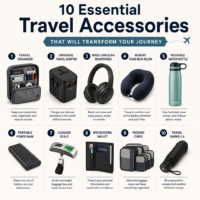
Small, well-chosen items can transform a trip. A compact detector, a sturdy pouch, or a reliable sleep aid can prevent delays, protect your safety, and improve rest after long travel days. They help you move with fewer surprises.
How to choose items for comfort, safety, and practicality
Focus on three priorities: comfort, safety, and practicality. Look for compact designs, durable materials, and universal use cases. Test at home, then simulate real-world travel to spot gaps before you buy.
Guiding questions to filter items:
- Does this fill a real gap in my current packing list?
- Will it function reliably in hot, cold, and humid environments?
- Is it easy to use with minimal setup after a long travel day?
| Criterion | How to evaluate | Example |
|---|---|---|
| Size | Compact, lightweight, portable | Battery-operated detector fits in a small daypack |
| Durability | Rugged construction, resistant to wear | Waterproof D-rings withstand luggage handling |
| Usability | Simple instructions, minimal setup | Door alarm that requires no tools |
1. Wireless, battery-operated Carbon Monoxide/Smoke Detector
Why portable detectors matter in non-hotel accommodations
In rentals, hostels, or staying with friends, fixed detectors may not be present or properly placed. A portable unit provides reliable alerts in unfamiliar spaces and adds reassurance when sleep is a priority, such as during a house-share or camping trip.
Battery power matters during outages when heaters or stoves run on alternative power. A wireless model reduces clutter and stays easy to move between rooms or sites, like a vacation rental or a short-term apartment switch.
What to look for when selecting a model
- Battery type and life: Prioritize lithium or long-life alkaline batteries and a prominent low-battery indicator to avoid last-minute changes.
- Dual sensing: Opt for models that monitor both carbon monoxide and smoke for comprehensive protection in kitchens, living rooms, or garages.
- Wireless connectivity: If you travel with multiple detectors, choose stable inter-device communication to maintain a unified alert system.
- Ease of use: Look for a single test button, clear alarms, and easy-to-find replacement parts or batteries.
| Criterion | Why it matters | Example considerations |
|---|---|---|
| Portability | Fits in a travel kit without adding bulk | Compact footprint, lightweight, fits in a backpack or luggage pocket |
| Power | Battery operation ensures functionality during outages | Set and forget battery replacements, check indicators before trips |
| Detection | Alerts for both gas and fire risks | Dual sensors, clear audible cadence, location guidance during alarms |
2. Waterproof, compact D-rings for bags and gear
Use cases: securing gear, attaching extras, organizing packing
Waterproof D-rings expand how you carry without adding bulk. Clip a carabiner to the ring in a hostel room to hang a water bottle, compact umbrella, or dry bag for quick access between packing moments. On a beach or in rain, you can drape a damp shirt outside to vent and keep the interior dry.
They shine for modular setups on the fly. Thread D-rings through bag straps and attach a lightweight pouch or tech cable organizer without intruding on main compartments. On long transfers, keep essentials like a charger, snacks, and a compact rain shell within arm’s reach.
Best practices for durability and weight limits
- Inspect anchoring points and reinforce seams if you plan to carry heavier items.
- Choose corrosion-resistant coatings for humid, salty, or damp environments.
- Distribute weight across multiple rings to reduce fabric stress and extend strap life.
- Test quick-release mechanisms after reconfiguring a setup to ensure fast, reliable access in crowded spaces.
| Feature | Why it matters | Recommendation |
|---|---|---|
| Material | Resists rain, sweat, and sea air for longevity | Marine-grade or reinforced nylon with a UV coating |
| Load capacity | Prevents tearing and seam failure with daily use | Low to mid-range weights; avoid maxing a single ring |
| Attachment style | Facilitates quick access in tight spaces | Snap hooks, carabiners, or keyring-compatible designs |
3. Personal portable door alarm or door stop
Enhancing security in budget stays and hostels
Door security can vary in budget accommodations. A personal door alarm adds a discreet layer of protection without altering the room layout. It provides an audible alert if the door opens, offering time to react or contact staff after a long travel day.

Low profile door stops with alarm functions or compact door anchors travel well in carry-ons. They don’t rely on external power and work alongside a visible reminder to deter casual entry while you sleep. If you’re sharing a room, pick a model with a louder alert to cut through ambient noise.
How to use safely and effectively
- Place the alarm or stopper behind the door when you settle in, and confirm the device is activated before you sleep.
- Test the alert cadence and learn how to silence it quickly to avoid disturbing neighbors or roommates.
- Keep spare batteries or a quick-release link in your kit for rapid replacements if the device drains or wears out.
| Option | Pros | Cons |
|---|---|---|
| Personal door alarm | Audible alert, portable, easy to test | Battery dependent, potential nuisance with roommates |
| Door stop alarm | No power needed, durable in transit | May shift with heavy door movement |
4. Reusable, collapsible water bottle with filter
Hydration on the go while reducing waste
Choose a bottle that collapses when empty to save space in your bag. A built-in filter lets you drink safely from many public fountains or hotel taps, cutting down on single-use bottles. This is especially helpful in areas with unreliable water quality or during long travel days between refueling stops.
Opt for a model with a wide mouth for easy cleaning and quick filter swaps. A sturdy cap or flip-top keeps the bottle leak-free in transit, so you can stash it in a backpack pocket without worry.
Maintenance and filter replacement tips
- Rinse the bottle after every use and allow it to dry fully to prevent mold.
- Label your filter replacement schedule and keep an extra filter in your packing list to avoid late swaps.
- Check compatibility with local water sources at your destination to pick the right filter type.
- After a three to six month timeline, check for taste changes or reduced flow and replace the cartridge accordingly.
- Test a new filter with a small amount of water first to ensure there are no off flavors.
- Carry a compact cleaning brush and a travel towel to dry the bottle thoroughly in hotel rooms or hostels.
| Feature | Benefit | Tip |
|---|---|---|
| Collapsible design | Saves space when empty | Compress after use, not during drinking |
| Integrated filter | Improved safety with varied water sources | Carry spare cartridges for extended trips |
| Materials | BPA-free, durable for travel | Rinse before first use to remove manufacturing residues |
5. Pocket-sized first aid and safety kit
What to include for international travel
Opt for a compact kit that covers essential needs without adding bulk. For example, two blister plasters, a small multipurpose adhesive kit, and a sting relief wipe handle common issues quickly without crowding your bag. Add scissors, a first aid tape roll, and antiseptic wipes to manage minor cuts on the go. Include a few electrolyte tablets or powders to counter dehydration in hot climates.

Tailor the contents to your destinations. In crowded cities, pack a lightweight digital thermometer and a peak flow meter if you or a travel partner have respiratory concerns. For remote or rural trips, include a compact emergency blanket, microfiber cloth, and an emergency contact card with local numbers written in a durable format.
Storage and accessibility during transit
- Store the kit in a highly accessible outer pocket or quick-access compartment so you can reach it without fumbling in crowds.
- Use a small zipper pouch inside the main bag to separate meds from gear, reducing leakage risks and simplifying inspections at security checks.
- Label medicines with generic names and carry copies of prescriptions. If items are unavailable abroad, this speeds replacements at pharmacies or through international clinics.
| Item | Benefit | Packing tip |
|---|---|---|
| Adhesive bandages | Immediate minor injury care | Rolls fit in a slim case |
| Antiseptic wipes | Clean surfaces and wounds | Seal in a moisture-proof pouch |
| Electrolyte tablets | Rehydrate quickly | Keep a few in a labeled pocket |
6. Eye mask, earplugs, and sleep-enhancing accessories
Improving rest in variable environments
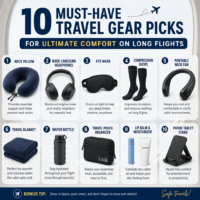
Sleep quality matters when travel throws off routines. Pair an eye mask with wax or foam earplugs to block light and dampen noise without discomfort on long wear.
Use the mask early to establish a dark, consistent scene and keep the plugs in during noisy moments like overhead announcements. For overnight layovers, add a compact travel pillow and a lightweight blanket to support neck alignment and regulate temperature.
Choosing materials and fit
Comfort hinges on fabric, fit, and seal. Look for soft, breathable material and an adjustable strap to avoid pressure points. Select earplugs that suit your ear shape and noise sensitivity, whether foam for isolation or wax for a gentler seal.

Practical steps: test several densities of earplugs before departure and fine tune mask tension. If you wear glasses, choose a contoured mask with extra nose space to prevent frame pressure.
- Lightweight, breathable fabric for the mask
- Comfortable, adjustable strap
- Hypoallergenic materials to reduce irritation
- Foam or wax earplugs with a snug seal
| Accessory | Why it helps | Usage tip |
|---|---|---|
| Eye mask | Creates darkness that supports sleep cycles | Wear in transit and in unfamiliar rooms |
| Earplugs | Reduces ambient noise and chatter | Roll gently into position for best seal |
| Sleep-enhancing accessories (pillow, blanket) | Supports neck and body warmth | Pack compact versions that compress well |
7. Portable power bank with universal adapters
Sizing for multiple devices and long travel days
Balance capacity with portability. A 20,000 mAh model typically covers a day of charging for a phone, wireless earbuds, and a compact camera. If you rely on laptops or tablets, opt for higher capacity and pass-through charging, understanding it will add bulk.
Assess your kit. A two-port charger helps when you and a travel partner need a top-up at the same time. In sunny climates, a solar-assisted option can provide backup, though it may be slower than wall charging.
Charging etiquette and safety tips
- Store the power bank in a dedicated pocket to prevent abrasion and accidental activation.
- Avoid surges by using a surge-protected strip when charging from hotel outlets.
- Keep the unit in a cool, dry place and do not leave it in direct sun or inside a hot car.
- Use certified cables and adapters to protect battery health and device safety.
- Check airline rules for lithium-ion batteries before packing in carry-on luggage.
Practical setup tips
- Charge devices the night before, then top up the power bank to a safe level before departure.
- Label cables by device to speed up recharging and avoid mixed connectors.
- Carry a compact mesh pouch with a short cable for quick top-ups in airports or lounges.
- Test pass-through charging with your laptop and gear before a long trip to ensure compatibility.
FAQ
Here are concise answers to common questions about unconventional travel essentials and how to use them.
- Are battery-operated detectors legal in all countries? Most places allow portable detectors, but check local aircraft and rental rules before flying with them in carry-on luggage. Some jurisdictions restrict high sensitivity detectors on certain flights, so verify with your airline first.
- Will D-rings damage my bag fabric? Quality D-rings distribute weight evenly and are typically gentle on fabrics when used with proper straps and padding. If your bag is delicate, test a small area and use edge protectors to prevent snags.
- How do I choose a door alarm for shared accommodations? Look for compact, loud alerts with simple installation and a reliable battery indicator to avoid false alarms. Consider models with adjustable volume and universal mounting options for versatility across hosts.
- Can a reusable water bottle replace disposable bottles? Yes. A built-in filter reduces waste while keeping you hydrated on the road. Choose a bottle with a clear filter lifecycle and carry spare filters for longer trips.
- What should a pocket first aid kit include for international travel? Basic bandages, antiseptic wipes, fever and pain relief, and a small adhesive tape are common essentials; tailor to your itinerary. Add blister plasters for hikers or seasickness tabs for coastal trips if relevant.
- How do sleep accessories impact travel comfort? A lightweight eye mask and comfortable earplugs can improve rest in noisy or bright environments, aiding recovery on long trips. Pack a compact set in a dedicated pouch near your reading light for easy access.
- Do power banks need special care? Yes, store in a cool place, use certified cables, and avoid charging in extreme heat to protect battery health. Rotate usage between devices and inspect for swelling or frayed cables before each trip.
| Item | Why it helps | Best practice |
|---|---|---|
| Wireless detector | Reliable safety readout in non-hotel spaces | Test upon arrival, replace batteries as needed |
| Door alarm | Immediate awareness of entry attempts | Mount on solid surface, check volume |
| Collapsible bottle with filter | Hydration without waste | Sanitize after use, replace filter on schedule |
Conclusion
Unconventional travel essentials save time, space, and stress by addressing gaps many packing lists miss. They help you navigate unexpected hotel setups, budget stays, and long travel days with confidence.
By pairing practical safety devices with compact organization and sleep aids, you maintain a calmer, more secure journey without adding bulk to your luggage. The aim is practical preparedness, not clutter.
- Prioritize items you truly need based on your itinerary and accommodations.
- Test gear before you depart to avoid surprises on arrival.
- Keep a lightweight packing list updated with real world tweaks from your travels.
| Item type | Why it helps | Practical tip |
|---|---|---|
| Portable safety devices | Enhances security in non traditional stays | Check battery status and placement before sleep |
| Collapsible gear organizers | Maximizes space and accessibility | Label pockets to quickly locate essentials |
| Sleep aids | Supports rest in variable environments | Choose breathable, compact options to pack |
For tailored guidance, trafels.com encourages building a destination aware packing list that links to your safety checklist and reflects current local conditions, hotel options, and transport realities.
References
- What unconventional travel essentials do u swear by?
- What are some travel essentials you swear by that aren’t on the basic lists?
- What’s one item you’ll never travel without , no matter what?
- What’s the most unusual or unique travel item you always bring with …
- Unusual Things to Pack for a Trip: Editor’s Picks