

Introduction of planning mistakes
Smart planning is the backbone of a smooth trip. The right approach helps you avoid overpacking and minimizes crowds on busy days. With purposeful preparation, you gain time, money, and peace of mind.
This section highlights common missteps travelers make before departure. We’ll show you a simple framing method and practical routines that prevent bulky luggage and jam-packed itineraries.
You’ll learn practical checks and a lightweight framework you can apply to any destination. Think of it as a quick, repeatable process: assess needs, set priorities, and layer in flexibility. This approach reduces stress and helps you focus on what matters most, enjoying the journey.
1. Overplanning Too Early
Early commitment to a fixed plan
You lock in an exact sequence of activities days or weeks before you travel. This leaves little room to adapt to delays, weather, or local recommendations. The result is a rigid schedule that increases the chance of overpacking as you try to fit everything in.
Adopt a flexible skeleton instead. Aim for core experiences each day and reserve time blocks for unplanned discoveries. This reduces the urge to bring extra gear or duplicates just in case.
Failing to leave room for spontaneity
A strict plan discourages wandering into neighborhoods, markets, or street food finds. When you constrain yourself, you tend to overpack to cover unlikely scenarios and climates you may not actually encounter.

Build spare slots into your itinerary for spontaneous outings. With fewer forced activities, you’ll travel lighter and enjoy authentic moments you can’t forecast.
- Focus on a core set of experiences per day
- Time-block flexible windows for weather or delays
- Keep a small reserve of space in your luggage for souvenirs
2. Underplanning Without Prioritization
Listing too many must-sees without prioritization
A sprawling, ambitious list invites crowded days and rushed transitions. You end up chasing options that are close in distance but not optimal in time or energy, which fuels fatigue and messy routing.
Prioritize by impact and accessibility. Start with a handful of core experiences and assign them a preferred time window. You’ll conserve energy for meaningful moments and avoid cramming low-value stops.
Treating every location as a must-visit
Not every site deserves the same attention, yet a packed itinerary pushes you to chase every destination. That can lead to backtracking, hurried meals, and shallow exploration.

Score destinations by relevance to your interests, distance from your base, and typical wait times. Allocate time accordingly and leave space for local discoveries that match your pace.
- Zero-drag prioritization: pick 3-5 key experiences per day
- Time-blocks for travel between sites to minimize backtracking
- Flexible fallback options in case of delays or weather
| Strategy | Benefit | Example |
|---|---|---|
| Core experiences first | Leaves room for spontaneity | One landmark, one neighborhood walk, one meal spot |
| Prioritized scheduling | Reduces backtracking | Group nearby sites into one half-day |
3. Relying on One-Size-Fits-All Packages
Using generic itineraries for diverse destinations
Generic plans assume every place follows the same rhythm. In reality, culture, geography, and seasonal events shape what you can accomplish in a day. Relying on a single template pushes you toward overpacking and rushed transitions.
Customize your framework to fit each destination. Start with a baseline of local highlights, then tailor timing to climate, crowd levels, and travel style.
Ignoring local time, transport, and crowd patterns
Time zones, walking distances, and public transport reliability change how long activities take. A mile feels longer when you factor transit and wait times. Skipping this reality invites cramming and late starts.

Coordinate routes with practical gaps for transfers and queues. Build buffers around peak hours and transit quirks to keep days manageable and luggage lighter.
- Assess each destination’s typical opening hours and crowds you may encounter
- Map efficient routes that minimize backtracking
- Incorporate transit buffers to avoid timing conflicts
| Approach | Impact | Example |
|---|---|---|
| Destination-specific tailoring | Reduces wasted time and gear | Clustered landmarks by neighborhood |
| Transit-aware planning | Prevents delays and stress | Time blocks around trains and buses |
4. Packing Without a Strategy
Bringing non-essential clothing and gear
A wide wardrobe in a suitcase invites overpacking and weight fatigue. You only need a versatile core and a small fallback set for unexpected weather. Focus on items that serve multiple activities and outfits.
Pack by function, not by dream scenarios. If you won’t wear it in a typical week at home, you won’t wear it abroad either.
- Choose a neutral color palette for mix-and-match outfits
- Limit footwear to two pairs that cover most activities
- A compact weather layer and a quick-dry outfit for travel days
Forgetting to plan for climate and activities
Climate and planned activities should drive your packing list. A mismatch leads to extra items at the destination or repeated laundry runs. Align clothing with the actual itinerary and forecasted conditions.

Build a lightweight checklist before you pack to avoid last minute bag changes. This keeps luggage lean and reduces the chance of double packing for different climates.
| Consideration | Impact | Example |
|---|---|---|
| Activity-appropriate layers | Prepares for variable weather | Pack a shell, a moisture-wicking base, and a light sweater |
| Versatile clothing | Maximizes outfits with fewer pieces | 3 tops, 2 bottoms, 1 dress or equivalent |
5. Not Capping Daily Activities
Squeezing too many activities into a day
When your plan tries to fit every must-see into 24 hours, you lose focus and energy. You may rush through spots, miss details, and enjoy each place less. A tight schedule also makes you more susceptible to delays and fatigue.
Set a realistic daily cap. Prioritize 3 core experiences and allow space for one flexible option that can adapt to weather or mood.
- Limit active site visits to 2-3 hours per block
- Build buffers for transit, meals, and rest
- Prepare an optional fallback activity in case a plan is disrupted
Neglecting travel time and transitions
Transit between locations eats into your day if not accounted for. Waiting lines, security checks, and walking distances add up fast. Ignoring these costs leads to late starts and crowded itineraries.

Estimate travel time with real world buffers. Use geography to cluster nearby activities and minimize backtracking.
| Approach | Benefit | Example |
|---|---|---|
| Limit daily blocks | Preserves energy and focus | Morning museum, afternoon park, evening stroll |
| Transit buffers | Reduces delays cascading into plans | 20-30 minute buffers around trains and bus transfers |
6. Inadequate Transport Planning
Ignoring logistics of airports, trains, and local transit
How you move between spots defines daily pace. Overlooking airport wings, train lounge hours, or local transit quirks can create delays and crowded moments. Align your plan with real timetables and station layouts to maintain momentum.
- Check airport bag drop and security timelines to avoid gate rushes
- Schedule trains and buses with buffers for delays and queuing
- Map walking distances between arrivals, transfers, and lodging
Overlooking visa, entry, and mobility constraints
Entry rules and mobility limits vary by destination. Missing visa windows or misreading entry requirements can stall plans and force costly pivots. Plan approvals early and keep contingency options ready.
| Aspect | Risk | Mitigation |
|---|---|---|
| Airport to city transfer | Missed connection or long taxi lines | Prebook a trusted transfer or check rail options |
| Transit validity | Schedules change and seats sell out | Purchase flexible or open-ended passes when possible |
| Visa and entry | Denied boarding or border delays | Verify requirements well in advance and carry digital copies |
7. Skipping Research on Crowded Periods and Alternatives
Not checking peak seasons and events
Failing to review crowd patterns can turn a simple trip into a constant shuffle. Peak seasons drive higher prices, longer lines, and limited availability for accommodations and activities. You may end up with wasted time and crowded hotspots.
Do a quick calendar scan before you book. Identify major events, holidays, and school break periods that could spike demand. Use that insight to adjust dates or book early for better options and lower costs.
- Check regional event calendars and major conferences
- Consider shoulder seasons for calmer experiences
- Look for alternative neighborhoods with easier access
Missing off-peak options and smarter routing
Off-peak options often miss the mark because you assume they are boring. In reality, these periods offer shorter lines, cheaper rates, and unique experiences. Smarter routing means prioritizing routes that minimize backtracking and maximize time at each site.
Build a lightweight plan that tokenizes days into core experiences plus flexible windows. Favor routes that group nearby sights and pair them with efficient transit legs.
| Strategy | Benefit | Example |
|---|---|---|
| Check local calendars for off-peak events | Lower crowds and better value | Visit a museum on a weekday afternoon |
| Smart routing to group sights | Reduced transit time | Cluster coastal viewpoints in a single day |
FAQ
You want a quick reference to common planning missteps and practical fixes. Here are answers drawn from typical travel planning experiences.
- Why do I overpack even when I know better? Overplanning early or chasing a perfect packing list can spark fear of missing items. Set a lean baseline and add only small backups for weather shifts.
- How can I avoid crowded itineraries? Cluster nearby activities and build buffers between transitions. This reduces backtracking and keeps days from feeling jammed.
- What should I pack for air travel? Prioritize carry-on essentials, meds in original containers, and a compact set of layers. Check TSA or local rules for liquids and electronics.
- What about big-ticket attractions? Reserve key times in advance and leave flexible windows for spontaneous discoveries nearby.
- How do I handle luggage loss? Keep digital copies of documents, a small emergency kit in carry-on, and a plan for replacements at your destination.
| Topic | Common Pitfall | Simple Fix |
|---|---|---|
| Packing | Bringing non-essentials | Adopt a packing list with a climate and activity checklist |
| Itinerary density | Too many stops per day | Limit to 3-4 core experiences, add buffers |
| Crowd planning | Ignoring peak periods | Check calendars, pick shoulder seasons |
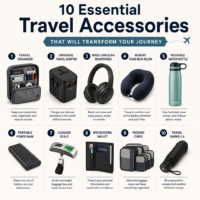
Best-seller gear from Amazon recommendations can help, including versatile travel organizers and compact packing cubes to streamline your bag. Remember to tailor gear to your destination and trip length for optimal efficiency.
Conclusion
Great planning reduces both overpacking and crowded itineraries. If you structure prep around a simple framework, you keep essentials handy while preserving time for meaningful experiences.
Key takeaways to lock in before you pack and plan:
- Define a core daily rhythm with 3-4 priorities and room for adjustments.
- Assess climate, activities, and local norms to tailor a lean wardrobe and gear set.
- Map transport legs and transitions to minimize backtracking and waiting.
- Research peak periods and consider off-peak options for smoother experiences.
When it comes to gear, select compact, versatile items that cover multiple needs and fit your packing style. A focused kit helps you stay flexible without sacrificing safety or comfort.
Our approach at trafels.com emphasizes preparedness and practical, destination-aware planning. By avoiding common missteps, you protect your time, reduce stress, and enjoy a cleaner, more efficient travel flow.