
Table of Contents
- Introduction
- 1. Travel as a Catalyst for Global Literacy
- 2. Real-World Skills Gained Through Travel
- 3. Travel-Informed Civic Understanding and Empathy
- 4. Integration with Curriculum: Practical Frameworks
- 5. Practical Logistics and Safety Considerations
- 6. Digital and Hybrid Models of Travel Education
- 7. Equity, Accessibility, and Inclusion in Travel Education
- FAQ
- Conclusion
Introduction of Should world travel be part of modern education?
What is meant by ‘world travel’ in education
World travel in education refers to structured experiences that extend beyond the classroom to engage with real places, people, and cultures. It ties destination relevance to curriculum goals to deepen understanding rather than simply visiting sites. At trafels.com, travel becomes a practical bridge between theory and lived experience, from language immersion to observing economies and social systems firsthand.
Current trends in education and experiential learning
Learning now blends hands-on experiences with digital tools. Students explore local and global contexts through projects, simulations, and fieldwork that mirror real-world challenges.
- Project-based learning tied to authentic destinations
- Use of virtual exchanges to extend reach and safety
- Emphasis on global literacy, cultural exposure, and practical safety literacy
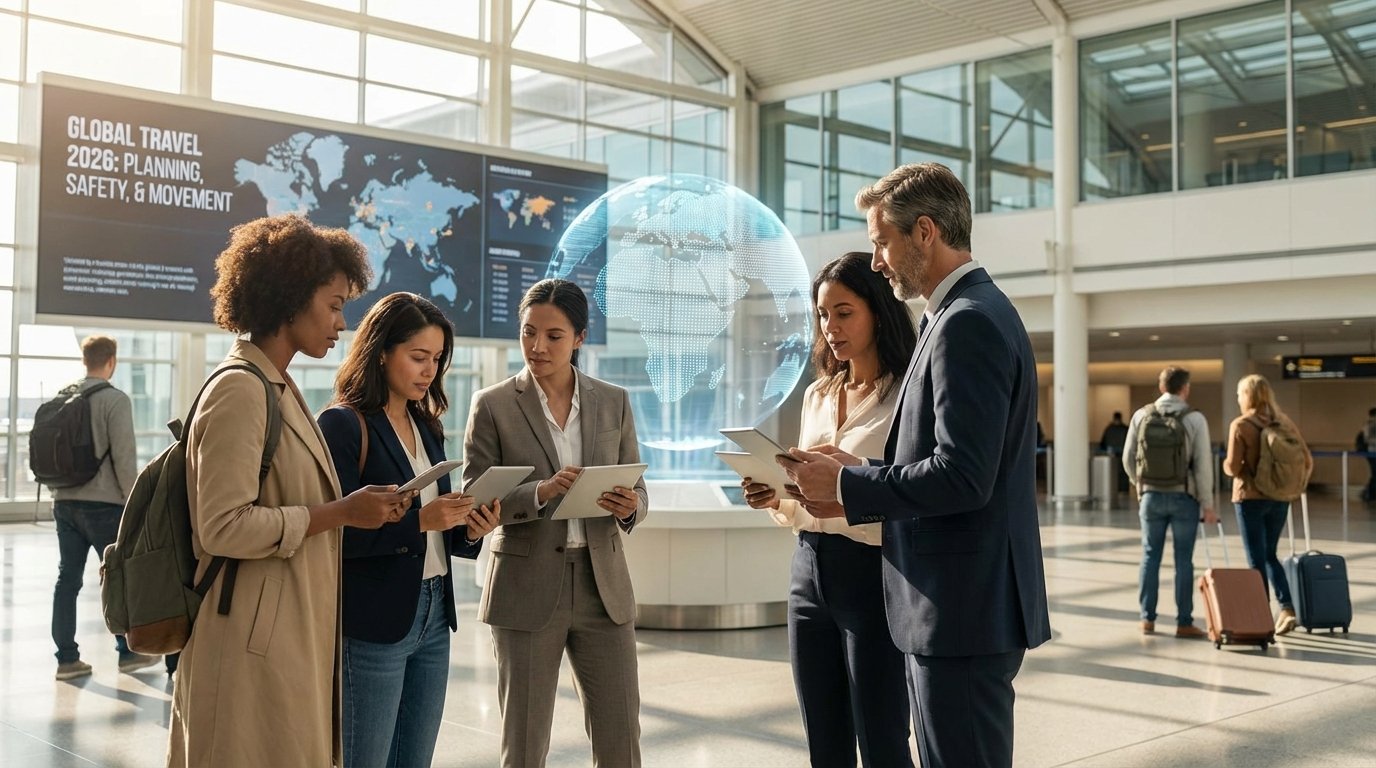
These trends show that learning outside the classroom strengthens core skills while building travel literacy. The aim is to equip students to navigate diverse environments responsibly and confidently, whether on a school trip or a broader educational journey.
1. Travel as a Catalyst for Global Literacy
Language exposure and cross-cultural communication gains
Travel accelerates practical language use by placing learners in real communication contexts. You’ll hear idioms, refine pronunciation, and pick up cultural cues that go beyond classroom drills.
Direct interaction with diverse communities builds functional communication skills. This goes beyond vocabulary to tone, body language, and situational nuance, enhancing global literacy.
- Engagement with native speakers in authentic settings such as guided tours or local markets
- Listening and adaptive speaking improvements through spontaneous conversations
- Increased ease navigating multilingual environments like airports or community events
Understanding global systems through firsthand experience
Travel sheds light on how regions organize education, healthcare, and governance. You observe how local rules shape daily life and entrepreneurship.

Direct encounters reveal links between economies, cultures, and environments, deepening understanding of global supply chains, migration, and policy outcomes beyond textbooks.
- Observing resource management in villages and cities
- Exposure to varied educational models and civic practices, such as school timetables or local councils
- Recognition of how regional histories influence current realities and business climates
2. Real-World Skills Gained Through Travel
Problem-solving in unfamiliar environments
Travel places students in situations where standard solutions don’t apply. They must assess options quickly, prioritize safety, and improvise with available resources. This builds practical decision-making that transfers to any classroom or workplace.
- On-the-ground diagnostic thinking when plans derail
- Creative use of local networks to access information
- Timed problem resolution under unfamiliar conditions
Adaptability, resilience, and time-management under travel constraints
Experiences abroad test routines. Students learn to adjust plans to changing schedules, weather, or logistical hiccups. They develop grit and pacing strategies that help them meet deadlines without sacrificing quality.
- Flexible schedule planning amid delays
- Maintaining focus when environments shift rapidly
- Prioritizing tasks to balance exploration with learning goals
Comparison of travel-enabled skills
| Skill Area | Typical Classroom Outcome | Travel-Enhanced Outcome |
|---|---|---|
| Problem solving | Structured exercises with known variables | Adaptive reasoning in real-time contexts |
| Time management | Rigid deadlines within a controlled timeline | Dynamic scheduling amid disruptions |
| Resilience | Low-stakes practice | High-stakes persistence in new environments |
3. Travel-Informed Civic Understanding and Empathy
Civic engagement and awareness of global issues
Travel shows how communities tackle shared challenges, from the care of local ecosystems to public health efforts. Observing these initiatives helps learners connect policy ideas with real outcomes.
You can map your civic responsibilities to broader global contexts, recognizing that actions in one place can affect others. This awareness strengthens participation in school governance and community life, with a broader sense of accountability.
- Witnessing community-led solutions in diverse regions
- Connecting classroom debates to on-the-ground realities
- Developing a sense of global responsibility and cooperation
Perspective-taking and cultural humility
Engaging with diverse communities builds the ability to see issues from multiple angles. You learn to listen first, avoiding quick judgments about unfamiliar practices.
This fosters cultural humility, a readiness to adjust assumptions and seek context before forming conclusions. Such shifts support thoughtful collaboration in future work or civic projects.
- Encountering varied social norms and communication styles
- Practicing respectful inquiry and open dialogue
- Gaining nuanced insights into heritage, beliefs, and daily life
| Aspect | Classroom Lens | Travel-Informed Lens |
|---|---|---|
| Engagement | Debates and assigned readings | Participation in real community settings |
| Perspective | Varied opinions from peers | Firsthand exposure to lived experiences |
| Humility | Critical thinking about bias | Contextual empathy and openness |
Practical steps to maximize travel outcomes
Before departure, define concrete goals linked to local projects you can observe and assist with during your stay.
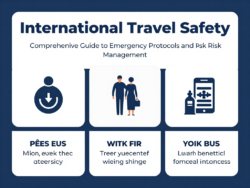
During travel, maintain a simple field log. Record who you spoke with, the challenges faced, and the solutions observed. This serves as a reference when comparing policies and outcomes later.
Upon return, present a concise capstone in your class or club. Highlight at least two insights that challenged your assumptions and one idea to adapt a successful approach to your home context.
4. Integration with Curriculum: Practical Frameworks
Project-based learning tied to destinations remains the core anchor, linking local insights to established standards. Students collaborate to produce artifacts that reveal understanding of place-based histories, economies, and ecosystems. The goal is learning that travels beyond the trip and into broader skill sets.
- Destination-led research questions grounded in real data
- Interdisciplinary work spanning language, social studies, and science
- Public-facing outputs such as presentations or exhibitions for peers and community partners
Assessment models must reflect on-the-ground competencies, not only recall. Rubrics should value process, collaboration, and reflection alongside accuracy. Use authentic tasks that mirror professional practice in travel-informed fields.
- Competency-based rubrics measuring inquiry, adaptability, and communication
- Reflective journals paired with performance demonstrations
- Portfolio reviews compiling field notes, artifacts, and digital storytelling

Table and framework aligned benchmarks guide teachers in translating trips into deliverables. Each element focuses on elevating transferable skills and ensuring learning outcomes map to core standards.
| Framework Element | Classroom Benchmark | Travel-Integrated Benchmark |
|---|---|---|
| Inquiry approach | Structured problems with pre-defined data | Open-ended investigations using in-situ observations |
| Collaboration | Group assignments with fixed roles | Cross-cultural teamwork with role flexibility |
| Assessment | Exams and quizzes | Portfolios and performance demonstrations |
5. Practical Logistics and Safety Considerations
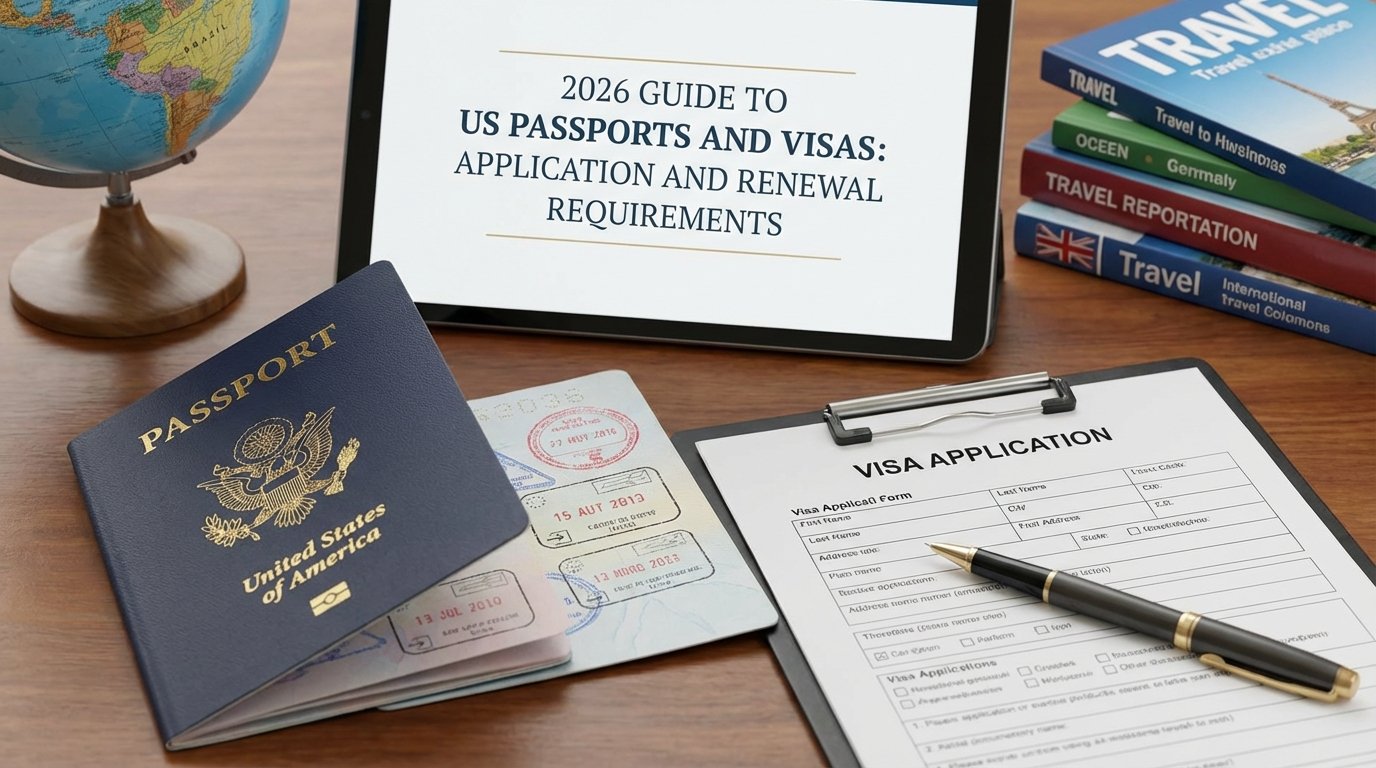
Documentation, visas, and travel planning for students
Organizing travel for students requires meticulous documentation. Ensure passports are valid for the duration of the trip plus a buffer for delays.
Plan visa requirements early, noting country-specific entry rules and student-specific documentation such as letters of consent and school-sponsored itineraries.
- Maintain a centralized checklist for immunizations, medical forms, and emergency contacts
- Coordinate with the school’s administration to align trip dates with the academic calendar
- Build a pre-trip briefing that covers cultural norms, local laws, and health considerations
Safety protocols and risk management for educational trips
Safety planning should address clinical needs, travel disruptions, and on-site incident response. Establish clear roles for staff and chaperones.
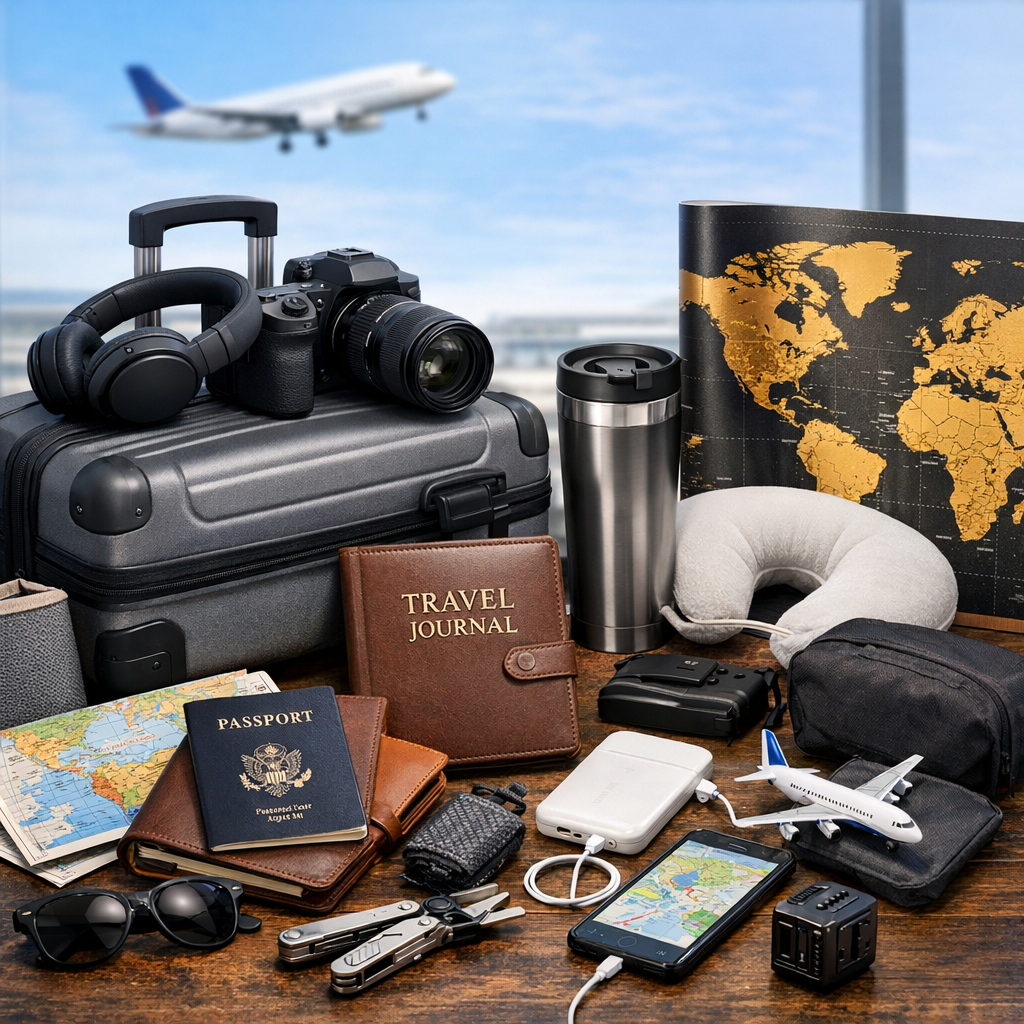
Develop a risk matrix that identifies likelihood and impact for common travel hazards, and assign mitigation steps.
- Emergency communication plans and a 24/7 on-call contact structure
- Verified accommodations, transport providers, and partner organizations with safety records
- Student-specific risk assessments that consider age, mobility, and medical needs
| Area | Key Considerations | Best Practice |
|---|---|---|
| Documentation | Passports, visas, consent forms | Early checklists and school approvals |
| Health | Medical history, medications, allergies | On-site medical kit and local healthcare access map |
| Safety | Emergency contacts, incident reporting | Structured drills and debriefs post-trip |
6. Digital and Hybrid Models of Travel Education
Virtual exchanges and augmented reality field experiences
Digital tools extend learning beyond physical trips with tangible outcomes. For example, a biology class can interview researchers abroad and compare specimen notes in real time, sharpening scientific literacy and cross cultural communication.
Augmented reality field experiences allow students to annotate artifacts during a site visit or museum tour, then review multiple interpretations with peers back on campus. In practice, a history class might overlay timeline notes on a colonial fort, compare archival sketches to current terrain, and debate competing narratives without leaving the city.
- Structured virtual cohorts with clear learning targets
- AR-enabled excursions that highlight geography, history, and culture
- Asynchronous reflection channels to deepen understanding
Hybrid trips: local expeditions and international immersion
Hybrid models blend short local trips with extended international experiences to build momentum and manage risk. A middle school program might start with a weekend local service project, then follow with a two-week international exchange, spreading costs over the year.
Local expeditions teach travel logistics and safety routines, while international components deepen language use and cultural empathy. This structure supports ongoing travel education within a semester-by-semester plan aligned to standards.
- Tiered itineraries that scale with grade level and budget
- Integrated assessments tying on-site observations to core standards
- Shared digital portfolios capturing before, during, and after travel insights
| Model | Strength | Consideration |
|---|---|---|
| Virtual exchanges | Low cost, broad reach | Requires reliable tech and scheduling across time zones |
| AR field experiences | Engaging, scalable insights | Needs quality content and device access |
| Hybrid trips | Balanced exposure, risk management | Coordination between local and international partners |
7. Equity, Accessibility, and Inclusion in Travel Education
Ensuring access for all students
You want travel education to be a universal asset, not a privilege for a few. Schools should pursue funding models that support low-cost trips, scholarships, and community partnerships. Align programs with district goals to minimize additional burdens on families.
Universal access also means adaptable formats. Not every student can travel abroad, so local and virtual options should mirror the same learning targets. This ensures cradle to grave education remains inclusive across socio-economic backgrounds.
- Sliding-scale fees and on-site fundraising support
- Transportation and meal stipends for eligible students
- Alternative itineraries that achieve core outcomes without long-distance travel
Addressing stereotypes and representation in travel experiences
Travel experiences must challenge bias rather than reinforce it. Curate destinations and activities that present diverse histories and viewpoints. Involve students in selecting sites to foster ownership and critical thinking.
Representation matters in content, guides, and partners. Use a mix of local experts and vetted organizations to provide authentic perspectives. Encourage reflective practices that surface student interpretations and question assumptions.
FAQ
Is travel a necessary part of education?
Travel can enrich education without being a universal requirement. It offers experiential insights textbooks often miss, while strong classroom practices and local fieldwork can build core knowledge. The aim is to show how travel complements pedagogy, not to replace foundational learning. For example, a science unit on ecosystems benefits from site visits alongside in-class data analysis.
What are the key benefits versus costs?
Benefits include expanded global literacy, practical problem solving, and cultural empathy. Travel also broadens language exposure and understanding of international systems. Costs involve time, budget planning, safety considerations, and scheduling disruption. Schools should set clear targets and offer scalable options, such as weekend field seminars or virtual exchanges, to maintain continuity when trips aren’t feasible.
How can schools implement travel programs responsibly?
- Set explicit learning goals tied to standards and measurable outcomes.
- Choose destinations with vetted educational partners and up-to-date safety protocols, including emergency contacts and risk assessments.
- Incorporate pre-trip preparation and post-trip reflection to maximize retention and transfer of learning.
- Offer a mix of local, regional, and international options to enhance accessibility and equity.
- Provide equitable access through scholarships, sliding-scale fees, and flexible formats like short modules or virtual experiences.
| Approach | Pros | Cons |
|---|---|---|
| Local fieldwork | Lower cost, high relevance | Limited international exposure |
| Regional trips | Balanced logistics, broader contexts | Partial exposure to global systems |
| International immersion | Deep cultural literacy, language practice | Higher cost and risk management |
Conclusion
Balancing travel with traditional pedagogy
Travel enhances learning with concrete, context-rich experiences that complement classroom instruction. It should augment core subjects rather than replace them, integrating through targeted projects, reflections, and assessments aligned to standards. This preserves foundational knowledge while expanding practical understanding.
Effective implementation hinges on clear alignment with curricula and scalable models. Local trips, regional exchanges, and digital components can widen access without overloading calendars. For example, pairing a science unit on ecosystems with a field site visit and post-visit data analysis maintains rigor while broadening global awareness.
Future outlook: travel-integrated education as a standard
As partnerships mature and tech evolves, travel-informed learning can become a normal feature of well-rounded schooling. Hybrid formats and digital augmentation enable broader participation and more frequent experiential cycles. Districts might weave traveler narratives into cross-curricular projects that connect local and global contexts.
Travel education should reinforce safety literacy, critical thinking, and cultural humility. Thoughtful design helps students navigate complex, interconnected environments. At trafels.com, we advocate for well-planned travel integration that preserves core fundamentals while enriching educational practice.