


Table of Contents
- Introduction
- 1. Train-focused Circumnavigation: Transcontinental Rail Routes
- 2. Maritime Journeys: Freighters, Cruises, and Ocean Crossings
- 3. Overland Corridors: Buses, Autobuses, and Long-distance Road Travel
- 4. Hybrid Itineraries: Combining Rail, Sea, and Road for Global Loops
- 5. Documentation and Logistics: Passports, Visas, and Travel Insurance
- 6. Safety, Security, and Local Etiquette on Overland Journeys
- FAQ
- Conclusion
Introduction
Why travel without flying
You can circumnavigate the globe using ground and sea routes. This approach rewards careful planning, patient pacing, and deliberate choices. It reduces reliance on air travel while opening up meaningful experiences along the way.
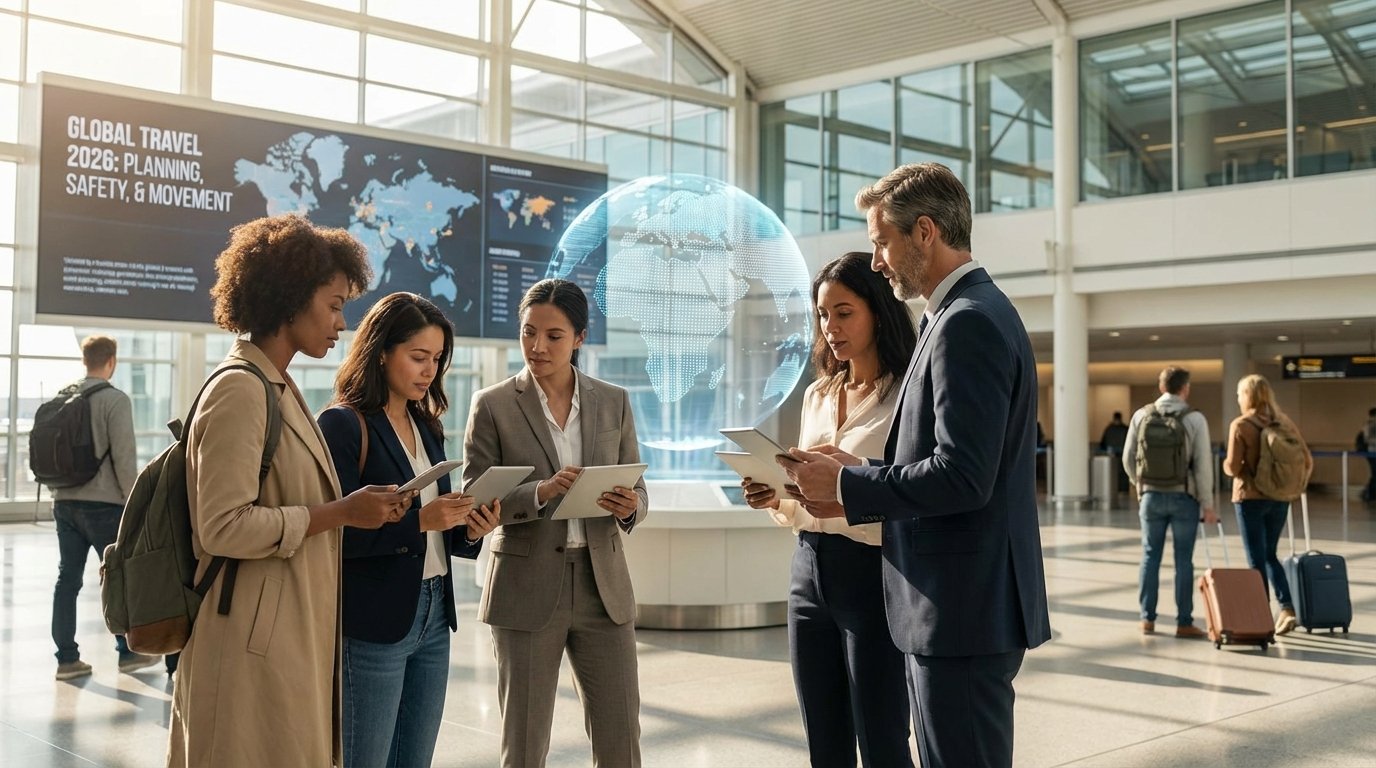
Overland and maritime routes let you engage with more of the journey itself. You’ll encounter varied landscapes, absorb local rhythms, and build flexibility into your itinerary. It’s about moving with intention rather than rushing to a distant point.
What this guide covers and who it’s for
This guide outlines viable overland and sea itineraries, from transcontinental trains to freighter passages and long-distance bus networks. You’ll learn how to balance travel time with cost, navigate visa considerations, and stay safe on multi-modal journeys.
It’s designed for long-term travelers, budget-conscious explorers, and anyone curious about slow, immersive world travel. You’ll find practical steps, route ideas, and checklists to help you plan a world tour without flying.
1. Train-focused Circumnavigation: Transcontinental Rail Routes
Europe to Asia by rail
Rail travel from Europe into Asia weaves through long, scenic corridors that connect multiple countries. You can leverage Western Europe’s high speed networks and continue into Eastern Europe and beyond on varied routes. Expect border checks, gauge differences, and seasonal timetables that shape pacing.
New considerations to keep in view:
- Rail passes and multi-country tickets to simplify bookings.
- Major hubs to plan overnight connections and city stays.
- Language planning and local transport links for smoother transfers.
Crossing North America by rail
Transcontinental routes connect coastal cities with inland hubs, offering momentum through deserts, plains, and forests. Segmenting trips can help control costs and allow rest days in budget-friendly stays.
Practical notes:
- Reserve seats or sleepers where possible to maximize comfort on longer legs.
- Coordinate connections with bus or metro networks at transfer points.
- Seasonal schedules may affect service frequency and reliability.
Rail networks in Asia and the Middle East
Asia and the Middle East host interconnected rail options that span vast distances, including lengthy international routes and regional corridors linking urban centers. Plan with visa zones and border controls in mind to keep progress steady.
Tips for success:
- Identify high-density corridors with frequent departures to reduce waiting times.
- Check gauge compatibility when crossing borders to avoid last-minute changes.
- Prepare basic phrases for station staff and use offline maps for rural segments.
2. Maritime Journeys: Freighters, Cruises, and Ocean Crossings
Booking freighter passages
Freighter travel offers a slower, cargo-focused route between continents. Booking requires flexibility around schedules and cabin types. Plan several months ahead to secure space and favorable rates.
- Research reputable operators and confirm port calls align with your route.
- Expect fewer onboard amenities than a cruise; plan meals and comfort accordingly.
- Prepare to adapt to ship life, including restricted public areas and strict timetables.
Cultural and practical aspects of long ocean crossings
Crossing oceans by sea provides time to reflect and absorb maritime rhythms. You’ll encounter varying weather, sea states, and crew languages. Use the downtime to journal, study languages, or learn shipboard routines.
- Pack compact entertainment and language phrasebooks for cabin use.
- Respect onboard safety drills and life-saving procedures.
- Plan shore days around port schedules to maximize time on land when possible.
Cruise-based segments and hybrid options
Cruises enable smoother transitions between regions and can be combined with rail or bus legs for hybrid itineraries. Consider both full cruise segments and segmental cruising to balance pacing and cost.
- Look for repositioning or regional itineraries with longer port stays.
- Pair cruise legs with overland legs to reduce backtracking.
- Assess cabin types, onboard connectivity, and meal plans for budget alignment.
3. Overland Corridors: Buses, Autobuses, and Long-distance Road Travel
Long-haul bus networks interlinking continents
Long-haul bus networks can stitch together regions where rail or sea options are limited. You’ll find cross-border routes that connect regional hubs with overnight services and daytime connections. Pacing depends on road quality, border wait times, and schedule reliability.
New insights to consider:
- Choose routes with predictable timetables and ample daytime travel to reduce fatigue.
- Plan for overnight connections where available to maximize daylight sightseeing on arrival days.
- Prepare for varying comfort levels, ventilation, and legroom on long legs.
Self-drive vs. hired drivers across borders
Driving yourself offers flexibility and direct scheduling, but crossing borders adds paperwork and insurance considerations. Hiring a driver can simplify customs and language barriers, though costs rise with distance.
Practical considerations when choosing a mode:
- Vehicle rental terms, international plates, and insurance coverage.
- Driver familiarity with local routes, traffic norms, and emergency contacts.
- Daily driving limits, rest requirements, and fuel logistics across regions.
Border crossings and visa considerations for overland travel
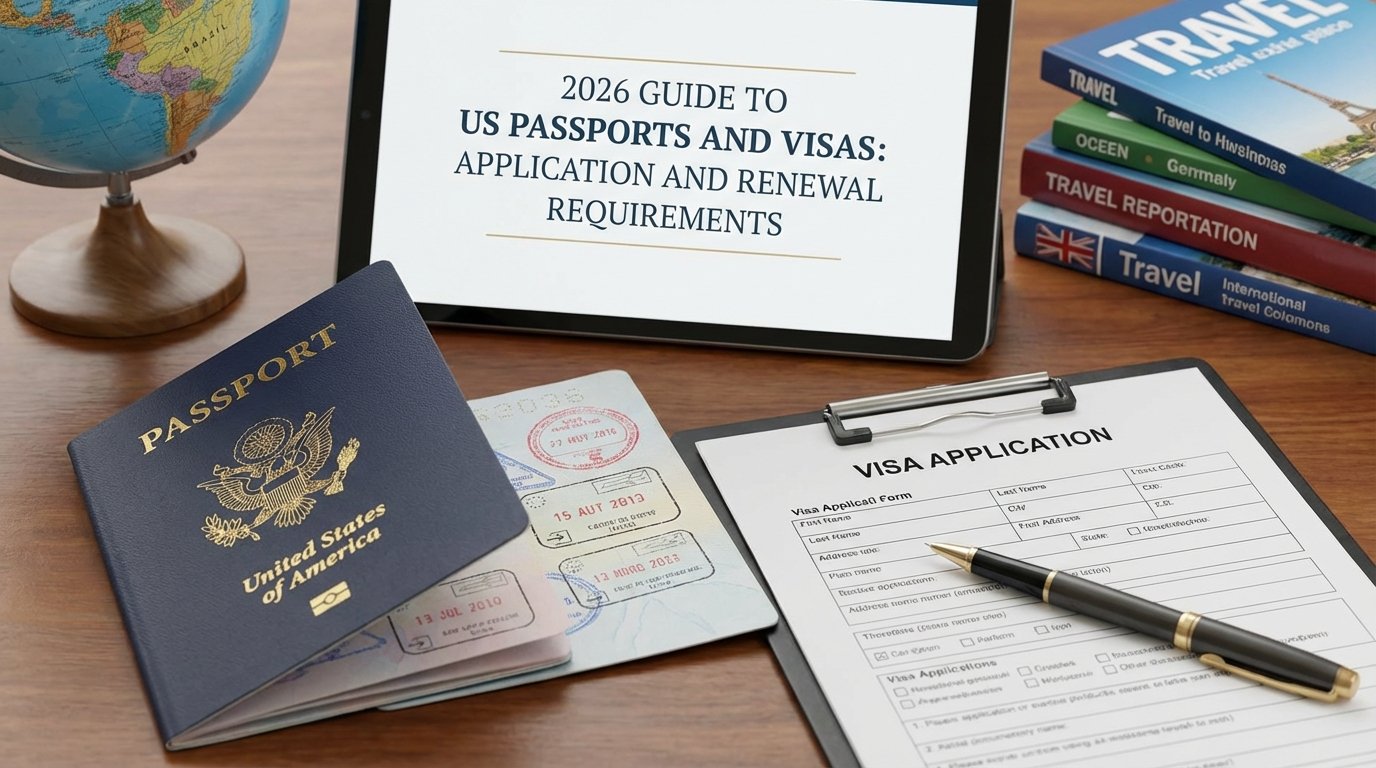
Overland routes require careful visa sequencing, as you may pass through multiple jurisdictions with varying entry rules. Some borders permit visa-on-arrival, others demand advance e-visa or embassy processing.

Practical tips include:
- Research transit visa options for short layovers and longer stays.
- Carry digital and printed copies of travel documents, as paper trails remain common at checkpoints.
- Expect fluctuating border wait times and plan buffer days into your itinerary.
4. Hybrid Itineraries: Combining Rail, Sea, and Road for Global Loops
Optimizing routes for time vs. cost
Tailor your pace to balance budget and deadlines. Mix high speed rail with longer sea passages to stretch value where it matters most.
Key considerations:
- Prioritize dense regions with fast rail legs to cover ground efficiently.
- Incorporate freighter passages to extend ocean crossings at lower daily costs.
- Schedule ocean crossings in shoulder seasons to avoid peak crowds and inflated rates.
Seamless transfers between modes
Transfers require clear timing and luggage planning. Build buffer days around switches and choose routes with predictable service windows.
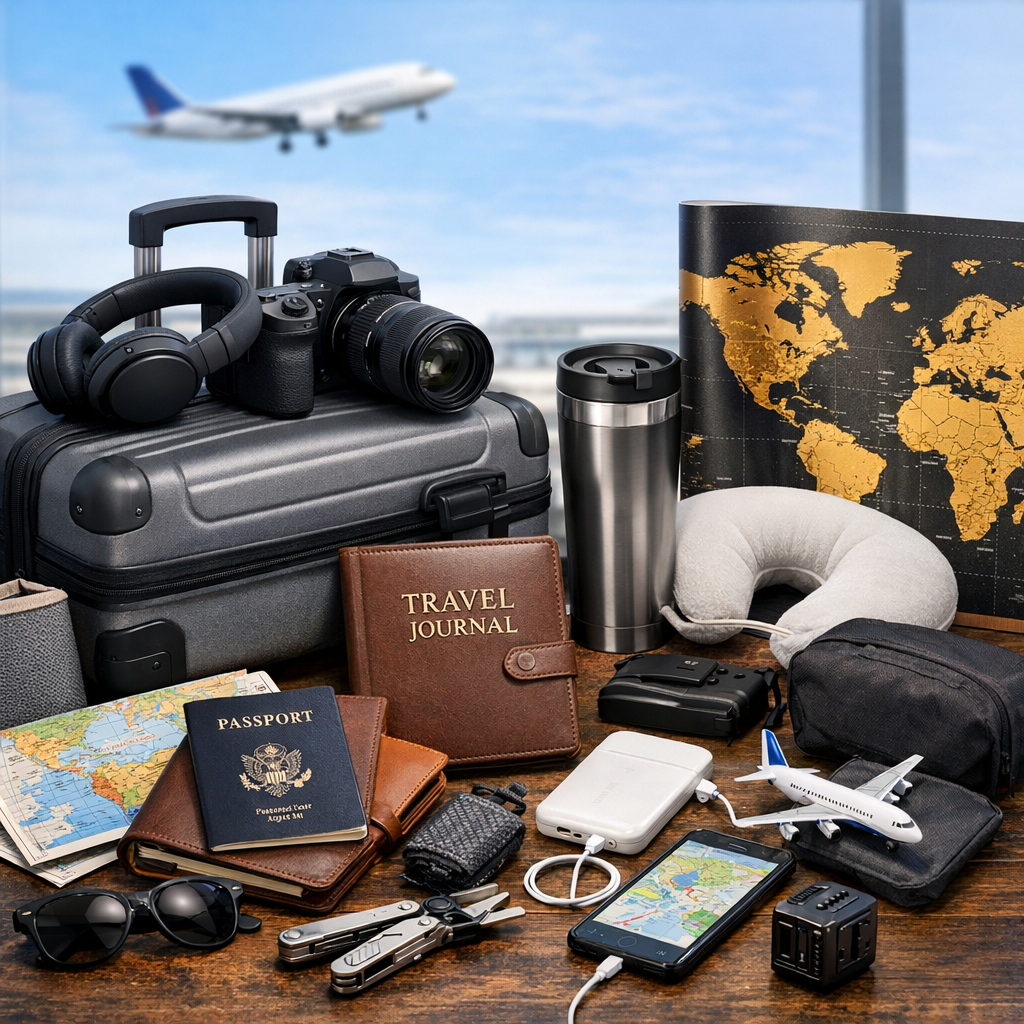
Practical steps:
- Book through itineraries when possible to simplify connections across rail, sea, and road legs.
- Use flexible luggage options for ships with limited cargo space.
- Choose central hubs to minimize backtracking and maximize route efficiency.
Seasonal considerations and crowd management
Seasonality affects price and availability. Align segments to avoid peak travel windows while keeping a comfortable pace.
Tips:
- Plan rail legs in shoulder seasons for better seat availability and lower fares.
- Secure port crossings early around local holidays to avoid sold-out cabins or trains.
- Stagger inland legs from major coastal routes to reduce crowding at stations and terminals.
5. Documentation and Logistics: Passports, Visas, and Travel Insurance
Visa planning for multi-country overland routes
Overland itineraries cross several jurisdictions, each with its own entry requirements. Start with a master map of visas needed, including transit rules for borders you expect to cross.
Strategy pointers:
- Sequence visas to avoid backtracking and minimize embassy visits.
- Identify visa-on-arrival opportunities and mandatory e-visas along your route.
- Prepare digital and printed copies of invitations, itineraries, and accommodation bookings.
Vaccinations and health documentation
Health prep evolves with routes and seasons. Align shot records with your chosen corridors and entry rules.
Key steps:
- Carry an up-to-date vaccination certificate and a simple medical summary in English.
- Check region-specific health advisories and traveler clinics for updates.
- Pack essential medications with copies of prescriptions and a basic first-aid kit.
Insurance coverage for multi-modal travel
Insurance must cover trains, ships, buses, and potential delays or evacuations. Verify policy scope before booking legs that cross borders.
Considerations:
- Medical coverage across countries and emergency evacuations by air or ground.
- Trip interruption and baggage protection for multi-leg itineraries.
- Documentation of policy numbers and 24/7 international support contacts.
6. Safety, Security, and Local Etiquette on Overland Journeys
Assessment of risk in different regions
Risk levels shift with seasons, local conditions, and urban dynamics. Check regional advisories daily and adjust plans as needed.
Focus on three core factors: crime exposure, transport reliability, and health security. Use them to modulate pacing and lodging choices in real time.
Staying connected and emergency planning
Maintain reliable communication with basic devices and offline maps. Share your itinerary with trusted contacts and set regular check-ins.
Carry a compact emergency kit, including a whistle, flashlight, copies of important documents, and a small cash reserve for urgent needs.
Cultural norms and respectful travel practices
Learn local etiquette for greetings, tipping, dress, and photography. Small, respectful actions prevent misunderstandings and foster goodwill.
Bridge language gaps with simple phrases and gestures. When unsure, observe cues and mirror polite behavior.
FAQ
Here are quick answers to common questions about traveling the world without flying. The aim is to offer practical guidance you can apply on your first planning pass.
- Is it possible to circumnavigate the globe without flying? Yes. You can string together rail, sail, and road segments to cover most continents, with ocean crossings where needed.
- How long does a world trip without flying typically take? Duration varies by route and pacing. Expect longer timelines than air-based trips, with careful scheduling to balance cost and comfort.
- What are the best upfront steps for visa planning? Map your route, list visa requirements for each country, and identify where visa-on-arrival or e-visas apply along the way.
- Are freighters a feasible option for ocean crossings? Freighter passages exist but require flexibility, longer lead times, and a willingness to adapt schedules around ship availability.
- How do I budget for ground and sea segments? Break costs by leg, consider rail passes, ship fares, hostels, and occasional private rooms. Build buffers for seasonal price swings.
- What safety considerations matter most? Stay aware of local advisories, carry copies of documents, and maintain emergency contacts. Prioritize stable, well-reviewed transport nodes.
- How can I minimize language barriers? Learn essential phrases for each region, use translation apps sparingly, and rely on multilingual staff at major hubs.
Conclusion
Traveling around the world without flying remains a deliberate, time intensive approach that rewards planning, patience, and adaptability. The pace is deliberate, letting you engage more deeply with landscapes, people, and places along the way.
trafels.com focuses on practical routing, dependable carriers, and solid documentation. By weaving rail, sea, and road segments, you can shape your itinerary around costs, safety, and personal comfort while preserving a sense of place in every region you visit.
Key takeaways to carry forward:
- Plan multi- leg routes with clear phases to manage time and visa needs.
- Balance budget and pace by prioritizing efficient rail legs and dependable sea crossings where appropriate.
- Build in buffers for schedule fluctuations and choose flexible accommodation options to stay comfortable between legs.
References
- A Little Advice… Travel Around the World Without Flying
- How would I travel around the world without using a plane?
- Circumventing the globe without a plane(and avoiding a car as much as possible) any …
- Is it possible to travel around the world without flying? How long would it take …
- How To Travel the World Without Flying