
Table of Contents
- Introduction
- 1. Intrepid Travel: Solo Traveler-Friendly Group Tours
- 2. Contiki: Social, Well-Structured itineraries for first-timers
- 3. G Adventures: Small-Group Experiences with Local Insight
- 4. Intense Travel: Niche Themed Group Tours for Peace of Mind
- 5. The 5-Star Operator Benchmark: Top-Tier Providers for Reliability
- 6. Vetting and Booking Tactics: How Solo Travelers Can Choose Safely
- FAQ
- Conclusion
Introduction
Why group tours can be ideal for solo travelers and first-timers
Group tours provide structure, companionship, and local insight. They simplify logistics like transport, accommodations, and visas in a single package. For solo travelers, a curated itinerary reduces planning stress and expands safety nets.

First-timers benefit from pacing that suits beginners, built-in routines, and a ready-made social circle. You can test destinations, cultures, and activities with a guide to help steer decisions.
What safety, reliability, and trust look like in group tours
Safety starts with licensed guides, verified itineraries, and appropriate insurance. Reliability means clear communication, transparent inclusions, and robust contingency plans. Trust comes from documented credentials, thorough operator vetting, and visible safety protocols.
- Transparent inclusions and boundaries around meals, activities, and optional add-ons
- Clear emergency procedures and 24/7 on-tour support
- Evidence of proper licensing, insurance, and local partnerships
How to use this guide to choose the right operator
Use this guide to compare safety credentials, group size, and itinerary pacing. Look for documented safety protocols, vetted local guides, and explicit cost structures. Apply the tips and checklists to vet operators before you book.
1. Intrepid Travel: Solo Traveler-Friendly Group Tours
What makes Intrepid Travel suitable for solo travelers
Intrepid Travel designs trips with solo travelers in mind, offering fixed departure dates that reduce uncertainty. The emphasis is on social pacing, with group activities that encourage interaction without forcing participation.

Many itineraries include shared accommodations and a mix of active and cultural experiences, helping first-timers stay engaged while preserving flexibility for personal comfort.
Key safety protocols and support structures
Guides are trained in local safety standards and emergency planning, with on-ground support for the entire trip. The operator maintains clear communication channels for travelers, including pre-trip briefs and on-tour briefings.
Intrepid often provides structured group safety checks, documented inclusions, and contingency options in case of itinerary changes or weather disruptions.
Typical itineraries and pacing for first-timers
Expect balanced days that mix sightseeing, meals, and free time. Pacing tends to favor moderate activity with options to opt out of more demanding experiences. Itineraries commonly feature core experiences early in the day and quieter afternoons to rest or explore at personal pace.
- Moderate walking distances with occasional longer days
- Local guides for context and ease of navigation
- Transparent inclusion lists and predictable daily schedules
2. Contiki: Social, Well-Structured itineraries for first-timers
Why Contiki appeals to first-time travelers
Contiki focuses on social momentum with approachable itineraries. The emphasis on shared accommodations and welcoming groups helps you ease into travel with peers at a similar stage.
Safety features and group dynamics
On-site guides and built-in safety checks provide a reliable framework for each trip. Group dynamics balance guided experiences with downtime, so you can opt in or out based on how you feel. Pre-trip and on-tour briefings help you anticipate daily plans and safety considerations.
Sample routes and activity balance
Routes typically mix cultural highlights with leisure components, including guided tours, free afternoons, and organized social events. The pacing generally balances core excursions with opportunities for independent exploration without pressuring participation.
3. G Adventures: Small-Group Experiences with Local Insight
Guides, vetting, and local partnerships
G Adventures relies on locally recruited guides who bring on-the-ground knowledge and safety training. The company partners with vetted local operators to uphold consistent risk management and reliable routing.
Expect transparent guide-to-traveler ratios and documented credentials. Local partnerships often include community impact considerations and responsible travel guidelines.
Typical scales, inclusions, and hidden costs
- Group sizes are typically smaller than mass-market tours
- Inclusions cover major activities, many meals, and basic incidentals
- Hidden costs may show up as optional excursions or upgrades not listed in the base price
4. Intense Travel: Niche Themed Group Tours for Peace of Mind
The value of themed groups (adventure, culture, gastronomy)
Themed group formats help you connect with fellow travelers who share your interests, speeding up camaraderie. You gain access to curated activities aligned with the niche, including hands-on workshops and experiences in specialty neighborhoods.
Safety planning and itinerary flexibility
These itineraries typically incorporate focal activity risk management, with pre-trip safety briefs and on-tour contingencies. Look for schedule flexibility that allows opt-in or opt-out options without sacrificing the core experience.
What to expect in terms of pace and crowd management
Expect immersion-focused pacing with built-in downtime. Smaller, theme-specific groups tend to move more smoothly through sites and enable quicker introductions to local hosts. Boundaries around activity intensity help with comfort and consistency.
- Smaller group sizes than mass-market options
- Activity-led days with optional add-ons
- Dedicated hosts or specialists guiding each theme
5. The 5-Star Operator Benchmark: Top-Tier Providers for Reliability
What sets premium operators apart in safety and service
Premium operators integrate formal safety systems with a focus on traveler welfare. They employ licensed guides, ongoing training, and clear risk controls across itineraries. Expect proactive welfare checks, transparent pacing options, and reliable support from pre-booking through return.
Common assurances: licensed guides, insurance, risk management
Look for operators that publish guide qualifications and maintain professional liability coverage. Comprehensive participant insurance and documented risk assessments with contingency plans are standard at the top tier. On-tour safety briefings and real-time response protocols help you feel supported without micromanagement.
How to verify trust: certifications and reviews
Cross-check certifications from recognized tourism bodies and independent review platforms. Ensure the operator conducts regular guide evaluations, publishes incident-management procedures, and holds current licenses where required. Read multiple traveler reviews to gauge consistency in safety, pacing, and on-ground support.
- Licenses and professional credentials for all guides
- Visible risk-management documentation and insurance coverage
- Independent reviews and verifiable certifications
6. Vetting and Booking Tactics: How Solo Travelers Can Choose Safely
Checklists for operator vetting and safety records
Use a due diligence checklist focused on safety and reliability. Verify guide licenses and certifications, and confirm the operator carries appropriate liability insurance. Look for published risk assessments and on-tour safety procedures. Read recent traveler reviews for safety mentions and issue handling.
- Clarify guide qualifications and training programs
- Confirm insurance coverage for participants
- Look for documented incident response plans
- Check for transparent pace options and group size caps
Reading itineraries for pacing, inclusions, and group size
Evaluate daily pacing, activity intensity, and rest periods. Compare base inclusions to extras or optional activities. Note maximum group size and how the schedule allows downtime or personal exploration. Ensure alignment with your travel style and comfort level.
- Daily start times and long travel days
- Inclusions vs. optional add-ons
- Specified group size and availability of quieter options
Passport, visa, and travel documentation considerations
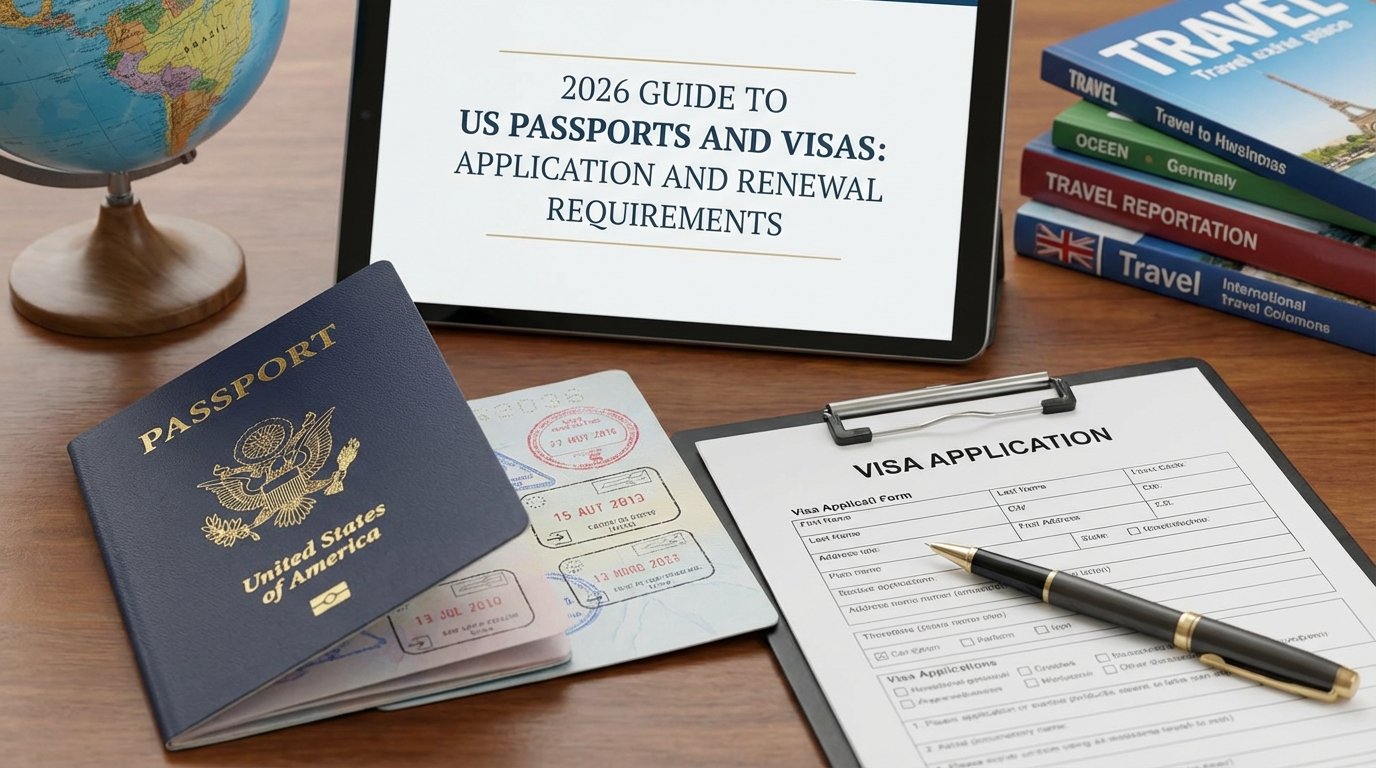
Prepare a clear documents checklist well before booking. Verify passport validity and any visa arrangements the operator handles. Know what proof of insurance or emergency contacts are required, and keep digital copies accessible during the trip.
FAQ
What should I look for to trust a group tour operator?
Look for licensed guides, published safety procedures, timely emergency contacts, and clear cancellation policies. Check if the operator provides liability insurance and if there are documented risk assessments for itineraries.
How do I assess pacing and group size?
Review the daily schedule for activity blocks and travel days. Note the stated maximum group size and whether there are quieter or optional activity options. Compare inclusions to your comfort level and travel style.
Are solo travelers safe on group tours?

Safety often improves with a smaller, well-led group and structured itineraries. Verify that the operator has wellness checks, on-tour support, and clear incident response processes. Read recent traveler feedback focusing on how issues were handled on tour.
What questions should I ask before booking?
Ask about guide qualifications, insurance coverage for participants, optional activities, pace options, and how the itinerary handles downtime. Inquire about visa support, if any, and what happens in case of delays or site closures.
Is it worth paying extra for premium operators?

Premium operators typically offer stricter safety protocols, more consistent pacing, and better on-tour support. Compare warranties, inclusions, and the availability of licensed guides to determine value for your trip goals.
Conclusion
Choosing a safe, reliable group tour as a solo traveler or a first-timer hinges on clear safety credentials, transparent pacing, and dependable on-tour support. Prioritize operators with licensed guides, documented risk management, and visible incident-response procedures.
Look beyond price to how the itinerary balances timing, inclusions, and downtime. A well-paced day with built-in rest reduces fatigue and supports a more enjoyable experience.
- Confirm guide qualifications and ongoing training programs
- Check for comprehensive insurance and documented safety protocols
- Review itineraries for group size, pacing, and optional activities
Documentation matters too. Ensure passport validity aligns with visa handling, and keep digital copies of essential documents and emergency contacts.
For peace of mind, consider niche or premium options when they align with your risk tolerance and travel goals. These often feature stricter safety measures, tighter group control, and more consistent on-tour support.
In practice, the right choice blends trust, practicality, and personal comfort. Start with a short, low-risk itinerary to test fit, then gradually opt for higher assurances as you grow more confident in group travel dynamics.