
Table of Contents
- Navigating Unexpected Travel Advisories
- Essential Travel Preparation Strategies
- Understanding Travel Advisories for Safer Journeys
- Responding to Crisis Situations with Resourcefulness
- Frequently Asked Questions About Travel Challenges
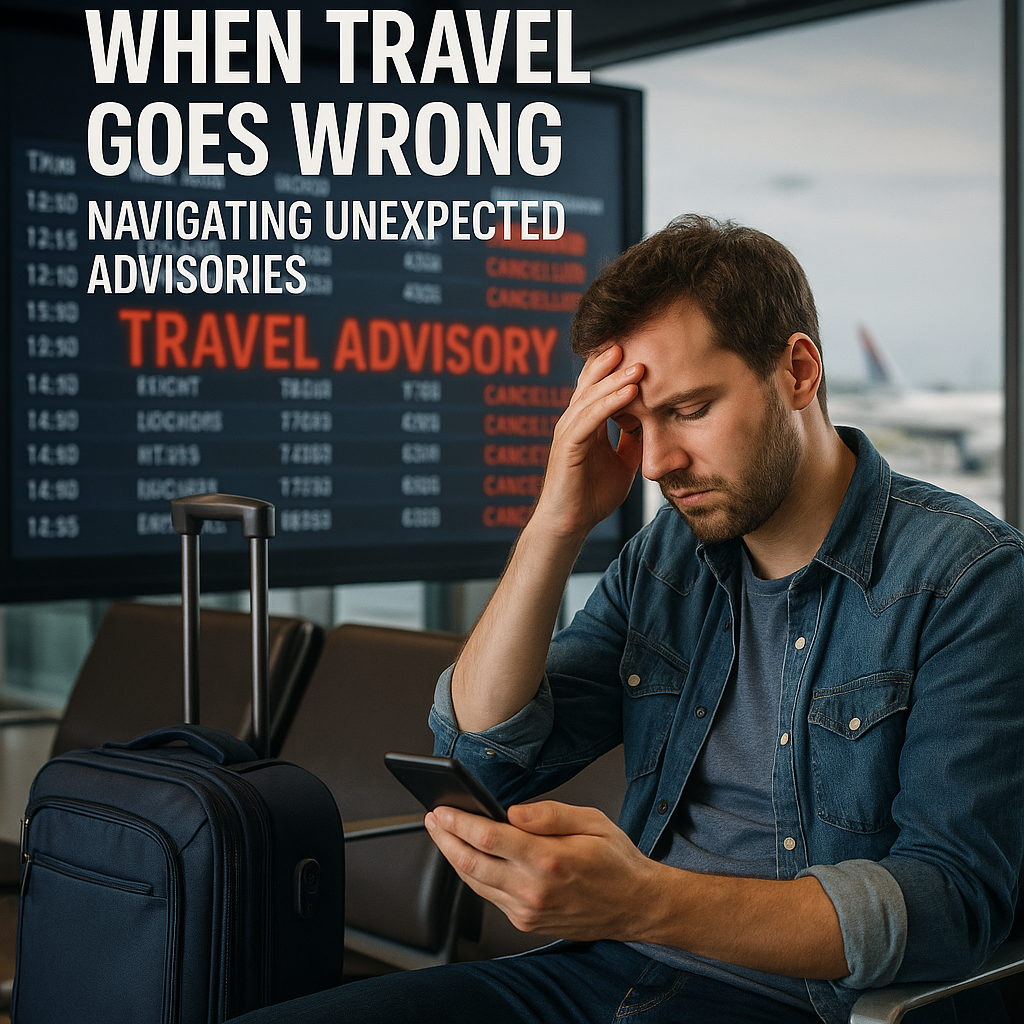
Navigating Unexpected Travel Advisories – When Travel Goes Wrong
International travel offers unparalleled experiences, but it also presents a range of potential challenges. Proactive travel preparation is essential for mitigating risks and ensuring a smooth journey. This travel guide provides expert strategies for addressing common travel problems, from lost phones to unexpected expenses, helping you become a resourceful traveler.

Even the most meticulous travel planning can encounter unforeseen issues. Understanding how to react calmly and effectively is paramount for overcoming travel issues. This section offers practical travel solutions and travel advice to help you navigate these unexpected travel issues, enhancing your travel safety and overall travel experiences.
Expert Insight
“To navigate unexpected travel disruptions effectively, travelers must adopt a proactive stance by conducting pre-trip risk assessments, maintaining constant situational awareness through official security alerts, and establishing clear contingency plans before departure.” , Corporate Travel Risk Specialist
Essential Travel Preparation Strategies
Effective travel planning is your primary defense against potential disruptions. Many common travel problems can be significantly reduced through diligent travel preparation and the right travel solutions.
Handling Getting Lost
Disorientation can strike anywhere, from bustling city centers to remote wilderness. While some individuals possess excellent spatial awareness, getting lost is a common travel problem for many. This unexpected travel issue can cause panic if you’re unprepared.
Modern technology offers powerful travel tips for this challenge. Download Offline Navigation maps, such as those from Google, for your destination cities before departure. These maps are typically compact, ranging from 20 to 50 megabytes per city, and allow navigation without an internet connection. Always write down your destination address or key landmarks as a backup. This simple travel preparation can prevent panic and help you regain your bearings quickly, making for resourceful travel.
Dealing with Mugging and Theft
Travel safety is a primary concern. While mugging and theft are rare according to experienced travelers like DeAndre Coke, who has 20 years of experience, they can occur anywhere. Research your destination thoroughly before departure is a crucial step in trip preparation. However, exercise discernment, as not all information may be accurate.
In the unfortunate event of a mugging or theft, reporting the incident to local police is vital. Understand that emotional responses after such an attack are normal, Psychological Recovery from Trauma is important. Theft Prevention Strategies include keeping valuables out of sight and being aware of your surroundings to avoid travel mistakes.
Managing Loss of Phone
Losing your mobile device can severely disrupt your travel experiences. An iPhone or any smartphone serves as your clock, ticket repository, contact list, and access point for security codes. The loss of a phone can be a significant unexpected travel issue, highlighting Mobile Device Dependency.
To mitigate this risk, ensure you know all critical passwords by heart. Update your account recovery information on platforms like Facebook or Google before you leave. Consider using Digital Security and Authentication measures for your devices. Always keep your valuables, including your phone, secure and out of sight to avoid a critical vulnerability.
Addressing Getting Sick
Travelers commonly face various health issues. These include travel sickness, caused by a mismatch between inner ear signals and visual input, and jet lag, a disruption of the bodily clock across time zones. Insect bites, sunburn, and food poisoning are also prevalent travel challenges.
To manage travel sickness, limit stimulating activities. For jet lag, staying active and adjusting your sleep schedule gradually can help. Use insect repellents, especially during dusk and dawn when insect activity peaks. Apply sun protection diligently to prevent sunburn and stay hydrated to combat food poisoning. Seeking immediate medical attention for severe symptoms is crucial, as Taryn Gisbert advises for serious travel problems.
Language Barrier Solutions
A foreign language translation barrier can be a source of frustration, but it is also an opportunity for resourceful travel. While learning an entire language is impractical for short trips, mastering a few basic phrases can significantly improve interactions. Making an effort to speak even a few words is often appreciated by locals, fostering positive travel experiences.
Utilize Foreign Language Translation apps on your phone or carry a small phrasebook. Non-Verbal Communication, such as body language and gestures, can also bridge communication gaps. This approach fosters positive interactions and reduces feelings of isolation, making dealing with problems easier.
Overcoming Loneliness
Long term travel, or even shorter trips, can sometimes lead to feelings of loneliness. This is a common travel problem that can affect anyone, potentially causing travelers to consider cutting their trip short. It is important to acknowledge these feelings.
Reach out to your hosts, fellow travelers, or engage in social activities. Platforms like Worldpackers can connect you with communities. If feelings persist, contact support teams or trusted contacts back home. Mental Health and Emotional Support are vital components of successful travel experiences, helping you overcome travel issues.
Managing Unexpected Expenses
Financial preparation is a cornerstone of travel planning. Research the local cost of living in destinations like South America, Brazil, Chile, or Argentina before you travel. This helps you budget properly and avoid unexpected charges. Unexpected expenses, such as emergency repairs or unforeseen fees, are common travel problems.
Always maintain an emergency fund specifically for travel challenges. Being financially prepared and aware of potential costs is a key aspect of resourceful travel. Travel with points can also offer a buffer against some expenses, though cash reserves are always recommended for avoiding travel mistakes.
Preparation as a Solution to Travel Problems
In short, thorough travel preparation is the most effective solution to most travel problems. This encompasses downloading offline navigation maps, updating account passwords, and understanding local travel safety protocols. The Seattle Times and other reputable sources often highlight the importance of proactive planning for your travel guide.

Investing time in trip preparation, including Travel Risk Management, significantly enhances your ability to overcome travel issues and avoid travel mistakes. This comprehensive approach ensures you are well-equipped for various travel experiences, from honeymoon travel to solo adventures, providing you with practical travel advice and travel hacks.
Understanding Travel Advisories for Safer Journeys
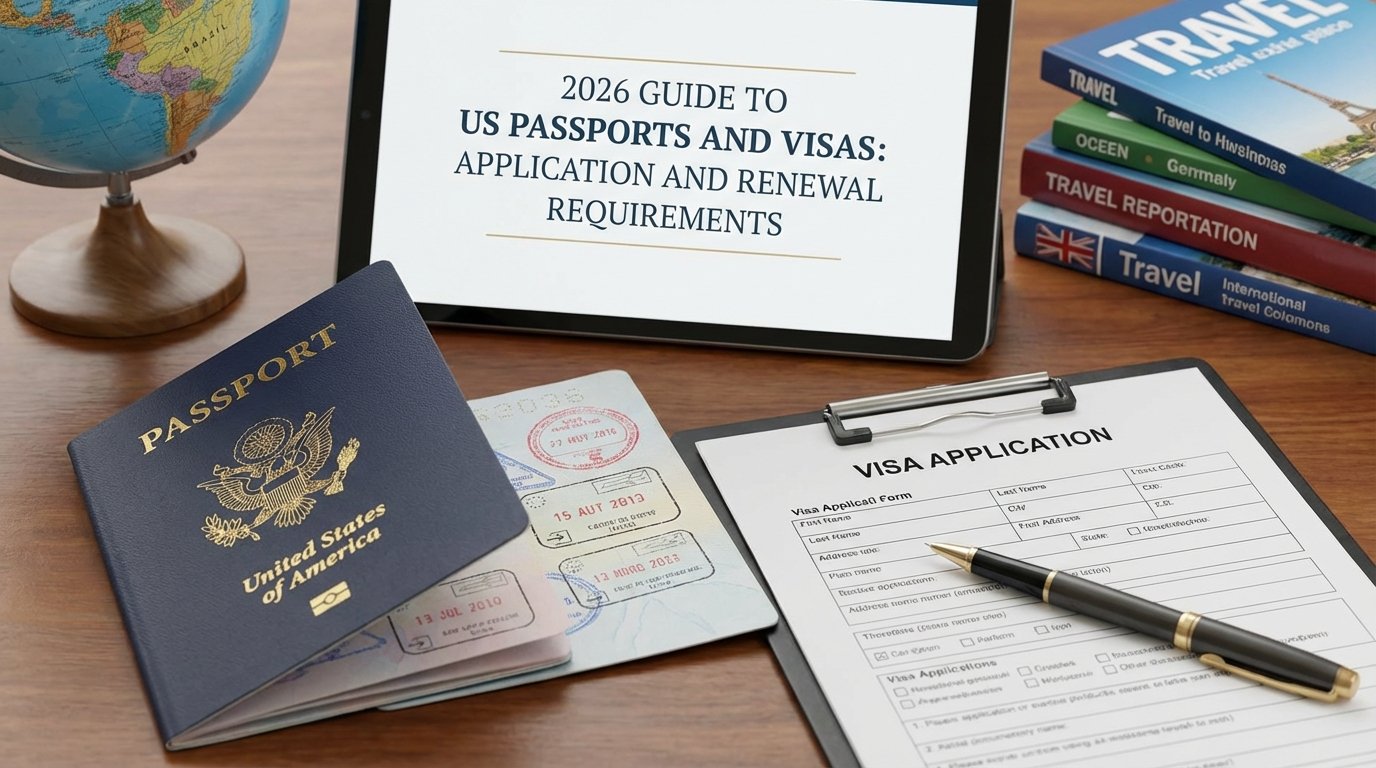
Travel advisories are indispensable tools for assessing the safety and security of your chosen destination. Governments, including the US government, systematically rate countries based on various risk levels. Comprehending these levels is a fundamental aspect of proactive travel preparation and ensuring your travel safety.
Travel Advisory Levels Explained for Resourceful Travel
Official travel advisories provide clear, standardized guidance on the level of caution required for international travel. These levels ensure consistent communication across various agencies. You should always consult official government sources, such as national foreign affairs departments, rather than relying on less reliable social media platforms like Facebook or YouTube, for the most accurate and up-to-date information regarding potential travel challenges and solutions.
Here is a breakdown of the standard advisory levels, crucial for informed travel planning:
| Level | Description | Action Recommended |
|---|---|---|
| Level 1 | Exercise Normal Precautions | Be aware of your surroundings, applying common sense precautions for typical travel experiences. This is often the baseline for many travel guides. |
| Level 2 | Exercise Increased Caution | Be aware of heightened risks to safety and security. This may involve specific areas or situations, requiring more diligent travel strategies. |
| Level 3 | Reconsider Travel | Avoid travel due to serious risks to safety and security. This level indicates significant travel problems that can impact your trip preparation. |
| Level 4 | Do Not Travel | Life-threatening risks are present. Avoid all travel to these areas, as the potential for unexpected travel issues is extremely high. |
Many experienced travelers, including those who share honeymoon travel tips like DeAndre Coke and Taryn Gisbert, often advise against traveling to countries rated above Level 2 due to increased risk tolerance. Your personal safety and well-being should always be your highest priority when dealing with problems abroad. Thorough travel preparation and understanding these advisories are key travel solutions to avoid travel problems.
Responding to Crisis Situations with Resourcefulness
Even with the most meticulous travel planning, unexpected crisis situations can arise. Your ability to remain calm and demonstrate Crisis Resourcefulness is paramount. This section provides critical travel strategies for navigating these challenges, ensuring your travel safety and well-being.
Emergency Police Reporting and Local Protocols
Knowing how to report an emergency is critical for any international traveler. Familiarize yourself with the local Emergency Police Reporting numbers at your destination. This information should be a non-negotiable part of your travel preparation checklist. Digital copies of important documents, securely stored, can significantly assist in reporting incidents and dealing with common travel problems.
In situations involving mugging or theft, checking government warnings and local advice is wise, but always exercise critical judgment. While such incidents are rare, they can happen anywhere. Prompt reporting to local authorities and your embassy is crucial. Understanding your emotional responses after an attack is also important for Psychological Recovery from Trauma.
Navigating Travel Insurance Claims
Comprehensive travel insurance is not merely a recommendation, it is a necessity for resourceful travel. It covers medical emergencies, trip cancellations, and unforeseen circumstances, providing essential travel solutions. Understand the specifics of your policy thoroughly before you depart. In a crisis, prompt action is required to initiate Travel Insurance Claims. Always keep all receipts and meticulous documentation related to any incidents to streamline the process.
Psychological Recovery from Trauma Abroad
Experiencing a traumatic event abroad can have lasting effects, impacting your travel experiences and overall well-being. Recognizing the need for Psychological Recovery from Trauma is important. Seek support from your travel insurance provider, embassy, or mental health professionals upon returning home. Do not underestimate the impact of such experiences on your mental health and emotional support needs.
Handling Getting Lost: Offline Navigation and Spatial Awareness
Getting lost is a common travel problem, but it doesn’t have to lead to panic. Before you leave, download offline maps for your destination (typically 20-50MB per city) using platforms like Google Maps. This Offline Navigation strategy is a key travel hack. Always write down your destination address and key landmarks. Maintaining spatial awareness and having a pen and paper are simple yet effective travel tips to avoid disorientation.
Dealing with Mugging and Theft: Theft Prevention Strategies
While often rare, dealing with mugging and theft is a serious travel challenge. Implement robust Theft Prevention Strategies. Keep valuables out of sight and be aware of your surroundings, especially in crowded areas. If an incident occurs, prioritize your safety. Report the incident immediately to local police and your embassy. Remember, while you should check government warnings, not all information is accurate, and attacks can happen anywhere.
Managing Loss of Phone: Digital Security and Authentication
Losing your iPhone or any mobile device can severely disrupt your trip, affecting access to time, tickets, contact information, and critical security codes. This Mobile Device Dependency highlights the need for advanced Digital Security and Authentication. Before you travel, know your passwords, update account recovery information, and back up all critical data. Consider a secondary, less valuable phone for essential communication. Always use safety precautions like keeping your phone out of sight, especially in busy areas of South America, Brazil, Chile, or Argentina.
Addressing Getting Sick: Common Ailments and Solutions
Getting sick is one of the most common travel problems. This includes travel sickness (caused by inner ear and visual mismatch), jet lag (bodily clock disruption across time zones), insect bites, sunburn, and food poisoning. For travel sickness, limit visual stimulation. To mitigate jet lag, stay active and adjust your sleep schedule gradually, exercise can help. Insect activity peaks at dusk and dawn, so use repellents. Always apply sun protection to avoid sunburn and stay hydrated to combat food poisoning. These are essential travel solutions for long-term travel.
Language Barrier Solutions: Foreign Language Translation and Non-Verbal Communication
Overcoming language barriers is a significant part of resourceful travel. Utilize Foreign Language Translation apps like Google Translate. More importantly, embrace non-verbal communication through body language and gestures. Making an effort to speak even a few basic words in the local language is always appreciated and can foster positive interactions, reducing frustration. This is a vital travel tip for enhancing your travel experiences.
Overcoming Loneliness During Travel
Loneliness can affect anyone, even during exciting travel experiences, sometimes leading travelers to consider cutting their trip short. Combat isolation by reaching out to hosts or other travelers, engaging in social activities, and contacting support teams like those from Worldpackers. Connecting with others is a crucial aspect of mental health and emotional support while traveling, turning a potential travel challenge into an opportunity for new connections.
Managing Unexpected Expenses: Financial Preparedness
Unexpected expenses are common travel challenges. Before your trip, research the local cost of living for your destination. Being financially prepared for unexpected charges and emergencies is a key aspect of travel planning. Always have a contingency fund and be aware of possible hidden expenses. This financial foresight is a critical part of avoiding travel problems and ensuring a smooth journey, even when traveling with points.
Preparation as a Solution to Travel Problems: The Ultimate Travel Guide
Ultimately, thorough preparation is the best solution to most common travel problems. This comprehensive travel guide emphasizes downloading offline maps, updating all passwords, and understanding local safety tips. Proactive trip preparation, akin to the expert advice from The Seattle Times or DeAndre Coke, and the practical strategies shared by Taryn Gisbert, is the cornerstone of avoiding unexpected travel issues and ensuring a safe, enjoyable journey. These travel hacks and strategies empower you to overcome travel mistakes and enjoy truly resourceful travel experiences.
Expert Insight
“Thorough preparation is the best solution to most common travel problems, by being proactive with financial foresight and local knowledge, you empower yourself to overcome mistakes and ensure a truly resourceful journey.” , Expert Travel Strategist
Frequently Asked Questions About Travel Challenges
Even with meticulous travel planning, unexpected travel problems can arise. This section provides travel solutions and expert travel advice for common travel challenges, ensuring you are equipped for resourceful travel.
What are the Most Common Travel Problems?
The most common travel problems include getting lost, dealing with theft, losing a mobile device, falling ill, encountering language barriers, experiencing loneliness, and facing unexpected expenses. Thorough travel preparation can significantly mitigate many of these issues, transforming potential travel mistakes into manageable situations.
How Can I Avoid Travel Problems?
You can avoid travel problems through diligent trip preparation and proactive travel strategies. This includes downloading Offline Navigation maps (which can be 20-50MB per city), backing up important documents, purchasing comprehensive Travel Insurance, researching local safety protocols, and maintaining an emergency fund. These travel tips are crucial for a smooth and secure journey, enhancing your overall travel safety.
What Should I Do If I Get Lost in a Foreign Country?
If you find yourself getting lost, the first step is to stay calm. Utilize Offline Navigation maps on your iPhone or other smartphone. Always refer to written addresses for your accommodation or key destinations. Furthermore, do not hesitate to ask for directions, local assistance, combined with strong spatial awareness, can help you quickly find your way. It is also wise to carry a pen and paper with essential addresses written down, a simple yet effective travel hack.
Dealing with Mugging and Theft While Traveling
While mugging and theft are rare, they are serious travel challenges. Always check government warnings and local advice before you travel, but exercise caution with all information. If you experience an incident, Emergency Police Reporting is critical. Understand that emotional responses after such an attack are normal, and seeking support is important for Psychological Recovery from Trauma. Implement Theft Prevention Strategies like keeping valuables out of sight and using secure bags. Personal experiences, such as those shared by DeAndre Coke, highlight that attacks can happen anywhere, but proactive measures reduce risk.
Managing the Loss of a Mobile Device
The loss of a phone is a significant modern travel problem due to Mobile Device Dependency. It can disrupt access to time, tickets, contact information, and security codes for Digital Security and Authentication. To prepare, ensure you know all your essential passwords, frequently update account information, and use safety precautions like keeping your phone secure and out of plain sight. Consider a secondary, inexpensive phone for emergencies.
Addressing Health Issues and Getting Sick While Traveling
Common health travel problems include travel sickness (often from inner ear and visual mismatch), Managing Travel-Related Jet Lag (a bodily clock disruption across time zones), insect bites, sunburn, and food poisoning. To mitigate these travel challenges, limit sensory stimulation during travel, stay active to combat jet lag, use insect repellents (especially at dusk and dawn when insect activity peaks), apply sun protection to avoid Dealing with Sunburn and UV Risks, and stay hydrated. For Handling Food Poisoning, be cautious with street food and ensure food is cooked thoroughly.
Is Travel Insurance Really Necessary?
Yes, Travel Insurance is absolutely necessary. It provides a vital safety net for unexpected travel issues such as medical emergencies, trip cancellations, lost luggage, and other unforeseen events. It is a critical component of comprehensive travel safety and Travel Risk Management, offering peace of mind and financial protection during long term travel or even short trips.
How Do I Handle a Language Barrier?
Overcoming Foreign Language Translation challenges is key to positive travel experiences. Utilize foreign language translation apps, learn basic phrases of the local language, and employ Utilizing Non-Verbal Communication like gestures. Making an effort to communicate, even minimally, is often appreciated by locals and can significantly improve your interactions, fostering positive connections and reducing frustration.
Overcoming Loneliness During Travel
Loneliness can affect any traveler, potentially leading to thoughts of ending a trip prematurely. To combat this, make an effort to connect with hosts or other travelers, engage in local social activities, and utilize platforms like Worldpackers for community. Contacting support teams or trusted friends and family can also provide valuable Mental Health and Emotional Support, ensuring your travel experiences remain positive.
Managing Unexpected Expenses on a Trip
One of the most common travel problems is unexpected expenses. Researching the local cost of living for destinations like South America, Brazil, Chile, or Argentina before traveling is crucial for proper budgeting. Unexpected charges and emergencies are common, so being financially prepared with an emergency fund is a key aspect of travel preparation. Consider strategies for travel with points to offset some costs.
References
- Unexpected problems crop up all the time when you travel. Here’s …
- What to Do When Travel Goes Wrong: Tips and Strategies – YouTube
- 10 common travel problems and how to deal with them – Worldpackers
- Unexpected Travel Setbacks and How to Handle Them
- What to Do When Travel Plans Go Wrong: Your Essential Checklist