
Table of Contents
- Navigating a Level 4 Travel Advisory
- Understanding Level 4 Travel Advisories
- Best Immediate Actions When Advised of Level 4
- Legal and Immigration Implications of Level 4 Travel Advisories
- Health and Safety Risks During a Level 4 Advisory
- How to Monitor Official Travel Warnings
- Travel Insurance and Emergency Assistance
- Risks for Tourists and Locals in Level 4 Areas
- Impact on International Flights and Transportation
- Understanding Level 4 Travel Advisories
- Legal and Immigration Implications of Level 4 Advisories
- Health and Safety Risks During a Level 4 Advisory
- Best Immediate Actions When Advised of Level 4
- Frequently Asked Questions About Level 4 Travel Advisories
Navigating a Level 4 Travel Advisory
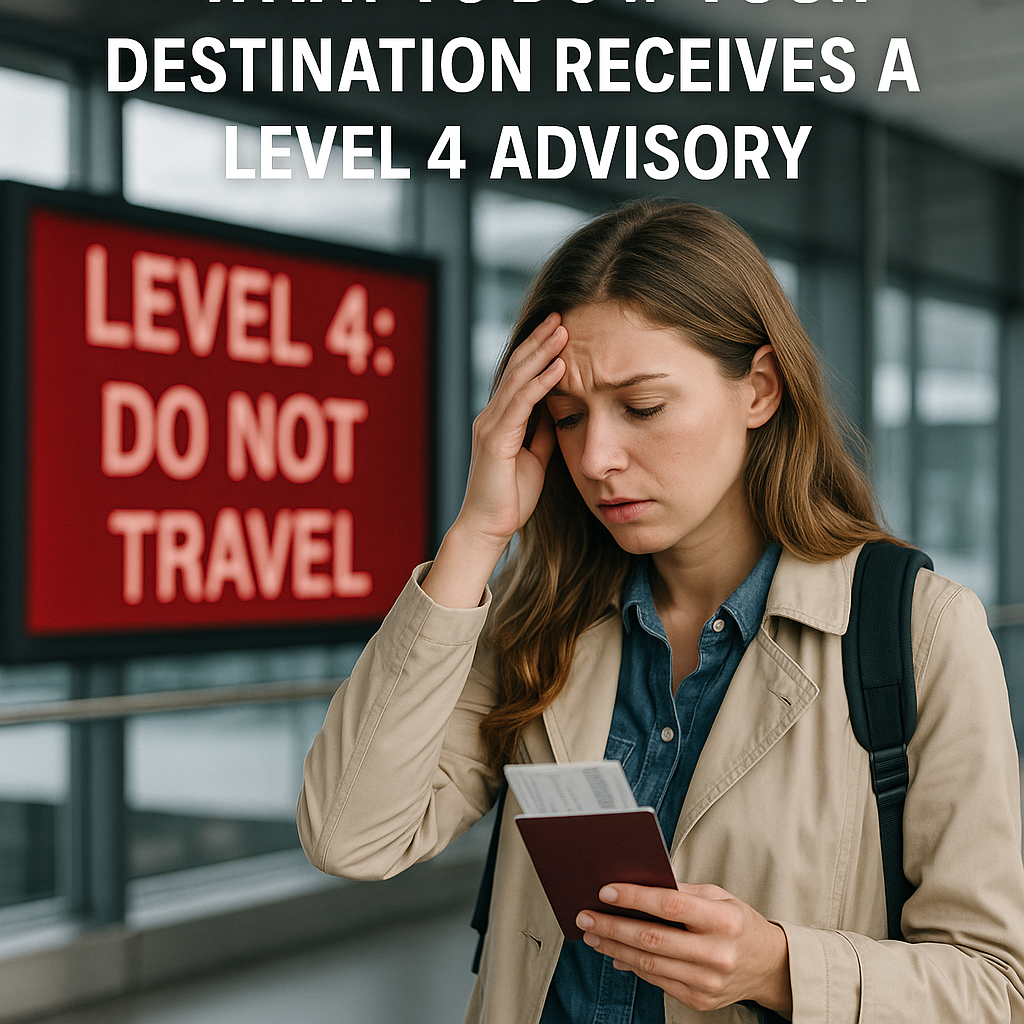
Understanding travel advisories is critical for any international traveler. A Level 4 advisory, indicating “Do Not Travel,” represents the highest alert issued by the U.S. Department of State. This level signifies extreme risks to safety and security, demanding immediate attention and a thorough re-evaluation of your travel plans.

This guide provides authoritative, practical, and security-conscious advice for individuals facing a Level 4 travel advisory for their intended destination. We detail the implications, necessary actions, and crucial considerations to ensure your safety and compliance.
Understanding Level 4 Travel Advisories: Do Not Travel
Level 4 travel advisories, such as those often seen for Afghanistan travel or Burma travel (also known as Myanmar travel), represent the most severe alert. These “Do Not Travel” warnings are issued when there is an extremely high risk to life and safety. The U.S. Department of State strongly advises against any travel to these regions due to ongoing conflicts, political instability, terrorism, or severe health crises.
For instance, countries like Afghanistan and Myanmar have consistently received Level 4 warnings, signaling serious safety concerns for travelers. This is a stark contrast to destinations like Macau travel, Hong Kong travel, or Czechia travel, which typically maintain lower travel safety levels.
Legal and Immigration Implications of a Level 4 Advisory
Ignoring a Level 4 advisory carries significant legal and immigration risks. Many nations, particularly those with heightened security concerns like Afghanistan or Burma, may restrict entry for foreign nationals or impose strict visa requirements. Travelers attempting to enter these areas despite a “Do Not Travel” warning could face immediate detention, deportation, or be denied entry altogether.

For example, the U.S. Department of State explicitly warns that entry to areas like Afghanistan and Myanmar is prohibited or highly discouraged for U.S. citizens due to severe security threats. Even for countries with lower advisories, like Albania travel or Algeria travel, it is crucial to understand local laws to avoid complications.
Health and Safety Risks During a Level 4 Advisory
Level 4 travel advisories are often directly linked to acute health and safety risks. These can include active armed conflicts, widespread political instability, high rates of violent crime, or severe public health emergencies such as pandemics or outbreaks of infectious diseases. Countries like Myanmar and Afghanistan, for instance, present elevated risks of violence, kidnapping, and limited access to medical care, making any travel unsafe.
Even regions with normally stable conditions, such as Greenland travel or Liechtenstein travel, could theoretically face a sudden escalation of risks, though this is rare. The “Do Not Travel” designation emphasizes that local infrastructure may be compromised, emergency services unreliable, and personal safety cannot be guaranteed. This applies to various countries from Andorra travel to Angola travel, though the specific risks differ.
Best Immediate Actions When Advised of Level 4
If your intended destination receives a Level 4 advisory, your immediate priority is personal safety. If you are already in the country, the U.S. Department of State advises leaving immediately. This may involve contacting your embassy or consulate for assistance in arranging safe exit routes. Monitor official updates from the U.S. government and local authorities continuously.
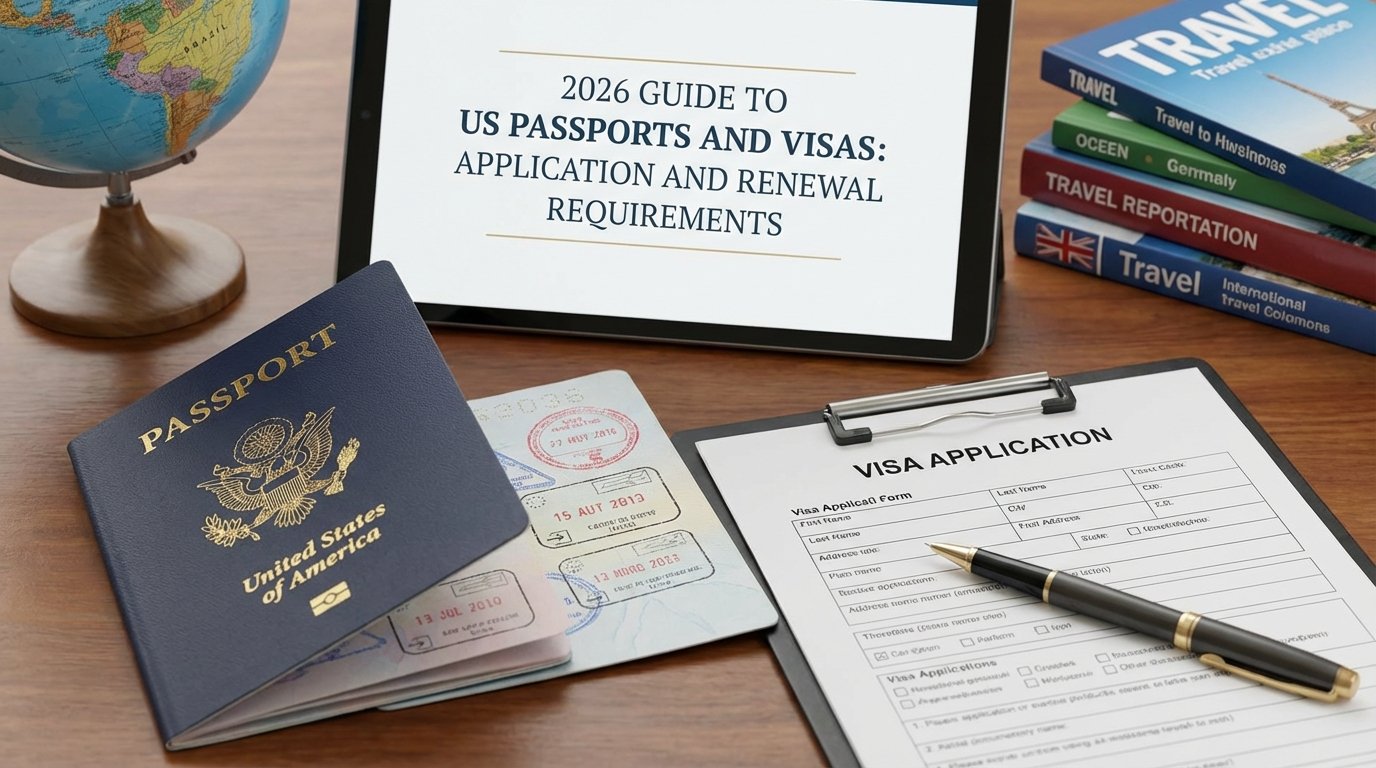
If you have not yet traveled, cancel all plans. Do not proceed with travel to destinations like Afghanistan or Myanmar. Review your travel insurance policy, as many policies become void under a Level 4 “Do Not Travel” advisory. Consider alternative, safer destinations with lower travel safety levels, such as Botswana travel or even Australia, which generally maintain normal precautions or increased caution advisories. For additional insights, explore our Top travel safety tips to navigate these challenging situations.
Expert Insight
“A Level 4 ‘Do Not Travel’ advisory is the highest warning level issued due to life-threatening risks, if you are already in such a destination, your immediate priority is personal safety and you should evacuate as soon as possible.”, U.S. Department of State Travel Safety Specialist
Understanding Level 4 Travel Advisories
A Level 4 advisory is the most severe warning level issued by the U.S. Department of State. It strongly advises against all travel due to a heightened likelihood of life-threatening risks. These travel safety levels indicate extreme danger, encompassing ongoing conflicts, widespread violent crime, terrorism, civil unrest, kidnapping, and severe health crises.
For instance, countries such as Afghanistan and Myanmar (formerly Burma) have historically received Level 4 warnings. These warnings signal serious safety concerns, including significant risks of violence and health emergencies, making Burma travel advisory information crucial for travelers.
The U.S. Department of State continuously monitors global conditions. They update travel advisories based on new information and changing circumstances. You must stay informed of these updates to understand the current travel safety levels for your destination, whether it’s Macau travel, Hong Kong travel, or even remote areas like Federated States of Micronesia travel.
What “Do Not Travel” Truly Means
When an advisory states “Do Not Travel,” it means the government strongly advises against any non-essential travel to that region. This is not a suggestion, but a serious recommendation based on extensive intelligence and risk assessment. Ignoring a Level 4 advisory can have severe consequences, including finding yourself in life-threatening situations.
Government assistance for evacuation or emergency services may be limited or impossible to provide in a Level 4 area. This is a key distinction from advisories like “increased caution” or “normal precautions.” For example, if you plan Czechia travel or Greenland travel, you might encounter lower risk levels, but Level 4 implies severe limitations on consular support.
Legal and Immigration Implications of a Level 4 Advisory
Ignoring a Level 4 advisory can have significant legal and immigration implications. Many countries may restrict entry to travelers coming from or through Level 4 designated areas. You could face detention or even deportation if you disregard these warnings.
For instance, travelers to Afghanistan and Burma are explicitly warned that entry is prohibited or highly discouraged for their safety. The U.S. Department of State makes it clear that your ability to re-enter certain countries or even your home country might be complicated if you travel to a “do not travel” zone. This applies even to seemingly less volatile regions such as Liechtenstein travel or North Macedonia travel if they were to suddenly escalate to a Level 4.
Health and Safety Risks During a Level 4 Advisory
Level 4 advisories frequently relate to ongoing conflicts, political instability, or severe health crises like widespread pandemics. These conditions elevate the risks of violence and health emergencies, making travel profoundly unsafe.

Countries such as Myanmar and Afghanistan, for example, present elevated risks of violence and health emergencies, making any travel a gamble with your well-being. Even destinations typically considered safe for tourism, like Albania travel or Algeria travel, could see a rapid deterioration of conditions leading to a Level 4. This also applies to regions like Andorra travel, Angola travel, or even more remote places such as Anguilla travel and Antarctica travel.
Best Immediate Actions When Advised of Level 4
If you are already in a destination that receives a Level 4 advisory, the U.S. Department of State recommends that you leave immediately. Avoid all travel to the region if you have not yet departed. Your immediate actions should prioritize your safety and swift exit.
First, contact local authorities and your embassy or consulate for guidance. Monitor official updates from the U.S. Department of State and local news sources continuously. Arrange safe exit routes and transportation as quickly as possible. This proactive approach is critical, whether you are in Antigua and Barbuda, Botswana, Cabo Verde, or even considering Nauru travel or Palau travel.
Best Immediate Actions When Advised of Level 4
If your destination receives a Level 4 advisory, immediate and decisive action is required. Your safety is the paramount concern, especially given the extreme risks associated with a “Do Not Travel” warning from the U.S. Department of State.
This highest alert signifies severe dangers, often seen in regions facing ongoing conflicts, widespread violent crime, terrorism, or civil unrest. Countries like Afghanistan and Myanmar frequently fall under such warnings, highlighting the critical need for swift action.
Actions for Travelers Already in a Level 4 Area
If you are already in a Level 4 destination, you should leave immediately. Avoid all travel to the region. Your priority is to arrange safe exit routes without delay. Contact your airline or travel provider to explore options for early departure, prioritizing direct and secure transportation.
- Identify the safest and quickest routes out of the country. For example, if you are in a country like Afghanistan or Myanmar, this might involve coordinating with international aid organizations or your embassy.
- Contact your embassy or consulate for assistance and guidance. They can provide crucial information on local conditions, exit procedures, and potential travel safety levels.
- Inform family or trusted contacts of your situation and plans. Maintaining communication is vital for your security.
- Secure essential documents, such as passports and visas. Ensure they are easily accessible for immediate departure.
- Limit non-essential movement within the country. This reduces your exposure to potential threats, as Level 4 advisories often relate to heightened risks of high crime rates and health emergencies.
Actions for Travelers Planning to Depart
For those planning to travel, a Level 4 advisory means you must cancel all existing travel arrangements. Do not attempt to travel to the advised region under any circumstances. This includes destinations like Afghanistan, Myanmar, or any other area designated with a “Do Not Travel” warning.
- Cancel all existing travel arrangements, including flights and accommodations. This applies even if you were planning a trip to a typically safe region that has suddenly received a Level 4 alert, such as a hypothetical scenario for Macau or Hong Kong.
- Contact your travel insurance provider immediately to understand your coverage. Many policies have specific clauses regarding Level 4 travel advisories, and understanding these can be critical for financial recovery.
- Review all airline and hotel cancellation policies. Be aware of potential fees or eligibility for refunds based on the advisory level.
- Do not attempt to travel to the advised region under any circumstances. Ignoring these travel advisories can have severe legal and immigration implications, potentially leading to detention or deportation.
Understanding Legal and Immigration Implications of a Level 4 Advisory
Ignoring a Level 4 travel advisory from the U.S. Department of State carries significant legal and immigration implications. Many countries may restrict entry to travelers arriving from areas under severe advisories, or even for those who have ignored their own government’s warnings.
For instance, attempts to travel to countries like Afghanistan or Burma (Myanmar) when a Level 4 warning is in effect can lead to denial of entry, detention, or deportation upon arrival. This is because governments prioritize national security and public safety, and travelers who disregard official warnings are often seen as posing a potential risk or burden.
Even for less volatile regions, such as if a Level 4 advisory were issued for Macau, Hong Kong, or the Federated States of Micronesia due to an unforeseen crisis, legal ramifications could still arise. Always adhere to travel advisories to avoid severe penalties and ensure your travel safety.
Health and Safety Risks During a Level 4 Advisory
Level 4 advisories are issued because of extreme health and safety risks. These can range from ongoing conflicts and political instability to severe health crises. In countries like Afghanistan and Myanmar, the elevated risks of violence, including terrorism and kidnapping, are a constant threat. Civil unrest and widespread crime can also escalate rapidly, making any movement dangerous.
Beyond direct threats, severe health crises, such as widespread outbreaks of infectious diseases, can also trigger a Level 4 warning. Access to medical care may be severely limited or non-existent, and emergency services could be overwhelmed. For example, even regions typically known for their stability, like Czechia, Greenland, or Liechtenstein, could face such advisories if a critical health crisis or security threat emerges, highlighting the broad spectrum of dangers.
Travelers must recognize that “Do Not Travel” is not merely a suggestion but a critical warning about life-threatening dangers. Whether considering travel to North Macedonia, Nauru, Palau, or even more developed nations, the underlying risks of a Level 4 advisory are profound and demand full compliance.
Expert Insight
“Level 4 means Do Not Travel. This is the highest advisory level due to greater likelihood of life-threatening risks, assigned based on local conditions and our limited ability to help there, these places are dangerous and you may be putting yourself at extreme risk by visiting.”, U.S. Department of State: Consular Affairs
Legal and Immigration Implications of Level 4 Travel Advisories
Ignoring a Level 4 “Do Not Travel” advisory from the U.S. Department of State can lead to significant legal and immigration issues. Governments may restrict entry for those attempting to travel to such regions, and travelers may face detention or even deportation upon arrival or attempted entry.
For instance, travel to nations like Afghanistan and Burma (Myanmar) is explicitly warned against, with entry often prohibited or highly discouraged. These stringent restrictions are put in place to safeguard both travelers and the host country’s security, given the extreme risks involved in these areas.
Furthermore, you may void your travel insurance coverage. Many policies contain specific clauses that exclude coverage for travel to destinations under a Level 3 or Level 4 advisory, leaving you exposed to immense financial risk if an incident occurs.
Entry and Exit Restrictions Under Level 4 Advisories
Countries under Level 4 advisories frequently implement stringent entry and exit controls. This can include immediate visa suspensions, increased border scrutiny, or outright travel bans for certain nationalities or purposes. For example, while Macau and Hong Kong might maintain more open policies, destinations like Afghanistan or Myanmar will have severe restrictions.
Understand that violating these restrictions can result in severe penalties. This includes substantial fines, imprisonment, and long-term travel bans from the affected nation and potentially other countries. Always check the specific travel advisories for your destination, whether it’s Micronesia travel, Czechia travel, Greenland travel, Liechtenstein travel, North Macedonia, Nauru travel, or Palau travel, to understand the current travel safety levels.
Health and Safety Risks During a Level 4 Advisory
Level 4 travel advisories are issued for critical health and safety risks. These often stem from ongoing conflicts, severe political instability, widespread epidemics, or natural disasters. The U.S. Department of State uses this highest alert level to warn against extreme dangers.
For instance, countries such as Myanmar (Burma) and Afghanistan present elevated risks of violence, including armed conflict, terrorism, and kidnapping. Health infrastructure in these regions may be severely compromised, making access to adequate medical care difficult or impossible. Ignoring these travel safety levels can have dire consequences.
These conditions make travel inherently unsafe. The dangers are not mere inconveniences, they pose direct threats to your life and well-being. Understanding Level 4 travel advisories is crucial for your personal security.
Common Risks in Level 4 Destinations
The table below outlines common risks associated with Level 4 advisory destinations. This information helps you understand the gravity of such warnings and the specific dangers you might face. These risks are why the U.S. Department of State advises “Do Not Travel” to these areas.
| Risk Category | Specific Dangers | Potential Impact |
|---|---|---|
| Political Instability | Civil unrest, protests, coups, government collapse | Violence, transportation disruption, arbitrary detention |
| Armed Conflict | Warfare, insurgencies, terrorist attacks | Injury, death, kidnapping, limited escape routes |
| Widespread Crime | Kidnapping, armed robbery, extortion, violent assault | Personal harm, financial loss, psychological trauma |
| Health Crises | Epidemics, pandemics, inadequate medical facilities | Serious illness, lack of treatment, quarantine |
| Natural Disasters | Earthquakes, tsunamis, severe weather events | Infrastructure damage, displacement, supply shortages |
Risks for Tourists and Locals in Level 4 Areas
In Level 4 advisory destinations like Afghanistan or Myanmar, both tourists and locals face significant risks. Tourists may be specifically targeted for kidnapping or robbery due to perceived wealth or foreign status. Local populations often endure the brunt of armed conflict, political instability, and severely limited access to basic services, including healthcare and safe transportation.
The dangers associated with travel to these regions extend beyond direct violence. Infrastructure damage from conflicts or natural disasters can severely impede escape routes and access to emergency services. This is a key reason why travel advisories for countries such as Burma emphasize “Do Not Travel.”
How to Monitor Official Travel Warnings
Staying updated on travel advisories is crucial for any international traveler. You must rely on official sources for accurate and timely information regarding travel safety levels and potential dangers. This is especially true when considering destinations like Macau, Hong Kong, or even the Federated States of Micronesia, where conditions can change rapidly.
The primary resource for U.S. citizens is the U.S. Department of State’s official website. Regularly check their travel advisories page for updates on all countries, including those that might typically require normal precautions, like Czechia, Greenland, or Liechtenstein, and those with more dynamic situations, such as North Macedonia, Nauru, and Palau. These travel advisories are your first line of defense against unforeseen risks.
Enroll in the Smart Traveler Enrollment Program (STEP). This free service allows U.S. citizens and nationals traveling and living abroad to enroll their trip with the nearest U.S. Embassy or Consulate. It provides important safety information and helps the U.S. Embassy contact you in an emergency, offering crucial support if a “Do Not Travel” advisory is issued for areas like Burma (Myanmar) or Afghanistan.
Official Sources for Travel Information
- U.S. Department of State: Travel Advisories page. This resource provides comprehensive information on travel safety levels, from “normal precautions” to “do not travel.”
- Local embassy or consulate websites for your destination. These can offer specific, localized guidance for countries such as Albania, Algeria, or Angola.
- World Health Organization (WHO) for global health alerts. This is vital for understanding health and safety risks during a Level 4 advisory, especially concerning widespread epidemics.
- Trusted international news organizations that cite official sources. Be discerning and ensure the information aligns with official government warnings regarding travel to places like Anguilla or Antarctica.
Understanding Level 4 Travel Advisories
A Level 4 travel advisory indicates ‘Do Not Travel,’ representing the highest alert level issued by the U.S. Department of State. This strong warning advises against all travel due to extreme risks to safety and security. Governments strongly advise against travel to these areas, which might include countries like Afghanistan or Myanmar (Burma), where the risk of violence or instability is paramount. For instance, both Afghanistan and Myanmar have received Level 4 warnings due to serious safety concerns, including armed conflict and terrorism.
Legal and Immigration Implications of Level 4 Advisories
Ignoring a Level 4 advisory can have significant legal and immigration implications. Countries may restrict entry, and travelers might face detention or deportation if they ignore these warnings. For example, entry to Afghanistan and Burma is often explicitly prohibited or highly discouraged, and attempting to travel there against official advice could lead to serious legal repercussions. Even for destinations such as Antigua and Barbuda, while typically safer, a sudden Level 4 advisory could mean immediate restrictions and complications for travelers.
Health and Safety Risks During a Level 4 Advisory
Level 4 advisories are frequently issued due to critical health and safety risks. These often stem from ongoing conflicts, severe political instability, widespread epidemics, or natural disasters. The U.S. Department of State uses this highest alert level to warn against extreme dangers. For instance, countries such as Myanmar and Afghanistan present elevated risks of violence, including armed conflict, terrorism, and kidnapping, making travel unsafe. Health emergencies, such as outbreaks of infectious diseases, can also trigger these advisories, impacting destinations from Botswana to Cabo Verde.
Travel Insurance and Emergency Assistance
Travel insurance is a vital component of international travel preparation. However, coverage for Level 4 advisory destinations is often complex and limited, especially for locations like Afghanistan, Myanmar, or even certain regions of North Macedonia that might face heightened travel safety levels.
Most standard travel insurance policies will not cover incidents or losses that occur in a destination under a Level 4 “Do Not Travel” advisory issued before or at the time of policy purchase. You must read your policy terms carefully to understand these exclusions. This is critical when planning trips to places like Macau, Hong Kong, or the Federated States of Micronesia, where conditions can change rapidly.
Some specialized “cancel for any reason” (CFAR) policies might offer some reimbursement, but these are typically more expensive and have specific conditions. These policies may provide a limited safety net if your plans to visit places like Czechia, Greenland, or Liechtenstein are disrupted by evolving travel advisories.
Understanding Your Policy and Emergency Services
Contact your insurance provider directly to clarify your coverage. Inquire about specific exclusions related to government travel warnings, particularly from the U.S. Department of State. Understand the procedures for filing claims if your trip to places like Nauru, Palau, or even Andorra is affected.
Emergency assistance services, often included with travel insurance, may also be impacted. Evacuation services to Level 4 areas can be difficult or impossible to arrange, and costs may not be covered. This is a critical consideration for travelers to high-risk areas such as Burma or Angola.
Health and Safety Risks During a Level 4 Advisory
Level 4 advisories often relate to ongoing conflicts, political instability, or health crises like pandemics, presenting significant health and safety risks. For instance, countries such as Myanmar and Afghanistan have elevated risks of violence and health emergencies, making travel unsafe. These warnings are not issued lightly, they reflect extreme dangers to your personal well-being.
Travelers to regions under a “Do Not Travel” advisory, including parts of Albania or Algeria, face increased caution regarding access to medical care, potential for civil unrest, and even terrorism. The U.S. Department of State explicitly details these risks to ensure travelers understand the severe implications of ignoring these travel advisories.
Legal and Immigration Implications of Ignoring Advisories
Ignoring Level 4 travel advisories can have severe legal and immigration implications. Many countries may restrict entry to foreign nationals, and travelers may face detention or deportation if they attempt to enter against official warnings. For example, travelers to Afghanistan and Burma are explicitly warned that entry is prohibited or highly discouraged due to extreme risks.
Even if entry is possible, you might find yourself without consular assistance from the U.S. Department of State in a crisis. This significantly complicates situations in countries like Anguilla or Antarctica, where diplomatic resources might already be limited. Always prioritize understanding the legal landscape before traveling against “Do Not Travel” advice.
Expert Insight
“A Level 4 advisory represents the most serious travel warning issued by the U.S. State Department, signaling life-threatening risks where travelers may find themselves without consular assistance or legal protection in a crisis.”, U.S. Department of State Official
Risks for Tourists and Locals in Level 4 Areas
Level 4 advisories, designating “Do Not Travel,” signal extreme danger for both tourists and local populations. Tourists in these areas, such as those in Afghanistan or Myanmar, face heightened risks. Their perceived wealth or foreign status can make them targets for violent crimes, including kidnapping and robbery. This directly contrasts with destinations under “normal precautions” like Liechtenstein or Palau, where such risks are significantly lower.
Local communities in Level 4 regions, including parts of Albania, Algeria, or Angola, also endure immense hardship. They contend with the same dangers of conflict, political instability, and inadequate resources. In some cases, the presence of foreign visitors can inadvertently exacerbate tensions or create new vulnerabilities for these already struggling communities, a factor the U.S. Department of State considers when issuing travel advisories.
Impact on International Flights and Transportation
A Level 4 advisory can severely disrupt international flights and local transportation networks. Airlines frequently cancel routes to affected destinations, such as Burma or North Macedonia, due to safety concerns or economic viability. This can leave travelers stranded or make evacuation extremely challenging.
Ground transportation within countries like Afghanistan or Myanmar can become unreliable and dangerous. Roadblocks, military checkpoints, and active conflict zones often impede movement. This directly impacts your ability to leave the region or travel safely within it. Always verify flight status directly with airlines and have alternative transportation plans, but prioritize your safety over expediency.
Understanding Level 4 Travel Advisories
The U.S. Department of State consistently issues travel advisories to inform and protect U.S. citizens abroad. A Level 4 advisory, indicating “Do Not Travel,” represents the highest alert level. This designation is not merely a suggestion, it’s a strong warning against all travel due to extreme risks to safety and security. Countries like Afghanistan and Myanmar have frequently received Level 4 warnings, signaling serious and pervasive safety concerns. These warnings are based on comprehensive assessments of threats, including terrorism, civil unrest, crime, and health emergencies, making travel safety levels critically low.
Legal and Immigration Implications of Level 4 Advisories
Ignoring a Level 4 “Do Not Travel” advisory can have significant legal and immigration implications. Foreign governments in affected regions, such as parts of Burma or Afghanistan, may restrict entry for travelers from certain countries, or impose stricter visa requirements. If you choose to travel against official guidance, you could face detention, deportation, or other legal consequences if authorities perceive your presence as a risk or a violation of local regulations. The U.S. Department of State explicitly warns that travelers to such high-risk areas may find consular assistance severely limited or unavailable. This is a key difference from destinations with “increased caution” or “normal precautions” like Macau, Hong Kong, or Czechia.
Health and Safety Risks During a Level 4 Advisory
Level 4 travel advisories are often directly linked to severe health and safety risks. These can stem from ongoing armed conflicts, pervasive political instability, or widespread health crises, such as pandemics or outbreaks of infectious diseases. In countries like Myanmar and Afghanistan, there are elevated risks of violence, including terrorism, kidnapping, and civil unrest. Furthermore, essential services, including medical facilities, may be severely degraded or inaccessible. This makes emergency medical care or evacuation extremely difficult, highlighting why countries like Anguilla, Antigua and Barbuda, or even Greenland are typically at much lower travel safety levels compared to a Level 4 designation.
Best Immediate Actions When Advised of Level 4
If your destination receives a Level 4 “Do Not Travel” advisory while you are already there, immediate action is paramount. The U.S. Department of State strongly recommends that you depart the destination as soon as it is safe to do so. Avoid all non-essential travel within the region. Monitor official updates from the U.S. Department of State, local authorities, and your embassy or consulate in countries like Albania or Algeria. Step-by-step guidance often includes contacting local authorities for safe transit options, securing your travel documents, and arranging the safest possible exit routes. Proactive communication with family and monitoring news from reliable sources are also crucial steps for your well-being abroad, distinguishing these critical actions from the “normal precautions” one might take in places like Liechtenstein, Nauru, or Palau.
Frequently Asked Questions About Level 4 Travel Advisories
Understanding the nuances of travel advisories is paramount for any international traveler. Here, we address common questions about Level 4 advisories, providing clarity and practical guidance from the U.S. Department of State.
What is the difference between a Level 3 and Level 4 travel advisory?
A Level 3 advisory, such as those sometimes seen for regions like Botswana or Cabo Verde, signifies “Reconsider Travel” due to serious risks. In contrast, a Level 4 advisory means “Do Not Travel” because of extreme, often life-threatening risks. Level 4 is the highest warning level issued by the U.S. Department of State, indicating a severe threat to travel safety levels.
Will my passport be invalidated if I travel to a Level 4 country?
No, your passport will not be invalidated. However, traveling to a Level 4 country against official advice from the U.S. Department of State, like to Afghanistan or Myanmar, can lead to significant personal risk. This action may also void your travel insurance coverage, leaving you without critical support in an emergency.
Are there any exceptions for essential travel to Level 4 destinations?
In rare cases, essential travel, such as for humanitarian aid or critical government functions, may be undertaken. This requires extensive security measures and is typically coordinated through official channels. However, for general tourists, there are absolutely no exceptions to the “Do Not Travel” advice. Destinations like Afghanistan, Burma, or parts of Angola consistently carry extreme risks for ordinary travelers.
Does a Level 4 advisory apply to specific regions or the entire country?
Travel advisories can apply to an entire country or specific regions within it. For instance, while some countries might have general “normal precautions” like Liechtenstein or Palau, others might have Level 4 warnings for specific provinces. Always check the detailed advisory on the U.S. Department of State website to understand the exact geographical scope of the warning. This is crucial for understanding your travel safety levels, whether you’re considering Micronesia travel or assessing risks in North Macedonia.
What if I have family members in a Level 4 country like Afghanistan or Myanmar?
If you have family in a Level 4 country, your first step should be to contact your embassy or consulate for guidance. They can provide information on consular services and potential assistance for U.S. citizens in the region. Direct travel to assist them is highly discouraged due to the extreme risks. The U.S. Department of State issues these “do not travel” warnings precisely because the environment is too dangerous for even experienced travelers.
Understanding Level 4 Travel Advisories and Their Implications
A Level 4 ‘Do Not Travel’ advisory represents the highest alert issued by the U.S. Department of State. This warning signifies extreme risks to personal safety and security, strongly advising against all travel. For instance, countries such as Afghanistan and Myanmar have consistently received Level 4 warnings due to ongoing conflicts, political instability, and high risks of violence. These alerts are not issued lightly, they signal serious safety concerns that could impact your life. Unlike destinations under ‘normal precautions’ like Macau or Hong Kong, Level 4 areas pose immediate and severe threats.
Legal and Immigration Implications of Ignoring a Level 4 Advisory
Ignoring a Level 4 advisory can have severe legal and immigration consequences. While your passport won’t be invalidated, you may face significant challenges. Some countries, especially those with high-risk environments like Afghanistan or Burma, may restrict entry for foreign nationals, or you could face detention or deportation if you attempt to enter against official advice. The U.S. Department of State clearly states that travel to such regions is prohibited or highly discouraged, and local authorities may not offer assistance if you encounter issues.
Health and Safety Risks During a Level 4 Advisory
Level 4 advisories are frequently linked to critical health and safety risks, including ongoing armed conflicts, pervasive political instability, and severe health crises like widespread disease outbreaks. For example, countries such as Myanmar and Afghanistan face elevated risks of violence, terrorism, and limited access to medical care, making them exceptionally unsafe for travelers. These conditions drastically increase the likelihood of violent crime, kidnapping, or injury, far beyond the ‘increased caution’ levels found in places like Czechia or Greenland.
Best Immediate Actions When Advised of a Level 4 Advisory
If you are already in a destination that receives a Level 4 advisory, the U.S. Department of State strongly recommends that you leave immediately. Avoid all non-essential travel to the region. Your immediate actions should include contacting your local embassy or consulate, continuously monitoring official updates from the U.S. Department of State, and arranging safe exit routes. Prioritize your personal safety and security above all else, as conditions can deteriorate rapidly in Level 4 areas. This proactive approach is crucial, whether you planned for Nauru travel or were already in a high-risk zone.
References
Table of Contents
- Navigating a Level 4 Travel Advisory
- Understanding Level 4 Travel Advisories
- Best Immediate Actions When Advised of Level 4
- Legal and Immigration Implications of Level 4 Travel Advisories
- Health and Safety Risks During a Level 4 Advisory
- How to Monitor Official Travel Warnings
- Travel Insurance and Emergency Assistance
- Risks for Tourists and Locals in Level 4 Areas
- Impact on International Flights and Transportation
- Understanding Level 4 Travel Advisories
- Legal and Immigration Implications of Level 4 Advisories
- Health and Safety Risks During a Level 4 Advisory
- Best Immediate Actions When Advised of Level 4
- Frequently Asked Questions About Level 4 Travel Advisories
Navigating a Level 4 Travel Advisory
Understanding travel advisories is critical for any international traveler. A Level 4 advisory, indicating “Do Not Travel,” represents the highest alert issued by the U.S. Department of State. This level signifies extreme risks to safety and security, demanding immediate attention and a thorough re-evaluation of your travel plans.
This guide provides authoritative, practical, and security-conscious advice for individuals facing a Level 4 travel advisory for their intended destination. We detail the implications, necessary actions, and crucial considerations to ensure your safety and compliance.
Understanding Level 4 Travel Advisories: Do Not Travel
Level 4 travel advisories, such as those often seen for Afghanistan travel or Burma travel (also known as Myanmar travel), represent the most severe alert. These “Do Not Travel” warnings are issued when there is an extremely high risk to life and safety. The U.S. Department of State strongly advises against any travel to these regions due to ongoing conflicts, political instability, terrorism, or severe health crises.
For instance, countries like Afghanistan and Myanmar have consistently received Level 4 warnings, signaling serious safety concerns for travelers. This is a stark contrast to destinations like Macau travel, Hong Kong travel, or Czechia travel, which typically maintain lower travel safety levels.
Legal and Immigration Implications of a Level 4 Advisory
Ignoring a Level 4 advisory carries significant legal and immigration risks. Many nations, particularly those with heightened security concerns like Afghanistan or Burma, may restrict entry for foreign nationals or impose strict visa requirements. Travelers attempting to enter these areas despite a “Do Not Travel” warning could face immediate detention, deportation, or be denied entry altogether.
For example, the U.S. Department of State explicitly warns that entry to areas like Afghanistan and Myanmar is prohibited or highly discouraged for U.S. citizens due to severe security threats. Even for countries with lower advisories, like Albania travel or Algeria travel, it is crucial to understand local laws to avoid complications.
Health and Safety Risks During a Level 4 Advisory
Level 4 travel advisories are often directly linked to acute health and safety risks. These can include active armed conflicts, widespread political instability, high rates of violent crime, or severe public health emergencies such as pandemics or outbreaks of infectious diseases. Countries like Myanmar and Afghanistan, for instance, present elevated risks of violence, kidnapping, and limited access to medical care, making any travel unsafe.
Even regions with normally stable conditions, such as Greenland travel or Liechtenstein travel, could theoretically face a sudden escalation of risks, though this is rare. The “Do Not Travel” designation emphasizes that local infrastructure may be compromised, emergency services unreliable, and personal safety cannot be guaranteed. This applies to various countries from Andorra travel to Angola travel, though the specific risks differ.
Best Immediate Actions When Advised of Level 4
If your intended destination receives a Level 4 advisory, your immediate priority is personal safety. If you are already in the country, the U.S. Department of State advises leaving immediately. This may involve contacting your embassy or consulate for assistance in arranging safe exit routes. Monitor official updates from the U.S. government and local authorities continuously.
If you have not yet traveled, cancel all plans. Do not proceed with travel to destinations like Afghanistan or Myanmar. Review your travel insurance policy, as many policies become void under a Level 4 “Do Not Travel” advisory. Consider alternative, safer destinations with lower travel safety levels, such as Botswana travel or even Australia, which generally maintain normal precautions or increased caution advisories. For additional insights, explore our Top travel safety tips to navigate these challenging situations.
Expert Insight
“A Level 4 ‘Do Not Travel’ advisory is the highest warning level issued due to life-threatening risks, if you are already in such a destination, your immediate priority is personal safety and you should evacuate as soon as possible.”, U.S. Department of State Travel Safety Specialist
Understanding Level 4 Travel Advisories
A Level 4 advisory is the most severe warning level issued by the U.S. Department of State. It strongly advises against all travel due to a heightened likelihood of life-threatening risks. These travel safety levels indicate extreme danger, encompassing ongoing conflicts, widespread violent crime, terrorism, civil unrest, kidnapping, and severe health crises.
For instance, countries such as Afghanistan and Myanmar (formerly Burma) have historically received Level 4 warnings. These warnings signal serious safety concerns, including significant risks of violence and health emergencies, making Burma travel advisory information crucial for travelers.
The U.S. Department of State continuously monitors global conditions. They update travel advisories based on new information and changing circumstances. You must stay informed of these updates to understand the current travel safety levels for your destination, whether it’s Macau travel, Hong Kong travel, or even remote areas like Federated States of Micronesia travel.
What “Do Not Travel” Truly Means
When an advisory states “Do Not Travel,” it means the government strongly advises against any non-essential travel to that region. This is not a suggestion, but a serious recommendation based on extensive intelligence and risk assessment. Ignoring a Level 4 advisory can have severe consequences, including finding yourself in life-threatening situations.
Government assistance for evacuation or emergency services may be limited or impossible to provide in a Level 4 area. This is a key distinction from advisories like “increased caution” or “normal precautions.” For example, if you plan Czechia travel or Greenland travel, you might encounter lower risk levels, but Level 4 implies severe limitations on consular support.
Legal and Immigration Implications of a Level 4 Advisory
Ignoring a Level 4 advisory can have significant legal and immigration implications. Many countries may restrict entry to travelers coming from or through Level 4 designated areas. You could face detention or even deportation if you disregard these warnings.
For instance, travelers to Afghanistan and Burma are explicitly warned that entry is prohibited or highly discouraged for their safety. The U.S. Department of State makes it clear that your ability to re-enter certain countries or even your home country might be complicated if you travel to a “do not travel” zone. This applies even to seemingly less volatile regions such as Liechtenstein travel or North Macedonia travel if they were to suddenly escalate to a Level 4.
Health and Safety Risks During a Level 4 Advisory
Level 4 advisories frequently relate to ongoing conflicts, political instability, or severe health crises like widespread pandemics. These conditions elevate the risks of violence and health emergencies, making travel profoundly unsafe.
Countries such as Myanmar and Afghanistan, for example, present elevated risks of violence and health emergencies, making any travel a gamble with your well-being. Even destinations typically considered safe for tourism, like Albania travel or Algeria travel, could see a rapid deterioration of conditions leading to a Level 4. This also applies to regions like Andorra travel, Angola travel, or even more remote places such as Anguilla travel and Antarctica travel.
Best Immediate Actions When Advised of Level 4
If you are already in a destination that receives a Level 4 advisory, the U.S. Department of State recommends that you leave immediately. Avoid all travel to the region if you have not yet departed. Your immediate actions should prioritize your safety and swift exit.
First, contact local authorities and your embassy or consulate for guidance. Monitor official updates from the U.S. Department of State and local news sources continuously. Arrange safe exit routes and transportation as quickly as possible. This proactive approach is critical, whether you are in Antigua and Barbuda, Botswana, Cabo Verde, or even considering Nauru travel or Palau travel.
Best Immediate Actions When Advised of Level 4
If your destination receives a Level 4 advisory, immediate and decisive action is required. Your safety is the paramount concern, especially given the extreme risks associated with a “Do Not Travel” warning from the U.S. Department of State.
This highest alert signifies severe dangers, often seen in regions facing ongoing conflicts, widespread violent crime, terrorism, or civil unrest. Countries like Afghanistan and Myanmar frequently fall under such warnings, highlighting the critical need for swift action.
Actions for Travelers Already in a Level 4 Area
If you are already in a Level 4 destination, you should leave immediately. Avoid all travel to the region. Your priority is to arrange safe exit routes without delay. Contact your airline or travel provider to explore options for early departure, prioritizing direct and secure transportation.
- Identify the safest and quickest routes out of the country. For example, if you are in a country like Afghanistan or Myanmar, this might involve coordinating with international aid organizations or your embassy.
- Contact your embassy or consulate for assistance and guidance. They can provide crucial information on local conditions, exit procedures, and potential travel safety levels.
- Inform family or trusted contacts of your situation and plans. Maintaining communication is vital for your security.
- Secure essential documents, such as passports and visas. Ensure they are easily accessible for immediate departure.
- Limit non-essential movement within the country. This reduces your exposure to potential threats, as Level 4 advisories often relate to heightened risks of high crime rates and health emergencies.
Actions for Travelers Planning to Depart
For those planning to travel, a Level 4 advisory means you must cancel all existing travel arrangements. Do not attempt to travel to the advised region under any circumstances. This includes destinations like Afghanistan, Myanmar, or any other area designated with a “Do Not Travel” warning.
- Cancel all existing travel arrangements, including flights and accommodations. This applies even if you were planning a trip to a typically safe region that has suddenly received a Level 4 alert, such as a hypothetical scenario for Macau or Hong Kong.
- Contact your travel insurance provider immediately to understand your coverage. Many policies have specific clauses regarding Level 4 travel advisories, and understanding these can be critical for financial recovery.
- Review all airline and hotel cancellation policies. Be aware of potential fees or eligibility for refunds based on the advisory level.
- Do not attempt to travel to the advised region under any circumstances. Ignoring these travel advisories can have severe legal and immigration implications, potentially leading to detention or deportation.
Understanding Legal and Immigration Implications of a Level 4 Advisory
Ignoring a Level 4 travel advisory from the U.S. Department of State carries significant legal and immigration implications. Many countries may restrict entry to travelers arriving from areas under severe advisories, or even for those who have ignored their own government’s warnings.
For instance, attempts to travel to countries like Afghanistan or Burma (Myanmar) when a Level 4 warning is in effect can lead to denial of entry, detention, or deportation upon arrival. This is because governments prioritize national security and public safety, and travelers who disregard official warnings are often seen as posing a potential risk or burden.
Even for less volatile regions, such as if a Level 4 advisory were issued for Macau, Hong Kong, or the Federated States of Micronesia due to an unforeseen crisis, legal ramifications could still arise. Always adhere to travel advisories to avoid severe penalties and ensure your travel safety.
Health and Safety Risks During a Level 4 Advisory
Level 4 advisories are issued because of extreme health and safety risks. These can range from ongoing conflicts and political instability to severe health crises. In countries like Afghanistan and Myanmar, the elevated risks of violence, including terrorism and kidnapping, are a constant threat. Civil unrest and widespread crime can also escalate rapidly, making any movement dangerous.
Beyond direct threats, severe health crises, such as widespread outbreaks of infectious diseases, can also trigger a Level 4 warning. Access to medical care may be severely limited or non-existent, and emergency services could be overwhelmed. For example, even regions typically known for their stability, like Czechia, Greenland, or Liechtenstein, could face such advisories if a critical health crisis or security threat emerges, highlighting the broad spectrum of dangers.
Travelers must recognize that “Do Not Travel” is not merely a suggestion but a critical warning about life-threatening dangers. Whether considering travel to North Macedonia, Nauru, Palau, or even more developed nations, the underlying risks of a Level 4 advisory are profound and demand full compliance.
Expert Insight
“Level 4 means Do Not Travel. This is the highest advisory level due to greater likelihood of life-threatening risks, assigned based on local conditions and our limited ability to help there, these places are dangerous and you may be putting yourself at extreme risk by visiting.”, U.S. Department of State: Consular Affairs
Legal and Immigration Implications of Level 4 Travel Advisories
Ignoring a Level 4 “Do Not Travel” advisory from the U.S. Department of State can lead to significant legal and immigration issues. Governments may restrict entry for those attempting to travel to such regions, and travelers may face detention or even deportation upon arrival or attempted entry.
For instance, travel to nations like Afghanistan and Burma (Myanmar) is explicitly warned against, with entry often prohibited or highly discouraged. These stringent restrictions are put in place to safeguard both travelers and the host country’s security, given the extreme risks involved in these areas.
Furthermore, you may void your travel insurance coverage. Many policies contain specific clauses that exclude coverage for travel to destinations under a Level 3 or Level 4 advisory, leaving you exposed to immense financial risk if an incident occurs.
Entry and Exit Restrictions Under Level 4 Advisories
Countries under Level 4 advisories frequently implement stringent entry and exit controls. This can include immediate visa suspensions, increased border scrutiny, or outright travel bans for certain nationalities or purposes. For example, while Macau and Hong Kong might maintain more open policies, destinations like Afghanistan or Myanmar will have severe restrictions.
Understand that violating these restrictions can result in severe penalties. This includes substantial fines, imprisonment, and long-term travel bans from the affected nation and potentially other countries. Always check the specific travel advisories for your destination, whether it’s Micronesia travel, Czechia travel, Greenland travel, Liechtenstein travel, North Macedonia, Nauru travel, or Palau travel, to understand the current travel safety levels.
Health and Safety Risks During a Level 4 Advisory
Level 4 travel advisories are issued for critical health and safety risks. These often stem from ongoing conflicts, severe political instability, widespread epidemics, or natural disasters. The U.S. Department of State uses this highest alert level to warn against extreme dangers.
For instance, countries such as Myanmar (Burma) and Afghanistan present elevated risks of violence, including armed conflict, terrorism, and kidnapping. Health infrastructure in these regions may be severely compromised, making access to adequate medical care difficult or impossible. Ignoring these travel safety levels can have dire consequences.
These conditions make travel inherently unsafe. The dangers are not mere inconveniences, they pose direct threats to your life and well-being. Understanding Level 4 travel advisories is crucial for your personal security.
Common Risks in Level 4 Destinations
The table below outlines common risks associated with Level 4 advisory destinations. This information helps you understand the gravity of such warnings and the specific dangers you might face. These risks are why the U.S. Department of State advises “Do Not Travel” to these areas.
| Risk Category | Specific Dangers | Potential Impact |
|---|---|---|
| Political Instability | Civil unrest, protests, coups, government collapse | Violence, transportation disruption, arbitrary detention |
| Armed Conflict | Warfare, insurgencies, terrorist attacks | Injury, death, kidnapping, limited escape routes |
| Widespread Crime | Kidnapping, armed robbery, extortion, violent assault | Personal harm, financial loss, psychological trauma |
| Health Crises | Epidemics, pandemics, inadequate medical facilities | Serious illness, lack of treatment, quarantine |
| Natural Disasters | Earthquakes, tsunamis, severe weather events | Infrastructure damage, displacement, supply shortages |
Risks for Tourists and Locals in Level 4 Areas
In Level 4 advisory destinations like Afghanistan or Myanmar, both tourists and locals face significant risks. Tourists may be specifically targeted for kidnapping or robbery due to perceived wealth or foreign status. Local populations often endure the brunt of armed conflict, political instability, and severely limited access to basic services, including healthcare and safe transportation.
The dangers associated with travel to these regions extend beyond direct violence. Infrastructure damage from conflicts or natural disasters can severely impede escape routes and access to emergency services. This is a key reason why travel advisories for countries such as Burma emphasize “Do Not Travel.”
How to Monitor Official Travel Warnings
Staying updated on travel advisories is crucial for any international traveler. You must rely on official sources for accurate and timely information regarding travel safety levels and potential dangers. This is especially true when considering destinations like Macau, Hong Kong, or even the Federated States of Micronesia, where conditions can change rapidly.
The primary resource for U.S. citizens is the U.S. Department of State’s official website. Regularly check their travel advisories page for updates on all countries, including those that might typically require normal precautions, like Czechia, Greenland, or Liechtenstein, and those with more dynamic situations, such as North Macedonia, Nauru, and Palau. These travel advisories are your first line of defense against unforeseen risks.
Enroll in the Smart Traveler Enrollment Program (STEP). This free service allows U.S. citizens and nationals traveling and living abroad to enroll their trip with the nearest U.S. Embassy or Consulate. It provides important safety information and helps the U.S. Embassy contact you in an emergency, offering crucial support if a “Do Not Travel” advisory is issued for areas like Burma (Myanmar) or Afghanistan.
Official Sources for Travel Information
- U.S. Department of State: Travel Advisories page. This resource provides comprehensive information on travel safety levels, from “normal precautions” to “do not travel.”
- Local embassy or consulate websites for your destination. These can offer specific, localized guidance for countries such as Albania, Algeria, or Angola.
- World Health Organization (WHO) for global health alerts. This is vital for understanding health and safety risks during a Level 4 advisory, especially concerning widespread epidemics.
- Trusted international news organizations that cite official sources. Be discerning and ensure the information aligns with official government warnings regarding travel to places like Anguilla or Antarctica.
Understanding Level 4 Travel Advisories
A Level 4 travel advisory indicates ‘Do Not Travel,’ representing the highest alert level issued by the U.S. Department of State. This strong warning advises against all travel due to extreme risks to safety and security. Governments strongly advise against travel to these areas, which might include countries like Afghanistan or Myanmar (Burma), where the risk of violence or instability is paramount. For instance, both Afghanistan and Myanmar have received Level 4 warnings due to serious safety concerns, including armed conflict and terrorism.
Legal and Immigration Implications of Level 4 Advisories
Ignoring a Level 4 advisory can have significant legal and immigration implications. Countries may restrict entry, and travelers might face detention or deportation if they ignore these warnings. For example, entry to Afghanistan and Burma is often explicitly prohibited or highly discouraged, and attempting to travel there against official advice could lead to serious legal repercussions. Even for destinations such as Antigua and Barbuda, while typically safer, a sudden Level 4 advisory could mean immediate restrictions and complications for travelers.
Health and Safety Risks During a Level 4 Advisory
Level 4 advisories are frequently issued due to critical health and safety risks. These often stem from ongoing conflicts, severe political instability, widespread epidemics, or natural disasters. The U.S. Department of State uses this highest alert level to warn against extreme dangers. For instance, countries such as Myanmar and Afghanistan present elevated risks of violence, including armed conflict, terrorism, and kidnapping, making travel unsafe. Health emergencies, such as outbreaks of infectious diseases, can also trigger these advisories, impacting destinations from Botswana to Cabo Verde.
Travel Insurance and Emergency Assistance
Travel insurance is a vital component of international travel preparation. However, coverage for Level 4 advisory destinations is often complex and limited, especially for locations like Afghanistan, Myanmar, or even certain regions of North Macedonia that might face heightened travel safety levels.
Most standard travel insurance policies will not cover incidents or losses that occur in a destination under a Level 4 “Do Not Travel” advisory issued before or at the time of policy purchase. You must read your policy terms carefully to understand these exclusions. This is critical when planning trips to places like Macau, Hong Kong, or the Federated States of Micronesia, where conditions can change rapidly.
Some specialized “cancel for any reason” (CFAR) policies might offer some reimbursement, but these are typically more expensive and have specific conditions. These policies may provide a limited safety net if your plans to visit places like Czechia, Greenland, or Liechtenstein are disrupted by evolving travel advisories.
Understanding Your Policy and Emergency Services
Contact your insurance provider directly to clarify your coverage. Inquire about specific exclusions related to government travel warnings, particularly from the U.S. Department of State. Understand the procedures for filing claims if your trip to places like Nauru, Palau, or even Andorra is affected.
Emergency assistance services, often included with travel insurance, may also be impacted. Evacuation services to Level 4 areas can be difficult or impossible to arrange, and costs may not be covered. This is a critical consideration for travelers to high-risk areas such as Burma or Angola.
Health and Safety Risks During a Level 4 Advisory
Level 4 advisories often relate to ongoing conflicts, political instability, or health crises like pandemics, presenting significant health and safety risks. For instance, countries such as Myanmar and Afghanistan have elevated risks of violence and health emergencies, making travel unsafe. These warnings are not issued lightly, they reflect extreme dangers to your personal well-being.
Travelers to regions under a “Do Not Travel” advisory, including parts of Albania or Algeria, face increased caution regarding access to medical care, potential for civil unrest, and even terrorism. The U.S. Department of State explicitly details these risks to ensure travelers understand the severe implications of ignoring these travel advisories.
Legal and Immigration Implications of Ignoring Advisories
Ignoring Level 4 travel advisories can have severe legal and immigration implications. Many countries may restrict entry to foreign nationals, and travelers may face detention or deportation if they attempt to enter against official warnings. For example, travelers to Afghanistan and Burma are explicitly warned that entry is prohibited or highly discouraged due to extreme risks.
Even if entry is possible, you might find yourself without consular assistance from the U.S. Department of State in a crisis. This significantly complicates situations in countries like Anguilla or Antarctica, where diplomatic resources might already be limited. Always prioritize understanding the legal landscape before traveling against “Do Not Travel” advice.
Expert Insight
“A Level 4 advisory represents the most serious travel warning issued by the U.S. State Department, signaling life-threatening risks where travelers may find themselves without consular assistance or legal protection in a crisis.”, U.S. Department of State Official
Risks for Tourists and Locals in Level 4 Areas
Level 4 advisories, designating “Do Not Travel,” signal extreme danger for both tourists and local populations. Tourists in these areas, such as those in Afghanistan or Myanmar, face heightened risks. Their perceived wealth or foreign status can make them targets for violent crimes, including kidnapping and robbery. This directly contrasts with destinations under “normal precautions” like Liechtenstein or Palau, where such risks are significantly lower.
Local communities in Level 4 regions, including parts of Albania, Algeria, or Angola, also endure immense hardship. They contend with the same dangers of conflict, political instability, and inadequate resources. In some cases, the presence of foreign visitors can inadvertently exacerbate tensions or create new vulnerabilities for these already struggling communities, a factor the U.S. Department of State considers when issuing travel advisories.
Impact on International Flights and Transportation
A Level 4 advisory can severely disrupt international flights and local transportation networks. Airlines frequently cancel routes to affected destinations, such as Burma or North Macedonia, due to safety concerns or economic viability. This can leave travelers stranded or make evacuation extremely challenging.
Ground transportation within countries like Afghanistan or Myanmar can become unreliable and dangerous. Roadblocks, military checkpoints, and active conflict zones often impede movement. This directly impacts your ability to leave the region or travel safely within it. Always verify flight status directly with airlines and have alternative transportation plans, but prioritize your safety over expediency.
Understanding Level 4 Travel Advisories
The U.S. Department of State consistently issues travel advisories to inform and protect U.S. citizens abroad. A Level 4 advisory, indicating “Do Not Travel,” represents the highest alert level. This designation is not merely a suggestion, it’s a strong warning against all travel due to extreme risks to safety and security. Countries like Afghanistan and Myanmar have frequently received Level 4 warnings, signaling serious and pervasive safety concerns. These warnings are based on comprehensive assessments of threats, including terrorism, civil unrest, crime, and health emergencies, making travel safety levels critically low.
Legal and Immigration Implications of Level 4 Advisories
Ignoring a Level 4 “Do Not Travel” advisory can have significant legal and immigration implications. Foreign governments in affected regions, such as parts of Burma or Afghanistan, may restrict entry for travelers from certain countries, or impose stricter visa requirements. If you choose to travel against official guidance, you could face detention, deportation, or other legal consequences if authorities perceive your presence as a risk or a violation of local regulations. The U.S. Department of State explicitly warns that travelers to such high-risk areas may find consular assistance severely limited or unavailable. This is a key difference from destinations with “increased caution” or “normal precautions” like Macau, Hong Kong, or Czechia.
Health and Safety Risks During a Level 4 Advisory
Level 4 travel advisories are often directly linked to severe health and safety risks. These can stem from ongoing armed conflicts, pervasive political instability, or widespread health crises, such as pandemics or outbreaks of infectious diseases. In countries like Myanmar and Afghanistan, there are elevated risks of violence, including terrorism, kidnapping, and civil unrest. Furthermore, essential services, including medical facilities, may be severely degraded or inaccessible. This makes emergency medical care or evacuation extremely difficult, highlighting why countries like Anguilla, Antigua and Barbuda, or even Greenland are typically at much lower travel safety levels compared to a Level 4 designation.
Best Immediate Actions When Advised of Level 4
If your destination receives a Level 4 “Do Not Travel” advisory while you are already there, immediate action is paramount. The U.S. Department of State strongly recommends that you depart the destination as soon as it is safe to do so. Avoid all non-essential travel within the region. Monitor official updates from the U.S. Department of State, local authorities, and your embassy or consulate in countries like Albania or Algeria. Step-by-step guidance often includes contacting local authorities for safe transit options, securing your travel documents, and arranging the safest possible exit routes. Proactive communication with family and monitoring news from reliable sources are also crucial steps for your well-being abroad, distinguishing these critical actions from the “normal precautions” one might take in places like Liechtenstein, Nauru, or Palau.
Frequently Asked Questions About Level 4 Travel Advisories
Understanding the nuances of travel advisories is paramount for any international traveler. Here, we address common questions about Level 4 advisories, providing clarity and practical guidance from the U.S. Department of State.
What is the difference between a Level 3 and Level 4 travel advisory?
A Level 3 advisory, such as those sometimes seen for regions like Botswana or Cabo Verde, signifies “Reconsider Travel” due to serious risks. In contrast, a Level 4 advisory means “Do Not Travel” because of extreme, often life-threatening risks. Level 4 is the highest warning level issued by the U.S. Department of State, indicating a severe threat to travel safety levels.
Will my passport be invalidated if I travel to a Level 4 country?
No, your passport will not be invalidated. However, traveling to a Level 4 country against official advice from the U.S. Department of State, like to Afghanistan or Myanmar, can lead to significant personal risk. This action may also void your travel insurance coverage, leaving you without critical support in an emergency.
Are there any exceptions for essential travel to Level 4 destinations?
In rare cases, essential travel, such as for humanitarian aid or critical government functions, may be undertaken. This requires extensive security measures and is typically coordinated through official channels. However, for general tourists, there are absolutely no exceptions to the “Do Not Travel” advice. Destinations like Afghanistan, Burma, or parts of Angola consistently carry extreme risks for ordinary travelers.
Does a Level 4 advisory apply to specific regions or the entire country?
Travel advisories can apply to an entire country or specific regions within it. For instance, while some countries might have general “normal precautions” like Liechtenstein or Palau, others might have Level 4 warnings for specific provinces. Always check the detailed advisory on the U.S. Department of State website to understand the exact geographical scope of the warning. This is crucial for understanding your travel safety levels, whether you’re considering Micronesia travel or assessing risks in North Macedonia.
What if I have family members in a Level 4 country like Afghanistan or Myanmar?
If you have family in a Level 4 country, your first step should be to contact your embassy or consulate for guidance. They can provide information on consular services and potential assistance for U.S. citizens in the region. Direct travel to assist them is highly discouraged due to the extreme risks. The U.S. Department of State issues these “do not travel” warnings precisely because the environment is too dangerous for even experienced travelers.
Understanding Level 4 Travel Advisories and Their Implications
A Level 4 ‘Do Not Travel’ advisory represents the highest alert issued by the U.S. Department of State. This warning signifies extreme risks to personal safety and security, strongly advising against all travel. For instance, countries such as Afghanistan and Myanmar have consistently received Level 4 warnings due to ongoing conflicts, political instability, and high risks of violence. These alerts are not issued lightly, they signal serious safety concerns that could impact your life. Unlike destinations under ‘normal precautions’ like Macau or Hong Kong, Level 4 areas pose immediate and severe threats.
Legal and Immigration Implications of Ignoring a Level 4 Advisory
Ignoring a Level 4 advisory can have severe legal and immigration consequences. While your passport won’t be invalidated, you may face significant challenges. Some countries, especially those with high-risk environments like Afghanistan or Burma, may restrict entry for foreign nationals, or you could face detention or deportation if you attempt to enter against official advice. The U.S. Department of State clearly states that travel to such regions is prohibited or highly discouraged, and local authorities may not offer assistance if you encounter issues.
Health and Safety Risks During a Level 4 Advisory
Level 4 advisories are frequently linked to critical health and safety risks, including ongoing armed conflicts, pervasive political instability, and severe health crises like widespread disease outbreaks. For example, countries such as Myanmar and Afghanistan face elevated risks of violence, terrorism, and limited access to medical care, making them exceptionally unsafe for travelers. These conditions drastically increase the likelihood of violent crime, kidnapping, or injury, far beyond the ‘increased caution’ levels found in places like Czechia or Greenland.
Best Immediate Actions When Advised of a Level 4 Advisory
If you are already in a destination that receives a Level 4 advisory, the U.S. Department of State strongly recommends that you leave immediately. Avoid all non-essential travel to the region. Your immediate actions should include contacting your local embassy or consulate, continuously monitoring official updates from the U.S. Department of State, and arranging safe exit routes. Prioritize your personal safety and security above all else, as conditions can deteriorate rapidly in Level 4 areas. This proactive approach is crucial, whether you planned for Nauru travel or were already in a high-risk zone.