


Table of Contents
- Introduction
- 1. Plan Around Time-Saving Sightseeing
- 2. Master Passport, Visa, and Entry Essentials
- 3. Health, Safety, and Travel Insurance Essentials
- 4. Packing Smart: Versatile Gear That Travels Light
- 5. Money Matters: Minimizing Fees and Maximizing Access
- 6. Crowds, Queues, and Local Experiences
- 7. Connectivity and Language Navigation
- FAQ
- Conclusion
Introduction
How to use this guide for international journeys
This guide lays out actionable, non cliché hacks you can apply to trips abroad. Read sections in order for a full framework, or jump to the topics that fit your current journey.
- Plan around time saving sightseeing to make the most daylight hours
- Master passport, visa, and entry essentials to avoid delays
- Prepare health, safety, and travel insurance measures for peace of mind

Throughout, you’ll find concrete examples, practical steps, and suggested products to consider. Our goal is to help you save money, save headaches, and enjoy richer travel experiences.
1. Plan Around Time-Saving Sightseeing
Mapping must-see priorities to maximize daylight hours
Begin with a core list of 3-5 unmissable experiences for each destination. Rank them by location, opening hours, and crowd levels to cluster nearby sites.
Group a museum, a park, and a landmark within a 1.5 km radius when possible. This keeps transit minimal and lets you spend daylight on experiences rather than backtracking.
Use a simple grid approach: cluster sites by neighborhood and assign morning or early afternoon windows. Front-load the most popular attractions to avoid crowds, and book earliest timed entries when available to extend your day.
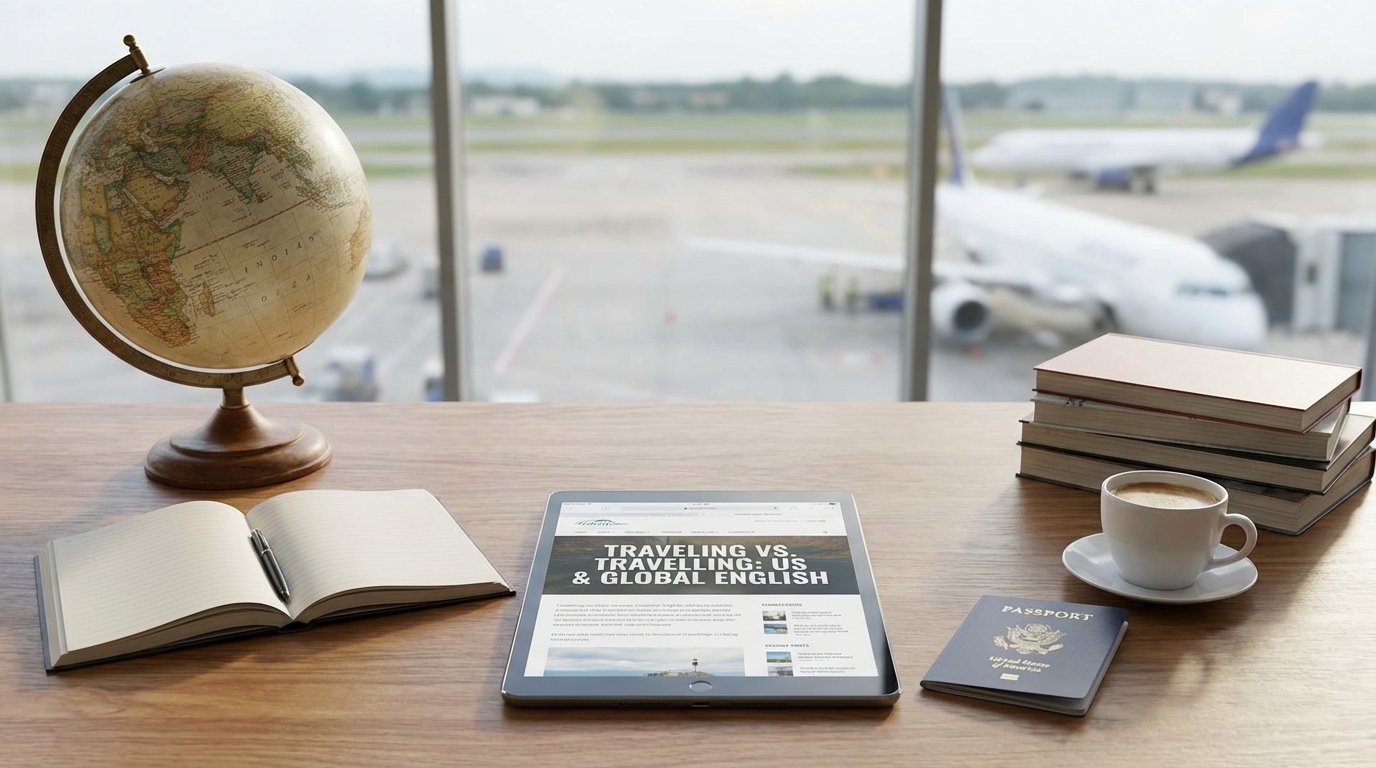
Keep a lightweight day plan for each day, plus two backup options in case of weather or closures. Include a 15 minute buffer between blocks to account for pace differences.
Smart routing to minimize backtracking and lines
Design routes that flow along natural movement rather than zigzagging across town. Favor sequential paths that guide you through galleries, viewpoints, and eateries in a logical order.
When possible, use transit passes or combo tickets to skip lines at adjacent sites. Pre-purchase timed entries for high-traffic days to shave wait times.
Include buffer times to absorb delays and stay adaptable. A 15 to 30 minute cushion helps when trains run late or popular spots hit capacity.
- Real-world tip: On a two-day city break, cluster a museum and a market in the morning, then a riverside walk in the afternoon.
- Common mistake: underestimating travel time between neighborhoods. Add about 20 minutes for walking between close-by sites.
- Edge case: shifting weather may require swapping an outdoor viewpoint for an indoor site at short notice.
| Strategy | Benefit | When to use |
|---|---|---|
| Neighborhood clustering | Less transit, more time on experiences | Urban cores with dense sights |
| Timed entries | Shorter lines, guaranteed access | Popular museums and landmarks |
| Early slots | More daylight for second sites | Openings before crowds arrive |
2. Master Passport, Visa, and Entry Essentials
Renewals, validity buffers, and visa strategies
Begin with a passport that has at least six months of validity beyond your planned return date. This common standard helps you avoid last minute border delays and visa issues.
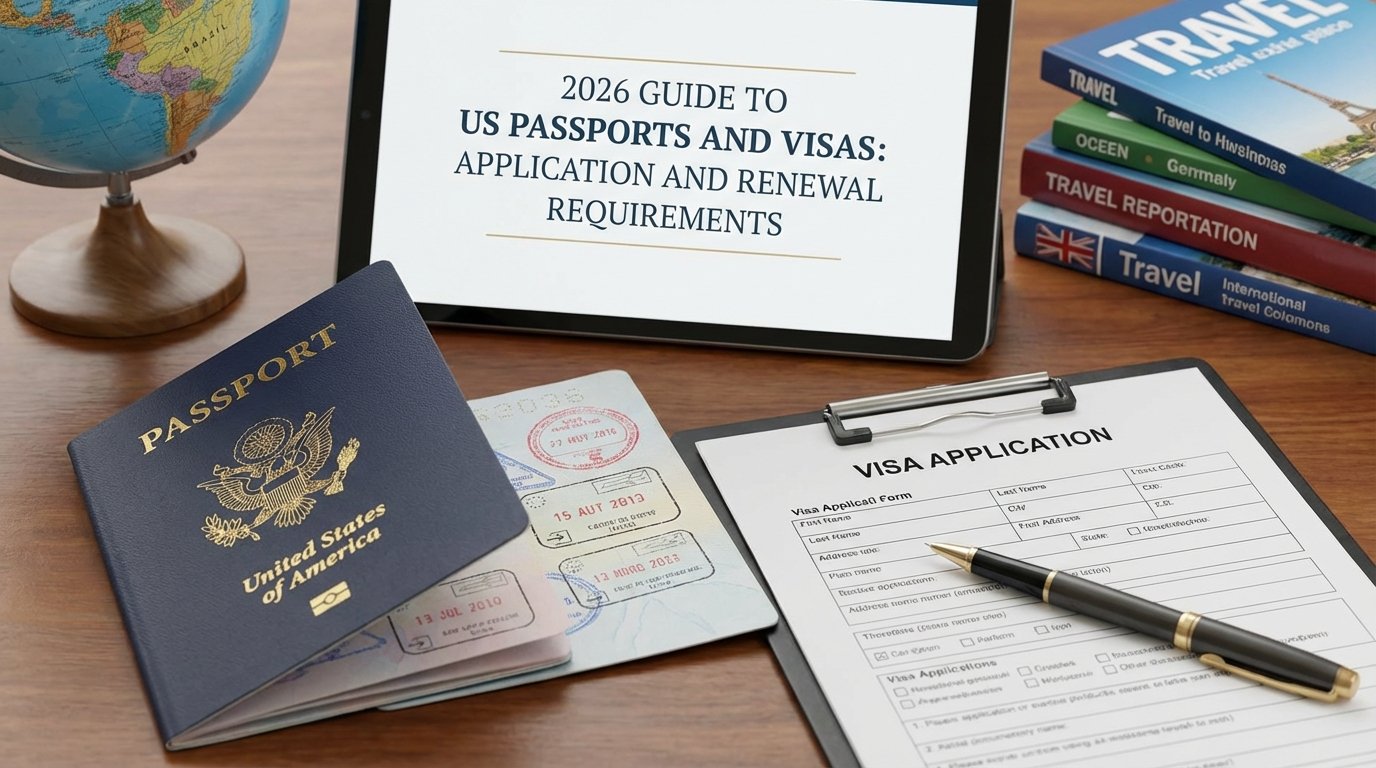
Track renewal timelines as soon as you know your travel dates. Some embassies request two passport photos and a recent utility bill for address verification. Build in a processing buffer by scheduling applications two to three months ahead of departure.
When planning visas, map out entry requirements early. Some countries offer longer stays or multiple entry options for business, study, or tourism. If you travel often, prioritize a multi-entry visa or a program that expands your visa portfolio over time.
Document safety tips and digital backups
Photograph or scan essential documents and store them securely offline and in the cloud. Use separate wallets or pockets for physical copies and originals to reduce loss risk during transit.
Keep digital copies of your passport bio page, visas, and travel insurance in an encrypted file. Enable two factor authentication on every storage platform you rely on and keep a separate recovery email or phone number.
Carry a compact, durable organizer for documents you must present on entry. Include emergency contact details, hotel confirmations, and proof of onward travel to smooth border checks during peak travel periods.
| Consideration | Practical tip | Benefit |
|---|---|---|
| Passport validity | Confirm six month rule before booking; renew early if close to expiry | Less risk of denial at border |
| Visa planning | Check visa types for frequent trips, consider regional consulate programs | Greater flexibility across itineraries |
| Digital backups | Encrypt files, store offline and in trusted cloud, test access before travel | Quicker recovery after loss or theft |
3. Health, Safety, and Travel Insurance Essentials
Choosing coverage that fits international itineraries
Choose a plan aligned to your destinations and activities. If you plan adventure sports, confirm coverage includes mountaineering, diving, or remote hiking. For multi-country trips, verify whether the policy travels with you across borders and if there are country-specific limits.
Look for medical evacuation benefits and no geographic exclusions. Review emergency assistance services, language support, and 24/7 hotlines. Clarify what counts as a medical event and how pre-existing conditions are handled, including any waiting periods or exclusions.
On-the-ground safety practices and risk awareness
Pack a compact safety kit tailored to your itinerary, such as a small flashlight with extra batteries, earplugs for noisy accommodations, a compact first aid set, and digital copies of important documents. Split valuables between you and a travel partner and use a secure, hidden pouch for critical items.

Know local emergency numbers and the location of your nearest embassy or consulate. In crowded markets or transit hubs, stay mindful of sudden crowd movement and avoid displaying high value items. Have a contingency plan for plan changes, such as alternate transport or backup accommodations.
| Aspect | What to verify | Practical takeaway |
|---|---|---|
| Medical coverage | Hospital network, evacuation, pre-existing conditions | Choose a policy with global reach, clear emergency procedures, and reasonable evacuation timelines |
| Safety tools | First aid kit, copies of documents, secure storage | Travel lighter, maintain backups, and use RFID-blocking sleeves for cards |
| Emergency readiness | Local numbers, embassy contact, contingency plans | Know who to call, where to go, and how to rebook if plans collapse |
4. Packing Smart: Versatile Gear That Travels Light
Capsule packing lists and clothing strategies
Build a capsule wardrobe around a few color neutral staples. Choose pieces that mix and match for multiple outfits and adapt to changing weather. Look for wrinkle resistant fabrics that dry quickly.
Example: a three week trip with two color schemes lets you reuse items without repetition. Include a lightweight, breathable blazer that works for casual and more formal settings, plus a versatile cardigan for cool mornings.
Practical steps: limit footwear to two pairs, one comfortable everyday pair and one versatile option for evenings. Roll garments to save space and minimize creases. Pack a compact rain shell and a lightweight sweater for temperature shifts. Add a small travel laundry kit to refresh outfits mid trip.
Tech and gadget must-haves for smooth transitions
Carry a compact power bank with enough capacity for a full day of activities. Include a universal plug adapter and lightweight charging cables to cover multiple devices. A USB drive with essential documents can save time searching for internet access on the road.
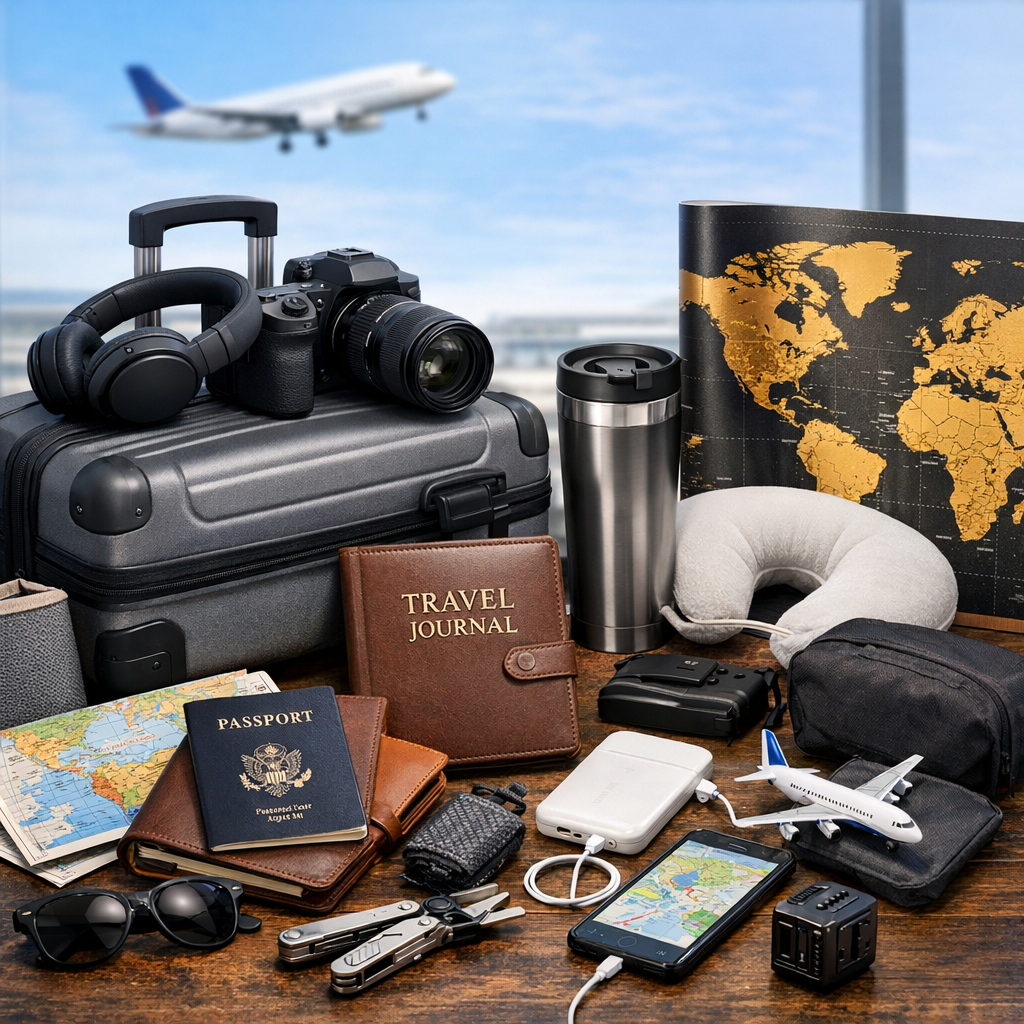
Real world tip: use a slim protective case for headphones and a durable daypack with hidden pockets for security during transit. Keep a microfiber cloth handy for screens and lenses to prevent streaks. If you share hotel rooms, bring a multi-port USB hub to reduce charging clutter.
| Category | Strategy | Benefit |
|---|---|---|
| Clothing | Capsule wardrobe, wrinkle resistant fabrics | Fewer pieces, more combinations |
| Footwear | Two versatile pairs | Comfort and flexibility without bulk |
| Tech gear | Power bank, adapters, hubs | Smaller cables, fewer charging hassles |
5. Money Matters: Minimizing Fees and Maximizing Access
Currency handling, cards, and offline funds
Carry local currency for small, immediate purchases and a globally accepted card for larger transactions. Before you go, check foreign transaction fees and withdrawal costs with your bank. Stick to ATM networks you recognize to avoid hidden surcharges. For example, in Southeast Asia you might use a major bank’s ATM network to minimize fees.
Split funds between two cards and keep a small emergency stash in a separate, secure place. Notify your banks about travel plans to prevent holds or fraud flags. Consider a prepaid travel card you can top up before departure to limit dynamic conversion fees and unlock fixed exchange rates in select regions.
Budgeting tactics for long trips and fluctuating prices
- Set a daily budget and record actual costs in a simple notebook or app to spot overspending early. For instance, track meals, transport, and entry fees separately.
- Reserve popular activities in advance to lock in rates and avoid door price spikes. If a tour sells out, have a backup option in mind to avoid rush bookings.
- Shop for local equivalents of your usual meals and transit to stretch funds without compromising experience. Try street foods or regional transit passes to maximize value.
| Area | Strategy | Impact |
|---|---|---|
| Currency | Local cash plus a fee-free card where possible | Lower costs, smoother transactions |
| Budgeting | Daily tracking and prebooking | Better control over trip spending |
| Access | Offline funds and backup cards | Reduced stress when networks fail |
6. Crowds, Queues, and Local Experiences
Timing tips to beat crowds at popular sites
Visit right at opening or near closing for calmer scenes and easier photography. Check site calendars for weekday openings or after-school hours when families are fewer in number. Use combo tickets or morning-only slots to maximize usable time and reduce wait times.
Build a simple buffer around blockbuster attractions to absorb transit delays. If possible, book timed entries and keep your window flexible for weather or schedule hiccups. A practical rule: group nearby sites and tackle the most popular first thing, then loop to easier stops later in the day.
For example, aim to be at a famous museum 20 minutes before opening and depart 60 minutes before closing to capture quiet galleries and better light for shots.
Alternative neighborhoods and authentic experiences
Explore districts locals frequent for dining, markets, and street art rather than sticking to the tourist center. You can uncover hidden gems by wandering a few blocks off the main avenue and asking hotel staff or shopkeepers for three offbeat recommendations.
Look for community-led tours or neighborhood cook-alongs that showcase daily routines, not just landmarks. These experiences often yield deeper cultural insight and better value than standard passes. In practice, balance iconic icons with intimate, hands-on moments to craft richer travel stories.
| Approach | What to do | Expected benefit |
|---|---|---|
| Timing | Visit at off-peak times, use timed entries | Shorter queues, smoother pacing |
| Neighborhoods | Explore less-touristy districts, follow locals | More authentic experiences |
| Experiences | Community-led tours, hands-on activities | Deeper cultural understanding |
7. Connectivity and Language Navigation
SIMs, eSIMs, and reliable data on the move
Stay connected without hunting for free WiFi. Start by confirming your device supports eSIMs and that the destination’s network bands align with your carrier. An eSIM lets you switch plans on the fly, helping you avoid roaming fees and wasted time.
Carry a physical SIM as a backup, and note local carriers in your destination. Local data plans are usually cheaper and more dependable than roaming. If maps and translations matter, choose a plan with consistent data in urban centers and key transit hubs like airports and train stations.
Languages: rapid-phrases and digital translation aides
Learn a handful of practical phrases for greetings, directions, and urgent needs. A few targeted lines can smooth conversations in crowded markets or small eateries. Practice asking for help with a map, showing your destination, and signaling you don’t speak the local language.
Combine human know-how with tools: pre-download offline language packs for essential languages, and pick a translation app with offline mode and voice input. You’ll move faster between conversations and avoid data-hunt moments in critical moments. Test your setup before departure by translating a sign at the airport to ensure accuracy.
| Option | Benefit | Practical tip |
|---|---|---|
| eSIM | Switch carriers without swapping SIM cards | Check device unlock status and supported profiles before travel |
| Local SIM | Low-cost data and stable connections | Keep a small, unlocked phone as a secondary device |
| Offline translation | Reliable in areas with poor reception | Download key languages and travel-specific phrases in advance |
FAQ
What are the most important tips for a smoother trip?
Create a realistic itinerary that builds in buffer for delays and weather. Pack a lightweight carry-on with essentials to cover the first 24 hours of transition. Keep digital copies of important documents and carry a signed hard copy in a separate place.
- Use a single travel checklist and tick items off as you go.
- Set up offline maps for your destination to avoid data hiccups.
- Forecast crowds and choose off peak times for major sights.
How can I protect my documents while traveling?
Store copies of your passport, visas, and insurance in a secure location. Use a digital vault or encrypted note for sensitive files and email receipts to yourself as backups. Carry only what you need day to day and leave the rest in a hotel safe when possible.
- Photograph documents on your phone and store in a secure cloud folder.
- Use RFID protected sleeves for physical cards and IDs.
- Routinely verify expiry dates before booking trips.
What should I know about safety and travel insurance?
Choose coverage that matches your itinerary, including medical emergencies, trip cancellations, and unexpected delays. Read policy limits and inclusions to understand what is and isn’t covered. Be aware of local health requirements and know how to access assistance abroad. For reliable support, consider insurers with 24/7 multilingual help lines and easy claim workflows.
| Aspect | What to consider | Practical takeaway |
|---|---|---|
| Coverage | Medical, cancellation, baggage | Select a plan that aligns with your destinations |
| Exclusions | Preexisting conditions, high risk activities | Check fine print and add riders if needed |
| Assistance | 24/7 global support | Keep emergency numbers handy |
Conclusion
Bringing it all together for your next journey
Smart travel is about balance. You optimize time, reduce risk, and preserve energy by planning around what matters most to you on the road.
Our approach at trafels.com blends practical steps with real world checks. From passport clarity to daily pacing, every decision should cut friction and add genuine experiences.
- Prioritize a focused itinerary that leaves room for spontaneous discoveries.
- Keep a compact set of documents with digital backups and secure physical copies.
- Choose connectivity that supports maps and translation without breaking the budget.
Trust your preparation. With the right mix of planning, contingencies, and local savvy, you’ll save headaches and maximize the moments that make travel memorable.