
Introduction of travel solo
Understanding the Solo Travel Question
When you travel solo, you face a choice shaped by your aims and constraints. Some people pursue solitude as a deliberate lifestyle, while others end up traveling alone because options or timing don’t align with a travel partner. Either way, solo travel is less about being alone and more about how you set your pace, assess risk, and prioritize experiences.

We view solo travel as a spectrum. It can be a deliberate act of exploration or a practical response to circumstances. The key is clarity about your goals, boundaries, and how you plan for safety and connection along the way.
Practical example: a 10 day trip to Japan with two nights booked in Kyoto alone to pursue photography, while the rest of the days are flexible for day trips with locals you meet at hostels or cafes. This demonstrates how structure and spontaneity can coexist.
Why this topic matters for independent explorers
Independent travelers seek freedom and efficiency. Solo journeys demand confidence, preparation, and smart routing to maximize experience while minimizing risk. Understanding why you travel solo helps you tailor every step from documentation to daily schedules.
At trafels.com, we help you translate the idea of independence into concrete action. You’ll find guidance on documentation, safety protocols, and strategies to build social connections without compromising personal autonomy.
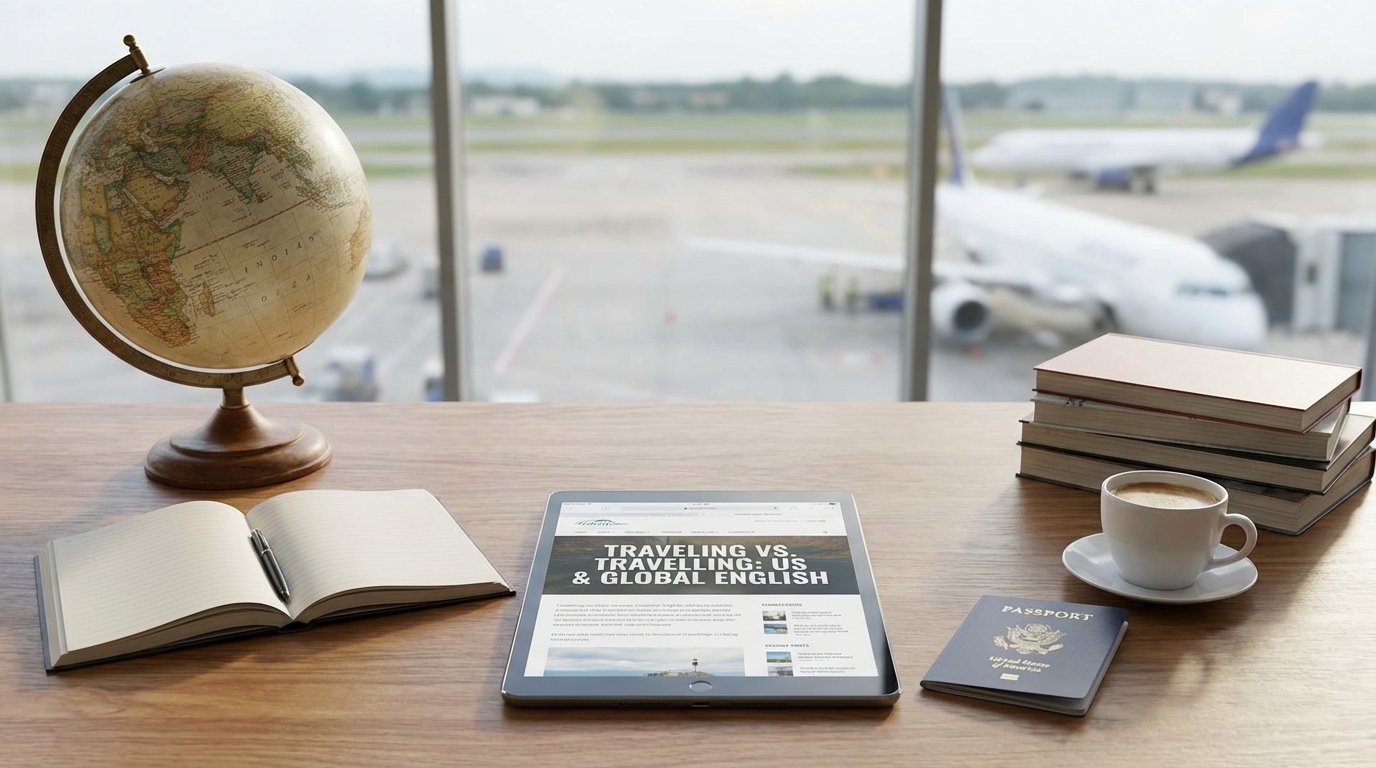
Actionable tip: map your route with two layers: a primary plan for transport and lodging, plus a flexible day-by-day outline for activities and meeting locals or fellow travelers.
- Register essential documents like passport copies and emergency contacts in a secure, accessible place.
- Set daily safety routines such as hotel lobby check-ins, safe transit choices, and late night return plans.
- Choose accommodation that encourages interaction, such as social hostels or boutique hotels with common areas.
Real-world data shows solo travelers often save on lodging by sharing rooms or using apartment-style rentals to balance budget and privacy. Expect higher costs for guided experiences if you prefer private arrangements, but plan contingencies for group discounts.
2. Benefits of Traveling Solo by Choice
Freedom to craft your own itinerary
Traveling solo by choice puts you in the driver’s seat. You can pivot at a moment’s notice, chasing offbeat experiences and hidden gems you discover along the way.
That autonomy extends to pacing. You decide how long you linger, when you move on, and how tight or relaxed a day feels.
Opportunities for self-discovery and empowerment
Solo travel highlights gaps between expectations and reality, inviting growth. You learn how you handle uncertainty, adapt under pressure, and trust your judgment in unfamiliar settings.
The experience often builds confidence and resilience through small, authentic exchanges and new cultural encounters.
Practical tips to maximize your solo journey
Create a lightweight core itinerary with a few anchor experiences, then leave space for spontaneous discoveries. For example, schedule one gallery visit, one neighborhood stroll, and one day trip per week, with open afternoons.
Apply a simple decision framework: if a choice adds value within your budget and safety comfort, proceed; otherwise, defer and reassess the next day.
Real-world scenarios and caveats
In practice, you might book a transit-friendly hostel and wander local markets for memorable bites. If weather shifts, pivot from outdoors to indoor activities without disrupting your flow.
Common pitfalls include overpacking activities, underestimating transit times, and neglecting local safety norms. Always have backups for reservations and carry digital copies of key documents.
Brand-ready approach for trafels
trafels.com suggests building your trip around a core experience you want to own, then layering optional moments. Use trusted local guides to gain authentic, safe introductions to neighborhoods you want to explore on foot.
3. Challenges and How to Overcome Them When You Travel Solo by Choice
Safety planning and risk mitigation
Safety requires proactive steps tailored to your destination. Start with a practical risk assessment that considers transport reliability, accommodation safety, and local norms.
Prepare a compact safety toolkit you carry everywhere. Include copies of essential documents, emergency contacts, and offline maps. Have a simple plan for adjustments if plans change.
- Share your itinerary with a trusted contact and check in regularly
- Choose reputable accommodations and verified transit options
- Know local emergency numbers and the nearest embassy or consulate
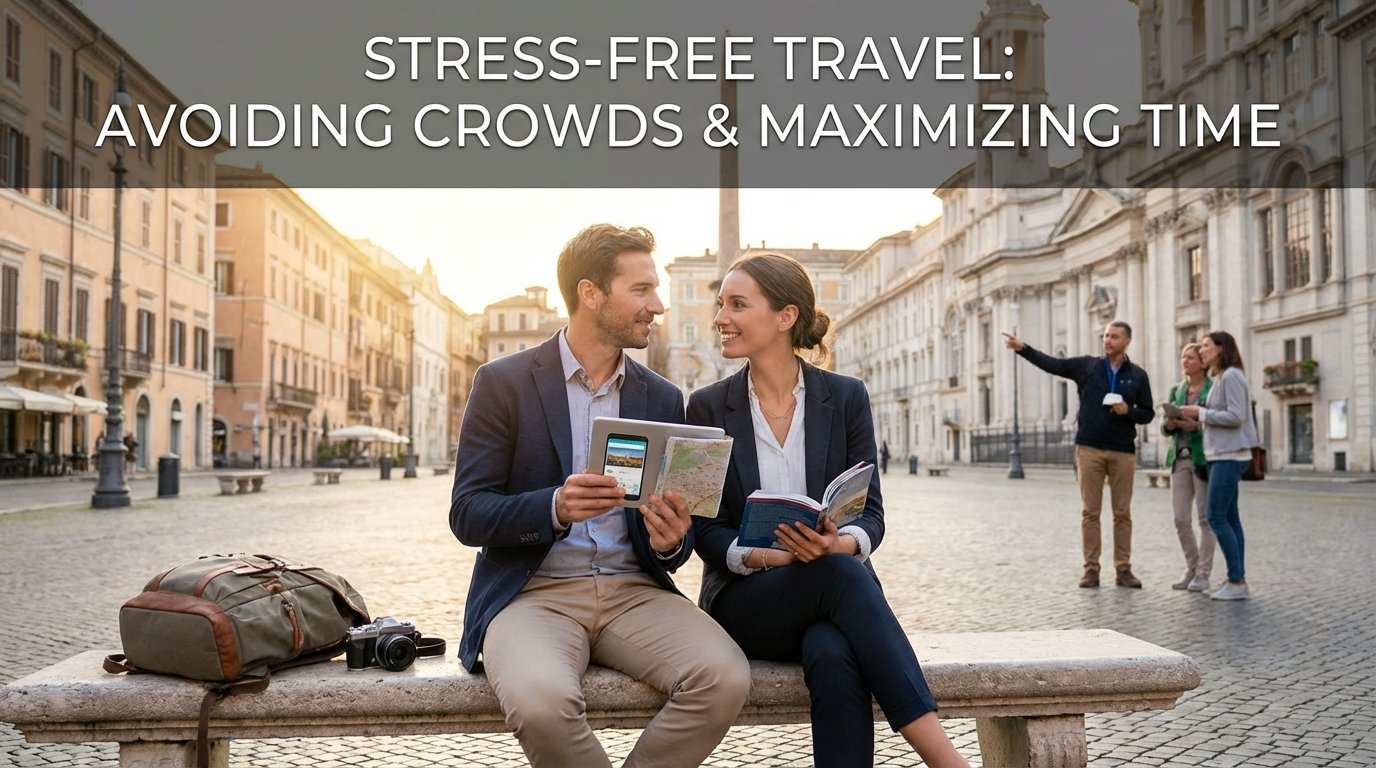
Use real world benchmarks to gauge risk. Verify neighborhood safety ratings through official advisories and traveler reviews. Monitor weather and transit disruptions during peak seasons to avoid delays that could leave you stranded.
Practical steps you can take today include creating a one page emergency plan in your language, saving offline maps for your route, and keeping digital copies of important documents in a secure cloud folder accessible offline if needed.
Managing loneliness and staying connected
Loneliness can surface even in bustling places. Structure social chances that fit your interests without sacrificing independence. Plan lighter, optional social moments to keep energy intact.
Balance solo time with opportunities to connect. Attend local events, try a short activity, or strike up conversations in common spaces. Use low pressure formats to meet people on your terms.
- Schedule regular check-ins with friends or family
- Join group activities that match your pace and budget
- Balance solitude with meaningful interactions to preserve energy
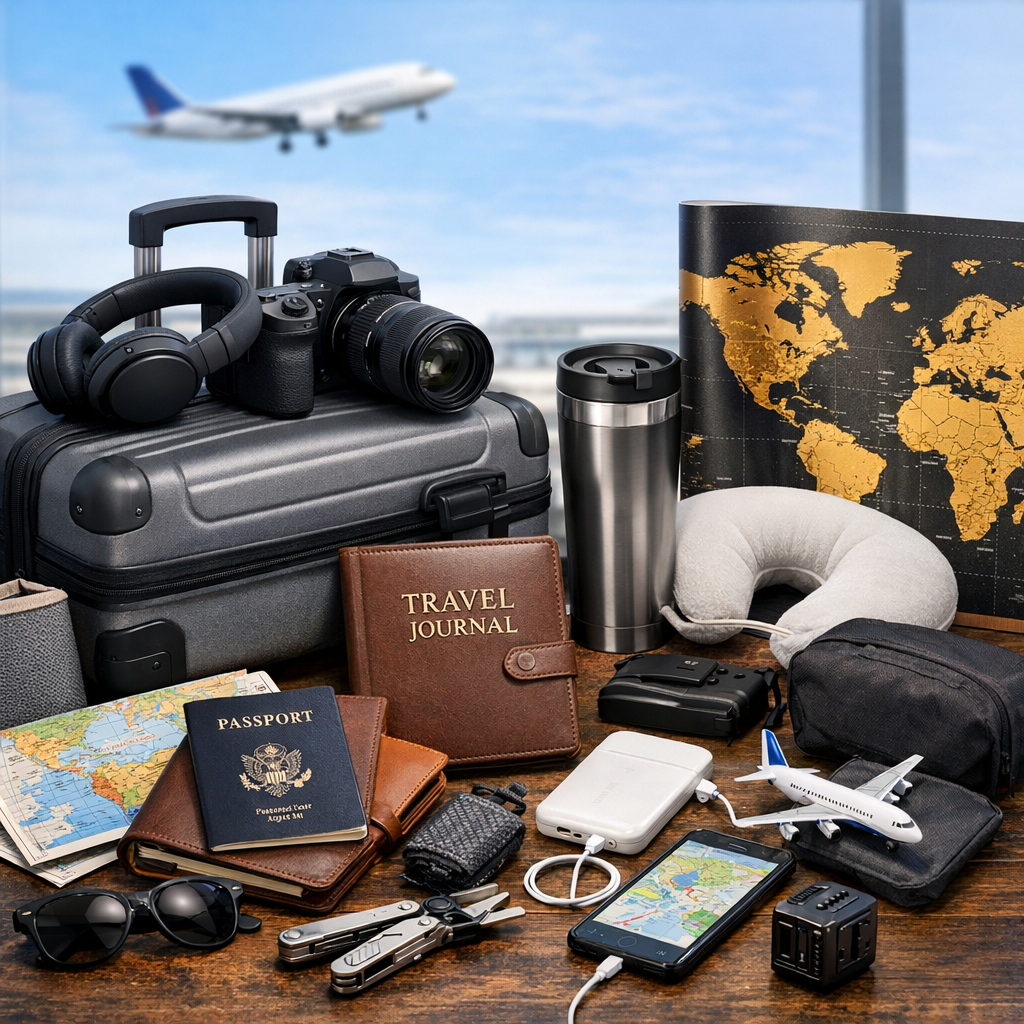
Try practical social strategies backed by traveler feedback. If you prefer quieter exchanges, consider language cafes or skill based workshops where conversations center on a task. For safety, meet new contacts in public places and let someone know where and when you will meet. trafels.com can help you locate vetted, low cost group activities and reliable host recommendations that suit a solo itinerary.
5. Skills and Tools for Successful Solo Travel
Itinerary optimization for time and crowds
Efficient planning helps you maximize experiences while avoiding peak crowds. Start with a core must-see list and map nearby attractions to minimize backtracking. Build a flexible daily rhythm that allows spontaneous discoveries without wasting energy.
Use smart routing to align transport options with opening hours. Prioritize neighborhoods or districts where multiple sights cluster. Leave room for pace adjustments based on weather, fatigue, or serendipitous opportunities.
- Group activities by location to reduce transit time
- Time-block popular sites early or late to dodge lines
- Reserve a couple of “buffer days” for delays or re-planning
Real-world example: in Rome, you can pair the Colosseum with the Roman Forum and Palatine Hill for one morning, then switch to Trastevere in the afternoon when crowds fade. In Tokyo, cluster Shibuya and Harajuku to maximize shopping and dining options within a compact radius, then rotate to Ueno Park when cherry blossoms peak for a calmer stroll.
Practical steps you can take now: create a lightweight map with 4-6 core sites, mark their opening hours, and identify 2-3 nearby alternates as backups. Set a daily cap of 6-8 hours of sightseeing to maintain energy for meals and transit. Use offline maps to stay on track if connectivity drops.
Data point: cities with centralized sightseeing corridors reduce travel time by up to 30 percent, according to urban travel studies. Expert tip: schedule popular attractions during shoulder hours, typically 90 minutes after opening or 2 hours before closing, to cut wait times by half in many destinations.
Documentation, visas, and safety protocols
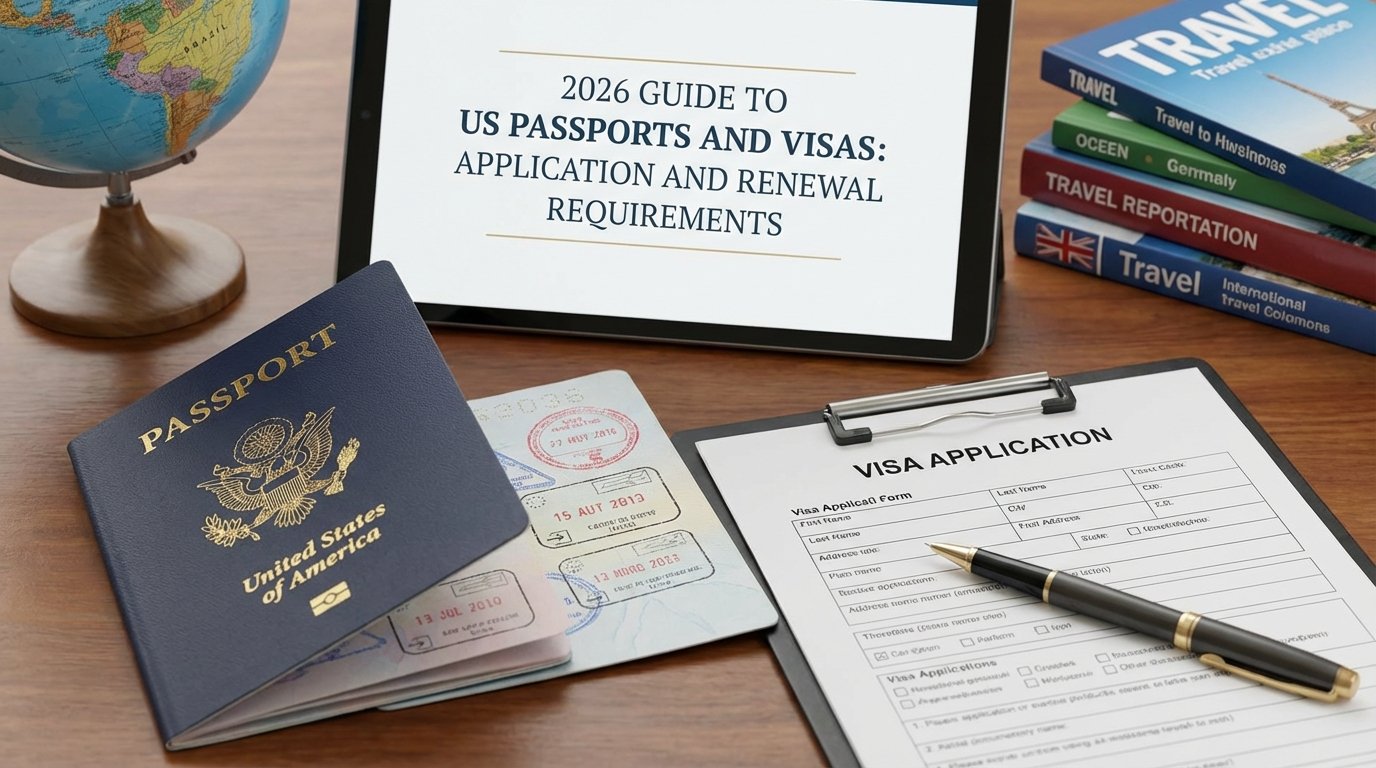
Documentation quality directly affects your mobility. Keep digital and physical copies of passports, visas, and insurance. Verify entry requirements and ensure your documents are valid for the entire trip.
Establish a simple safety routine that covers transport, accommodation, and emergency contacts. Carry essential information offline and update it before each leg of the journey.
- Check visa windows and transit permissions in advance
- Have a local emergency plan and know where to seek help
- Keep a trusted contact informed of your itinerary and changes
FAQ
Is solo travel safer for some destinations than others?
Safety hinges on local infrastructure, tourism norms, and how well a destination communicates how to navigate it. A city with clear transit routes and reliable services generally reduces stress for solo travelers. Compare official advisories with traveler experiences to gauge practical safety in practice.
Practical steps include identifying safe transit hubs, clinics or hospitals near common sights, and visible police presence in tourist areas. Before you go, save embassy contacts, download offline maps, and plan a meeting point near your accommodation. If scams are reported, allocate time to avoid high-risk streets and carry copies of essential documents.
Can solo travel by choice still feel lonely, and how to cope?
Loneliness can surface anywhere, especially after long travel legs or missed connections. Counter it by pairing solo days with light, social activities aligned to your interests. Consider a guided walk, a short workshop, or a local café gathering arranged by your host.
Set a modest daily social goal and keep a quick contact plan with trusted friends. Use shared experiences as anchors, and rotate activities to keep energy balanced without sacrificing autonomy.
How to compare destinations on a practical level?
- Safety indicators and official advisories alongside traveler reviews
- Transport reliability, access to airports and rail, and last mile connectivity to lodging
- Availability of group activities that fit your pace plus options for private tours
- Local language comfort, translation needs, and ease of navigation with maps
- Healthcare access in emergencies and nearby pharmacies
Conclusion
Weighing choice vs. circumstance
Your solo travel decision typically blends personal preference with practical constraints. You might seek uninterrupted immersion, or you may travel alone because other options don’t align. Trafels.com helps you balance these elements so you act with clarity and confidence.
Real world example: a backpacker divides a month between mountains and city hops, using solo legs for pace and focus. Another traveler follows a solo itinerary because a friend’s dates don’t match, while keeping a safety net through local guides and trusted apps. These choices hinge on what you value most at the moment, privacy, efficiency, or reliability.
Practical takeaways for your next trip
- Clarify your motivation: is it freedom you seek or logistics driving the decision?
- Prepare a compact safety kit tailored to your destination and pace. Include a flashlight, a whistle, a small power bank, and offline copies of essential documents.
- Balance time alone with structured social moments that fit your interests. Schedule a weekly meetup with a local guide or a group hike to ease isolation without sacrificing independence.
- Build a flexible itinerary that can adapt to crowds and weather. Use a core plan with optional day trips you can drop if conditions shift.
- Keep essential documents accessible offline and share your plans with a trusted contact. Include itinerary, emergency contacts, and a route overview.
- Leverage practical tools from trafels.com recommendations, such as offline maps, vetted safety apps, and destination checklists, to reduce decision fatigue.
- Know common mistakes: overpacking gear that rarely gets used, underestimating local transport quirks, or ignoring cultural norms that affect solo travelers.
- Edge case planning: if a venue closes early or a transit disruption occurs, have a backup plan like a nearby activity or a close-by stay option to reduce risk.