
Table of Contents
- 2026 Travel Advisory Trends: Essential Insights
- Travel Safety and Risk Prevention for 2026
- Travel Advisories and Government Alerts
- Personal Safety Tools and Apps for 2026 Travel
- Pre-Trip Family Safety Conversations
- Corporate Travel Duty of Care Expansion
- Noctourism: Navigating Night-Time Travel Activities
- Travel Safety Trends Comparison: 2023 vs. 2026
- Retro and Vintage Travel Experiences
- Literary and Book-Themed Travel
- Youth and Gen Z Cruise Trends
- Niche and Wellness Retreats
- Active and Runcation Travel: Combining Fitness and Exploration
- Frequently Asked Questions: Navigating 2026 Travel Safety
2026 Travel Advisory Trends: Essential Insights
For discerning travelers, understanding the evolving landscape of travel advisories and travel safety trends is paramount. As we navigate 2026, new trends and established best practices shape how we approach international travel and domestic journeys.
Travel Safety and Risk Prevention for 2026
Effective travel risk planning begins with comprehensive research. You must prioritize understanding your destination’s specific safety profile.

This includes local crime trends, recent incidents, and reliable transportation options. Always identify safe rideshare options before you arrive.
In short, proactive preparation is your primary defense against unexpected challenges, especially with the evolving travel safety trends of 2026.
Essential Pre-Trip Research for Personal Safety
Before any departure, whether domestic or international travel, a thorough review of key information is non-negotiable. This due diligence significantly enhances your personal safety.
- Research local crime trends and recent incidents to understand potential risks.
- Consult travel advisories from the U.S. State Department. These official alerts are critical for 2026 travel.
- Identify local emergency numbers, as not all countries use 911. Save these in your phone.
- Locate hospitals and understand healthcare access near your accommodation.
- Assess weather risks and seasonal concerns relevant to your travel dates.
- Evaluate transportation reliability, including safe rideshare options.
Take five minutes to screenshot your hotel address and local emergency numbers. This small action reduces stress during unforeseen events, a key aspect of emergency preparedness.
Travel Advisories and Government Alerts for 2026
Travel advisories from the U.S. State Department remain a crucial source of information for all travelers. For 2026 travel, there’s an increased reliance on these official alerts to prepare for destination risks, offering essential guidance on travel safety trends. These advisories provide critical insights into local conditions, from political stability to health concerns, ensuring you are well-informed before departure.

The Smart Traveler Enrollment Program (STEP) is another invaluable tool. Enrolling with STEP allows the U.S. Embassy or Consulate in your destination to contact you in an emergency, whether natural disaster, civil unrest, or family crisis. It also provides alerts and updates, reinforcing your personal safety tools for international travel.
Personal Safety Tools and Apps for Modern Travelers
Enhance your personal safety tools with a selection of essential apps and physical items for 2026 travel. Apps like Life360 and Noonlight offer location sharing and emergency assistance, critical for solo travelers or college student travel. TripIt helps manage your itinerary sharing, keeping loved ones informed of your whereabouts.
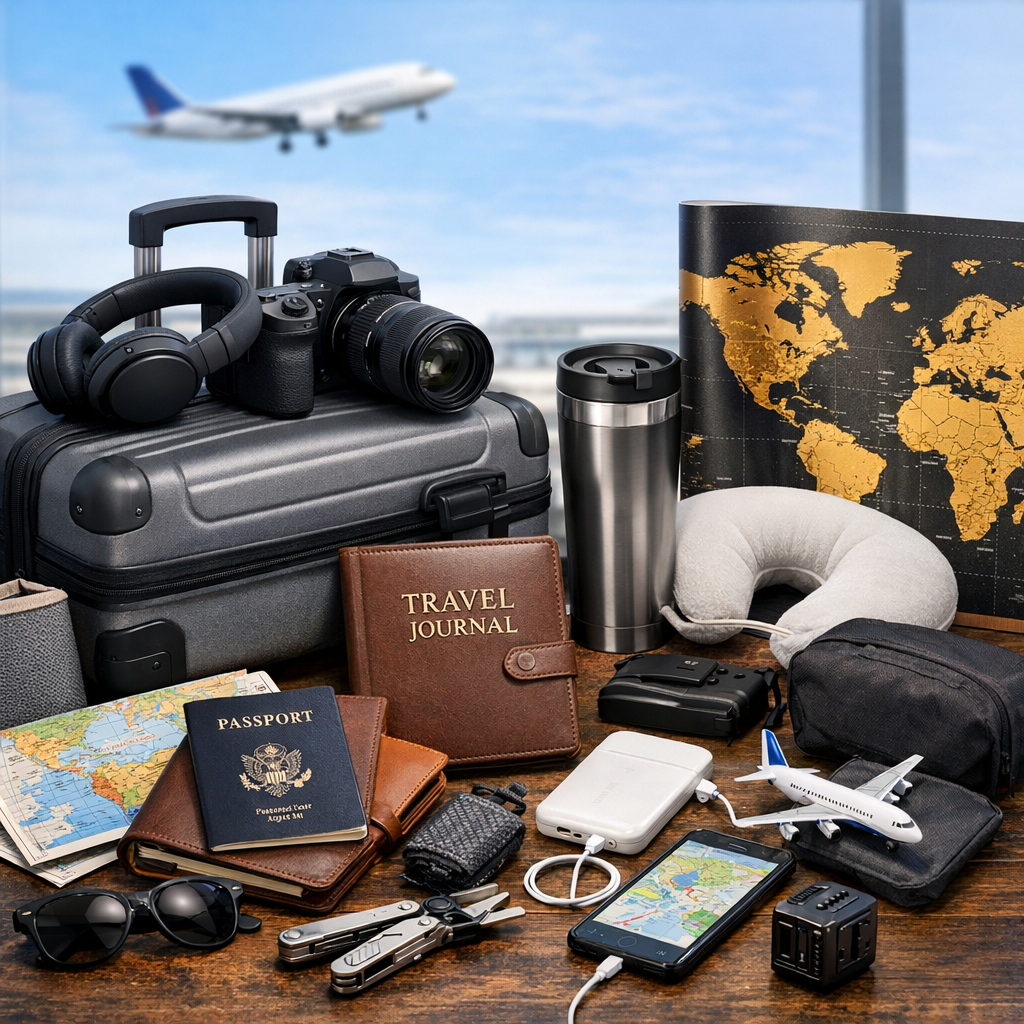
Beyond digital solutions, a comprehensive travel safety kit should include a personal alarm keychain, a portable door lock for added security in accommodations, and an RFID blocking wallet to protect against digital theft. Carrying a medical information card with emergency contacts and any essential health details is also highly recommended for emergency preparedness.
Pre-Trip Family Safety Conversations
For families, discussing emergency preparedness before any trip is paramount. This includes establishing clear emergency meet-up locations, identifying primary and secondary emergency contacts, and reviewing individual medical needs. Having a well-defined communication plan can lead to calmer, more effective reactions during unexpected events, whether you’re exploring Kyoto, Japan, or the Dolomites.
These conversations are not just for parents and children; they are vital for group travel, including spring break travel or study abroad safety planning. Organizations like Advantage Travel Partnership emphasize the “duty of care” in ensuring all travelers are prepared and informed. Consider discussing scenarios from lost passports to medical emergencies to ensure everyone understands their role.
Corporate Travel Duty of Care Expansion
For corporate travel safety in 2026, the concept of “duty of care” has significantly expanded. Organizations are now more rigorously monitoring destination risks, establishing robust communication protocols, and providing comprehensive safety briefings to their employees. This proactive approach supports real-time updates and assistance while employees are on assignment, safeguarding both operations and reputations.
Companies are leveraging advanced travel risk management platforms to track employees, provide immediate alerts, and offer direct support. This level of oversight, often discussed in publications like National Geographic Traveller, is crucial for mitigating risks associated with business trips, especially in unfamiliar or high-risk environments, ensuring peace of mind for both the traveler and the employer.
Noctourism: Navigating Night-Time Travel Activities
Noctourism, or night-time travel activities, is projected to more than double by 2035, driven significantly by overheating daytime temperatures. A compelling 61% of travelers are choosing night activities to avoid the heat, leading destinations like Kyoto, Japan, and Edinburgh to explore and promote after-dark attractions. This trend presents unique travel safety considerations for 2026 travelers.
When engaging in noctourism, prioritize well-lit areas, utilize safe rideshare options, and ensure your personal safety tools are accessible. Whether you’re enjoying an evening stroll in Bath, exploring the literary history of Jane Austen, or visiting a night market, vigilance and preparation are key. Always share your location with a trusted contact, perhaps using Life360, and be aware of your surroundings, especially in less populated areas.
Travel Advisories and Government Alerts
Travel advisories issued by the U.S. State Department remain a cornerstone of travel risk management. These alerts provide crucial, real-time information on destination risks for international travel.
For 2026 travel, increased reliance on these official government alerts is a notable travel safety trend. You must integrate them into your travel research and emergency preparedness.
The Smart Traveler Enrollment Program (STEP) is a vital resource. It provides real-time updates and facilitates emergency contact from the U.S. State Department, enhancing your personal safety tools while abroad.

As part of comprehensive travel risk planning, always check the U.S. State Department’s website for the latest travel advisories before any international travel. This applies whether you are planning spring break travel, a study abroad safety trip, or corporate travel safety protocols.
Effective duty of care for individuals and organizations alike involves close monitoring of these alerts. They are essential for understanding local crime trends, recent incidents, and reliable transportation options, contributing significantly to overall travel safety and risk prevention.
Expert Insight
“The safety of U.S. citizens abroad is a core priority; enrolling in the Smart Traveler Enrollment Program (STEP) is a vital resource that provides real-time security updates and facilitates emergency assistance, making it an essential component of modern travel risk planning.” (U.S. Department of State Official)
Personal Safety Tools and Apps for 2026 Travel
Modern travelers, especially those embarking on international travel, increasingly leverage technology and practical personal safety tools to enhance security. These resources are becoming standard components of a comprehensive travel safety kit, crucial for managing travel risks and ensuring peace of mind. As part of your emergency preparedness, integrating these tools into your travel risk planning is a key travel safety trend for 2026.
Recommended Travel Safety Apps for 2026
For 2026 travel, an array of travel safety apps are essential for both domestic and international journeys. These tools support your duty of care and enhance overall travel risk management. You should integrate these into your pre-trip planning and ongoing travel research.
- Smart Traveler Enrollment Program (STEP): For international travel, this U.S. State Department service provides crucial updates and emergency assistance. It’s a cornerstone for study abroad safety and corporate travel safety.
- Life360: This app offers location sharing with trusted contacts, essential for family and group travel, including spring break travel and college student travel.
- Noonlight: Provides a discreet personal alarm and emergency assistance directly from your phone, offering an added layer of protection in unfamiliar environments.
- TripIt: An itinerary sharing app that keeps your plans organized and accessible to designated contacts, vital for coordinating emergency meet-up locations.
Essential Physical Travel Safety Kit Components
In addition to apps, a physical travel safety kit is indispensable for personal safety. These personal safety tools are highly recommended for all travelers, from those exploring Route 66 to adventurers in Kyoto, Japan.
- A personal alarm keychain for immediate alerts, particularly useful in urban environments or during noctourism activities.
- A portable door lock for added security in accommodations, enhancing your peace of mind whether staying at a Booking.com rental or a boutique hotel.
- An RFID blocking wallet to protect against digital theft, a growing concern for travelers carrying credit cards and passports.
- A portable charger to keep communication devices operational, ensuring you can access local emergency numbers or communicate with trusted contacts via Google or Life360.
- A medical card with essential health information, crucial for any unexpected medical events, especially during international travel.
- Consider a small first-aid kit, particularly for those exploring remote areas like the Dolomites or planning active travel.
Pre-Trip Family Safety Conversations and Corporate Travel Duty of Care
Pre-trip family safety conversations are vital. Families should discuss emergency contacts, communication plans, and medical needs before trips. This clear planning can lead to calmer reactions during unexpected events, whether you’re traveling with Willow Tunnicliffe or planning a trip for your children. Similarly, corporate travel safety requires a robust duty of care expansion. Organizations are monitoring destination risks, establishing communication protocols, providing safety briefings, and supporting real-time updates. Proper planning safeguards operations and reputations in 2026, a fact emphasized by entities like Advantage Travel Partnership and FMI.
These personal safety tools, when combined with diligent travel research and an understanding of travel advisories from the U.S. State Department, significantly enhance your ability to manage travel risks and ensure peace of mind. Remember to identify hospitals and local emergency contacts beforehand to reduce stress during emergencies, a key recommendation for 2026 travel safety trends.
Expert Insight
“Corporate duty of care in 2026 has evolved beyond simple compliance; it is now a proactive legal and ethical obligation to protect employees through strategic risk management, real-time monitoring, and the seamless integration of advanced technology with human expertise.” (Jay Ellenby, President of Safe Harbors Travel Group)
Pre-Trip Family Safety Conversations
For families, particularly those navigating college student travel or study abroad safety concerns, pre-trip safety conversations are critical. Clear planning leads to calmer reactions during unexpected events, a key aspect of emergency preparedness.
You must establish clear communication plans and emergency meet-up locations before departure. Discussing emergency contacts and medical needs upfront prepares everyone for potential scenarios.
If a college student is traveling independently for spring break travel, encourage them to share their itinerary and enable location sharing with family. Regular check-in times are also vital, enhancing overall personal safety tools usage.
This proactive approach aligns with broader 2026 travel safety trends, where families increasingly prioritize travel risk planning. The U.S. State Department also advises these measures for international travel.
Corporate Travel Duty of Care Expansion
Corporate travel safety remains a high priority for organizations in 2026. The concept of duty of care continues to expand, encompassing more proactive measures.
Organizations are increasingly monitoring destination risks and establishing robust communication protocols. This safeguards operations and reputations, a fact highlighted by industry leaders like Advantage Travel Partnership.
Providing comprehensive safety briefings and supporting real-time updates for corporate travelers is now standard practice. This is a critical aspect of modern travel risk management, crucial for maintaining corporate integrity and ensuring employee well-being.
Proper travel risk planning helps companies navigate the complexities of international travel and domestic travel, ensuring their teams are prepared for any eventuality. This proactive approach, often supported by tools like TripIt for itinerary sharing, is essential for corporate travel safety.
Noctourism: Navigating Night-Time Travel Activities
Noctourism, or nocturnal tourism, is a rapidly growing trend for 2026 travel. It is projected to more than double by 2035, driven by factors such as overheating daytime temperatures and a desire to avoid crowds. This shift also impacts travel risk planning and personal safety tools, making research even more critical for travelers.
Booking.com data indicates that 61% of travelers choose night-time activities to avoid daytime heat. Destinations like Kyoto, Japan, are exploring after-dark attractions to accommodate this shift, offering unique experiences that require heightened awareness for personal safety. For instance, the U.S. State Department advises travelers to always research the safety of an area at night.
When engaging in noctourism, prioritize your personal safety. Always use reliable transportation and confirm safe rideshare options. Carry a travel safety kit which might include a personal alarm keychain and a portable door lock for accommodations. Remember to share your itinerary and location with trusted contacts, perhaps using apps like Life360 or TripIt, enhancing your emergency preparedness.
Travel Safety Trends Comparison: 2023 vs. 2026
Understanding how travel safety trends have evolved provides valuable context for 2026 planning. This table highlights key shifts, emphasizing the increased need for emergency preparedness and proactive travel risk management.
| Aspect | 2023 Approach | 2026 Trend |
|---|---|---|
| Research Focus | General destination overview. | Detailed local crime trends, specific local emergency numbers, healthcare access. |
| Advisory Reliance | Awareness of advisories. | Increased reliance on U.S. State Department alerts, proactive Smart Traveler Enrollment Program (STEP) enrollment. |
| Personal Tools | Basic awareness, some apps. | Standard use of travel safety apps (Life360, Noonlight, TripIt), personal alarm keychain, portable door lock, RFID blocking wallet. |
| Family Planning | “Be careful” advice. | Structured pre-trip conversations, detailed emergency plans, itinerary sharing, location sharing. |
| Corporate Duty of Care | Reactive crisis management. | Proactive risk monitoring, real-time updates, comprehensive safety briefings. |
| Night Travel | Limited consideration. | Significant growth in noctourism, requiring specific night-time safety planning. |
Evolving Travel Safety and Risk Prevention for 2026 Travel
For 2026 travel, the emphasis on travel safety and risk prevention has intensified. Travelers are no longer content with a general destination overview. Instead, expert advice now dictates a deep dive into local crime trends, identifying specific local emergency numbers, and understanding healthcare access at their destination. This detailed travel research is crucial. For example, identifying hospitals and local emergency contacts beforehand can significantly reduce stress during an emergency, aligning with best practices for emergency preparedness.
Increased Reliance on Travel Advisories and Government Alerts
Travel advisories issued by the U.S. State Department remain a cornerstone of international travel safety. In 2026, there’s an increased reliance on these official alerts and a proactive approach to destination risks. Enrollment in the Smart Traveler Enrollment Program (STEP) is no longer just recommended; it’s considered an essential component of travel risk planning. This ensures you receive critical information from the U.S. State Department directly, enhancing your personal safety during international travel.
Essential Personal Safety Tools and Apps
The landscape of personal safety tools has expanded significantly. Beyond basic awareness, 2026 travelers are integrating a suite of travel safety apps like Life360 for location sharing, Noonlight for discreet emergency assistance, and TripIt for organized itinerary sharing. A comprehensive travel safety kit is now highly recommended, featuring items such as a personal alarm keychain, a portable door lock for added security in accommodations, and an RFID blocking wallet to protect against digital theft. These personal safety tools are vital for navigating unfamiliar environments.
Structured Pre-Trip Family Safety Conversations
Family travel safety has moved beyond simple “be careful” advice. For 2026, families are encouraged to have structured pre-trip conversations covering emergency contacts, communication plans, and medical needs. Establishing emergency meet-up locations and implementing consistent location sharing protocols are now standard. This proactive approach to emergency preparedness ensures that everyone knows what to do in an unexpected event, leading to calmer reactions and better outcomes.
Expanding Corporate Travel Duty of Care
Corporate travel safety has seen a significant evolution in its duty of care responsibilities. Organizations are now proactively monitoring destination risks, establishing robust communication protocols, and providing comprehensive safety briefings before corporate travel. Real-time updates are critical for effective travel risk management, safeguarding both employees and the company’s reputation. This proactive stance ensures compliance with evolving standards and prioritizes employee well-being, a key focus for companies like Google and SEC-regulated entities.
Navigating Noctourism: Specific Night-Time Safety Planning
Noctourism, or night-time travel activities, continues its rapid growth, projected to more than double by 2035. This trend is driven by factors such as overheating daytime temperatures and a desire to avoid crowds, as Booking.com data indicates 61% of travelers choose night activities for these reasons. Destinations like Kyoto, Japan, and Edinburgh are exploring after-dark attractions. This shift necessitates specific night-time safety planning, including researching safe rideshare options, understanding local night-time crime trends, and ensuring your personal safety tools are readily accessible. Whether you’re a college student travel planning a spring break trip or an adventurer exploring Transylvania, noctourism requires heightened awareness and preparation.
Retro and Vintage Travel Experiences
Beyond the critical focus on travel safety trends for 2026, we’re also seeing a powerful resurgence of retro and vintage travel experiences. Travelers are increasingly seeking nostalgic journeys, reminiscent of earlier eras, moving beyond the typical mainstream tourist hubs.
Imagine embarking on an iconic Route 66 road trip, echoing the golden age of American travel, or reliving the classic allure of an early Club Med resort. This trend offers a distinctly different pace and focus, emphasizing immersion and a connection to the past.
Literary and Book-Themed Travel
For many discerning travelers, journeys are inspired by the rich tapestries of stories. Literary and book-themed travel is experiencing a significant surge, with individuals actively seeking destinations intimately tied to their favorite authors or iconic novels.
Imagine the profound experience of exploring Bath, England, deeply inspired by the timeless works of Jane Austen. Or perhaps you envision visiting Corfu, a destination forever connected to the enchanting narratives of Gerald Durrell. Even the mystical allure of Transylvania holds a powerful draw for devoted fans of Bram Stoker.
This niche within 2026 travel encourages deeper engagement with culture and history, moving beyond conventional tourist routes. It’s a form of travel research that blends personal passion with exploration, often requiring detailed travel risk planning to ensure a smooth and secure experience in these often less-traveled locales.
Youth and Gen Z Cruise Trends
The younger demographic, particularly Gen Z, is redefining cruise travel in 2026. They seek unique experiences, often focusing on adventure, wellness, and sustainable options over traditional luxury.
This shift pushes cruise lines to innovate their offerings, moving beyond conventional itineraries to incorporate more authentic experiences. For example, some are now offering specialized trips that align with the values of college student travel, integrating elements like study abroad safety workshops or community engagement projects.
As part of this trend, there’s a heightened awareness among younger travelers regarding personal safety tools and travel advisories. They are more likely to research travel safety apps and integrate tools like a personal alarm keychain or a portable door lock into their travel safety kit, even on cruises.
Niche and Wellness Retreats
Travelers in 2026 are increasingly seeking niche and wellness retreats. These experiences focus on specific interests, from rejuvenating yoga sessions in the Dolomites to digital detoxes in remote locations. This trend aligns with the broader demand for unique travel experiences, moving beyond conventional itineraries.
The emphasis here is on personal growth, rejuvenation, and experiences that deeply align with individual values. Brands like Sensoria are examples of those focused on delivering unique, tailored experiences. This shift is also influencing corporate travel safety, as organizations expand their duty of care to include wellness-focused retreats, recognizing the benefits for employee well-being and productivity.
Active and Runcation Travel: Combining Fitness and Exploration
For 2026 travelers, the fusion of fitness and exploration is a powerful draw. Active and runcation travel is soaring in popularity, with enthusiasts meticulously planning trips around marathons, challenging hiking trails, or invigorating cycling tours.
This trend allows you to seamlessly integrate your active lifestyle with discovering new destinations. Imagine conquering a marathon in Edinburgh or cycling through the scenic Dolomites. It’s an ideal way to experience a location through deep physical engagement, providing a unique perspective beyond conventional tourism.
As you plan these active adventures, always prioritize travel safety trends. Research your route thoroughly, understand local emergency numbers, and consider personal safety tools like a personal alarm keychain or a portable door lock for accommodations. Even for active travel, robust travel risk planning and emergency preparedness are essential for a secure and enjoyable journey.
Frequently Asked Questions: Navigating 2026 Travel Safety
For the discerning traveler, understanding the evolving landscape of travel advisories and safety protocols is paramount. As we navigate 2026, new trends and established best practices shape how we approach international and domestic journeys. This section provides authoritative, practical advice to ensure your travels are both secure and enjoyable.
What are the Top Travel Safety Trends for 2026?
Top travel safety trends for 2026 emphasize proactive planning and leveraging technology. Travelers are increasingly relying on U.S. State Department travel advisories for real-time risk assessment. The wider adoption of personal safety apps like Life360 and Noonlight is also a significant trend, providing location sharing and emergency alerts. Families are engaging in more detailed pre-trip family safety conversations, establishing emergency meet-up locations and communication plans. For corporate travel safety, the emphasis on proactive duty of care and comprehensive travel risk management has never been stronger, safeguarding employees and company reputation.
How Can I Best Prepare for International Travel in 2026?
To best prepare for international travel in 2026, comprehensive travel research is your first step. Investigate local crime trends, identify local emergency numbers, and research healthcare access. Enroll in the Smart Traveler Enrollment Program (STEP) with the U.S. State Department to receive alerts and enable easier contact in an emergency. Pack essential personal safety tools, such as a portable door lock, an RFID blocking wallet, and a personal alarm keychain. Itinerary sharing is also highly important; share your detailed plans with trusted contacts. Consider assembling a basic travel safety kit that includes a portable charger and copies of important documents.
Is Noctourism Safe, and What Precautions Should I Take?
Noctourism is a growing trend for 2026 travel, offering unique experiences as travelers seek to avoid daytime heat. However, safety requires diligence. Always research the specific area’s night-time security and understand local crime trends. Travel in groups whenever possible and utilize reputable transportation, such as vetted rideshare options or hotel-arranged services. Maintain heightened awareness of your surroundings, especially in unfamiliar environments. Share your noctourism plans with someone, and always carry a personal alarm keychain as a deterrent. Destinations like Kyoto and Edinburgh are increasingly exploring after-dark attractions, making emergency preparedness crucial.
What Resources are Available for Travel Risk Planning?
Key resources for travel risk planning are abundant for 2026 travel. The U.S. State Department remains the primary source for comprehensive travel advisories and country-specific information. For destination research, Google and YouTube offer invaluable insights into local conditions, attractions, and safety tips. Personal safety apps like Life360 facilitate location sharing with trusted contacts, while TripIt helps organize and share itineraries. Organizations such as Advantage Travel Partnership provide expert guidance and travel risk management solutions, particularly for corporate travel safety. Always identify and save local emergency numbers before you depart.
How Important is Itinerary Sharing for Travel Safety?
Itinerary sharing is highly important for travel safety in 2026. It ensures that trusted contacts, such as family or friends, know your whereabouts and plans, which is crucial for emergency preparedness. Apps like TripIt facilitate this by allowing you to centralize and share your travel details effortlessly. For specific demographics like college student travel, including study abroad safety or spring break travel, itinerary sharing is a non-negotiable step. It provides an essential safety net, enabling someone to act quickly if you miss a check-in or face an unexpected situation. Establishing emergency meet-up locations with your travel companions is also a key component of effective itinerary sharing.