
Table of Contents
- Surviving Travel During a Global Health Crisis
- Pre-Travel Health Assessments and Vaccinations
- Planning for Health Emergencies Abroad
- Travel Health Kit Preparation
- Safe Transportation Choices
- Preventing Insect-Borne Diseases
- Safe Food and Water Consumption
- Sun Protection and UV Safety
- Hygiene and Handwashing Practices
- Essential Travel Documents and Emergency Contacts
- Pre-Travel Health Assessments and Vaccinations
- Planning for Health Emergencies Abroad
- Travel Health Kit Preparation
- Safe Transportation Choices
- Preventing Insect-Borne Diseases
- Safe Food and Water Consumption
- Sun Protection and UV Safety for Healthy Travel
- Hygiene and Handwashing Practices for Safe Travel
- Understanding Travel Health Advisories and Security Threats
- Managing Travel Documents and Emergency Contacts
- Post-Travel Medical Consultation
- Frequently Asked Questions for Safe International Travel
Surviving Travel During a Global Health Crisis
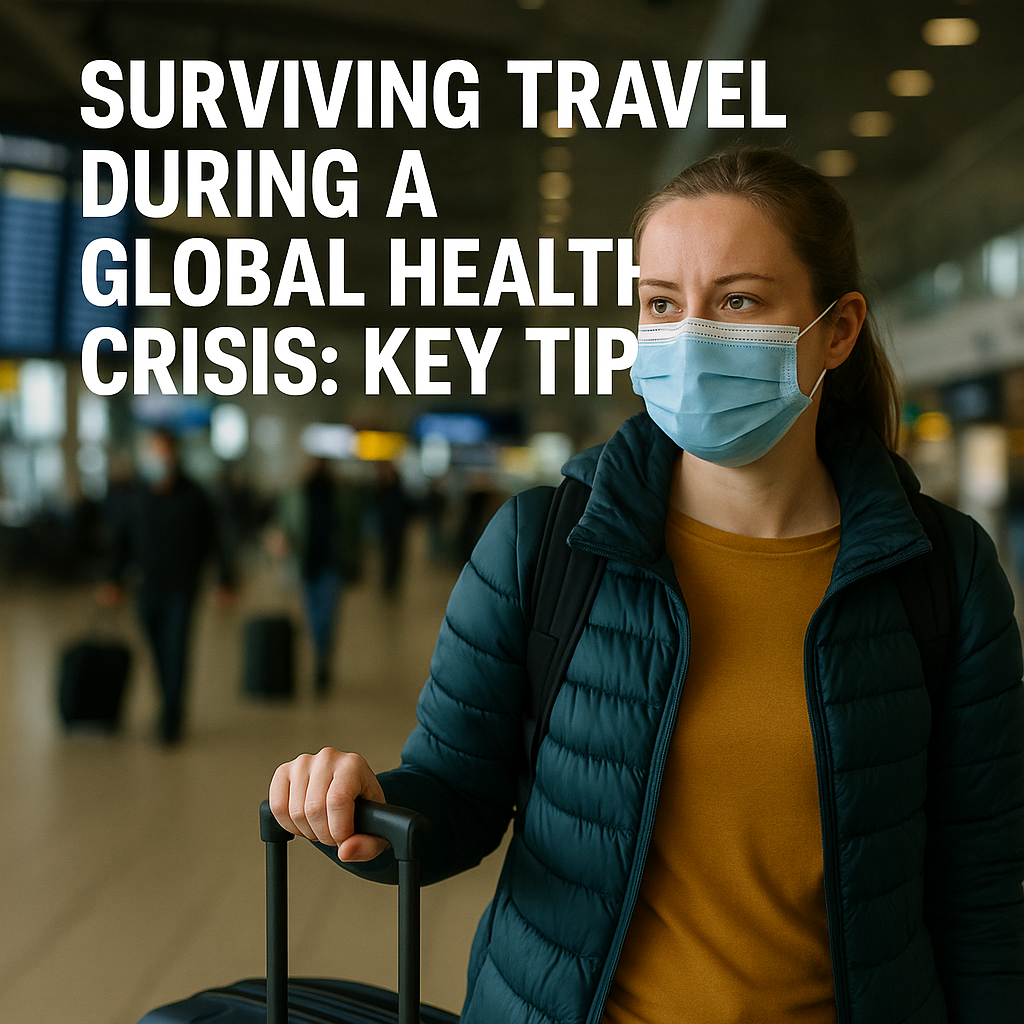
International travel in 2026 demands meticulous preparation, especially concerning global health crises. This guide provides authoritative, practical advice for safe travel, ensuring your well-being remains the top priority.

You must understand the heightened health risks and safety concerns that can arise. Proactive planning is not merely recommended, it is essential for healthy travel.
Pre-Travel Health Assessments and Vaccinations
Before any international trip, a pre-travel health assessment is crucial. Visit a healthcare provider at least a month before your departure. This allows time for destination-specific vaccines to become effective and for personalized health advice tailored to your itinerary.
The CDC recommends checking destination-specific vaccine requirements. Ensure your routine vaccines, such as measles prevention (MMR), are up-to-date. This proactive step is fundamental for preventing infectious diseases and ensuring travelers’ health.
Planning for Health Emergencies Abroad
Your safety abroad depends on adequate preparation for medical care abroad. Verify that your current health insurance covers international care, as many standard plans do not. Furthermore, consider travel insurance that includes emergency medical evacuation.
Emergency evacuation can cost thousands of dollars, a significant financial burden if not covered. Understanding the local healthcare infrastructure at your destination is also a critical safety concern.
Travel Health Kit Preparation
A well-stocked travel health kit is indispensable for safe travel. Pack all necessary prescription medicine in their original containers, along with a copy of your prescriptions. Include essential first aid kit supplies like bandages, antiseptic wipes, and pain relievers.
Don’t forget insect repellent with DEET or picaridin to prevent vector-borne diseases. Sunscreen with an SPF of 15+ is also vital for sun protection. Hand sanitizer with at least 60% alcohol and water disinfection tablets complete your essential health kit. The CDC offers interactive packing lists via the TravWell app for destination-specific needs.
Safe Transportation Choices
Road safety for travelers is a major concern. Motor vehicle crashes are the leading cause of death among travelers. Always wear seat belts, and ensure children use appropriate car seats. Be especially cautious when crossing streets, as driving rules and traffic patterns can differ significantly from the United States.
Prioritize reputable transportation services to minimize risks. This vigilance helps mitigate significant health risks associated with travel.
Preventing Insect-Borne Diseases
Protecting yourself from insect-borne diseases is paramount, especially in regions where mosquitoes, ticks, and fleas are active. These vectors can transmit serious illnesses like malaria, yellow fever, Zika, dengue, chikungunya, and Lyme disease, particularly in warm weather climates.
Use insect repellent consistently, wear long sleeves and pants when outdoors, and sleep under mosquito nets if available. These simple precautions are key to healthy travel and infectious disease prevention.
Safe Food and Water Consumption
Food and water safety is critical to preventing travelers’ diarrhea and other illnesses. Opt for hot, dry, or packaged foods. Stick to bottled or canned drinks with unbroken seals, or water that has been boiled or treated. Avoid raw or undercooked foods, unpasteurized dairy, and tap water.
Making informed choices about what you eat and drink is a cornerstone of maintaining your travelers’ health and avoiding common health risks abroad.
Sun Protection and UV Safety
Protecting yourself from the sun’s harmful UV rays is essential for healthy travel. Apply SPF 15+ sunscreen generously and frequently, especially when outdoors. UV risks are heightened near the equator, at high altitudes, or between 10 am and 4 pm, even on cloudy days.
Wear protective clothing, a wide-brimmed hat, and sunglasses. Sunburn can not only be painful but also increases your long-term health risks, making sun protection a vital component of your travel health kit.
Hygiene and Handwashing Practices
Maintaining excellent sanitation and hygiene is your first line of defense against illness during travel. Regular handwashing with soap and water for at least 20 seconds is highly effective. When soap and water are unavailable, use a hand sanitizer with at least 60% alcohol.

This simple practice significantly reduces the spread of germs and infectious diseases, safeguarding your travelers’ health and preventing many common safety concerns.
Essential Travel Documents and Emergency Contacts
Beyond health preparations, organize your travel documents and emergency contacts. Keep copies of your passport, visa, and travel insurance policy in a separate, secure location. Register with the Smart Traveler Enrollment Program (STEP) via the U.S. Department of State.
This free service allows the U.S. Department of State to better assist you in an emergency and provides important travel warnings and destination advice. Having immediate access to emergency contacts and your health care provider’s information is also critical for medical care abroad.
Expert Insight
“Travel medicine is an interdisciplinary specialty concerned not only with the prevention of infectious diseases during travel but also with the personal safety of travelers and the avoidance of environmental risks through customized recommendations and specialized care.” , Infectious Diseases Society of America (IDSA)
Pre-Travel Health Assessments and Vaccinations
Before any international journey, a comprehensive pre-travel health assessment is non-negotiable. You should schedule an appointment with your health care provider at least one month before your departure.
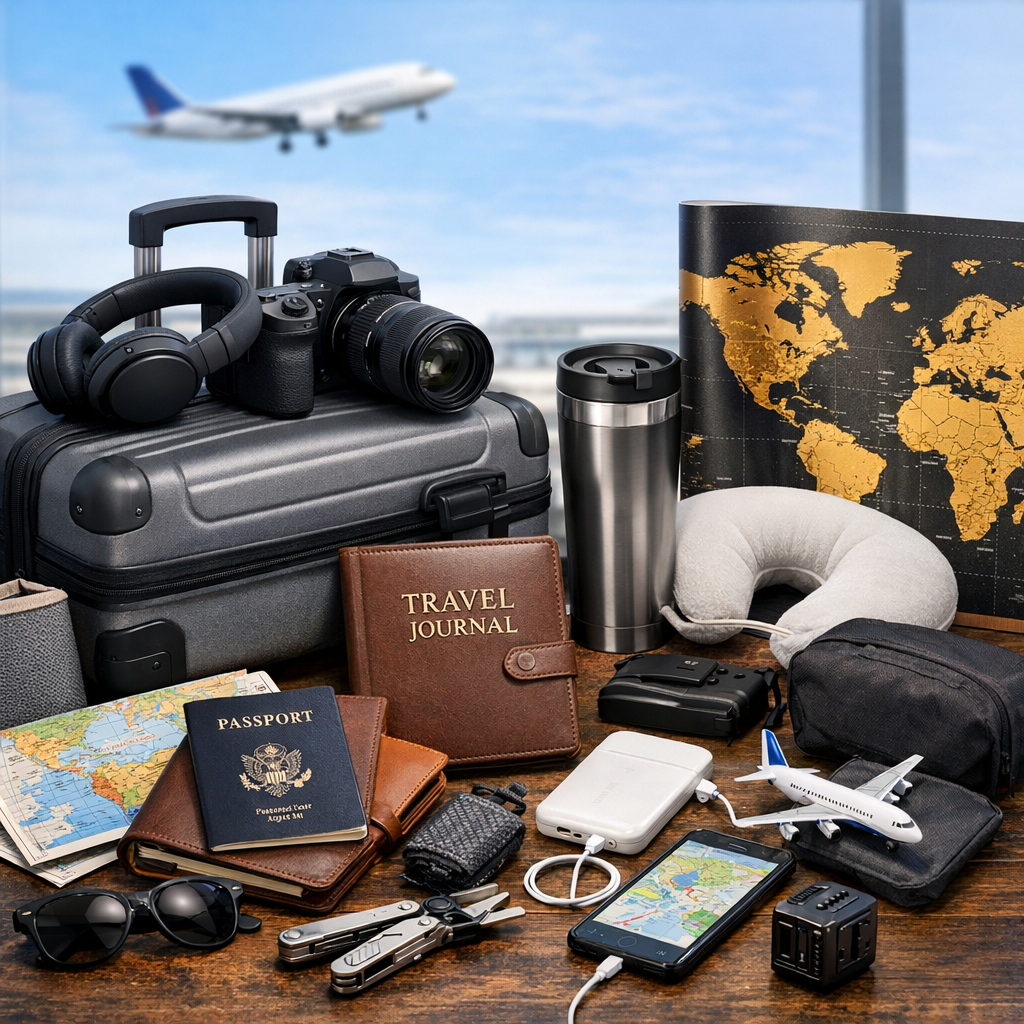
This consultation allows for a thorough review of your itinerary and any planned activities. Your provider can then offer personalized health advice and recommend destination-specific vaccines to ensure healthy travel.
Routine Immunizations and Destination-Specific Needs
Ensure all your routine vaccines are up-to-date. This includes critical immunizations like measles, mumps, and rubella (MMR) prevention. Infectious diseases, such as measles, can spread rapidly among unvaccinated populations, posing significant health risks.
The CDC strongly recommends checking specific vaccine requirements for your chosen destination. These requirements protect both you and the communities you visit, contributing to overall safe travel.
A consultation with your health care provider will identify any additional travel vaccines necessary for your specific itinerary. This is a crucial step in ensuring healthy travel and minimizing safety concerns, especially when considering overseas medical care.
Expert Insight
“A pre-travel consultation is the best opportunity to conduct a risk assessment, provide destination-specific vaccinations, and educate travelers on mitigating health hazards to ensure safety for both the individual and the global community.” , CDC Yellow Book: Health Information for International Travel
Planning for Health Emergencies Abroad
Medical care abroad can differ significantly from what you are accustomed to in the United States. You must plan for potential health emergencies before you depart to ensure safe travel.
Many standard health insurance plans do not cover overseas medical care. Verify your coverage and consider purchasing travel insurance before your journey.
Travel Health Insurance and Emergency Medical Evacuation
Securing comprehensive travel health insurance is vital for healthy travel. Look for policies that explicitly cover overseas medical care and, critically, emergency medical evacuation.
Emergency medical evacuation can cost thousands of dollars, and many standard plans do not include this essential coverage. This is a significant safety concern for travelers’ health.
Understanding the local healthcare infrastructure at your destination is also a key component of preparation. Know how to access medical services if needed, as medical care abroad can vary widely.
In short, adequate travel health insurance and knowledge of local resources provide a critical safety net for your well-being.
Expert Insight
“Since many U.S. health plans do not provide coverage abroad, securing a comprehensive travel insurance policy with high limits for emergency medical expenses and evacuation is the only way to protect yourself from massive bills and ensure peace of mind during a crisis.” , Industry Analyst, U.S. News & World Report
Travel Health Kit Preparation
A well-stocked travel health kit is an indispensable tool for managing minor ailments and preventing infectious diseases. This kit should address your specific health needs and potential risks at your destination, ensuring healthy travel.
Pack all necessary prescription medicine in their original containers, along with copies of your prescriptions. This prevents issues with customs and ensures continuity of care during your travels.
Essential Supplies for Your Travel Health Kit
- A basic first aid kit with bandages, antiseptic wipes, and pain relievers.
- Insect repellent containing DEET or picaridin to prevent vector-borne disease. This is crucial for preventing illnesses like malaria, yellow fever, Zika, dengue, chikungunya, and Lyme disease, especially in areas where mosquitoes, ticks, and fleas are active.
- Sunscreen with an SPF of 15 or higher for UV safety. Remember, UV risks increase near the equator, at high altitudes, or between 10 am and 4 pm, and sunburn risks persist even on cloudy days.
- Hand sanitizer with at least 60% alcohol for proper sanitation and hygiene. This is vital for preventing the spread of germs and illness when soap and water are unavailable.
- Water disinfection tablets, especially if traveling to areas with questionable water quality. This helps prevent travelers’ diarrhea and other waterborne illnesses.
The CDC offers interactive packing lists through its TravWell app, providing destination-specific recommendations. This resource helps you tailor your kit effectively for safe and healthy travel.
Safe Transportation Choices
Your choice of transportation and your behavior while using it significantly impact your safety. Motor vehicle crashes are unfortunately the leading cause of death among travelers. Prioritizing safe transportation choices is paramount for healthy travel.
Always prioritize safety when selecting transportation options. This includes both public and private transport. Understanding potential health risks and safety concerns associated with various modes of travel is key.
Road Safety for Travelers
When traveling by vehicle, always wear a seat belt. If you are traveling with children, ensure appropriate car seats are used. These measures are critical, regardless of local regulations or destination advice.
Exercise extreme caution when crossing streets, particularly in countries with different driving rules or less predictable traffic patterns. Stay vigilant and aware of your surroundings, applying the same diligence as you would with infectious disease prevention.
Preventing Insect-Borne Diseases
Infectious diseases transmitted by insects, known as vector-borne diseases, pose a significant health risk in many parts of the world. Mosquitoes, ticks, and fleas can transmit illnesses such as malaria, yellow fever, Zika, dengue, chikungunya, and Lyme disease, especially active in warm weather climates. Taking preventative measures is paramount for healthy travel.
Protection Against Bug Bites
When traveling, consistent and correct use of insect repellent is crucial. Wear long-sleeved shirts and long pants, particularly during dawn and dusk when mosquitoes are most active. If your accommodation lacks adequate screening or air conditioning, sleeping under mosquito nets is a vital precaution for preventing insect-borne diseases.
Always inspect yourself thoroughly for ticks after spending time outdoors. Prompt removal can prevent disease transmission and protect your travelers’ health. The CDC offers interactive packing lists via the TravWell app, including recommendations for insect repellent and other items for your travel health kit, essential for overseas medical care preparation.
Safe Food and Water Consumption
Contaminated food and water are primary sources of illness for travelers, often leading to travelers’ diarrhea. This common complaint is typically caused by bacteria, viruses, or parasites in unsafe food and drink, underscoring significant health risks during international travel.
Vigilance regarding what you consume is a fundamental aspect of infectious disease prevention and ensures your healthy travel experience.
Food and Water Safety Guidelines for Healthy Travel
Adhere to strict food and water safety practices to protect your travelers’ health:
- Consume only hot, thoroughly cooked foods.
- Opt for dry, packaged foods when possible.
- Drink bottled or canned beverages, ensuring seals are unbroken.
- Avoid tap water, ice made from tap water, and unpasteurized dairy products.
- Peel fruits yourself to ensure cleanliness.
These precautions significantly reduce your risk of contracting foodborne or waterborne illnesses. For destination advice and personalized guidance, your health care provider can offer additional specific advice on food and water safety and overall infectious disease prevention.
Sun Protection and UV Safety for Healthy Travel
Exposure to the sun’s ultraviolet (UV) rays can lead to sunburn, heatstroke, and long-term skin damage, posing significant health risks during your travels. UV risks increase near the equator, at high altitudes, or between 10 AM and 4 PM, even on cloudy days. Protecting your skin is a critical component of healthy travel and overall well-being.
Effective Sun Protection Strategies for Safe Travel
For safe travel, apply sunscreen with an SPF of 15 or higher liberally and frequently. Wear wide-brimmed hats, sunglasses, and protective clothing to shield yourself from direct sunlight. Seek shade during peak UV hours.
Staying hydrated is also essential to prevent heat-related illnesses. These simple steps ensure your safety concerns are addressed, contributing to your overall travelers’ health. Always include sunscreen in your travel health kit.
Hygiene and Handwashing Practices for Safe Travel
Proper sanitation and hygiene are your primary defense against germ spread and illness, especially when public health standards may differ from those in the United States. This diligence is crucial for preventing infectious diseases and ensuring your healthy travel experience.
Maintaining Personal Hygiene
Consistent handwashing is a simple yet highly effective preventative measure. Wash your hands frequently and thoroughly with soap and water for at least 20 seconds. This is particularly important before eating and after using the restroom. The CDC consistently emphasizes this practice for infectious disease prevention.
When soap and water are unavailable, use a hand sanitizer containing at least 60% alcohol. Carry a small bottle with you for convenience as part of your essential travel health kit. This proactive approach supports your overall travelers’ health and minimizes health risks during your journey.
Understanding Travel Health Advisories and Security Threats
Before any international travel, you must consult official sources for the latest travel warnings, travel health advisories, and security threat analysis. Staying informed is a key aspect of safe travel.
The U.S. Department of State and the CDC provide up-to-date information on global health risks and safety concerns. This diligence is crucial for preventing infectious diseases and ensuring your healthy travel experience.
Key Resources for Travelers
Enroll in the Smart Traveler Enrollment Program (STEP program) provided by the U.S. Department of State. This free service allows U.S. citizens and nationals traveling or living abroad to register their trip with the nearest U.S. Embassy or Consulate. This is a critical step for your safety and security.
The Overseas Security Advisory Council (OSAC) and the Bureau of Diplomatic Security also offer valuable insights into international travel risk assessment. These resources help you make informed decisions about potential health risks and safety concerns.
Pre-Travel Health Assessments and Vaccinations
Visit a health care provider at least one month before your trip. This allows ample time for necessary travel vaccines and personalized health advice. Ensure all routine immunizations are up-to-date, including measles prevention, as recommended by the CDC.
Your health care provider can advise on destination-specific vaccines required for your itinerary. This proactive measure is vital for protecting yourself from infectious diseases prevalent in your chosen destination, ensuring healthy travel.
Planning for Health Emergencies Abroad
Verify that your health insurance covers overseas medical care. Many domestic plans do not cover international medical expenses, including emergency medical evacuation, which can cost thousands of dollars. Consider purchasing travel insurance that includes comprehensive medical and emergency evacuation coverage.
Understanding the local healthcare infrastructure at your destination is also crucial. Knowing where to seek medical care abroad can save critical time during an emergency. Always carry important travel documents, including your insurance information and emergency contacts.
Travel Health Kit Preparation
Pack a comprehensive travel health kit. This should include any prescription medicine you require, a basic first aid kit, insect repellent, and sunscreen with an SPF of 15+ or higher. The CDC offers interactive packing lists via the TravWell app for destination-specific needs.
Additional items such as hand sanitizer with at least 60% alcohol and water disinfection tablets are highly recommended for maintaining sanitation and hygiene. A well-stocked travel health kit is essential for addressing minor ailments and emergencies, promoting safe travel.
Safe Transportation Choices
Prioritize safe transportation choices. Always wear seat belts, and use appropriate car seats for children. Be especially cautious when crossing streets, particularly in countries with different driving rules or heavy traffic. Motor vehicle crashes are unfortunately the leading cause of death among travelers.
When using taxis or ride-shares, opt for reputable services. Understanding local road safety for travelers can significantly reduce risks. Your personal safety should always be a top priority during international travel.
Preventing Insect-Borne Diseases
Take precautions to prevent insect-borne diseases. Use insect repellent containing DEET, picaridin, or oil of lemon eucalyptus. Mosquitoes, ticks, and fleas can transmit serious infectious diseases such as malaria, yellow fever, Zika, dengue, chikungunya, and Lyme disease, especially in warm climates.
Wear long-sleeved shirts and pants when outdoors, especially during dawn and dusk. Sleeping under a mosquito net can also offer protection. These measures are crucial for vector-borne disease prevention and ensuring your healthy travel.
Safe Food and Water Consumption
Exercise extreme caution with food and water consumption to prevent travelers’ diarrhea and other foodborne illnesses. Consume hot, thoroughly cooked foods, dry packaged snacks, and bottled or canned beverages. Avoid tap water, ice, and unpasteurized dairy products.
Always wash your hands thoroughly before eating or preparing food. Choosing safe food and drinks is paramount for infectious disease prevention and maintaining your health throughout your trip.
Sun Protection and UV Safety
Protect yourself from the sun’s harmful UV rays. Apply SPF 15+ sunscreen generously and reapply frequently, especially after swimming or sweating. UV risks are higher near the equator, at high altitudes, and between 10 am and 4 pm, even on cloudy days.
Wear sunglasses that block 99% or more of UVA and UVB rays, and a wide-brimmed hat. Sunburn not only causes discomfort but also increases your risk of skin damage. Prioritize sun protection for healthy travel.
Hygiene and Handwashing Practices
Consistent handwashing is your primary defense against germ spread and illness. Wash your hands frequently and thoroughly with soap and water for at least 20 seconds, especially after using the restroom, before eating, and after coughing or sneezing.
When soap and water are unavailable, use a hand sanitizer with at least 60% alcohol. Maintaining excellent sanitation and hygiene is crucial for preventing infectious diseases and ensuring your healthy travel experience, especially when public health standards may differ from those in the United States.
| Category | Action Item | Importance Level |
|---|---|---|
| Health | Visit health care provider (1 month prior) for travelers’ health advice | High |
| Health | Update routine immunizations and travel vaccines | High |
| Health | Obtain destination-specific vaccines as per CDC recommendations | High |
| Insurance | Verify overseas medical care coverage and medical care abroad options | Critical |
| Insurance | Consider emergency medical evacuation insurance for comprehensive coverage | Critical |
| Documents | Pack travel health kit (prescription medicine, first aid kit, insect repellent, sunscreen) | High |
| Documents | Enroll in Smart Traveler Enrollment Program (STEP program) | High |
| Safety | Research destination advice, health risks, and safety concerns | High |
| Safety | Identify emergency contacts and keep them accessible with other travel documents | High |
Managing Travel Documents and Emergency Contacts
Your travel documents are critical for safe travel, and their security is paramount. Always keep copies of your passport, visa, and other important papers separate from the originals. This includes your travel health insurance details and any prescription medicine documentation.
Maintain a comprehensive list of emergency contacts, both at home and at your destination. This crucial list should include your health care provider, travel insurance information, and the nearest U.S. Embassy or Consulate. The U.S. Department of State provides updated contact information for all its missions abroad, essential for any safety concerns.
Safeguarding Important Information for Healthy Travel
Store digital copies of your essential travel documents on a secure cloud service or encrypted USB drive. Share these with a trusted contact at home. This redundancy ensures access even if physical documents are lost or stolen, mitigating potential health risks or safety concerns.
For any prescription medicine, carry a letter from your doctor. This letter should clearly explain your medical conditions and the necessity of your medications. This proactive step can prevent issues with customs officials and ensure continuity of your medical care abroad.
Enroll in the Smart Traveler Enrollment Program (STEP) through the U.S. Department of State. The STEP program allows the U.S. Embassy or Consulate to contact you in an emergency, whether it’s a natural disaster, civil unrest, or a family emergency. It also provides important travel warnings and destination advice.
The U.S. Department of State advises, “Always leave copies of important travel documents, such as your itinerary, contact information, credit cards, and passport, with a trusted person at home.” This practice is a cornerstone of prudent international travel risk assessment and supports emergency evacuation protocols.
Pre-Travel Health Assessments and Vaccinations
Before any international travel, prioritize a pre-travel health assessment. Visit a health care provider at least a month before your trip to discuss destination-specific vaccines and personalized health advice. The CDC recommends checking specific vaccine requirements for your destination, including routine vaccines like MMR for measles prevention.
Ensuring your routine immunizations are up-to-date is fundamental for healthy travel. Your health care provider can advise on necessary travel vaccines to protect against infectious diseases common in your destination. This preparation is a vital component of your travel health kit.
Planning for Health Emergencies Abroad
Comprehensive travel insurance is non-negotiable for overseas medical care. Ensure your policy explicitly covers international medical care and, critically, emergency medical evacuation. Many standard health plans do not cover medevac, which can cost thousands of dollars, making dedicated travel insurance a high priority for managing health risks abroad.
Understand the local healthcare infrastructure at your destination. Research reputable hospitals and clinics. The U.S. Department of State and the CDC offer resources to help identify quality medical care abroad, ensuring you are prepared for any health emergencies.
Travel Health Kit Preparation
Assemble a well-stocked travel health kit. This should include all your prescription medicine, a basic first aid kit, insect repellent (especially crucial for vector-borne disease prevention), sunscreen with SPF 15+, hand sanitizer, and water disinfection tablets. The CDC offers interactive packing lists via the TravWell app for destination-specific needs, enhancing your safe travel experience.
Beyond the basics, consider items for food and water safety. Access to clean water and safe food consumption are paramount for preventing travelers’ diarrhea and other infectious diseases. Pack items that support good sanitation and hygiene practices.
Preventing Insect-Borne Diseases
Protect yourself from insect-borne diseases. Use insect repellent consistently and wear appropriate clothing to avoid bug bites. Mosquitoes, ticks, and fleas can transmit serious infectious diseases such as malaria, yellow fever, Zika, dengue, chikungunya, and Lyme disease, especially active in warm weather. This is a critical aspect of travelers’ health.
Consult the CDC for specific destination advice regarding prevalent vector-borne diseases. Implementing preventive measures is essential for maintaining your health abroad and minimizing health risks.
Safe Food and Water Consumption
Strict adherence to safe food and water consumption practices is vital to prevent illness. Prioritize consuming hot, dry, or packaged foods. Stick to bottled or canned drinks with intact seals. Contaminated food and water are primary causes of travelers’ diarrhea, a common travel-related ailment. Always choose safe food and drinks to avoid illness during your healthy travel experience.
Be cautious with street food and ensure all food is thoroughly cooked and served hot. Avoid raw or undercooked meats, unpasteurized dairy products, and unpeeled fruits and vegetables unless you have washed them thoroughly yourself.
Sun Protection and UV Safety
Protect your skin from harmful UV radiation. Apply sunscreen with an SPF of 15+ regularly, especially during peak UV exposure times. UV risks increase near the equator, at high altitudes, or between 10 am and 4 pm. Remember that sunburn risks persist even on cloudy days, making sunscreen a key component of your travel health kit.
Wear wide-brimmed hats and UV-protective clothing. Seek shade during the harshest sun hours. Sun protection is crucial for long-term skin health and immediate comfort during your travels, preventing painful sunburns that can detract from your experience.
Hygiene and Handwashing Practices
Maintain rigorous hygiene practices to prevent the spread of germs and infectious diseases. Regular handwashing with soap and water is paramount, especially before eating and after using the restroom. When soap and water are unavailable, use a hand sanitizer with at least 60% alcohol.
Good sanitation and hygiene are simple yet highly effective measures for preventing many common travel-related illnesses. Emphasize these practices for your healthy travel and to minimize health risks, especially in areas with varying hygiene standards.
Post-Travel Medical Consultation
Upon your return, a post-travel medical consultation is a critical final step in your cycle of responsible and safe travel. This is especially true if you experienced any illness or potential exposure to infectious diseases during your trip.
It is essential to inform your health care provider about your complete travel itinerary and any symptoms you may have. Be aware that some infectious diseases, like malaria, can have a delayed onset, making a timely consultation even more important for healthy travel.
This final step ensures that any potential health risks are addressed promptly, safeguarding your well-being and completing your comprehensive travel health strategy. Always prioritize your health with expert medical care, even after your journey concludes.
Frequently Asked Questions for Safe International Travel
Navigating international travel during a global health crisis requires diligence and informed decision-making. Here are answers to common questions to help ensure your safe travel and well-being.
What is the most important step before international travel during a health crisis?
The most important step is to schedule a pre-travel health assessment with your health care provider at least one month before departure. This ensures you receive destination-specific vaccines and personalized health advice, vital for healthy travel. Your health care provider will confirm you have all routine immunizations, such as for measles prevention, and will advise on any additional travel vaccines recommended by the CDC for your specific destination.
Do I need special travel insurance for medical care abroad?
Yes, many standard health insurance plans do not cover overseas medical care. You should obtain travel insurance that explicitly includes coverage for emergency medical evacuation, which can be very costly without it. Emergency medical evacuation can cost thousands of dollars. Comprehensive travel health insurance is critical for planning for health emergencies abroad, ensuring you have access to medical care abroad and financial protection against unforeseen health risks.
What should be in my travel health kit?
Your travel health kit should contain prescription medicine, a first aid kit, insect repellent, sunscreen (SPF 15+), hand sanitizer (with at least 60% alcohol), and water disinfection tablets. The CDC offers detailed packing lists and destination-specific needs via resources like the TravWell app. This comprehensive kit is essential for travelers’ health, addressing various health risks from minor injuries to infectious disease prevention.
How can I prevent insect-borne diseases while traveling?
To prevent insect-borne diseases, use insect repellent, wear long-sleeved clothing, and sleep under mosquito nets if necessary. Be vigilant about avoiding bug bites, especially in areas where diseases like malaria, yellow fever, Zika, dengue, chikungunya, or Lyme disease are prevalent. These vector-borne disease prevention strategies are crucial, especially in warm climates where mosquitoes, ticks, and fleas are most active.
Why is enrolling in the Smart Traveler Enrollment Program (STEP) important?
Enrolling in the Smart Traveler Enrollment Program (STEP) allows the U.S. Department of State to locate and assist you in an emergency. It also provides you with important travel warnings and alerts regarding safety concerns and health risks in your destination. The STEP program is a vital resource for United States citizens, offering an additional layer of security threat analysis and emergency contacts while abroad.
How can I ensure safe food and water consumption?
To prevent travelers’ diarrhea and other infectious diseases, always prioritize safe food and water consumption. Consume hot, dry, packaged foods, and bottled or canned drinks with an unbroken seal. Avoid tap water, ice, and unpasteurized dairy products. This approach to sanitation and hygiene significantly reduces your exposure to contaminated food and water, which are common sources of illness for travelers.
What are key sun protection and UV safety measures?
Protecting yourself from the sun’s harmful UV rays is critical. Apply SPF 15+ sunscreen liberally and frequently, especially during peak UV exposure times (between 10 AM and 4 PM). Remember that UV risks increase near the equator, at high altitudes, and even on cloudy days. Sunburn risks are persistent, making consistent sun protection essential for your healthy travel.
What are crucial safe transportation choices for travelers?
Prioritize safe transportation choices to mitigate road safety for travelers. Always wear seat belts, and ensure children use appropriate car seats. Be extremely cautious when crossing streets, particularly in countries with different driving rules or heavy traffic. Motor vehicle crashes are unfortunately identified as the leading cause of death among travelers, underscoring the importance of vigilance and adherence to safety protocols.