


Table of Contents
- Introduction
- 2. The Case for Waiting: When Last-Minute Deals Make Sense
- 3. Price Signals and Data: How to Read When to Book
- 4. Timing Strategies: Practical Booking Frameworks
- 5. Risk Management: Protecting Your Purchase Across the Window
- 6. Ancillary Considerations: Timing Beyond the Ticket
- FAQ
- Conclusion
Introduction
Why flight pricing patterns matter for international travel
International flight prices move in recognizable patterns. Understanding when fares shift helps you plan with less guesswork and to time purchases against travel needs rather than chasing every deal.

Recognizing these rhythms also supports risk management. A thoughtful booking window reduces the chance of disrupted plans from sudden price spikes or limited seat options.
Overview of the trade-offs between last-minute deals and early bookings
Waiting for last-minute deals can lower base costs, but often comes with limited choices and higher disruption risk.
Booking early typically secures better seat selection and more predictable costs, though you may miss dips that occur closer to departure.
trafels.com focuses on practical, region-aware timing strategies and clear signals you can trust, so you choose based on your itinerary, flexibility, and risk tolerance.
2. The Case for Waiting: When Last-Minute Deals Make Sense
Identifying genuine last-minute fare patterns
Genuine last-minute deals tend to appear when airlines need to fill remaining seats close to departure and external capacity shifts create price-sensitive pressure. Look for patterns where midweek departures or red-eye itineraries drift downward, rather than when carriers heavily discount premium cabins.
Situations where deals emerge (regions, seasons, events)
Deals often surface in regions with oversupply or shoulder seasons, such as destinations with concurrent school breaks or low-season periods. Special events can temporarily lower prices for less popular routes as carriers adjust to demand.
- Regions with flexible routings back to hubs may show sharper drops.
- Travel in off-peak months can yield meaningful savings.
- Last-minute windows coincide with overbooked routes that need seats filled fast.
Risks of waiting: limited options and disruption potential
Waiting increases the chance of limited seat choices, higher connection risk, and price volatility that complicates logistics. A sudden schedule change or strike can derail plans when you wait too long.
3. Price Signals and Data: How to Read When to Book
Fare trend indicators and fare dashboards to watch
Track price movements over time rather than reacting to a single price drop. Look for sustained dips across several days rather than a one-off low. Fare dashboards consolidate data from multiple carriers and show directional trends, helping you distinguish a real signal from noise.
Seasonality, demand spikes, and holiday effects
Prices tend to rise around peak travel periods and major holidays. Off-peak windows can reveal clearer price signals, but regional events can shift demand unpredictably. A modest dip may not apply to all dates or destinations, so compare multiple options within your window.
The role of flexible dates and nearby airports in price discovery
Flexibility expands your view of the price landscape. A small shift in dates can unlock cheaper options or different routings. Nearby airports often reveal lower fares or better schedules, particularly on high-demand routes.
4. Timing Strategies: Practical Booking Frameworks
When to lock in international flights by region
Regional patterns shape your timing. For some regions, a 2-4 month booking window often balances fare availability with stability. In others, the window tightens to 4-8 weeks before departure, especially for popular city pairs with strong seasonal demand. Tailor your window to the route’s typical volume and event calendar.

Consider visa or entry constraints and known peak periods. Destinations with flexible itineraries or frequent service changes can benefit from monitoring price signals a bit longer before committing.
Best practices for ultra-long-haul versus short international hops
- Ultra-long-haul: prioritize predictable seat options and stable schedules. Aiming for 6-12 weeks out during peak seasons helps avoid abrupt price changes.
- Short international hops: expect more price variation. A tighter window of 4-8 weeks can yield savings if schedules align with convenient connections.
- Cabin preference matters: premium cabins often inflate early, while economy fares can be more volatile closer to departure.
Using price alerts without overreacting to every fluctuation
Set alerts for your core date range and nearby airports to widen the view. Ignore brief dips that don’t fit your travel window. If you see a sustained downward trend across multiple days, consider acting. Maintain a hard price ceiling you’re willing to pay and stick to it to avoid reactionary buys.
5. Risk Management: Protecting Your Purchase Across the Window
International tickets carry rules that can affect cost and flexibility. Understanding fare families helps you compare protection levels without guessing.
Fare rules, refunds, and change fees for international tickets
Refundability and change penalties vary by fare class and route. Always check change fees, fare rules, and any penalties before booking. Some tickets allow free changes within a window, while others impose substantial fees or prohibit modifications entirely.
- Look for semi flexible or fully refundable options if plans are uncertain.
- Compare end-to-end costs after penalties, not just the base fare.
- Note whether the ticket permits date changes, routing changes, or cabin upgrades.
Trip insurance and airline policies that matter
Insurance can cover illness, disruptions, or delays. Read policy exclusions and medical coverage limits. Airline policies on flight cancellations have shifted in recent years, so verify coverage for rebooking and hotel stays when a disruption occurs.
- Check whether insurance covers missed connections or pre-existing conditions.
- Understand how airline voluntary changes versus force majeure events are handled.
- Keep digital copies of all policies and contact numbers for quick claims.
What to do if prices drop after booking
Not all tickets are eligible for post-purchase refunds or credits. If your fare allows price-based credits, act quickly and document the price drop. If refunds aren’t possible, consider using the ticket value for future travel where allowed by the issuer.
- Monitor the fare type for post-booking benefits before you buy.
- Keep all receipts and booking references handy for any claim or adjustment.
- Evaluate whether rebooking under a cheaper itinerary yields net savings after penalties.
6. Ancillary Considerations: Timing Beyond the Ticket
Visa, passport, and entry timing that influence travel windows
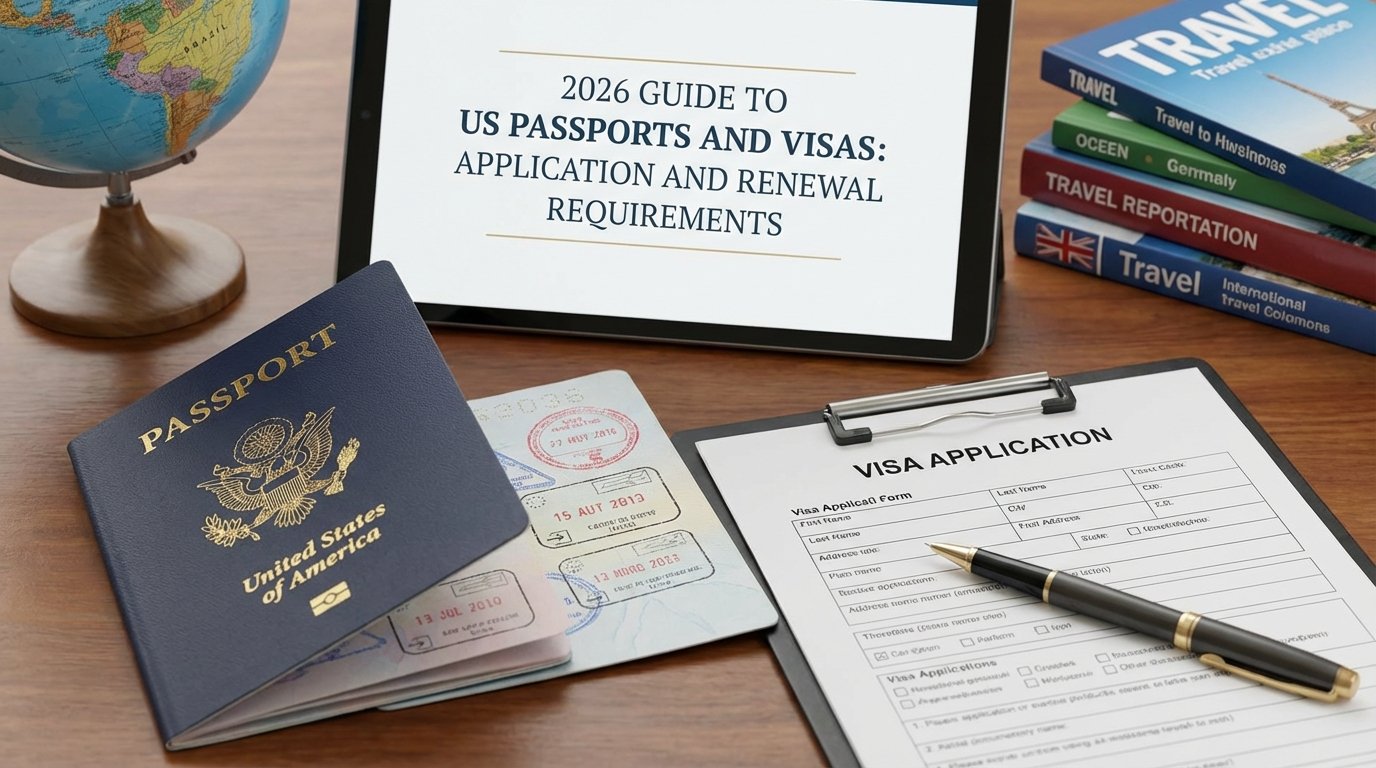
Passport validity and visa processing can push your planning Window. Some destinations require six months of validity beyond travel dates, while others need specific visa windows tied to entry rules. Start checks early to avoid last minute holds or expedited fees.
Seat selection, baggage policies, and add-ons by booking window
Booking timing can determine which seat maps are available and how much you pay for extras. Early bookings often offer better seat choices, bundled baggage deals, and lower prices on add-ons. Late bookings may incur higher fees or limited options.
Connecting itineraries and multi-city planning with timing in mind
Layered itineraries amplify timing risks. A missed connection or tight layover can cascade into expensive rebooking. Build buffers between legs and verify visa or entry requirements for each stop. Consider airport transit times and potential delays when sequencing multi-city trips.
FAQ
How do I know if a fare is likely to drop after booking?
Forecasting drops isn’t foolproof. Look for patterns over several days rather than a single dip. If multiple carriers show parallel declines across nearby dates, a lower fare may be possible later. Use historical trend signals, not a single data point, to guide decisions.
Are there risks with non-refundable tickets for international travel?
Non-refundable fares can save money upfront but restrict flexibility. If plans could change, the penalties may outweigh the savings. Check fare rules closely for change allowances, routing changes, and potential credits before committing.
What’s the fastest way to compare multiple booking windows without committing?
Use a quick, side-by-side view to contrast price and terms across windows. Create a shortlist of viable departure dates, then check:
- Base fare and total cost after penalties
- Change and refund rules
- Validity and eligibility for credits or upgrades
Keep a hard price ceiling in mind and avoid chasing every micro-fluctuation. If a window meets your constraints and price, consider locking in to reduce volatility.
Conclusion
Key takeaways for choosing between last-minute deals and early booking
Last-minute deals can reduce the base fare when demand softens, but options may be limited and schedules less flexible. Early bookings often provide reliable seat selection and more predictable costs, especially during peak travel windows.
Assess tradeoffs by region, season, and trip purpose. For business travel with fixed dates, early booking tends to reduce risk. For plan-flexible leisure trips, waiting can pay off when regional events or shoulder-season dips align with your plans.
A practical, traveler-centric decision framework
- Define your non negotiables: dates, airports, and cabin type. If these are fixed, lean toward early booking to secure certainty.
- Monitor price signals over a short window. If a broad downward trend appears across multiple carriers, consider a limited wait-and-watch window.
- Balance risk with penalties: compare total costs after changes and refunds to gauge real value, not just the headline fare.
- Use flexible-date strategies: a ±3 day search can unlock meaningful savings without abandoning your core itinerary.
- Plan for contingencies: have a clear plan for disruptions, including fare rules, insurance, and rebooking options.