


Table of Contents
- Introduction
- Define Your Trip Essentials
- Documentation and Requirements Check
- Create a Realistic Itinerary
- Booking Strategy for Peace of Mind
- Packing and Connectivity for Stress Reduction
- Health, Safety, and Contingency Planning
- Crowd Management and Time Optimization
- FAQ
- Conclusion
Introduction
Why stress-free travel matters
Travel should expand horizons, not drain energy. When planning is deliberate, you reduce friction that can derail moments on the road. A calm trip translates to better immersion in new places, from navigating airports to savoring a city tour without hurrying.

At trafels.com, we emphasize practical preparation that keeps you ahead of surprises. By outlining clear steps for documents, bookings, and pacing, you protect your time and your budget while leaving room for spontaneity.
Overview of the planning process
Think of planning as a repeatable sequence for any international trip. Start with your core goals, then align logistics around them. We’ll guide you through defining essentials, confirming requirements, and structuring a realistic itinerary.
- Define your trip essentials: where, when, and how you want to experience a place.
- Check documentation and entry requirements to avoid last-minute stress.
- Create an itinerary that balances highlights with downtime to bypass crowds.
- Develop a flexible booking strategy that tolerates changes without financial pain.
Define Your Trip Essentials
Destination and timing
Pick a destination that aligns with your interests and the season. Consider weather patterns and local events to avoid last minute scrambles.
Choose travel dates during shoulder periods when possible. Shorter windows can help control costs while still delivering a rich experience.
Budget and accommodation strategy
Outline a practical travel budget covering core expenses. Prioritize prepaid components to reduce daily decisions and protect against price swings.
- Accommodation type: hotel, apartment, or hostel based on group size and privacy needs.
- Cost anchors: nightly rate, service charges, and local taxes.
- Contingency fund for activities or unexpected costs.
Travel companions and daily rhythm
Clarify who is joining you and how you want each day to unfold. Acknowledge different energy levels to keep plans realistic.
- Pace: balance active mornings with relaxed afternoons or vice versa.
- Roles: designate responsibility for bookings, documents, and packing lists.
- Downtime: build buffer days to absorb delays or simply rest.
Documentation and Requirements Check
Passport validity and renewal timing
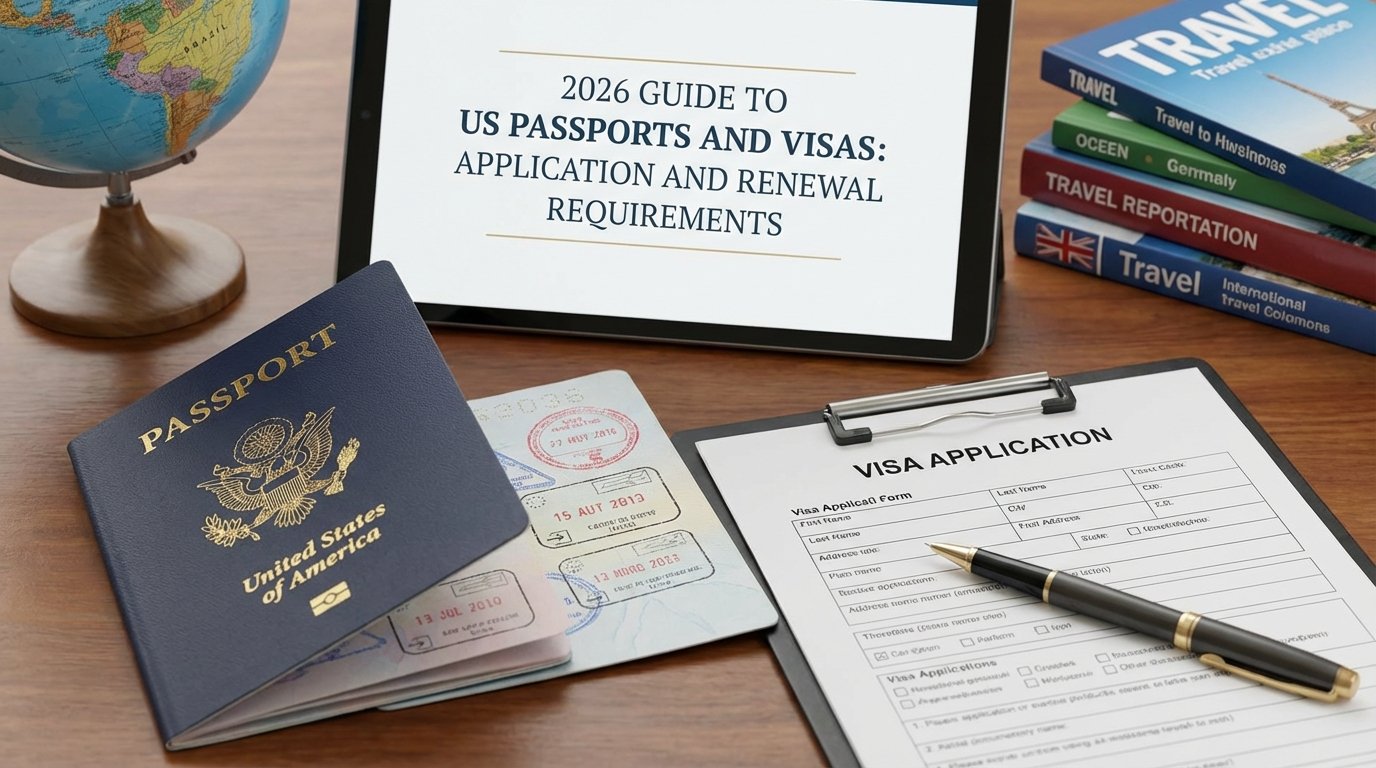
Review your passport expiry date now and start the renewal process if needed. Many destinations require six months of validity beyond your travel dates, so plan well in advance to avoid gaps.

Confirm the exact forms and photos required by your issuing country and monitor any changes in processing times, especially if you travel during peak periods.
Visas and entry rules
Check visa requirements at least a month ahead. Some destinations offer visa on arrival, others require online applications, and some need invitations or proof of funds. Maintain a dedicated folder with application numbers and confirmations.
Be aware of entry rules tied to health or security measures. Verify whether you need onward tickets, hotel confirmations, or specific documents for border control.
Travel insurance and health documentation
Choose a policy that covers medical emergencies, trip interruption, and baggage loss. Read the fine print for exclusions related to pandemics or adventure activities. Keep digital and physical copies accessible during travel.
Carry essential health documents, including vaccination records and prescriptions. If you rely on specific medications, bring a doctor’s note and extra supply to bridge possible delays. A quick screenshot of policy details can speed help at claims desks.
Practical packing and document checks
Build a 48-hour pre-travel checklist with concrete dates for renewals, visa applications, and insurance confirmations. Use a color-coded folder system to separate passports, visas, and medical documents for quick access at security checks.
Test your plan on a short practice trip to ensure you can retrieve needed documents within minutes. Pair your travel plan with a digital backup in a password-protected cloud folder for added security.
Create a Realistic Itinerary
Must-see highlights by city
Select one or two signature experiences per destination and place them early in the day to set a productive pace. Pair these with quieter corners to balance energy and avoid burnout.
Prepare backup options in case of weather shifts or closures. Favor experiences that genuinely reflect your interests rather than ticking generic attractions.
Engineered downtime to avoid crowds
Build rest days or slower afternoons into the plan to reduce fatigue and preserve flexibility for spontaneous moments.
Schedule popular activities on weekday mornings and explore lesser known neighborhoods for a calmer pace.
Efficient routing and transit planning
Group nearby sights to minimize backtracking. Follow a logical sequence based on transit lines or walkable clusters.

Draft a rough day-by-day map and include buffers for delays, meals, and security checks at airports or stations.
Booking Strategy for Peace of Mind
Flight and hotel reservations best practices
Begin with your core itinerary and identify backups. Prioritize providers with solid reliability records and customer service responsiveness.
Lock essential components early, then add flexible elements. This approach minimizes last minute changes and preserves options for adjustments.
Flexible options and cancellation policies
Look for bookings with clear, fair cancellation windows and refund terms. Favor date-change flexibility when possible.
Maintain a small budget reserve for rebooking costs. Confirm whether changes affect the entire plan or only the affected leg.
Airport transfers and local transport arrangements
Decide on airport shuttles, rideshares, or public transit based on arrival times and hotel location.
Pre-book critical transfers to reduce arrival day stress. Map out a transit plan for peak hours and possible delays in the destination city.
Packing and Connectivity for Stress Reduction
Smart packing lists and luggage allocation
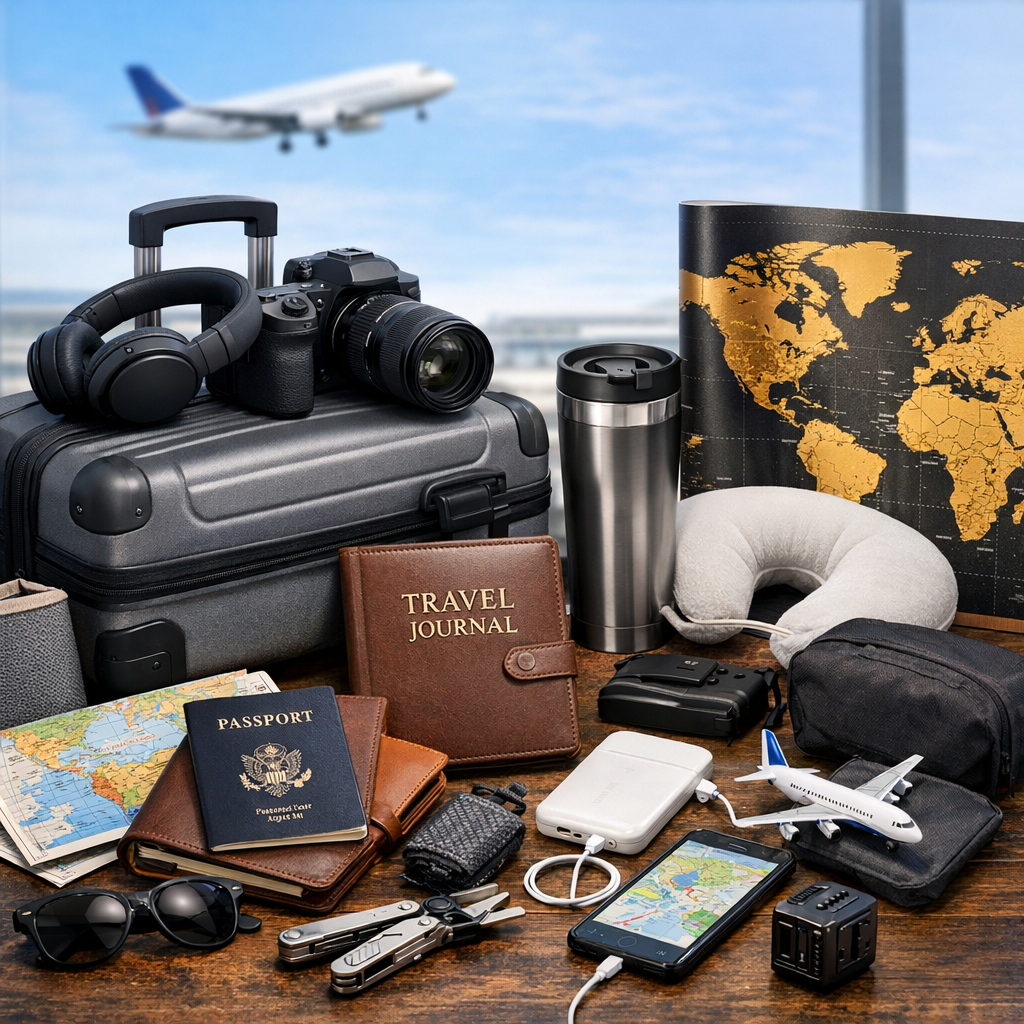
Create a lean packing list tailored to your destinations. Prioritize versatile clothing, layering pieces, and quick-dry fabrics to keep weight down and outfits flexible for changing weather.
Allocate space by item type and trip phase. Use one suitcase for bulk clothing and a carry-on for essentials and valuables to simplify transitions between flights and trains.
- Pack a compact medical kit with basic OTC meds and any prescribed items, plus a small first aid guide.
- Use packing cubes to separate outfits by activity or day, with a dedicated cube for emergency layers like a lightweight rain shell.
- Include a small reusable tote for day trips or shopping returns, plus a foldable bag as a backup.
Travel documents organization
Keep essential documents in one access point. Use a clearly labeled folder or a secure digital wallet with copies and confirmations for easy at-a-glance checks.
Carry both digital and physical versions of key items. For digital, store screenshots of reservations and vital codes in a dedicated album with offline access.
- Passport, visas, and vaccination records in a dedicated sleeve or travel wallet.
- Itinerary, confirmations, and emergency contacts in a single PDF file or app note that you can access offline.
- Insurance card and policy number saved locally on your phone and in a portable USB if possible.
Connectivity and offline access considerations
Assess data needs and roaming options before departure. A local SIM or eSIM can reduce costs and improve reliability in-country, especially for navigation and rideshare apps.
Prepare offline access to essential maps, guides, and translation tools. Download city maps, train timetables, and key documents for detours or spotty signals.
- Test offline features a day before departure to avoid last minute surprises.
- Choose a data plan with a sensible roaming cap to prevent bill shock on lengthy trips.
- Verify that any work-related apps have offline modes if you must stay connected on the go.
| Element | Best Practice | Benefit |
|---|---|---|
| Packing approach | Packing cubes, versatile fabrics, one carry-on | Quicker transitions, less bulk |
| Documents | Physical plus digital copies | Reduces risk of loss, speeds checks |
| Connectivity | Local SIM or eSIM, offline maps | Reliable access, lower costs |
Health, Safety, and Contingency Planning
Medical kit and essential medications
Tailor a compact medical kit to your destination with travel size items. Include basic pain relievers, antacids, antihistamines, antiseptic wipes, and copies of any prescription notes.
Bring extra doses to cover potential delays and assemble a simple abroad medication list with generic equivalents in case brands differ.
- Daily medications with clearly labeled dosages and a backup supply for a week
- Printed prescriptions and a doctor note for carry across borders
- Travel-sized first aid items, blister care, and basic wound supplies
Safety briefings and local norms
Before arrival, review safety considerations and cultural norms for each city on your itinerary. This helps you avoid risky or awkward situations and adapt quickly.
Track health advisories tied to seasons such as heat, pollution, or allergy triggers and plan accordingly.
- Offline emergency contacts saved in your phone with international dialing codes
- Local emergency numbers and the location of the nearest hospital or clinic
- Dress codes, tipping etiquette, and public behavior norms to prevent misunderstandings
Backup plans for delays or closures
Build practical contingencies for travel hiccups. Create alternative routes, non-peak activity slots, and flexible reservations.
Identify pivots for museum closures or flight cancellations, such as nearby attractions or alternative transit options.
- Flight disruption: list alternative flights and nearby airports for quick rebooking
- Venue closures: preselect backup experiences at similar interest levels
- Medical needs abroad: map local pharmacies and telemedicine options for quick care
| Contingency | Action | Benefit |
|---|---|---|
| Flight disruption | Keep a refreshed list of alternatives and airports within a 2-hour radius | Faster rebooking with minimal downtime |
| Venue closures | Have at least two backup experiences of similar appeal | Maintains itinerary value without guilt |
| Medical needs abroad | Know local pharmacies and telemedicine access | Quicker care and Rx access |
Crowd Management and Time Optimization
Off-peak planning and ticketing strategies
Target shoulder seasons or early hours for must-see experiences to minimize queues and crowds. Arrive at openings or visit midweek afternoons when crowds are lighter, and you’ll enjoy more space to explore.
Lock in timed-entry where available and choose refundable slots when your plans might shift. Pair these with flexible backup activities to preserve momentum if a change occurs.
- Schedule key sights on weekdays to avoid weekend surges
- Prioritize tickets with predictable access and clear cancellation terms
- Spread major attractions across days to maintain energy balance
Local experiences that maximize time
Opt for activities that blend multiple interests into a single session, like a guided neighborhood stroll that includes a market stop. In places with dense itineraries, a combined food-focused walk can replace separate meals and sightseeing.
Use centralized hubs to cut transit time. Plan meals, shopping, and sights within the same district, and rely on efficient routing to reduce backtracking. Trafels.com maps can help you optimize in real time.
- Pair a city tour with a food-focused route for efficiency
- Choose private or small-group options to move swiftly between stops
- Favor experiences with nearby amenities to minimize downtime
Smart pacing to reduce stress
Establish a rhythm that alternates energetic activities with downtime. Shorter start days prevent fatigue after long travel, and a brief cafe break after a museum visit helps reset pace.
Include buffers for transit delays and weather changes. A flexible skeleton plan keeps you adaptable without feeling you are rushing through the city.
FAQ
Here are concise answers to common questions about planning an international trip without the stress.
- How far in advance should I start planning an international trip? Aim to start 6 to 12 weeks before departure for mainstream routes, and longer for peak seasons or complex itineraries.
- What is the simplest way to compare flight options? Look for total travel time, number of layovers, and fare flexibility. Prioritize itineraries with reasonable layovers and clear cancellation terms.
- Do I really need travel insurance? Yes. It can cover medical emergencies, trip cancellations, and unexpected disruptions, which reduces financial risk during your travels.
- How should I handle travel documents? Keep digital copies and physical copies of passports, visas, and important IDs. Store sensitive files securely and have a screenshot as a backup in a separate location.
- What about airport security and boarding passes? Use official airline apps to store boarding passes and enable mobile check-in. Arrive early and allow extra time for security during peak periods.
| Question | Practical Answer |
|---|---|
| Best time to book international flights | Book when you find acceptable value and flexible terms; monitor fares for a short window to spot dips. Use fare alerts and set a target price to avoid overpaying. |
| Handling layovers | Pick layovers with comfortable connection times and accessible transit options at the airport. If possible, choose airports with efficient security and clear signposting to minimize risk of missed connections. |
Smart prep steps you can take now
- Set up travel alerts for your routes and book when a price drops below your target by 5-8%.
- Scan and save essential documents in a secure cloud vault and carry a paper backup for offline access.
- Download offline maps and airline apps before departure to streamline check-in and boarding.
Conclusion
With careful pre-trip planning, you turn international travel from a potential ordeal into a smooth, enjoyable experience. The core idea is to balance preparation with flexibility so you can adapt on the ground without stress.
In practice, you should have a clear blueprint for bookings, documents, and budget, but keep a few flexible options open. This approach reduces friction when plans shift due to weather, delays, or new opportunities at your destination.
- Solid reservations for must-dates and a flexible backup for the rest
- Organized travel documents plus digital backups stored securely
- A lean packing plan that covers essentials without overpacking
By building buffers into transit times, meals, and sightseeing, you gain breathing room for the unexpected. The result is a stress-free travel rhythm that lets you focus on the experiences that matter most, whether you’re exploring the Ganges River banks in Varanasi or a dawn desert at Erg Chebbi.