
Table of Contents
- Travel Safety: Navigating Global Instability
- Pre-Travel Destination Research and Risk Assessment
- Sign Up for Embassy and Government Alerts
- Consider Comprehensive Travel Insurance with Crisis Coverage
- Preparation of Emergency ‘Go Bag’ for Quick Evacuation
- On-the-Ground Safety Measures During Protests or Riots
- Monitoring Current Events and Government Restrictions
- Developing and Implementing Contingency and Evacuation Plans
- Frequently Asked Questions About Travel Safety Amidst Unrest
Safeguarding Your Travels Amid Global Unrest
This guide provides authoritative, practical travel advice to mitigate risks and ensure your safety and security abroad.
Pre-Travel Destination Research and Risk Assessment
Travel risk ratings are dynamic. Prolonged civil unrest can lead to rapid changes in the security environment. Always check the latest travel risk ratings, especially for students, as these may trigger additional pre-departure requirements and impact travel insurance coverage.
Sign Up for Embassy and Government Alerts
Proactive communication is essential for international travel safety. You must enroll in government travel registration programs to receive crucial travel alerts. For U.S. citizens, the Smart Traveler Enrollment Program (STEP) is a critical service for travel planning.

These services provide timely security alerts and messages directly from the nearest embassy or consulate. You will receive immediate updates on civil unrest, natural disasters, and other significant safety concerns, aiding your risk mitigation efforts.
Many embassies also offer direct alert services. Subscribing to these ensures you stay informed of any changes in the security environment, providing essential emergency support during your travels. This is a vital component of your overall safety and security strategy.
Consider Comprehensive Travel Insurance with Crisis Coverage
Travel insurance is not a luxury; it is a necessity, especially when navigating global unrest. You need a policy that extends beyond basic medical emergencies. This is a critical component of effective travel planning and risk mitigation.
Look for comprehensive travel insurance that explicitly covers emergency evacuation planning, rebooking costs, and reimbursements due to civil unrest. Such policies are vital for international travel safety, particularly in conflict zones or areas with political instability.
Companies like World Nomads offer policies designed for adventurous travel. Always review the policy details meticulously. Ensure you understand what constitutes a covered event and keep emergency contacts accessible. This proactive approach is essential for ensuring your safety and security.
| Feature | Standard Policy | Crisis Coverage Policy |
|---|---|---|
| Medical Emergencies | Yes | Yes |
| Trip Cancellation (non-crisis) | Yes | Yes |
| Emergency Evacuation (medical) | Limited | Extensive, including political instability |
| Civil Unrest Evacuation | No | Yes |
| Rebooking Costs (due to unrest) | No | Yes |
| Personal Security Services | No | Available (e.g., Global Rescue LLC, Elite Medical Group, P.C.) |
Entities such as Global Rescue LLC and Elite Medical Group, P.C., specialize in medical transport services and security evacuation, offering enhanced protection for travelers. These services provide essential emergency support when facing civil unrest or other high-risk scenarios. Harvard Global Support Services also emphasizes the importance of robust insurance coverage for its travelers.
Preparation of Emergency ‘Go Bag’ for Quick Evacuation
A well-prepared ‘go bag’ is a non-negotiable component of your travel planning and risk mitigation strategies. It is designed for swift evacuation during sudden civil unrest, violent protests, or other emergencies that necessitate immediate movement.
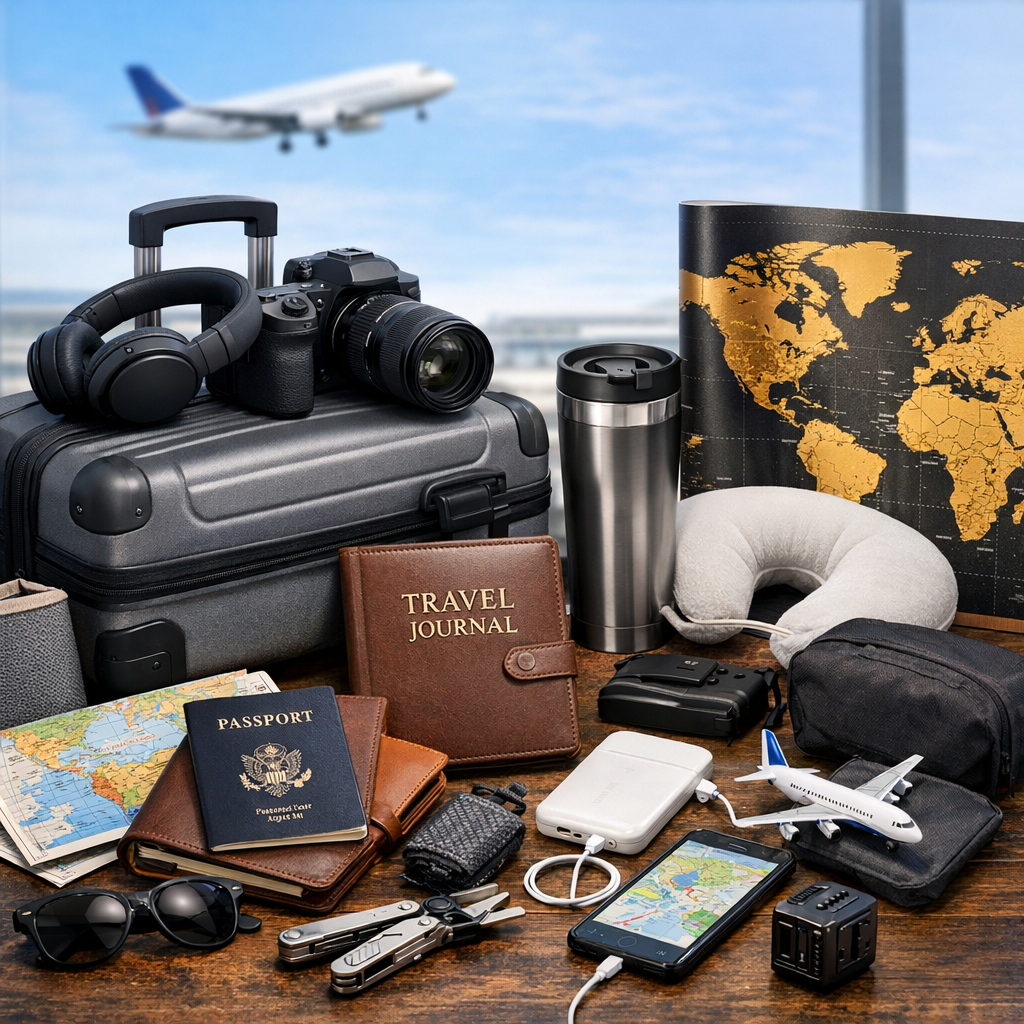
Your emergency ‘go bag’ should contain essential items. Include sufficient cash in local currency, critical travel documents (passports, visas, insurance details), a fully charged mobile phone with a portable charger, and any necessary prescription medicines. This preparation is a vital aspect of your contingency plans.
This readiness enables quick movement to pre-identified safe havens or designated shelter in place locations. Organizations like International SOS and Harvard Global Support Services frequently advise clients on the importance of such preparations for international travel safety.
In essence, be ready to move at a moment’s notice, ensuring your safety and security amidst any security environment challenges.
Expert Insight
“A well-prepared ‘go bag’ is a non-negotiable component of travel planning; being ready to move at a moment’s notice with essential documents, local currency, and medical supplies is vital for ensuring your safety and security amidst any emergency or sudden civil unrest.” (International Travel Safety Specialist)
On-the-Ground Safety Measures During Protests or Riots
Avoiding conflict zones is crucial. If you encounter protests or riots, your immediate priority is personal safety and risk mitigation. This requires a proactive approach to international travel safety.
Stay away from demonstrations, large crowds, and areas frequently targeted, such as embassies or government buildings. Always maintain a low profile to minimize personal risk. These areas are often focal points for civil unrest and violent protests.
Monitor trusted local media, social media, and embassy updates for signs of escalation. The Assistance App from Harvard University, part of Harvard Global Support Services, can provide real-time alerts and emergency support, crucial for effective evacuation planning.
Stay close to your accommodation if possible. Do not participate in any form of protest. Your role as a visitor is to observe and exit safely. Engaging in local political instability can have severe consequences, impacting your safety and security.
Develop and implement contingency and evacuation plans. Travelers should prepare contingency plans for transportation disruptions, access to necessities, and health support. Establish communication protocols with your embassy contact and travel insurance providers like World Nomads, especially for emergency medical transport services.
Monitoring current events and government restrictions is vital. Competitors stress ongoing monitoring of government advisories, curfews, transportation bans, and site closures. Communicate with hotel staff and local contacts for up-to-date information on the security environment. For instance, understanding local dynamics in regions like India, Pakistan, Kashmir, or Tanzania is critical for travel logistics.

Consider comprehensive travel insurance with crisis coverage. Obtain travel insurance that covers evacuations, rebooking, and reimbursements in cases of civil unrest. Review policy details carefully and keep emergency contacts accessible. Providers like International SOS and Global Rescue LLC offer extensive emergency support and medical transport services, essential for risk mitigation strategies.
“In an increasingly connected world, it is essential to stay informed. Geopolitical shifts can be sudden and dramatic. Understanding the risks helps travelers to make smarter, safer travel decisions. Always consult destination guides and human rights reports from organizations like Amnesty International.”
Monitoring Current Events and Government Restrictions
The security environment can change rapidly. Ongoing monitoring of local news and official government advisories is non-negotiable for effective international travel safety. You must stay informed to mitigate risks effectively.
Be aware of potential curfews, transportation bans, and site closures. Communicate regularly with hotel staff and local contacts for up-to-date information. These local insights are invaluable for navigating the security environment. Your travel logistics depend on accurate, timely information.
For example, during periods of civil unrest, the U.S. Department of State or International SOS often issue travel alerts detailing areas to avoid. Similarly, platforms like the Assistance App provide real-time updates on protest safety and potential conflict zones, which are crucial for your safety and security.
Always cross-reference information from multiple sources. While local news provides immediate context, official government channels offer validated travel advice. This proactive approach to monitoring helps in developing robust contingency plans and informs your risk assessment.
Developing and Implementing Contingency and Evacuation Plans
Effective international travel safety hinges on robust contingency plans. These plans must address disruptions to ground transportation alternatives, access to necessities, and health support during periods of civil unrest or political instability.
Establish clear crisis communication protocols. This includes direct contact with your embassy, such as the U.S. Department of State, and travel insurance providers like TotalCare or World Nomads. Understanding your policy with providers such as Harvard Global Support Services is vital.
Understand your options for emergency support and medical transport services. Companies like International SOS and Global Rescue LLC specialize in these critical services. Knowing these details upfront significantly reduces panic during a crisis and aids in effective risk mitigation.
Evacuation planning should be a core component of your overall travel planning. Identify potential safe havens and rally points, and consider ‘shelter in place’ strategies if immediate evacuation isn’t possible. This foresight is crucial for your safety and security.
For destinations with higher risk ratings, such as parts of India, Pakistan, or the Congo, comprehensive emergency evacuation planning is paramount. Review human rights reports from organizations like Amnesty International and specific destination guides to inform your contingency plans.
Frequently Asked Questions About Travel Safety Amidst Unrest
Navigating international travel in an era of global instability requires proactive travel planning and a clear understanding of potential risks. Here, we address common concerns to help you enhance your safety and security abroad.
What is civil unrest and how does it affect travel?
Civil unrest encompasses a spectrum of public disturbances, ranging from peaceful demonstrations to violent protests. Such events can severely impact your international travel safety by leading to significant travel disruptions, heightened security measures, and even necessitate emergency evacuation planning. Understanding the nature of civil unrest is a critical component of effective risk mitigation.
How can I assess the risk level of a destination before traveling?
Pre-travel destination research and risk assessment are paramount. You should consult authoritative sources such as International SOS risk ratings, Amnesty International human rights reports, and U.S. Department of State country reports. These resources provide crucial insights into political instability, the prevailing security environment, and potential conflict zones, helping you make informed decisions for your travel logistics.
Is travel insurance necessary when traveling to unstable regions?
Absolutely. Comprehensive travel insurance, particularly policies offering crisis coverage for civil unrest and emergency evacuation planning, is not merely recommended, it is essential. Companies like Global Rescue LLC specialize in providing emergency support and evacuation services in high-risk environments. Always review policy details to ensure adequate coverage for unexpected events, including medical transport services.
What should be in my emergency ‘go bag’?
Preparation of an emergency ‘go bag’ for quick evacuation is a non-negotiable aspect of travel preparedness. Your go bag should contain essentials: readily accessible cash, critical travel documents (passport, visas, insurance details), a fully charged phone with a portable charger, and any necessary medications. This ensures you are prepared for rapid shelter in place or evacuation planning during sudden instability.
What should I do if I am caught near a protest or riot?
On-the-ground safety measures during protests or riots are critical. Maintain a low profile, avoid direct involvement, and move away from the area as safely and quickly as possible. Do not engage with protestors or security personnel. Continuously monitor local news, official government advisories, and embassy alerts for guidance. Enroll in programs like the U.S. Department of State’s Smart Traveler Enrollment Program (STEP) to receive timely travel alerts and consular services. Staying informed helps you identify safe havens and navigate potential government repression.
Why is signing up for embassy and government alerts important?
Signing up for embassy and government alerts, such as the U.S. Department of State’s STEP program, is a vital component of your international travel safety strategy. These services provide real-time travel alerts, security advisories, and updates on political unrest or dangerous weather conditions in your destination. This proactive step ensures you receive critical information for effective contingency plans and can access consular services if needed, enhancing your overall safety and security.
How do I monitor current events and government restrictions effectively?
Ongoing monitoring of current events and government restrictions is crucial for risk mitigation. Regularly check government advisories, such as those from the U.S. Department of State, for updates on curfews, transportation bans, and site closures. Utilize trusted local media, social media channels, and communicate with hotel staff or local contacts for up-to-date information. Understanding the security environment and potential government repression allows for timely adjustments to your travel planning and enhances your ability to respond to emerging instability research.
What are key considerations for developing and implementing contingency and evacuation plans?
Developing and implementing robust contingency and evacuation plans is fundamental to travel advice in volatile regions. These plans must address potential disruptions to ground transportation alternatives, ensure access to necessities like food and water, and guarantee health support during periods of civil unrest or political instability. Establish clear crisis communication protocols, including direct contact with your embassy (e.g., U.S. Department of State) and travel insurance providers like Global Rescue LLC. Consider services from entities such as Harvard Global Support Services for comprehensive emergency support. Effective evacuation planning relies on meticulous preparation for various scenarios, including potential conflict zones and emergency medical transport services.
References
Table of Contents
- Travel Safety: Navigating Global Instability
- Pre-Travel Destination Research and Risk Assessment
- Sign Up for Embassy and Government Alerts
- Consider Comprehensive Travel Insurance with Crisis Coverage
- Preparation of Emergency ‘Go Bag’ for Quick Evacuation
- On-the-Ground Safety Measures During Protests or Riots
- Monitoring Current Events and Government Restrictions
- Developing and Implementing Contingency and Evacuation Plans
- Frequently Asked Questions About Travel Safety Amidst Unrest
Travel Safety: Navigating Global Instability
This guide provides authoritative, practical travel advice to mitigate risks and ensure your safety and security abroad.
Pre-Travel Destination Research and Risk Assessment
Travel risk ratings are dynamic. Prolonged civil unrest can lead to rapid changes in the security environment. Always check the latest travel risk ratings, especially for students, as these may trigger additional pre-departure requirements and impact travel insurance coverage.
Sign Up for Embassy and Government Alerts
Proactive communication is essential for international travel safety. You must enroll in government travel registration programs to receive crucial travel alerts. For U.S. citizens, the Smart Traveler Enrollment Program (STEP) is a critical service for travel planning.
These services provide timely security alerts and messages directly from the nearest embassy or consulate. You will receive immediate updates on civil unrest, natural disasters, and other significant safety concerns, aiding your risk mitigation efforts.
Many embassies also offer direct alert services. Subscribing to these ensures you stay informed of any changes in the security environment, providing essential emergency support during your travels. This is a vital component of your overall safety and security strategy.
Consider Comprehensive Travel Insurance with Crisis Coverage
Travel insurance is not a luxury; it is a necessity, especially when navigating global unrest. You need a policy that extends beyond basic medical emergencies. This is a critical component of effective travel planning and risk mitigation.
Look for comprehensive travel insurance that explicitly covers emergency evacuation planning, rebooking costs, and reimbursements due to civil unrest. Such policies are vital for international travel safety, particularly in conflict zones or areas with political instability.
Companies like World Nomads offer policies designed for adventurous travel. Always review the policy details meticulously. Ensure you understand what constitutes a covered event and keep emergency contacts accessible. This proactive approach is essential for ensuring your safety and security.
| Feature | Standard Policy | Crisis Coverage Policy |
|---|---|---|
| Medical Emergencies | Yes | Yes |
| Trip Cancellation (non-crisis) | Yes | Yes |
| Emergency Evacuation (medical) | Limited | Extensive, including political instability |
| Civil Unrest Evacuation | No | Yes |
| Rebooking Costs (due to unrest) | No | Yes |
| Personal Security Services | No | Available (e.g., Global Rescue LLC, Elite Medical Group, P.C.) |
Entities such as Global Rescue LLC and Elite Medical Group, P.C., specialize in medical transport services and security evacuation, offering enhanced protection for travelers. These services provide essential emergency support when facing civil unrest or other high-risk scenarios. Harvard Global Support Services also emphasizes the importance of robust insurance coverage for its travelers.
Preparation of Emergency ‘Go Bag’ for Quick Evacuation
A well-prepared ‘go bag’ is a non-negotiable component of your travel planning and risk mitigation strategies. It is designed for swift evacuation during sudden civil unrest, violent protests, or other emergencies that necessitate immediate movement.
Your emergency ‘go bag’ should contain essential items. Include sufficient cash in local currency, critical travel documents (passports, visas, insurance details), a fully charged mobile phone with a portable charger, and any necessary prescription medicines. This preparation is a vital aspect of your contingency plans.
This readiness enables quick movement to pre-identified safe havens or designated shelter in place locations. Organizations like International SOS and Harvard Global Support Services frequently advise clients on the importance of such preparations for international travel safety.
In essence, be ready to move at a moment’s notice, ensuring your safety and security amidst any security environment challenges.
Expert Insight
“A well-prepared ‘go bag’ is a non-negotiable component of travel planning; being ready to move at a moment’s notice with essential documents, local currency, and medical supplies is vital for ensuring your safety and security amidst any emergency or sudden civil unrest.” (International Travel Safety Specialist)
On-the-Ground Safety Measures During Protests or Riots
Avoiding conflict zones is crucial. If you encounter protests or riots, your immediate priority is personal safety and risk mitigation. This requires a proactive approach to international travel safety.
Stay away from demonstrations, large crowds, and areas frequently targeted, such as embassies or government buildings. Always maintain a low profile to minimize personal risk. These areas are often focal points for civil unrest and violent protests.
Monitor trusted local media, social media, and embassy updates for signs of escalation. The Assistance App from Harvard University, part of Harvard Global Support Services, can provide real-time alerts and emergency support, crucial for effective evacuation planning.
Stay close to your accommodation if possible. Do not participate in any form of protest. Your role as a visitor is to observe and exit safely. Engaging in local political instability can have severe consequences, impacting your safety and security.
Develop and implement contingency and evacuation plans. Travelers should prepare contingency plans for transportation disruptions, access to necessities, and health support. Establish communication protocols with your embassy contact and travel insurance providers like World Nomads, especially for emergency medical transport services.
Monitoring current events and government restrictions is vital. Competitors stress ongoing monitoring of government advisories, curfews, transportation bans, and site closures. Communicate with hotel staff and local contacts for up-to-date information on the security environment. For instance, understanding local dynamics in regions like India, Pakistan, Kashmir, or Tanzania is critical for travel logistics.
Consider comprehensive travel insurance with crisis coverage. Obtain travel insurance that covers evacuations, rebooking, and reimbursements in cases of civil unrest. Review policy details carefully and keep emergency contacts accessible. Providers like International SOS and Global Rescue LLC offer extensive emergency support and medical transport services, essential for risk mitigation strategies.
“In an increasingly connected world, it is essential to stay informed. Geopolitical shifts can be sudden and dramatic. Understanding the risks helps travelers to make smarter, safer travel decisions. Always consult destination guides and human rights reports from organizations like Amnesty International.”
Monitoring Current Events and Government Restrictions
The security environment can change rapidly. Ongoing monitoring of local news and official government advisories is non-negotiable for effective international travel safety. You must stay informed to mitigate risks effectively.
Be aware of potential curfews, transportation bans, and site closures. Communicate regularly with hotel staff and local contacts for up-to-date information. These local insights are invaluable for navigating the security environment. Your travel logistics depend on accurate, timely information.
For example, during periods of civil unrest, the U.S. Department of State or International SOS often issue travel alerts detailing areas to avoid. Similarly, platforms like the Assistance App provide real-time updates on protest safety and potential conflict zones, which are crucial for your safety and security.
Always cross-reference information from multiple sources. While local news provides immediate context, official government channels offer validated travel advice. This proactive approach to monitoring helps in developing robust contingency plans and informs your risk assessment.
Developing and Implementing Contingency and Evacuation Plans
Effective international travel safety hinges on robust contingency plans. These plans must address disruptions to ground transportation alternatives, access to necessities, and health support during periods of civil unrest or political instability.
Establish clear crisis communication protocols. This includes direct contact with your embassy, such as the U.S. Department of State, and travel insurance providers like TotalCare or World Nomads. Understanding your policy with providers such as Harvard Global Support Services is vital.
Understand your options for emergency support and medical transport services. Companies like International SOS and Global Rescue LLC specialize in these critical services. Knowing these details upfront significantly reduces panic during a crisis and aids in effective risk mitigation.
Evacuation planning should be a core component of your overall travel planning. Identify potential safe havens and rally points, and consider ‘shelter in place’ strategies if immediate evacuation isn’t possible. This foresight is crucial for your safety and security.
For destinations with higher risk ratings, such as parts of India, Pakistan, or the Congo, comprehensive emergency evacuation planning is paramount. Review human rights reports from organizations like Amnesty International and specific destination guides to inform your contingency plans.
Frequently Asked Questions About Travel Safety Amidst Unrest
Navigating international travel in an era of global instability requires proactive travel planning and a clear understanding of potential risks. Here, we address common concerns to help you enhance your safety and security abroad.
What is civil unrest and how does it affect travel?
Civil unrest encompasses a spectrum of public disturbances, ranging from peaceful demonstrations to violent protests. Such events can severely impact your international travel safety by leading to significant travel disruptions, heightened security measures, and even necessitate emergency evacuation planning. Understanding the nature of civil unrest is a critical component of effective risk mitigation.
How can I assess the risk level of a destination before traveling?
Pre-travel destination research and risk assessment are paramount. You should consult authoritative sources such as International SOS risk ratings, Amnesty International human rights reports, and U.S. Department of State country reports. These resources provide crucial insights into political instability, the prevailing security environment, and potential conflict zones, helping you make informed decisions for your travel logistics.
Is travel insurance necessary when traveling to unstable regions?
Absolutely. Comprehensive travel insurance, particularly policies offering crisis coverage for civil unrest and emergency evacuation planning, is not merely recommended, it is essential. Companies like Global Rescue LLC specialize in providing emergency support and evacuation services in high-risk environments. Always review policy details to ensure adequate coverage for unexpected events, including medical transport services.
What should be in my emergency ‘go bag’?
Preparation of an emergency ‘go bag’ for quick evacuation is a non-negotiable aspect of travel preparedness. Your go bag should contain essentials: readily accessible cash, critical travel documents (passport, visas, insurance details), a fully charged phone with a portable charger, and any necessary medications. This ensures you are prepared for rapid shelter in place or evacuation planning during sudden instability.
What should I do if I am caught near a protest or riot?
On-the-ground safety measures during protests or riots are critical. Maintain a low profile, avoid direct involvement, and move away from the area as safely and quickly as possible. Do not engage with protestors or security personnel. Continuously monitor local news, official government advisories, and embassy alerts for guidance. Enroll in programs like the U.S. Department of State’s Smart Traveler Enrollment Program (STEP) to receive timely travel alerts and consular services. Staying informed helps you identify safe havens and navigate potential government repression.
Why is signing up for embassy and government alerts important?
Signing up for embassy and government alerts, such as the U.S. Department of State’s STEP program, is a vital component of your international travel safety strategy. These services provide real-time travel alerts, security advisories, and updates on political unrest or dangerous weather conditions in your destination. This proactive step ensures you receive critical information for effective contingency plans and can access consular services if needed, enhancing your overall safety and security.
How do I monitor current events and government restrictions effectively?
Ongoing monitoring of current events and government restrictions is crucial for risk mitigation. Regularly check government advisories, such as those from the U.S. Department of State, for updates on curfews, transportation bans, and site closures. Utilize trusted local media, social media channels, and communicate with hotel staff or local contacts for up-to-date information. Understanding the security environment and potential government repression allows for timely adjustments to your travel planning and enhances your ability to respond to emerging instability research.
What are key considerations for developing and implementing contingency and evacuation plans?
Developing and implementing robust contingency and evacuation plans is fundamental to travel advice in volatile regions. These plans must address potential disruptions to ground transportation alternatives, ensure access to necessities like food and water, and guarantee health support during periods of civil unrest or political instability. Establish clear crisis communication protocols, including direct contact with your embassy (e.g., U.S. Department of State) and travel insurance providers like Global Rescue LLC. Consider services from entities such as Harvard Global Support Services for comprehensive emergency support. Effective evacuation planning relies on meticulous preparation for various scenarios, including potential conflict zones and emergency medical transport services.