
In 2026, the landscape of international travel demands a heightened level of preparation and vigilance. While the allure of new destinations remains, the complexities of global events, evolving digital threats, and the sheer volume of travelers necessitate a proactive approach to safe travel in 2026. Registering your trip isn’t just a recommendation, it’s a foundational element of any comprehensive travel security plan.
This guide from trafels.com provides expert-level guidance, emphasizing the critical steps you must take to safeguard your journey. From Washington, D.C. to the bustling streets of Europe, understanding and implementing these travel safety tips can make all the difference.
Importance of Registering Your Trip and Safety Protocols
Thorough pre-trip planning, including robust safety protocols, is paramount for travel safety in 2026. Data consistently shows that proactive planning significantly reduces risk exposure and enhances your confidence while abroad. This involves more than just booking flights and hotels, it extends to understanding your destination’s specific risks, preparing for potential emergencies, and establishing clear communication channels. A well-crafted International Tour Plan can be your best defense against unforeseen challenges, providing a structured approach to your itinerary sharing and overall preparedness.
Digital Identity Protection Strategies
In an increasingly connected world, digital identity protection is a top priority for travelers. Identity theft and account breaches are among the fastest-growing travel concerns. To counter this, always use a Virtual Private Network (VPN for travel) when accessing public Wi-Fi, especially in airports or cafes. Enable two-factor authentication on all your online accounts, update your devices regularly, and consider turning off Bluetooth when not in use. These cybersecurity measures for travelers are vital, as highlighted by the Federal Trade Commission, in preventing unauthorized access to your personal information. Employing strong Digital Identity Protection strategies is non-negotiable for safe international travel.
Sharing Itinerary and Emergency Contacts
Sharing your flight, hotel, and emergency contacts with trusted individuals is a crucial step in solo travel safety and family security. Beyond personal contacts, consider enrolling in programs like the State Department’s Smart Traveler Enrollment Program (STEP). This service allows U.S. citizens and nationals traveling and living abroad to register their trip with the nearest U.S. Embassy or Consulate. It provides important travel advisories and helps the Embassy locate you in an emergency. This practice supports improved response times in critical situations, ensuring that help can reach you quickly, whether you’re exploring Europe or navigating a cruise.
Valuables and Theft Prevention Tactics
Protecting your valuables requires a multi-faceted approach, especially in crowded urban areas, popular tourist spots in Europe, and during cruise travel. Use RFID-blocking technology, such as an RFID passport wallet, to protect against digital theft of passport and credit card information. Invest in anti-theft bags from brands like Travelon or Forge, which feature slash-resistant materials and locking zippers. Additionally, luggage trackers such as Apple AirTag, Samsung SmartTag, or the Galaxy SmartTag2 can help you keep tabs on your belongings. KeySmart also offers innovative solutions for securing your essentials. These anti-theft travel gear habits are essential travel safety tips for 2026 trips, significantly reducing the risk of pickpocketing and identity theft prevention.
Health Preparedness and Travel Insurance
Your health preparedness is as critical as your security plan. Before you depart, carry all necessary prescriptions in their original packaging, along with a supply of basic medications. Stay hydrated, especially in new climates, and review vaccination requirements through resources like the Centers for Disease Control and Prevention (CDC). Combining thorough health preparation with robust travel insurance policies is non-negotiable. Travel insurance tips emphasize coverage for medical emergencies, trip cancellations, and lost luggage, protecting you against unforeseen disruptions and significant financial burdens. This holistic approach ensures you’re prepared for any health challenges during your international travel.
Situational Awareness and Local Customs
Practicing situational awareness is a foundational element of safe travel. Always be vigilant of your surroundings, especially in unfamiliar environments. Avoid flashy displays of valuables, which can make you a target. Dressing appropriately and understanding local customs are also vital for safe exploration and showing respect. For example, in some regions, certain attire or behaviors may attract unwanted attention. By being aware and respectful, you reduce the likelihood of incidents and enhance your overall travel security plan. This heightened vigilance is a key component of solo travel safety and overall personal security in 2026.
Expert Insight
“A well-packed bag contains less than you think you need but everything you actually need, staying light and maintaining situational awareness in crowded areas are your best defenses against the opportunistic crimes of 2026.” Expert Travel Analyst
The Imperative of Pre-Trip Planning and Safety Protocols
Thorough pre-trip planning is not merely a recommendation, it is a critical safety measure for any traveler in 2026. Proactive planning significantly reduces potential risks and enhances overall confidence during your journey. Data consistently shows that comprehensive preparation, including detailed safety protocols, leads to a safer and more enjoyable travel experience.

In short: Preparation is your first line of defense against unforeseen challenges in international travel. This includes sharing your itinerary, preparing for health contingencies, and adopting robust digital habits. These elements collectively form a strong foundation for safe travel, whether you are venturing into Europe or exploring domestic destinations.
Prioritizing Digital Identity Protection Strategies
In 2026, digital identity protection is paramount. Identity theft and account breaches are among the fastest-growing travel concerns, making cybersecurity for travelers a top priority. Always use a Virtual Private Network (VPN for travel) when accessing public Wi-Fi, especially in airports or hotels. Enable two-factor authentication on all your critical accounts, and ensure your devices are updated with the latest security patches. Turning off Bluetooth when not in use also minimizes potential vulnerabilities, protecting your digital identity from unauthorized access.
Sharing Your Itinerary and Emergency Contacts
Sharing your itinerary and emergency contacts is a cornerstone of any effective travel security plan. Provide trusted individuals with details of your flights, hotel bookings, and a comprehensive tour plan. For Americans, enrolling in the State Department’s Smart Traveler Enrollment Program (STEP) is highly recommended. This free service, managed by the State Department in Washington, D.C., allows U.S. citizens and nationals traveling and living abroad to register their trip with the nearest U.S. Embassy or Consulate, facilitating communication in emergencies and supporting solo travel safety. This improves response times and ensures your loved ones or authorities can reach you swiftly.
Valuables and Theft Prevention Tactics
Protecting your valuables is crucial for safe travel in 2026, particularly in crowded urban areas, Europe, and cruise ports. Utilize anti-theft bags equipped with slash-resistant materials and secure zippers. An RFID passport wallet is essential for protecting your digital identity from skimming. Consider using luggage trackers like Apple AirTag or Samsung SmartTag and Galaxy SmartTag2 to keep tabs on your belongings. Always secure your valuables in hotel safes and be mindful of your surroundings to prevent pickpocketing and other forms of theft. These practical travel safety tips are vital for a worry-free trip.
Health Preparedness and Travel Insurance Tips
Health preparedness is a non-negotiable aspect of international travel. Carry essential prescriptions in their original packaging, along with a basic first-aid kit. Stay hydrated and be aware of local food and water safety guidelines. Review vaccination requirements well in advance through resources like the Centers for Disease Control and Prevention (CDC). Complement your health preparations with comprehensive travel insurance policies. Good travel insurance protects against unforeseen medical emergencies, trip cancellations, and other disruptions, ensuring you’re covered no matter where your journey takes you.
Situational Awareness and Local Customs
Practicing situational awareness and understanding local customs significantly reduces your risk exposure. Be vigilant of your surroundings, especially in unfamiliar areas. Avoid displaying flashy valuables that could attract unwanted attention. Dress appropriately, respecting local cultural norms and traditions, whether you’re exploring bustling cities or serene landscapes. Being aware of your environment and adapting to local customs are simple yet effective strategies for enhancing your personal safety and ensuring a respectful, enjoyable experience in 2026.
Expert Insight
“Being a prepared traveler ensures you can focus on making memories rather than managing surprises, that means doing your homework before you go, remaining cautious and aware while you’re there, and being ready to respond should the unexpected happen.” Travel Safety Expert, ALG Vacations
Digital Identity Protection Strategies for Modern Travel
Protecting your digital identity is paramount for safe travel in 2026. The increasing prevalence of identity theft and account breaches makes robust cybersecurity measures essential. Unsecured public Wi-Fi networks in airports, hotels, and cafes pose significant risks to your personal information.
You must take proactive steps to safeguard your digital footprint. Always use a Virtual Private Network (VPN) when accessing public Wi-Fi. Avoid logging into sensitive accounts, such as banking applications, on unsecured networks to prevent identity theft.
Furthermore, enable two-factor authentication on all critical accounts. Update your devices, including your iPhone or Samsung Galaxy SmartTag2, before departure to patch vulnerabilities. Turn off Bluetooth when not actively in use to prevent unauthorized access. The Federal Trade Commission offers comprehensive cybersecurity guidance for travelers, emphasizing these vital travel safety tips.
Strengthening your digital habits ensures convenient international travel without compromising security. This proactive approach is a cornerstone of effective digital identity protection and a key component of your overall travel security plan for 2026.
Expert Insight
“As we advance into 2026, identity security ceases to be merely a reaction to threats and becomes a proactive anticipation, where passwordless authentication and ‘liveness’ detection against deepfakes are fundamental to protecting our digital footprint in an increasingly complex ecosystem.” Industrial Cybersecurity Specialist
Sharing Your Itinerary and Emergency Contacts
Never travel in isolation, even when you embark on a solo travel safety adventure. Sharing your detailed itinerary with trusted individuals or official programs provides an essential layer of security. This practice is crucial for both solo and family travel safety.
The Importance of Pre-trip Planning and Safety Protocols
Thorough pre-trip planning, including robust safety protocols like itinerary sharing, health preparation, and secure digital habits, is crucial for safe travel in 2026. Proactive planning significantly reduces risk exposure and enhances your confidence during international travel. Data consistently shows that travelers who plan meticulously experience fewer disruptions and feel more secure.
Before you depart, share your flight details, hotel names and addresses, and any tour contact numbers. Provide emergency contacts to those you trust. This supports solo travel safety and improves response times in emergencies. For example, if you are planning a trip to Europe, having these details accessible to family can be invaluable.
Smart Traveler Program and Official Enrollment
The State Department’s Smart Traveler Enrollment Program (STEP) is a free service for Americans and U.S. nationals to register international travel. This program enables the U.S. Embassy or Consulate in your destination country, such as Washington, D.C., to contact you in an emergency and provide critical travel advisories. It’s a key component of any comprehensive travel security plan.
Location-Sharing Applications for Added Reassurance
Location-sharing applications, available on Apple and Samsung devices, offer an additional layer of reassurance. These apps allow family members to monitor your general location without feeling intrusive. For instance, using Apple’s AirTag or Samsung’s SmartTag with your Galaxy SmartTag2 can help loved ones track your luggage or even your general whereabouts, contributing to overall travel safety tips. This is especially useful for solo travel safety and for keeping track of family members during international travel.
Valuables and Theft Prevention Tactics
Preventing the theft of your valuables is a core component of safe travel in 2026. Pickpocketing and petty theft remain common concerns, especially in crowded urban areas, popular tourist destinations across Europe, and during cruise travel. These incidents align with the growing need for robust identity theft prevention strategies.
Employing anti-theft travel gear is a highly effective strategy. Utilize RFID-blocking wallets to protect your passport and credit cards from electronic skimming, a critical aspect of Digital Identity Protection. Consider anti-theft bags from brands like Travelon or KeySmart, which are designed with features such as slash-resistant fabric and locking zippers, enhancing your overall travel security plan.
Furthermore, use luggage trackers like Apple AirTag or Samsung SmartTag2 (also known as Galaxy SmartTag2) for your checked bags and valuable carry-ons. Always secure your valuables, keeping them out of sight and close to your person. These habits align with expert travel safety tips for 2026 and are vital for securing your valuables against opportunistic theft.
For Americans traveling internationally, protecting your Digital Identity Protection extends beyond physical items. Be vigilant about public Wi-Fi safety and consider using a Virtual Private Network (VPN for travel) to encrypt your data. Enable two-factor authentication on all your online accounts to prevent unauthorized access, a key cybersecurity recommendation for travelers from experts like the Federal Trade Commission.
Health Preparedness and Travel Insurance
Comprehensive health preparation is non-negotiable for safe travel in 2026. This includes carrying any necessary prescriptions and a basic supply of over-the-counter medications. Staying hydrated and well-rested is also crucial for maintaining your health on the road, especially during international travel.

Review the vaccination requirements for your destination well in advance. The Centers for Disease Control and Prevention (CDC) provides up-to-date information on global health advisories. Americans traveling abroad should always consult these resources.
Combining thorough health preparation with robust travel insurance policies protects you against unforeseen disruptions and medical emergencies. Travel insurance tips often emphasize coverage for medical evacuation, trip cancellation, and lost luggage. This foresight allows you to address health concerns without undue financial burden, a key component of any travel security plan.
Proactive planning, including detailed health prep, significantly reduces risk exposure. Data from travel advisors shows that travelers who meticulously plan their health and insurance needs experience fewer incidents and greater confidence. This is especially true for solo travel safety and extended trips across Europe.
Situational Awareness and Local Customs
Maintaining situational awareness is a fundamental aspect of personal safety while traveling. Be vigilant about your surroundings, especially in unfamiliar areas. Avoid displaying flashy valuables, as this can make you a target for theft, particularly in crowded urban areas or popular tourist spots in Europe.
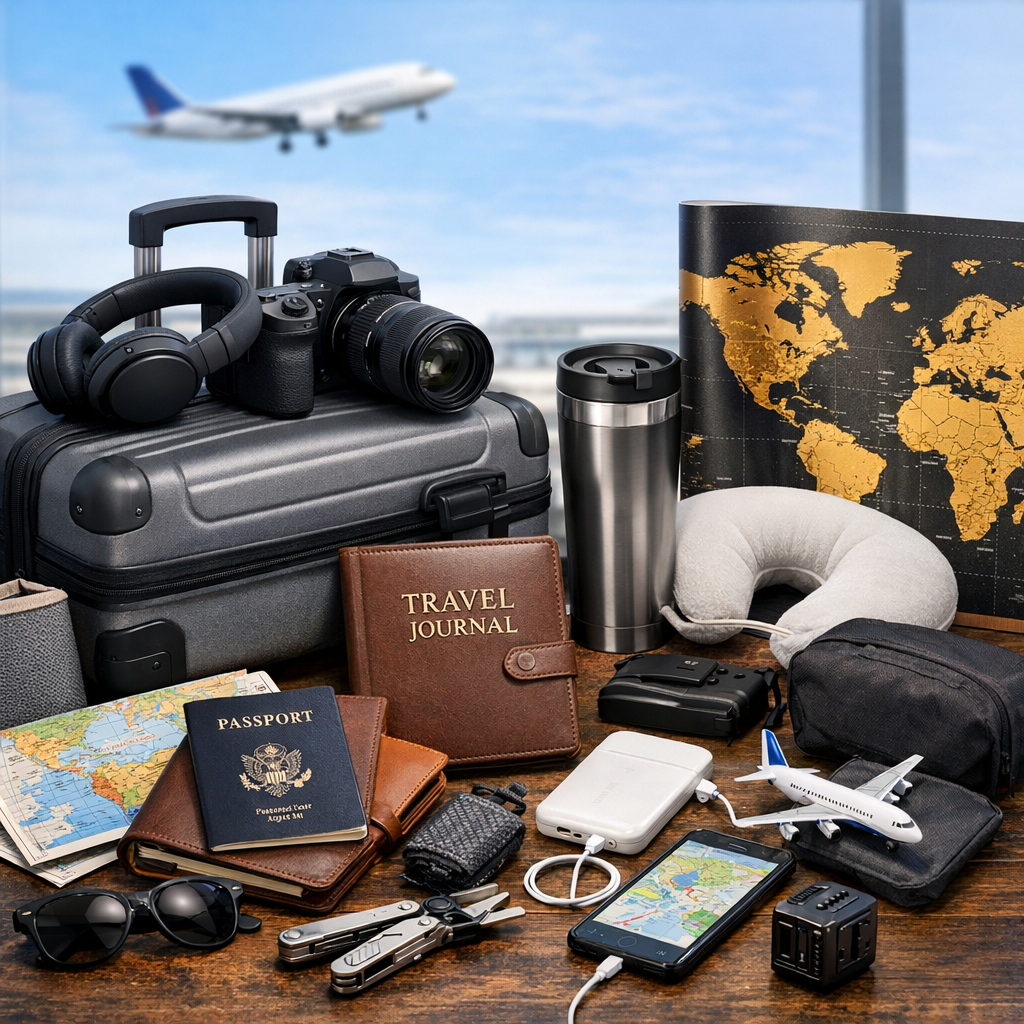
Dress appropriately, respecting local customs and cultural norms. Understanding and adhering to these customs not only shows respect but also helps you blend in, reducing the likelihood of drawing unwanted attention. As International Tour Plan emphasizes, heightened awareness significantly reduces the incidence of unfortunate events.
This proactive approach to understanding your environment and local etiquette significantly enhances your security. It allows for safe exploration in 2026, enabling you to fully immerse yourself in your travel experience while remaining secure. Practicing situational awareness is a key component of any comprehensive travel security plan.
Critical Travel Safety Tools for 2026
Modern travel in 2026 demands a robust suite of tools and strategies to ensure optimal safety. From digital safeguards to physical deterrents, thorough preparation is paramount for every international travel plan. To help you navigate the complexities of global travel, we’ve compiled essential travel safety tips and tools.
Pre-trip Planning and Safety Protocols
Thorough pre-trip planning is the bedrock of safe travel in 2026. This includes meticulous health preparation, understanding local customs, and establishing proactive digital habits. Data consistently shows that a well-crafted travel security plan significantly reduces your risk exposure and boosts your confidence throughout your journey. Share your itinerary with trusted contacts and consider programs like the State Department’s Smart Traveler Enrollment Program (STEP) for Americans, which allows the U.S. government to contact you in an emergency.
Digital Identity Protection Strategies
In an increasingly connected world, digital identity protection is a top concern for travelers. Identity theft and account breaches are among the fastest-growing travel risks. To safeguard your digital footprint, always use a Virtual Private Network (VPN) for travel, especially when connecting to public Wi-Fi in Europe or any other international destination. Enable Two-factor Authentication (2FA) on all your online accounts, update your devices regularly, and consider turning off Bluetooth when not in use. Services like Digital Identity Protection can monitor for suspicious activity and offer recovery assistance.
Sharing Your Itinerary and Emergency Contacts
Whether you’re embarking on solo travel or a family vacation, sharing your itinerary and emergency contacts is a critical safety measure. Provide trusted individuals with your flight details, hotel bookings, and a comprehensive emergency contacts list. The Smart Traveler Enrollment Program (STEP) is an excellent resource for Americans, enabling the State Department in Washington, D.C., to provide timely travel advisories and consular assistance. Location-sharing applications, such as those offered by Apple and Samsung, allow your trusted contacts to monitor your location discreetly, enhancing your personal safety.
Valuables and Theft Prevention Tactics
Protecting your valuables is essential, especially in crowded urban areas, popular tourist spots in Europe, or during cruise travel. Utilize RFID-blocking Passport Wallets to shield your electronic passport data from skimming, a common form of identity theft prevention. Invest in anti-theft bags from brands like Travelon or KeySmart, designed with secure features to deter pickpockets and bag slashers. For added security, use luggage trackers like the Apple AirTag or Samsung SmartTag2 to monitor the location of your luggage and other secure valuables. These tools are crucial components of any effective travel security plan for 2026.
Health Preparedness and Travel Insurance
Comprehensive health preparedness is non-negotiable for international travel. Carry a personal medication kit with all essential prescriptions and basic first aid supplies. Review vaccination requirements well in advance through resources like the Centers for Disease Control and Prevention (CDC). Always stay hydrated and be mindful of local health advisories. Crucially, secure robust travel insurance policies that cover medical emergencies, trip interruptions, and cancellations. This foresight protects you against unforeseen circumstances and ensures peace of mind, aligning with expert travel insurance tips for 2026.
Situational Awareness and Local Customs
Maintaining strong situational awareness is a fundamental aspect of safe travel in 2026. Be vigilant about your surroundings, particularly in unfamiliar areas, and avoid displaying flashy valuables that could make you a target. Dress appropriately, respecting local customs and cultural norms, especially in diverse international settings. Understanding and adhering to these practices significantly reduces the likelihood of incidents and supports safe exploration. These habits are vital for solo travel safety and overall international travel security.
| Category | Recommended Tools/Strategies | Benefit |
|---|---|---|
| Digital Security | Virtual Private Network (VPN) | Encrypts internet traffic, protects data on public Wi-Fi, crucial for cybersecurity for travelers. |
| Two-factor Authentication (2FA) | Adds an extra layer of security to online accounts, vital for identity theft prevention. | |
| Digital Identity Protection Services | Monitors for identity theft, offers recovery assistance, enhancing your digital identity protection. | |
| Personal Safety | Smart Traveler Enrollment Program (STEP) | Receives alerts, enables consular assistance for Americans from the State Department, part of the smart traveler program. |
| Location-sharing Applications (Apple, Samsung) | Allows trusted contacts to monitor your location, supporting solo travel safety. | |
| Emergency Contacts List | Provides quick access to essential contacts in crises, a key part of your travel security plan. | |
| Valuables Protection | RFID-blocking Passport Wallets | Protects electronic passport data from skimming, essential for secure valuables. |
| Anti-theft Bags (e.g., Travelon) | Deters pickpockets and bag slashers with secure designs, a top anti-theft travel gear item. | |
| Luggage Trackers (Apple AirTag, Samsung SmartTag2) | Monitors the location of your luggage and valuables, offering peace of mind for international travel. | |
| Health & Preparedness | Travel Insurance Policies | Covers medical emergencies, trip interruptions, and cancellations, following travel insurance tips. |
| Vaccination Records | Proof of required immunizations for international entry, critical for travel health preparation. | |
| Personal Medication Kit | Ensures access to essential prescriptions and first aid, vital for travel health preparation. |
Navigating Travel Advisories and Global Tensions
Understanding travel advisories and destination risks is paramount for safe travel in 2026. Global tensions and regional safety concerns can emerge rapidly, directly impacting your travel plans. Always consult official sources like the State Department for the most current travel advisories.
For instance, a partial government shutdown can significantly affect travel services, including passport processing and consular assistance, particularly in Washington, D.C. Staying informed about the political climate and any emerging risks in your chosen destination is crucial. This proactive research allows you to adapt travel plans as needed, ensuring a secure journey.
The State Department strongly advises all Americans traveling internationally to enroll in the Smart Traveler Enrollment Program (STEP) for real-time safety updates and emergency assistance. This is a critical component of any comprehensive travel security plan.
For example, Europe travel safety can vary significantly by region. Being aware of these nuances allows you to make informed decisions and implement specific travel safety tips to ensure a secure trip. This approach is fundamental to comprehensive pre-trip planning and safety protocols.
Importance of Pre-trip Planning and Safety Protocols
Thorough pre-trip planning is the bedrock of safe travel in 2026. This includes sharing your itinerary, preparing for health contingencies, and establishing sound digital habits. Proactive planning significantly reduces your risk exposure and enhances your confidence during international travel. Data consistently shows that travelers who engage in comprehensive planning experience fewer incidents and feel more secure.
Digital Identity Protection Strategies for Safe Travel 2026
In 2026, digital identity protection is a crucial aspect of travel safety tips. Identity theft and account breaches are among the fastest-growing travel concerns. Implement cybersecurity for travelers by using a Virtual Private Network (VPN for travel), enabling two-factor authentication (2FA) on all accounts, and regularly updating your devices. Remember to turn off Bluetooth when not in use, especially in public areas, to prevent unauthorized access. The Federal Trade Commission offers excellent cybersecurity guidance for travelers.
Sharing Your Itinerary and Emergency Contacts
A core element of solo travel safety and family security is sharing your itinerary and emergency contacts. Always provide trusted individuals with your flight details, hotel information, and a list of emergency contacts. Enrolling in the State Department’s Smart Traveler Enrollment Program is another effective way to ensure your whereabouts are known and to receive critical updates. Location sharing apps on devices like iPhone and Samsung Galaxy SmartTag2 can also be invaluable for enhancing your travel security plan.
Securing Valuables and Theft Prevention Tactics
Preventing theft is a top priority for safe travel in 2026. Use RFID passport wallets and anti-theft bags from brands like Travelon to protect your digital identity and secure valuables from pickpocketing, particularly in crowded urban areas, Europe, and cruise ports. Luggage trackers, such as Apple AirTag or Samsung SmartTag, are essential for monitoring your belongings. These anti-theft travel gear items are essential components of your travel security plan, aligning with best practices for identity theft prevention.
Health Preparedness and Travel Insurance Tips
Comprehensive health preparedness is vital for international travel. Carry all necessary prescriptions, basic medications, and stay hydrated. Review vaccination requirements well in advance, consulting resources like the Centers for Disease Control and Prevention. Combining thorough health preparation with robust travel insurance policies protects against unforeseen disruptions and medical emergencies. This foresight ensures you are ready for any health challenges during your journey.
Situational Awareness and Local Customs
Practicing situational awareness is a key travel safety tip. Remain vigilant, avoid overtly displaying valuables, and dress appropriately to respect local customs. Understanding local etiquette and being aware of your surroundings significantly reduces the likelihood of incidents and supports safe exploration in 2026. This proactive approach to international travel safety helps you navigate new environments confidently and securely.
Frequently Asked Questions for Safe Travel in 2026
Navigating the complexities of international travel in 2026 requires meticulous planning and a proactive approach to safety. This FAQ section addresses common concerns, offering expert guidance on protecting yourself and your belongings throughout your journey. From digital identity protection to emergency preparedness, these tips are crucial for a secure and enjoyable experience.
What is the Smart Traveler Enrollment Program (STEP)?
The Smart Traveler Enrollment Program (STEP) is a free, vital service provided by the U.S. State Department. It enables U.S. citizens and nationals traveling abroad to register their trip details. This registration ensures that the nearest U.S. Embassy or Consulate, whether you are in Europe or elsewhere, can contact you swiftly in an emergency. This includes natural disasters, civil unrest, or family crises. The Smart Traveler Program also delivers essential travel advisories and security updates directly to you, enhancing your overall travel security plan for safe travel in 2026.
Why is Digital Identity Protection So Important for Travel in 2026?
Digital identity protection is paramount for safe travel in 2026 due to the escalating risks of identity theft and account breaches. Public Wi-Fi networks, often unsecured, make travelers highly vulnerable to cyber threats. To safeguard your personal data, essential steps include using a Virtual Private Network (VPN for travel), enabling two-factor authentication on all accounts, and regularly updating devices like your iPhone or Samsung Galaxy SmartTag2. Cybersecurity for travelers is not optional, it is a critical component of modern travel safety tips. The Federal Trade Commission consistently warns Americans about the growing threat of identity theft prevention, emphasizing these proactive measures.
Should I Share My Travel Itinerary Even for Short Trips?
Yes, itinerary sharing is always recommended, even for short trips or domestic travel. This practice significantly enhances solo travel safety and general international travel safety. Provide trusted individuals with comprehensive details such as flight information, hotel reservations, and emergency contacts. The State Department also encourages sharing details through programs like the Smart Traveler Enrollment Program. Such proactive planning ensures someone knows your whereabouts in case of an unforeseen event or emergency, improving response times and providing peace of mind. This aligns with crucial pre-trip planning and safety protocols for safe travel in 2026.
What Are the Best Anti-Theft Measures for Valuables in Crowded Areas?
In crowded areas, especially common in Europe travel safety and cruise travel tips, employing robust anti-theft measures is essential. Utilize RFID-blocking passport wallets to protect against electronic skimming, a growing concern for Digital Identity Protection. Carry anti-theft bags, such as those from Travelon or KeySmart, which feature secure zippers and slash-resistant materials. For your belongings, use luggage trackers like Apple AirTag or Samsung SmartTag2. Always maintain situational awareness, keep valuables out of sight, and avoid displaying cash or expensive electronics. These anti-theft bags and RFID passport wallets are key components of securing valuables against pickpocketing and theft.
How Does Travel Insurance Protect Me in 2026?
Travel insurance policies offer crucial protection against a range of travel disruptions and emergencies in 2026. This includes comprehensive coverage for unexpected medical expenses, emergency medical evacuation, trip cancellations, and lost or delayed luggage. Travel health preparation is incomplete without a robust travel insurance policy. Reviewing travel insurance tips ensures you select a policy that addresses potential risks, providing peace of mind during your international travel. This aligns with the importance of pre-trip planning and safety protocols, safeguarding your investment and well-being against unforeseen circumstances.
What Health Preparedness Steps Should I Take for International Travel?
For international travel in 2026, comprehensive travel health preparation is non-negotiable. Begin by consulting the Centers for Disease Control and Prevention (CDC) for recommended vaccinations and health advisories specific to your destination. Carry all necessary prescription medications in their original containers, along with copies of your prescriptions. Pack a basic first-aid kit, stay hydrated, and practice good hygiene to prevent illness. For travel to remote areas or countries with limited medical facilities, consider an emergency medical evacuation plan. These health preparedness measures, combined with robust travel insurance policies, form a critical part of your overall travel security plan for safe travel in 2026.
Why is Situational Awareness Critical for Travel Safety in 2026?
Situational awareness is a cornerstone of travel safety tips for 2026, particularly when navigating unfamiliar environments. Practicing vigilance means being aware of your surroundings, recognizing potential threats, and understanding local customs. Avoid displaying flashy valuables that could attract unwanted attention. Dress appropriately to blend in, and always trust your instincts, if a situation feels unsafe, remove yourself from it. This proactive approach to travel security helps reduce the likelihood of incidents and supports safe exploration. By maintaining situational awareness, you are actively participating in your own identity theft prevention and overall personal safety, especially in crowded tourist areas or when using public transportation.