
Table of Contents
- Introduction
- 1. Determine Destination Requirements and Timelines
- 2. Secure Veterinary Guidance and Certifications
- 3. Obtain and Validate Essential Documentation
- 4. Choose the Right Travel Route and Carrier Arrangements
- 5. Manage Timing: Planning Milestones and Buffer for Delays
- 6. Health and Comfort Strategies for Your Pet
- 7. Return Readiness: Re-entry into Your Home Country
- FAQ
- Conclusion
Introduction
Traveling with a pet across borders demands careful preparation. You need to align with destination rules, airline requirements, and timing that fits vaccination and paperwork windows. A misstep can mean delays, quarantine, or a refused entry at the airport.

This guide offers practical, action oriented steps you can take before your trip. You’ll learn how to coordinate with your vet, gather the right certifications, and map out a realistic timeline that keeps your pet calm and healthy throughout the journey.
Why international pet travel requires careful planning
Entry rules vary by country and can change with little notice. Even small inconsistencies, like a missing vaccine or an outdated health certificate, can derail travel plans. Early planning reduces risk and gives you time to address any hiccups.
Overview of key documents, timelines, and agency roles
Documenting your pet’s health and travel needs involves several players. You may interact with a USDA accredited veterinarian for health certificates, the airline for carrier and in cabin or cargo rules, and the destination country’s import authorities for permits. Keeping a master timeline helps you stay ahead of instructions and deadlines.
- Certificate of Veterinary Inspection or equivalent health certificate
- Rabies vaccination proof and microchip registration
- Import permits or entry clearance from the destination country
- Timelines that align with vaccination schedules and airline check-in windows
1. Determine Destination Requirements and Timelines
Understanding country-specific import permits and quarantine rules
Entry conditions differ by destination. Confirm whether an import permit is required and if quarantine applies. Rules can vary by species, age, and health status, so verify early to avoid delays.

Some destinations require lead times for approvals or pre-arrival checks at designated ports. Permits and attestations may take weeks to secure, depending on the country.
Typical vaccination, testing, and microchip standards by country
Vaccination requirements usually center on core vaccines like rabies, with timing tied to travel windows. Some destinations may need blood tests or parasite treatments. Microchip registration is commonly required to match IDs with official records.
Standards vary widely. Additional documentation such as import health certificates or attestations from local authorities may be necessary. Plan the vaccination and testing timeline so records remain valid on departure.
- Rabies vaccination proof with current status
- Microchip number and registration in the correct database
- Age requirements and minimum intervals since vaccination
| Destination | Common requirements | Typical processing time |
|---|---|---|
| Australia | Import permit, rabies status, vet health certificate | Several weeks |
| UK | Pet passport, rabies evidence, tapeworm treatment where applicable | Weeks to months |
| Canada | Rabies certificate, microchip alignment with records | Days to weeks |
2. Secure Veterinary Guidance and Certifications
Working with a USDA-accredited veterinarian or national equivalent
Engage a veterinary professional early to ensure documents meet destination standards. An accredited vet can review your pet’s health history, confirm vaccine validity, and prepare attestations aligned with import rules. If you’re traveling from the United States, plan to consult a USDA-accredited veterinarian well before departure.
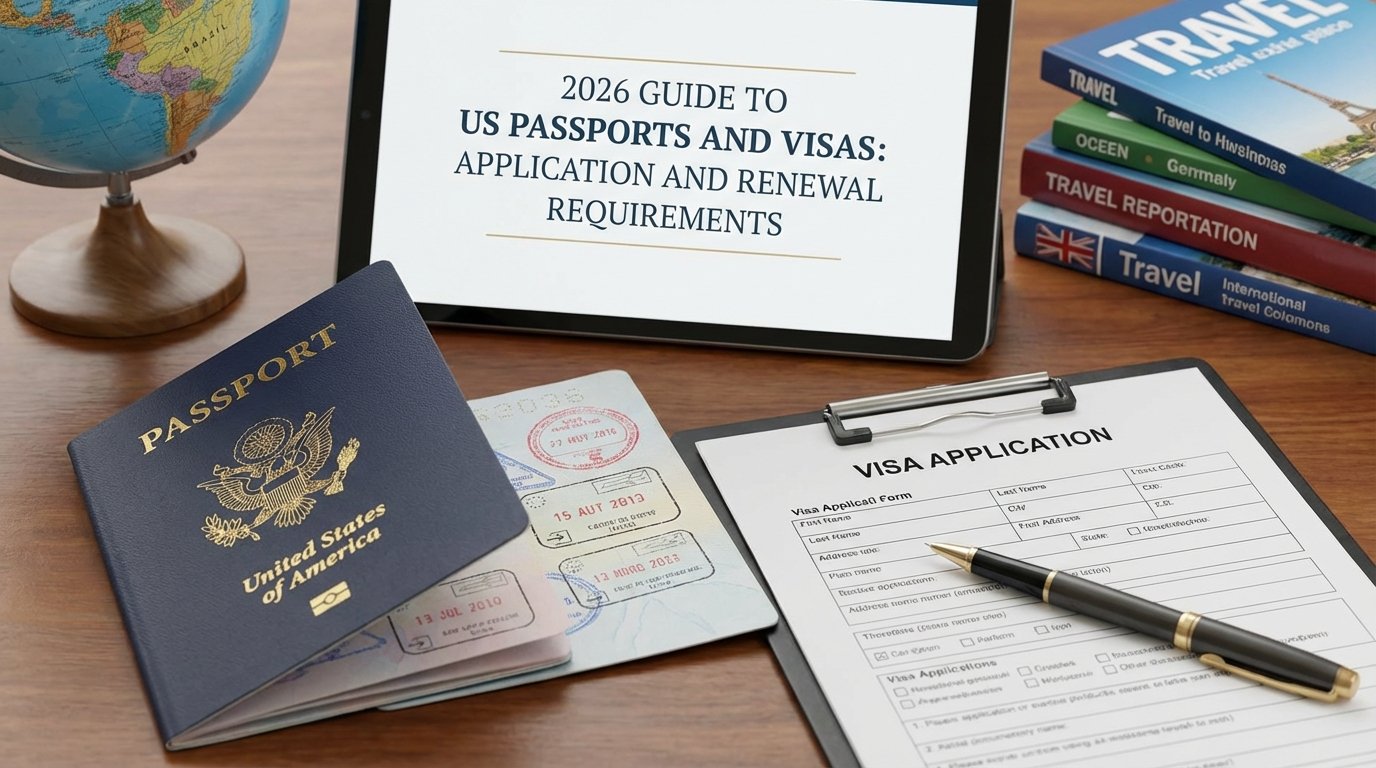
In other countries, seek a nationally recognized equivalent to ensure paperwork will be accepted at the border. A local regulator can help clarify country specifics, such as whether a certificate requires endorsement by a national animal health authority.
Preparing Certificates of Health and Other required attestations
Health certificates demonstrate the pet’s health status, vaccination history, and travel eligibility. Ensure the certificate reflects current dates and matches the pet’s ID exactly.
Depending on the destination, you may need additional attestations. These can include export certificates, import permits, or species-specific declarations. Timely submission and proper stamping by the issuing authority prevent issues at check-in or arrival.
- Certificate of Veterinary Inspection or equivalent
- Rabies vaccination proof with date and vaccine details
- Matches between microchip ID and certificate information
- Any country-specific attestations required for the destination
3. Obtain and Validate Essential Documentation
Pet passports, health certificates, and import permits
Start with the core documents that prove your pet can travel. Ensure the health certificate is current and matches the pet’s exact ID. Some destinations require a pet passport issued by an accredited authority or veterinarian. Import permits or entry clearances may also be needed, and they typically specify valid travel dates and submission timelines.
Keep all documents in a single folder you can access during check-in and upon arrival. Verify that every form lists the correct name, breed, age, and microchip number.
Rabies vaccination proof, microchip registration, and age requirements
Rabies vaccination proof is commonly required. Confirm the vaccination date, vaccine type, and that the certificate remains valid through your travel window.
Microchip registration should align with the ID on every document. Update or verify the registration in the correct database before departure. Some destinations impose a minimum age for travel, so confirm age requirements as part of your plan.
| Document type | Key details to verify | When to obtain |
|---|---|---|
| Health certificate | Pet name, DOB, microchip number, vaccination history, issuing vet | Well before travel date |
| Rabies vaccination proof | Date, vaccine brand, lot number, validity window | After vaccination and prior to departure |
| Microchip registration | Chip ID matches certificate, database entry current | Before booking flights |
4. Choose the Right Travel Route and Carrier Arrangements
Airline and shipping container requirements for different destinations
Airlines vary by destination and pet size. Confirm carrier dimensions, crate ventilation, and weight limits for your route. Some destinations require specific crate types or security seals at check-in.

Decide whether your destination allows in-cabin travel or requires cargo transport. In-cabin options are limited by pet size and airline policy, while cargo handling involves different temperature controls and monitoring during transit.
- Validate crate compliance with airline standards and international rules
- Determine if you’ll fly direct or via connections and how that affects transit requirements
- Note country-specific container ratings such as moisture control or insulation
In-cabin vs. cargo considerations and breed-specific guidance
In-cabin travel lets you supervise your pet but comes with stricter size limits. Cargo travel accommodates larger animals but requires planning for climate and handling during layovers.
Breed-specific guidance can influence risk assessment and carrier choice. Short-nosed breeds may experience more stress and breathing concerns in confined spaces, so tailor routes and containers accordingly.
5. Manage Timing: Planning Milestones and Buffer for Delays
Creating a multi-month pre-travel plan
Begin with a realistic timeline spanning several months. Identify key milestones for vaccines, tests, and documentation, and schedule them well before departure.

Coordinate with your veterinarian to align vaccination windows with export rules. Build a calendar that includes flight bookings, crate readiness, and destination entry dates.
- Set a target travel window and work backward to establish milestones
- Arrange essential vet visits early to avoid bottlenecks
- Allocate time for document processing and potential corrections
Contingency steps for failed documents, vaccine delays, or quarantine shifts
Prepare for common hiccups with backup plans. If a certificate is delayed, identify alternate issuing veterinarians or expedite options where available.
When vaccines fall behind, discuss interim measures with your vet and the destination authority to minimize delays while staying compliant.
| Scenario | Immediate action | Backup plan |
|---|---|---|
| Health certificate delay | Request rush processing and confirm travel window | Secure an alternative accredited vet for a new certificate |
| Vaccine schedule slippage | Adjust appointment dates and record any grace periods | Coordinate with airline and destination for extended validity if allowed |
| Quarantine rule change | Reconfirm entry requirements with the destination authority | Reassess travel dates and routing to meet new timelines |
6. Health and Comfort Strategies for Your Pet
Mitigating travel stress, dehydration, and temperature risks
Travel can be stressful for pets. Start with acclimation by introducing the carrier early and building positive associations to reduce fear. Monitor hydration and offer small, regular water breaks during layovers where permitted.
Extreme temperatures matter. Check the forecast for departure and arrival locations and avoid peak heat or cold hours. Consider a lightweight cooling or warming accessory if the destination climate differs significantly from home.
- Schedule short, progressive carrier sessions before departure
- Place a familiar item or scent in the carrier
- Provide water at regular intervals and avoid feeding right before travel
Age and health considerations for puppies, kittens, or senior pets
Puppies and kittens have distinct travel needs including shorter sessions and age-appropriate vaccines. Seniors may require a slower pace and medical clearance for flights.
Consult your veterinarian about calmative or anti-anxiety options if appropriate, and confirm any extra medical supplies to carry. Choose a crate that allows quick checks during transit.
| Group | Needs | Travel Considerations | When to Reassess |
|---|---|---|---|
| Puppies | Hydration, gentle handling, vaccination plan | Short hops, gradual crate exposure | If fear persists after acclimation |
| Kittens | Comfort in carrier, stable routine | Light meals before flight, frequent checks | During multi-leg itineraries |
| Seniors | Medical clearance, pain management review | Direct routes if possible, minimize delays | If signs of distress appear during transit |
7. Return Readiness: Re-entry into Your Home Country
Re-entry quarantine and documentation post-travel
Check your home country’s entry rules after arrival. Some destinations require a short quarantine or post-travel health checks even for vaccinated pets.
Coordinate with your veterinarian to confirm any post-travel documentation needed for smooth re-entry. Ensure vaccination records and the pet’s microchip details align with home-country requirements.
- Confirm that rabies and core vaccines remain valid for the return window
- Bring the original health certificate and any destination-issued forms for re-entry verification
- Have a plan for immediate vet care if you notice signs of stress or illness on arrival
Planning for ongoing pet care and acclimation after arrival
Arrival marks the start of a new routine. Re-establish familiar surroundings quickly to ease adjustment.
Schedule follow-up with your regular veterinarian to resume preventive care and address travel-related issues.
- Schedule a post-travel wellness check within 1-2 weeks
- Reunite your pet with familiar bedding, toys, and feeding schedules
- Monitor appetite, activity, and stool patterns and report concerns promptly
| Topic | What to Do | Timing |
|---|---|---|
| Quarantine rules | Confirm home-country entry requirements and any post-travel testing | Before travel and within 1-2 days after return |
| Post-travel health | Schedule wellness check and verify vaccines | Within 1-2 weeks after arrival |
| Acclimation | Reestablish routine and familiar environment | Within the first week back home |
FAQ
Here are practical answers to common questions about exporting pets. Each point reflects steps you can take in real life to stay compliant.
- What documents do I need before leaving the United States? A health certificate from a USDA-accredited veterinarian, current rabies vaccination proof, and any country-specific permits or forms required by the destination country.
- How far in advance should I plan? Start with a multi-month timeline. Vaccinations, tests, and official attestations can have variable processing times, so build in buffer for delays.
- Is a microchip always required? Many destinations require microchip registration as part of your pet’s identification. Verify that the chip meets international standards and that the registration is up to date with your home contact information.
- What about breed restrictions or special accommodations? Some airlines and destinations have restrictions or require additional documentation for brachycephalic breeds. Check airline policies and country rules early.
- How do I handle last‑minute changes? If a certificate or vaccination is delayed, contact your veterinarian and the destination authority promptly. Have a backup plan, such as a later flight or alternate route if allowed.
| Question | Core Requirement | Timing Tip |
|---|---|---|
| Health certificate | Issued by an accredited veterinarian within the timeframe required by the destination | Schedule a certificate review 2-4 weeks before travel |
| Rabies proof | Up-to-date vaccination certificate or equivalent documentation | Verify validity window for the destination and re-vaccination timing if needed |
| Identification | Registered microchip and current home contact details | Confirm registration updates before booking and again after any move |
Conclusion
Crossing borders with a pet requires a practical plan, disciplined timing, and ongoing coordination with your veterinarian. Grounding your approach in destination rules and official guidance helps minimize last minute delays and unexpected hurdles.
Begin with the import requirements for your destination, then align vaccines, microchip registration, and health documentation well in advance. Build buffers for processing times and potential policy changes.
- Maintain open lines with a USDA-accredited veterinarian or national equivalent for certifications and attestations
- Keep all pet identification current, including home contact information linked to the microchip
- Prepare a clear travel window that accounts for vet visits, paperwork, and any required quarantines
With careful planning, you can protect your pet’s safety and comfort while making the journey smoother. Your preparedness now pays off in fewer hiccups when you book flights and lodging at your destination.