Table of Contents
- The Critical Role of Nonverbal Communication
- Essential Language Learning Strategies for Travelers
- Harnessing Modern Technology for Communication
- Overcoming Psychological and Cultural Barriers
- Advanced Strategies for Enhanced Communication
- Frequently Asked Questions
International travel offers unparalleled experiences. However, language barriers can present significant challenges. Understanding how to overcome these communication hurdles is essential for both enjoyment and safety.
This guide provides practical strategies. It focuses on expert-level preparation and real-world application. You will learn to navigate unfamiliar linguistic landscapes with confidence.
The Critical Role of Nonverbal Communication
Effective communication extends far beyond spoken words. Studies indicate that up to 93% of communication is nonverbal. This includes body language, facial expressions, and gestures. Mastering these elements is crucial, especially when facing language barriers while traveling abroad.
Understanding and utilizing body language can significantly aid comprehension. It helps convey intent and emotion. This skill is invaluable for travelers navigating unfamiliar cultural settings and overcoming barriers to communication.
Leveraging Visual Cues and Gestures
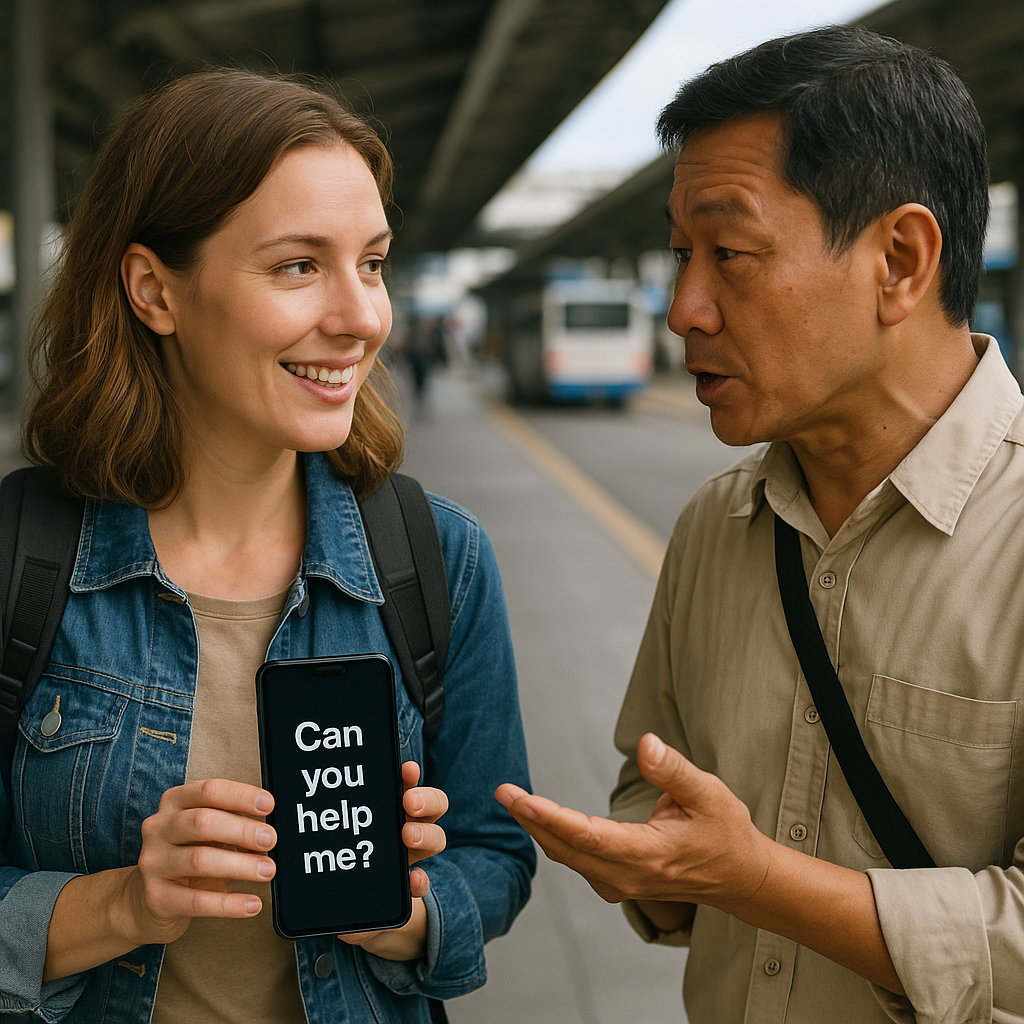
When verbal language skills are limited, visual cues become your primary tools. Pointing, direct eye contact (where culturally appropriate), and expressive facial gestures can communicate basic needs. This includes asking for directions or ordering food, crucial traveling tips for any adventurer.
For instance, pointing to an item on a menu or a location on a map is universally understood. These visual cues are powerful for conveying necessities. They bridge gaps when words fail, helping you make friends and engage in cultural exchange even without a native speaker present.
Engaging in Language Exchange and Immersion
Language exchange strategies are golden for language immersion, enabling travelers to learn conversational skills quickly. Making local friends accelerates language acquisition and helps overcome cultural barriers. Platforms like Worldpackers can facilitate connections for travel volunteering, offering unique opportunities for language learning resources and cultural exchange.
Embracing a positive mindset and seeking out these interactions is key. This approach significantly reduces travel anxiety and enhances your communication skills, helping you become more fluent in your target language.
Learning Key Phrases and Basic Pronunciation
For effective communication, practice pronunciation and master essential phrases. Greetings, common questions, and expressions of gratitude are vital for avoiding misunderstandings. Even a few words in the local language can show respect and open doors to positive interactions.
Focus on relevant vocabulary and situational phrases. This practical approach to learning a language ensures you can handle everyday scenarios with confidence, whether you’re ordering food or asking for help.
Using Smartphone Technology and Translation Apps
Smartphone technology and translation apps are indispensable tools to bridge language gaps. Google Translate, for example, can translate more than 100 languages. It often works offline, making it a critical resource for overcoming language barriers in remote areas.
These AI-powered apps provide instant translation for text, voice, and even images. They are essential for any traveler seeking effective communication, especially when a native speaker is unavailable. Utilize these language learning resources to enhance your travel advice and make your journey smoother.
Essential Language Learning Strategies for Travelers
While achieving fluency before a trip is often unrealistic, strategic language learning is highly beneficial. Focus on practical phrases and effective language immersion strategies to overcome language barriers.
Learning Key Phrases and Basic Pronunciation
Prioritize learning essential phrases. These include greetings, expressions of gratitude, and common questions. Examples include “hello,” “thank you,” “please,” “where is the bathroom?”, and “how much does this cost?”. This foundational knowledge is crucial for basic communication.
Practicing correct pronunciation is equally vital. Mispronounced words can lead to misunderstandings or even unintended offense, creating cultural barriers. Utilize language learning resources like YouTube for audio guides. This ensures your efforts are effective. A native speaker can often clarify pronunciation nuances, significantly improving your communication skills.
Engaging in Language Exchange and Immersion
For a deeper understanding and to accelerate learning a language, engage in language exchange programs. Platforms like Worldpackers offer opportunities for travel volunteering. This often places you in environments where you can practice a target language with locals. This is a highly effective form of language immersion strategy.
Making local friends accelerates language acquisition. These interactions provide authentic conversational practice and help you overcome cultural barriers. They also offer valuable cultural exchange experiences. This direct engagement fosters quicker learning and a positive mindset, reducing travel anxiety related to speaking new languages.
The Critical Role of Nonverbal Communication and Visual Cues
Effective communication extends far beyond spoken words, especially when facing language barriers. Studies indicate that up to 93% of communication is nonverbal. This includes body language, facial expressions, and gestures. Mastering these elements is crucial when traveling abroad.
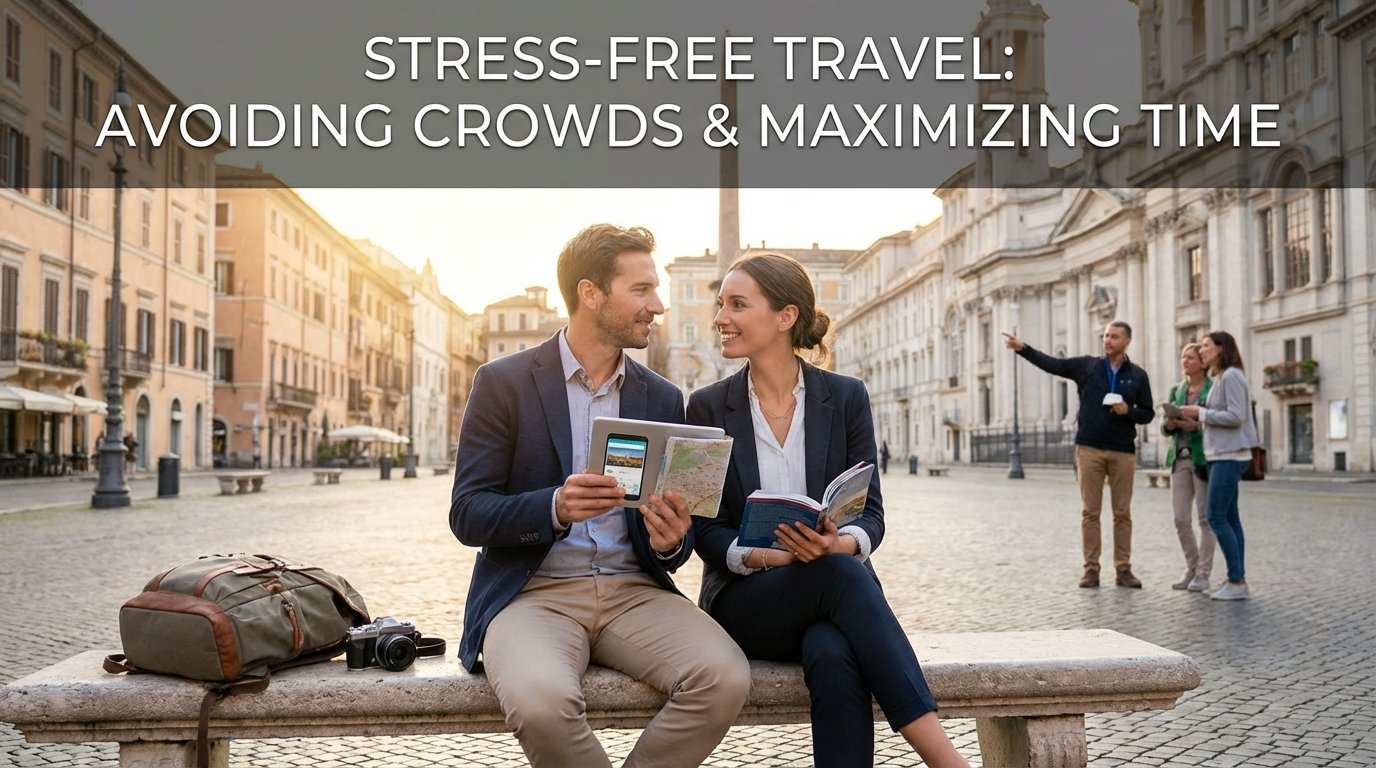
Understanding and utilizing body language can significantly aid comprehension and convey intent and emotion. Visual cues such as pointing, demonstrating, or using universally understood gestures are invaluable. These nonverbal cues help communicate necessities like directions, orders, or needs, even if your language skills are limited. This skill is invaluable for travelers seeking to overcome communication barriers.
Utilizing Smartphone Technology and Translation Apps
Modern technology offers powerful tools to bridge language barriers. Google Translate and other AI-powered translation apps are highly recommended for travelers. These language learning resources can translate more than 100 languages. Many even offer offline functionality for critical phrases.
These apps can translate text, speech, and even images, providing instant communication assistance. While not a substitute for learning a language, they are invaluable for quick translations and understanding signs. Using such tools can significantly reduce travel anxiety and enhance your communication skills abroad.
Harnessing Modern Technology for Communication
Today’s technology offers powerful tools to overcome language barriers. These resources provide instant translation and support, making your travel abroad smoother and safer.
Utilizing Smartphone Technology and Translation Apps
Smartphone applications are indispensable for travelers. Google Translate is a leading example, capable of translating over 100 languages via typing and 70 languages in audio conversations. Many apps also offer offline functionality, always download language packs before you travel.
These AI-powered tools provide immediate assistance. They help you read signs, understand menus, and engage in basic conversations. Always ensure your devices are charged and ready. Resources like Cloudinary images often include translated text which can be very helpful for visual cues.
| Feature | Google Translate | Phrasebook (Physical) | Language Exchange Partner |
|---|---|---|---|
| Real-time Translation | Excellent (text, voice, image) | None | Excellent (conversational) |
| Offline Capability | Good (downloadable packs) | Excellent | Limited (requires prior arrangement) |
| Pronunciation Aid | Good (audio playback) | Limited (phonetic guides) | Excellent (native speaker feedback) |
| Cultural Nuance | Limited | Limited | Excellent |
| Cost | Free | Varies | Often free (mutual benefit) |
The Importance of Nonverbal Communication and Body Language
While technology is a powerful ally, understanding nonverbal communication is equally critical for overcoming language barriers. Research suggests that up to 93% of communication is nonverbal. Mastering body language, facial expressions, and mannerisms can significantly aid understanding across different cultures, even when you’re speaking new languages.
Paying attention to nonverbal cues from locals and consciously using your own body language effectively can bridge communication gaps. This is especially true when discussing sensitive topics or navigating complex social interactions, helping to prevent travel anxiety.
Utilizing Visual Cues and Gestures for Clarity
Visual cues and gestures are your best friends when language skills are limited. Pointing, miming actions, and using universally understood facial expressions can help communicate necessities like directions, ordering food, or expressing needs. Many travel advice articles emphasize this as a key strategy.
Even simple gestures can convey a lot. For instance, pointing to an item on a menu or making a universally recognized “thank you” gesture can facilitate communication. This is a practical skill to develop for effective cultural exchange.
Engaging in Language Exchange and Immersion
Beyond apps, true language immersion strategies are invaluable. Engaging in language exchange with a native speaker is often described as a “golden” opportunity. Platforms like Worldpackers can connect you with locals, enabling you to learn conversational skills quickly and make friends.
Making local friends accelerates language acquisition and deepens your understanding of the culture. This cultural exchange provides real-world practice for your communication skills, helping you achieve fluency in your target language more rapidly and overcome cultural barriers.
Learning Key Phrases and Basic Pronunciation
Even with advanced apps, the foundation of communication begins with learning key phrases and basic pronunciation. Prioritize essential phrases such as greetings, expressions of gratitude, and common questions. Practicing basic pronunciation rules ensures your attempts at speaking new languages are understood.
Competitors highlight that mastering phrases like “hello,” “thank you,” “please,” and “where is the bathroom?” is vital for effective communication and avoiding misunderstandings. This practical language learning resource builds confidence and fosters a positive mindset during your travel abroad.
Overcoming Psychological and Cultural Barriers
Beyond linguistic challenges, psychological and cultural barriers can impede effective communication when traveling abroad. Addressing these aspects is crucial for a positive experience and to truly connect with locals.
Adopting a Positive Mindset and Embracing Vulnerability
Maintain a positive mindset when facing language barriers. It is easy to feel frustrated when not perfectly understood. However, approaching situations with humor, patience, and a willingness to embrace vulnerability significantly improves outcomes.
Locals often appreciate any attempt to communicate in their target language, even if your fluency is limited. This effort demonstrates respect and can lead to more favorable interactions, helping you make friends and foster cultural exchange.
Understanding Cultural Nuances and Nonverbal Cues
Research local customs and mannerisms before you travel. A gesture that is polite in one culture might be offensive in another, leading to misunderstandings. Awareness of these differences is vital for effective communication.
Pay close attention to nonverbal cues from locals. Their reactions provide crucial context, helping you adapt your own communication style. This fosters better communication skills and facilitates meaningful cultural exchange.
The Importance of Nonverbal Communication and Body Language
Nonverbal communication, particularly body language, plays a significant role in understanding across cultures. Experts note that up to 93% of communication is nonverbal. Knowing how to use body language effectively can bridge significant language barriers and prevent travel anxiety.
Mastering basic gestures and understanding common expressions can aid immensely when speaking new languages. For instance, a simple nod or a smile can convey understanding or agreement, even without a shared language. This is a critical aspect of overcoming barriers.
Utilizing Visual Cues and Gestures for Clarity
When your language skills are limited, visual cues such as pointing, facial expressions, and descriptive gestures become indispensable. These tools help communicate necessities like directions, ordering food, or expressing needs. Many top-ranking travel tips highlight the power of visual aids.
Combining gestures with a few key phrases can significantly enhance your ability to get your message across. This strategy is particularly effective when dealing with complex requests or in situations where immediate understanding is crucial. It’s a practical approach to communication skills.
Engaging in Language Exchange and Immersion Strategies
Language exchange is a golden opportunity for language immersion. Engaging with native speakers allows travelers to learn conversational skills quickly and naturally. Platforms like Worldpackers can connect you with opportunities for travel volunteering, facilitating deeper immersion and helping you make friends with locals.
Making local friends accelerates language acquisition and provides invaluable cultural insights. Participating in language exchange programs or simply striking up conversations with locals are excellent ways to improve your communication skills and overcome barriers. This approach enhances your cultural exchange.
Learning Key Phrases and Basic Pronunciation
Practicing basic pronunciation rules and mastering essential phrases is vital for effective communication and avoiding misunderstandings. Even a few words in the target language like “hello,” “thank you,” or “excuse me” can open doors and demonstrate respect, fostering a positive mindset.
Focus on relevant vocabulary and situational phrases that you will likely use, such as ordering food, asking for directions, or dealing with emergencies. This preparation reduces travel anxiety and significantly boosts your confidence when speaking new languages abroad. Many travel advice guides emphasize this foundational step.
Advanced Strategies for Enhanced Communication
For deeper engagement and heightened safety, consider more structured language learning and strategic planning. These advanced strategies go beyond basic interactions, providing expert-level preparation for navigating complex situations and fostering genuine cultural exchange.
Sign Up for Beginner Language Classes
Before your trip, enroll in beginner language classes. Even a few sessions can provide a solid foundation. You will learn relevant vocabulary and situational phrases. This prepares you for practical language use and helps in overcoming language barriers.
These classes often focus on conversational skills. They equip you with the confidence to initiate interactions. This significantly reduces travel anxiety related to communication. Learning a language proactively is a key travel tip.
Focusing on Relevant Vocabulary and Situational Phrases
Prioritize vocabulary pertinent to your travel needs. This includes words for food, transportation, emergencies, and common transactions. Create a compact phrasebook or digital list. This targeted language learning approach is highly efficient.
Strategize your communication goals. If dining is a priority, learn food-related terms. If exploring rural areas, focus on directional phrases. This focused approach is a core element of effective travel advice.
Preparing for Situations Requiring Practical Language Use
Anticipate scenarios where clear communication is critical. This includes medical emergencies, police interactions, or complex transactions. Learn specific phrases for these high-stakes situations. This proactive approach is crucial for safety.
Have a plan for how to access translation services quickly. This preparedness is key for safety and ensures you can convey vital information effectively. Effective communication skills are paramount for travel abroad.
Mastering Nonverbal Communication and Body Language
Understanding nonverbal communication is crucial for overcoming language barriers. Competitors highlight that up to 93% of communication is nonverbal. Knowing how to effectively use body language can significantly aid understanding across cultures, especially when you encounter a native speaker.
Pay attention to cultural nuances in body language. A gesture that is polite in one culture might be offensive in another. Practicing awareness of these mannerisms enhances your communication skills and fosters a positive mindset during cultural exchange.
Utilizing Visual Cues and Gestures Effectively
Visual cues such as pointing, facial expressions, and universally understood gestures are invaluable, especially if your language skills are limited. They help communicate necessities like directions, orders, or needs. These cues are vital for bridging communication gaps.
Combine visual cues with simple phrases to enhance clarity. For example, pointing to an item while saying its name in the target language can reinforce understanding. This strategy is particularly useful when experiencing language immersion.
Engaging in Language Exchange and Immersion Strategies
Language exchange programs are considered ‘golden’ for immersion. They enable travelers to learn conversational skills quickly from a native speaker. Making local friends accelerates language acquisition and provides authentic cultural exchange experiences.
Consider platforms like World packers, which offer opportunities for travel volunteering. This often involves staying with locals, providing an ideal environment for language immersion and practicing speaking new languages daily. This is excellent travel advice for deepening your cultural understanding.
Learning Key Phrases and Practicing Basic Pronunciation
Practicing basic pronunciation rules and mastering essential phrases like greetings, common questions, and expressions of gratitude is vital for effective communication and avoiding misunderstandings. Even a few correctly pronounced phrases can open doors.
Focus on phrases relevant to your daily interactions. This demonstrates respect for the local culture and can significantly improve your interactions. This foundational language learning is a key component of overcoming barriers.
Leveraging Smartphone Technology and Translation Apps
Smartphone technology, particularly translation apps like Google Translate, are indispensable tools for bridging language barriers. These AI-powered apps can translate more than 100 languages and often work offline, which is critical in areas with limited internet access.
Utilize the camera feature of these apps to translate signs and menus instantly. The voice translation function is also highly effective for bilingual conversations. These tools are crucial for travelers seeking practical language use and reducing travel anxiety.
Frequently Asked Questions
How can I overcome language barriers effectively while traveling?
To overcome language barriers, adopt a multi-faceted approach. Prioritize learning key phrases in your target language and utilizing translation apps like Google Translate. Pay close attention to body language and visual cues. Engaging with locals for cultural exchange and maintaining a positive mindset are also critical for effective communication. Remember, nonverbal communication is a vital component.
What are the best tools for managing language barriers?
The best tools for managing language barriers include smartphone translation apps, such as Google Translate, which offers real-time translation capabilities. Carrying a physical phrasebook can also be a reliable backup. For deeper language immersion, platforms like Worldpackers facilitate language exchange, connecting you with a native speaker for practical conversational skills. YouTube also offers numerous language learning resources.
Is nonverbal communication truly that important across cultures?
Yes, nonverbal communication is extremely important. It accounts for a significant portion of overall communication, with some studies suggesting up to 93%. Understanding and effectively using body language, gestures, and facial expressions can bridge communication gaps and prevent misunderstandings, especially when facing cultural barriers. Paying attention to local mannerisms can significantly enhance your communication skills.
Should I try to learn an entire language before I travel abroad?
You do not need to achieve fluency before you travel abroad. Instead, focus on learning essential phrases and basic pronunciation for your target language. This effort is often highly appreciated by locals and significantly reduces travel anxiety. For deeper language immersion, consider language exchange opportunities or short, beginner language classes. Strategically learning a language is more effective than attempting full fluency in a short timeframe.
How can I avoid misunderstandings due to language differences?
To avoid misunderstandings, always speak clearly and slowly, using simple sentences. Confirm understanding by asking open-ended questions. Combine your verbal attempts with visual cues and gestures. Do not hesitate to use technology like Google Translate. Maintaining a positive mindset and showing respect for the local culture also significantly helps. Remember that nonverbal cues provide crucial context for effective communication.
References
- 10 easy tips to overcome language barriers while traveling
- Nervous about language barriers while travelling? – G Adventures
- 9 Tips for Overcoming the Language Barrier When Traveling Abroad
- Three Ways to Navigate Language Barriers While Traveling
- Overcoming language barriers when traveling abroad – Faye blog
Table of Contents
- The Critical Role of Nonverbal Communication
- Essential Language Learning Strategies for Travelers
- Harnessing Modern Technology for Communication
- Overcoming Psychological and Cultural Barriers
- Advanced Strategies for Enhanced Communication
- Frequently Asked Questions
International travel offers unparalleled experiences. However, language barriers can present significant challenges. Understanding how to overcome these communication hurdles is essential for both enjoyment and safety.
This guide provides practical strategies. It focuses on expert-level preparation and real-world application. You will learn to navigate unfamiliar linguistic landscapes with confidence.
The Critical Role of Nonverbal Communication
Effective communication extends far beyond spoken words. Studies indicate that up to 93% of communication is nonverbal. This includes body language, facial expressions, and gestures. Mastering these elements is crucial, especially when facing language barriers while traveling abroad.
Understanding and utilizing body language can significantly aid comprehension. It helps convey intent and emotion. This skill is invaluable for travelers navigating unfamiliar cultural settings and overcoming barriers to communication.
Leveraging Visual Cues and Gestures
When verbal language skills are limited, visual cues become your primary tools. Pointing, direct eye contact (where culturally appropriate), and expressive facial gestures can communicate basic needs. This includes asking for directions or ordering food, crucial traveling tips for any adventurer.
For instance, pointing to an item on a menu or a location on a map is universally understood. These visual cues are powerful for conveying necessities. They bridge gaps when words fail, helping you make friends and engage in cultural exchange even without a native speaker present.
Engaging in Language Exchange and Immersion
Language exchange strategies are golden for language immersion, enabling travelers to learn conversational skills quickly. Making local friends accelerates language acquisition and helps overcome cultural barriers. Platforms like Worldpackers can facilitate connections for travel volunteering, offering unique opportunities for language learning resources and cultural exchange.
Embracing a positive mindset and seeking out these interactions is key. This approach significantly reduces travel anxiety and enhances your communication skills, helping you become more fluent in your target language.
Learning Key Phrases and Basic Pronunciation
For effective communication, practice pronunciation and master essential phrases. Greetings, common questions, and expressions of gratitude are vital for avoiding misunderstandings. Even a few words in the local language can show respect and open doors to positive interactions.
Focus on relevant vocabulary and situational phrases. This practical approach to learning a language ensures you can handle everyday scenarios with confidence, whether you’re ordering food or asking for help.
Using Smartphone Technology and Translation Apps
Smartphone technology and translation apps are indispensable tools to bridge language gaps. Google Translate, for example, can translate more than 100 languages. It often works offline, making it a critical resource for overcoming language barriers in remote areas.
These AI-powered apps provide instant translation for text, voice, and even images. They are essential for any traveler seeking effective communication, especially when a native speaker is unavailable. Utilize these language learning resources to enhance your travel advice and make your journey smoother.
Essential Language Learning Strategies for Travelers
While achieving fluency before a trip is often unrealistic, strategic language learning is highly beneficial. Focus on practical phrases and effective language immersion strategies to overcome language barriers.
Learning Key Phrases and Basic Pronunciation
Prioritize learning essential phrases. These include greetings, expressions of gratitude, and common questions. Examples include “hello,” “thank you,” “please,” “where is the bathroom?”, and “how much does this cost?”. This foundational knowledge is crucial for basic communication.
Practicing correct pronunciation is equally vital. Mispronounced words can lead to misunderstandings or even unintended offense, creating cultural barriers. Utilize language learning resources like YouTube for audio guides. This ensures your efforts are effective. A native speaker can often clarify pronunciation nuances, significantly improving your communication skills.
Engaging in Language Exchange and Immersion
For a deeper understanding and to accelerate learning a language, engage in language exchange programs. Platforms like Worldpackers offer opportunities for travel volunteering. This often places you in environments where you can practice a target language with locals. This is a highly effective form of language immersion strategy.
Making local friends accelerates language acquisition. These interactions provide authentic conversational practice and help you overcome cultural barriers. They also offer valuable cultural exchange experiences. This direct engagement fosters quicker learning and a positive mindset, reducing travel anxiety related to speaking new languages.
The Critical Role of Nonverbal Communication and Visual Cues
Effective communication extends far beyond spoken words, especially when facing language barriers. Studies indicate that up to 93% of communication is nonverbal. This includes body language, facial expressions, and gestures. Mastering these elements is crucial when traveling abroad.
Understanding and utilizing body language can significantly aid comprehension and convey intent and emotion. Visual cues such as pointing, demonstrating, or using universally understood gestures are invaluable. These nonverbal cues help communicate necessities like directions, orders, or needs, even if your language skills are limited. This skill is invaluable for travelers seeking to overcome communication barriers.
Utilizing Smartphone Technology and Translation Apps
Modern technology offers powerful tools to bridge language barriers. Google Translate and other AI-powered translation apps are highly recommended for travelers. These language learning resources can translate more than 100 languages. Many even offer offline functionality for critical phrases.
These apps can translate text, speech, and even images, providing instant communication assistance. While not a substitute for learning a language, they are invaluable for quick translations and understanding signs. Using such tools can significantly reduce travel anxiety and enhance your communication skills abroad.
Harnessing Modern Technology for Communication
Today’s technology offers powerful tools to overcome language barriers. These resources provide instant translation and support, making your travel abroad smoother and safer.
Utilizing Smartphone Technology and Translation Apps
Smartphone applications are indispensable for travelers. Google Translate is a leading example, capable of translating over 100 languages via typing and 70 languages in audio conversations. Many apps also offer offline functionality, always download language packs before you travel.
These AI-powered tools provide immediate assistance. They help you read signs, understand menus, and engage in basic conversations. Always ensure your devices are charged and ready. Resources like Cloudinary images often include translated text which can be very helpful for visual cues.
| Feature | Google Translate | Phrasebook (Physical) | Language Exchange Partner |
|---|---|---|---|
| Real-time Translation | Excellent (text, voice, image) | None | Excellent (conversational) |
| Offline Capability | Good (downloadable packs) | Excellent | Limited (requires prior arrangement) |
| Pronunciation Aid | Good (audio playback) | Limited (phonetic guides) | Excellent (native speaker feedback) |
| Cultural Nuance | Limited | Limited | Excellent |
| Cost | Free | Varies | Often free (mutual benefit) |
The Importance of Nonverbal Communication and Body Language
While technology is a powerful ally, understanding nonverbal communication is equally critical for overcoming language barriers. Research suggests that up to 93% of communication is nonverbal. Mastering body language, facial expressions, and mannerisms can significantly aid understanding across different cultures, even when you’re speaking new languages.
Paying attention to nonverbal cues from locals and consciously using your own body language effectively can bridge communication gaps. This is especially true when discussing sensitive topics or navigating complex social interactions, helping to prevent travel anxiety.
Utilizing Visual Cues and Gestures for Clarity
Visual cues and gestures are your best friends when language skills are limited. Pointing, miming actions, and using universally understood facial expressions can help communicate necessities like directions, ordering food, or expressing needs. Many travel advice articles emphasize this as a key strategy.
Even simple gestures can convey a lot. For instance, pointing to an item on a menu or making a universally recognized “thank you” gesture can facilitate communication. This is a practical skill to develop for effective cultural exchange.
Engaging in Language Exchange and Immersion
Beyond apps, true language immersion strategies are invaluable. Engaging in language exchange with a native speaker is often described as a “golden” opportunity. Platforms like Worldpackers can connect you with locals, enabling you to learn conversational skills quickly and make friends.
Making local friends accelerates language acquisition and deepens your understanding of the culture. This cultural exchange provides real-world practice for your communication skills, helping you achieve fluency in your target language more rapidly and overcome cultural barriers.
Learning Key Phrases and Basic Pronunciation
Even with advanced apps, the foundation of communication begins with learning key phrases and basic pronunciation. Prioritize essential phrases such as greetings, expressions of gratitude, and common questions. Practicing basic pronunciation rules ensures your attempts at speaking new languages are understood.
Competitors highlight that mastering phrases like “hello,” “thank you,” “please,” and “where is the bathroom?” is vital for effective communication and avoiding misunderstandings. This practical language learning resource builds confidence and fosters a positive mindset during your travel abroad.
Overcoming Psychological and Cultural Barriers
Beyond linguistic challenges, psychological and cultural barriers can impede effective communication when traveling abroad. Addressing these aspects is crucial for a positive experience and to truly connect with locals.
Adopting a Positive Mindset and Embracing Vulnerability
Maintain a positive mindset when facing language barriers. It is easy to feel frustrated when not perfectly understood. However, approaching situations with humor, patience, and a willingness to embrace vulnerability significantly improves outcomes.
Locals often appreciate any attempt to communicate in their target language, even if your fluency is limited. This effort demonstrates respect and can lead to more favorable interactions, helping you make friends and foster cultural exchange.
Understanding Cultural Nuances and Nonverbal Cues
Research local customs and mannerisms before you travel. A gesture that is polite in one culture might be offensive in another, leading to misunderstandings. Awareness of these differences is vital for effective communication.
Pay close attention to nonverbal cues from locals. Their reactions provide crucial context, helping you adapt your own communication style. This fosters better communication skills and facilitates meaningful cultural exchange.
The Importance of Nonverbal Communication and Body Language
Nonverbal communication, particularly body language, plays a significant role in understanding across cultures. Experts note that up to 93% of communication is nonverbal. Knowing how to use body language effectively can bridge significant language barriers and prevent travel anxiety.
Mastering basic gestures and understanding common expressions can aid immensely when speaking new languages. For instance, a simple nod or a smile can convey understanding or agreement, even without a shared language. This is a critical aspect of overcoming barriers.
Utilizing Visual Cues and Gestures for Clarity
When your language skills are limited, visual cues such as pointing, facial expressions, and descriptive gestures become indispensable. These tools help communicate necessities like directions, ordering food, or expressing needs. Many top-ranking travel tips highlight the power of visual aids.
Combining gestures with a few key phrases can significantly enhance your ability to get your message across. This strategy is particularly effective when dealing with complex requests or in situations where immediate understanding is crucial. It’s a practical approach to communication skills.
Engaging in Language Exchange and Immersion Strategies
Language exchange is a golden opportunity for language immersion. Engaging with native speakers allows travelers to learn conversational skills quickly and naturally. Platforms like Worldpackers can connect you with opportunities for travel volunteering, facilitating deeper immersion and helping you make friends with locals.
Making local friends accelerates language acquisition and provides invaluable cultural insights. Participating in language exchange programs or simply striking up conversations with locals are excellent ways to improve your communication skills and overcome barriers. This approach enhances your cultural exchange.
Learning Key Phrases and Basic Pronunciation
Practicing basic pronunciation rules and mastering essential phrases is vital for effective communication and avoiding misunderstandings. Even a few words in the target language like “hello,” “thank you,” or “excuse me” can open doors and demonstrate respect, fostering a positive mindset.
Focus on relevant vocabulary and situational phrases that you will likely use, such as ordering food, asking for directions, or dealing with emergencies. This preparation reduces travel anxiety and significantly boosts your confidence when speaking new languages abroad. Many travel advice guides emphasize this foundational step.
Advanced Strategies for Enhanced Communication
For deeper engagement and heightened safety, consider more structured language learning and strategic planning. These advanced strategies go beyond basic interactions, providing expert-level preparation for navigating complex situations and fostering genuine cultural exchange.
Sign Up for Beginner Language Classes
Before your trip, enroll in beginner language classes. Even a few sessions can provide a solid foundation. You will learn relevant vocabulary and situational phrases. This prepares you for practical language use and helps in overcoming language barriers.
These classes often focus on conversational skills. They equip you with the confidence to initiate interactions. This significantly reduces travel anxiety related to communication. Learning a language proactively is a key travel tip.
Focusing on Relevant Vocabulary and Situational Phrases
Prioritize vocabulary pertinent to your travel needs. This includes words for food, transportation, emergencies, and common transactions. Create a compact phrasebook or digital list. This targeted language learning approach is highly efficient.
Strategize your communication goals. If dining is a priority, learn food-related terms. If exploring rural areas, focus on directional phrases. This focused approach is a core element of effective travel advice.
Preparing for Situations Requiring Practical Language Use
Anticipate scenarios where clear communication is critical. This includes medical emergencies, police interactions, or complex transactions. Learn specific phrases for these high-stakes situations. This proactive approach is crucial for safety.
Have a plan for how to access translation services quickly. This preparedness is key for safety and ensures you can convey vital information effectively. Effective communication skills are paramount for travel abroad.
Mastering Nonverbal Communication and Body Language
Understanding nonverbal communication is crucial for overcoming language barriers. Competitors highlight that up to 93% of communication is nonverbal. Knowing how to effectively use body language can significantly aid understanding across cultures, especially when you encounter a native speaker.
Pay attention to cultural nuances in body language. A gesture that is polite in one culture might be offensive in another. Practicing awareness of these mannerisms enhances your communication skills and fosters a positive mindset during cultural exchange.
Utilizing Visual Cues and Gestures Effectively
Visual cues such as pointing, facial expressions, and universally understood gestures are invaluable, especially if your language skills are limited. They help communicate necessities like directions, orders, or needs. These cues are vital for bridging communication gaps.
Combine visual cues with simple phrases to enhance clarity. For example, pointing to an item while saying its name in the target language can reinforce understanding. This strategy is particularly useful when experiencing language immersion.
Engaging in Language Exchange and Immersion Strategies
Language exchange programs are considered ‘golden’ for immersion. They enable travelers to learn conversational skills quickly from a native speaker. Making local friends accelerates language acquisition and provides authentic cultural exchange experiences.
Consider platforms like Worldpackers, which offer opportunities for travel volunteering. This often involves staying with locals, providing an ideal environment for language immersion and practicing speaking new languages daily. This is excellent travel advice for deepening your cultural understanding.
Learning Key Phrases and Practicing Basic Pronunciation
Practicing basic pronunciation rules and mastering essential phrases like greetings, common questions, and expressions of gratitude is vital for effective communication and avoiding misunderstandings. Even a few correctly pronounced phrases can open doors.
Focus on phrases relevant to your daily interactions. This demonstrates respect for the local culture and can significantly improve your interactions. This foundational language learning is a key component of overcoming barriers.
Leveraging Smartphone Technology and Translation Apps
Smartphone technology, particularly translation apps like Google Translate, are indispensable tools for bridging language barriers. These AI-powered apps can translate more than 100 languages and often work offline, which is critical in areas with limited internet access.
Utilize the camera feature of these apps to translate signs and menus instantly. The voice translation function is also highly effective for bilingual conversations. These tools are crucial for travelers seeking practical language use and reducing travel anxiety.
Frequently Asked Questions
How can I overcome language barriers effectively while traveling?
To overcome language barriers, adopt a multi-faceted approach. Prioritize learning key phrases in your target language and utilizing translation apps like Google Translate. Pay close attention to body language and visual cues. Engaging with locals for cultural exchange and maintaining a positive mindset are also critical for effective communication. Remember, nonverbal communication is a vital component.
What are the best tools for managing language barriers?
The best tools for managing language barriers include smartphone translation apps, such as Google Translate, which offers real-time translation capabilities. Carrying a physical phrasebook can also be a reliable backup. For deeper language immersion, platforms like Worldpackers facilitate language exchange, connecting you with a native speaker for practical conversational skills. YouTube also offers numerous language learning resources.
Is nonverbal communication truly that important across cultures?
Yes, nonverbal communication is extremely important. It accounts for a significant portion of overall communication, with some studies suggesting up to 93%. Understanding and effectively using body language, gestures, and facial expressions can bridge communication gaps and prevent misunderstandings, especially when facing cultural barriers. Paying attention to local mannerisms can significantly enhance your communication skills.
Should I try to learn an entire language before I travel abroad?
You do not need to achieve fluency before you travel abroad. Instead, focus on learning essential phrases and basic pronunciation for your target language. This effort is often highly appreciated by locals and significantly reduces travel anxiety. For deeper language immersion, consider language exchange opportunities or short, beginner language classes. Strategically learning a language is more effective than attempting full fluency in a short timeframe.
How can I avoid misunderstandings due to language differences?
To avoid misunderstandings, always speak clearly and slowly, using simple sentences. Confirm understanding by asking open-ended questions. Combine your verbal attempts with visual cues and gestures. Do not hesitate to use technology like Google Translate. Maintaining a positive mindset and showing respect for the local culture also significantly helps. Remember that nonverbal cues provide crucial context for effective communication.
References
- 10 easy tips to overcome language barriers while traveling
- Nervous about language barriers while travelling? – G Adventures
- 9 Tips for Overcoming the Language Barrier When Traveling Abroad
- Three Ways to Navigate Language Barriers While Traveling
- Overcoming language barriers when traveling abroad – Faye blog