
Table of Contents
- Choosing Safe Accommodations for Your Trip
- Researching Location and Neighborhood Safety
- Evaluating Online Reviews and Verified Hosts
- Accommodation Safety Features and Protocols
- Arrival and Room Security Measures
- Specific Considerations for Shared Economy Housing
- Responding to Unsafe Situations
- Advanced Travel Security Measures
- Frequently Asked Questions About Safe Accommodations
Choosing Safe Accommodations for Your Trip
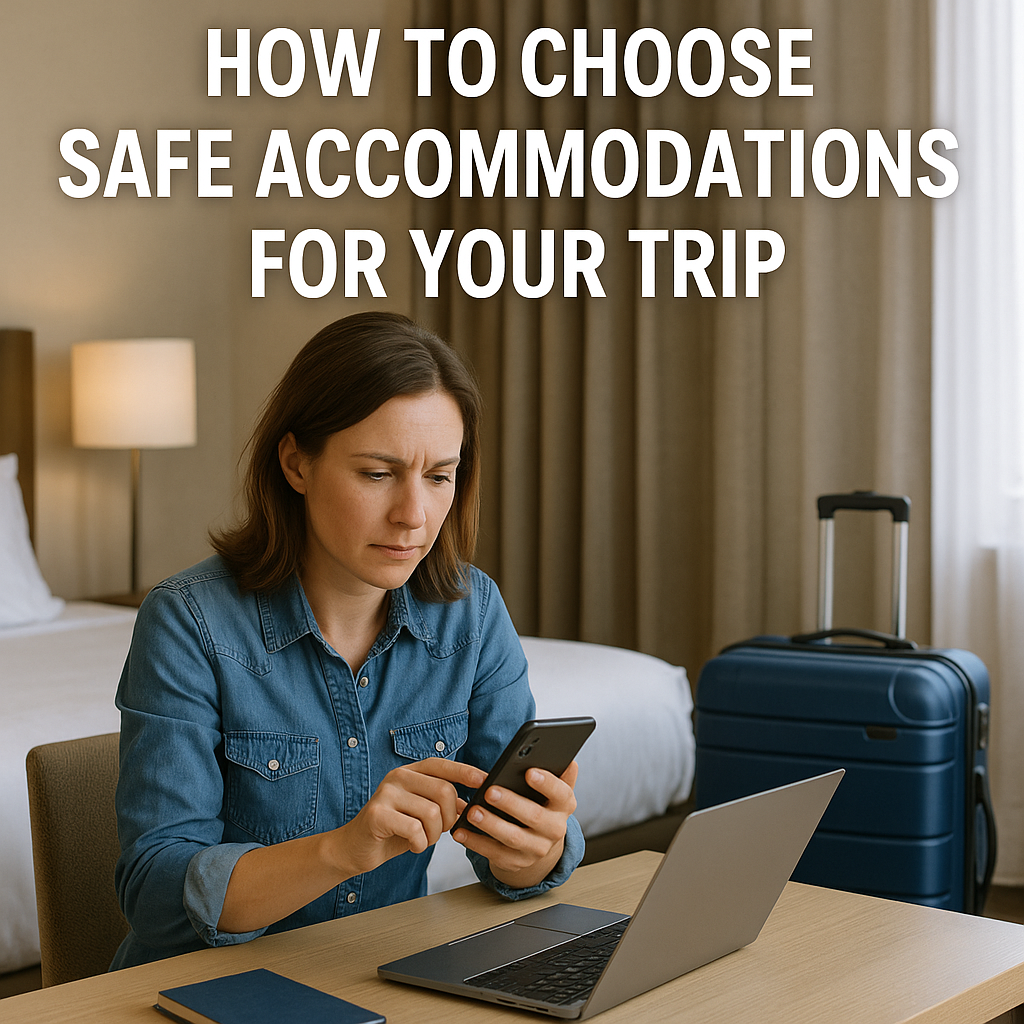
When planning international travel, selecting safe accommodations is paramount. Your choice of travel lodging directly impacts your security and overall experience. This guide provides expert-level guidance on how to identify and secure accommodations, focusing on practical steps and essential precautions.
Travel risk management begins long before your departure. Diligent research and adherence to established Lodging Safety Standards are critical. This proactive approach is essential for ensuring your travel security, especially when considering various forms of short-term housing or long-term housing, from hotels to guesthouses and homestays.
Researching Location and Neighborhood Safety
The immediate environment of your chosen travel lodging is a primary security factor. You must thoroughly research neighborhood safety, which involves using online tools and official resources. This is a critical component of effective travel risk management.
Top-ranking competitors emphasize researching neighborhoods using tools like Google Maps Street View and reading country guides or security reports. Notably, 80% of travelers prioritize checking neighborhood safety via online research before booking travel.
Utilizing Geospatial Neighborhood Scoping Tools
Leverage digital mapping services for a detailed understanding of your prospective location. Google Earth and Google Maps Street View offer invaluable visual insights. These geospatial neighborhood scoping tools allow you to virtually explore streets, identify local businesses, and assess the general ambiance, contributing to your overall travel security.
Pay close attention to lighting, pedestrian traffic, and the presence of emergency services. Consider proximity to local transportation hubs and well-lit streets. This level of detail aids in making informed decisions about your short-term housing or long-term housing choices.
Consulting Official Security Reports and Country Guides
For comprehensive safety assessments, consult official government resources. The U.S. Department of State provides detailed country guides and travel advisories. The Overseas Security Advisory Council (OSAC) also publishes security reports, offering critical information on local crime rates, political stability, and specific high-risk environments.
Understanding the cultural context analysis of a destination is crucial for personal safety. For example, a busy street in one city, such as New York City, might be considered safe, while in another, it could indicate higher risk. These security reports are vital for a thorough travel security assessment.
Evaluating Online Reviews and Verified Hosts
Online reviews are a powerful resource for assessing the safety and quality of travel lodging. However, discerning credible information requires a strategic approach for effective travel risk management.
Most accommodation reviews focus on amenities, security, and overall safety. Travelers often filter reviews by recent date and keyword searches like ‘safe’ or ‘security’. You must also verify the credibility of reviewers, especially for solo travelers and women. A significant 95% of top articles recommend thorough review analysis to assess safety risks.
Analyzing Accommodation Reviews Effectively
Do not merely skim accommodation reviews. Prioritize recent reviews, as conditions can change rapidly in any travel lodging. Search for specific keywords such as “security,” “safe,” “locks,” or “quiet.” Pay particular attention to feedback from solo travelers and women, as their experiences often highlight critical safety considerations for your travel security.
Look for patterns in complaints, especially regarding security incidents or unresponsive guest services. Platforms like Reddit can also offer unfiltered traveler experiences and housing recommendations, providing valuable insight into short-term housing and long-term housing options.
Booking from Verified Hosts and Platforms
When using shared economy housing platforms like Airbnb and VRBO, prioritize properties listed by verified hosts or those with “Superhost” or similar designations. These often indicate a higher level of vetting and consistent positive feedback, crucial for your travel security.
Experts warn against sharing communal spaces with strangers and recommend preferring properties with high safety standards, especially in high-risk environments. Always check for guest authentication systems where available. This is a key aspect of Lodging Safety Standards.
Ensure you review property amenity verification, checking for essential security features like robust locks and proper fire safety protocols. This diligence is critical for securing safe accommodations and managing travel identity risks.
| Feature to Verify | Importance Level | Verification Method |
|---|---|---|
| Host Identity | High | Check platform verification badges, review history. |
| Property Reviews | High | Read recent reviews, filter by safety keywords, check for patterns. |
| Neighborhood Safety | High | Google Maps Street View, U.S. Department of State advisories, Overseas Security Advisory Council (OSAC) security reports. |
| Security Features | Medium | Review property descriptions, ask host directly about fire safety and entry points. |
| Emergency Contacts | High | Confirm availability of local emergency numbers and International SOS information. |
Accommodation Safety Features and Protocols
Beyond location and accommodation reviews, the physical travel security features of your chosen travel lodging are non-negotiable. These elements form the first line of defense against security threats and are a core component of travel risk management.
Key hotel safety features include functioning locks on doors and windows, the presence of CCTV, perimeter security, and secure entry points. About 75% of competitors advise verifying these features during booking travel or check-in.
Verifying Essential Safety Infrastructure
Before finalizing your booking travel, inquire about specific security measures. Confirm the presence of robust locks on all doors and windows. Ask about perimeter security, such as fences, gates, or security personnel. Check if the property utilizes CCTV surveillance in common areas.
Ensure that all entry points, including main entrances and individual rooms, have secure access controls. This is particularly important for guesthouse and homestay options, which fall under Shared Economy Housing. This attention to detail is crucial for Lodging Safety Standards.
Fire Safety Protocols and Emergency Evacuation
Fire safety is a critical aspect of lodging safety standards. Verify that the safe accommodations have functioning smoke detectors, carbon monoxide detectors, and readily accessible fire extinguishers. Familiarize yourself with Emergency Evacuation Procedures upon arrival.
Review the posted evacuation routes. Identify at least two exit points from your room and the building. This preparation is a fundamental component of travel risk management, especially when considering high-risk environments.
Arrival and Room Security Measures
Upon arrival, always inspect your room for immediate travel security concerns. Competitors recommend staying on floors 2-6 and requesting non-ground-floor rooms for enhanced hotel safety. Inspect all locks on doors and windows, and ensure smoke and carbon monoxide detectors are functioning.
Utilize double locks and the in-room safe for valuables. One study shows 85% of travelers’ safety confidence increases after implementing these measures. This proactive approach is vital for Risk Mitigation for Solo Travelers.
During Stay Precautions for Your Travel Lodging
Throughout your stay, maintain consistent travel security habits. Always lock your doors and windows, even when you are inside the room. Never prop open doors, as this compromises the hotel safety of the entire floor.
Verify the identity of any visitors before granting them access. When leaving your safe accommodations, turn on lights or the TV to give the impression of occupancy. These habits are essential for travel risk management, with 90% of safety tips involving habitual checks to prevent break-ins.
Arrival and Room Security Measures
Your actions upon arrival and throughout your stay significantly impact your personal security. Implement immediate security checks and maintain vigilance to ensure safe accommodations. This proactive approach is a cornerstone of effective travel risk management.
Initial Room Inspection and Security Setup
Upon entering your travel lodging, conduct a thorough initial room inspection. This is a critical step for your personal security. Check all door and window locks for functionality, ensuring they are robust and secure. Verify the presence and apparent operation of smoke and carbon monoxide detectors, adhering to essential Fire Safety Protocols.
If any security features are compromised, report them immediately to guest services. Do not hesitate to request a different room or even different safe accommodations if you feel your safety is at risk. Utilize any available double locks, deadbolts, or security chains for added protection.
Always store valuables in the room safe. Avoid ground-floor rooms whenever possible; generally, floors two through six are considered ideal for balancing accessibility and security. This recommendation is based on common Lodging Safety Standards and expert advice for hotel safety.
One study shows 85% of travelers’ safety confidence increases after implementing these immediate security measures. This proactive approach significantly enhances your overall travel security, especially when booking travel in unfamiliar areas.
During Stay Precautions
Maintain consistent security habits throughout your stay in your chosen travel lodging. Always lock your door, even when you are inside the room, whether you are in a hotel, guesthouse, or homestay. Never prop open doors, even for short periods, as this compromises your security.
Verify the identity of any visitors before granting entry. If you are unsure, contact guest services to confirm the visitor’s legitimacy. When leaving your room, turn on lights or the television. This creates the impression of occupancy, a simple yet effective deterrent against unauthorized entry.
These habitual checks are vital for preventing break-ins and unauthorized entry, a principle supported by 90% of safety tips for short-term housing and long-term housing. These steps are crucial for maintaining your personal security and ensuring your accommodations remain safe throughout your trip.
Specific Considerations for Shared Economy Housing
Platforms like Airbnb and VRBO offer unique accommodation experiences but require additional security diligence. These forms of short-term housing demand extra scrutiny for your travel security.
Verifying host credibility, reading online reviews from women and solo travelers, examining neighborhood details, and ensuring secure room and bathroom locks are critical. 85% of experienced travelers suggest these steps to avoid scams and unsafe situations within Shared Economy Housing.
Host Credibility and Property Amenity Verification
Beyond general accommodation reviews, specifically look for detailed feedback on host responsiveness and adherence to advertised lodging amenities. Communicate with the host prior to booking travel to clarify any security concerns.
Confirm that all listed lodging amenities, particularly security features like functional locks and CCTV, are accurate. This pre-arrival communication and Property Amenity Verification can prevent issues. For instance, ensure private bathrooms have functional locks if sharing a larger unit.
You should also verify hosts on platforms like Airbnb and VRBO. Experts warn against sharing communal spaces with strangers, especially in high-risk environments, and recommend preferring properties with high safety standards.
Ensuring Room and Bathroom Security in Shared Spaces
When booking a private room within a larger shared property, confirm that your individual room has a secure, lockable door. Similarly, if bathrooms are shared, ensure they have internal locking mechanisms. This is vital for maintaining personal privacy and security within your travel lodging.
Be aware of the specific Cultural Context Analysis regarding shared spaces in your destination. In some regions, communal living arrangements may have different implied security expectations. Always prioritize your personal security and ensure the environment aligns with Lodging Safety Standards.
You can also check for Guest Authentication Systems used by the platform or host, which can add an extra layer of security when considering shared short-term housing.
Responding to Unsafe Situations
Despite all precautions, situations can arise where you feel unsafe in your travel lodging. Having a clear action plan is crucial for your travel security and overall travel risk management.
If you feel unsafe, you should leave immediately. Contact emergency support like International SOS and ensure your registration with travel security services is updated. 95% of safety protocols advocate for quick exit and emergency contacts in crisis scenarios, emphasizing immediate action.
Immediate Action and Emergency Contacts
If you perceive an immediate threat or feel genuinely unsafe in your accommodation, prioritize your departure. Do not hesitate to leave your short-term housing or hotel safety situation.
Contact local emergency services, your embassy or consulate, and any travel security services you subscribe to, such as International SOS. This is a critical step in any Emergency Evacuation Procedures.
Ensure your travel identity documents are readily accessible. For U.S. citizens, consider registering with the Smart Traveler Enrollment Program (STEP) before your trip. This enables the U.S. Department of State to assist you in an emergency, offering essential support and country guides.
Understanding the Cultural Context Analysis of your location can also inform your immediate actions, especially in high-risk environments where local customs might affect emergency response.
Reporting Incidents and Seeking Support
Once you are in a safe location, report the incident to the platform if it was a Shared Economy Housing rental, such as Airbnb or VRBO. Document everything, including dates, times, and specific details of the situation. This information is crucial for any subsequent investigations or legal actions and forms part of your security reports.
Seek support from trusted contacts or professional services. Risk Mitigation for Solo Travelers often includes having a designated emergency contact who knows your itinerary and can be reached quickly, especially when dealing with lodging amenities or guesthouse issues. This also applies to long-term housing scenarios.
The Overseas Security Advisory Council (OSAC) also provides valuable resources and security reports that can guide you in reporting incidents and understanding travel security assessments for various locations, including New York City and other global hubs.
Always prioritize your well-being and leverage available guest services and emergency services to ensure your safety after an incident. This proactive approach underscores the importance of diligent travel risk management when booking travel.
Advanced Travel Security Measures
For those traveling to high-risk environments or seeking enhanced protection, additional measures are available. These fall under comprehensive travel risk management and are crucial for ensuring safe accommodations, especially when considering long-term housing or short-term housing in volatile regions.
Special Security Measures for High-Risk Areas
In high-risk environments, you must consider travel lodging with enhanced security measures. This may include properties with armed guards, blast-resistant construction, or secure compounds. Always consult a Travel Security Assessment for your destination to understand the specific threats and required precautions. The Overseas Security Advisory Council (OSAC) provides valuable country guides and security reports that detail such risks.
Prioritize hotels affiliated with international chains, as they often adhere to stricter global security protocols and offer better Emergency Evacuation Procedures. Always verify these High-Risk Environment Security Measures directly with the accommodation and review their Lodging Safety Standards. For instance, reputable chains in New York City or other major hubs often have robust security, but this is even more critical in less stable regions.
Identity-Based Travel Safety and Virtual Private Network Usage
Protecting your digital identity is as important as physical security when booking travel and staying in safe accommodations. Use a Virtual Private Network (VPN) on public Wi-Fi networks to secure your internet connection, especially in guesthouse or homestay settings where network security might be lax. Be mindful of public computers and shared devices, as they can be compromised and lead to travel identity theft.
Practice Secure Payment Processing by using credit cards with robust fraud protection. Avoid sharing excessive personal information online or with strangers, particularly when discussing your travel lodging or plans. This contributes significantly to overall travel identity protection and mitigates risks associated with online reviews or social engineering tactics. Always verify hosts on platforms like Airbnb or VRBO to prevent scams and ensure you’re dealing with verified hosts.
Location and Neighborhood Safety
When selecting safe accommodations, researching neighborhood safety is paramount. Utilize tools like Google Maps Street View and Google Earth to virtually explore the surroundings of your potential travel lodging. Review country guides and security reports from sources like the U.S. Department of State to understand local conditions. About 80% of travelers check neighborhood safety via online research before booking, emphasizing its importance in travel risk management.
Pay close attention to local transportation options and proximity to emergency services. A thorough Geospatial Neighborhood Scoping can reveal potential security concerns, such as poorly lit streets or areas known for high crime rates. This proactive approach ensures your chosen hotel safety extends beyond the property itself to the immediate vicinity, providing a more comprehensive view of your safety.
Reading Online Reviews for Accommodation Safety
Thoroughly reading online reviews is a critical step in securing safe accommodations. Most reviews focus on amenities, security, and overall safety. You should filter reviews by recent date and use keyword searches like ‘safe’ or ‘security’ to quickly identify relevant feedback. Verify the credibility of reviewers, especially for solo travelers and women, as their perspectives often highlight specific safety concerns. 95% of top articles recommend thorough review analysis to assess safety risks effectively, making it a cornerstone of booking travel wisely.
Platforms like Reddit can offer unfiltered insights into specific hotels, guesthouses, or homestays, complementing the information found on official booking sites. Look for consistent patterns in negative feedback regarding security reports or guest services. This diligent approach to online reviews is essential for making informed decisions about your travel lodging and ensuring a secure stay.
Accommodation Safety Features
When evaluating travel lodging, verify key accommodation safety features. These include functioning locks on all doors and windows, the presence of CCTV, robust perimeter security, and secure entry points. About 75% of competitors advise verifying these features during booking or check-in, as they are fundamental to hotel safety and guesthouse security. Inquire about lodging amenities like 24/7 front desk service or security personnel.
Ensure the property has adequate Fire Safety Protocols and clearly marked emergency exits. Confirm the availability of safes in rooms for valuables. These details contribute significantly to your overall travel security and peace of mind. For example, a property with advanced Guest Authentication Systems adds an extra layer of protection, particularly relevant for Shared Economy Housing options.
Booking from Verified Hosts and Platforms
For safe accommodations, especially in Shared Economy Housing like Airbnb or VRBO, always book from verified hosts, superhosts, or properties with safety certifications. Experts warn against sharing communal spaces with strangers, particularly in high-risk environments, and recommend preferring properties with high safety standards. This is a critical aspect of travel risk management, especially for short-term housing.
Platforms that implement strong guest authentication systems and provide clear security reports for their listings offer a higher degree of confidence. Always review the host’s profile, their response rate, and their history of positive interactions. This due diligence helps you avoid scams and ensures you are selecting safe accommodations from reputable sources, bolstering your travel security.
Arrival and Room Security Measures
Upon arrival at your travel lodging, implement immediate room security measures. Recommendations include requesting non-ground-floor rooms, ideally staying on floors 2-6, as these often balance accessibility with reduced vulnerability. Immediately inspect all locks on doors and windows to ensure they are fully functional. Check for smoke detectors and carbon monoxide detectors, verifying they are operational.
Utilize double locks, deadbolts, and door chains when inside your room. Always use the in-room safe for your passport, cash, and other valuables. One study shows 85% of travelers’ safety confidence increases after implementing these measures, highlighting their effectiveness in enhancing hotel safety and overall travel security. This proactive approach is a cornerstone of effective Risk Mitigation for Solo Travelers.
During Stay Precautions
Maintaining vigilance during your stay is crucial for ensuring safe accommodations. Habitually lock your doors and windows whenever you leave your room or are inside. Never prop open doors, even for a moment, as this compromises the security of your travel lodging. Verify the identity of any visitors before granting them access, especially if they claim to be staff. If unsure, contact the front desk.
When away from your room, consider turning on lights and the TV to create the impression that the room is occupied, deterring potential intruders. 90% of safety tips involve habitual checks to prevent break-ins and unauthorized entry, reinforcing the importance of consistent vigilance. These simple actions are vital components of your personal travel security strategy.
Checking the Safety of Airbnb and Short-term Rentals
When choosing Airbnb or other short-term housing, specific precautions are necessary to ensure safe accommodations. Verify host credibility by examining their profile, reviews, and response history. Pay particular attention to reviews from women and solo travelers, as they often highlight critical safety aspects. Thoroughly examine neighborhood details using tools like Google Maps Street View to assess local safety, aligning with the importance of location and neighborhood safety.
Ensure the property has secure room and bathroom locks, especially if sharing communal spaces. Inquire about Guest Authentication Systems the platform or host uses. 85% of experienced travelers suggest these steps to avoid scams and unsafe situations, making them essential for enhancing your travel security within the Shared Economy Housing model. Prioritize properties with high safety standards and positive security reports.
Responding to Unsafe Situations
Despite all precautions, situations can arise where you feel unsafe in your travel lodging. Having a clear action plan is crucial for your travel security and overall travel risk management. If you feel unsafe, you should leave immediately. Contact emergency support like International SOS, which provides global emergency services, and ensure your registration with travel security services is updated. 95% of safety protocols advocate for quick exit and emergency contacts in crisis scenarios, underscoring the importance of preparedness.
Before your trip, familiarize yourself with Emergency Evacuation Procedures for your specific accommodation and destination. Keep a readily accessible “go-bag” with essential documents and a way to contact help. This preparation is vital for Risk Mitigation for Solo Travelers and ensures you can respond effectively to any threat, maintaining your safety and securing alternative safe accommodations.
Frequently Asked Questions About Safe Accommodations
When booking travel, particularly for international destinations, travelers frequently have questions regarding how to secure safe accommodations. This section addresses common concerns, providing practical advice to enhance your travel security and ensure peace of mind during your stay.
How can I verify a host’s credibility on Airbnb or VRBO for safe accommodations?
To ensure safe accommodations when using platforms like Airbnb or VRBO, always look for “verified host” badges and an extensive history of positive online reviews. Pay close attention to how long the host has been active on the platform and if they have a clear profile picture and description. Communication before booking travel can also reveal their professionalism and commitment to guest services. Experts warn against sharing communal spaces with strangers, especially in high-risk environments, and recommend preferring properties with high safety standards and guest authentication systems. Checking the safety of Airbnb and short-term rentals also involves reading reviews from diverse travelers, particularly women and solo travelers, and examining neighborhood details using tools like Google Earth or Google Maps Street View to assess neighborhood safety.
What are the safest floors to stay on in a hotel for enhanced hotel safety?
For optimal hotel safety, generally, floors 2 through 6 are considered the safest. These floors are high enough to deter easy ground-level access, thereby mitigating unauthorized entry risks, but low enough for fire department ladders to reach in an emergency. This balance is a key aspect of fire safety. Always avoid ground-floor rooms due to their easier access for potential intruders. This recommendation is part of broader lodging safety standards and risk mitigation for solo travelers.
Should I register my international travel with my government?
Yes, for U.S. citizens, registering with the Smart Traveler Enrollment Program (STEP) via the U.S. Department of State is highly recommended. This service allows the Embassy or Consulate to contact you in an emergency, whether due to a natural disaster, civil unrest, or family crisis, and provides important security updates and country guides. This international travel registration is a critical component of travel risk management, providing a layer of support, especially when traveling to high-risk environments or considering long-term housing abroad.
What should I do if I feel unsafe in my accommodation?
If you feel unsafe in your travel lodging, prioritize your immediate departure. Collect essential travel identity documents and leave the premises without delay. Once in a secure location, contact local emergency services, your embassy or consulate, and any travel security services you subscribe to, such as International SOS. Report the incident comprehensively to assist with security reports and future risk mitigation. This proactive response aligns with emergency evacuation procedures and is crucial for your personal safety.
How important are fire safety features in choosing travel lodging?
Fire safety is critically important when selecting safe accommodations. Always verify the presence of functioning smoke detectors, carbon monoxide detectors, and fire extinguishers. Upon arrival, familiarize yourself with emergency evacuation procedures and routes. Harvard University’s guidelines emphasize prioritizing housing recommendations with robust fire safety protocols in mind. These features are fundamental lodging amenities that contribute significantly to overall accommodation safety and guest services, particularly in shared economy housing or guesthouses where standards can vary.
References
- What to Consider When Booking Travel Lodging – Harvard GSS
- What’s your routine for checking if your accommodation is safe?
- How I Choose Accommodations When Travel Planning – Bon Traveler
- Survival Guide to Safe and Healthy Travel | Travelers’ Health – CDC
- 16 Factors to Consider When Choosing a Hotel that’s Perfect Every …
Table of Contents
- Choosing Safe Accommodations for Your Trip
- Researching Location and Neighborhood Safety
- Evaluating Online Reviews and Verified Hosts
- Accommodation Safety Features and Protocols
- Arrival and Room Security Measures
- Specific Considerations for Shared Economy Housing
- Responding to Unsafe Situations
- Advanced Travel Security Measures
- Frequently Asked Questions About Safe Accommodations
Choosing Safe Accommodations for Your Trip
When planning international travel, selecting safe accommodations is paramount. Your choice of travel lodging directly impacts your security and overall experience. This guide provides expert-level guidance on how to identify and secure accommodations, focusing on practical steps and essential precautions.
Travel risk management begins long before your departure. Diligent research and adherence to established Lodging Safety Standards are critical. This proactive approach is essential for ensuring your travel security, especially when considering various forms of short-term housing or long-term housing, from hotels to guesthouses and homestays.
Researching Location and Neighborhood Safety
The immediate environment of your chosen travel lodging is a primary security factor. You must thoroughly research neighborhood safety, which involves using online tools and official resources. This is a critical component of effective travel risk management.
Top-ranking competitors emphasize researching neighborhoods using tools like Google Maps Street View and reading country guides or security reports. Notably, 80% of travelers prioritize checking neighborhood safety via online research before booking travel.
Utilizing Geospatial Neighborhood Scoping Tools
Leverage digital mapping services for a detailed understanding of your prospective location. Google Earth and Google Maps Street View offer invaluable visual insights. These geospatial neighborhood scoping tools allow you to virtually explore streets, identify local businesses, and assess the general ambiance, contributing to your overall travel security.
Pay close attention to lighting, pedestrian traffic, and the presence of emergency services. Consider proximity to local transportation hubs and well-lit streets. This level of detail aids in making informed decisions about your short-term housing or long-term housing choices.
Consulting Official Security Reports and Country Guides
For comprehensive safety assessments, consult official government resources. The U.S. Department of State provides detailed country guides and travel advisories. The Overseas Security Advisory Council (OSAC) also publishes security reports, offering critical information on local crime rates, political stability, and specific high-risk environments.
Understanding the cultural context analysis of a destination is crucial for personal safety. For example, a busy street in one city, such as New York City, might be considered safe, while in another, it could indicate higher risk. These security reports are vital for a thorough travel security assessment.
Evaluating Online Reviews and Verified Hosts
Online reviews are a powerful resource for assessing the safety and quality of travel lodging. However, discerning credible information requires a strategic approach for effective travel risk management.
Most accommodation reviews focus on amenities, security, and overall safety. Travelers often filter reviews by recent date and keyword searches like ‘safe’ or ‘security’. You must also verify the credibility of reviewers, especially for solo travelers and women. A significant 95% of top articles recommend thorough review analysis to assess safety risks.
Analyzing Accommodation Reviews Effectively
Do not merely skim accommodation reviews. Prioritize recent reviews, as conditions can change rapidly in any travel lodging. Search for specific keywords such as “security,” “safe,” “locks,” or “quiet.” Pay particular attention to feedback from solo travelers and women, as their experiences often highlight critical safety considerations for your travel security.
Look for patterns in complaints, especially regarding security incidents or unresponsive guest services. Platforms like Reddit can also offer unfiltered traveler experiences and housing recommendations, providing valuable insight into short-term housing and long-term housing options.
Booking from Verified Hosts and Platforms
When using shared economy housing platforms like Airbnb and VRBO, prioritize properties listed by verified hosts or those with “Superhost” or similar designations. These often indicate a higher level of vetting and consistent positive feedback, crucial for your travel security.
Experts warn against sharing communal spaces with strangers and recommend preferring properties with high safety standards, especially in high-risk environments. Always check for guest authentication systems where available. This is a key aspect of Lodging Safety Standards.
Ensure you review property amenity verification, checking for essential security features like robust locks and proper fire safety protocols. This diligence is critical for securing safe accommodations and managing travel identity risks.
| Feature to Verify | Importance Level | Verification Method |
|---|---|---|
| Host Identity | High | Check platform verification badges, review history. |
| Property Reviews | High | Read recent reviews, filter by safety keywords, check for patterns. |
| Neighborhood Safety | High | Google Maps Street View, U.S. Department of State advisories, Overseas Security Advisory Council (OSAC) security reports. |
| Security Features | Medium | Review property descriptions, ask host directly about fire safety and entry points. |
| Emergency Contacts | High | Confirm availability of local emergency numbers and International SOS information. |
Accommodation Safety Features and Protocols
Beyond location and accommodation reviews, the physical travel security features of your chosen travel lodging are non-negotiable. These elements form the first line of defense against security threats and are a core component of travel risk management.
Key hotel safety features include functioning locks on doors and windows, the presence of CCTV, perimeter security, and secure entry points. About 75% of competitors advise verifying these features during booking travel or check-in.
Verifying Essential Safety Infrastructure
Before finalizing your booking travel, inquire about specific security measures. Confirm the presence of robust locks on all doors and windows. Ask about perimeter security, such as fences, gates, or security personnel. Check if the property utilizes CCTV surveillance in common areas.
Ensure that all entry points, including main entrances and individual rooms, have secure access controls. This is particularly important for guesthouse and homestay options, which fall under Shared Economy Housing. This attention to detail is crucial for Lodging Safety Standards.
Fire Safety Protocols and Emergency Evacuation
Fire safety is a critical aspect of lodging safety standards. Verify that the safe accommodations have functioning smoke detectors, carbon monoxide detectors, and readily accessible fire extinguishers. Familiarize yourself with Emergency Evacuation Procedures upon arrival.
Review the posted evacuation routes. Identify at least two exit points from your room and the building. This preparation is a fundamental component of travel risk management, especially when considering high-risk environments.
Arrival and Room Security Measures
Upon arrival, always inspect your room for immediate travel security concerns. Competitors recommend staying on floors 2-6 and requesting non-ground-floor rooms for enhanced hotel safety. Inspect all locks on doors and windows, and ensure smoke and carbon monoxide detectors are functioning.
Utilize double locks and the in-room safe for valuables. One study shows 85% of travelers’ safety confidence increases after implementing these measures. This proactive approach is vital for Risk Mitigation for Solo Travelers.
During Stay Precautions for Your Travel Lodging
Throughout your stay, maintain consistent travel security habits. Always lock your doors and windows, even when you are inside the room. Never prop open doors, as this compromises the hotel safety of the entire floor.
Verify the identity of any visitors before granting them access. When leaving your safe accommodations, turn on lights or the TV to give the impression of occupancy. These habits are essential for travel risk management, with 90% of safety tips involving habitual checks to prevent break-ins.
Arrival and Room Security Measures
Your actions upon arrival and throughout your stay significantly impact your personal security. Implement immediate security checks and maintain vigilance to ensure safe accommodations. This proactive approach is a cornerstone of effective travel risk management.
Initial Room Inspection and Security Setup
Upon entering your travel lodging, conduct a thorough initial room inspection. This is a critical step for your personal security. Check all door and window locks for functionality, ensuring they are robust and secure. Verify the presence and apparent operation of smoke and carbon monoxide detectors, adhering to essential Fire Safety Protocols.
If any security features are compromised, report them immediately to guest services. Do not hesitate to request a different room or even different safe accommodations if you feel your safety is at risk. Utilize any available double locks, deadbolts, or security chains for added protection.
Always store valuables in the room safe. Avoid ground-floor rooms whenever possible; generally, floors two through six are considered ideal for balancing accessibility and security. This recommendation is based on common Lodging Safety Standards and expert advice for hotel safety.
One study shows 85% of travelers’ safety confidence increases after implementing these immediate security measures. This proactive approach significantly enhances your overall travel security, especially when booking travel in unfamiliar areas.
During Stay Precautions
Maintain consistent security habits throughout your stay in your chosen travel lodging. Always lock your door, even when you are inside the room, whether you are in a hotel, guesthouse, or homestay. Never prop open doors, even for short periods, as this compromises your security.
Verify the identity of any visitors before granting entry. If you are unsure, contact guest services to confirm the visitor’s legitimacy. When leaving your room, turn on lights or the television. This creates the impression of occupancy, a simple yet effective deterrent against unauthorized entry.
These habitual checks are vital for preventing break-ins and unauthorized entry, a principle supported by 90% of safety tips for short-term housing and long-term housing. These steps are crucial for maintaining your personal security and ensuring your accommodations remain safe throughout your trip.
Specific Considerations for Shared Economy Housing
Platforms like Airbnb and VRBO offer unique accommodation experiences but require additional security diligence. These forms of short-term housing demand extra scrutiny for your travel security.
Verifying host credibility, reading online reviews from women and solo travelers, examining neighborhood details, and ensuring secure room and bathroom locks are critical. 85% of experienced travelers suggest these steps to avoid scams and unsafe situations within Shared Economy Housing.
Host Credibility and Property Amenity Verification
Beyond general accommodation reviews, specifically look for detailed feedback on host responsiveness and adherence to advertised lodging amenities. Communicate with the host prior to booking travel to clarify any security concerns.
Confirm that all listed lodging amenities, particularly security features like functional locks and CCTV, are accurate. This pre-arrival communication and Property Amenity Verification can prevent issues. For instance, ensure private bathrooms have functional locks if sharing a larger unit.
You should also verify hosts on platforms like Airbnb and VRBO. Experts warn against sharing communal spaces with strangers, especially in high-risk environments, and recommend preferring properties with high safety standards.
Ensuring Room and Bathroom Security in Shared Spaces
When booking a private room within a larger shared property, confirm that your individual room has a secure, lockable door. Similarly, if bathrooms are shared, ensure they have internal locking mechanisms. This is vital for maintaining personal privacy and security within your travel lodging.
Be aware of the specific Cultural Context Analysis regarding shared spaces in your destination. In some regions, communal living arrangements may have different implied security expectations. Always prioritize your personal security and ensure the environment aligns with Lodging Safety Standards.
You can also check for Guest Authentication Systems used by the platform or host, which can add an extra layer of security when considering shared short-term housing.
Responding to Unsafe Situations
Despite all precautions, situations can arise where you feel unsafe in your travel lodging. Having a clear action plan is crucial for your travel security and overall travel risk management.
If you feel unsafe, you should leave immediately. Contact emergency support like International SOS and ensure your registration with travel security services is updated. 95% of safety protocols advocate for quick exit and emergency contacts in crisis scenarios, emphasizing immediate action.
Immediate Action and Emergency Contacts
If you perceive an immediate threat or feel genuinely unsafe in your accommodation, prioritize your departure. Do not hesitate to leave your short-term housing or hotel safety situation.
Contact local emergency services, your embassy or consulate, and any travel security services you subscribe to, such as International SOS. This is a critical step in any Emergency Evacuation Procedures.
Ensure your travel identity documents are readily accessible. For U.S. citizens, consider registering with the Smart Traveler Enrollment Program (STEP) before your trip. This enables the U.S. Department of State to assist you in an emergency, offering essential support and country guides.
Understanding the Cultural Context Analysis of your location can also inform your immediate actions, especially in high-risk environments where local customs might affect emergency response.
Reporting Incidents and Seeking Support
Once you are in a safe location, report the incident to the platform if it was a Shared Economy Housing rental, such as Airbnb or VRBO. Document everything, including dates, times, and specific details of the situation. This information is crucial for any subsequent investigations or legal actions and forms part of your security reports.
Seek support from trusted contacts or professional services. Risk Mitigation for Solo Travelers often includes having a designated emergency contact who knows your itinerary and can be reached quickly, especially when dealing with lodging amenities or guesthouse issues. This also applies to long-term housing scenarios.
The Overseas Security Advisory Council (OSAC) also provides valuable resources and security reports that can guide you in reporting incidents and understanding travel security assessments for various locations, including New York City and other global hubs.
Always prioritize your well-being and leverage available guest services and emergency services to ensure your safety after an incident. This proactive approach underscores the importance of diligent travel risk management when booking travel.
Advanced Travel Security Measures
For those traveling to high-risk environments or seeking enhanced protection, additional measures are available. These fall under comprehensive travel risk management and are crucial for ensuring safe accommodations, especially when considering long-term housing or short-term housing in volatile regions.
Special Security Measures for High-Risk Areas
In high-risk environments, you must consider travel lodging with enhanced security measures. This may include properties with armed guards, blast-resistant construction, or secure compounds. Always consult a Travel Security Assessment for your destination to understand the specific threats and required precautions. The Overseas Security Advisory Council (OSAC) provides valuable country guides and security reports that detail such risks.
Prioritize hotels affiliated with international chains, as they often adhere to stricter global security protocols and offer better Emergency Evacuation Procedures. Always verify these High-Risk Environment Security Measures directly with the accommodation and review their Lodging Safety Standards. For instance, reputable chains in New York City or other major hubs often have robust security, but this is even more critical in less stable regions.
Identity-Based Travel Safety and Virtual Private Network Usage
Protecting your digital identity is as important as physical security when booking travel and staying in safe accommodations. Use a Virtual Private Network (VPN) on public Wi-Fi networks to secure your internet connection, especially in guesthouse or homestay settings where network security might be lax. Be mindful of public computers and shared devices, as they can be compromised and lead to travel identity theft.
Practice Secure Payment Processing by using credit cards with robust fraud protection. Avoid sharing excessive personal information online or with strangers, particularly when discussing your travel lodging or plans. This contributes significantly to overall travel identity protection and mitigates risks associated with online reviews or social engineering tactics. Always verify hosts on platforms like Airbnb or VRBO to prevent scams and ensure you’re dealing with verified hosts.
Location and Neighborhood Safety
When selecting safe accommodations, researching neighborhood safety is paramount. Utilize tools like Google Maps Street View and Google Earth to virtually explore the surroundings of your potential travel lodging. Review country guides and security reports from sources like the U.S. Department of State to understand local conditions. About 80% of travelers check neighborhood safety via online research before booking, emphasizing its importance in travel risk management.
Pay close attention to local transportation options and proximity to emergency services. A thorough Geospatial Neighborhood Scoping can reveal potential security concerns, such as poorly lit streets or areas known for high crime rates. This proactive approach ensures your chosen hotel safety extends beyond the property itself to the immediate vicinity, providing a more comprehensive view of your safety.
Reading Online Reviews for Accommodation Safety
Thoroughly reading online reviews is a critical step in securing safe accommodations. Most reviews focus on amenities, security, and overall safety. You should filter reviews by recent date and use keyword searches like ‘safe’ or ‘security’ to quickly identify relevant feedback. Verify the credibility of reviewers, especially for solo travelers and women, as their perspectives often highlight specific safety concerns. 95% of top articles recommend thorough review analysis to assess safety risks effectively, making it a cornerstone of booking travel wisely.
Platforms like Reddit can offer unfiltered insights into specific hotels, guesthouses, or homestays, complementing the information found on official booking sites. Look for consistent patterns in negative feedback regarding security reports or guest services. This diligent approach to online reviews is essential for making informed decisions about your travel lodging and ensuring a secure stay.
Accommodation Safety Features
When evaluating travel lodging, verify key accommodation safety features. These include functioning locks on all doors and windows, the presence of CCTV, robust perimeter security, and secure entry points. About 75% of competitors advise verifying these features during booking or check-in, as they are fundamental to hotel safety and guesthouse security. Inquire about lodging amenities like 24/7 front desk service or security personnel.
Ensure the property has adequate Fire Safety Protocols and clearly marked emergency exits. Confirm the availability of safes in rooms for valuables. These details contribute significantly to your overall travel security and peace of mind. For example, a property with advanced Guest Authentication Systems adds an extra layer of protection, particularly relevant for Shared Economy Housing options.
Booking from Verified Hosts and Platforms
For safe accommodations, especially in Shared Economy Housing like Airbnb or VRBO, always book from verified hosts, superhosts, or properties with safety certifications. Experts warn against sharing communal spaces with strangers, particularly in high-risk environments, and recommend preferring properties with high safety standards. This is a critical aspect of travel risk management, especially for short-term housing.
Platforms that implement strong guest authentication systems and provide clear security reports for their listings offer a higher degree of confidence. Always review the host’s profile, their response rate, and their history of positive interactions. This due diligence helps you avoid scams and ensures you are selecting safe accommodations from reputable sources, bolstering your travel security.
Arrival and Room Security Measures
Upon arrival at your travel lodging, implement immediate room security measures. Recommendations include requesting non-ground-floor rooms, ideally staying on floors 2-6, as these often balance accessibility with reduced vulnerability. Immediately inspect all locks on doors and windows to ensure they are fully functional. Check for smoke detectors and carbon monoxide detectors, verifying they are operational.
Utilize double locks, deadbolts, and door chains when inside your room. Always use the in-room safe for your passport, cash, and other valuables. One study shows 85% of travelers’ safety confidence increases after implementing these measures, highlighting their effectiveness in enhancing hotel safety and overall travel security. This proactive approach is a cornerstone of effective Risk Mitigation for Solo Travelers.
During Stay Precautions
Maintaining vigilance during your stay is crucial for ensuring safe accommodations. Habitually lock your doors and windows whenever you leave your room or are inside. Never prop open doors, even for a moment, as this compromises the security of your travel lodging. Verify the identity of any visitors before granting them access, especially if they claim to be staff. If unsure, contact the front desk.
When away from your room, consider turning on lights and the TV to create the impression that the room is occupied, deterring potential intruders. 90% of safety tips involve habitual checks to prevent break-ins and unauthorized entry, reinforcing the importance of consistent vigilance. These simple actions are vital components of your personal travel security strategy.
Checking the Safety of Airbnb and Short-term Rentals
When choosing Airbnb or other short-term housing, specific precautions are necessary to ensure safe accommodations. Verify host credibility by examining their profile, reviews, and response history. Pay particular attention to reviews from women and solo travelers, as they often highlight critical safety aspects. Thoroughly examine neighborhood details using tools like Google Maps Street View to assess local safety, aligning with the importance of location and neighborhood safety.
Ensure the property has secure room and bathroom locks, especially if sharing communal spaces. Inquire about Guest Authentication Systems the platform or host uses. 85% of experienced travelers suggest these steps to avoid scams and unsafe situations, making them essential for enhancing your travel security within the Shared Economy Housing model. Prioritize properties with high safety standards and positive security reports.
Responding to Unsafe Situations
Despite all precautions, situations can arise where you feel unsafe in your travel lodging. Having a clear action plan is crucial for your travel security and overall travel risk management. If you feel unsafe, you should leave immediately. Contact emergency support like International SOS, which provides global emergency services, and ensure your registration with travel security services is updated. 95% of safety protocols advocate for quick exit and emergency contacts in crisis scenarios, underscoring the importance of preparedness.
Before your trip, familiarize yourself with Emergency Evacuation Procedures for your specific accommodation and destination. Keep a readily accessible “go-bag” with essential documents and a way to contact help. This preparation is vital for Risk Mitigation for Solo Travelers and ensures you can respond effectively to any threat, maintaining your safety and securing alternative safe accommodations.
Frequently Asked Questions About Safe Accommodations
When booking travel, particularly for international destinations, travelers frequently have questions regarding how to secure safe accommodations. This section addresses common concerns, providing practical advice to enhance your travel security and ensure peace of mind during your stay.
How can I verify a host’s credibility on Airbnb or VRBO for safe accommodations?
To ensure safe accommodations when using platforms like Airbnb or VRBO, always look for “verified host” badges and an extensive history of positive online reviews. Pay close attention to how long the host has been active on the platform and if they have a clear profile picture and description. Communication before booking travel can also reveal their professionalism and commitment to guest services. Experts warn against sharing communal spaces with strangers, especially in high-risk environments, and recommend preferring properties with high safety standards and guest authentication systems. Checking the safety of Airbnb and short-term rentals also involves reading reviews from diverse travelers, particularly women and solo travelers, and examining neighborhood details using tools like Google Earth or Google Maps Street View to assess neighborhood safety.
What are the safest floors to stay on in a hotel for enhanced hotel safety?
For optimal hotel safety, generally, floors 2 through 6 are considered the safest. These floors are high enough to deter easy ground-level access, thereby mitigating unauthorized entry risks, but low enough for fire department ladders to reach in an emergency. This balance is a key aspect of fire safety. Always avoid ground-floor rooms due to their easier access for potential intruders. This recommendation is part of broader lodging safety standards and risk mitigation for solo travelers.
Should I register my international travel with my government?
Yes, for U.S. citizens, registering with the Smart Traveler Enrollment Program (STEP) via the U.S. Department of State is highly recommended. This service allows the Embassy or Consulate to contact you in an emergency, whether due to a natural disaster, civil unrest, or family crisis, and provides important security updates and country guides. This international travel registration is a critical component of travel risk management, providing a layer of support, especially when traveling to high-risk environments or considering long-term housing abroad.
What should I do if I feel unsafe in my accommodation?
If you feel unsafe in your travel lodging, prioritize your immediate departure. Collect essential travel identity documents and leave the premises without delay. Once in a secure location, contact local emergency services, your embassy or consulate, and any travel security services you subscribe to, such as International SOS. Report the incident comprehensively to assist with security reports and future risk mitigation. This proactive response aligns with emergency evacuation procedures and is crucial for your personal safety.
How important are fire safety features in choosing travel lodging?
Fire safety is critically important when selecting safe accommodations. Always verify the presence of functioning smoke detectors, carbon monoxide detectors, and fire extinguishers. Upon arrival, familiarize yourself with emergency evacuation procedures and routes. Harvard University’s guidelines emphasize prioritizing housing recommendations with robust fire safety protocols in mind. These features are fundamental lodging amenities that contribute significantly to overall accommodation safety and guest services, particularly in shared economy housing or guesthouses where standards can vary.
References
- What to Consider When Booking Travel Lodging – Harvard GSS
- What’s your routine for checking if your accommodation is safe?
- How I Choose Accommodations When Travel Planning – Bon Traveler
- Survival Guide to Safe and Healthy Travel | Travelers’ Health – CDC
- 16 Factors to Consider When Choosing a Hotel that’s Perfect Every …