


Table of Contents
- Introduction
- 1. Book Smart: Flexible Flights and Smart Routing
- 2. Budget-Friendly Lodging Tactics
- 3. In-Country Transport You Can Trust
- 4. Eating and Living Well on the Cheap
- 5. Visa, Documentation, and Entry Tricks to Save Time and Money
- 6. Maximizing Sightseeing Time Without Breaking the Bank
- 7. Safety, Health, and Protection While Budget Traveling
- FAQ
- Conclusion
Introduction
Understanding long-haul budgeting in 2026
You can stretch your travel dollars further by planning around flight patterns, regional costs, and smart lodging. Daily expenses vary across countries, but steady budgeting choices still matter: secure transit, off-peak travel, and value stays that don’t compromise safety.
Overview of regions: Asia, Africa, Latin America
These regions offer a mix of ultra-budget options and mid-range value. Asia often provides the lowest daily costs, especially in Southeast Asia. Africa rewards longer stays with affordable guesthouses and networked transport. Latin America pairs vibrant culture with competitive prices in many countries, though costs can jump in popular hotspots.
What readers will gain from this guide
In this guide, you’ll learn concrete strategies to travel long-haul on a budget in 2026. Expect:
- Practical flight strategies that save money without sacrificing safety
- Region-specific lodging and dining tactics that maximize time on the ground
- Country-by-country snapshots with real-world costs and tips
1. Book Smart: Flexible Flights and Smart Routing
How to search for multi-city and hidden-connection fares
Start with a broad search that stitches together several legs rather than a single round trip. Multi-city itineraries can unlock savings by connecting through less obvious hubs or nearby countries. Look for flights that combine a main long-haul with a shorter intra-regional leg to land you near your starting point at a lower overall cost.

Use a mix of search tools and be willing to mix carriers. Sometimes a domestic or regional carrier paired with an international one lowers the total fare. Monitor overnight layovers that avoid peak departure times while reducing transit costs.
- Test several departure airports within 100 miles and compare round-trip versus multi-city layouts.
- Check regional carriers for one-way segments that drop the overall price even if total travel time increases.
- Consider open-jaw options where you fly into one city and depart from another nearby.
When to book versus last-minute deals
Early planning often yields a balance between price and availability. Shoulder seasons can offer meaningful discounts on routes that are otherwise overbooked in peak periods.
Flexible on dates and airports? Last-minute can work, with small date shifts or nearby airports cutting hundreds of dollars while preserving travel timelines.
Using price alerts and error fares effectively
Set price alerts across a cluster of origin airports and target destinations in your budget region. Expect dips around airline sales and midweek departures.

Error fares require quick action. Verify the fare with the airline, review fare rules, and assess change or cancellation fees before buying. Prompt decisions beat hesitation in these moments.
2. Budget-Friendly Lodging Tactics
Staying in hostels with private rooms or dorms
Hostels can cut nightly costs dramatically on long itineraries. A private room in a midrange property can be substantially cheaper than a budget hotel, while dorm beds offer even greater savings. Choose places with secure lockers, 24/7 reception, and ample lighting in common areas to enhance safety.
Practical steps: look for luggage storage options, verify door codes or staff coverage after hours, and review recent guest photos for cleanliness. If you need privacy, opt for a private room with an ensuite bathroom to minimize shared spaces.
Location matters. If you rely on trains or buses, target neighborhoods within easy reach of central transit hubs. Free breakfast or access to a kitchen can significantly reduce daily dining costs.
Alternative stays: guesthouses, homestays, and community lodging
Guesthouses and homestays in smaller towns often include homemade meals, translating to meaningful savings on daily food costs. They also offer authentic local tips, such as markets to visit for affordable produce.
Actionable tip: check safety via recent reviews and confirm proximity to transit. In many regions, community lodging offers predictable weekly rates that aid budgeting for longer trips.
Longer-stay discounts and refundable booking strategies
Ask for weekly or monthly rates when staying two weeks or longer. Properties frequently offer reductions for extended stays, sometimes with a small upfront deposit to lock in the rate.
Strategy: keep dates flexible. Prioritize listings with free cancellation and monitor price trends to catch dips. In peak seasons, favor fully refundable options and set alerts to stay ahead of price moves.
3. In-Country Transport You Can Trust
Choosing between buses, trains, and budget flights by region
Region shapes both price and reliability. In Asia, long-haul buses often pair well with trains in parts of Southeast Asia. Africa rewards night buses and affordable rail where available. Latin America leans on overnight buses connecting major cities, with rail options improving in certain corridors. Build a hybrid plan that balances safety, time, and total cost rather than chasing a single mode.
Compare door-to-door times, baggage rules, and boarding comfort. A slightly higher per-kilometer price can reduce surprises at checkpoints or customs, saving stress and money overall.
Harnessing night travel to save on accommodation
Overnight journeys move you while you sleep, trimming lodging costs and freeing daylight for activities. Seek reputable services with reserved seating or beds, and verify safety records before booking. Pack a compact neck pillow, a sleep mask, and a small light to stay comfortable without disturbing others.
Factor in extra time for terminals and possible delays. If connections fail, flexible onward options help keep overall costs in check.
Local transport passes and smart booking practices
City passes, regional rail cards, and multi-ride tickets unlock savings on frequent routes. In busy hubs, aim for early departures to lock in lower fares. Use local apps or staffed counters to verify real-time availability and transfer options.

Carry a printed route backup in case mobile data drops. This helps avoid last-minute, premium purchases and keeps your plans intact.
4. Eating and Living Well on the Cheap
Eating like a local: markets and street food ethics
Markets and street stalls offer authentic flavors at a fraction of restaurant prices. Scan nearby markets for daily staples, fruits, vegetables, grains, and ready-to-eat meals. Choose vendors with steady lines and visible turnover to gauge reliability.
Prioritize food safety: look for stalls with clean setups, foods cooked to order, and reliable water options. Carry a small hand sanitizer and a reusable utensil kit to cut waste and stay hygienic while eating on the go.
Cooking basics for long-haul stays
A compact traveler kitchen goes a long way. Seek accommodations with a shared or in-room kitchenette and a fridge for perishable buys. Plan a simple rotation of meals to minimize waste and keep costs predictable.

Stock core staples: rice or noodles, legumes, canned goods, and affordable vegetables. A portable stove, lightweight cookware, and basic utensils unlock savings in regions with solid market prices and limited dining options.
Cost-saving daily routines without sacrificing safety
- Prep and portion meals to reduce impulse purchases and food waste.
- Shop supermarkets during off-peak hours for fresher selections at lower prices.
- Avoid eating in peak tourist zones where markups are common.
Balance value with safety by choosing well-lit stalls, avoiding raw street fare in higher risk areas, and keeping a simple plan for snacks and hydration during long travel days.
5. Visa, Documentation, and Entry Tricks to Save Time and Money
Regional visa rules that reduce costs and delays
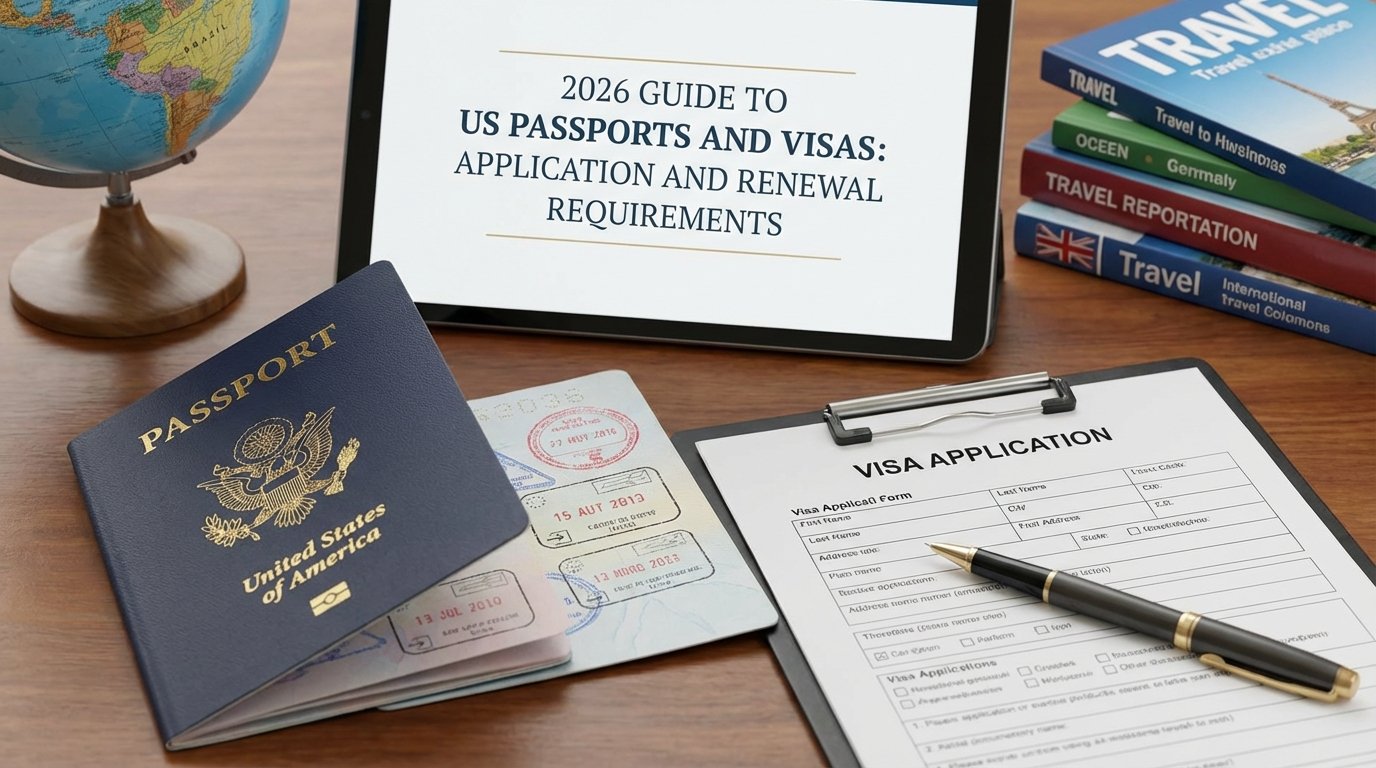
Before you plan flights, research regional agreements that affect entry. For example, some corridors offer visa on arrival for short stays, while others require eVisas you can apply for online in advance. If you plan to visit multiple nearby countries, look for routes that accept a single or multi-entry visa to minimize border stops and fees.
Practical steps: list target countries, check consulate sites for processing times, and note biometric appointment windows. Consider booking flights that align with visa processing speeds to avoid last-minute rebookings.
Real world tip: in regions with visa waivers, book a buffer day after arrival to handle potential delays. This saves money by reducing rushed hotel changes or missed connections.
Schengen/UK/US implications for long-haul itineraries
Map visa timelines to your flight plan. If a required visa may take weeks, choose routes through hubs with faster approvals or waivers. Early applications can cut surcharges from late departures or changed itineraries.
Calculate stay allowances per region. For example, a 90-day Schengen window combined with UK or US limits can constrain long trips if not tracked, leading to fines or readmission issues.
Smart documentation practices to avoid last-minute expenses
- Carry digital copies of all essential documents and store backups offline.
- Keep at least two valid passport photos and ensure your passport has at least six months beyond your travel end date.
- Prepare travel confirmations for accommodations and onward transport to streamline border checks.
Organize visas, receipts, and vaccination records in a dedicated folder. Minor border delays can cascade into expensive rebooking, so stay proactive. If you rely on a tour operator, confirm required documents a month in advance and set reminders for expirations.
6. Maximizing Sightseeing Time Without Breaking the Bank
Prioritizing must-see experiences by region
Curate a focused set of highlights for each country you visit. In Asia, pair iconic temples with nearby villages to stretch value and experience. In Africa, blend wildlife highlights with urban markets to balance cost and culture. In Latin America, combine UNESCO sites with accessible viewpoints that public transport can reach.
Create a core list per country and align it with realistic travel days. Include one backup option for potential weather or closures. A lean, purposefully chosen plan stays meaningful and affordable.
Low-cost tours, free-entry days, and crowd avoidance strategies
Seek government-backed or community-run tours for authentic insights at lower prices. Look for free-entry days at major museums or parks and time visits during off-peak hours to reduce crowds. Sunrise sessions at popular viewpoints often offer better light and fewer people.
Mix paid attractions with free experiences like walking tours, public galleries, and self-guided hikes. If crowds rise on weekends, shift to weekdays for better value and atmosphere.
Booking activities with local operators for better value
- Compare several local operators for the same activity to spot price differences and inclusions.
- Ask about combined day tours that cover multiple sights, often cheaper than paying individually.
- Book directly through neighborhood tourism offices or hostel desks to avoid middleman fees.
Always verify safety credentials and small-print inclusions before committing. Local operators can tailor routes to fit tighter budgets while maintaining quality.
7. Safety, Health, and Protection While Budget Traveling
Travel insurance: what to cover for long-haul trips
Choose a plan that covers multiple continents and offers solid medical limits. Look for emergency medical, evacuation, and trip interruption coverage. Ensure the policy supports longer gaps between medical visits and provides 24/7 assistance.
For long-haul itineraries spanning many time zones, guarantee medical coverage during flights and evacuation to the nearest suitable facility. Compare deductibles and claim timelines to avoid surprises. Prefer plans with direct, cashless billing at overseas facilities.
Vaccinations, meds, and safety considerations by region
Check current immunization guidance for Asia, Africa, and Latin America before you depart. Bring enough regular meds plus a compact first-aid kit with basic prescriptions, anti-nausea, and rehydration powders. Carry digital copies of prescriptions and a doctor’s note for unusual meds.
Be mindful of food and water practices in each region. Rely on reputable water sources and vaccines or prophylactics advised for your duration. If you’ll visit remote areas, carry spare doses of essential meds and a local prescription note in case you need it.
Budget-conscious safety practices on buses and trains
- Split valuables across two bags and use a money belt for essentials.
- Choose well-lit carriages or stations; avoid overnight rides with uncertain safety records.
- Keep electronics tucked away and stay vigilant for pickpockets during peak travel times.
Draft a simple safety plan for long legs of travel, including emergency contacts, local embassy details, and a messaging routine with a trusted person. Keep a photo of your passport and a list of critical contacts inside your luggage. Small precautions prevent disruption and help you stay on track financially.
FAQ
What’s the typical daily budget for Asia, Africa, and Latin America in 2026?
Daily costs vary by country and travel style. In Asia, meals, transport, and lodging fit a moderate budget, with Southeast Asia and parts of South Asia offering cheaper options if you mix street food with guesthouses. In Africa, transport legs and park or entry fees drive the total, so plan a larger buffer for regional variation and seasonal park closures. In Latin America, urban areas tend to be pricier than rural towns, and coastal destinations usually cost more than inland sites.
Use country-specific guides and add a 10-20 percent contingency for visas, short regional hops, and occasional tours. Check recent traveler reports for the exact months you’ll visit to calibrate your numbers rather than relying on broad averages.
Is it cheaper to route through hubs or direct long-haul flights?
Routing through hubs can lower fares, especially via major transit airports. Extended layovers may add hotel and meal costs, so compare total trip price and time. Consider visa requirements and schedule stability before booking.
How can I balance safety with budget while solo traveling?
Choose reputable, budget-friendly stays in safe neighborhoods. Favor reliable public transit and daylight travel when possible. Keep digital copies of documents and share itineraries with trusted contacts.
Conclusion
Recap of budget strategies
Effective budget travel relies on smart routing, economical lodging, and practical in-country transport. Prioritize flexible flight options, keep housing costs low with community stays, and lean on local transit where safe.
Pair multi-city flight searches with thoughtful timing, and choose stays that deliver value without compromising safety. Small, deliberate choices accumulate into meaningful savings on a long-haul itinerary.
How to tailor the plan to personal travel style
Adjust the plan around your priorities. If crowd avoidance matters, build in more time for off-peak destinations with lower daily costs. If comfort is paramount, opt for affordable but higher-rated options in key cities and break long legs into shorter hops when possible.
Start with your must-see experiences, then layer in affordable transport and lodging options. Keep a flexible core plan and anchor it with region-specific benchmarks to stay on track.
Taking actionable next steps for a 2026 long-haul trip
- Draft a region-by-region rough route focusing on Asia, Africa, and Latin America with realistic flight windows.
- Set a preliminary daily budget for each country group and plan buffers for visas and unexpected delays.
- Identify 2-3 lodging options per stop that balance price, safety, and access to markets and transit.