
- Key Takeaways
- The 2026 Travel Paradigm Shift
- Why We Seek Simplicity
- How Technology Enhances Authenticity
- The New Age of Wellness
- Exploring with Intention
- The Future of Destinations
- Conclusion
- Frequently Asked Questions
- What are the main travel trends for 2026?
- How is technology changing the way we travel?
- Why is wellness tourism gaining popularity?
- What does “traveling with intention” mean?
- How are destinations evolving in 2026?
- How does simplicity play a role in travel?
- What can travelers expect from the future of tourism?
Key Takeaways
- Tourists are craving more authentic cultural immersion, enhancing their adventures by forming genuine bonds and getting involved in local communities.
- Mindful adventure revolves around sustainability and moral tourism, inspiring visitors to choose responsible travel experiences that boost regional economies.
- Minimizing your schedule and prioritizing less lets you immerse yourself and minimizes travel angst.
- Hyper-personalization for travel junkies who are no longer satisfied with generic recommendations uses AI and big data to tailor every detail of their itinerary.
- Conscious getaways and natural submersion are trending, encouraging psychological health and eco-bonding while on vacation.
- Community-focused adventures give back and deliver authenticity, inspiring visitors to seek out hidden gems and off-the-radar locales.
Around 2026, global travel trends are changing the way we experience tourism! With travelers desiring deeper connections and eco-friendly experiences, destinations are evolving to accommodate. It has been marked by a surge in demand for sustainable travel and authentic cultural experiences. Technology is key, as digital tools streamline trip planning and customize experiences. Remote work has reshaped travel habits with extended stays and the emergence of ‘workations.’ Knowing these trends can help travelers make smart decisions and help businesses anticipate new needs. In this blog post we’ll explore the key trends that are shaping the future of tourism in 2026 and provide some insights for travelers and industry professionals alike.
The 2026 Travel Paradigm Shift

A shift in global travel is emerging around us, trying to find its way forward toward deeper connection, sustainability, simplicity, personalization, and purpose. These shifts are transforming the tourist experience from sightseeing to meaningful experience and responsible travel.
1. Deeper Connections
Travelers want to connect with local communities and expand their cultural horizons. Authentic experiences, like a local festival or cooking class, enable travelers to immerse themselves in the true spirit of a place. Not just touristy stuff, but memorable experiences that carry you back long after you’ve gone.

Joining in on community rituals or celebrations is another way travelers can soak in local cultures. These experiences provide you with a unique glimpse into what traditions bond a community together and you feel connected. Working with locals like craftsmen and businesses allows you to support them and build connections during the experience.
2. Conscious Exploration
Sustainable travel options come first on the list for many, as travelers become more aware of their environmental impact. By traveling to places dedicated to responsible tourism, you’re supporting initiatives that protect natural habitats, wildlife, and local traditions. Adding health-centric activities, such as yoga or meditation, into travel routines enriches well-being.
Visiting off-the-beaten path locations combats overtourism and exposes us to hidden gems. Travelers strive for experiences that align with their values, making choices that signal their commitment to the planet.
3. Simplified Journeys
By streamlining your travel itineraries in this way, you enable yourself to have more quality experiences, not a mad dash to tick off 15 different places. Choosing direct flights and smart modes of transport reduces travel anxiety. By embracing the ideals of slow travel, we implore travelers to cherish every moment and connect with their surroundings in a significant way.

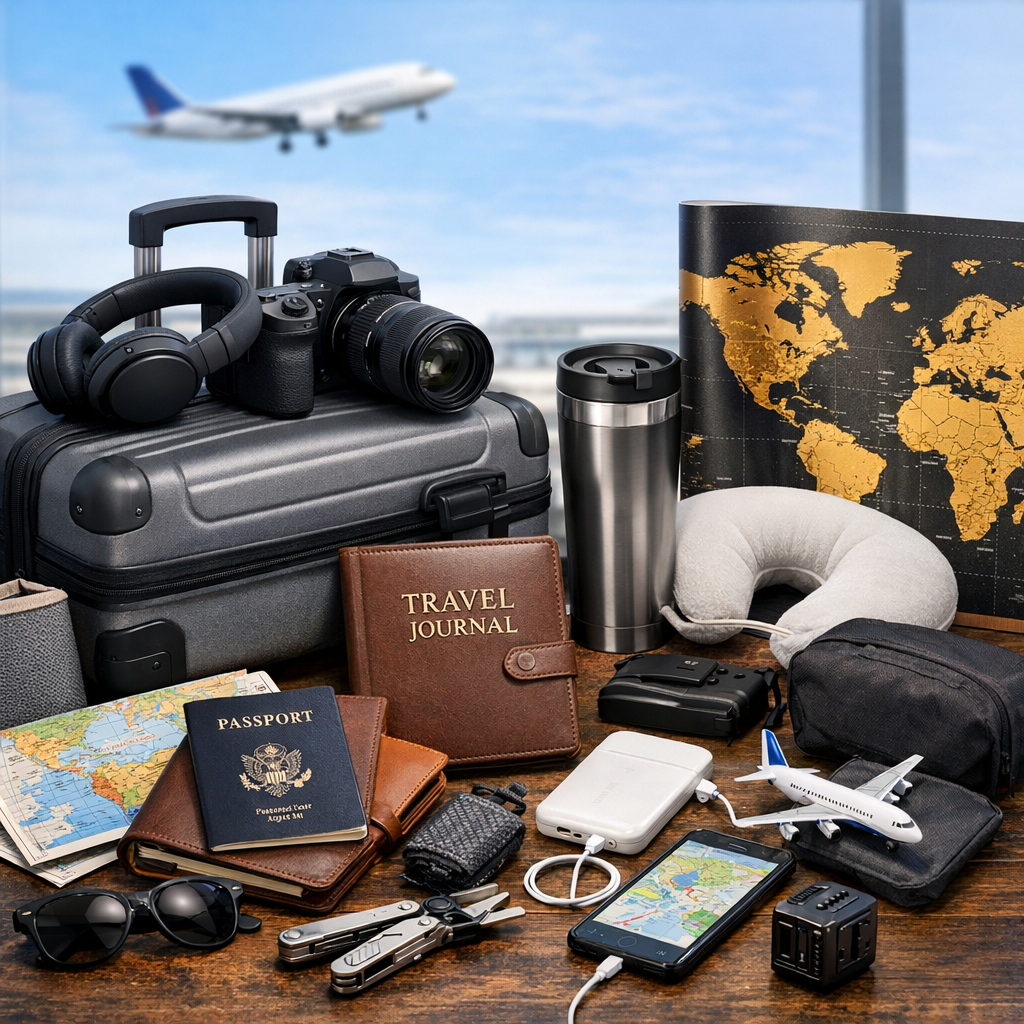
Making a checklist of must-have travel items makes it easy to pack and get ready. It makes traveling fun and uncomplicated.
4. Hyper-Personalization
Leveraging data-driven insights could allow for hyper-personalized travel experiences. Customizable itineraries enable travelers to choose activities and accommodations that appeal, and satisfaction skyrockets. There’s a lot of technology involved. Real-time updates and recommendations make the experience that much better.
With feedback from travelers driving constant refinement of personalization, it’s more likely that their needs will be taken care of.
5. Purposeful Quests
Travelers are increasingly intentional in their approach to travel, seeking experiences that align with specific goals such as self-discovery, thrill-seeking, or immersion in local traditions. Pursuing experiences that fit your values feels more fulfilling. Doing some volunteer work or community projects while on trips can make a positive difference, giving added depth to the experience.

These kinds of reflections on travel help travelers make sense of their experiences and what they gained from the journey.
Why We Seek Simplicity

Our pursuit of simplicity in travel arises from a universal impulse to cut through the confusion of life. In the midst of the chaos of 21st century life, adventurers crave moments where they can rediscover themselves and their surroundings. This is what makes the nostalgia factor popular.
Nostalgic Retreats
A lot of us geeks like to visit places that remind us of our childhoods because it just feels good. Common favorites could be family vacation destinations or locations associated with major life moments. Digging some of the old traditions like local festivals or craft workshops can intensify the nostalgia. Exploring the ruins of history enhances the journey and links travelers to their roots.
It’s sharing tales of these adventures with fellow voyagers that builds camaraderie. This passage of memories can improve travel, making it more significant and fulfilling.
Digital Detoxes
Logging off becomes a necessity for some so that wanderers can be present in the moment. Wellness retreats emphasizing mindfulness offer a chance for self-reflection free from the noise of the digital world. Travel schedules that highlight in-person interactions contribute to these authentic bonds, making the experience that much more rewarding.
Nature-based activities, like hiking or yoga retreats, encourage relaxation and rejuvenation. They offer a simple route to lucid calm and remind us of the value of presence and connection to our surroundings.
Slow Travel
Slow travel makes you want to stay longer in fewer places, so you can really explore them. This focuses on local experiences, such as cooking classes or tours that provide a cultural connection. Taking time to appreciate surroundings encourages reflection and mindfulness, enriching the travel experience.

Benefits of slow travel include:
- Improved mental health and emotional well-being
- Greater satisfaction with travel experiences
- Deeper connections with local communities
- Enhanced appreciation of cultural heritage
The growth of “whycations” instead of outright vacations resonates with this movement. Travelers care about culture and frequently organize trips by authors or eras. This no frills style of roaming left room for real contact with the world and emphasizes simplicity as a worthy aspiration in the contemporary travel scene.
How Technology Enhances Authenticity
About: Technology makes travel real. It offers technologies and platforms that assist travelers in engaging with destinations, cultures, and communities in ways that were not possible before.
Seamless Logistics
Travel logistics have been smoothed out by the wonders of technology. Easy-to-use booking platforms make trip planning a breeze, enabling travelers to book everything from flights to accommodations in one convenient location. Real-time travel conditions are convenient, letting travelers know about any delays or changes on the fly.
Working with local services helps transition between activities and accommodations seamlessly. By linking up with local guides or transport services, travelers can have a more seamless experience. Mobile apps complement this by delivering immediate access to travel details, maps, and resources anywhere, anytime, keeping travelers always connected.
Immersive Realities
Immersive technologies such as AR and VR present novel avenues to interact with travel locations. AR experiences can give you a cultural insight by allowing you to take a tour of ancient ruins with interactive content. Consider how VR lets users take virtual tours, sampling destinations and activities before committing.
Here’s a quick look at some immersive realities technologies used in travel storytelling:
Technology | Description |
|---|---|
Augmented Reality | Enhances real-world environments with digital overlays. |
Virtual Reality | Offers immersive experiences that simulate real-life locations. |
360-degree Video | Provides panoramic views of destinations, allowing exploration from home. |
Gamification | Engages users through challenges and rewards in travel experiences. |
As gamification can immerse travelers in a destination’s culture, it enriches their journey.
AI-Powered Curation
AI is now at the forefront of customizing travel. Using travelers’ preferences, algorithms can recommend customized itineraries that appeal to a particular user’s interest. Machine learning allows us to anticipate travel trends and allows companies to adjust their offerings.
AI chatbots can be used to enhance the customer experience by offering immediate support and personalized suggestions, connecting travelers with secrets. Collaborations with technology firms continue to disrupt travel, featuring futuristic solutions that enable globetrotters to connect more genuinely with localities.
The New Age of Wellness

Travel in 2026 is becoming more about wellness, showcasing a trend toward seeking out mind-body nurturing experiences. This pivot inspires globetrotters to focus more on wellness, discovering locations and experiences that cultivate both physical and spiritual health.
Mindful Escapes
Vacationers are demanding mindful-minded agendas from meditation to yoga during their getaways. These holistic experiences offer more than just relaxation; they’re an opportunity to refresh your mind. Places such as Bali or Costa Rica are getting a reputation for their peaceful settings and wellness retreats, providing an ideal scenery for personal healing. Wellness trip intentions help maximize these benefits by providing travelers with a way to center their journeys around health and healing.
Nothing is more crucial than self-care on vacation, when you’re trying to disconnect from the noise of day-to-day life. By underlining this facet, travelers are more inclined to participate in activities that promote relaxation. Think spa treatments or silent contemplation. By cultivating this attitude, vacationers come home revitalized and more zen.
Nature Immersion
Nature Immersion The New Age of Wellness About It’s becoming an inseparable part of wellness tourism. Green travel is here, where you can immerse yourself in nature. Hiking, kayaking, or wildlife observation, these experiences enhance appreciation for the environment and contribute to mental well-being. The mental health benefits of time outside include less stress, better mood, and more creativity, and these benefits are well studied.
Itineraries through national parks or protected areas provide this type of immersive experience that cultivates a groundedness and earth connection. Take, for example, diving into Yellowstone or the Great Barrier Reef, which not only highlights nature’s beauty but promotes mindfulness and gratitude.
Transformative Retreats
Transformative retreats are personal development and creativity retreats that help people have meaningful travel experiences. Working with wellness professionals for transformative workshops and sessions is essential. Reflecting on these voyages assists voyagers in charting future growth.
Highlights of transformative retreats might include:
- Guided meditation sessions in tranquil settings
- Workshops on creativity and expression
- Spiritual growth activities like yoga or nature walks
- Community-building exercises that foster connection among participants
These retreats linger, pushing you to accept the winds of change and become a new improved version of yourself.
Exploring with Intention
As travelers seek deeper connections with their destinations, three trends emerge: exploring ancestral roots, engaging in skill-based trips, and practicing regenerative travel, all of which provide different ways that travelers can make their travel reflect their own value systems and simultaneously impact the world in a positive way.
Ancestral Roots
More travelers are intentionally seeking out travel experiences that prioritize family history and cultural heritage. I made sure to immerse myself in the local traditions, which pays tribute to my ancestral connections and enhances my travels. The resources are available so that travelers can explore genealogy and organize purposeful explorations. There’s something deeply emotional about exploring your roots, something that gives a person a sense of belonging.
- Research family history online or through local archives.
- Plan visits to ancestral homelands or significant cultural sites.
- Participate in local festivals or ceremonies that celebrate heritage.
- Connect with local historians or genealogists for guided insights.
Skill-Based Trips
According to the report, skill-based trips are on the rise as travelers pursue practical experience. Workshops and classes can instruct new skills connected to the local culture, like pottery in Mexico or cooking in Italy. These are experiences that build pride and reinforce attachment to place. Working alongside local craftsmen and specialists, visitors receive genuine hands-on lessons that profoundly enhance their journey.
Traveling is no longer sightseeing; it’s growth. By focusing on skills, travelers come back with new abilities and stories to tell.
Regenerative Impact
Regenerative travel practices are crucial for sustainable tourism. Intentional Wanderlust is where travelers seek out experiences that benefit local communities and ecosystems. Engaging in conservation work or community projects while you travel can make a big difference. Sustainable-focused destinations, like eco-lodges or community-based tourism, are appealing to mindful travelers.
The long-term impact of travel choices is an increasing concern. Travelers are caring more about how they impact the planet and demanding a more responsible and regenerative approach to tourism.
The Future of Destinations

With world travel expanding, here’s what we can expect for the future of destinations. These are some focal points.
Emerging Hubs
Destinations of the future Tbilisi, Georgia, and Medellín, Colombia, are emerging as rising stars for intrepid travelers. Tbilisi has an incredible mix of old and new with awe-inspiring architecture and lively arts. Meanwhile, Medellín, once marred by turmoil, has reinvented itself as an innovation center that celebrates its culture with festivals and public art.
Travelers are seeking destinations featuring distinct cultural and natural attractions. From the breathtaking Azores in Portugal to the epicurean culture of Siem Reap, Cambodia, these rising destinations appeal to all tastes. Social media’s ascent as wanderers post their finds entices others to venture off the trail.
Community-Led Tourism
Community-led tourism initiatives put locals in the driver’s seat and make for a better visitor experience. Take Bhutan, for instance, where local guides trade their expertise in culture and traditions, enabling travelers to immerse themselves in genuine experiences. Such efforts can bond visitors and inhabitants with each other and create a sense of reciprocity and respect.
There is the advantage of supporting local economies with community-led tourism. When visitors lodge in locally-owned inns or eat in family-run bistros, they are directly supporting the community’s welfare. Popular projects, such as the community-run tours in Peru, have demonstrated how local engagement can provide unique enriching experiences for travelers.
Climate-Resilient Itineraries
Trippers are taking a page from Greta Thunberg and making greener choices. Take Costa Rica for example, which has been at the forefront of sustainable tourism for years. It offers eco-lodges and conservation initiatives that attract eco-minded travelers.
As we look to the future of destinations, it’s important for travelers to be mindful of their ecological footprint. By backing destinations that go green, like Iceland’s geothermal energy, tourists support climate resilience.
Pioneering tourism practices like carbon offset programs and zero-waste initiatives are emerging. These behaviors incentivize travelers to reward destinations focused on environmental care.
Conclusion
Global travel trends: 2026 is redefining tourism. Travelers want easy, real experiences. Technology is part of the equation, rendering experiences more authentic and attainable. Purposeful travel influences decisions, with individuals seeking meaningful experiences instead of just tourist attractions. Destinations evolve alongside these trends, cultivating environments that nurture wellness and authentic connections.
By understanding these changes, both travelers and businesses can prepare for the future. Embracing these trends can make your journeys richer and more fulfilling. Keep up and get out there to experience one or more of these hot global travel trends. Think about your upcoming journey and how these changes can transform your travel experience.
Frequently Asked Questions
What are the main travel trends for 2026?
Here’s what to expect in 2026: simplicity, technology-enhanced authenticity, wellness and intentional travel, and shifting destination trends. These trends signify a movement towards travel that is richer in purpose and more responsible.
How is technology changing the way we travel?
Technology augments travel through personalization, communication, and access to information. From AI to handy apps, tools assist travelers in planning and navigating their trips efficiently.
Why is wellness tourism gaining popularity?
Wellness tourism is on the rise as travelers seek rejuvenation. They find it in retreats and experiences that encourage relaxation, mindfulness, and well-being, which becomes an integral part of their travel.
What does “traveling with intention” mean?
Traveling with intention means being deliberate about where, how, and why we travel. It highlights engagement with local cultures, embracing sustainability, and pursuing meaningful experiences.
How are destinations evolving in 2026?
Destinations are embracing sustainability, authenticity, and community engagement. Travelers continue to lean towards destinations that provide something special and maintain a focus on conservation.
How does simplicity play a role in travel?
Simple travel equals less stress and hassle. They’re looking for uncomplicated trips and moments that enable them to concentrate on having fun and bonding instead of organizing and strategizing.
What can travelers expect from the future of tourism?
Here comes the future of tourism, with a mix of technology, sustainability, and personal fulfillment. Anticipate increasingly customized experiences, prioritization of wellness, and an emphasis on meaningful immersion in destinations.