
Table of Contents
- Emergency Travel Plans: What You Need Now
- Preparing for Emergency Travel Before Departure
- Preparing for Emergency Travel Before Departure
- Understanding Emergency Travel Services Capabilities
- Preparing for Emergency Travel Before Departure: Your International Travel Checklist
- International Travel Checklist Essentials
- Travel Risk Management and Security Updates
- Frequently Asked Questions About Emergency Travel Planning
Emergency Travel Plans: What You Need Now
International travel requires meticulous preparation. You must consider potential emergencies. Being stranded abroad demands immediate action and a robust contingency plan.

Proactive measures are non-negotiable for your safety and peace of mind. This comprehensive safety plan from trafels.com provides expert-level guidance on emergency travel assistance and travel risk management.
Preparing for Emergency Travel Before Departure
The U.S. Department of State strongly recommends enrolling in the Smart Traveler Enrollment Program (STEP program). This free service allows U.S. citizens and nationals traveling abroad to enroll their trip with the nearest U.S. Embassy or Consulate.
Preparing for Emergency Travel Before Departure
The most effective emergency travel plan begins long before you depart. Proactive measures are non-negotiable for your safety and peace of mind. This involves meticulous travel planning, documenting key information, and making smart travel choices.
Suzanne Morrow, CEO of InsureMyTrip, emphasizes this critical point. She notes that even small preparations significantly aid in unforeseen situations, especially when you find yourself stranded abroad.
Enrolling in the Smart Traveler Enrollment Program (STEP)
The U.S. Department of State strongly recommends enrolling in the Smart Traveler Enrollment Program, widely known as STEP. This free service is a vital component of any international travel checklist, providing critical security alerts and updates directly to you.

Morrow states that registering with the STEP program allows instant access to essential security updates. This is crucial during crises, facilitating immediate embassy contact and consular assistance if needed. It’s a fundamental aspect of effective travel risk management.
Sharing Your Trip Itinerary and Emergency Contacts
Always inform trusted friends, family, or colleagues about your detailed travel itinerary. Provide specifics of your destinations, accommodations, expected return dates, and crucial emergency contacts. This is a fundamental travel safety tip.
James Henderson, a recognized travel expert, highlights the importance of sharing your travel details. This facilitates quick assistance and allows your network to act swiftly if an emergency arises, ensuring a robust travel contingency plan.
Making and Safeguarding Travel Document Copies
Create backup copies of all essential travel documents. This includes your passport, any required visas, and necessary prescriptions. This is a critical step in preparing for any emergency travel assistance scenario.
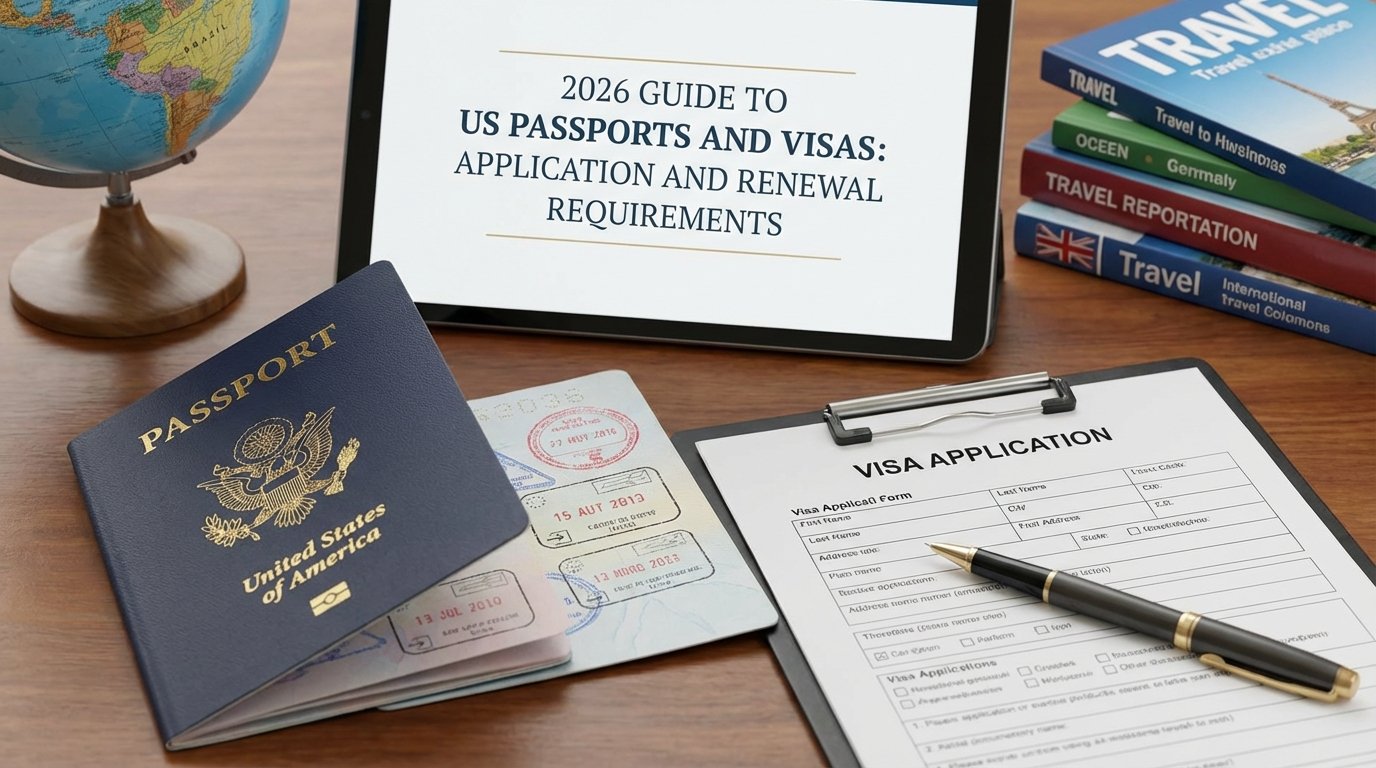
Scan these travel documents or take clear photographs. Store them digitally on secure cloud services and keep physical copies separate from the originals. Henderson notes these small preparations, such as having passport copies, can be life-saving if your originals are lost or stolen while abroad.
Saving Key Emergency Phone Numbers
Program crucial emergency phone numbers into your smartphone before you leave. Include the U.S. Department of State’s 24/7 helpline numbers for immediate consular information and support.
From abroad, the number is 1-202-501-4444. From the United States, call 1-888-407-4747. These numbers provide direct access to consular assistance, which is vital for any American citizen facing an emergency overseas, whether in Mexico or Israel.
Downloading Essential Travel and Security Applications
Install vital communication and security applications on your smartphone. WhatsApp is highly recommended for international communication due to its widespread use and end-to-end encryption, especially when traveling to places like Jalisco or Puerto Vallarta.
Follow the U.S. Department of State’s safety updates channels. Configure emergency contacts on your iPhone or Android device for rapid access. These apps can provide security updates and shelter-in-place guidance during a travel advisory.
Booking Flexible and Refundable Travel Arrangements
Prioritize flexibility when making travel arrangements. Opt for refundable airfare and hotel cancellation policies. This is a cornerstone of smart travel planning and travel risk management.
This allows for full refunds or easy changes in case of unexpected disruptions, flight cancellations, or personal emergencies. Flexible travel plans are a key component of a robust travel contingency plan, providing peace of mind.
Investing in Travel Insurance with Emergency Support
Travel insurance is a critical component of any emergency travel plan. Choose plans offering 24/7 emergency travel assistance, covering everything from emergency evacuation to repatriation flights.

Morrow suggests considering “Cancel for Any Reason” (CFAR) coverage, which reimburses 50-75% of prepaid costs. “Interrupt for Any Reason” (IFAR) coverage is also valuable for trip cancellations or early departures, offering crucial financial protection during unforeseen events.
Expert Insight
“The most important ethical question is not what one does in a moment of crisis, but rather the duty we have to anticipate certain types of crises and prevent them through preparation and knowledge.” , Rand Cohen, Emergency Management Specialist
Understanding Emergency Travel Services Capabilities
Emergency travel assistance services provide immediate aid during crises. These services extend beyond standard travel insurance, offering real-time crisis management when every second counts.
Companies like Healix International specialize in these rapid response services, ensuring you are never truly stranded abroad. They are a critical component of any robust travel contingency plan.
Role of Emergency Travel Assistance in Crisis Management
Emergency travel assistance providers manage complex situations. This includes medical emergencies, security threats, and logistical challenges during international travel.
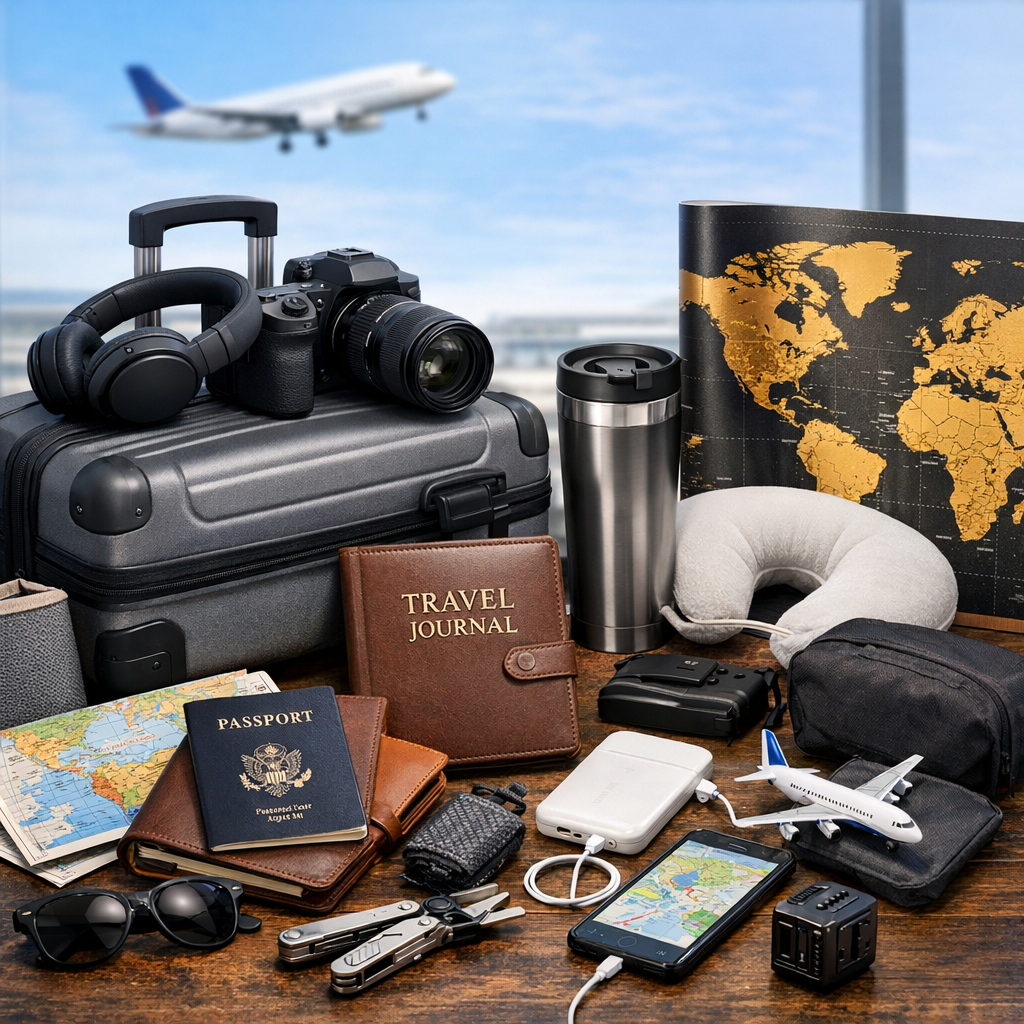
They offer vital medical referrals, emergency evacuation services, and hospital payment guarantees. They also provide crucial security support, such as evacuation from dangerous areas like Mexico or Israel, and real-time security updates and threat alerts.
Logistical help often includes lost passport assistance, emergency cash, and translation services. Their global coverage ensures local expertise in over 150 countries, offering invaluable consular assistance when you need it most.
Suzanne Morrow, CEO of InsureMyTrip, consistently emphasizes the importance of these services. “The best time to prepare for getting stranded abroad is before you ever leave home,” she states. “Small preparations like understanding your emergency travel assistance can significantly aid in emergency situations.” This aligns perfectly with a proactive approach to travel risk management.
Preparing for Emergency Travel Before Departure: Your International Travel Checklist
The most effective emergency travel plan begins long before you depart. Proactive measures are non-negotiable for your safety and peace of mind. This involves meticulous travel planning, documenting key information, and making smart travel choices. James Henderson, a seasoned travel risk expert, often highlights that foresight is your greatest ally when facing unforeseen circumstances during international travel.
Enrolling in the Smart Traveler Enrollment Program (STEP)
The U.S. Department of State strongly recommends registering with the Smart Traveler Enrollment Program (STEP). This free service allows U.S. citizens and nationals traveling and living abroad to receive important security updates and makes it easier for the nearest U.S. embassy or consulate to contact you in an emergency.
Suzanne Morrow of InsureMyTrip underscores its value: “Registering with the STEP program allows instant access to critical security updates, which is crucial during crises like political unrest in Iran or natural disasters in Jalisco, Mexico.” It’s an essential part of your travel safety tips and a key element of comprehensive travel risk management.
Sharing Your Trip Itinerary and Emergency Contact Information
Before any international travel, inform friends, family, or colleagues about your detailed itinerary and contact information. This includes flight numbers, hotel names, and expected dates of return. James Henderson emphasizes, “Sharing your travel details facilitates quick assistance if needed, especially if you become stranded abroad or face flight cancellations.”
Having a designated emergency contact who knows your whereabouts is a fundamental travel safety tip. This person should also have copies of your important travel documents, including passport copies and visa requirements.
Making and Safeguarding Document Copies
Creating backup copies of your essential travel documents is non-negotiable. This includes your passport, visas, driver’s license, and prescriptions. Scan or photograph these documents and store them securely online (e.g., in a cloud service) and as physical copies separate from the originals. Henderson advises, “Small preparations like having digital and physical passport copies can significantly aid in emergency situations, particularly if your original travel documents are lost or stolen.”
This simple act can drastically reduce the time and stress involved in obtaining consular assistance if you lose your passport in Puerto Vallarta or any other international destination. Include your International Travel Checklist in this process.
Saving Key Emergency Phone Numbers
Before you depart, save critical emergency phone numbers directly into your mobile phone and write them down in a secure, accessible location. This includes the U.S. Department of State’s 24/7 helpline numbers: from abroad, dial 1-202-501-4444, and from the U.S., call 1-888-407-4747. Also, include local emergency services for your destination, such as Guadalajara, Mexico.
These numbers are crucial for quick access during crises, providing a direct line to consular assistance and vital security updates. Don’t forget to include emergency contacts for your travel insurance provider, like InsureMyTrip, and any emergency travel assistance services.
Downloading Essential Travel and Security Apps
Modern technology offers powerful tools for travel safety. Install essential communication apps like WhatsApp on your iPhone or Android device to stay connected internationally. Also, follow the State Department’s safety updates channels and set up emergency contacts on your smartphone.
These apps can provide real-time travel advisory alerts, security updates, and shelter-in-place guidance, enhancing your overall travel risk management strategy. They are vital for communicating with family and for receiving critical information if you find yourself stranded abroad.
Booking Flexible and Refundable Travel Arrangements
Building flexibility into your travel plans is a smart travel choice. Opt for refundable airfare and hotels with generous cancellation policies. This allows for full refunds or easy modifications in case of emergencies, unexpected disruptions, or changes to entry requirements or visa requirements.
Suzanne Morrow of InsureMyTrip notes, “Flexible travel plans are invaluable. They offer peace of mind, knowing you can adjust without significant financial loss if you need to return to the United States or Canada unexpectedly.” This strategy is crucial for mitigating financial risks associated with flight cancellations or unforeseen events.
Investing in Travel Insurance with Emergency Support
Comprehensive travel insurance with robust emergency support is non-negotiable for international travel. Look for plans that include 24/7 emergency assistance, emergency evacuation, and medical repatriation flights. These services go far beyond standard coverage, offering critical aid during severe medical emergencies or security threats.
Morrow specifically recommends adding “Cancel for Any Reason” (CFAR) coverage, which typically reimburses 50-75% of prepaid, non-refundable costs, and “Interrupt for Any Reason” (IFAR) coverage for trip cancellations or early departures. This level of coverage is paramount for effective travel risk management and ensuring you are not left stranded abroad without support.
Expert Insight
“Standard policies often exclude civil unrest or airspace closures, making ‘Cancel For Any Reason’ (CFAR) coverage a non-negotiable tool for effective risk management and ensuring you are not left stranded without financial support.” , Travel Risk Specialist
International Travel Checklist Essentials
Check your passport’s validity well in advance. Many countries, especially in Europe, require passports to be valid for at least six months beyond your planned travel dates. Ensure all your travel documents, including visas, are current and secure. This simple step is a cornerstone of effective travel planning.
Travel Risk Management and Security Updates
Staying informed about local laws and customs is vital for your safety. Always prioritize security updates from official sources for reliable travel safety tips.
The U.S. Department of State provides detailed consular information and security updates for all countries. For instance, Mexico, Israel, and Iran have recently experienced elevated travel advisories due to regional conflicts, impacting travel planning.
For example, violence escalated in Jalisco, Mexico, affecting tourist areas like Puerto Vallarta and Guadalajara. Being aware of such situations allows you to modify travel plans or seek shelter-in-place guidance, emphasizing the need for flexible travel plans.
Preparing for Emergency Travel Before Departure
Proactive travel planning is non-negotiable for emergency preparedness. Before any international journey, you must enroll in programs like the Smart Traveler Enrollment Program (STEP), share your travel itinerary, make document copies, save emergency numbers, and download essential apps.
Enrolling in the Smart Traveler Enrollment Program (STEP)
The U.S. Department of State strongly recommends registering with the Smart Traveler Enrollment Program (STEP). This free service allows U.S. citizens and nationals traveling and living abroad to receive important security updates from the nearest U.S. Embassy or Consulate.
As Suzanne Morrow, a travel security expert, emphasizes, enrolling in the STEP program provides instant access to security updates, which is crucial during crises. It also facilitates contact from the U.S. Embassy or Consulate in an emergency, offering consular assistance if you become stranded abroad.
Sharing Your Trip Itinerary and Contact Information
Always inform friends, family, or colleagues about your travel itinerary and contact information before departing. This simple step is a critical component of your travel contingency plan.
James Henderson, another prominent travel safety advocate, highlights that sharing your travel details ensures someone knows your whereabouts, facilitating quick assistance if an emergency arises or if you require emergency travel assistance.
Making and Safeguarding Document Copies
Creating backup copies of essential travel documents, such as your passport, visa requirements, and prescriptions, is a fundamental travel risk management strategy. Scan or photograph these documents and store them securely online (e.g., in a cloud service) and as physical copies separate from the originals.
Henderson notes that small preparations like these, including keeping passport copies, can significantly aid in emergency situations, especially if your original travel documents are lost or stolen.
Saving Key Emergency Phone Numbers
Save the U.S. Department of State’s 24/7 helpline numbers on your phone for quick access during crises. From abroad, dial 1-202-501-4444. From the United States, call 1-888-407-4747. These emergency contacts are vital for consular assistance and emergency evacuation.
Downloading Essential Travel and Security Apps
Install essential travel and security apps on your iPhone or Android device. WhatsApp is widely used for international communication. Additionally, follow the U.S. Department of State’s safety updates channels and set up emergency contacts on your smartphone. Many top-ranking competitors, like Reader’s Digest, recommend these steps for enhanced travel safety tips.
Booking Flexible and Refundable Travel Arrangements
Build flexibility into your travel plans by choosing refundable airfare and hotels with generous cancellation policies. This approach allows for full refunds in case of emergencies, flight cancellations, or unexpected disruptions, ensuring your travel contingency plan remains robust.
Always check hotel cancellation policies and refundable airfare options to maintain flexible travel plans, a key aspect of effective travel risk management.
Investing in Travel Insurance with Emergency Support
Investing in comprehensive travel insurance is crucial for international travel. Look for plans that offer 24/7 emergency travel assistance, emergency evacuation, and medical coverage. InsureMyTrip and Healix International are reputable providers offering such services.
Morrow recommends considering “Cancel for Any Reason” (CFAR) coverage, which reimburses 50-75% of prepaid, non-refundable costs if you cancel your trip for reasons not typically covered. “Interrupt for Any Reason” (IFAR) coverage can also be invaluable for trip cancellations or early departures, offering critical support if you find yourself stranded abroad.
Frequently Asked Questions About Emergency Travel Planning
Understanding the intricacies of emergency travel assistance and proactive travel risk management is paramount for any international traveler. Here, we address some of the most common questions to help you build a robust travel contingency plan and ensure your safety and peace of mind while stranded abroad.
What is the Smart Traveler Enrollment Program (STEP)?
The Smart Traveler Enrollment Program, or STEP, is a free service provided by the U.S. Department of State. It allows U.S. citizens and nationals traveling and living abroad to enroll their trip details with the nearest U.S. Embassy or Consulate. This critical program ensures you receive security alerts and helps the U.S. Embassy or Consulate contact you or your emergency contacts in the event of an emergency.
Suzanne Morrow, a recognized travel safety expert, emphasizes the importance of registering with STEP to receive real-time security updates, which are crucial during crises. This proactive measure is a non-negotiable part of your international travel checklist, offering direct access to vital consular assistance when you need it most.
Why is travel insurance important for emergency travel plans?
Travel insurance, particularly plans with robust emergency support, is crucial for comprehensive emergency travel assistance. It can cover significant costs related to medical emergencies, emergency evacuation, lost luggage, and trip cancellations. Policies like “Cancel for Any Reason” (CFAR) and “Interrupt for Any Reason” (IFAR) provide substantial financial protection against unforeseen events, including flight cancellations or changes in travel advisory levels.
Investing in comprehensive travel insurance is a cornerstone of effective travel planning. Morrow highlights that CFAR coverage can reimburse 50-75% of prepaid, non-refundable costs, while IFAR protects you if you need to cut your trip short. For instance, if a sudden escalation of regional conflicts in Mexico or Israel leads to an emergency evacuation, having this coverage through providers like InsureMyTrip or Healix International can be invaluable.
What should I do if my passport is lost or stolen abroad?
If your passport is lost or stolen while traveling internationally, immediately contact the nearest U.S. Embassy or Consulate. You will need copies of your passport and other identification documents, such as your visa requirements or entry requirements, which is why making and safeguarding document copies before travel is so important. They can assist you in applying for an emergency passport, a critical step to avoid being stranded abroad.
James Henderson, a frequent international traveler, notes that small preparations like having digital and physical copies of your travel documents can significantly aid in emergency situations. Ensure you have these passport copies stored securely, separate from your original documents, and accessible via cloud storage or a trusted emergency contact.
How can I stay informed about security updates while traveling?
Staying informed about security updates and local laws and customs is vital for your travel safety. Enroll in the Smart Traveler Enrollment Program (STEP) to receive alerts directly from the U.S. Department of State. Regularly monitor the U.S. Department of State’s Travel Advisory website for the latest updates on countries like Iran, Mexico (specifically regions like Jalisco, Puerto Vallarta, and Guadalajara), and Canada.
Additionally, download essential travel and security apps, and follow official government social media channels for real-time security updates. Setting up emergency contacts on your iPhone or Android smartphone and utilizing communication apps like WhatsApp can further enhance your ability to receive critical information and communicate during a crisis, ensuring you are prepared for any travel risk management scenario.
Preparing for Emergency Travel Before Departure
Proactive measures are non-negotiable for your safety and peace of mind during international travel. Before you depart, ensure you enroll in the Smart Traveler Enrollment Program (STEP program), share your comprehensive travel itinerary, and make multiple copies of all essential travel documents. Suzanne Morrow strongly recommends these steps to receive real-time security updates and facilitate prompt embassy contact in emergencies.
This preparation forms a crucial part of your international travel checklist, helping you navigate potential emergencies such as flight cancellations or unexpected changes in entry requirements. A well-thought-out travel contingency plan, including these initial steps, can significantly mitigate risks and provide you with essential emergency travel assistance.
Sharing Trip Itinerary and Contact Information
Before any international travel, it is imperative to inform trusted friends, family, or colleagues about your detailed trip itinerary and contact information. James Henderson emphasizes that sharing your travel details facilitates quick assistance if you encounter unexpected disruptions or find yourself stranded abroad. This includes flight numbers, hotel cancellation policies, and any planned excursions.
Ensure your emergency contacts have access to your travel documents, passport copies, and a clear understanding of your flexible travel plans. This simple step can be a lifeline, enabling your network to alert the U.S. Department of State or initiate consular assistance on your behalf if you become unreachable.
Making and Safeguarding Document Copies
Creating and safeguarding backup copies of critical travel documents, including your passport, visa requirements, and prescriptions, is a fundamental aspect of travel risk management. Whether you scan them, take photographs, or both, these copies are invaluable if your originals are lost or stolen.
Henderson notes that these small preparations, such as having digital copies accessible via cloud storage and physical copies stored separately from your originals, can significantly aid in emergency situations. This ensures that even if you face an issue with your original travel documents, you have immediate access to the information needed for replacement and continued travel safety.
Saving Key Emergency Phone Numbers
Having immediate access to critical emergency phone numbers is paramount for effective emergency travel assistance. Save the U.S. Department of State’s 24/7 helpline numbers: from abroad, dial 1-202-501-4444, and from the U.S., dial 1-888-407-4747. These numbers provide direct access to consular information and support during crises, whether you are in Mexico, Israel, or any other country.
Ensure these numbers are saved in your phone (both iPhone and Android), written down in a secure location, and shared with your emergency contacts. This ensures that in the event of an emergency, you or your loved ones can quickly reach out for essential security updates and assistance.
Downloading Essential Travel and Security Apps
Leverage technology to enhance your travel safety. Travelers are strongly encouraged to install essential communication apps like WhatsApp and to follow the U.S. Department of State’s official channels for safety updates. These apps provide real-time security updates and facilitate communication, especially when dealing with local laws and customs or navigating a travel advisory.
Additionally, setting up emergency contacts on your smartphone and understanding how to quickly access emergency services on your device can significantly enhance your personal security and provide rapid access to emergency travel assistance during any unforeseen event.
Booking Flexible and Refundable Travel Arrangements
Building flexibility into your travel plans is a crucial component of a robust travel contingency plan. By choosing refundable airfare and hotels with generous cancellation policies, you provide yourself with significant financial protection against unexpected disruptions or changes in a travel advisory.
Competitors consistently highlight that flexible travel plans allow for full refunds in case of emergencies, flight cancellations, or other unforeseen events. This strategic approach minimizes financial losses and provides peace of mind, allowing you to adapt quickly to changing circumstances without being stranded abroad or incurring significant penalties.
Investing in Travel Insurance with Emergency Support
Comprehensive travel insurance is not merely an option; it is a critical investment for any international traveler. Plans with 24/7 emergency assistance, such as those offered by InsureMyTrip or Healix International, are essential for addressing medical emergencies, emergency evacuation, and other unforeseen events.
Suzanne Morrow specifically recommends adding “Cancel for Any Reason” (CFAR) and “Interrupt for Any Reason” (IFAR) coverage. CFAR can reimburse 50-75% of your prepaid, non-refundable costs if you cancel your trip for any reason, while IFAR provides coverage if you need to depart early. This level of protection is vital for managing travel risk and ensuring you have the necessary support if your plans are disrupted.
References
Table of Contents
- Emergency Travel Plans: What You Need Now
- Preparing for Emergency Travel Before Departure
- Preparing for Emergency Travel Before Departure
- Understanding Emergency Travel Services Capabilities
- Preparing for Emergency Travel Before Departure: Your International Travel Checklist
- International Travel Checklist Essentials
- Travel Risk Management and Security Updates
- Frequently Asked Questions About Emergency Travel Planning
Emergency Travel Plans: What You Need Now
International travel requires meticulous preparation. You must consider potential emergencies. Being stranded abroad demands immediate action and a robust contingency plan.
Proactive measures are non-negotiable for your safety and peace of mind. This comprehensive safety plan from trafels.com provides expert-level guidance on emergency travel assistance and travel risk management.
Preparing for Emergency Travel Before Departure
The U.S. Department of State strongly recommends enrolling in the Smart Traveler Enrollment Program (STEP program). This free service allows U.S. citizens and nationals traveling abroad to enroll their trip with the nearest U.S. Embassy or Consulate.
Preparing for Emergency Travel Before Departure
The most effective emergency travel plan begins long before you depart. Proactive measures are non-negotiable for your safety and peace of mind. This involves meticulous travel planning, documenting key information, and making smart travel choices.
Suzanne Morrow, CEO of InsureMyTrip, emphasizes this critical point. She notes that even small preparations significantly aid in unforeseen situations, especially when you find yourself stranded abroad.
Enrolling in the Smart Traveler Enrollment Program (STEP)
The U.S. Department of State strongly recommends enrolling in the Smart Traveler Enrollment Program, widely known as STEP. This free service is a vital component of any international travel checklist, providing critical security alerts and updates directly to you.
Morrow states that registering with the STEP program allows instant access to essential security updates. This is crucial during crises, facilitating immediate embassy contact and consular assistance if needed. It’s a fundamental aspect of effective travel risk management.
Sharing Your Trip Itinerary and Emergency Contacts
Always inform trusted friends, family, or colleagues about your detailed travel itinerary. Provide specifics of your destinations, accommodations, expected return dates, and crucial emergency contacts. This is a fundamental travel safety tip.
James Henderson, a recognized travel expert, highlights the importance of sharing your travel details. This facilitates quick assistance and allows your network to act swiftly if an emergency arises, ensuring a robust travel contingency plan.
Making and Safeguarding Travel Document Copies
Create backup copies of all essential travel documents. This includes your passport, any required visas, and necessary prescriptions. This is a critical step in preparing for any emergency travel assistance scenario.
Scan these travel documents or take clear photographs. Store them digitally on secure cloud services and keep physical copies separate from the originals. Henderson notes these small preparations, such as having passport copies, can be life-saving if your originals are lost or stolen while abroad.
Saving Key Emergency Phone Numbers
Program crucial emergency phone numbers into your smartphone before you leave. Include the U.S. Department of State’s 24/7 helpline numbers for immediate consular information and support.
From abroad, the number is 1-202-501-4444. From the United States, call 1-888-407-4747. These numbers provide direct access to consular assistance, which is vital for any American citizen facing an emergency overseas, whether in Mexico or Israel.
Downloading Essential Travel and Security Applications
Install vital communication and security applications on your smartphone. WhatsApp is highly recommended for international communication due to its widespread use and end-to-end encryption, especially when traveling to places like Jalisco or Puerto Vallarta.
Follow the U.S. Department of State’s safety updates channels. Configure emergency contacts on your iPhone or Android device for rapid access. These apps can provide security updates and shelter-in-place guidance during a travel advisory.
Booking Flexible and Refundable Travel Arrangements
Prioritize flexibility when making travel arrangements. Opt for refundable airfare and hotel cancellation policies. This is a cornerstone of smart travel planning and travel risk management.
This allows for full refunds or easy changes in case of unexpected disruptions, flight cancellations, or personal emergencies. Flexible travel plans are a key component of a robust travel contingency plan, providing peace of mind.
Investing in Travel Insurance with Emergency Support
Travel insurance is a critical component of any emergency travel plan. Choose plans offering 24/7 emergency travel assistance, covering everything from emergency evacuation to repatriation flights.
Morrow suggests considering “Cancel for Any Reason” (CFAR) coverage, which reimburses 50-75% of prepaid costs. “Interrupt for Any Reason” (IFAR) coverage is also valuable for trip cancellations or early departures, offering crucial financial protection during unforeseen events.
Expert Insight
“The most important ethical question is not what one does in a moment of crisis, but rather the duty we have to anticipate certain types of crises and prevent them through preparation and knowledge.” , Rand Cohen, Emergency Management Specialist
Understanding Emergency Travel Services Capabilities
Emergency travel assistance services provide immediate aid during crises. These services extend beyond standard travel insurance, offering real-time crisis management when every second counts.
Companies like Healix International specialize in these rapid response services, ensuring you are never truly stranded abroad. They are a critical component of any robust travel contingency plan.
Role of Emergency Travel Assistance in Crisis Management
Emergency travel assistance providers manage complex situations. This includes medical emergencies, security threats, and logistical challenges during international travel.
They offer vital medical referrals, emergency evacuation services, and hospital payment guarantees. They also provide crucial security support, such as evacuation from dangerous areas like Mexico or Israel, and real-time security updates and threat alerts.
Logistical help often includes lost passport assistance, emergency cash, and translation services. Their global coverage ensures local expertise in over 150 countries, offering invaluable consular assistance when you need it most.
Suzanne Morrow, CEO of InsureMyTrip, consistently emphasizes the importance of these services. “The best time to prepare for getting stranded abroad is before you ever leave home,” she states. “Small preparations like understanding your emergency travel assistance can significantly aid in emergency situations.” This aligns perfectly with a proactive approach to travel risk management.
Preparing for Emergency Travel Before Departure: Your International Travel Checklist
The most effective emergency travel plan begins long before you depart. Proactive measures are non-negotiable for your safety and peace of mind. This involves meticulous travel planning, documenting key information, and making smart travel choices. James Henderson, a seasoned travel risk expert, often highlights that foresight is your greatest ally when facing unforeseen circumstances during international travel.
Enrolling in the Smart Traveler Enrollment Program (STEP)
The U.S. Department of State strongly recommends registering with the Smart Traveler Enrollment Program (STEP). This free service allows U.S. citizens and nationals traveling and living abroad to receive important security updates and makes it easier for the nearest U.S. embassy or consulate to contact you in an emergency.
Suzanne Morrow of InsureMyTrip underscores its value: “Registering with the STEP program allows instant access to critical security updates, which is crucial during crises like political unrest in Iran or natural disasters in Jalisco, Mexico.” It’s an essential part of your travel safety tips and a key element of comprehensive travel risk management.
Sharing Your Trip Itinerary and Emergency Contact Information
Before any international travel, inform friends, family, or colleagues about your detailed itinerary and contact information. This includes flight numbers, hotel names, and expected dates of return. James Henderson emphasizes, “Sharing your travel details facilitates quick assistance if needed, especially if you become stranded abroad or face flight cancellations.”
Having a designated emergency contact who knows your whereabouts is a fundamental travel safety tip. This person should also have copies of your important travel documents, including passport copies and visa requirements.
Making and Safeguarding Document Copies
Creating backup copies of your essential travel documents is non-negotiable. This includes your passport, visas, driver’s license, and prescriptions. Scan or photograph these documents and store them securely online (e.g., in a cloud service) and as physical copies separate from the originals. Henderson advises, “Small preparations like having digital and physical passport copies can significantly aid in emergency situations, particularly if your original travel documents are lost or stolen.”
This simple act can drastically reduce the time and stress involved in obtaining consular assistance if you lose your passport in Puerto Vallarta or any other international destination. Include your International Travel Checklist in this process.
Saving Key Emergency Phone Numbers
Before you depart, save critical emergency phone numbers directly into your mobile phone and write them down in a secure, accessible location. This includes the U.S. Department of State’s 24/7 helpline numbers: from abroad, dial 1-202-501-4444, and from the U.S., call 1-888-407-4747. Also, include local emergency services for your destination, such as Guadalajara, Mexico.
These numbers are crucial for quick access during crises, providing a direct line to consular assistance and vital security updates. Don’t forget to include emergency contacts for your travel insurance provider, like InsureMyTrip, and any emergency travel assistance services.
Downloading Essential Travel and Security Apps
Modern technology offers powerful tools for travel safety. Install essential communication apps like WhatsApp on your iPhone or Android device to stay connected internationally. Also, follow the State Department’s safety updates channels and set up emergency contacts on your smartphone.
These apps can provide real-time travel advisory alerts, security updates, and shelter-in-place guidance, enhancing your overall travel risk management strategy. They are vital for communicating with family and for receiving critical information if you find yourself stranded abroad.
Booking Flexible and Refundable Travel Arrangements
Building flexibility into your travel plans is a smart travel choice. Opt for refundable airfare and hotels with generous cancellation policies. This allows for full refunds or easy modifications in case of emergencies, unexpected disruptions, or changes to entry requirements or visa requirements.
Suzanne Morrow of InsureMyTrip notes, “Flexible travel plans are invaluable. They offer peace of mind, knowing you can adjust without significant financial loss if you need to return to the United States or Canada unexpectedly.” This strategy is crucial for mitigating financial risks associated with flight cancellations or unforeseen events.
Investing in Travel Insurance with Emergency Support
Comprehensive travel insurance with robust emergency support is non-negotiable for international travel. Look for plans that include 24/7 emergency assistance, emergency evacuation, and medical repatriation flights. These services go far beyond standard coverage, offering critical aid during severe medical emergencies or security threats.
Morrow specifically recommends adding “Cancel for Any Reason” (CFAR) coverage, which typically reimburses 50-75% of prepaid, non-refundable costs, and “Interrupt for Any Reason” (IFAR) coverage for trip cancellations or early departures. This level of coverage is paramount for effective travel risk management and ensuring you are not left stranded abroad without support.
Expert Insight
“Standard policies often exclude civil unrest or airspace closures, making ‘Cancel For Any Reason’ (CFAR) coverage a non-negotiable tool for effective risk management and ensuring you are not left stranded without financial support.” , Travel Risk Specialist
International Travel Checklist Essentials
Check your passport’s validity well in advance. Many countries, especially in Europe, require passports to be valid for at least six months beyond your planned travel dates. Ensure all your travel documents, including visas, are current and secure. This simple step is a cornerstone of effective travel planning.
Travel Risk Management and Security Updates
Staying informed about local laws and customs is vital for your safety. Always prioritize security updates from official sources for reliable travel safety tips.
The U.S. Department of State provides detailed consular information and security updates for all countries. For instance, Mexico, Israel, and Iran have recently experienced elevated travel advisories due to regional conflicts, impacting travel planning.
For example, violence escalated in Jalisco, Mexico, affecting tourist areas like Puerto Vallarta and Guadalajara. Being aware of such situations allows you to modify travel plans or seek shelter-in-place guidance, emphasizing the need for flexible travel plans.
Preparing for Emergency Travel Before Departure
Proactive travel planning is non-negotiable for emergency preparedness. Before any international journey, you must enroll in programs like the Smart Traveler Enrollment Program (STEP), share your travel itinerary, make document copies, save emergency numbers, and download essential apps.
Enrolling in the Smart Traveler Enrollment Program (STEP)
The U.S. Department of State strongly recommends registering with the Smart Traveler Enrollment Program (STEP). This free service allows U.S. citizens and nationals traveling and living abroad to receive important security updates from the nearest U.S. Embassy or Consulate.
As Suzanne Morrow, a travel security expert, emphasizes, enrolling in the STEP program provides instant access to security updates, which is crucial during crises. It also facilitates contact from the U.S. Embassy or Consulate in an emergency, offering consular assistance if you become stranded abroad.
Sharing Your Trip Itinerary and Contact Information
Always inform friends, family, or colleagues about your travel itinerary and contact information before departing. This simple step is a critical component of your travel contingency plan.
James Henderson, another prominent travel safety advocate, highlights that sharing your travel details ensures someone knows your whereabouts, facilitating quick assistance if an emergency arises or if you require emergency travel assistance.
Making and Safeguarding Document Copies
Creating backup copies of essential travel documents, such as your passport, visa requirements, and prescriptions, is a fundamental travel risk management strategy. Scan or photograph these documents and store them securely online (e.g., in a cloud service) and as physical copies separate from the originals.
Henderson notes that small preparations like these, including keeping passport copies, can significantly aid in emergency situations, especially if your original travel documents are lost or stolen.
Saving Key Emergency Phone Numbers
Save the U.S. Department of State’s 24/7 helpline numbers on your phone for quick access during crises. From abroad, dial 1-202-501-4444. From the United States, call 1-888-407-4747. These emergency contacts are vital for consular assistance and emergency evacuation.
Downloading Essential Travel and Security Apps
Install essential travel and security apps on your iPhone or Android device. WhatsApp is widely used for international communication. Additionally, follow the U.S. Department of State’s safety updates channels and set up emergency contacts on your smartphone. Many top-ranking competitors, like Reader’s Digest, recommend these steps for enhanced travel safety tips.
Booking Flexible and Refundable Travel Arrangements
Build flexibility into your travel plans by choosing refundable airfare and hotels with generous cancellation policies. This approach allows for full refunds in case of emergencies, flight cancellations, or unexpected disruptions, ensuring your travel contingency plan remains robust.
Always check hotel cancellation policies and refundable airfare options to maintain flexible travel plans, a key aspect of effective travel risk management.
Investing in Travel Insurance with Emergency Support
Investing in comprehensive travel insurance is crucial for international travel. Look for plans that offer 24/7 emergency travel assistance, emergency evacuation, and medical coverage. InsureMyTrip and Healix International are reputable providers offering such services.
Morrow recommends considering “Cancel for Any Reason” (CFAR) coverage, which reimburses 50-75% of prepaid, non-refundable costs if you cancel your trip for reasons not typically covered. “Interrupt for Any Reason” (IFAR) coverage can also be invaluable for trip cancellations or early departures, offering critical support if you find yourself stranded abroad.
Frequently Asked Questions About Emergency Travel Planning
Understanding the intricacies of emergency travel assistance and proactive travel risk management is paramount for any international traveler. Here, we address some of the most common questions to help you build a robust travel contingency plan and ensure your safety and peace of mind while stranded abroad.
What is the Smart Traveler Enrollment Program (STEP)?
The Smart Traveler Enrollment Program, or STEP, is a free service provided by the U.S. Department of State. It allows U.S. citizens and nationals traveling and living abroad to enroll their trip details with the nearest U.S. Embassy or Consulate. This critical program ensures you receive security alerts and helps the U.S. Embassy or Consulate contact you or your emergency contacts in the event of an emergency.
Suzanne Morrow, a recognized travel safety expert, emphasizes the importance of registering with STEP to receive real-time security updates, which are crucial during crises. This proactive measure is a non-negotiable part of your international travel checklist, offering direct access to vital consular assistance when you need it most.
Why is travel insurance important for emergency travel plans?
Travel insurance, particularly plans with robust emergency support, is crucial for comprehensive emergency travel assistance. It can cover significant costs related to medical emergencies, emergency evacuation, lost luggage, and trip cancellations. Policies like “Cancel for Any Reason” (CFAR) and “Interrupt for Any Reason” (IFAR) provide substantial financial protection against unforeseen events, including flight cancellations or changes in travel advisory levels.
Investing in comprehensive travel insurance is a cornerstone of effective travel planning. Morrow highlights that CFAR coverage can reimburse 50-75% of prepaid, non-refundable costs, while IFAR protects you if you need to cut your trip short. For instance, if a sudden escalation of regional conflicts in Mexico or Israel leads to an emergency evacuation, having this coverage through providers like InsureMyTrip or Healix International can be invaluable.
What should I do if my passport is lost or stolen abroad?
If your passport is lost or stolen while traveling internationally, immediately contact the nearest U.S. Embassy or Consulate. You will need copies of your passport and other identification documents, such as your visa requirements or entry requirements, which is why making and safeguarding document copies before travel is so important. They can assist you in applying for an emergency passport, a critical step to avoid being stranded abroad.
James Henderson, a frequent international traveler, notes that small preparations like having digital and physical copies of your travel documents can significantly aid in emergency situations. Ensure you have these passport copies stored securely, separate from your original documents, and accessible via cloud storage or a trusted emergency contact.
How can I stay informed about security updates while traveling?
Staying informed about security updates and local laws and customs is vital for your travel safety. Enroll in the Smart Traveler Enrollment Program (STEP) to receive alerts directly from the U.S. Department of State. Regularly monitor the U.S. Department of State’s Travel Advisory website for the latest updates on countries like Iran, Mexico (specifically regions like Jalisco, Puerto Vallarta, and Guadalajara), and Canada.
Additionally, download essential travel and security apps, and follow official government social media channels for real-time security updates. Setting up emergency contacts on your iPhone or Android smartphone and utilizing communication apps like WhatsApp can further enhance your ability to receive critical information and communicate during a crisis, ensuring you are prepared for any travel risk management scenario.
Preparing for Emergency Travel Before Departure
Proactive measures are non-negotiable for your safety and peace of mind during international travel. Before you depart, ensure you enroll in the Smart Traveler Enrollment Program (STEP program), share your comprehensive travel itinerary, and make multiple copies of all essential travel documents. Suzanne Morrow strongly recommends these steps to receive real-time security updates and facilitate prompt embassy contact in emergencies.
This preparation forms a crucial part of your international travel checklist, helping you navigate potential emergencies such as flight cancellations or unexpected changes in entry requirements. A well-thought-out travel contingency plan, including these initial steps, can significantly mitigate risks and provide you with essential emergency travel assistance.
Sharing Trip Itinerary and Contact Information
Before any international travel, it is imperative to inform trusted friends, family, or colleagues about your detailed trip itinerary and contact information. James Henderson emphasizes that sharing your travel details facilitates quick assistance if you encounter unexpected disruptions or find yourself stranded abroad. This includes flight numbers, hotel cancellation policies, and any planned excursions.
Ensure your emergency contacts have access to your travel documents, passport copies, and a clear understanding of your flexible travel plans. This simple step can be a lifeline, enabling your network to alert the U.S. Department of State or initiate consular assistance on your behalf if you become unreachable.
Making and Safeguarding Document Copies
Creating and safeguarding backup copies of critical travel documents, including your passport, visa requirements, and prescriptions, is a fundamental aspect of travel risk management. Whether you scan them, take photographs, or both, these copies are invaluable if your originals are lost or stolen.
Henderson notes that these small preparations, such as having digital copies accessible via cloud storage and physical copies stored separately from your originals, can significantly aid in emergency situations. This ensures that even if you face an issue with your original travel documents, you have immediate access to the information needed for replacement and continued travel safety.
Saving Key Emergency Phone Numbers
Having immediate access to critical emergency phone numbers is paramount for effective emergency travel assistance. Save the U.S. Department of State’s 24/7 helpline numbers: from abroad, dial 1-202-501-4444, and from the U.S., dial 1-888-407-4747. These numbers provide direct access to consular information and support during crises, whether you are in Mexico, Israel, or any other country.
Ensure these numbers are saved in your phone (both iPhone and Android), written down in a secure location, and shared with your emergency contacts. This ensures that in the event of an emergency, you or your loved ones can quickly reach out for essential security updates and assistance.
Downloading Essential Travel and Security Apps
Leverage technology to enhance your travel safety. Travelers are strongly encouraged to install essential communication apps like WhatsApp and to follow the U.S. Department of State’s official channels for safety updates. These apps provide real-time security updates and facilitate communication, especially when dealing with local laws and customs or navigating a travel advisory.
Additionally, setting up emergency contacts on your smartphone and understanding how to quickly access emergency services on your device can significantly enhance your personal security and provide rapid access to emergency travel assistance during any unforeseen event.
Booking Flexible and Refundable Travel Arrangements
Building flexibility into your travel plans is a crucial component of a robust travel contingency plan. By choosing refundable airfare and hotels with generous cancellation policies, you provide yourself with significant financial protection against unexpected disruptions or changes in a travel advisory.
Competitors consistently highlight that flexible travel plans allow for full refunds in case of emergencies, flight cancellations, or other unforeseen events. This strategic approach minimizes financial losses and provides peace of mind, allowing you to adapt quickly to changing circumstances without being stranded abroad or incurring significant penalties.
Investing in Travel Insurance with Emergency Support
Comprehensive travel insurance is not merely an option; it is a critical investment for any international traveler. Plans with 24/7 emergency assistance, such as those offered by InsureMyTrip or Healix International, are essential for addressing medical emergencies, emergency evacuation, and other unforeseen events.
Suzanne Morrow specifically recommends adding “Cancel for Any Reason” (CFAR) and “Interrupt for Any Reason” (IFAR) coverage. CFAR can reimburse 50-75% of your prepaid, non-refundable costs if you cancel your trip for any reason, while IFAR provides coverage if you need to depart early. This level of protection is vital for managing travel risk and ensuring you have the necessary support if your plans are disrupted.