

- Key Takeaways
- Why Canada’s Borders Are Shifting
- Historical Context of Border Changes
- Navigating Current Entry Requirements
- The Traveler’s On-the-Ground Experience
- The Human Side of Border Policy
- Essential Resources for Travelers
- Conclusion
- Frequently Asked Questions
- Why are Canada’s borders changing?
- What historical events led to border changes in Canada?
- What are the current entry requirements for travelers to Canada?
- How might border changes affect my travel experience?
- What challenges do travelers face at the Canadian border?
- How does border policy affect local communities?
- Where can I find reliable information about traveling to Canada?
Key Takeaways
- About: Canada’s borders are never the same – what travelers should expect. Travelers should keep up with these developments and how they may affect their plans.
- Economic factors such as trade deals and tariffs are important to border dynamics. Knowing about them can aid travelers in anticipating delays or requirements when crossing borders.
- Security concerns — both international and otherwise — translate to stricter border enforcement. Being mindful of these measures is key to ensuring a seamless journey.
- Public health: pandemics spark changing entry requirements. Travelers need to know health requirements and forms for entering Canada.
- Digital tools and systems are increasingly used to streamline border crossings. Both of these are great resources to use to make traveling more efficient and reduce wait times.
- Keeping up-to-date on official contacts and legal resources can help travelers navigate complex border rules. Having the right information at the right time is key to a seamless travel experience.
Canada’s changing borders: what you need to know for travel. Recent changes in immigration policies and border regulations seek to increase security without impeding tourism and commerce. For travelers, keep an eye on updates. These changes may affect visa and customs questions, as well as travel advisories. Knowing what to expect can make for an easier trip. Knowing about regional variations in border enforcement can get travelers ready for a different experience from province to province. Knowledge is power, especially when it comes to the shifting terrain of Canada’s borders. Travelers, here’s what you need to know about Canada’s changing borders.
Why Canada’s Borders Are Shifting
A combo of worldwide conflict, economic pressures, security concerns and health crises are reshaping Canada’s borders. Knowing these factors can assist travelers in expecting shifts and getting ready for cross-border adventures.
Global Events
Here’s why Canada’s borders are moving. For example, significant events such as the FIFA World Cup may result in heightened border enforcement as countries strive to accommodate the surge in tourists and uphold security measures. They highlight how important tourism is to Canada’s border policies.

Global crises — natural or man-made, like geopolitical tension — can further impact border tourism. For instance, in the name of public safety, Canada may decide to require more rigorous screening, which changes the traveler’s border experience.
Economic Factors
| Economic Factor | Impact on Border Travel |
|---|---|
| Trade Agreements | Facilitate smoother movement of goods and people |
| Tariffs | May deter travel due to increased costs |
| Economic Stability | Correlates with stricter security measures |
Trade deals move people and stuff across borders. With the U.S. Canada cementing their economies, travel between the two countries could become more porous. Tariffs can be barriers and some travelers may abandon their plans because of them.
Depending on how strong either country’s economy is, that’s often how the borders get secured. When the economy is good, borders can be more open, and when it is bad, security gets tighter.
Security Concerns
Heightened security threats often result in stricter border enforcement. Issues like drug trafficking and cartel violence have prompted Canada to adapt its policies for safety. U.S. Federal laws play a crucial role in shaping Canadian border security strategies, prompting a collaborative approach to border management.

As the specter of international terrorism hangs over travelers, enhanced safety becomes the norm and it shapes how travelers cross borders.
Public Health
Pandemic-related health crises cause border entry requirements to shift. Canada’s public health regulations are key to keeping travelers safe. Vaccine mandates have been a major entry point for both Canadian and non-Canadian nationals.
Epidemiological assessments help shape border health protocols, ensuring that Canada can respond effectively to health threats. These evolving policies reflect the need for a balanced approach to public health and travel safety.
Historical Context of Border Changes

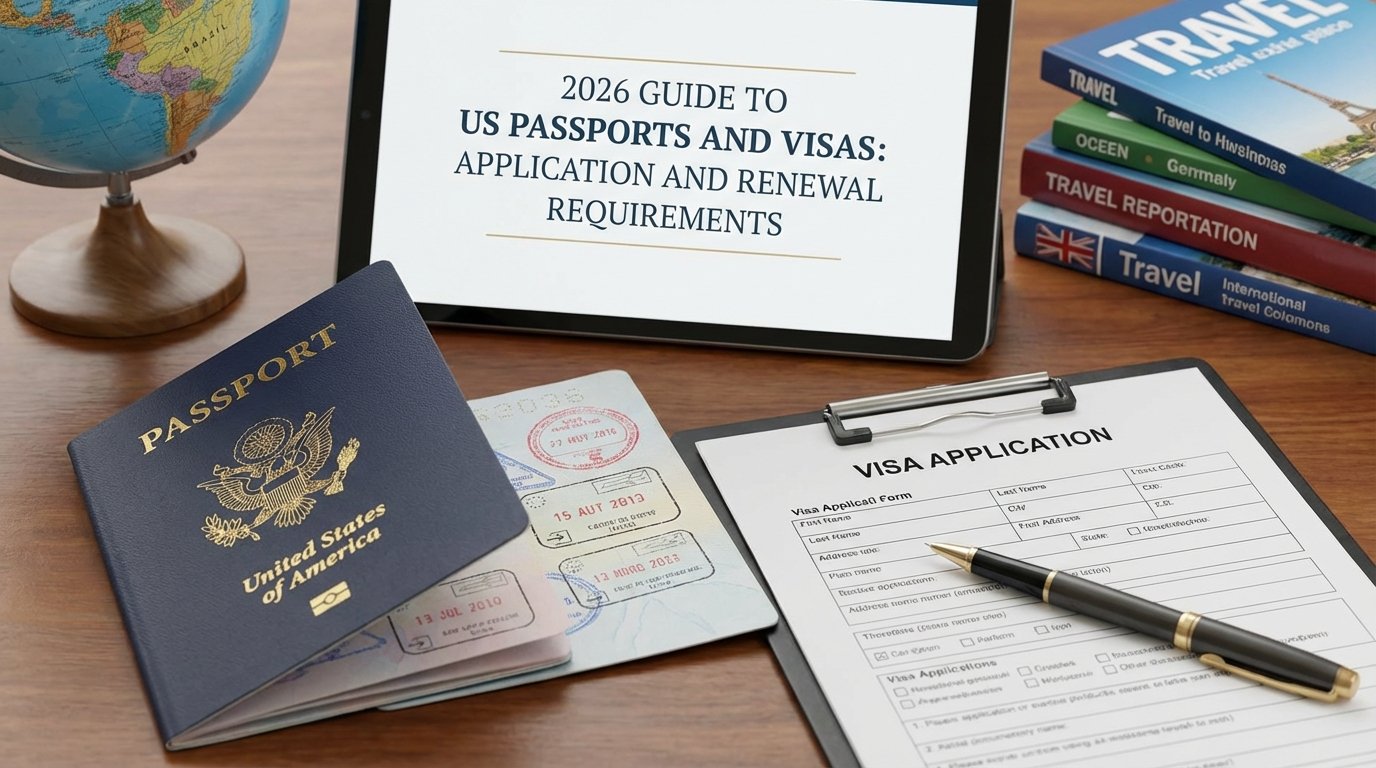
Canada’s borders have a rich history of change that reflects past events and present-day policies. Explaining these changes reveals what it’s like to travel today. Historical treaties, wars, and international agreements have shaped borders. The U.S.-Canada border, among the world’s longest, has witnessed changing protocols affecting trade and travel.
Post-9/11 Security
After 9/11, extreme border control policies flourished. In the spirit of doing security better, Canada and the U.S. Created new protocols that altered the way travelers cross the border. Canadians today are looked at with heightened suspicion and subjected to tougher ID checks. U.S. Customs and immigration services adjusted to these realities with initiatives like the Western Hemisphere Travel Initiative requiring particular documentation for land and sea travel.
Even decades later, these intensified security procedures have cast a shadow over border tourism. Cross-border travelers nowadays need to prepare for extended waits and deeper inspections that put their impromptu journeys at risk.
Past Health Crises
Health emergencies like 2003’s SARS outbreak have similarly redefined border entry conditions. These crises got both countries reevaluating their health protocols at borders. Lessons learned from such events have made current policies stress a preparedness to address health threats.
International cooperation is key here, monitoring health risks together. Old borders, new borders, they’re still there, they still close, they all keep a traveler on their toes, especially when ongoing health crises, like COVID-19, still prevail.
Trade Agreements
We’re all aware that trade agreements can really affect border commerce and travel. The following table outlines key agreements and their effects on border relations:
| Trade Agreement | Impact on Border Commerce and Travel |
|---|---|
| NAFTA (1994) | Increased trade flow and ease of cross-border travel for citizens. |
| USMCA (2020) | Somewhat modernized rules foster tourism and economic connections.
Trade has made it easier for Canadians to cross into the U.S. Market. New deals like USMCA carry border implications that could impact tourism and travel. These economic partnerships still influence cross-border travel today, and it’s important for travelers to be aware of their shifting policies!
Navigating Current Entry Requirements


Navigating Canada’s Current Entry Requirements These entry requirements are subject to change for a number of reasons, so it’s important to keep up to date. Here are the main factors for travelers to navigate.
1. Policy Drivers
There are a number of policy drivers behind Canada’s entry requirements at the border today. First, international relations matter. Accords or conflicts with other nations cause rapid shifts. For instance, a trade agreement can loosen visa restrictions, while political spats might make them more stringent.
Public safety and health are key. Events such as the COVID-19 pandemic required the government to impose more stringent health policies. Domestic politics play a role in managing borders. Government policy shifts can cause volatility in entry criteria.
2. Document Updates
That being said, travelers need to stay on top of the latest documentation requirements. You’ll need a Canadian passport for international travel. Depending on your country of origin, you might need visas or an ESTA. Expired documents are an easy way to get turned away or held up.
3. Health Protocols
Health measures for entry into Canada include immunization documentation and test results. Most travelers need to be vaccinated and testing may be required in certain cases. Quarantine may be required depending on the epidemiological situation. For example, business visitors may be subject to different rules than leisure travelers, as their risk profiles differ.
4. Digital Systems
Digital systems greatly simplify border crossings. With online application, travelers can enter information early, smoothing the entry process. Mobile apps guide you through today’s entry restrictions. Digital documentation improves border security and the experience for travelers.
5. Biometric Screening
Biometric screening at Canadian borders is on the rise to enhance security. It allows them to expedite travelers through using unique identifiers, like a fingerprint or face scan. What about privacy and data security? Knowing how these systems work is essential for travelers to feel confident when they cross borders.
The Traveler’s On-the-Ground Experience
Visitors to Canada should anticipate an on-the-ground experience as border policies continue to update. Knowing how these changes affect airport, land, and sea port crossings will help you navigate your journey more smoothly.
At Airports
Handling Canadian airports with the proper paperwork and security. On arrival, be prepared to undergo security checks, including your passport and any necessary visa. Prepare to show extra paperwork like vaccination or negative COVID tests if relevant.
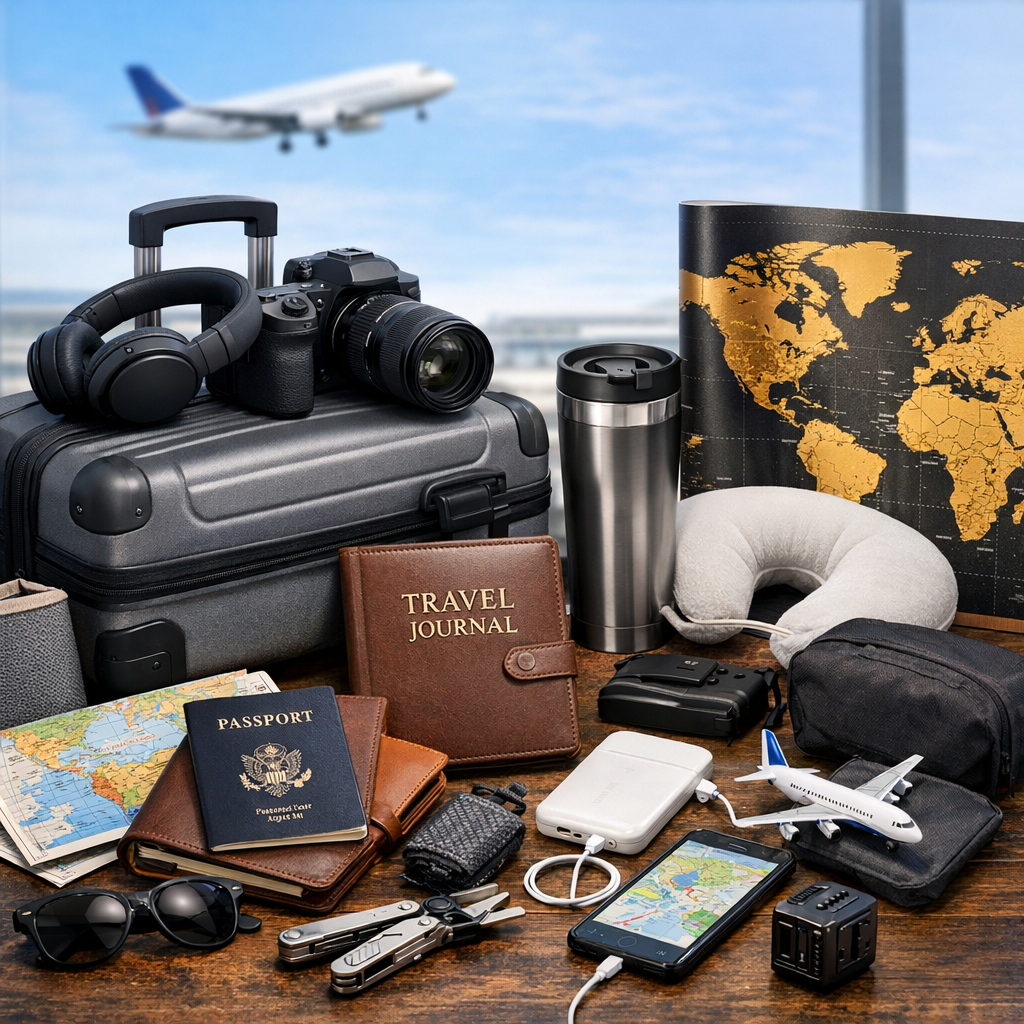
Customs officials are vital in handling international flights. They check for proper documentation and might inquire about your itinerary. Just be frank and direct in answering and you can make it quick. Knowing where to go in places like Toronto Pearson or Vancouver International can help you save time. All these airports typically have multilingual signs posted everywhere to help you get around.
There are help resources, such as information desks and multilingual personnel. Knowing where to find help will make it less stressful.
At Land Crossings
Coming into Canada from the U.S. Is a different story. As a traveler, you should expect that border agents will interview you and search your vehicle, frequently inquiring as to the nature of your visit. Depending on the country, travelers will have different experiences once on the ground.
Wait times will vary by time of day and traffic. Things like holiday weekends or unanticipated weather can cause extended delays. It is best to check real-time updates on border wait times before you go.
At Sea Ports
If you’re traveling on cruise ships or ferries, there are certain things you should know about entry. Have your paperwork – passports, any visas, etc. – ready for customs on disembarkation. Health screenings may occur at sea ports in this day and age.
Know your customs procedures for sea port entries. They are different than airports. Canadian sea ports, in particular, think Halifax or Vancouver, have these sorts of traveler perks like lounges and shops as well.
The Human Side of Border Policy

Border policies shape the reality for real people living in proximity to the Canada-U.S. Border, affecting not only individuals but entire communities. Knowing these impacts is important for tourists and locals.
Community Impact
Border policies impact the local economies in deep ways. For example, businesses along the border in towns that depend on trade may go up or down when regulations get stricter. This may result in layoffs, which impact both families and the community at large. Cultural exchanges are critical, as local festivals and markets typically honor common traditions, building bonds that bridge borders.
Community organizations continue to lead the way in traveler support. They offer supplies, direction, and comfort, assisting families in keeping bonds that could otherwise strain under tight travel restrictions. These groups frequently support looser regulations, highlighting the value of familial bonds and social contact across national lines.
Limits can break families. For countless families, they are separated due to policy shifts and are unable to drop in or attend milestone moments. This emotional toll can lead to feelings of isolation and frustration, exacerbating the human dimension of border enforcement.
Traveler Challenges
Travelers struggle as entry requirements continue to change. For instance, a tweak in the visa rules might have wanderers racing to catch up with it, sometimes resulting in a last-minute cancellation. Border waits can throw people’s travel plans off course, making folks incorporate extra hours in their journey to account for security and inspections.
Dual citizens commonly face a tangle of entry regulations that fluctuate considerably based on which citizenship they hold. This ambiguity results in inadvertent infractions and undue anxiety, making what ought to be a simple procedure complex. Disinformation can pile on top of these problems. Travelers turn to antiquated or incorrect sources, adding to the chaos and affecting their security.
Agency Adaptation
Border enforcement agencies are dynamic. They have to be in response to new policies and new technology. This means, for example, investing in cutting-edge screening and training personnel to keep pace with evolving threats. As border officials on both sides of the line, the Canadian and U.S. Governments have a human side to border policy.
We must be responsive to travel needs. Agencies need to hear from the public and tackle problems as policy shifts. Such flexibility enhances the experience of travelers and strengthens faith in the agencies charged with enforcing the border.
Essential Resources for Travelers

Here’s what travelers need to know about Canada’s evolving borders. Being able to get timely information and support can make all the difference in a travel experience and help you overcome potential challenges.
Official Contacts
Travelers ought to be aware of important government contacts for border services. CBSA is key for customs and immigration questions. It is important to have their number handy.
Consulates are another important lifeline for travelers. If you face any documentation problem or emergencies, your home country’s consulate in Canada is the best place to turn to. They can be helpful, especially with lost passports or other important travel documents.
Emergency contact numbers are another key resource. Learn the local emergency services number, which is 911. Have a list of local hospitals or clinics on hand just in case.
About: Must-Have Travel Tools. Keeping these contacts at the ready can mean time and stress savings while you’re on the road.
Here are some official resources to help you navigate the situation. Government agency websites provide updates on travel rules, border status, and warnings. These resources can keep you informed and out of an unexpected jam.
Digital Tools
Digital tools are a must for today’s travelers. Here are some useful mobile apps and websites to consider:
- Canada Border Services Agency (CBSA) app
- Travel Health Notices from the Government of Canada
- Real-time border wait times by the CBSA website
For travelers, utilizing these tools to check border wait times and conditions prior to their arrival can be a smart move. Apps that keep travel documents like itineraries and vaccine certificates can simplify things at border crossings.
Travel experience is improved by online services. They give travelers entry requirement change alerts so you’re equipped with what you need pre-trip.
Legal Advice
Consulting an immigration attorney can be critical for applicants with complicated immigration matters. Navigating border policies can be tricky, and professional advice may be helpful, especially if you’re uncertain about whether you qualify for entry or have old legal issues.
Travelers in legal trouble have immigration attorneys and legal aid organizations. Many of these experts have experience dealing with Canadian immigration regulations and can provide personalized guidance.
Our lawyers love to make sure you’re in compliance with border rules. Their insider wisdom will help you dodge travel disasters.
Conclusion
Here’s what travelers can expect regarding Canada’s changing borders. About: Canada’s evolving borders: what travelers need to know.
For the most up-to-date entry requirements, knowing the backstory titillates your traveler taste buds. Everyone’s dealing with shifting border policies, so if you want to take the edge off your travel stresses, it’s best to stay informed. Use these key tools to navigate these shifts seamlessly. Watch for updates as border policies can shift rapidly. Clarity and preparation will be your friend whether you are visiting for pleasure or business. Approach each journey with an open mind and relish Canada’s diversity in all its splendor. It’s time to start dreaming of your next adventure!
Frequently Asked Questions
Why are Canada’s borders changing?
Canada’s borders are shifting because of a number of forces, from political agreements to environmental changes to social dynamics. These changes are indicative of Canada’s continued adjustment to its landscape and neighbors.
What historical events led to border changes in Canada?
Important moments in this history are treaties with Indigenous people, British colonial conquest and expansion, and negotiations with the US. Each has defined Canada’s borders and molded its neighbours.
What are the current entry requirements for travelers to Canada?
Travelers need valid ID, like a passport. They might require a visa or an Electronic Travel Authorization (eTA) depending on their nationality. Just be sure to check for the latest requirements prior to travel.
How might border changes affect my travel experience?
Canada’s changing borders: what travelers should expect. Border changes may result in different entry points, wait times and procedures. Here’s what travelers can expect and how to keep up to date.
What challenges do travelers face at the Canadian border?
Frequent frustrations are extensive delays, shifting policies, and different rules to enter. Simply being armed with the appropriate documentation can help ease these troubles.
How does border policy affect local communities?
Border policy affects local economies, cultural intersections, and our everyday interactions. Change is opportunity, and change is a challenge for communities near the border.
Where can I find reliable information about traveling to Canada?
Key sources include the Government of Canada’s official travel website, travel blogs and news sources. Confirm with official sources.