
Table of Contents
- Health and Medical Preparedness
- Personal Security and Situational Awareness
- Accommodation and Transportation Security
- Digital Security for Travelers
- Travel Insurance and Emergency Planning
- Comparison of Travel Safety Measures
- Frequently Asked Questions for Secure Travel in 2026
How to Yourself Against Travel Mishaps
International travel in 2026 demands meticulous preparation. Unexpected issues can quickly disrupt even the best-laid plans. This guide provides expert-level strategies to ensure your journey remains secure and enjoyable.
Your personal travel playbook should prioritize safety and preparedness. This involves understanding potential risks and proactively mitigating them.
Health and Medical Preparedness
A sudden health concern can quickly derail any trip. Medical preparedness is your essential first line of defense against unforeseen illnesses or injuries. This includes understanding destination-specific health risks before you depart, a key part of your travel playbook.
Many travelers face health challenges abroad. For instance, up to 80% of travelers experience Traveler’s Diarrhea depending on their destination. Proactive measures and a solid travel health guide are essential for prevention.
Essential Travel First-Aid Kit
A well-stocked Travel First-Aid Kit is non-negotiable for any international travel. Customize it based on your destination and planned activities. Include basic wound care items, pain relievers, and digestive medications.
Consider packing medications like Imodium for diarrhea, Advil, Motrin, or Tylenol for pain and fever. Always carry extra prescription medications in their original containers. Tools such as tweezers and a thermometer are also valuable additions to your medical preparedness strategy.
Food and Water Safety Abroad
Contaminated food and water are primary causes of travel illnesses. These include conditions like Hepatitis A and Typhoid Fever in many regions. Adhere strictly to the “Boil it, Cook it, Peel it, or Forget it” rule for foodborne illness prevention.
Always prioritize safe drinking water. Use bottled water, purified water, or employ Water Purification tablets or filters. Be cautious with ice, as it may be made from unsafe water. When enjoying safe street food, observe the hygiene practices of vendors closely.
The Centers for Disease Control and Prevention (CDC) offers comprehensive international travel health advice. Consult their guidelines for specific vaccination recommendations and disease prevention strategies, including traveler’s diarrhea prevention and mosquito-borne disease prevention.
Personal Security and Situational Awareness
For solo travelers, thorough research is paramount. Investigate your destination meticulously, focusing on safe neighborhoods and reliable transportation options. Always walk purposefully and project confidence. This reduces perceived vulnerability, a key aspect of effective travel safety tips.
Accommodation and Transportation Security
Your chosen accommodation and transportation modes demand careful security considerations. Upon entering your hotel room, always perform a quick security check. Verify that all locks, including window and patio door locks, function correctly and are engaged.
Utilize room safes for your valuables. Familiarize yourself with emergency exits and protocols immediately upon arrival. During transit, secure your luggage with TSA-recognized locks. Be acutely mindful of your belongings, especially in crowded areas like airports, to prevent becoming a target for theft.
Transportation Safety in Transit Modes
For your transportation safety, especially with ride-share services, verify the identity of taxi and ride-share drivers before entering the vehicle. Confirm the license plate and driver’s name match what is displayed on your app. Always share your ride details with a trusted friend or family member as part of your personal travel playbook.
At the airport, avoid common airport mistakes 2026. Keep all valuables in your carry-on luggage, never in checked bags. Be aware of the latest airport security tips to ensure a smooth passage through checkpoints. Never leave your bags unattended, even for a moment. The Travel Safety Playbook, as emphasized by experts like Trek guider, stresses these practical steps for comprehensive transportation safety.
Digital Security for Travelers
Your digital footprint demands robust protection while traveling in 2026. Public Wi-Fi networks are inherently unsecured, making your data vulnerable. A Virtual Private Network (VPN) is essential for all online activity, encrypting your data and safeguarding your privacy. This is a crucial aspect of your overall digital security strategy.
Proactive measures are key to preventing travel security measures related to data breaches. Regularly back up important documents and photos to secure cloud storage. Utilize a reputable password manager to create and store strong, unique passwords for all your accounts. Be hyper-vigilant against phishing attempts, especially those cleverly disguised as urgent communications from airlines or hotels.
For comprehensive travel safety tips, consider enabling multi-factor authentication on all sensitive accounts. This extra layer of security significantly reduces the risk of unauthorized access, even if your password is compromised. Staying informed about the latest cyber threats, as recommended by a travel security expert, is part of your personal travel playbook for 2026.
Expert Insight
“In 2026, travel safety requires a shift from reactive response to digital proactivity; by replacing public Wi-Fi with eSIMs, using VPNs, and enabling multi-factor authentication, travelers can navigate a landscape where physical and digital risks are now inextricably linked.”, Frank Harrison, Regional Security Director
Travel Insurance and Emergency Planning
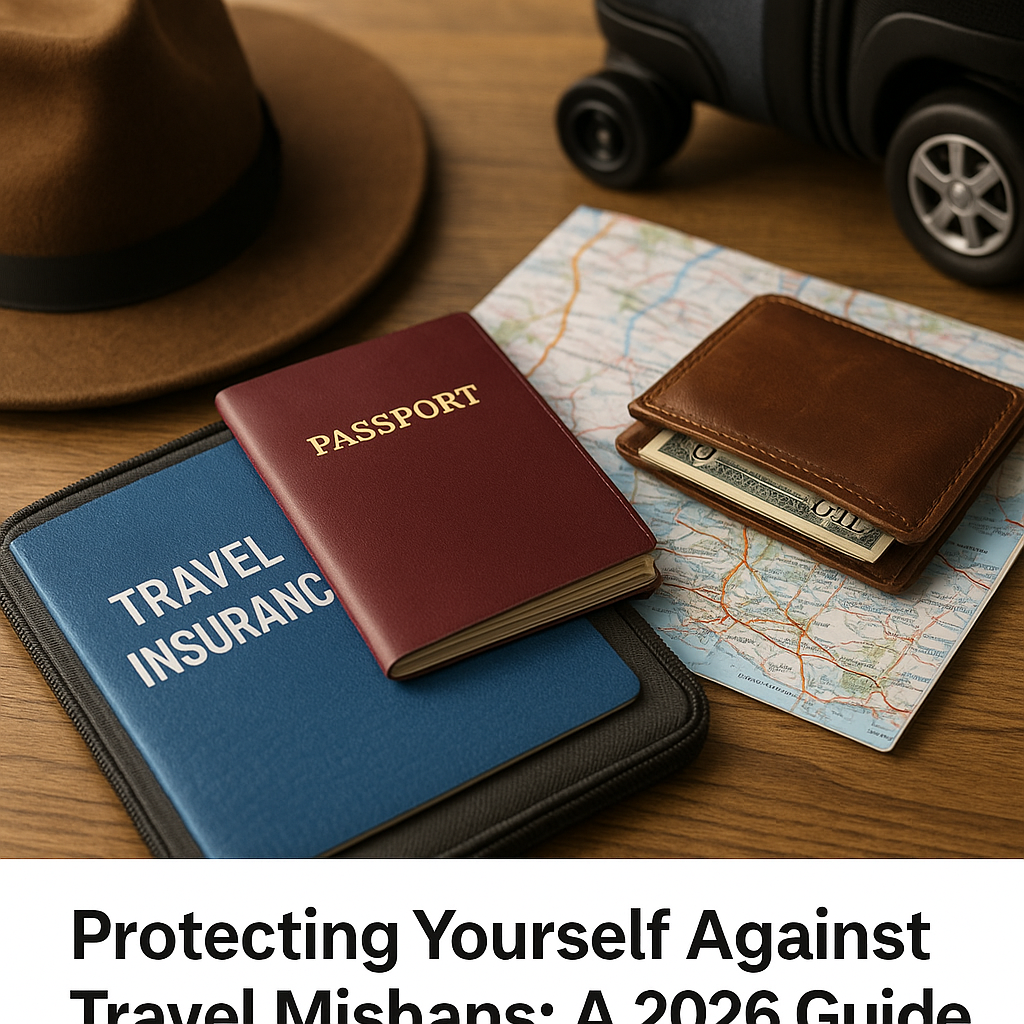
Comprehensive travel insurance is an indispensable investment for any international journey in 2026. It provides crucial financial protection against unforeseen events like trip cancellations, medical emergencies, and lost luggage. Always review policy details meticulously to understand coverage limits and exclusions, ensuring you avoid common airport mistakes 2026 travelers make by being unprepared.
Always carry emergency contact information, both physical and digital. Understand local emergency numbers for your destination. Enroll in government programs like the Smart Traveler Enrollment Program (STEP) to receive alerts and assistance abroad, making it a critical part of your travel safety tips and overall travel playbook.
Medical Preparedness and Travel Health Guide
Unexpected health issues can quickly derail your trip. Therefore, robust medical preparedness is paramount. A comprehensive travel health guide should include consulting your doctor well before departure to discuss destination-specific health risks. This includes understanding potential exposure to diseases like Hepatitis A and Typhoid Fever, especially in regions highlighted by the Centers for Disease Control and Prevention (CDC travel advice).

Up to 80% of travelers can be affected by traveler’s diarrhea, depending on the destination. Proactive measures, such as a well-stocked first-aid kit and understanding how to prevent foodborne illness, are essential. This kit should contain medications like Imodium for Traveler’s Diarrhea and pain relievers such as Advil, Motrin, or Tylenol.
Travel First-Aid Kit Essentials
A well-organized and tailored travel first-aid kit is non-negotiable for medical preparedness. It should include wound care items like bandages and antiseptic wipes, along with pain relievers such as Advil or Tylenol. Digestive medications like Imodium are crucial for traveler’s diarrhea prevention.
Don’t forget allergy treatments, extra prescription medications in their original containers, and tools like tweezers and a thermometer. This comprehensive kit ensures you are ready for minor ailments and emergencies, complementing your overall international travel health strategy.
Food and Water Safety Abroad: Preventing Illness
Contaminated food and water are primary causes of travel illnesses, including Hepatitis A and Typhoid Fever, in many regions. To prevent foodborne illness and traveler’s diarrhea, always follow the ‘Boil it, Cook it, Peel it, or Forget it’ rule. This is a critical aspect of your travel health guide.
Prioritize safe drinking water. Water purification tablets or a portable filter are excellent tools for ensuring safe drinking water, especially when bottled water isn’t available. Be cautious with safe street food; ensure it’s freshly cooked and served hot to minimize risks. These precautions are vital for travel hygiene and preventing illness.
Comparison of Travel Safety Measures
This table outlines key travel safety measures and their primary benefits for travelers in 2026. It serves as a quick reference for your personal travel playbook, ensuring you avoid common airport mistakes 2026 travelers often make due to lack of preparation.
| Safety Measure | Primary Benefit | Key Action |
|---|---|---|
| Travel Insurance | Financial protection against unforeseen events | Purchase comprehensive policy before departure, reviewing all exclusions. |
| Travel First-Aid Kit | Immediate treatment for minor injuries/illnesses | Customize with essentials like Imodium, Advil, and prescription medications. |
| Digital Security | Protection of personal data and finances | Use a Virtual Private Network (VPN), strong passwords, and back up data regularly. |
| Situational Awareness | Avoidance of scams and dangerous situations | Stay alert, trust your intuition, and recognize common tourist scams. |
| Food and Water Safety | Prevention of foodborne illnesses | Adhere to the “Boil it, Cook it, Peel it, or Forget it” rule. |
“Preparation is not just about packing bags; it is about equipping your mind and body for the journey ahead. A detailed travel playbook ensures you navigate challenges with confidence.” This aligns with expert advice from the Centers for Disease Control and Prevention (CDC) on international travel health.
Health and Medical Preparedness
Unexpected health issues can quickly derail even the best-planned trip. Medical preparedness is paramount. Always pack a comprehensive travel first-aid kit tailored to your destination and activities.
This should include over-the-counter medications like Imodium for Traveler’s Diarrhea, Advil or Tylenol for pain, and any necessary prescription medication in sufficient quantities, along with copies of your prescriptions. Remember that up to 80% of travelers are affected by Traveler’s Diarrhea depending on the destination, making prevention and immediate treatment crucial.
Food and Water Safety Abroad
Food and water safety is a critical component of any travel health guide. To prevent foodborne illnesses, adhere strictly to the “Boil it, Cook it, Peel it, or Forget it” rule. Contaminated food and water are primary causes of travel illnesses like Hepatitis A and Typhoid Fever in many regions.
Always opt for bottled water with an unbroken seal or use a reliable water purification method. Be cautious with safe street food, ensuring it’s cooked fresh and served hot. This proactive approach is a key travel safety tip.
Travel First-Aid Kit Essentials
A well-organized, tailored travel first-aid kit is non-negotiable for medical preparedness. It should include wound care items (bandages, antiseptic wipes), pain relievers (Advil, Motrin, Tylenol), digestive medications (Imodium), and allergy treatments.
Consider adding extra prescription medications, tweezers, and a thermometer. For destinations with mosquito-borne disease risks, include insect repellent. Consult the CDC travel advice for specific recommendations based on your itinerary to enhance your international travel health.
Personal Security and Situational Awareness
Developing strong situational awareness is vital for personal security. This means being alert to your surroundings and trusting your intuition. Avoidance of scams and dangerous situations is greatly enhanced by recognizing common tourist scams, such as broken taxi meters, over-friendly strangers, or distraction techniques.
A firm, polite rejection of unsolicited offers or persistent individuals is often the best strategy. Your travel security expert would emphasize that appearing confident and purposeful can reduce your vulnerability. This is a crucial element of any travel safety playbook.
Solo Travel Safety Tips
For solo travel safety, meticulous planning is key. Research your destination thoroughly, including safe neighborhoods and transportation options. Always walk purposefully and project confidence. Trust your intuition; if a situation feels off, remove yourself.
Learning a few basic local phrases can also be incredibly helpful. Inform someone reliable of your itinerary. Trek guider often emphasizes that confidence reduces vulnerability and enhances safety for solo travelers, making it easier to navigate any potential airport mistakes 2026 travelers might encounter.
Women’s Travel Safety
Women’s travel safety requires additional considerations. Research local customs and dress codes to respect cultural norms and prevent unwanted attention. Dressing modestly can often be a simple yet effective strategy.
Always research safety tips specific to women travelers for your destination. Utilize trusted female-centric safety resources and be aware of your surroundings, especially at night. Following these guidelines, informed by a travel security expert, can significantly enhance your experience.
Accommodation and Transportation Security
Accommodation safety begins upon arrival. Perform quick security checks in your hotel room: ensure all locks (including windows) function, identify emergency exits, and understand the hotel’s emergency protocols. Always use room safes for valuables.
When it comes to transportation safety, whether using taxis or ride-share services, verify the driver and vehicle before entering. For ride-shares, confirm the license plate and driver photo match the app. This diligence extends to airport security tips, where vigilance prevents issues like lost luggage or unauthorized access. Always secure your luggage with TSA-recognized locks.
Transportation Safety in Transit Modes
Mode-specific transit safety tips are essential. For air travel, beyond airport security tips, always keep valuables in your carry-on and use TSA-recognized locks on checked luggage. Be aware of your surroundings in busy areas like airports and train stations.
When using public transportation, know your route, avoid displaying expensive items, and be particularly vigilant during peak hours. Verify taxi and ride-share identities before boarding. These practices contribute to a comprehensive travel safety playbook, mitigating risks from flight bans to everyday commutes.
Digital Security
Digital security is as vital as physical safety. Before you depart, ensure your devices are updated and backed up to Google Drive or other secure cloud storage. Use a Virtual Private Network (VPN) for all public Wi-Fi connections to protect your personal data and finances.
Implement strong, unique passwords for all accounts and enable two-factor authentication wherever possible. Be wary of phishing attempts, especially when dealing with travel-related communications. This proactive digital hygiene is a non-negotiable travel safety tip in 2026.
Frequently Asked Questions for Secure Travel in 2026
Navigating international travel in 2026 requires more than just a passport. Our Travel Safety Playbook emphasizes proactive preparation. Here, we address common concerns to help you avoid pitfalls and enhance your journey’s security.
What are the most common airport mistakes in 2026?
Many travelers make preventable airport mistakes in 2026. These often include forgetting essential travel documents, overlooking critical baggage restrictions, failing to understand current airport security tips, and arriving late for flights.
Always verify any Flight Bans or updated travel restrictions before you even head to the airport to avoid unnecessary delays and stress. A quick check can save you significant trouble.
How can I prevent traveler’s diarrhea and other foodborne illnesses?
Preventing Traveler’s Diarrhea is crucial for maintaining your health abroad, as up to 80% of travelers can be affected depending on the destination. Adhere strictly to food and water safety guidelines: only consume bottled or purified water, avoid ice, and ensure all food is thoroughly cooked.
The Centers for Disease Control and Prevention (CDC) recommends the ‘Boil it, cook it, peel it, or Forget it’ rule for safe eating. Contaminated food and water are primary causes of illnesses like Hepatitis A and Typhoid Fever in many regions.
Carry medications such as Imodium for both prevention and immediate treatment and consider a portable water purification device for emergencies. This is a key aspect of your international travel health strategy.
What should be in a comprehensive travel first-aid kit?
A comprehensive Travel First-Aid Kit is an indispensable part of your medical preparedness. It should contain wound care supplies (bandages, antiseptic wipes), pain relievers like Advil, Motrin, or Tylenol, anti-diarrhea medication (Imodium),
and allergy medication. Critically, include any necessary prescription medications in their original packaging, plus a thermometer and tweezers. For comprehensive coverage, consider adding rehydration salts and a broad-spectrum antibiotic after consulting with your doctor. This kit is a vital component of your travel health guide.
How important is digital security when traveling?
Digital Security is highly important when you travel. Public Wi-Fi networks are notoriously vulnerable to cyber threats. Protect your personal and financial information from identity theft and fraud by using a Virtual Private Network (VPN), employing strong,
unique passwords, and regularly backing up your data to cloud services like Google Drive or external hard drives. Be wary of phishing attempts and avoid accessing sensitive information on unsecured networks. This proactive approach is essential for maintaining your privacy.
What are key strategies for solo travel safety?
For Solo Travel Safety, thorough destination research is paramount. Maintain constant situational awareness, trust your intuition, and share your itinerary with a trusted contact. Walking purposefully and confidently can reduce your vulnerability.
For women travelers, research specific women’s travel safety advice and local cultural norms to enhance security and prevent unwanted attention. Learning a few basic local phrases can also be a significant asset. Resources like Trek guider often offer excellent tips for solo adventurers.
How can I ensure accommodation and transportation safety?
Accommodation safety and transportation safety are critical components of your travel security expert approach. Upon arrival at your accommodation, perform a quick security check: ensure all locks on doors and windows function correctly, understand emergency exits, and locate fire safety equipment.
Always use the room safe for valuables. When it comes to transportation, use TSA-recognized locks on your luggage and keep essential valuables in your carry-on. For ride-shares, always verify the driver and vehicle against the app’s information before entering. Be aware of common tourist scams, such as broken taxi meters or distraction techniques; a firm, polite rejection is often the best defense.