
Table of Contents
- Addressing Traveler Anxiety for Safe Journeys
- 1. Understand the Neuroscience of Travel Anxiety
- 2. Embrace Novelty and Cognitive Stimulation for Brain Health
- 3. Combat Social Isolation for Better Brain Health
- 4. Leverage Memory and Cognitive Training for Travel
- 5. Implement Pre-Travel Mental Preparation Strategies
- 6. Develop Effective Coping Mechanisms
- 7. Recognize and Address Physical Symptoms of Travel Anxiety
- Frequently Asked Questions About Travel Anxiety and Brain Health
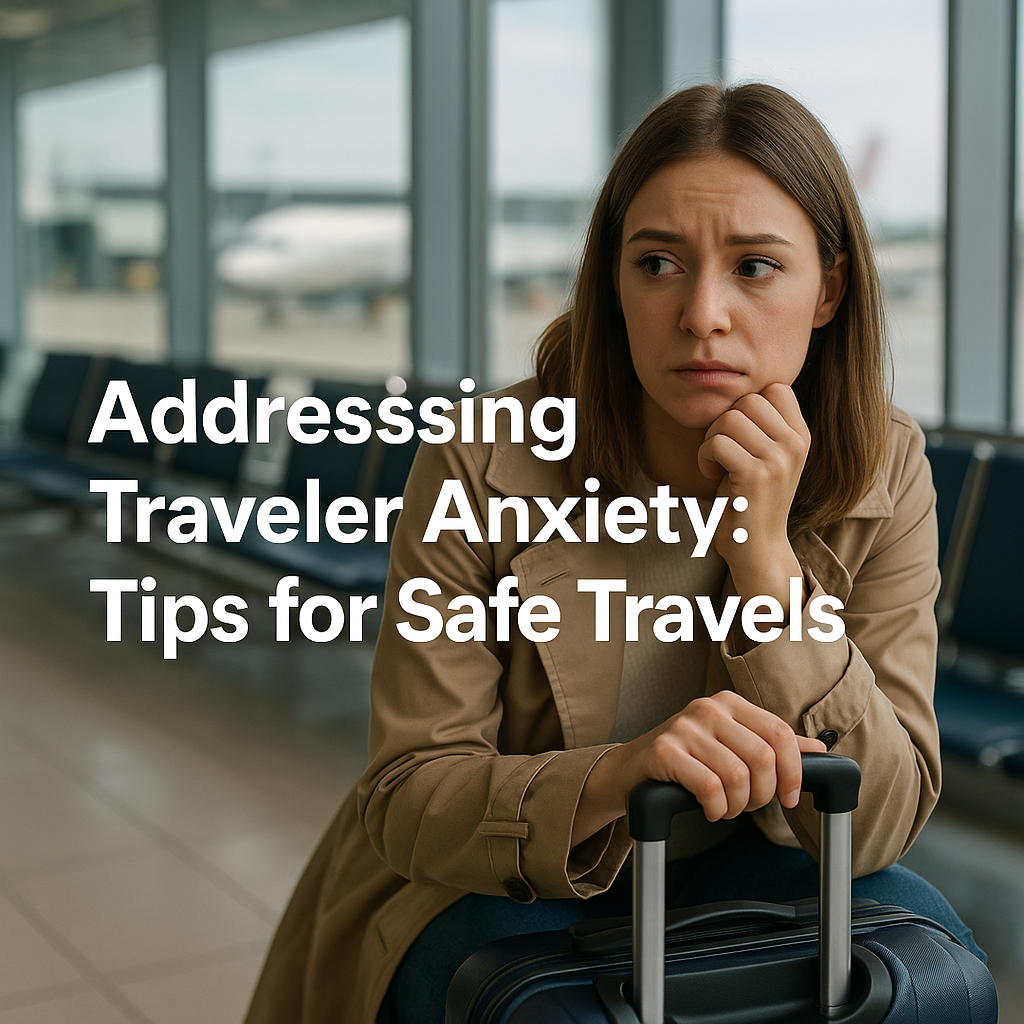
Tips for Safe Travels in 2026 Addressing Traveler Anxiety:
Travel offers incredible experiences, but for many, it also brings a wave of unease. Travel anxiety is a common challenge, affecting numerous individuals. Understanding its roots and employing effective strategies to help you manage and overcome travel fear can transform your journey from stressful to serene.
This guide provides practical, expert-backed tips to help you manage and overcome travel fear, ensuring a safer, more enjoyable adventure. You’ll learn how to boost your brain health and achieve cognitive fitness on every trip.
1. Understand the Neuroscience of Travel Anxiety
Our brains are wired for survival, and unfamiliar environments can trigger ancient responses. The amygdala, a key part of your brain, is responsible for processing emotions like fear. When faced with new or uncertain situations, such as those encountered during travel, the amygdala can activate the body’s fight or flight response. This releases stress hormones, leading to physical symptoms of travel anxiety. The executive brain, which typically prefers familiar patterns, signals the frontal lobe to avoid perceived risks. This natural inclination explains why leaving your comfort zone can feel daunting and contribute to the fear of travel.
Understanding the neuroscience of travel anxiety is the first step to overcoming it. This innate amygdala response, while a survival mechanism, can be managed. By recognizing how your brain health reacts to new environments, you can begin to implement strategies that promote calm and reduce the physiological symptoms of stress. It’s all about retraining your neural pathways.
2. Embrace Novelty and Cognitive Stimulation for Brain Health
While your brain might prefer routine, it truly thrives on new experiences. Novelty is crucial for brain health and can significantly help you overcome travel fear. Engaging with new environments stimulates your cognition, activating dormant brain cells and forming new neural pathways.
This process is known as neuroplasticity, and it strengthens your mind’s flexibility and longevity. Previously inactive synapses, which facilitate communication between neurons, forge new connections. This enhances overall cognitive fitness and supports your executive brain functions.
Exposure to new environments can help reduce travel anxiety by redirecting your brain’s focus from potential threats to stimulating engagement. This is a vital aspect of maintaining brain health and reducing dementia risk, as highlighted by experts like those at the Pacific Neuroscience Institute.
Such cognitive stimulation acts as a powerful counter to the amygdala response that triggers fight or flight hormones during unfamiliar situations. It helps your brain adapt and perceive new situations as exciting rather than threatening, a key component of effective stress management during travel.
Expert Insight
“Any man could, if he were so inclined, be the sculptor of his own brain.”, Santiago Ramón y Cajal
3. Combat Social Isolation for Better Brain Health
Travel often presents incredible opportunities for social interaction, which is highly beneficial for your mental health and brain health. You might meet fellow tourists or engage with locals, enriching your experience.
Research shows that social isolation is linked to increased risks of dementia risk by 50%, stroke by 32%, and various other mental health issues. Actively seeking out social connections during your travels can significantly boost your well-being.
These interactions provide valuable cognitive stimulation and help mitigate feelings of loneliness. This contributes to a more positive travel experience and supports your overall holistic brain wellness, helping you to overcome travel fear.
Expert Insight
“Over four decades of research has clearly demonstrated that social isolation and loneliness are both associated with adverse health outcomes. Given the prevalence of social disconnectedness, the public health impact is quite significant.”, Dr. Crystal Wiley Cené, American Heart Association
4. Leverage Memory and Cognitive Training for Travel
Preparing your mind for travel can significantly reduce travel anxiety. Engaging in cognitive fitness and brain workouts enhances your executive brain function, making it easier to adapt to new environments and manage pre-travel jitters. This proactive approach supports overall brain health.
Understanding the Neuroscience of Travel Anxiety
Travel often introduces us to unfamiliar situations, which can trigger the amygdala response. This part of your brain activates the fight or flight response when it perceives a threat, leading to feelings of fear of travel. Understanding this natural reaction is the first step in managing it.
The amygdala plays a crucial role in processing emotions, especially fear. When you encounter novelty or unexpected situations during travel, your amygdala can become overactive, releasing fight or flight hormones. Learning to regulate this response is key to overcoming travel anxiety.
The Importance of Novelty and Cognitive Stimulation
Embracing the novelty of travel is not just fun, it’s beneficial for your brain health. Exploring new environments and experiencing new cultures activates neurons, forming new neural pathways. This cognitive stimulation helps keep your mind sharp and can actually reduce memory decline.
Actively engaging with new experiences during your journey provides excellent cognitive stimulation. This process strengthens synapses and encourages the growth of new brain cells, which contributes to better cognitive fitness and overall neuroplasticity. It’s a natural way to combat cognitive impairment.
Memory and Cognitive Training to Reduce Travel Anxiety
Programs designed for memory training and brain fitness can significantly mitigate travel anxiety. For example, the Lifestyle Program at Pacific Neuroscience Institute in Santa Monica, California, offers comprehensive strategies. These programs, often led by experts like Karen Miller, emphasize exercises, nutrition, and stress management techniques.
Through dedicated brain workouts and a focus on holistic brain wellness, you can enhance your frontal lobe function and improve your ability to adapt. Such training helps to build stronger neural pathways, which can lessen the impact of the amygdala response to unfamiliar situations and reduce fear of travel.
Pre-Travel Mental Preparation Strategies
Before you even leave, you can start to overcome travel fear with mental preparation. Identify specific travel anxiety triggers and recall past successful coping mechanisms. Planning relaxation strategies, such as paced breathing or affirmations, can significantly reduce pre-travel jitters and improve your overall mental health.
This includes developing effective coping mechanisms for potential stressors. By visualizing a smooth journey and practicing mindfulness, you can proactively manage your stress management and reduce the physical symptoms of pre-travel anxiety. This builds confidence and prepares your executive brain for a positive experience.
Expert Insight
“Travel acts as a full cognitive workout, by planning details and navigating new environments, we engage our executive functions and stimulate neuroplasticity, which helps to broaden our perspective and reduce the stress of routine.”, Dr. Karen Miller, Senior Director of Brain Wellness & Lifestyle
5. Implement Pre-Travel Mental Preparation Strategies
Effective preparation is key to managing travel anxiety. Start by identifying your specific fears. Is it the fear of flying, getting lost, or encountering language barriers? Once identified, recall past successful coping mechanisms from similar situations.
Plan relaxation strategies that resonate with you, such as paced breathing, mindfulness exercises, or positive affirmations. This proactive mental preparation is a cornerstone of overcoming travel anxiety.
The Centers for Disease Control and Prevention (CDC) also recommends checking travel warnings and preparing for unexpected health issues. This reduces uncertainty and enhances your sense of control, which is vital for your mental health.
Understanding your specific fears and developing strategies to address them can significantly reduce the amygdala response, preventing the triggering of fight or flight hormones. This approach is central to effective stress management and improving your overall brain health.
6. Develop Effective Coping Mechanisms
Even with thorough pre-travel preparation, travel anxiety can still emerge. Developing robust coping mechanisms is essential for managing unexpected stress. These strategies help you regulate your amygdala response, preventing the full onset of fight or flight hormones.
Implement practices like listening to calming music or engaging in light physical activity when stress arises. Deep breathing techniques are powerful tools for stress management, helping to ground you in the present moment. Carrying a comfort item, such as a favorite book or a familiar scent, can also provide a crucial sense of security and familiarity in new environments.
Understanding the Neuroscience of Travel Anxiety
To truly overcome travel fear, it helps to understand its neurological roots. When you encounter unfamiliar or perceived threatening situations during travel, your amygdala, a part of your brain responsible for processing emotions, particularly fear, triggers a rapid fight or flight response. This releases stress hormones, leading to physical symptoms of anxiety. Recognizing this natural biological process can help you contextualize your feelings and apply targeted stress management techniques.
The Importance of Novelty and Cognitive Stimulation During Travel
Embracing the novelty of travel is not just enjoyable, it’s beneficial for your brain health. Exposure to new environments and experiences provides significant cognitive stimulation. This novelty activates neurons, forming new neural pathways and strengthening existing ones, a process known as neuroplasticity. This constant engagement helps keep your mind sharp and can actually reduce travel anxiety by diverting focus and building resilience. It’s like a natural lifestyle program for your executive brain.
Memory and Cognitive Training to Reduce Travel Anxiety
Improving your cognitive fitness can significantly mitigate travel anxiety. Programs like the Lifestyle Program at Pacific Neuroscience Institute in Santa Monica, California, offer holistic approaches to brain health and memory. Developed with experts like Karen Miller, these programs incorporate exercises, nutrition, and stress management techniques to preserve cognitive health. By engaging in memory training and other ‘brain workouts,’ you enhance your frontal lobe function, which is critical for planning and decision-making, making unfamiliar travel situations less daunting.
These initiatives, often part of the Vital Minds program, focus on strengthening brain cells and synapses. This can help individuals with concerns about memory decline or mild cognitive impairment, indirectly reducing their fear of travel by boosting overall mental resilience.
Impact of Social Interaction on Brain Health and Travel-Related Anxiety
Addressing social isolation is crucial for overall mental health and can alleviate travel anxiety. Research from the Centers for Disease Control and Prevention highlights that social isolation is linked with increased risks of dementia risk by 50% and stroke by 32%, alongside various mental health issues. Actively seeking social interactions while traveling, even brief ones, can counteract these negative effects. Connecting with others in new environments provides valuable cognitive stimulation and a sense of belonging, reducing feelings of vulnerability and enhancing your sense of security.
Engaging in social activities strengthens neural pathways and supports overall brain health, promoting a more positive and less anxious travel experience. This aspect of a holistic lifestyle program is vital for fostering cognitive fitness.
7. Recognize and Address Physical Symptoms of Travel Anxiety
Travel anxiety often manifests physically, impacting your overall brain health. You might experience a racing heart, shortness of breath, nausea, or difficulty sleeping. Acknowledging these symptoms as your body’s natural fight or flight response to stress is the first step in managing them.
Techniques like progressive muscle relaxation, focused breathing, and ensuring adequate rest can significantly alleviate these physical signs. By understanding how your amygdala response contributes to these feelings, you can actively work to calm your nervous system.
Understanding the Neuroscience of Travel Anxiety
Your amygdala, a key part of your brain, plays a crucial role in triggering fight or flight hormones in perceived threatening situations, such as navigating new environments. This primitive response is designed for survival, but in modern travel, it can lead to undue stress and anxiety. Recognizing this neural pathway helps you develop targeted stress management strategies.
When you feel overwhelmed by the fear of travel, it’s often your amygdala working overtime. Learning to soothe this response through conscious techniques can help you regain control and enjoy your journey.
Pre-Travel Mental Preparation Strategies
Effective stress management begins before you even leave home. Identify your specific travel anxiety triggers. Have you had past positive travel experiences? Recall those successful coping strategies. Plan relaxation techniques such as paced breathing, mindfulness, or positive affirmations to use when anxiety arises.
This proactive approach helps build your cognitive fitness, strengthening your neural pathways to better handle unexpected stressors. It’s like a brain workout for your upcoming adventure, preparing your executive brain for the challenges ahead.
The Importance of Novelty and Cognitive Stimulation During Travel
Embracing novelty is key to overcoming travel fear and boosting your brain health. When you encounter new environments and experiences, your brain activates new neurons, forming fresh neural pathways. This process, known as neuroplasticity, keeps your mind sharp and can reduce feelings of anxiety.
Engaging in cognitive stimulation through exploring new cultures, learning a few phrases in a local language, or trying new foods can be incredibly beneficial. It’s a natural way to perform brain workouts and enhance synaptic communication, making your travel experience more enriching and less stressful.
Impact of Social Isolation on Brain Health and Travel-Related Anxiety
Social isolation is a significant concern for overall brain health, not just during travel. Research, including insights from the Pacific Neuroscience Institute, indicates that social isolation is linked with increased risks of dementia risk by 50%, stroke by 32%, and various mental health issues. When traveling, seeking social interaction can mitigate these risks and reduce travel anxiety.
Join group tours, engage with locals, or connect with fellow travelers. These interactions provide valuable cognitive stimulation and foster a sense of belonging, directly combating the negative effects of isolation and supporting your holistic brain wellness.
Memory and Cognitive Training to Reduce Travel Anxiety
To further overcome travel fear and enhance brain health, consider programs focused on cognitive fitness. The Lifestyle Program at the Pacific Neuroscience Institute in Santa Monica, California, for instance, offers a comprehensive approach to memory and brain fitness. Led by experts like Karen Miller, this program includes exercises, nutrition guidance, and stress management techniques.
This kind of memory training helps preserve cognitive health, strengthening your frontal lobe function and improving overall executive brain capabilities. By proactively engaging in such a lifestyle program, you can build resilience against mild cognitive impairment and reduce the likelihood of memory decline, making you better equipped to handle travel stressors.
If physical symptoms or mental health concerns are severe or persistent, seeking professional help is a valuable step. Programs like Vital Minds can offer additional support in developing robust coping mechanisms for travel anxiety.
Frequently Asked Questions About Travel Anxiety and Brain Health
1. What is Travel Anxiety?
Travel anxiety is a feeling of unease, worry, or fear of travel often triggered by unfamiliar environments, logistical concerns, or a loss of routine. It can manifest through both mental and physical symptoms, including a heightened amygdala response that signals a fight or flight reaction.
This response is a natural defense mechanism, but understanding its roots is key to managing the stress it causes. Recognizing these cognitive impairment signals is the first step in regaining control.
2. How Can Novelty Help Reduce Travel Anxiety?
Engaging with new environments and experiences offers significant cognitive stimulation. Novelty activates brain cells and forms new neural pathways in the brain, a process known as neuroplasticity. This cognitive stimulation helps to keep the mind sharp, improves cognitive fitness, and can redirect focus from anxiety-provoking thoughts to engaging experiences, supporting overall brain health.
This exposure to novelty acts as a natural brain workout, strengthening synaptic communication and enhancing your brain’s adaptability. It helps to counteract the negative effects of stress and can significantly reduce feelings of travel anxiety.
3. What Role Does Social Interaction Play in Managing Travel Anxiety?
Social interaction is a powerful antidote to social isolation, which is a significant dementia risk factor and contributes to various mental health issues. Engaging with others during travel provides valuable cognitive stimulation and emotional support, fostering a sense of connection and reducing feelings of anxiety.
The Centers for Disease Control and Prevention highlights the importance of social connections for overall well-being. By actively seeking out social engagement while traveling, you can combat loneliness and bolster your brain health, making your journey more enjoyable.
4. Can Memory Training Help with Travel Anxiety?
Yes, memory training and cognitive training can significantly enhance executive brain function and improve overall cognitive fitness. Programs like the Lifestyle Program at Pacific Neuroscience Institute, developed by experts such as Karen Miller, offer holistic approaches to preserving cognitive health.
These brain workouts strengthen your brain’s ability to adapt to new situations and manage stress, thereby mitigating travel anxiety and reducing memory decline. The Vital Minds program, for example, focuses on exercises, nutrition, and stress management to support holistic brain wellness in Santa Monica, California.
5. When Should I Seek Professional Help for Travel Anxiety?
If your fear of travel is severe, significantly impacts your daily life, or if your coping mechanisms are insufficient, it is advisable to seek professional help. A mental health professional can provide tailored strategies and support to help you overcome travel fear.
They can help you develop effective coping mechanisms and address underlying issues contributing to your anxiety, ensuring you can enjoy your travels safely and serenely.
By understanding the neurological basis of travel anxiety and implementing proactive strategies, you can significantly enhance your travel experiences. Embrace new environments, prioritize your brain health, and prepare your mind for the adventures ahead. Safe travels!
References
- 6 Tips to Conquer Your Travel Anxiety – Pacific Neuroscience Institute
- 5 tips to ease pre-travel anxiety | Ohio State Health & Discovery
- Survival Guide to Safe and Healthy Travel | Travelers’ Health – CDC
- How To Deal With Travel Anxiety: 5 Tips – LifeStance Health
- My Travel Companion Has Anxiety. How Can I Help?