
- SAVE TIME: Textbooks are boring! Learn faster with flashcards.
- TOP SCORE: Study only the testable material so you can get the best score.
- CONVENIENT: Durable and portable, our 4”x6” flashcards are easy to use.
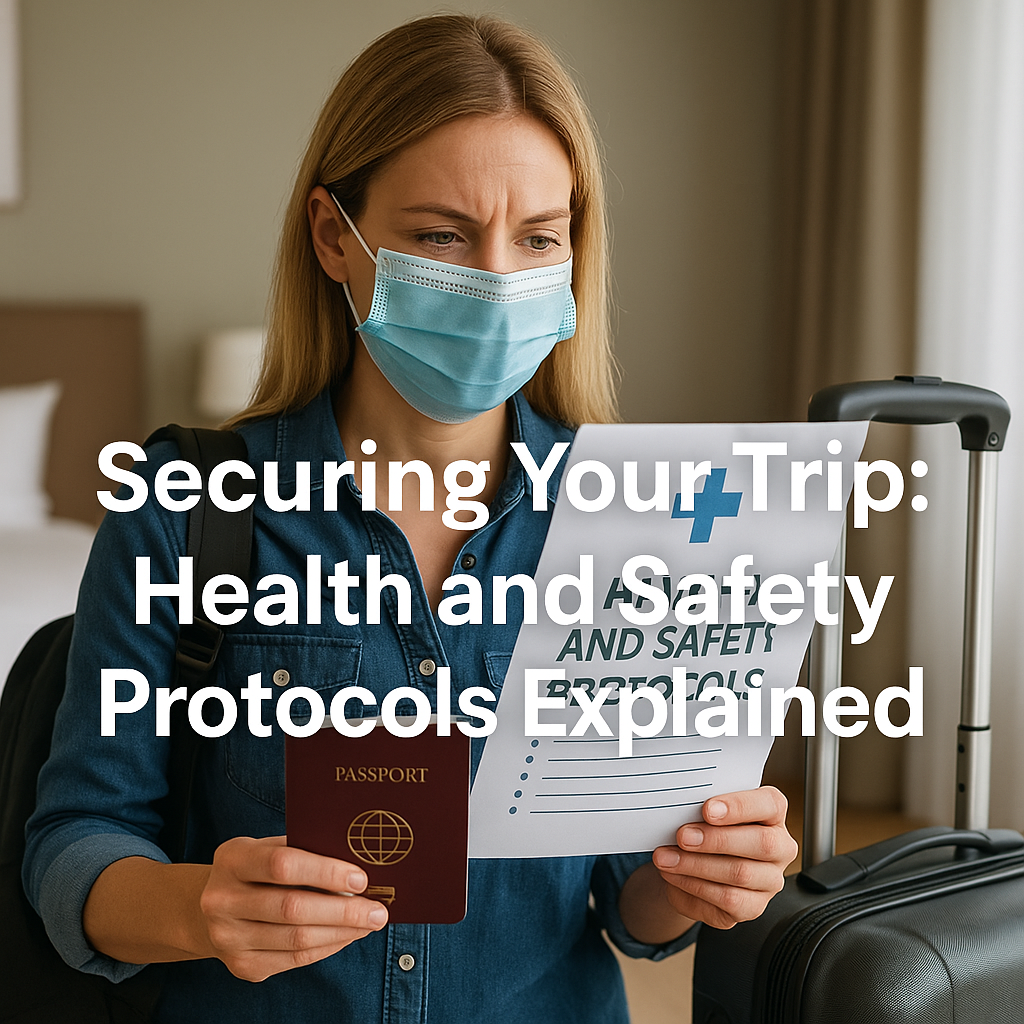
Securing Your Trip: Health and Safety Protocols
International travel offers unparalleled experiences, but it requires meticulous preparation to ensure your health and safety. This guide provides authoritative, practical advice to navigate global travel with confidence, focusing on safe travel and healthy travel practices.
Pre-Travel Health Risk Assessment and Destination Research
Before any international journey, you must conduct a thorough pre-travel health risk assessment. This includes reviewing country-specific health risks and safety concerns. Understanding local disease prevalence is critical for safe travel and healthy travel.
Vaccination and Health Preparation
Vaccination is a cornerstone of healthy travel. You must ensure all routine vaccines are current. This includes essential immunizations like measles, mumps, and rubella (MMR).

Furthermore, obtain any destination-specific vaccines at least one month prior to travel. This allows your body to build immunity. Consult a travel medicine specialist for personalized recommendations based on your itinerary and activities.
Routine Immunizations and Infectious Disease Prevention
Many infectious diseases can spread rapidly in unvaccinated populations. Updating your routine immunizations protects both you and others. This preparedness is a key aspect of travelers health.
The CDC and World Health Organization provide comprehensive guidance on vaccines for travel. These global health and hygiene protocols are crucial for safe travel and preventing outbreaks, especially in areas with varying medical care abroad standards.
Addressing Travel Health Risks and Prevention
Beyond routine shots, consider specific travel health risks for your chosen destination. Factors like climate, altitude, and local health infrastructure can influence your risk profile. A proactive approach to infectious disease prevention is vital for your well-being.
For example, in regions prone to mosquito-borne illnesses, preventative measures against bug bites are paramount. This includes using effective insect repellent and wearing appropriate clothing. This is a critical component of your travel health kit.
Expert Insight
“Travel medicine is essential not only for personal safety but for global health; since there is no ‘blanket statement’ for protection, vaccines must be personalized based on the specific destination, planned activities, and the traveler’s medical history to effectively prevent the spread of infectious diseases.” , Lauren Posteraro, PharmD, Allegheny Health Network
Travel Insurance and Medical Care Abroad
Confirming your health insurance coverage for medical care abroad is non-negotiable. Many domestic plans do not cover international medical emergencies. This oversight can lead to significant financial burdens, emphasizing the importance of securing comprehensive coverage for healthy travel.
You must consider purchasing comprehensive travel insurance. This should explicitly include coverage for medical evacuation and emergency evacuation. This is particularly vital if you plan to visit remote or high-risk destinations, ensuring your destination safety and peace of mind.
The World Travel and Tourism Council emphasizes that while protocols aim for safety, a 100% guarantee is not possible. Common rules and robust insurance, especially for medical care abroad, are paramount for safe travel. This aligns with advice from the US Department of State, which frequently highlights the need for robust emergency evacuation insurance for all travelers.
Before any trip, conduct a pre-travel health risk assessment. Research country-specific health risks and safety concerns. This includes reviewing health advisories from the CDC and the World Health Organization. Understand local disease prevalence and ensure your insurance covers these potential travel health risks.
Emergency Preparedness and Document Safety
Preparing for unforeseen events is a cornerstone of safe travel. You must leave copies of all important travel documents, including your passport and visa, with a trusted contact at home. Carry emergency contact information on your person. This should include details for family, your embassy, and your insurance provider, ensuring you’re ready for any medical emergencies or other travel health risks. Share your itinerary with trusted contacts and understand emergency procedures.
Travel Health Kit Essentials
A well-stocked travel health kit is indispensable for safe travel. This kit should contain more than just basic first aid supplies; it is a vital component of your first aid kit strategy. Preparing a comprehensive travel health kit is crucial for travelers health, addressing potential medical emergencies and common travel health risks.
Include all necessary prescriptions in their original containers, along with a copy of the prescription. Pack over-the-counter medicines for common ailments. These might include pain relievers, antacids, and anti-diarrhea medication. The Centers for Disease Control and Prevention (CDC) and the World Health Organization (WHO) both emphasize the importance of having these essentials on hand, especially when accessing health care abroad might be challenging.
Key Health Kit Items
- Prescription medications (with copies of prescriptions)
- Over-the-counter pain relievers
- Antihistamines
- Anti-diarrhea medication (e.g., loperamide) to combat traveler’s diarrhea
- Bandages, antiseptic wipes, and gauze
- Thermometer
- Insect repellent containing DEET or picaridin to prevent bug bites and infectious diseases
- Sunscreen with an SPF of 15 or higher
- Hand sanitizer (alcohol-based) for global health and hygiene protocols
- Water disinfection tablets or a portable filter for safe food and water consumption
Safe Transportation Choices and Road Safety
Motor vehicle crashes remain a leading cause of death among travelers globally. Exercise extreme caution when choosing transportation abroad. Always wear seat belts, and ensure children use appropriate car seats. This is a fundamental aspect of your destination safety strategy.
Be exceptionally vigilant in countries with different driving rules, unfamiliar road conditions, or varying aviation safety standards. Research local transportation options and their safety records before you travel. Opt for reputable taxi services or ride-sharing apps, and always avoid unmarked vehicles. Prioritize your safe travel by making informed choices about how you get around.
Avoiding Bug Bites and Vector-Borne Disease Prevention
Bug bites can transmit serious illnesses, posing significant travel health risks. Insect repellent is a primary defense against diseases like malaria, Zika, and dengue, which are spread by mosquitoes, especially during warm weather. Use repellent consistently to ensure your destination safety.
Wear long-sleeved shirts and long pants, particularly during dawn and dusk. Sleep under mosquito nets if your accommodation does not have screened windows or air conditioning. These measures are critical for infectious disease prevention and maintaining your travelers health. The CDC and World Health Organization emphasize these protocols for healthy travel.
Safe Food and Water Consumption
Contaminated food and water are common causes of traveler’s diarrhea and other illnesses, significantly impacting your travelers health. Adhere to strict food and water safety protocols to ensure a healthy travel experience. Remember the crucial mantra: “Boil it, cook it, peel it, or forget it.”

To prevent infectious diseases from unsafe consumption, choose foods that are served hot and freshly cooked. Always avoid raw or undercooked meats and seafood, unpasteurized dairy products, and unpeeled fruits or vegetables. Exercise caution with street vendor food unless you can verify its preparation and hygiene standards. The CDC and World Health Organization consistently emphasize these guidelines for global health and hygiene protocols.
When it comes to beverages, drink only bottled or canned options with intact seals. Avoid ice made from tap water, as it can harbor harmful pathogens. Consider carrying water disinfection tablets as part of your travel health kit for situations where sealed beverages or boiled water are unavailable, contributing to overall destination safety.
Food and Water Safety Guidelines for Healthy Travel
| Category | Safe Practices | Unsafe Practices to Avoid |
|---|---|---|
| Water | Bottled or canned drinks (sealed), boiled water, chemically disinfected water, ensuring proper water disinfection | Tap water, ice, fountain drinks, any unsealed beverages |
| Food | Hot, freshly cooked items, fruits you peel yourself, pasteurized dairy, well-vetted restaurant food | Raw or undercooked meat/seafood, unpeeled fruits/vegetables, unpasteurized dairy, street vendor food (unless thoroughly vetted), foods left at room temperature |
| Hygiene | Frequent hand washing with soap and water, using hand sanitizer (especially before eating), avoiding cross-contamination | Handling food without clean hands, consuming food from unsanitary environments, sharing utensils without proper cleaning |
Global Health and Hygiene Protocols
The World Health Organization (WHO) and the World Travel and Tourism Council (WTTC) have established global health and hygiene protocols to enhance travelers health. These standards aim to ensure public safety in travel and tourism. When planning your journey, look for destinations and businesses that adhere to these guidelines, often indicated by a “Safe Travels Stamp.”
These essential protocols cover various sectors, including hospitality health protocols and stringent aviation safety standards. They signify a strong commitment to traveler well-being and are crucial for safe travel. Your awareness of these standards can guide your choices, helping you identify reliable services committed to preventing infectious diseases and other travel health risks.
Frequently Asked Questions
How far in advance should I get my vaccines for travel?
To ensure healthy travel, you should consult your healthcare provider or a travel medicine specialist at least 4 to 6 weeks before your trip. This allows ample time for vaccines for travel to become effective, including any multi-dose series, and for you to receive any destination-specific vaccines recommended by the CDC or World Health Organization. Updating routine immunizations like measles mumps rubella is also crucial for preventing infectious diseases.
What if I need medical care abroad?
First, contact your travel insurance provider immediately. They can direct you to approved medical facilities and clarify your coverage for medical care abroad, including potential emergency evacuation insurance. In a critical situation, seek immediate local medical attention.
Always keep all medical records, prescriptions, and receipts for insurance claims. Understand your policy’s provisions for medical emergencies and emergency evacuation before you depart.
Is it safe to drink tap water in most countries?
No. Assume tap water is unsafe unless explicitly advised otherwise by reliable local sources or your accommodation. Always prioritize bottled, boiled, or disinfected water to prevent traveler’s diarrhea and other waterborne infectious diseases. Practicing strict food and water safety is a cornerstone of healthy travel. Consider carrying water disinfection tablets as part of your travel health kit.
Should I register my trip with the US Department of State?
Yes, absolutely. Enroll in the Smart Traveler Enrollment Program (STEP) with the US Department of State. This essential program helps the US Embassy locate you in an emergency and provides timely updates on travel warnings and critical destination safety conditions. It’s a key component of smart traveler enrollment and enhances your overall safe travel strategy.
References
- Survival Guide to Safe and Healthy Travel | Travelers’ Health – CDC
- ‘Safe Travels’: Global Protocols & Stamp for the New Normal
- Tips for Staying Safe While Traveling | WorldTrips Travel Insurance
- Travel to high risk areas: 8 Safety Measures for Business Travelers
- How to Prepare for Safe and Healthy Travel – DAN Boater