
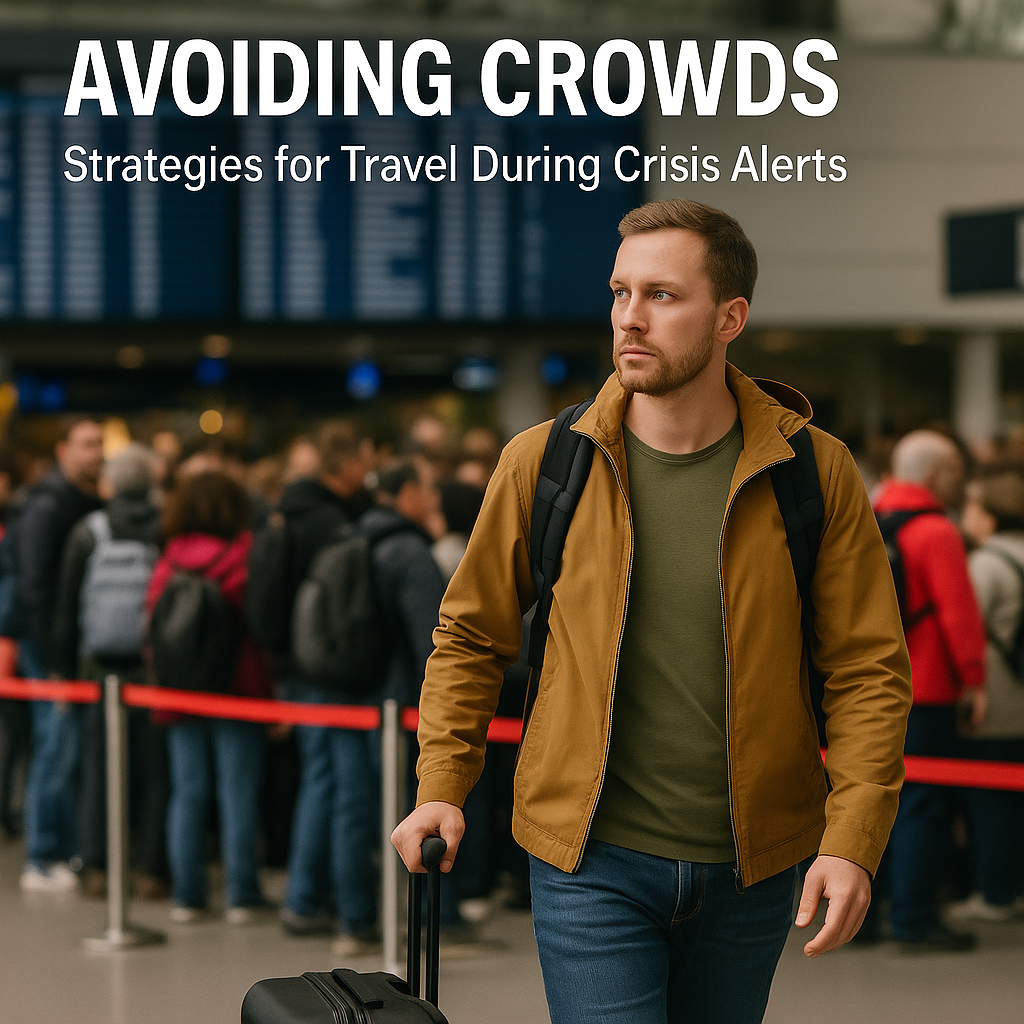

Navigating Crisis: Avoiding Travel Crowds in 2026
Travel in 2026 demands strategic preparedness, particularly when facing crisis alerts. Flight cancellations, airspace closures, and infrastructure outages are no longer rare. They are predictable disruptions. This guide provides expert strategies for avoiding crowds and managing travel logistics during such events.
The Importance of a Crisis Plan and Backup Strategies
A well-structured travel crisis plan is your first line of defense against travel disruptions. Travelers with a robust response system are far more likely to navigate chaos successfully. In 2025 alone, over 140,000 flights were canceled globally due, in large part, to extreme weather travel and airline technology outage issues, underscoring the necessity of preparedness for routine disruptions. A solid backup travel plan can make all the difference, whether you are traveling to Dubai, Frankfurt, or London Heathrow.
First Six Hours Response Tactics: Act Fast, Avoid Long Lines
When an airport shutdown or major flight cancellation hits, resist the urge to rush to the airline service desk. The most effective travelers, like those advised by travel expert Katy Nastro from Going, recommend opening airline mobile apps and digital channels promptly. Check rebooking options online, screenshot all booking details, and avoid long lines at the airline service desk to save valuable time and money. This traveler response system minimizes stress and maximizes your chances of securing a new route.
Securing Accommodation During Extended Delays
Airport accommodation fills up incredibly fast during major disruptions, often within 60-90 minutes. Proactively booking independently and securing a room early often yields better rates and availability than waiting for airline-arranged options. Whether you’re stranded at John F. Kennedy Airport, Newark, or LaGuardia, having hotel booking tips and a plan for emergency accommodation procurement is vital for stranded travelers.
Digital Documentation and Backup Methods
The triple backup method for your essential documents is crucial. This includes cloud storage (Google Drive, iCloud, Dropbox), offline PDFs, and camera roll screenshots. This ensures you can access passports, insurance, and booking details even if your phone battery dies or internet access is lost. This digital connectivity solution has proven vital in real disruption scenarios, protecting your international travel tips and travel crisis plan.
Identifying Alternative Transit Hubs and Routes
During airspace closures or other significant travel disruptions, knowing alternative transit hubs and routes can save your trip. Consider using secondary regional airports like Savannah, Georgia, or smaller London airports such as London Gatwick, Stansted, Luton, or Southend instead of London Heathrow. High-speed rail networks like Eurostar between European cities such as Paris, Amsterdam, Madrid, or Barcelona continue functioning even when flights are grounded. A strategic rerouting plan is key for efficient travel logistics.
Understanding and Negotiating Rebooking Rights and Force Majeure
Knowledge of regulations, such as EU EC 261/2004 in the European Union, empowers you to negotiate rebooking and compensation during disruptions. Airlines may rebook on partner carriers during major events; asking specifically about these options can secure a better rerouting plan and accommodations. Understanding your travel insurance coverage is also critical for navigating these situations effectively.
Use of Private Connectivity (eSIM) Over Public Wi-Fi
Public Wi-Fi networks become overloaded and insecure during travel disruptions. Reliable, private internet access is essential for crisis management tasks like rebooking strategy, communication, and navigation. An eSIM plan from providers like Mobimatter offers secure, dedicated digital connectivity, bypassing the unreliability of public networks, especially if you face TSA shortages or an airport shutdown.
Managing Unexpected Diversions and In-Flight Rerouting
Unexpected diversions and in-flight rerouting to unplanned countries are common. Solutions include pre-purchased regional eSIMs, which are invaluable for ensuring connectivity across multiple regions. Mobimatter’s platform enables quick purchase in such emergencies, providing immediate digital connectivity for international travel tips and managing unforeseen travel logistics, whether you land in Munich, Dusseldorf, or Stuttgart.
Expert Insight
“Technology should never replace the human touch in a crisis; it should empower it by removing the burden of manual data consolidation so that travelers can focus on clear communication, faster decisions, and their own safety.” , Travel Industry Crisis Expert
The Imperative of a Crisis Plan and Backup Strategies
You need a plan that works regardless of the specific disruption. A flight cancellation in Dubai creates similar immediate needs to one in Frankfurt, Munich, or even at John F. Kennedy Airport. These include securing airport accommodation, ensuring digital connectivity, accessing critical documentation, and establishing a clear rerouting plan. Building a robust travel crisis plan is your best defense against becoming one of the many stranded travelers facing an airport shutdown.
Immediate Response: The First Six Hours
When major travel disruptions occur, your initial actions are crucial. Resist the urge to rush to the airline service desk, as these queues will be long and inefficient, especially during an airport shutdown or infrastructure outages. This is a common mistake that can cost you valuable rebooking time.

Instead, immediately open your airline’s mobile app and other digital channels. Check for rebooking options online. Screenshot your booking details, including confirmation numbers and flight times. This digital approach saves significant time and money, forming a crucial element of your traveler response system during flight cancellations or airspace closures.
Digital Rebooking and Airline Apps
Airlines such as British Airways, Lufthansa, and Delta offer robust mobile apps, which are your primary tools for digital rebooking during a crisis. Familiarize yourself with their features before you travel. These apps are designed to manage travel logistics and offer a vital rebooking strategy.
For example, if you are at London Heathrow or John F. Kennedy Airport, using the airline mobile app to rebook can bypass hundreds of people waiting at the physical airline service desk. This is particularly effective during peak travel disruptions like extreme weather travel or an airline technology outage.
Securing Accommodation During Extended Delays
During significant travel disruptions, airport hotels can fill within 60 to 90 minutes. Do not rely solely on airline-arranged accommodations, which may already be fully booked. Proactively booking independently and securing a room early often yields better rates and availability. This is a critical aspect of your backup travel plan.
Consider nearby alternatives to major hubs like London Heathrow, John F. Kennedy Airport, or Frankfurt. Exploring options around London Gatwick, Stansted, Luton, or Southend, or smaller regional airports near Munich, Dusseldorf, or Stuttgart, can prove invaluable. This proactive hotel booking tips can save you from being one of many stranded travelers.
Digital Documentation and Backup Methods
The triple backup method for your essential travel documents is non-negotiable. Utilize cloud storage services like Google Drive, iCloud, or Dropbox, save offline PDFs, and take camera roll screenshots. This ensures access to passports, travel insurance coverage, and booking details even if your phone battery dies or internet access is lost, a common scenario during airport shutdowns or TSA shortages.
This comprehensive digital connectivity solution is vital for international travel tips, especially when navigating complex travel logistics and potential rerouting plans during a crisis guide 2026 scenario.
Securing Accommodation During Extended Delays
Airport hotels fill rapidly during major travel disruptions, often within 60 to 90 minutes. This swift occupancy is a critical factor for stranded travelers. Proactive booking is key to avoiding long lines and securing a place to rest.
Do not rely solely on airline-arranged accommodations, as these may be fully booked quickly during widespread flight cancellations or an airport shutdown. Consider options beyond the immediate airport complex. For instance, if you are stranded at Newark or LaGuardia, look for hotels in nearby towns. This proactive approach can make a significant difference in your comfort and cost, especially during an extreme weather travel event or an airline technology outage.
Booking independently and early typically yields better rates and ensures availability. Remember, your travel crisis plan should always include backup accommodation strategies. This is a vital part of your emergency accommodation procurement, ensuring you aren’t left without options when TSA shortages or infrastructure outages impact travel logistics. During the 2025 global travel disruptions, where over 140,000 flights were canceled due to extreme weather, travelers with a structured crisis plan for accommodation were far more successful.
Digital Documentation and Backup Methods
The triple backup method for your essential documents is non-negotiable, particularly during unexpected travel disruptions or an airport shutdown. This strategy is vital for any comprehensive travel crisis plan in 2026.
First, store copies in cloud storage platforms such as Google Drive, iCloud, or Dropbox. This ensures your critical documents are accessible from any device with an internet connection, even if your primary device is lost or damaged. This digital connectivity solution is a cornerstone of modern travel logistics.
Second, keep offline PDFs on your devices. This provides access to your passport, visa details, travel insurance, and booking confirmations even if internet access is lost, a common scenario during infrastructure outages or extreme weather travel.
Finally, have screenshots of these documents in your camera roll. This ensures immediate access, even if your phone battery dies and you can only quickly power it on for a moment. Many travelers have found this strategy indispensable in real disruption scenarios, from John F. Kennedy Airport to London Heathrow.
This comprehensive backup approach is a critical element of your backup travel plan, ensuring you can avoid long lines at an airline service desk and manage rebooking strategy efficiently. It has proven invaluable for stranded travelers caught in widespread flight cancellations or an airline technology outage, allowing them to provide necessary documentation for digital rebooking or securing airport accommodation.
Expert Insight
“A multi-layered cybersecurity approach is essential to disaster resilience. However, without a robust backup strategy, organizations face severe consequences. Critical systems have redundancy and backups in place. IT administrators also perform disaster recovery exercises.” , Industry Analyst
Identifying Alternative Transit Hubs and Routes
During a travel disruption, primary hubs like London Heathrow, Paris Charles de Gaulle, or Frankfurt Airport can become overwhelmed. Strategic rerouting involves identifying and utilizing secondary regional airports and high-speed rail networks to avoid long lines and potential airport shutdown scenarios.

For example, during a London Heathrow closure, London Gatwick, Stansted, Luton, or Southend airports may remain operational. High-speed rail networks, such as Eurostar connections between London, Paris, Amsterdam, and Brussels, often continue functioning even when flights are grounded due to extreme weather travel or infrastructure outages. This is a key component of any effective rerouting plan.
Consider alternative routes through cities like Munich, Dusseldorf, or Stuttgart if your primary destination is in Germany. Similarly, if you’re facing flight cancellations at John F. Kennedy Airport, Newark, or LaGuardia, exploring regional alternatives or high-speed rail to nearby cities can be part of your backup travel plan. A comprehensive travel crisis plan always includes these strategic alternatives.
In 2025, over 140,000 flights were canceled globally due to extreme weather, highlighting the necessity of preparedness for routine disruptions. Identifying alternative transit hubs is a critical element of a structured crisis plan. Travelers with a well-developed traveler response system for disruptions are more likely to navigate chaos successfully.
When facing an airport shutdown or major travel disruptions, resisting the urge to rush to the airline service desk immediately is crucial. Instead, open your airline mobile app and digital channels promptly. Check rebooking options online, screenshot booking details, and avoid long queues to save valuable time. This digital rebooking strategy often yields faster results than waiting in line, especially during TSA shortages or airline technology outage events.
Understanding Rebooking Rights and Force Majeure
Navigating travel disruptions in 2026 requires a deep understanding of your rebooking rights and the concept of force majeure. Knowledge of regulations like EU EC 261/2004 is crucial for negotiating rebooking and compensation during disruptions within the European Union. These regulations protect travelers’ rights in cases of flight cancellations or long delays, especially when facing airline technology outages or extreme weather travel scenarios.

During a major travel disruption, such as an airport shutdown at London Heathrow or Frankfurt, airlines may rebook on partner carriers. Always ask specifically about these options at the airline service desk or via their mobile app. This proactive approach, part of effective Travel Disruption Management, can secure better routing and accommodations, helping you avoid long lines of stranded travelers.
A structured travel crisis plan includes knowing that airlines often have agreements with other carriers. For example, if your flight from John F. Kennedy Airport to Paris is canceled, asking about partner airlines could reroute you through Amsterdam or Madrid, bypassing overcrowded primary hubs. This rebooking strategy is vital when facing flight cancellations or airspace closures.
Understanding force majeure clauses is also critical. These typically exempt airlines from compensation for events beyond their control, like extreme weather travel or unforeseen infrastructure outages. However, your rebooking strategy should still involve exploring all available options, including digital rebooking via the airline mobile app, to secure alternative travel logistics. Katy Nastro of Going emphasizes the importance of a rapid, digital-first response.
In 2025, over 140,000 flights were canceled globally due to extreme weather, underscoring the necessity of a backup travel plan. When confronted with such events, resist the initial urge to rush to the airline service desk. Instead, open your airline mobile app and digital channels promptly to check rebooking options online. Screenshotting booking details and avoiding long queues can save precious time and money, forming a critical part of your first six hours response tactics.
Private Connectivity Over Public Wi-Fi: Your Digital Lifeline
Public Wi-Fi networks are often the first to become overloaded and insecure during widespread travel disruptions or an airport shutdown. This makes them unreliable for critical tasks, especially when you need to act fast during a crisis guide 2026 scenario. Relying on them for rebooking strategy or urgent communication can leave stranded travelers vulnerable.
An essential component of your travel crisis plan is a secure, private internet connection. eSIM plans from providers like Mobimatter offer private, reliable internet access across multiple countries. This is crucial for crisis management, including digital rebooking, communicating with family, and executing your rerouting plan effectively, whether you’re at London Heathrow, Frankfurt, or John F. Kennedy Airport.
Reliable digital connectivity is a cornerstone of your preparedness. It allows you to stay informed about airspace closures, extreme weather travel alerts, and infrastructure outages. During the first six hours of a disruption, when airport hotels fill rapidly, having instant access to hotel booking tips and alternative accommodation options is paramount. This ensures you can secure a room before the general rush to the airline service desk, saving both time and money.
Managing unexpected diversions and in-flight rerouting also heavily depends on digital connectivity solutions. If your flight to London Gatwick is suddenly rerouted to Munich due to an airline technology outage, a pre-purchased regional eSIM can ensure immediate connectivity. Mobimatter’s platform enables quick purchases in such emergencies, ensuring you remain connected across various regions, from Dusseldorf to Paris, even during significant travel disruptions.
Managing Unexpected Diversions and Rerouting
Diversion scenarios, such as flights rerouted to unplanned countries or unexpected airport shutdowns at hubs like Frankfurt or Dubai, are increasingly common. These travel disruptions demand a robust rerouting plan. Pre-purchased regional eSIMs are an effective solution for maintaining digital connectivity.
Platforms like Mobimatter allow for quick purchase in such emergencies, ensuring continuous connectivity across multiple regions even if your flight cancellations lead to an unplanned stop in, for example, Savannah, Georgia, instead of your intended destination. This is a key component of a robust Crisis Logistics Framework.
This proactive approach enables you to adapt to fluid situations and maintain critical communication channels, a vital aspect of any travel crisis plan. When facing airspace closures or infrastructure outages, having immediate access to the internet for digital rebooking or to check alternative routes via Eurostar from London to Paris becomes paramount for stranded travelers.
Katy Nastro of Going emphasizes that a well-prepared traveler, equipped with a solid backup travel plan and reliable digital connectivity solutions, can navigate complex travel logistics far more effectively. This ensures you can avoid long lines at the airline service desk and quickly implement your rebooking strategy during a crisis guide 2026 scenario, whether you’re at London Heathrow, Munich, or John F. Kennedy Airport.
Key Strategies for Crisis Travel
Effective crisis travel planning involves several integrated strategies, ranging from immediate digital responses to long-term preparation. As travel in 2026 faces predictable disruptions like flight cancellations and airspace closures, a robust traveler response system is essential. This guide outlines how to build your travel crisis plan.
Importance of a Crisis Plan and Backup Strategies
Travelers with a structured crisis plan are far more likely to navigate chaos successfully. In 2025 alone, over 140,000 flights were canceled globally due to extreme weather, infrastructure outages, and airline technology outage events. This highlights the critical necessity of preparedness. Your backup travel plan should anticipate scenarios like an airport shutdown at hubs such as Frankfurt, Dubai, or even John F. Kennedy Airport. Developing a detailed rerouting plan reduces stress and enables proactive responses to major travel disruptions.
First Six Hours Response Tactics
When travel disruptions strike, your initial response is crucial. As travel expert Katy Nastro from Going emphasizes, “The most effective travelers resist rushing for airline service desks initially, instead opening airline apps and digital channels promptly.” This digital rebooking strategy helps you avoid long lines and secure faster resolutions. Immediately check rebooking options via your airline mobile app, screenshot all booking details, and prioritize digital connectivity to manage your rebooking strategy effectively. This swift action can save significant time and money, especially during widespread flight cancellations or TSA shortages.
Securing Accommodation During Extended Delays
Major travel disruptions often lead to airport hotels filling within 60-90 minutes. To avoid being among stranded travelers, proactively book airport accommodation independently and early. This often yields better rates and guaranteed lodging compared to relying on airline-arranged accommodations, which can be quickly overwhelmed at hubs like London Heathrow, London Gatwick, or Newark. Securing your room promptly is a key hotel booking tip for any travel crisis plan.
Digital Documentation and Backup Methods
Constant access to vital documents is non-negotiable during a travel crisis. Implement the triple backup method: cloud storage (e.g., Google Drive, iCloud, Dropbox), offline PDFs, and camera roll screenshots. This ensures you can access passports, insurance, and booking details even if your phone battery dies or internet access is lost. This proactive documentation strategy has proven vital in real disruption scenarios, providing a critical safety net for international travel tips.
Identifying Alternative Transit Hubs and Routes
Bypassing disrupted major hubs is a smart strategy. Identify secondary regional airports and high-speed rail networks as part of your alternative routing plan. For instance, during a London Heathrow closure, London Gatwick, Stansted, Luton, or Southend might remain operational. Similarly, high-speed rail networks like Eurostar between European cities such as Paris, Amsterdam, Madrid, or Barcelona, continue functioning even when flights are grounded, providing strategic rerouting options. Consider smaller airports like Savannah, Georgia, or European alternatives like Munich, Dusseldorf, or Stuttgart when primary hubs face an airport shutdown.
Understanding and Negotiating Rebooking Rights and Force Majeure
Knowledge of regulations, such as EU EC 261/2004 for travel within the European Union, helps travelers negotiate rebooking and compensation during disruptions. Airlines may rebook you on partner carriers during major events; specifically asking about these options can secure better routing and accommodations. Understanding your travel insurance coverage is also paramount for navigating compensation claims related to extreme weather travel or airline technology outage events. This proactive approach is a critical element of effective travel disruption management.
Use of Private Connectivity (eSIM) Over Public Wi-Fi
During a travel crisis, public Wi-Fi networks quickly become overloaded and insecure. Using private eSIMs for internet access provides reliable communication and secure data, essential for managing crisis logistics. Providers like Mobimatter offer private, reliable internet access crucial for tasks such as rebooking, communication with family, and navigation. This digital connectivity solution ensures you maintain control over your travel logistics, especially when facing an airport shutdown or infrastructure outages.
Managing Unexpected Diversions and In-Flight Rerouting
Unexpected diversion scenarios, such as flights rerouted to unplanned countries, are increasingly common. Having pre-purchased regional eSIMs or the ability to quickly acquire one via platforms like Mobimatter is essential. This ensures immediate digital connectivity across multiple regions, allowing you to manage new travel logistics, communicate with your airline, and update your travel crisis plan. Reliable connectivity is fundamental for any traveler response system, especially for stranded travelers. This ensures you are never truly disconnected, even in complex rerouting plan scenarios.
| Strategy | Key Action | Benefit |
|---|---|---|
| Pre-Crisis Planning | Develop a detailed backup travel plan. | Proactive response, reduced stress. |
| Digital First Response | Utilize airline mobile apps for rebooking. | Avoid long lines, faster resolution. |
| Accommodation Security | Book airport hotels independently and early. | Guaranteed lodging, better rates. |
| Documentation Backup | Implement the triple backup method. | Constant access to vital documents. |
| Alternative Routing | Identify secondary airports and rail links. | Bypass disrupted major hubs. |
| Connectivity | Use private eSIMs for internet access. | Reliable communication, secure data. |
Frequently Asked Questions About Crisis Travel
Navigating travel disruptions in 2026 requires a proactive approach. Here are answers to common questions about managing travel logistics and avoiding crowds during crisis alerts.
What is the most important step during a travel crisis?
The most important step is to implement your first six hours response tactics. This means immediately using airline mobile apps and digital rebooking options. Avoid the long lines that quickly form at the airline service desk, as these become overwhelmed during major travel disruptions. For instance, during the 2025 global flight cancellations, travelers who prioritized digital solutions saved significant time and stress.
How can I avoid long lines at the airport during disruptions?
To avoid long lines at airports like London Heathrow or John F. Kennedy Airport during disruptions, focus on digital solutions. Utilize airline mobile apps for rebooking, checking flight status, and accessing your backup travel plan. Avoid physical airline service desk queues, which become overwhelmed quickly during TSA shortages or widespread flight cancellations. This digital-first approach is a core rebooking strategy for any traveler response system.
What should I do if my flight is diverted to an unexpected location?
If your flight is diverted, such as to an unplanned hub like Frankfurt or Munich, immediately use a pre-purchased regional eSIM for digital connectivity. This allows you to rebook, communicate with family, and access navigation tools without relying on slow public Wi-Fi. This is crucial for managing unexpected diversions efficiently, especially when dealing with international travel tips and rerouting plans. Mobimatter’s platform, for example, allows quick eSIM purchases even during an in-flight rerouting scenario.
Is travel insurance necessary for crisis travel in 2026?
Yes, comprehensive travel insurance coverage is highly recommended for crisis travel in 2026. It provides vital financial protection for rebooking, emergency airport accommodation, and other unforeseen expenses during travel disruptions, including those caused by extreme weather travel or an airline technology outage. Review your policy carefully for details on coverage during such events, as a robust travel crisis plan always includes insurance.
How can I stay updated on travel alerts and airport shutdowns?
Subscribe to airline alerts and utilize official airport apps, such as those for London Gatwick or Newark. Monitor news from reliable sources like Katy Nastro of Going. Staying informed about potential airspace closures, infrastructure outages, or extreme weather travel is key to proactive crisis management and ensuring you have a solid rerouting plan. This helps you anticipate and mitigate the impact of an airport shutdown.
Importance of a Crisis Plan and Backup Strategies
Travelers with a structured crisis plan and a built-in traveler response system for disruptions are far more likely to navigate chaos successfully. In 2025, over 140,000 flights were canceled globally due to extreme weather, highlighting the necessity of preparedness for routine disruptions. A robust backup travel plan, stored in a Digital Connectivity Solutions platform like Google Drive or iCloud, is essential for international travel tips.
First Six Hours Response Tactics
The most effective travelers resist rushing for the airline service desk initially. Instead, they immediately open airline mobile apps and digital channels. Actions should include checking rebooking options online, screenshotting booking details, and avoiding long queues at places like John F. Kennedy Airport or Dubai, to save both time and money. This immediate digital response is a cornerstone of any effective rebooking strategy.
Securing Accommodation During Extended Delays
During major travel disruptions, airport hotels fill within 60-90 minutes. Booking independently and securing a room early often yields better rates and availability than waiting for airline-arranged accommodations, which may be fully booked quickly. For stranded travelers, having hotel booking tips and a pre-researched list of nearby options in cities like London or Paris is invaluable.
Digital Documentation and Backup Methods
The triple backup method, cloud storage (e.g., Dropbox), offline PDFs, and camera roll screenshots, is crucial for your travel crisis plan. This ensures access to passports, insurance, and booking details even if phone batteries die or internet access is lost, which has proven vital in real disruption scenarios. This is a key component of a Crisis Logistics Framework and Travel Disruption Management.
Identifying Alternative Transit Hubs and Routes
Using secondary regional airports and high-speed rail networks, such as Eurostar connections between London and Paris, can bypass disrupted primary hubs like London Heathrow. For example, during past Heathrow closures, Gatwick, Stansted, Luton, and Southend airports often remained operational. High-speed rail between European cities like Amsterdam, Madrid, or Barcelona continues functioning even when flights are grounded, offering a strategic rerouting option.
Understanding and Negotiating Rebooking Rights and Force Majeure
Knowledge of regulations like EU EC 261/2004 helps travelers negotiate rebooking and compensation during travel disruptions, including those caused by extreme weather travel or an airline technology outage. Airlines may rebook on partner carriers during major events; asking specifically about these Airline Rebooking Protocols can secure better routing and accommodations, even if your original flight was to Savannah, Georgia.
Use of Private Connectivity (eSIM) Over Public Wi-Fi
Public Wi-Fi networks become overloaded and insecure during disruptions, especially at busy hubs like Frankfurt or Dusseldorf. Competitors highlight that eSIM Plans from providers like Mobimatter offer private, reliable internet access essential for crisis management tasks like rebooking, communication, and navigation. This digital connectivity is a critical part of your traveler response system.
Managing Unexpected Diversions and In-Flight Rerouting
Diverse diversion scenarios, like flights rerouted to unplanned countries or cities, are common. Solutions include pre-purchased regional eSIMs. Mobimatter’s platform enables quick purchase in such emergencies, ensuring connectivity across multiple regions, from Stuttgart to Paris. This preparedness is vital for efficient Emergency Accommodation Procurement and managing travel logistics during any crisis guide 2026 scenario.
References
- Tips for avoiding travel disruptions at airports amid partial shutdown
- How to Handle Travel Disruptions: Crisis Guide 2026 – MobiMatter
- Travel Safety Tips To Manage Political Instability and Civil Unrest …
- Experts share insights on how to navigate travel chaos amid war …
- STAY ALERT & AVOID LARGE CROWDS ⚠️ – Facebook