
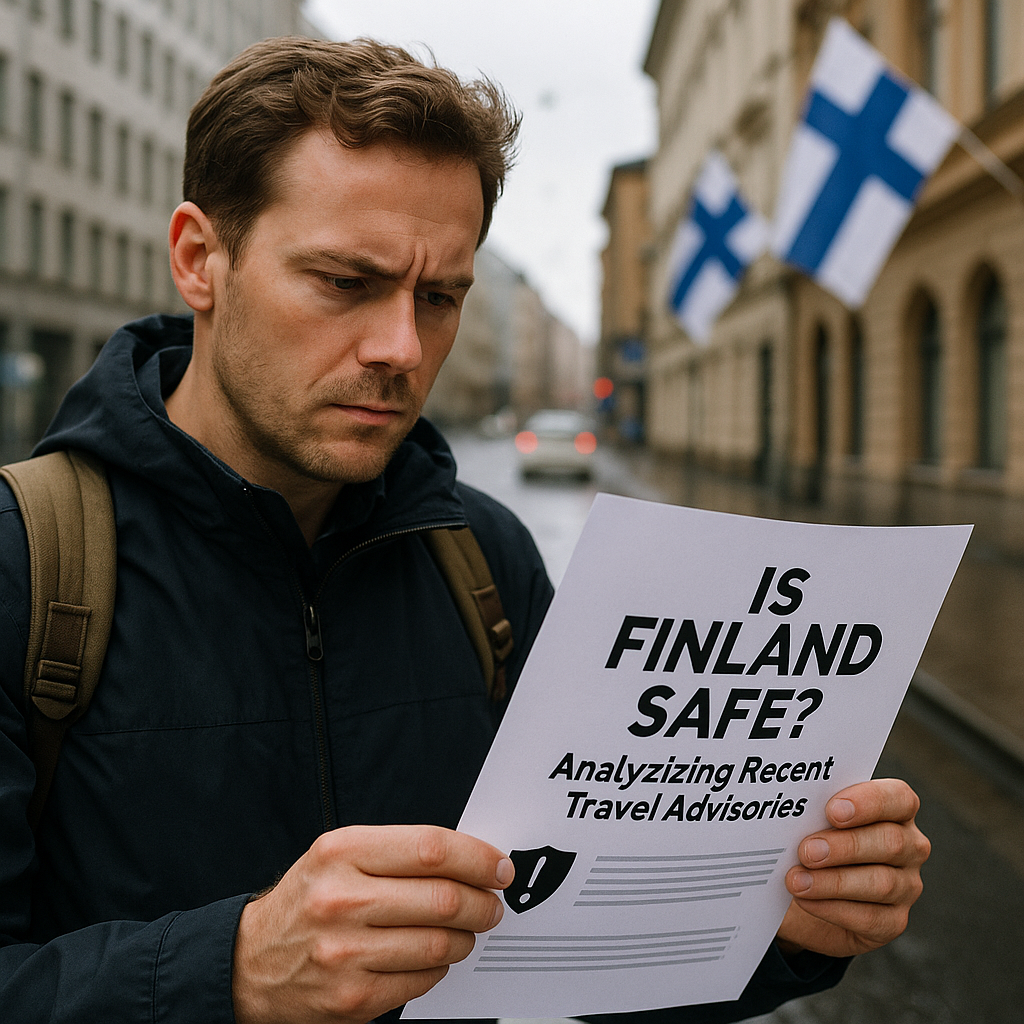



Is Finland Safe? Analyzing Recent Travel Advisories
Finland consistently ranks as one of the safest countries globally. However, international travel always requires thorough preparation and awareness. This guide provides an expert assessment of Finland’s safety, incorporating recent travel advisories and essential security protocols for travelers in 2026.
Understanding Finland’s Current Travel Advisory Level
As of March 28, 2026, Finland maintains a stable and low risk travel advisory level, with no recent changes to its overall risk indicators. This stability is a key factor in Finland’s reputation for safety. Always consult the latest official travel advisory levels from your home country’s government, such as those provided by the U.S. Embassy in Finland, to assess the most current safety information before traveling to Finland.
Terrorism Threats and Public Safety in Finland
While Finland is generally safe, the threat of terrorism remains a global concern, and Finland is not entirely immune. Potential targets for such incidents include places of worship, hotels, markets, and public transport hubs. When traveling to Finland, maintain a high level of vigilance, especially in crowded public places. Report any suspicious activity to local authorities immediately and always follow their instructions to ensure public safety in Finland.
Civil Unrest and Protest Safety in Finland
Civil unrest and political demonstrations can occur in Finland, as in any democratic nation. While often peaceful, large gatherings and protests may occasionally turn violent or disruptive. Travelers are advised to monitor local media for news of planned demonstrations, avoid affected areas, and adhere strictly to advice from local authorities. Being aware of potential civil unrest in Finland is crucial for maintaining your safety.
Crime Risks: Pickpocketing and Credit Card Skimming
Serious crime in Finland is uncommon, contributing to its low Finland risk level. However, petty crimes such as pickpocketing and bag-snatching do occur, particularly in tourist-heavy areas and on public transportation. Be vigilant against credit card skimming devices at ATMs and point-of-sale terminals. Always shield your PIN, monitor your bank statements for suspicious activity, and practice general card skimming safety. Drink spiking prevention is also a concern in nightlife venues; never leave your drink unattended.
The Importance of Finland Travel Insurance
Purchasing comprehensive Finland travel insurance is non-negotiable for any international travel to Finland. This coverage should include medical costs, emergency medical evacuation assistance, and trip cancellations. Without adequate travel insurance coverage, you could face thousands of dollars in medical expenses for unforeseen incidents or illnesses, particularly if you require specialized care or medical evacuation assistance. This is a critical component of your international travel checklist.
Extreme Winter Weather and Natural Disaster Preparedness
Finland experiences severe winter weather conditions, characterized by heavy snowfall, extreme cold, and short daylight hours, which can significantly impact transport and shut down infrastructure. Beyond winter, risks include storms, floods, and high winds. Travelers should prepare for such events by keeping essential travel documentation, including passports, secure and readily accessible. Always follow local authority instructions during any natural disaster in Finland to ensure your safety and minimize disruption.
Travel Health Advice and Infectious Diseases
When traveling to Finland, be aware of specific health risks. Tick-borne encephalitis is a notable concern, particularly in rural forested areas and the Aland Islands, with an active season from March to November. The Centers for Disease Control and Prevention (CDC) recommends using insect repellent, wearing protective clothing, and consulting a health professional about vaccinations before your visit. The Finnish Institute for Health and Welfare provides additional travel health information. Methanol poisoning risk, while rare, can occur from illicit alcohol; only consume beverages from reputable sources.
Reciprocal Healthcare and Medical Services in Finland
For Australian citizens, a limited reciprocal healthcare agreement (RHCA) offers access to emergency medical services for visits under 90 days. However, this does not replace comprehensive travel insurance. Major hospitals are located in Helsinki, Tampere, and Turku, where English is widely spoken. Despite the quality of Finnish medical services, private travel insurance remains essential for full coverage, including medical evacuation assistance, ensuring you are prepared for any health emergency during your Finland travel health journey.
Enrolling in the Smart Traveler Enrollment Program (STEP)
The U.S. Embassy in Finland strongly recommends all U.S. citizens enroll in the Smart Traveler Enrollment Program (STEP). This free service allows the U.S. Embassy to locate and assist you in an emergency, such as a natural disaster or civil unrest. It also provides critical updates on Finland travel advisories and country security reports. Enrolling in STEP ensures you receive emergency contact enrollment alerts and enhances your overall travel safety Finland experience.
Expert Insight
“A major challenge is the very low awareness of the risk of contracting TBE in those who travel to industrialized European countries; while the risk is statistically lower than typhoid fever, the potential for long-term disability makes pre-travel risk assessment and vaccination essential.” , Expert in Travel Medicine, NCBI
Current Travel Advisory Level and Risk Indicators for Finland
As of March 28, 2026, the official travel advisory for Finland recommends exercising normal precautions. There have been no recent changes to Finland’s advisory level or risk indicators, signifying a stable security environment. This consistent assessment emphasizes Finland’s low overall risk profile for international visitors, reinforcing Finland’s reputation for travel safety.
You should always verify the most current travel advisory levels from official government sources prior to your departure. These advisories are updated regularly to reflect any emerging concerns, offering crucial Finland travel advice. Monitoring these updates is a critical component of your international travel checklist, especially if you are traveling to Finland for the first time.
Understanding Finland’s Security Report and Risk Level
Finland consistently maintains a low Finland risk level across various categories. The U.S. Embassy in Finland, along with other international bodies, regularly publishes a Country Security Report providing detailed insights into public safety Finland. This report confirms that serious crime in Finland is uncommon, contributing to a high level of Finland tourist safety.
However, like any international destination, being aware of potential, albeit low, risks is part of responsible traveling to Finland. This includes understanding the nuances of Finland travel advisory updates and what they mean for your personal security.
Understanding Terrorism Threats in Finland
Terrorism remains a global threat, and Finland is not entirely immune. Finnish authorities maintain an “elevated” terrorism threat level, which is level 3 out of 5. This indicates that while an attack is possible, there is no specific or imminent threat concerning terrorism in Finland.
Potential targets for terrorist activities worldwide include public places. These encompass places of worship, hotels, markets, shopping malls, outdoor events, and public transportation hubs like airports and railway stations. You must remain vigilant in such environments when traveling to Finland.
Always report any suspicious activities or unattended items to local authorities immediately. Following their instructions is paramount during any security incident. The U.S. Embassy in Finland consistently advises travelers to be aware of their surroundings, reinforcing Finland security report recommendations.
Civil Unrest and Political Demonstrations
Public protests and large demonstrations can occur in Finland, as in any democratic nation. While often peaceful, these gatherings have the potential to escalate and turn violent. Such events are typically concentrated in major cities, impacting public safety in Finland.
During periods of potential civil unrest and protests, you should monitor local media for breaking news and updates. Avoid affected areas and follow all instructions issued by local authorities. Your personal safety is the priority when traveling to Finland.
The U.S. Embassy in Finland, along with other international missions, routinely advises travelers to exercise caution during demonstrations. Staying informed about the Finland travel advisory and any Finland risk level updates is crucial for your travel safety Finland.
Expert Insight
“Across Europe, we are seeing a concerted effort by states to stigmatize and criminalize peaceful protests, as authorities increasingly use repressive laws and excessive force to restrict the fundamental right to assembly.” , Agnès Callamard, Secretary-General of Amnesty International
Crime Risks in Finland: Petty Theft and Financial Security
Serious crime is uncommon in Finland, reinforcing its reputation as a safe destination. However, petty crimes, such as pickpocketing and bag snatching, do occur. These incidents are more prevalent in crowded tourist areas, city centers, and on public transport, impacting public safety in Finland.
You must remain vigilant to protect your valuables. Be particularly cautious about credit card theft and skimming. Always inspect ATMs and point-of-sale terminals for any suspicious devices before use. Monitoring your bank statements closely for unauthorized transactions after traveling is a critical aspect of travel safety Finland.
Drink spiking is another risk that can occur anywhere, including in Finland. Never leave your food or drinks unattended. Observe your drink being prepared, especially in bars or clubs. If you feel unwell, immediately inform your companions and seek a safe location or medical help. Be aware of the methanol poisoning risk associated with illicit alcohol, a concern the Finnish Institute for Health and Welfare actively monitors.
The Importance of Comprehensive Travel Insurance
Purchasing comprehensive travel insurance is a non-negotiable aspect of responsible international travel. This is particularly true for Finland, despite its high safety rating and low Finland risk level. Travel insurance should cover medical costs, emergency medical evacuation assistance, and trip cancellations.
Failing to secure adequate Finland travel insurance can result in significant financial burdens. Medical treatment abroad, especially emergency care, can cost thousands of dollars out-of-pocket. Ensure your policy includes Travel Insurance Coverage for any planned activities and potential unforeseen circumstances, aligning with essential Finland travel advice.
Related Video
Why is Swisscare Health Insurance important? What kind of medical …
… Insurance Facility in Finland | Finland | Learn about the importance of medical coverage and health insurance options available for those in Finland.
Watch Video on YouTube →
Natural Disasters and Extreme Weather Conditions
Finland experiences distinct seasonal weather patterns that travelers should be aware of. Extreme winter weather, characterized by heavy snowfall and freezing temperatures, is common from November to March. This can lead to transport delays, road closures, and disruptions to infrastructure, affecting your travel plans in Finland.
Other potential natural risks include storms, floods, and high winds, particularly in coastal areas and the Aland Islands. You should keep your passport and other essential travel documentation secure and readily accessible. Always follow advice from local authority instructions during severe weather events to ensure your travel safety in Finland. For real-time updates, consult resources like the Global Disaster Alert and Coordination System.
Related Video
American reacts To Disaster in Kamchatka, Russia – YouTube
This reaction covers: Kamchatka blizzard disaster, Russia extreme weather emergency, infrastructure buried under snow, and road safety…
Watch Video on YouTube →
Health Risks and Travel Health Advice for Finland
Finland is generally a healthy country for travelers, but specific health risks require awareness. The Centers for Disease Control and Prevention (CDC) provides essential travel health information for Finland, guiding travelers on necessary precautions.
One primary concern for Finland travel health is Tick-borne encephalitis (TBE). This risk is highest in rural forested areas and the Aland Islands, particularly from March to November. When traveling to Finland, you should use insect repellent containing DEET, wear protective clothing, and consider vaccination if you plan significant outdoor activities in these regions. Always consult a health professional for personalized travel health advice and recommended vaccinations before your trip.
For Australian citizens, a reciprocal healthcare agreement (RHCA) allows access to limited emergency medical services in Finland for visits under 90 days. Major hospitals, where English is widely spoken, are located in Helsinki, Tampere, and Turku. However, comprehensive travel insurance coverage remains essential for any international travel checklist, covering medical costs, medical evacuation assistance, and any care beyond immediate emergencies. Without adequate travel insurance, you could face thousands of dollars in medical treatment abroad.
Expert Insight
“The incidence of Tick-borne encephalitis (TBE) is increasing and its geographical distribution is expanding in Europe, which makes it essential to expand vaccination recommendations and increase awareness, especially for travelers and outdoor enthusiasts in risk areas.” , Summary of Expert Panel, Microorganisms Publication
Ensuring Digital Security: Cyber Security Threats
In an increasingly connected world, cyber security threats are a relevant concern for international travelers. The Australian Cyber Security Centre advises vigilance when using public Wi-Fi networks in Finland.
Avoid accessing sensitive personal or financial information on unsecured networks, especially when traveling to Finland. Consider using a Virtual Private Network (VPN) for added protection against cyber security threats. Be wary of phishing attempts and suspicious emails, particularly those related to travel bookings and your Finland travel advisory.
Travel Documentation and Entry Requirements
Ensuring you have the correct travel documentation is a critical first step for safe international travel. Your passport must be valid for at least six months beyond your intended departure date from Finland. Verify any visa requirements based on your nationality and the purpose of your visit to Finland. The Finnish Customs Authority provides detailed information on entry regulations.
To mitigate risks associated with lost or stolen documents, always carry photocopies or digital images of all important travel documents. This includes your passport, visa, and comprehensive travel insurance policy. Store these copies separately from the originals to facilitate replacement. This strategy is a key component of any robust international travel checklist.
Enrollment in the Smart Traveler Enrollment Program (STEP)
For U.S. citizens traveling to Finland, the Smart Traveler Enrollment Program (STEP) is an essential resource. Enrolling ensures you receive critical safety and security updates directly from the U.S. Embassy in Finland.
The STEP program also allows the U.S. Embassy to contact you or your designated emergency contacts during unforeseen events. This includes natural disasters, civil unrest, or other emergencies that might impact your travel safety in Finland.
This is a vital component of your international travel checklist and overall Finland travel advice preparedness. Always prioritize communication with official U.S. government channels while traveling to Finland.
Comparative Safety Overview: Finland vs. Other Destinations
To provide a clear perspective on Finland’s safety, let’s compare its profile against general international travel considerations. This will help you understand the specific nuances of traveling to Finland.
| Safety Aspect | Finland’s Profile | General International Travel Considerations |
|---|---|---|
| Overall Crime Rate | Very Low; serious crime is uncommon. | Varies significantly by country and region. |
| Petty Crime (Pickpocketing, etc.) | Present, especially in tourist areas. | Common in most tourist destinations globally. |
| Terrorism Threat | Elevated (Level 3 of 5), general threat. | Varies; specific advisories are often issued. |
| Civil Unrest/Protests | Possible, generally peaceful but can escalate. | Common in many countries; monitor local media. |
| Extreme Weather | Severe winters, some storms/floods possible. | Depends on climate and geography of destination. |
| Health Risks | Tick-borne diseases in specific areas, good medical care. | Varies widely; consider vaccinations and local diseases. |
| Medical Services | High quality, English widely spoken in major hospitals. | Quality and accessibility vary significantly. |
| Cyber Security | Standard risks; advise caution with public Wi-Fi. | Universal concern; vigilance always recommended. |
“Finland’s consistent ‘normal precautions’ advisory level reflects its robust public safety infrastructure and low crime rates. Travelers should focus on standard vigilance rather than elevated concern.” , Trafels.com Security Analyst.
Current Travel Advisory Level and Risk Indicators for Finland
Finland consistently maintains a stable travel advisory level. As of March 28, 2026, the U.S. Embassy in Finland has not issued any recent changes to Finland’s advisory level or risk indicators, emphasizing the country’s overall safety. We always recommend checking the official travel advisory levels for Finland, which are regularly updated to assess safety. This stability is a key factor in why Finland continues to be considered a safe destination for international travel.
Terrorism Threats and Public Places in Finland
While Finland maintains a low risk profile, it is important to acknowledge that terrorism remains a worldwide threat. Potential targets can include places of worship, hotels, markets, public transportation hubs, and other public places. When traveling to Finland, always be alert to your surroundings, report any suspicious activity to local authorities, and follow their instructions. Staying vigilant is a crucial aspect of travel safety in Finland, even in a secure environment.
Civil Unrest and Political Demonstrations in Finland
Like many democratic nations, Finland may experience protests and large demonstrations. While these events are generally peaceful, they can occasionally escalate and become disruptive. If you are traveling to Finland, monitor local media for information on planned demonstrations, avoid affected areas, and always follow the advice from local authorities. This proactive approach helps ensure your public safety in Finland during periods of civil unrest.
Crime Risks: Pickpocketing and Bag Snatching in Finland
Serious crime in Finland is uncommon, contributing to its reputation for overall safety. However, petty crimes such as pickpocketing and bag-snatching can occur, particularly in crowded tourist areas and on public transportation. We advise travelers to be vigilant against credit card skimming and check ATMs for suspicious devices before use. Practicing general awareness of your belongings will significantly enhance your Finland tourist safety.
The Importance of Travel Insurance for Finland
Trafels.com strongly recommends purchasing comprehensive travel insurance prior to traveling to Finland. This insurance should cover medical costs, emergency medical evacuation assistance, and trip cancellations. Failing to secure adequate travel insurance coverage could result in you paying thousands of dollars for unexpected medical treatment abroad. This is a critical component of any international travel checklist, especially given the costs associated with medical services.
Natural Disasters and Extreme Weather Conditions in Finland
Finland experiences severe winter weather, characterized by heavy snowfall and extreme cold, which can lead to transport delays and infrastructure shutdowns. Other natural disaster risks include storms, floods, and high winds, particularly in coastal areas and the Aland Islands. During such events, it is crucial to keep your travel documentation, including passports, safe and follow all advice from local authority instructions. The Global Disaster Alert and Coordination System provides further information on such risks.
Health Risks and Travel Health Advice for Finland
When traveling to Finland, be aware of specific health risks. Tick-borne encephalitis is a concern in rural forested areas and particularly in the Aland Islands, with ticks active from March to November. The Centers for Disease Control and Prevention (CDC) advises using insect repellent and wearing protective clothing. Consult health professionals for vaccinations before visiting. The Finnish Institute for Health and Welfare offers detailed Finland travel health information. Remember to declare any prescribed narcotics to Finnish Customs Authority upon entry.
Reciprocal Healthcare and Medical Services in Finland
Finland boasts high-quality medical services, with major hospitals located in Helsinki, Tampere, and Turku. English is widely spoken in these facilities. While some countries, like Australia, have reciprocal healthcare agreements (RHCA) providing limited emergency services for visits under 90 days, private travel insurance remains essential for comprehensive coverage, including medical evacuation assistance. Do not rely solely on reciprocal agreements for your Finland travel health needs.
Cyber Security Threats and Internet Safety in Finland
While Finland has robust digital infrastructure, standard cyber security risks are present. Travelers should exercise caution when using public Wi-Fi networks and be vigilant against credit card theft and card skimming attempts. The Australian Cyber Security Centre provides excellent general advice on protecting your digital information. Always assume public networks are insecure and consider using a Virtual Private Network (VPN) for sensitive transactions. This vigilance is a universal concern during international travel.
Additional Safety Considerations: Drink Spiking and Methanol Poisoning
While uncommon, travelers should still be aware of the risks of drink spiking prevention, particularly in nightlife settings. Always keep an eye on your beverages. Additionally, there is a rare but severe risk of methanol poisoning if consuming illicit alcohol. Stick to reputable establishments for all your food and drink purchases to mitigate these risks and ensure your Finland tourist safety.
Responsible Travel Practices in Finland
When traveling to Finland, always carry a copy of your identification. Be mindful of your possessions in public spaces, especially in crowded tourist areas. Familiarize yourself with local emergency numbers, which include 112 for all general emergencies in Finland.
Respect local customs and laws. Finland has strict regulations regarding prescribed narcotics. Ensure any necessary medications are accompanied by a doctor’s note to avoid issues with the Finnish Customs Authority. The Finnish Institute for Health and Welfare offers further health-related guidelines for travelers.
Crime Risks: Pickpocketing and Bag Snatching
While Finland consistently maintains a low crime rate, petty crimes like pickpocketing and bag-snatching do occur, particularly in major cities such as Helsinki, Tampere, and Turku, and at busy transport hubs. Always remain vigilant and keep your valuables secure. Avoid displaying large amounts of cash or expensive electronics openly.
Credit card theft and card skimming are also risks. When using ATMs or point-of-sale terminals, always check for suspicious devices. Protect your PIN and be cautious of strangers offering assistance at ATMs. Drink spiking prevention is another critical consideration; never leave your drink unattended in bars or clubs.
Terrorism Threats and Public Places
The global threat of terrorism extends to Finland, as it does worldwide. Potential targets include places of worship, hotels, markets, public transportation, and large gatherings. While there is no specific Finland travel advisory indicating an elevated threat, travelers should always remain alert to their surroundings.
Report any suspicious activity to local authorities immediately. Following instructions from Finnish law enforcement is paramount for your public safety in Finland. Staying informed about the Finland security report and any updates from the U.S. Embassy Finland can help you assess the terrorism threat assessment.
Civil Unrest and Political Demonstrations
Civil unrest in Finland is rare, but political demonstrations and protests can occur, particularly in urban centers. While most are peaceful, any large gathering has the potential to turn violent unexpectedly. Travelers should monitor local media for news on planned events and avoid areas where demonstrations are taking place.
If you find yourself near a protest, move away calmly and follow all instructions from local authorities. The U.S. Embassy Finland and the Smart Traveler Enrollment Program (STEP) can provide updates on any significant civil unrest Finland travelers should be aware of, contributing to your Finland travel advice.
Travel Insurance Importance
Purchasing comprehensive travel insurance coverage is not just recommended, it is essential for traveling to Finland. This insurance should cover medical costs, medical evacuation assistance, and trip cancellations. Failing to secure adequate travel insurance could leave you responsible for thousands of dollars in medical treatment abroad, even for minor incidents.
Verify that your policy covers extreme winter weather activities if you plan on participating in them, as well as any pre-existing conditions. For U.S. citizens, the Smart Traveler Enrollment Program (STEP) can also provide emergency assistance, but it does not replace the need for robust travel insurance.
Natural Disasters and Extreme Weather Conditions
Finland experiences severe winter weather, including heavy snowfall and extremely low temperatures from October to April, especially in regions like the Aland Islands. This can lead to significant travel delays, disruptions to public transportation, and even temporary infrastructure shutdowns. Prepare for these conditions with appropriate clothing and by monitoring weather forecasts.
Other natural disaster preparedness considerations include storms, floods, and high winds, particularly in coastal areas. Keep your passport and essential documents safe and dry, and always follow the advice of local authority instructions during any severe weather event. The Global Disaster Alert and Coordination System provides global updates that can impact Finland.
Health Risks and Travel Health Advice
Travel health Finland is generally excellent, but specific health risks exist. Tick-borne encephalitis is a concern in rural forested areas and the Aland Islands, with the risk period typically from March to November. The Centers for Disease Control and Prevention (CDC) Finland advises using insect repellent, wearing protective clothing, and consulting a health professional about vaccinations before your visit.
While Finland’s tap water is safe, be aware of the methanol poisoning risk associated with illicit alcohol, though this is rare. The Finnish Institute for Health and Welfare provides detailed travel health information. For Australians, a Reciprocal Healthcare Agreement (RHCA) offers limited emergency services for visits under 90 days, but comprehensive private insurance remains crucial.
Frequently Asked Questions About Finland Travel Safety
Navigating international travel requires proactive preparation. Here, Trafels.com addresses the most common safety and security questions for those traveling to Finland in 2026, incorporating the latest Finland travel advisory information and essential expert advice.
What is the Current Finland Travel Advisory Level?
The current Finland travel advisory level recommends exercising normal precautions. As of March 28, 2026, there have been no recent changes to Finland’s risk indicators, reflecting its consistent status as a safe destination. Travelers should always consult their government’s official travel advisory levels for the most up-to-date Finland country information before traveling to Finland.
Is Pickpocketing a Concern in Finland?
While Finland boasts a low crime rate, petty crimes such as pickpocketing and bag snatching can occur. These incidents are most prevalent in crowded tourist areas, major transportation hubs, and on public transport. Travelers should remain vigilant, secure their belongings, and be aware of their surroundings to mitigate the risk of credit card theft or card skimming. Always check ATMs for suspicious devices before use.
Do I Need Travel Insurance for Finland?
Yes, comprehensive travel insurance is strongly recommended for all travelers to Finland. This essential Finland travel advice ensures coverage for medical emergencies, medical evacuation assistance, and trip cancellations. Failing to secure adequate travel insurance coverage could result in significant out-of-pocket expenses, potentially thousands of dollars, for medical treatment abroad. Always review policy details to ensure it meets your specific international travel checklist requirements.
What Health Risks Should I Be Aware of in Finland?
Travelers to Finland should be aware of specific health risks. Tick-borne encephalitis (TBE) is a concern in rural forested areas and the Aland Islands, particularly during the warmer months from March to November. The Centers for Disease Control and Prevention (CDC) provides specific travel health information and vaccination recommendations for Finland. Always consult a health professional regarding vaccinations and preventative measures before your trip. The Finnish Institute for Health and Welfare also offers valuable public health guidance.
How Can I Stay Informed About Security Updates While in Finland?
To stay informed about security updates and receive critical alerts, U.S. citizens should enroll in the Smart Traveler Enrollment Program (STEP) via the U.S. Embassy in Finland. This free service provides alerts and helps the U.S. Embassy locate you in an emergency. All travelers should monitor local media, such as the Global Disaster Alert and Coordination System, and follow instructions from local authorities regarding public safety Finland, civil unrest Finland, or any protest safety concerns.
What is the Terrorism Threat Assessment for Finland?
While Finland maintains a low overall risk level, it is important to acknowledge that terrorism is a global threat. Public places such as places of worship, hotels, markets, and public transport remain potential targets worldwide. The terrorism threat assessment for Finland advises travelers to be alert to their surroundings, report any suspicious activity to local authorities, and adhere to all security protocols. This vigilance is a key component of travel safety Finland.
What About Civil Unrest and Political Demonstrations in Finland?
Although rare, protests and large demonstrations can occur in Finland, particularly in urban centers. While often peaceful, these gatherings can occasionally escalate and turn violent. Travelers are advised to monitor local media for information on potential civil unrest and political demonstrations, avoid affected areas, and always follow the instructions of local authorities. Being aware of the local situation is crucial for maintaining personal safety Finland.
How Can I Prevent Credit Card Skimming and Drink Spiking?
To prevent credit card skimming, always check ATMs and point-of-sale terminals for any suspicious devices before use. Shield your PIN when entering it. For drink spiking prevention, never leave your drinks unattended, and avoid accepting beverages from strangers. Be aware of the methanol poisoning risk associated with illicit alcohol, which can have severe health consequences. The Australian Cyber Security Centre offers general cyber security threats advice applicable to travelers.
What Natural Disaster Preparedness is Needed for Finland?
Finland can experience extreme winter weather, including heavy snowfall, which may cause transport delays and infrastructure disruptions. Other natural disaster risks include storms, floods, and high winds. Travelers should keep important travel documentation, such as passports, in a safe, waterproof place. Monitor weather forecasts and follow advice from local authorities to ensure your safety during such events. This is a critical part of your international travel checklist for Finland.