
- Proactive Preparation: Safety in 2026 relies on deep pre-travel research into local crime trends and enrolling in programs like STEP, as well-informed travelers are 50% less likely to face incidents.
- Tech & Tools: Utilize a combination of safety apps (Life360, Noonlight, TripIt) and physical security tools like portable door locks, personal alarms, and RFID-blocking wallets to enhance personal protection.
- Environmental & Legal Vigilance: Due to government cutbacks in weather alerts and shifting legal landscapes regarding reproductive health and immigration, travelers must take greater personal responsibility for monitoring local conditions and understanding their legal rights.
- Specialized Planning: Families and corporations should establish clear emergency protocols, including designated meet-up points and duty of care frameworks, to manage risks in popular but varying destinations like Mexico, Jamaica, and Europe.
Table of Contents
- Essential Travel Safety Tips for 2026
- Pre-Travel Research and Destination Awareness
- Utilizing Personal Safety Tools and Mobile Applications
- Family Safety Conversations and Planning
- Corporate Travel Safety and Duty of Care
- Weather Safety Preparation for 2026
- Adapting to Unreliable Weather Alerts
- Safety Procedures During Immigration Enforcement Actions
- Women’s Health and Reproductive Safety
- Travel Risk Comparison: Popular Destinations
- Frequently Asked Questions About Travel Safety in 2026
Essential Travel Safety Tips for 2026
You must prioritize your personal safety. This involves understanding travel safety trends and implementing robust emergency preparedness strategies.
Pre-Travel Research and Destination Awareness
Effective international travel in 2026 begins with thorough pre-travel research on local crime trends and healthcare access. You must review local crime trends and travel advisories before any trip. Studies confirm that well-informed travelers are 50% more likely to avoid safety incidents, making this a cornerstone of robust travel risk planning.

Always consult the U.S. State Department for current travel advisories, especially if you plan to visit popular destinations like Mexico, Cancun, Riviera Maya, Costa Mujeres, Tulum, Puerto Vallarta, Los Cabos, Jamaica, Dominican Republic, Hawaii, Florida, or Mallorca. Understanding local emergency numbers, healthcare access, and transportation reliability is critical for your personal safety.
Key Research Areas for 2026 Travel Safety
- Local crime trends and recent incidents, including specific areas to avoid.
- Travel advisories from the U.S. State Department, including any warnings for specific regions or countries.
- Local emergency numbers, as not all countries use 911. Have these readily accessible.
- Healthcare access and hospital locations near your lodging, noting any language barriers.
- Weather risks or seasonal concerns, considering the impact of climate change on travel.
- Transportation reliability and safe rideshare options, verifying local regulations.
- Information on the Smart Traveler Enrollment Program (STEP) for all international trips.
For destinations like Spain, Corfu, or Greece, understanding local customs and potential security concerns is vital. This proactive approach supports your overall emergency preparedness and ensures a smoother international travel experience.
Related Innovation
Selective biometric access control
A flow diagram that describes steps in a method that can be used for screening individuals in accordance with one or more embodiments. Describes steps for managing a massive number of transactions and information…

Utilizing Personal Safety Tools and Mobile Applications
Modern international travel in 2026 demands a proactive approach to personal safety. Technology plays a pivotal role in enhancing your security. Incorporating a suite of personal safety tools and travel safety apps is crucial for effective travel risk planning.
These resources provide essential support in unfamiliar environments. They are fundamental components of robust emergency preparedness strategies, helping you navigate potential challenges with confidence.
The Smart Traveler Enrollment Program (STEP) is indispensable for international travel. It enables the U.S. State Department to contact you in an emergency and provides travel advisories. Other highly recommended travel safety apps include Life360 for secure location sharing with trusted contacts, Noonlight for discreet emergency assistance, and TripIt for itinerary sharing with your emergency contacts.
Essential Personal Safety Tools for 2026 Travel
Beyond mobile applications, several physical personal safety tools are vital for any traveler. These items are compact, easy to carry, and significantly enhance your security profile.
- Personal alarm keychain: A loud personal alarm keychain can deter potential threats and draw attention in an emergency. This is a critical item for enhancing your personal safety.
- Portable door lock: This simple device provides an extra layer of security in accommodations, supplementing existing locks and offering peace of mind.
- RFID blocking wallet: Protect yourself against digital theft and skimming with an RFID blocking wallet. This is increasingly important with the rise of contactless payment methods.
- Portable charger: Keeping your devices powered is essential for communication, navigation, and accessing emergency services. A reliable portable charger is a must-have.
- Medical info card: In an emergency, a readily accessible medical info card provides vital health details to first responders, ensuring you receive appropriate care.
Family Safety Conversations and Planning
Before any trip, especially international travel, families must engage in comprehensive safety conversations and planning. This proactive approach significantly reduces stress and improves reactions during emergencies. Discuss emergency meet-up points, establish clear communication plans, and review individual medical needs.
It is also vital to outline procedures for lost passports or disrupted transportation. Clear expectations and a well-understood emergency preparedness strategy are cornerstones of responsible travel, particularly for spring break travel or study abroad safety initiatives.
Expert Insight
“One of the most effective safety measures is working with a professional travel advisor. Advisors monitor travel advisories in real time, understand geographic nuances and regional differences, and can provide verified information directly from destination partners.” , Professional Travel Advisor Specialist
Family Safety Conversations and Planning
For families, pre-trip planning is non-negotiable for international travel in 2026. You must discuss emergency meet-up points and communication plans. Clear expectations reduce stress and improve reactions during unforeseen events, contributing to robust emergency preparedness strategies.
Address potential scenarios, such as lost passports or disrupted transportation. This proactive planning is vital for family safety and fulfilling your duty of care, especially when considering various travel safety trends.
Family Discussion Points for Emergency Preparedness
- Designated emergency meet-up locations, particularly when traveling to popular destinations like Mexico (Cancun, Riviera Maya, Tulum) or Jamaica.
- Communication plans if phones are unavailable, including alternative methods and emergency contacts.
- Management of medical needs and prescriptions, ensuring healthcare access is understood.
- Procedures for lost passports or wallets, including how to contact the U.S. State Department.
- Strategies for disrupted transportation, such as what to do during unexpected delays or cancellations.
- Reviewing local crime trends and specific travel advisories for your destination.
These conversations are crucial for ensuring everyone understands their role in maintaining personal safety. Consider using family location sharing apps like Life360 for added security, and ensure everyone knows how to use a personal alarm keychain or portable door lock if needed.
Corporate Travel Safety and Duty of Care
Organizations bear a significant responsibility for employee safety during corporate travel, a concept known as duty of care. This mandates comprehensive travel risk planning. Companies must monitor destination risks, establish emergency communication protocols, and provide pre-travel safety briefings.

Real-time updates during disruptions are also essential for protecting employees and assets. This proactive approach to corporate travel safety is crucial for navigating 2026 travel challenges. The SEC emphasizes robust internal controls for managing such risks.
Proper planning protects both employees and organizational assets. Post-travel debriefs are also a key part of refining future travel safety tips and ensuring continuous improvement in emergency preparedness strategies for international travel.
Expert Insight
“Corporate duty of care is no longer just about compliance; it is a legal and ethical obligation to proactively protect employees through a structured framework of risk assessment, real-time location tracking, and two-way communication throughout their entire journey.” , Jay Ellenby, President of Safe Harbors Travel Group
Weather Safety Preparation for 2026
Understanding weather signs is critical for 2026 travel, especially given climate change and budget cuts affecting alert reliability. You must recognize signs like funnel clouds or the roar of tornadoes.
The reduction in NOAA and National Weather Service alerts in 2025 increases personal responsibility. Find local Doppler radar sources and consider trained weather spotter courses. Over 120 fatalities occurred due to floods, despite initial alerts, underscoring this need for enhanced emergency preparedness.
Adapting to Unreliable Weather Alerts Due to Government Cutbacks
Competitors note the reduction in NOAA and National Weather Service alerts in 2025. This increases your personal responsibility to recognize weather dangers without relying solely on official warnings, especially during severe events like floods that caused over 120 fatalities despite initial alerts. This is a crucial aspect of travel risk planning.
Weather Preparedness Actions
- Monitor local Doppler radar sources.
- Understand severe weather terminology.
- Consider taking a trained weather spotter course.
- Have a plan for shelter in place or evacuation.
- Integrate weather monitoring into your overall travel safety tips and personal safety tools.
Adapting to Unreliable Weather Alerts
Due to government cutbacks, relying solely on official weather warnings is no longer sufficient for 2026 travel. You must develop personal awareness and robust emergency preparedness for severe weather events.
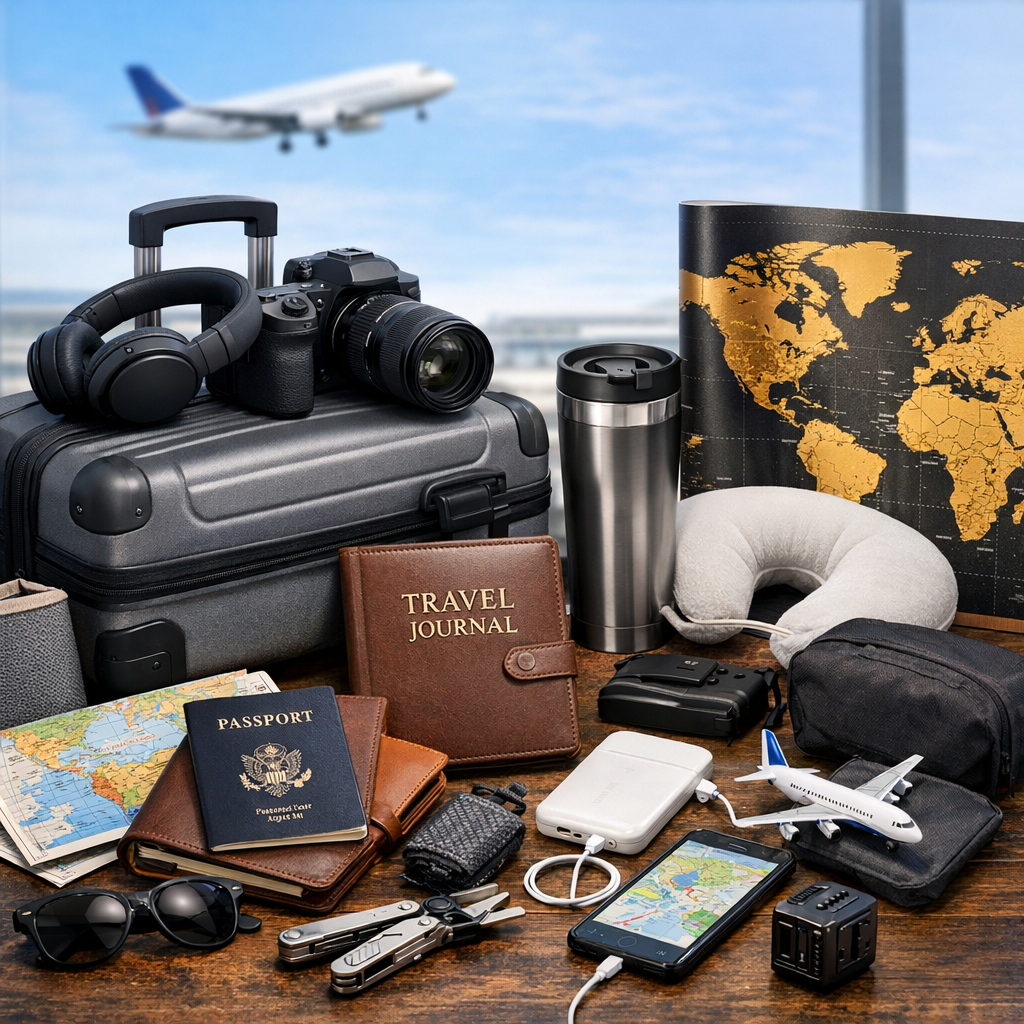
The reduction in NOAA and National Weather Service alerts in 2025 significantly increases your personal responsibility. This is particularly relevant for destinations like Florida and Hawaii, which are prone to hurricanes and tropical storms. Even popular spots such as Cancun, Riviera Maya, Costa Mujeres, Tulum, Puerto Vallarta, Los Cabos, Jamaica, Dominican Republic, Mallorca, Corfu, and other areas in Spain or Greece can experience sudden severe weather.
To enhance your weather safety preparation, actively seek out local Doppler radar sources and consider trained weather spotter courses. Over 120 fatalities occurred due to floods, despite initial alerts, underscoring the need for personal vigilance. Well-informed travelers are 50% more likely to avoid safety incidents.
Always review travel advisories from the U.S. State Department before your international travel. Incorporate weather risks into your travel risk planning and leverage personal safety tools like travel safety apps to stay updated on local crime trends and potential weather disruptions. This proactive approach is a critical element of your duty of care for personal safety.
Safety Procedures During Immigration Enforcement Actions
As we navigate 2026 travel, understanding your rights during immigration enforcement actions, such as those conducted by Immigration and Customs Enforcement (ICE), is a critical component of your personal safety and emergency preparedness. These actions are increasing nationwide, making it essential to be prepared to protect your legal rights and personal safety, whether you are traveling for spring break travel, study abroad safety, or corporate travel safety.
Preparation reduces risks during ICE enforcement actions. This involves proactive steps like securely storing copies of important documents, sharing immigration information with trusted individuals, and gathering proof of U.S. residency, if applicable. Knowing your legal rights is paramount for managing travel risk planning.
Key Steps for Immigration Enforcement Preparedness
- Keep copies of all important documents, including passports and visas, in a secure, accessible location. Consider using a travel safety kit that includes an RFID blocking wallet to protect sensitive information.
- Share detailed immigration information and your travel itinerary with a trusted family member, legal contact, or professional travel advisor. This is a crucial aspect of your emergency communication protocols.
- Gather and maintain proof of U.S. residency, such as utility bills or lease agreements, if applicable. This evidence can be vital during an encounter.
- Understand your legal rights during any encounter with law enforcement or immigration officials. This includes knowing your right to remain silent and your right to speak with an attorney.
- Review local crime trends and travel advisories from the U.S. State Department before traveling to any destination, especially those with increased enforcement activities.
Women’s Health and Reproductive Safety
As part of your comprehensive 2026 travel safety planning, understanding the evolving landscape of women’s health and reproductive rights is crucial. Following the overturning of Roe v. Wade, the legal environment has shifted significantly, directly impacting travel risk planning for many. You must identify accessible states for reproductive care and remain vigilant against misinformation.
Due to the increasing criminal charges related to reproductive decisions, exercising extreme caution is paramount. Avoid posting sensitive travel plans on public social media platforms. Instead, seek support and accurate information exclusively from trusted organizations.
Considerations for Reproductive Safety During Travel
- Research state laws regarding reproductive care before any spring break travel or study abroad safety planning.
- Be aware of crisis centers that may provide misleading or inaccurate information.
- Avoid sharing sensitive travel plans on public social media platforms to maintain personal safety.
- Identify and establish contact with trusted support organizations for reliable information and assistance.
This aspect of emergency preparedness is vital, especially when considering healthcare access in different regions. Being informed about legal and safety considerations for reproductive care abroad, as well as domestically, is a critical component of your overall personal safety and travel risk planning.
Expert Insight
“Since women’s travel now accounts for 71% of all solo trips despite rising anxieties and legal inequities, it is essential to prioritize safety through clear policies, rigorous research of local reproductive laws, and the use of trusted support organizations to navigate gender-specific risks.” , Industry Safety Analyst
Travel Risk Comparison: Popular Destinations
Understanding the varying risk profiles of popular destinations is crucial for informed travel. As part of your comprehensive 2026 travel safety planning, this table compares common safety concerns in frequently visited areas, helping you to assess travel risk planning effectively.
| Destination | Primary Safety Concerns | Recommended Action |
|---|---|---|
| Mexico (Cancun, Riviera Maya, Tulum, Puerto Vallarta, Los Cabos) | Petty theft, cartel-related violence (localized), water safety, rideshare safety | Stay in tourist zones. Use reputable transportation. Avoid isolated areas. Enroll in the Smart Traveler Enrollment Program (STEP) with the U.S. State Department. |
| Jamaica | Violent crime (gang-related, often localized), petty theft, scamming | Book through a professional travel advisor. Stay at resorts. Avoid walking alone at night. Share your itinerary using apps like TripIt. |
| Dominican Republic | Petty crime, armed robbery, water safety, road accidents | Be aware of your surroundings. Use hotel-approved taxis. Do not display valuables. Consider a portable door lock for added security. |
| Hawaii | Natural disasters (tsunamis, volcanic activity), petty theft, strong currents | Monitor local advisories from the U.S. State Department. Respect ocean conditions. Secure belongings. Keep emergency contacts readily available. |
| Florida | Hurricanes, petty crime, theme park scams, rideshare safety | Monitor hurricane season advisories. Use official apps for rideshares. Secure valuables. A personal alarm keychain can enhance your personal safety. |
| Spain (Mallorca) | Pickpocketing, petty theft, tourist scams, excessive alcohol consumption risks | Use an RFID blocking wallet. Be vigilant in crowded areas. Avoid late-night solo travel. Stay informed on local crime trends. |
| Greece (Corfu) | Petty theft, moped accidents, excessive alcohol consumption risks | Secure valuables. Wear helmets on mopeds. Travel in groups at night. Research healthcare access before you go. |
Pre-Travel Research and Destination Awareness
Thorough pre-travel research is paramount for your personal safety in 2026 travel. Before any international travel, you must review local crime trends and check travel advisories from the U.S. State Department. Identify emergency numbers, understand healthcare access, assess weather risks, and confirm transportation reliability.
Studies show that well-informed travelers are 50% more likely to avoid safety incidents. This due diligence is a critical component of effective travel risk planning and emergency preparedness strategies.
Using Personal Safety Tools and Mobile Apps
Enhance your travel safety with essential personal safety tools and mobile apps. We recommend safety apps such as the Smart Traveler Enrollment Program (STEP), Life360 for location sharing, Noonlight for emergency assistance, and TripIt for itinerary sharing. These are vital for emergency communication protocols.
Practical safety items include a personal alarm keychain, a portable door lock for accommodations, an RFID blocking wallet to protect against digital theft, portable chargers, and medical information cards. Collectively, these items significantly enhance your personal safety in unfamiliar environments.
Family Safety Conversations and Planning
For family travel, comprehensive safety conversations and planning are non-negotiable. Before your trip, discuss emergency meet-up points, establish clear communication plans, address specific medical needs, and outline procedures for lost passports or disrupted transportation. Clear expectations reduce stress and improve reactions during emergencies, reinforcing your family’s emergency preparedness.
Corporate Travel Safety and Duty of Care
For corporate travel in 2026, organizations have a significant duty of care. This involves monitoring destination risks, establishing robust emergency protocols, and providing pre-travel safety briefings. It also means supporting real-time updates during disruptions and conducting post-travel debriefs. Proper travel risk planning protects both employees and organizational assets, aligning with corporate travel safety best practices.
Weather Safety Preparation and Recognizing Severe Weather Signs
Given evolving travel safety trends, understanding weather safety preparation is crucial. You must learn to recognize signs of severe weather, such as funnel clouds or roar sounds for tornadoes. Climate change and budget cuts are impacting weather alert reliability, making personal vigilance more important. Find local Doppler radar sources and consider trained weather spotter courses for enhanced emergency preparedness.
Adapting to Unreliable Weather Alerts Due to Government Cutbacks
Be aware that the reduction in NOAA and National Weather Service alerts in 2025 increases your personal responsibility to recognize weather dangers. You cannot solely rely on official warnings, especially during severe events like floods that caused over 120 fatalities despite alerts. Proactive monitoring and understanding local weather patterns are now integral to your travel risk planning.
Safety Procedures During ICE Raids
Travelers, particularly those on spring break travel or study abroad safety programs, should be prepared for potential ICE raids. Store copies of important documents, share immigration information with trusted emergency contacts, gather proof of U.S. residency, and know your legal rights. These steps aim to reduce risks during ICE enforcement actions, which are increasing nationwide, impacting personal safety.
Frequently Asked Questions About Travel Safety in 2026
As you plan your next adventure, understanding the most current travel safety information is paramount. Here, we address common inquiries to help you navigate 2026 travel with confidence and implement robust emergency preparedness strategies.
What are the top travel safety trends for 2026?
The top travel safety trends for 2026 underscore a proactive approach to personal security. This includes increased reliance on personal safety tools and mobile apps, alongside enhanced pre-travel research on local crime trends and travel advisories. There’s also a greater emphasis on family and corporate travel safety planning. Location sharing and itinerary sharing, often facilitated by apps like TripIt and Life360, are becoming standard practices for international travel.
How can I best prepare for international travel in 2026?
To best prepare for international travel in 2026, you should enroll in the Smart Traveler Enrollment Program (STEP) with the U.S. State Department. Thoroughly research your destination, including local crime trends, healthcare access, and essential emergency contacts. Always consider comprehensive travel insurance and share your detailed itinerary with trusted emergency contacts. A professional travel advisor can also provide invaluable insights into travel risk planning.
What personal safety tools and travel safety apps are recommended for travelers in 2026?
Recommended personal safety tools for 2026 include a personal alarm keychain, a portable door lock for accommodations, and an RFID blocking wallet to protect your financial information. For digital security and emergency assistance, mobile travel safety apps like Life360 for location sharing and Noonlight for immediate emergency assistance are highly recommended. A well-stocked travel safety kit, including a portable charger and medical information cards, is also essential.
Is it safe to travel to Mexico in 2026?
Travel to Mexico, including popular destinations like Cancun, Riviera Maya, Costa Mujeres, Tulum, Puerto Vallarta, and Los Cabos, requires increased caution. While tourist areas are generally safer, petty theft and localized violence can occur. Always review U.S. State Department travel advisories for specific regional guidance and use reputable, safe transportation services, paying close attention to rideshare safety protocols. Understanding local crime trends is crucial for travel risk planning in Mexico.
How should families plan for emergencies during travel?
Families must establish clear emergency meet-up points and develop robust communication plans in case phones are lost or without service. Discuss procedures for lost passports or disrupted transportation well in advance. Ensure all family members carry medical information cards and know critical emergency contacts. These proactive family safety conversations are vital for emergency preparedness.
What is corporate travel safety and duty of care in 2026?
Corporate travel safety and duty of care in 2026 involve organizations actively monitoring destination risks and establishing comprehensive emergency protocols for employees. This includes providing pre-travel safety briefings, offering real-time updates during disruptions, and conducting post-travel debriefs. Companies are increasingly using services like ALG Vacations and resources from TravelAdvisorsGetYouThere.com to ensure robust travel risk planning and meet their obligations, protecting both employees and organizational assets under SEC guidelines.
How important is pre-travel research and destination awareness?
Pre-travel research and destination awareness are critically important for international travel in 2026. Expert analysis emphasizes reviewing local crime trends, current travel advisories from the U.S. State Department, and emergency numbers. You must also understand healthcare access, potential weather risks, and the reliability of local transportation. Studies show that well-informed travelers are 50% more likely to avoid safety incidents, making detailed research a cornerstone of effective travel risk planning.
How should travelers prepare for weather safety in 2026?
Preparing for weather safety in 2026 is essential due to evolving climate patterns. You must understand weather signs, such as funnel clouds or distinct roar sounds for tornadoes. Given the noted reduction in NOAA and National Weather Service alerts in 2025, personal responsibility for recognizing weather dangers has increased. Do not rely solely on official warnings. Seek local Doppler radar sources, especially for severe events like floods, which caused over 120 fatalities despite alerts. Consider taking trained weather spotter courses to enhance your emergency preparedness.
What are the safety procedures during ICE raids for travelers?
For travelers concerned about ICE raids, preparation includes storing copies of important documents securely and sharing immigration information with trusted persons. Gather proof of U.S. residency, if applicable, and ensure you know your legal rights. These steps are crucial to reduce risks during ICE enforcement actions, which are increasing nationwide. This is a critical aspect of emergency preparedness for certain travelers.
What are the legal and safety considerations for women’s health and reproductive care when traveling?
Due to restrictive abortion laws in many states and the overturning of Roe v. Wade, women travelers must consider reproductive safety. Identify accessible states or countries for care, be cautious of misinformation from crisis centers, and avoid posting travel plans on social media. Seek support from trusted organizations. Increased criminal charges underscore the importance of understanding local laws and having a clear plan for healthcare access, especially during spring break travel or study abroad safety planning. This is a vital component of travel risk planning for many.
References
- Proactive Preparation: Safety in 2026 relies on deep pre-travel research into local crime trends and enrolling in programs like STEP, as well-informed travelers are 50% less likely to face incidents.
- Tech & Tools: Utilize a combination of safety apps (Life360, Noonlight, TripIt) and physical security tools like portable door locks, personal alarms, and RFID-blocking wallets to enhance personal protection.
- Environmental & Legal Vigilance: Due to government cutbacks in weather alerts and shifting legal landscapes regarding reproductive health and immigration, travelers must take greater personal responsibility for monitoring local conditions and understanding their legal rights.
- Specialized Planning: Families and corporations should establish clear emergency protocols, including designated meet-up points and duty of care frameworks, to manage risks in popular but varying destinations like Mexico, Jamaica, and Europe.
Table of Contents
- Essential Travel Safety Tips for 2026
- Pre-Travel Research and Destination Awareness
- Utilizing Personal Safety Tools and Mobile Applications
- Family Safety Conversations and Planning
- Corporate Travel Safety and Duty of Care
- Weather Safety Preparation for 2026
- Adapting to Unreliable Weather Alerts
- Safety Procedures During Immigration Enforcement Actions
- Women’s Health and Reproductive Safety
- Travel Risk Comparison: Popular Destinations
- Frequently Asked Questions About Travel Safety in 2026
Essential Travel Safety Tips for 2026
You must prioritize your personal safety. This involves understanding travel safety trends and implementing robust emergency preparedness strategies.
Pre-Travel Research and Destination Awareness
Effective international travel in 2026 begins with thorough pre-travel research on local crime trends and healthcare access. You must review local crime trends and travel advisories before any trip. Studies confirm that well-informed travelers are 50% more likely to avoid safety incidents, making this a cornerstone of robust travel risk planning.
Always consult the U.S. State Department for current travel advisories, especially if you plan to visit popular destinations like Mexico, Cancun, Riviera Maya, Costa Mujeres, Tulum, Puerto Vallarta, Los Cabos, Jamaica, Dominican Republic, Hawaii, Florida, or Mallorca. Understanding local emergency numbers, healthcare access, and transportation reliability is critical for your personal safety.
Key Research Areas for 2026 Travel Safety
- Local crime trends and recent incidents, including specific areas to avoid.
- Travel advisories from the U.S. State Department, including any warnings for specific regions or countries.
- Local emergency numbers, as not all countries use 911. Have these readily accessible.
- Healthcare access and hospital locations near your lodging, noting any language barriers.
- Weather risks or seasonal concerns, considering the impact of climate change on travel.
- Transportation reliability and safe rideshare options, verifying local regulations.
- Information on the Smart Traveler Enrollment Program (STEP) for all international trips.
For destinations like Spain, Corfu, or Greece, understanding local customs and potential security concerns is vital. This proactive approach supports your overall emergency preparedness and ensures a smoother international travel experience.
Related Innovation
Selective biometric access control
A flow diagram that describes steps in a method that can be used for screening individuals in accordance with one or more embodiments. Describes steps for managing a massive number of transactions and information…
Utilizing Personal Safety Tools and Mobile Applications
Modern international travel in 2026 demands a proactive approach to personal safety. Technology plays a pivotal role in enhancing your security. Incorporating a suite of personal safety tools and travel safety apps is crucial for effective travel risk planning.
These resources provide essential support in unfamiliar environments. They are fundamental components of robust emergency preparedness strategies, helping you navigate potential challenges with confidence.
The Smart Traveler Enrollment Program (STEP) is indispensable for international travel. It enables the U.S. State Department to contact you in an emergency and provides travel advisories. Other highly recommended travel safety apps include Life360 for secure location sharing with trusted contacts, Noonlight for discreet emergency assistance, and TripIt for itinerary sharing with your emergency contacts.
Essential Personal Safety Tools for 2026 Travel
Beyond mobile applications, several physical personal safety tools are vital for any traveler. These items are compact, easy to carry, and significantly enhance your security profile.
- Personal alarm keychain: A loud personal alarm keychain can deter potential threats and draw attention in an emergency. This is a critical item for enhancing your personal safety.
- Portable door lock: This simple device provides an extra layer of security in accommodations, supplementing existing locks and offering peace of mind.
- RFID blocking wallet: Protect yourself against digital theft and skimming with an RFID blocking wallet. This is increasingly important with the rise of contactless payment methods.
- Portable charger: Keeping your devices powered is essential for communication, navigation, and accessing emergency services. A reliable portable charger is a must-have.
- Medical info card: In an emergency, a readily accessible medical info card provides vital health details to first responders, ensuring you receive appropriate care.
Family Safety Conversations and Planning
Before any trip, especially international travel, families must engage in comprehensive safety conversations and planning. This proactive approach significantly reduces stress and improves reactions during emergencies. Discuss emergency meet-up points, establish clear communication plans, and review individual medical needs.
It is also vital to outline procedures for lost passports or disrupted transportation. Clear expectations and a well-understood emergency preparedness strategy are cornerstones of responsible travel, particularly for spring break travel or study abroad safety initiatives.
Expert Insight
“One of the most effective safety measures is working with a professional travel advisor. Advisors monitor travel advisories in real time, understand geographic nuances and regional differences, and can provide verified information directly from destination partners.” , Professional Travel Advisor Specialist
Family Safety Conversations and Planning
For families, pre-trip planning is non-negotiable for international travel in 2026. You must discuss emergency meet-up points and communication plans. Clear expectations reduce stress and improve reactions during unforeseen events, contributing to robust emergency preparedness strategies.
Address potential scenarios, such as lost passports or disrupted transportation. This proactive planning is vital for family safety and fulfilling your duty of care, especially when considering various travel safety trends.
Family Discussion Points for Emergency Preparedness
- Designated emergency meet-up locations, particularly when traveling to popular destinations like Mexico (Cancun, Riviera Maya, Tulum) or Jamaica.
- Communication plans if phones are unavailable, including alternative methods and emergency contacts.
- Management of medical needs and prescriptions, ensuring healthcare access is understood.
- Procedures for lost passports or wallets, including how to contact the U.S. State Department.
- Strategies for disrupted transportation, such as what to do during unexpected delays or cancellations.
- Reviewing local crime trends and specific travel advisories for your destination.
These conversations are crucial for ensuring everyone understands their role in maintaining personal safety. Consider using family location sharing apps like Life360 for added security, and ensure everyone knows how to use a personal alarm keychain or portable door lock if needed.
Corporate Travel Safety and Duty of Care
Organizations bear a significant responsibility for employee safety during corporate travel, a concept known as duty of care. This mandates comprehensive travel risk planning. Companies must monitor destination risks, establish emergency communication protocols, and provide pre-travel safety briefings.
Real-time updates during disruptions are also essential for protecting employees and assets. This proactive approach to corporate travel safety is crucial for navigating 2026 travel challenges. The SEC emphasizes robust internal controls for managing such risks.
Proper planning protects both employees and organizational assets. Post-travel debriefs are also a key part of refining future travel safety tips and ensuring continuous improvement in emergency preparedness strategies for international travel.
Expert Insight
“Corporate duty of care is no longer just about compliance; it is a legal and ethical obligation to proactively protect employees through a structured framework of risk assessment, real-time location tracking, and two-way communication throughout their entire journey.” , Jay Ellenby, President of Safe Harbors Travel Group
Weather Safety Preparation for 2026
Understanding weather signs is critical for 2026 travel, especially given climate change and budget cuts affecting alert reliability. You must recognize signs like funnel clouds or the roar of tornadoes.
The reduction in NOAA and National Weather Service alerts in 2025 increases personal responsibility. Find local Doppler radar sources and consider trained weather spotter courses. Over 120 fatalities occurred due to floods, despite initial alerts, underscoring this need for enhanced emergency preparedness.
Adapting to Unreliable Weather Alerts Due to Government Cutbacks
Competitors note the reduction in NOAA and National Weather Service alerts in 2025. This increases your personal responsibility to recognize weather dangers without relying solely on official warnings, especially during severe events like floods that caused over 120 fatalities despite initial alerts. This is a crucial aspect of travel risk planning.
Weather Preparedness Actions
- Monitor local Doppler radar sources.
- Understand severe weather terminology.
- Consider taking a trained weather spotter course.
- Have a plan for shelter in place or evacuation.
- Integrate weather monitoring into your overall travel safety tips and personal safety tools.
Adapting to Unreliable Weather Alerts
Due to government cutbacks, relying solely on official weather warnings is no longer sufficient for 2026 travel. You must develop personal awareness and robust emergency preparedness for severe weather events.
The reduction in NOAA and National Weather Service alerts in 2025 significantly increases your personal responsibility. This is particularly relevant for destinations like Florida and Hawaii, which are prone to hurricanes and tropical storms. Even popular spots such as Cancun, Riviera Maya, Costa Mujeres, Tulum, Puerto Vallarta, Los Cabos, Jamaica, Dominican Republic, Mallorca, Corfu, and other areas in Spain or Greece can experience sudden severe weather.
To enhance your weather safety preparation, actively seek out local Doppler radar sources and consider trained weather spotter courses. Over 120 fatalities occurred due to floods, despite initial alerts, underscoring the need for personal vigilance. Well-informed travelers are 50% more likely to avoid safety incidents.
Always review travel advisories from the U.S. State Department before your international travel. Incorporate weather risks into your travel risk planning and leverage personal safety tools like travel safety apps to stay updated on local crime trends and potential weather disruptions. This proactive approach is a critical element of your duty of care for personal safety.
Safety Procedures During Immigration Enforcement Actions
As we navigate 2026 travel, understanding your rights during immigration enforcement actions, such as those conducted by Immigration and Customs Enforcement (ICE), is a critical component of your personal safety and emergency preparedness. These actions are increasing nationwide, making it essential to be prepared to protect your legal rights and personal safety, whether you are traveling for spring break travel, study abroad safety, or corporate travel safety.
Preparation reduces risks during ICE enforcement actions. This involves proactive steps like securely storing copies of important documents, sharing immigration information with trusted individuals, and gathering proof of U.S. residency, if applicable. Knowing your legal rights is paramount for managing travel risk planning.
Key Steps for Immigration Enforcement Preparedness
- Keep copies of all important documents, including passports and visas, in a secure, accessible location. Consider using a travel safety kit that includes an RFID blocking wallet to protect sensitive information.
- Share detailed immigration information and your travel itinerary with a trusted family member, legal contact, or professional travel advisor. This is a crucial aspect of your emergency communication protocols.
- Gather and maintain proof of U.S. residency, such as utility bills or lease agreements, if applicable. This evidence can be vital during an encounter.
- Understand your legal rights during any encounter with law enforcement or immigration officials. This includes knowing your right to remain silent and your right to speak with an attorney.
- Review local crime trends and travel advisories from the U.S. State Department before traveling to any destination, especially those with increased enforcement activities.
Women’s Health and Reproductive Safety
As part of your comprehensive 2026 travel safety planning, understanding the evolving landscape of women’s health and reproductive rights is crucial. Following the overturning of Roe v. Wade, the legal environment has shifted significantly, directly impacting travel risk planning for many. You must identify accessible states for reproductive care and remain vigilant against misinformation.
Due to the increasing criminal charges related to reproductive decisions, exercising extreme caution is paramount. Avoid posting sensitive travel plans on public social media platforms. Instead, seek support and accurate information exclusively from trusted organizations.
Considerations for Reproductive Safety During Travel
- Research state laws regarding reproductive care before any spring break travel or study abroad safety planning.
- Be aware of crisis centers that may provide misleading or inaccurate information.
- Avoid sharing sensitive travel plans on public social media platforms to maintain personal safety.
- Identify and establish contact with trusted support organizations for reliable information and assistance.
This aspect of emergency preparedness is vital, especially when considering healthcare access in different regions. Being informed about legal and safety considerations for reproductive care abroad, as well as domestically, is a critical component of your overall personal safety and travel risk planning.
Expert Insight
“Since women’s travel now accounts for 71% of all solo trips despite rising anxieties and legal inequities, it is essential to prioritize safety through clear policies, rigorous research of local reproductive laws, and the use of trusted support organizations to navigate gender-specific risks.” , Industry Safety Analyst
Travel Risk Comparison: Popular Destinations
Understanding the varying risk profiles of popular destinations is crucial for informed travel. As part of your comprehensive 2026 travel safety planning, this table compares common safety concerns in frequently visited areas, helping you to assess travel risk planning effectively.
| Destination | Primary Safety Concerns | Recommended Action |
|---|---|---|
| Mexico (Cancun, Riviera Maya, Tulum, Puerto Vallarta, Los Cabos) | Petty theft, cartel-related violence (localized), water safety, rideshare safety | Stay in tourist zones. Use reputable transportation. Avoid isolated areas. Enroll in the Smart Traveler Enrollment Program (STEP) with the U.S. State Department. |
| Jamaica | Violent crime (gang-related, often localized), petty theft, scamming | Book through a professional travel advisor. Stay at resorts. Avoid walking alone at night. Share your itinerary using apps like TripIt. |
| Dominican Republic | Petty crime, armed robbery, water safety, road accidents | Be aware of your surroundings. Use hotel-approved taxis. Do not display valuables. Consider a portable door lock for added security. |
| Hawaii | Natural disasters (tsunamis, volcanic activity), petty theft, strong currents | Monitor local advisories from the U.S. State Department. Respect ocean conditions. Secure belongings. Keep emergency contacts readily available. |
| Florida | Hurricanes, petty crime, theme park scams, rideshare safety | Monitor hurricane season advisories. Use official apps for rideshares. Secure valuables. A personal alarm keychain can enhance your personal safety. |
| Spain (Mallorca) | Pickpocketing, petty theft, tourist scams, excessive alcohol consumption risks | Use an RFID blocking wallet. Be vigilant in crowded areas. Avoid late-night solo travel. Stay informed on local crime trends. |
| Greece (Corfu) | Petty theft, moped accidents, excessive alcohol consumption risks | Secure valuables. Wear helmets on mopeds. Travel in groups at night. Research healthcare access before you go. |
Pre-Travel Research and Destination Awareness
Thorough pre-travel research is paramount for your personal safety in 2026 travel. Before any international travel, you must review local crime trends and check travel advisories from the U.S. State Department. Identify emergency numbers, understand healthcare access, assess weather risks, and confirm transportation reliability.
Studies show that well-informed travelers are 50% more likely to avoid safety incidents. This due diligence is a critical component of effective travel risk planning and emergency preparedness strategies.
Using Personal Safety Tools and Mobile Apps
Enhance your travel safety with essential personal safety tools and mobile apps. We recommend safety apps such as the Smart Traveler Enrollment Program (STEP), Life360 for location sharing, Noonlight for emergency assistance, and TripIt for itinerary sharing. These are vital for emergency communication protocols.
Practical safety items include a personal alarm keychain, a portable door lock for accommodations, an RFID blocking wallet to protect against digital theft, portable chargers, and medical information cards. Collectively, these items significantly enhance your personal safety in unfamiliar environments.
Family Safety Conversations and Planning
For family travel, comprehensive safety conversations and planning are non-negotiable. Before your trip, discuss emergency meet-up points, establish clear communication plans, address specific medical needs, and outline procedures for lost passports or disrupted transportation. Clear expectations reduce stress and improve reactions during emergencies, reinforcing your family’s emergency preparedness.
Corporate Travel Safety and Duty of Care
For corporate travel in 2026, organizations have a significant duty of care. This involves monitoring destination risks, establishing robust emergency protocols, and providing pre-travel safety briefings. It also means supporting real-time updates during disruptions and conducting post-travel debriefs. Proper travel risk planning protects both employees and organizational assets, aligning with corporate travel safety best practices.
Weather Safety Preparation and Recognizing Severe Weather Signs
Given evolving travel safety trends, understanding weather safety preparation is crucial. You must learn to recognize signs of severe weather, such as funnel clouds or roar sounds for tornadoes. Climate change and budget cuts are impacting weather alert reliability, making personal vigilance more important. Find local Doppler radar sources and consider trained weather spotter courses for enhanced emergency preparedness.
Adapting to Unreliable Weather Alerts Due to Government Cutbacks
Be aware that the reduction in NOAA and National Weather Service alerts in 2025 increases your personal responsibility to recognize weather dangers. You cannot solely rely on official warnings, especially during severe events like floods that caused over 120 fatalities despite alerts. Proactive monitoring and understanding local weather patterns are now integral to your travel risk planning.
Safety Procedures During ICE Raids
Travelers, particularly those on spring break travel or study abroad safety programs, should be prepared for potential ICE raids. Store copies of important documents, share immigration information with trusted emergency contacts, gather proof of U.S. residency, and know your legal rights. These steps aim to reduce risks during ICE enforcement actions, which are increasing nationwide, impacting personal safety.
Frequently Asked Questions About Travel Safety in 2026
As you plan your next adventure, understanding the most current travel safety information is paramount. Here, we address common inquiries to help you navigate 2026 travel with confidence and implement robust emergency preparedness strategies.
What are the top travel safety trends for 2026?
The top travel safety trends for 2026 underscore a proactive approach to personal security. This includes increased reliance on personal safety tools and mobile apps, alongside enhanced pre-travel research on local crime trends and travel advisories. There’s also a greater emphasis on family and corporate travel safety planning. Location sharing and itinerary sharing, often facilitated by apps like TripIt and Life360, are becoming standard practices for international travel.
How can I best prepare for international travel in 2026?
To best prepare for international travel in 2026, you should enroll in the Smart Traveler Enrollment Program (STEP) with the U.S. State Department. Thoroughly research your destination, including local crime trends, healthcare access, and essential emergency contacts. Always consider comprehensive travel insurance and share your detailed itinerary with trusted emergency contacts. A professional travel advisor can also provide invaluable insights into travel risk planning.
What personal safety tools and travel safety apps are recommended for travelers in 2026?
Recommended personal safety tools for 2026 include a personal alarm keychain, a portable door lock for accommodations, and an RFID blocking wallet to protect your financial information. For digital security and emergency assistance, mobile travel safety apps like Life360 for location sharing and Noonlight for immediate emergency assistance are highly recommended. A well-stocked travel safety kit, including a portable charger and medical information cards, is also essential.
Is it safe to travel to Mexico in 2026?
Travel to Mexico, including popular destinations like Cancun, Riviera Maya, Costa Mujeres, Tulum, Puerto Vallarta, and Los Cabos, requires increased caution. While tourist areas are generally safer, petty theft and localized violence can occur. Always review U.S. State Department travel advisories for specific regional guidance and use reputable, safe transportation services, paying close attention to rideshare safety protocols. Understanding local crime trends is crucial for travel risk planning in Mexico.
How should families plan for emergencies during travel?
Families must establish clear emergency meet-up points and develop robust communication plans in case phones are lost or without service. Discuss procedures for lost passports or disrupted transportation well in advance. Ensure all family members carry medical information cards and know critical emergency contacts. These proactive family safety conversations are vital for emergency preparedness.
What is corporate travel safety and duty of care in 2026?
Corporate travel safety and duty of care in 2026 involve organizations actively monitoring destination risks and establishing comprehensive emergency protocols for employees. This includes providing pre-travel safety briefings, offering real-time updates during disruptions, and conducting post-travel debriefs. Companies are increasingly using services like ALG Vacations and resources from TravelAdvisorsGetYouThere.com to ensure robust travel risk planning and meet their obligations, protecting both employees and organizational assets under SEC guidelines.
How important is pre-travel research and destination awareness?
Pre-travel research and destination awareness are critically important for international travel in 2026. Expert analysis emphasizes reviewing local crime trends, current travel advisories from the U.S. State Department, and emergency numbers. You must also understand healthcare access, potential weather risks, and the reliability of local transportation. Studies show that well-informed travelers are 50% more likely to avoid safety incidents, making detailed research a cornerstone of effective travel risk planning.
How should travelers prepare for weather safety in 2026?
Preparing for weather safety in 2026 is essential due to evolving climate patterns. You must understand weather signs, such as funnel clouds or distinct roar sounds for tornadoes. Given the noted reduction in NOAA and National Weather Service alerts in 2025, personal responsibility for recognizing weather dangers has increased. Do not rely solely on official warnings. Seek local Doppler radar sources, especially for severe events like floods, which caused over 120 fatalities despite alerts. Consider taking trained weather spotter courses to enhance your emergency preparedness.
What are the safety procedures during ICE raids for travelers?
For travelers concerned about ICE raids, preparation includes storing copies of important documents securely and sharing immigration information with trusted persons. Gather proof of U.S. residency, if applicable, and ensure you know your legal rights. These steps are crucial to reduce risks during ICE enforcement actions, which are increasing nationwide. This is a critical aspect of emergency preparedness for certain travelers.
What are the legal and safety considerations for women’s health and reproductive care when traveling?
Due to restrictive abortion laws in many states and the overturning of Roe v. Wade, women travelers must consider reproductive safety. Identify accessible states or countries for care, be cautious of misinformation from crisis centers, and avoid posting travel plans on social media. Seek support from trusted organizations. Increased criminal charges underscore the importance of understanding local laws and having a clear plan for healthcare access, especially during spring break travel or study abroad safety planning. This is a vital component of travel risk planning for many.