
Table of Contents
- Emergency Services Innovations for Travelers
- Core Features of Emergency Travel Assistance
- Evolution from Manual Support to Tech-Driven Systems
- Impact of Global Crises on Emergency Travel Assistance
- Digital and AI-Powered Assistance Technologies
- Multilingual Support and Translation Tools
- Support in Crisis Scenarios: Medical, Logistical, Legal
- Growing Demand for Medical-Only and Specialist Plans
- Comparing Emergency Travel Assistance Features
- Future Trends in Traveler Assistance
- Frequently Asked Questions About Emergency Travel Assistance
Emergency Services Innovations for Travelers
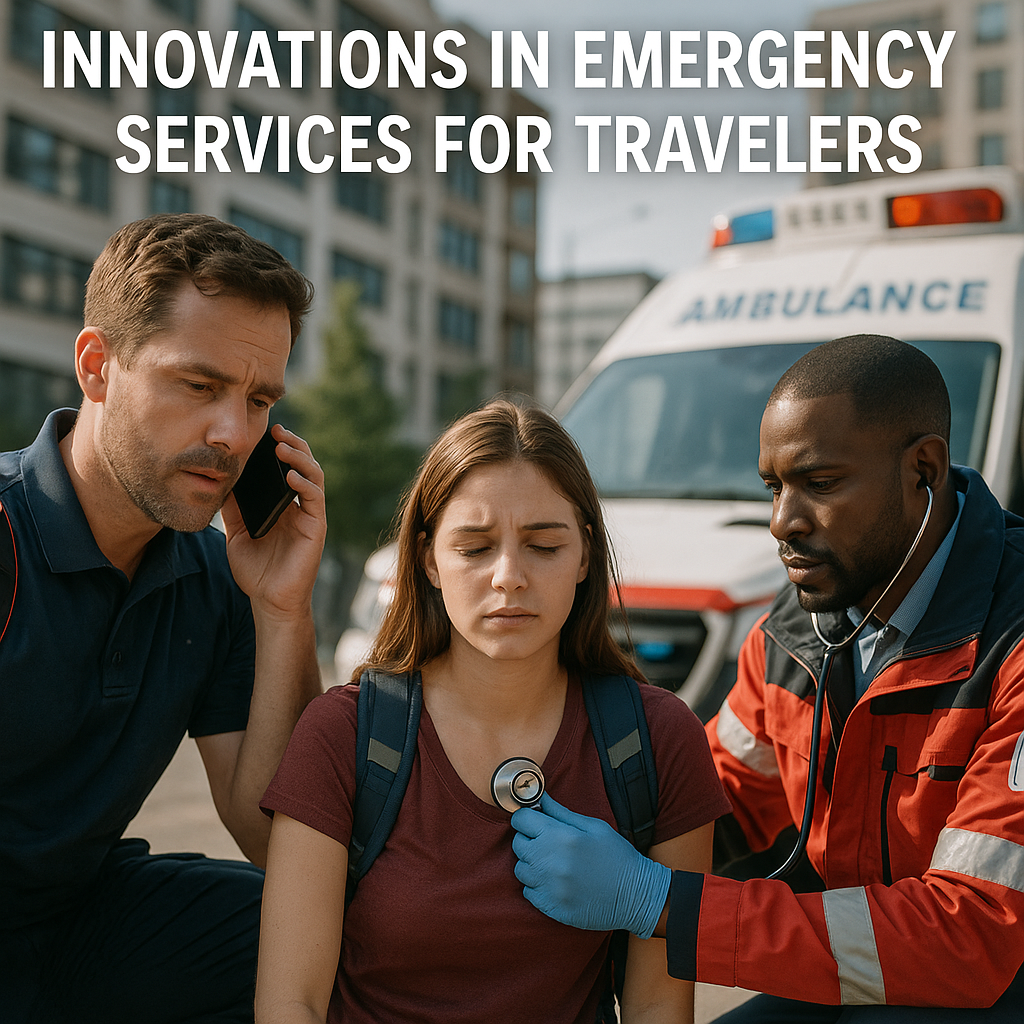
International travel presents both incredible opportunities and inherent risks. Navigating unexpected emergencies abroad demands preparation and access to robust support systems. Fortunately, the landscape of emergency services for travelers is rapidly evolving, driven by technological advancements and a heightened focus on traveler safety.

You need to understand these innovations. They can significantly impact your safety and well-being when traveling the United States, Europe, Africa, or any other global destination. This guide outlines the critical advancements shaping emergency travel assistance in 2026.
Core Features of Emergency Travel Assistance
Emergency travel assistance services are your essential lifeline when abroad. They provide 24/7 global support, ensuring you are never alone in a crisis. These services extend far beyond simple referrals, offering crucial financial protection and peace of mind.
They include vital medical coordination, facilitating access to qualified healthcare facilities, and arranging complex medical evacuation when necessary. Furthermore, they offer essential trip disruption assistance, helping with rebooking flights or securing emergency accommodation. Legal assistance abroad and help with emergency visas are also standard provisions, forming a comprehensive safety net.
The US travel insurance market has seen significant shifts. In 2022, there was a notable 86% increase in medical-only travel insurance plans. This highlights a growing demand for specialized medical coverage, often driven by gaps in traditional policies during global health events. This trend underscores the importance of having comprehensive medical support when traveling, especially for United States citizens venturing to Europe, Africa, or even Puerto Rico.
Evolution from Manual Support to Tech-Driven Systems
The landscape of emergency medical assistance has dramatically shifted from manual, case-by-case handling to sophisticated, tech-driven systems. This evolution incorporates specialized global provider networks, AI-powered medical triage, telemedicine, and digital health consultations. Major advancements include dedicated air ambulance services and remote medical guidance, providing critical support regardless of your location, be it New York or a remote part of Africa.
Impact of Global Crises on Assistance Services
Global crises, such as the period post-9/11 and the Covid-19 pandemic, alongside natural disasters, have profoundly impacted and expanded emergency travel assistance services. These events prompted the development of specialized support, including quarantine accommodation, robust contagious disease evacuation protocols, and comprehensive natural disaster response. Studies consistently highlight the increased need for specialized crisis response during these unprecedented global health events, shaping the modern travel insurance market.
Digital and AI-Powered Assistance Technologies
Today’s emergency travel assistance leverages advanced digital and AI-powered technologies. AI-powered medical triage tools efficiently assess symptoms and direct travelers to appropriate care, optimizing response times. Mobile applications provide real-time medical and security support, while AI-driven geopolitical risk assessments offer immediate updates to help travelers avoid danger zones. This integration of technology ensures rapid and informed decision-making during a crisis.
Multilingual Support and Translation Tools
Effective communication is paramount in an emergency abroad. Modern emergency travel assistance services now offer multilingual helplines and AI translation tools as standard, enabling seamless communication regardless of language barriers. Providers expertly balance cutting-edge technology with human expertise, ensuring personalized and culturally sensitive support. This critical element enhances the effectiveness of global healthcare systems and travel coordination services.
Support in Crisis Scenarios: Medical, Logistical, Legal
Emergency travel assistance provides multifaceted support in diverse crisis scenarios. This includes orchestrating complex medical evacuations after accidents in remote areas, facilitating natural disaster evacuations, and resolving logistical challenges such as rebooking flights due to overbooked hotels. These real-world examples highlight the essential, multi-faceted nature of these services, offering comprehensive financial protection and peace of mind for travelers globally.
Growing Demand for Medical-Only and Specialist Plans
The significant 86% increase in medical-only travel insurance plans in 2022 underscores a critical shift in the travel insurance market. This surge emphasizes the consumer focus on specialized medical coverage, largely driven by gaps identified in traditional comprehensive travel insurance during pandemic-related health events. This trend confirms the vital role of robust medical support and standalone evacuation plans in modern international travel planning, as recognized by the US Travel Insurance Association (USTIA).
Evolution from Manual Support to Tech-Driven Systems
Historically, emergency medical assistance relied heavily on manual, case-by-case handling. This has transformed into a sophisticated, technology-driven global support system for travelers. Major advancements include the integration of AI, telemedicine, and digital health consultations, significantly enhancing emergency travel assistance.

Dedicated air ambulance services have become more prevalent, ensuring rapid emergency transportation for critical cases. Global provider networks now offer seamless access to medical care worldwide. Remote medical guidance further empowers travelers to receive immediate advice, regardless of their location, embodying the shift towards comprehensive travel insurance and medical-only travel insurance plans.
This evolution highlights a critical shift in the travel insurance market. Post-9/11 and events like Covid-19, coupled with natural disasters, prompted an expansion of services. This includes quarantine accommodation, contagious disease evacuation protocols, and robust natural disaster response, underscoring the increased need for specialized crisis response and 24/7 global support. The US Travel Insurance Association (USTIA) has observed a growing demand for these expanded services, providing essential financial protection and peace of mind.
Impact of Global Crises on Emergency Travel Assistance
Recent global crises have profoundly shaped emergency travel assistance. Events like the September 11 attacks, the COVID-19 pandemic, and widespread natural disasters have prompted a significant expansion of services. These now include specialized support such as quarantine accommodation, robust contagious disease evacuation protocols, and comprehensive natural disaster response. You need to understand these expanded capabilities.
These crises highlighted the critical need for advanced crisis response capabilities. Studies consistently demonstrate the increased demand for specialized support during these unpredictable events. The travel insurance market has adapted to meet these evolving challenges, offering more flexible and comprehensive options, including medical-only travel insurance plans and comprehensive travel insurance.
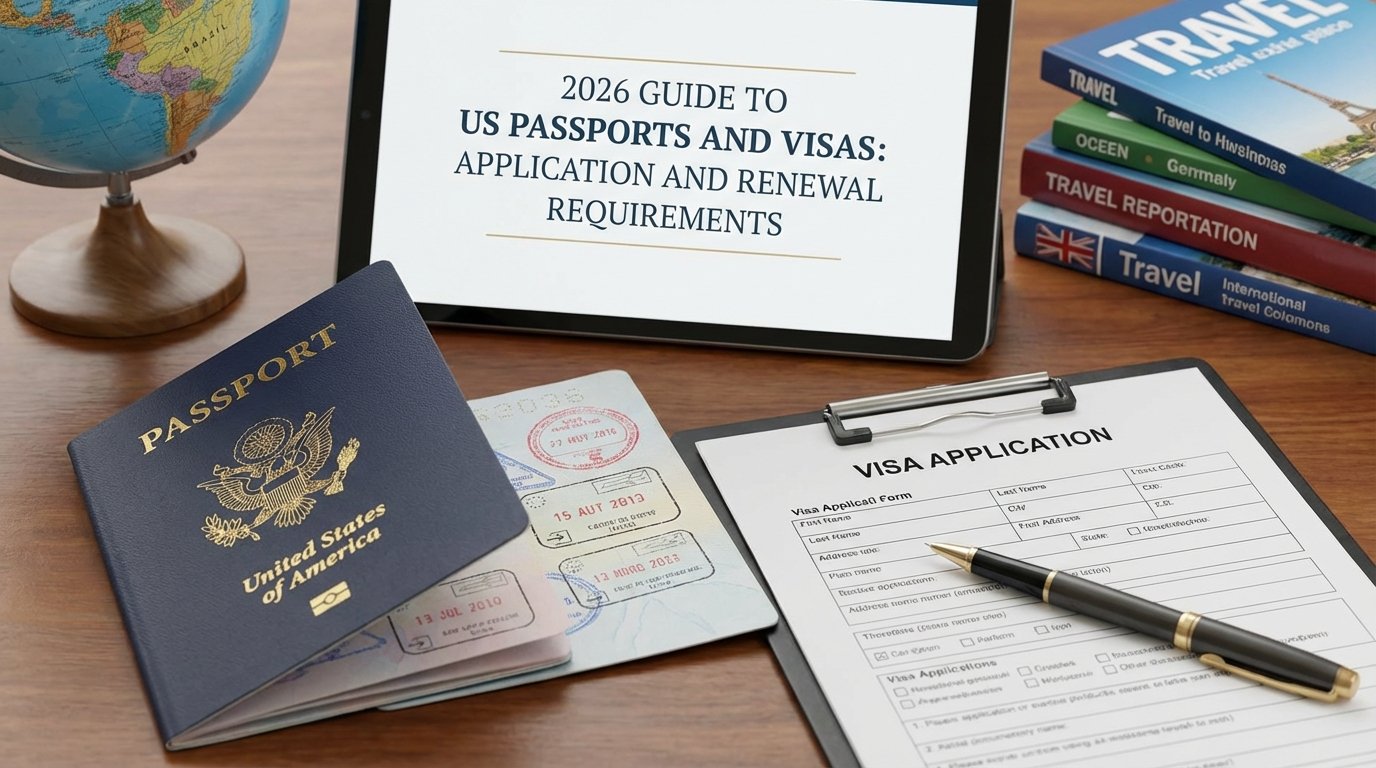
The US Travel Insurance Association (USTIA) has observed a notable shift. Post-pandemic, there was an 86% increase in demand for medical-only travel insurance plans. This emphasizes that travelers, particularly those in the United States and Europe, are prioritizing robust emergency medical assistance and medical evacuation coverage when planning trips to regions like Africa or Puerto Rico.
These developments ensure that emergency travel assistance providers are equipped to offer more than just basic aid. They now deliver critical trip disruption assistance, financial protection against unforeseen events, and vital 24/7 global support in complex scenarios. This evolution directly benefits you as a traveler, providing a stronger safety net against global uncertainties.
Digital and AI-Powered Assistance Technologies
Modern emergency travel assistance leverages cutting-edge digital and AI-powered technologies. You will find that AI-powered medical triage tools are now used to quickly assess symptoms and efficiently direct travelers to appropriate care within global healthcare systems. Mobile applications offer real-time medical and security support, putting essential resources directly into your hands, often with multilingual medical guidance.
AI-driven risk assessments provide real-time geopolitical updates, helping you avoid danger zones and make informed decisions. These innovations enhance both your safety and efficiency in emergency situations, offering crucial crisis response capabilities. The travel insurance market has seen a rapid adoption of such tools to provide 24/7 global support.
The evolution from manual support to tech-driven systems is evident here. Emergency medical assistance has shifted dramatically from case-by-case handling to specialized networks integrating telemedicine and digital health consultations. Major advancements include dedicated air ambulance services and global provider networks, ensuring rapid emergency transportation. This technological integration is a future trend for assistance services, improving financial protection and overall trip disruption assistance.
In 2022, there was an 86% increase in medical-only travel insurance plans, underscoring the demand for these core services. This highlights how critical features of emergency travel assistance, such as medical coordination and emergency medical assistance, are now underpinned by advanced technology. Comprehensive travel insurance policies are also integrating these digital tools to offer more robust trip cancellation insurance and emergency visas, enhancing support whether you are in Europe, Africa, or the United States.
Multilingual Support and Translation Tools
Effective communication is paramount during an emergency. Today, multilingual support services and AI translation tools are standard. These ensure seamless communication between travelers and local authorities or medical personnel, especially when navigating global healthcare systems.
Assistance providers skillfully balance technology with human expertise. This approach guarantees that personal support remains a cornerstone of emergency services, even with advanced digital solutions. You can expect clear guidance, regardless of language barriers, benefiting from 24/7 global support and multilingual medical guidance.
Support in Crisis Scenarios: Medical, Logistical, Legal
Emergency travel assistance covers a wide spectrum of crisis scenarios. This includes urgent medical evacuation after an accident, such as a fractured wrist in Puerto Rico, or coordination during natural disaster evacuations. You can also expect logistical rebookings for overbooked hotels or canceled flights as part of routine travel coordination services.

These real-world examples illustrate the multi-faceted nature of these services. They provide crucial financial protection and peace of mind, whether you are in New York or a remote part of Africa. This comprehensive travel insurance and emergency travel assistance goes beyond basic trip cancellation insurance.
Core features of emergency travel assistance provide 24/7 global support. This includes medical coordination, medical evacuation, trip rebooking, and legal assistance abroad. The US Travel Insurance Association (USTIA) noted an 86% increase in medical-only travel insurance plans in 2022, highlighting a significant demand for these core services within the travel insurance market.
The evolution from manual support to tech-driven systems has transformed emergency medical assistance. It has shifted from manual, case-by-case handling to specialized networks leveraging AI, telemedicine, and digital health consultations. Major advancements include dedicated air ambulance services, global provider networks, and remote multilingual medical guidance, all designed to enhance your safety.
Global crises like 9/11 and Covid-19, alongside natural disasters, have profoundly impacted assistance services. This has prompted the expansion of support to include quarantine accommodation, contagious disease evacuation protocols, and robust natural disaster response. These events underscore the increased need for specialized crisis response and comprehensive travel insurance.

Digital and AI-powered assistance technologies are now central to emergency services. AI-powered medical triage tools efficiently assess symptoms and direct travelers, while mobile apps offer real-time medical and security support. AI-driven geopolitical risk assessment provides crucial, real-time updates, helping you avoid danger zones and ensuring a proactive crisis response.
Multilingual support and AI translation tools are now standard, ensuring effective communication during emergencies. Assistance providers skillfully balance cutting-edge technology with human expertise. This approach guarantees that personal support remains a cornerstone, even when navigating complex global healthcare systems.
Growing Demand for Medical-Only and Specialist Plans
The travel insurance market is witnessing a significant transformation. You are increasingly prioritizing specialized medical coverage. This is evident from the 86% increase in medical-only travel insurance plans, a key data point highlighting a major shift in consumer focus within the US travel insurance sector.
This trend is largely driven by the recognition of potential gaps in traditional comprehensive travel insurance, particularly concerning pandemic-related health issues and the complexities of navigating global healthcare systems. Travelers now understand the necessity for robust emergency medical assistance.
Standalone evacuation plans are also gaining popularity. These provide dedicated coverage for emergency transportation, including critical air ambulance services, without requiring a full comprehensive policy. This allows for tailored protection based on individual needs, ensuring you have crucial medical evacuation coverage whether you are in Europe, Africa, or even Puerto Rico.
This focus on specialized plans, particularly for medical-only travel insurance, underscores the evolving expectations of travelers. They demand precise and effective crisis response for health emergencies, moving beyond general trip cancellation insurance to ensure specific health and safety needs are met while abroad.
Comparing Emergency Travel Assistance Features
Understanding the distinctions between various emergency travel assistance features is crucial for selecting the right coverage. You need to know how these services provide financial protection and peace of mind. This is especially true given the growing demand for medical-only and specialist plans within the US travel insurance market. Below is a comparison of key services:
| Service Category | Key Features | Benefit to Traveler |
|---|---|---|
| Medical Coordination | 24/7 access to medical professionals, referral to global provider networks, payment guarantees. | Ensures prompt, appropriate medical care; avoids out-of-pocket expenses for initial treatment, offering vital emergency medical assistance. |
| Medical Evacuation | Arrangement of emergency transportation, including air ambulance services, to appropriate medical facilities. | Provides safe transfer from inadequate local facilities to better equipped hospitals, often across borders. This is a critical component of emergency travel assistance. |
| Trip Disruption Assistance | Rebooking flights, securing accommodation, lost document and legal assistance. | Minimizes stress and financial loss from unexpected travel changes; helps resolve logistical issues. This complements trip cancellation insurance. |
| Crisis Response | Support during natural disasters, political unrest, or contagious disease evacuation protocols. | Offers guidance and practical aid in high-risk situations; includes quarantine accommodation if needed. This is a cornerstone of comprehensive travel insurance. |
| Digital Health Consultations | Telemedicine, AI-powered medical triage, remote medical guidance via apps. | Provides immediate medical advice and preliminary diagnoses, reducing unnecessary hospital visits, enhancing emergency medical assistance. |
This table illustrates the diverse capabilities now available through emergency travel assistance. Each component plays a vital role in ensuring your safety and convenience, especially when navigating global healthcare systems. This shift reflects the evolution from manual processes to specialized, technology-driven global support systems.
Core Features of Emergency Travel Assistance
Emergency travel assistance services provide 24/7 global support, which is indispensable for travelers. These core features include medical coordination, ensuring you have access to medical professionals anytime, anywhere. They also encompass medical evacuation, arranging emergency transportation, including air ambulance services, to appropriate medical facilities, whether you’re in Europe, Africa, or a remote part of the United States. Trip rebooking, legal assistance abroad, and support for lost documents are also standard travel coordination services.
The demand for these core services is evident. The travel insurance market has seen an 86% increase in medical-only travel insurance plans. This highlights a significant consumer focus on specialized medical coverage, often driven by potential gaps in traditional comprehensive travel insurance policies.
Evolution from Manual Support to Tech-Driven Systems
The landscape of emergency medical assistance has fundamentally transformed. It has shifted from manual, case-by-case handling to highly specialized, technology-driven global support systems. Major advancements include dedicated air ambulances, extensive global provider networks, and remote medical guidance available through telemedicine and digital health consultations. This profound transformation is a testament to the industry’s commitment to traveler safety.
The US Travel Insurance Association (USTIA) continues to advocate for these advancements, recognizing their importance to the US travel insurance market. This evolution ensures that travelers receive prompt and efficient emergency medical assistance, no matter where they are in the world.
Impact of Global Crises on Assistance Services
Global crises have significantly shaped emergency travel assistance services. Events like 9/11, the Covid-19 pandemic, and various natural disasters in places like Puerto Rico have prompted an expansion of crucial services. These now include quarantine accommodation, contagious disease evacuation protocols, and robust natural disaster response. Such events underscore the critical need for comprehensive travel insurance and specialized crisis response.
Studies consistently highlight the increased demand for specialized crisis support during these challenging times. This ensures travelers receive practical aid and guidance in high-risk situations, whether they face geopolitical risk assessment or need emergency visas.
Digital and AI-Powered Assistance Technologies
The integration of digital and AI-powered technologies has revolutionized emergency travel assistance. AI-powered medical triage tools efficiently assess symptoms, directing travelers to the most appropriate care, reducing unnecessary hospital visits. Mobile apps, easily accessible on an iPhone or Android, provide real-time medical and security support, offering multilingual medical guidance and remote medical advice.
Furthermore, AI-driven risk assessments offer real-time geopolitical updates. This helps travelers avoid danger zones and stay informed about potential threats, from political unrest to emerging contagious disease outbreaks. These innovations enhance both proactive safety measures and reactive emergency medical assistance.
Multilingual Support and Translation Tools
Effective communication is paramount during an emergency abroad. That’s why multilingual helplines and AI translation tools are now standard features of emergency travel assistance. These services enable seamless communication, ensuring you can convey your needs clearly, regardless of the local language. Assistance providers skillfully balance cutting-edge technology with human expertise to deliver personalized support, ensuring no traveler is left feeling isolated.
Whether you are in New York or a remote village, the ability to communicate with 24/7 global support in your native language is a significant relief. This focus on clear communication is a key differentiator in the modern travel insurance market.
Support in Crisis Scenarios: Medical, Logistical, Legal
Emergency travel assistance offers multi-faceted support across various crisis scenarios. Real-world examples abound, from coordinating medical evacuations after an accident in Europe to facilitating natural disaster evacuations from Africa. Logistical rebookings for overbooked hotels or cancelled flights, which might otherwise lead to significant financial loss and stress, are also handled efficiently.
These services extend to legal assistance abroad, helping travelers navigate unfamiliar foreign healthcare system navigation or local regulations. This comprehensive approach, covering medical coordination, trip disruption assistance, and crisis response, highlights the indispensable value of robust emergency travel assistance.
Growing Demand for Medical-Only and Specialist Plans
The travel insurance market is undergoing a significant transformation, driven by an increasing consumer focus on specialized medical coverage. The 86% increase in medical-only travel insurance plans within the US travel insurance market is a clear indicator of this trend. Travelers are recognizing potential gaps in traditional comprehensive travel insurance policies, particularly concerning high-cost medical emergencies and medical evacuation.
This surge in demand for medical-only travel insurance plans and standalone evacuation plans reflects a pragmatic approach to travel safety. You are prioritizing robust emergency medical assistance and financial protection against unexpected health crises abroad. USTIA continues to track these shifts, emphasizing the importance of informed choices for travelers in the United States and beyond.
Future Trends in Traveler Assistance
The future of emergency travel assistance will see even greater integration of technology. You can expect AI-powered medical triage and advanced geopolitical risk assessment tools to become more sophisticated. This will enable proactive and personalized support, enhancing your financial protection abroad.
Evolving Traveler Expectations and Digital-First Support
Traveler expectations are rapidly evolving. You now demand digital-first solutions for emergency medical assistance and comprehensive travel insurance. This shift is driving innovation, moving from manual case-by-case handling to specialized networks leveraging telemedicine and digital health consultations. Expect seamless access to global provider networks and remote medical guidance.
Growing Demand for Medical-Only and Specialist Plans
The demand for standalone evacuation plans will continue to rise. Travelers seek specialized financial protection for the most critical emergencies, especially given the US travel insurance market trends. In 2022, the US Travel Insurance Association (USTIA) reported an 86% increase in medical-only travel insurance plans, underscoring this focus on specialized medical coverage and emergency medical assistance.
AI and Automation in Enhancing Response Times
Multilingual support services will also benefit from advancements in real-time translation and AI, enhancing global communication. Claims handling automation will streamline processes, making reimbursements faster and more efficient. AI-powered triage tools will assess symptoms and direct you efficiently, while mobile apps provide real-time medical and security support.
Future Trends: Standalone Medical and Evacuation Plans
The overall trend points towards highly integrated, digital-first solutions that prioritize immediate assistance and comprehensive coverage. This ensures you are always protected, wherever your travels take you, from Europe to Africa, or within the United States, including Puerto Rico. The focus on medical-only travel insurance plans and air ambulance services highlights a critical need for robust emergency transportation.
Technological Integration and Future of Assistance Services
AI-driven risk assessments offer real-time geopolitical updates to help travelers avoid danger zones. This technological integration is crucial for crisis response and navigating global healthcare systems. Expect innovations like contagious disease evacuation protocols and enhanced support for emergency visas and legal assistance abroad, ensuring comprehensive trip disruption assistance.
Frequently Asked Questions About Emergency Travel Assistance
Understanding the nuances of emergency travel assistance is critical for any traveler. Here, we address common questions to clarify how these essential services operate and what you should expect.
What is emergency travel assistance?
Emergency travel assistance provides 24/7 global support for travelers facing unexpected crises abroad. This vital service goes beyond traditional financial protection to offer immediate, practical help. It includes medical coordination, medical evacuation, trip disruption assistance, and legal aid. It is distinct from traditional travel insurance, which primarily offers financial protection for trip cancellation insurance or medical-only travel insurance plans.
How have global crises impacted emergency services?
Global crises, such as the COVID-19 pandemic and natural disasters, have profoundly impacted and significantly expanded emergency services. Providers now offer specialized support like quarantine accommodation and contagious disease evacuation protocols. This addresses the increased need for comprehensive crisis response and demonstrates the evolution of the travel insurance market to meet new challenges. The US Travel Insurance Association (USTIA) actively advocates for these expanded services.
What role does technology play in modern emergency assistance?
Technology is central to modern emergency assistance, dramatically enhancing response times and overall effectiveness. It includes AI-powered medical triage, telemedicine, and digital health consultations. Mobile apps provide real-time medical and security support, while AI-driven risk assessments offer crucial geopolitical updates. This ensures travelers in the United States, Europe, Africa, or any other global destination receive timely and informed assistance.
Is medical evacuation always covered by standard travel insurance?
Not always. While many comprehensive travel insurance policies include medical evacuation, the scope and limits vary significantly. There’s a growing demand for medical-only travel insurance plans and standalone evacuation plans. These offer dedicated coverage for emergency transportation, including air ambulance services, which may not be fully covered by basic policies. This shift underscores the importance of securing robust financial protection for critical emergency medical assistance.
How does multilingual support work in emergencies?
Multilingual support services are a cornerstone of effective emergency medical assistance. They utilize human helplines and advanced AI translation tools to facilitate effective communication between travelers and local authorities or medical personnel. This ensures that language barriers do not impede critical assistance during a crisis, whether you are in Puerto Rico or New York. This seamless communication is vital for navigating global healthcare systems and receiving timely medical coordination.
What are the core features of emergency travel assistance?
Emergency travel assistance encompasses several core features designed for comprehensive financial protection and practical support. These services provide 24/7 global support, ensuring you are never alone. Key components include medical coordination, ensuring access to appropriate medical facilities, and arranging critical medical evacuation. Additionally, they offer trip disruption assistance for issues like rebooking flights or securing emergency accommodation, alongside legal assistance abroad and help with emergency visas. In 2022, the travel insurance market saw an 86% increase in medical-only travel insurance plans, highlighting the demand for these specialized services.
How has emergency medical assistance evolved from manual to tech-driven systems?
Emergency medical assistance has transformed from manual, case-by-case handling to sophisticated, technology-driven global support systems. Major advancements include the integration of AI, telemedicine, and digital health consultations. Dedicated air ambulance services have become more prevalent for rapid emergency transportation, and global provider networks now offer seamless access to medical care worldwide. Remote medical guidance further empowers travelers to receive immediate advice, regardless of their location, significantly enhancing crisis response capabilities.
What digital and AI-powered technologies are used in modern assistance?
Modern emergency services leverage cutting-edge digital and AI-powered technologies to enhance traveler safety and efficiency. AI-powered medical triage tools quickly assess symptoms and efficiently direct travelers to appropriate care. Mobile apps provide real-time medical and security support, putting essential resources directly into your hands. AI-driven risk assessments offer real-time geopolitical updates, helping travelers avoid danger zones and make informed decisions. These innovations are central to the future of emergency travel assistance.
What support is available for various crisis scenarios?
Emergency travel assistance covers a wide spectrum of crisis scenarios, offering crucial financial protection and peace of mind. This includes urgent medical evacuation after an accident, such as a fractured wrist in Puerto Rico, or coordination during natural disaster evacuations. Logistical rebookings for overbooked hotels or canceled flights are also routine. These real-world examples illustrate the multi-faceted nature of travel coordination services, ensuring comprehensive support whether you are in New York or a remote part of Africa.
Why is there a growing demand for medical-only and specialist travel plans?
The 86% increase in medical-only travel insurance plans in 2022 underscores a significant shift in consumer focus. Travelers are increasingly prioritizing specialized medical coverage, often driven by the recognition of potential gaps in traditional comprehensive travel insurance, particularly concerning pandemic-related health issues. Standalone evacuation plans are also gaining popularity, providing dedicated coverage for emergency transportation, including air ambulance services, without requiring a full comprehensive policy. This allows for tailored protection based on individual needs and a focus on critical emergency medical assistance.
References
- Industry Voice: The evolution of emergency travel assistance in … – ITIJ
- How technology can help travelers in a time of crisis | PhocusWire
- Air Mobility Innovations Leading the Way in Emergency Services
- 12 Game-Changing Innovations Reshaping Accessible Travel
- Turning Travel Chaos into Control: The Art of Travel – HealthCase
Table of Contents
- Emergency Services Innovations for Travelers
- Core Features of Emergency Travel Assistance
- Evolution from Manual Support to Tech-Driven Systems
- Impact of Global Crises on Emergency Travel Assistance
- Digital and AI-Powered Assistance Technologies
- Multilingual Support and Translation Tools
- Support in Crisis Scenarios: Medical, Logistical, Legal
- Growing Demand for Medical-Only and Specialist Plans
- Comparing Emergency Travel Assistance Features
- Future Trends in Traveler Assistance
- Frequently Asked Questions About Emergency Travel Assistance
Emergency Services Innovations for Travelers
International travel presents both incredible opportunities and inherent risks. Navigating unexpected emergencies abroad demands preparation and access to robust support systems. Fortunately, the landscape of emergency services for travelers is rapidly evolving, driven by technological advancements and a heightened focus on traveler safety.
You need to understand these innovations. They can significantly impact your safety and well-being when traveling the United States, Europe, Africa, or any other global destination. This guide outlines the critical advancements shaping emergency travel assistance in 2026.
Core Features of Emergency Travel Assistance
Emergency travel assistance services are your essential lifeline when abroad. They provide 24/7 global support, ensuring you are never alone in a crisis. These services extend far beyond simple referrals, offering crucial financial protection and peace of mind.
They include vital medical coordination, facilitating access to qualified healthcare facilities, and arranging complex medical evacuation when necessary. Furthermore, they offer essential trip disruption assistance, helping with rebooking flights or securing emergency accommodation. Legal assistance abroad and help with emergency visas are also standard provisions, forming a comprehensive safety net.
The US travel insurance market has seen significant shifts. In 2022, there was a notable 86% increase in medical-only travel insurance plans. This highlights a growing demand for specialized medical coverage, often driven by gaps in traditional policies during global health events. This trend underscores the importance of having comprehensive medical support when traveling, especially for United States citizens venturing to Europe, Africa, or even Puerto Rico.
Evolution from Manual Support to Tech-Driven Systems
The landscape of emergency medical assistance has dramatically shifted from manual, case-by-case handling to sophisticated, tech-driven systems. This evolution incorporates specialized global provider networks, AI-powered medical triage, telemedicine, and digital health consultations. Major advancements include dedicated air ambulance services and remote medical guidance, providing critical support regardless of your location, be it New York or a remote part of Africa.
Impact of Global Crises on Assistance Services
Global crises, such as the period post-9/11 and the Covid-19 pandemic, alongside natural disasters, have profoundly impacted and expanded emergency travel assistance services. These events prompted the development of specialized support, including quarantine accommodation, robust contagious disease evacuation protocols, and comprehensive natural disaster response. Studies consistently highlight the increased need for specialized crisis response during these unprecedented global health events, shaping the modern travel insurance market.
Digital and AI-Powered Assistance Technologies
Today’s emergency travel assistance leverages advanced digital and AI-powered technologies. AI-powered medical triage tools efficiently assess symptoms and direct travelers to appropriate care, optimizing response times. Mobile applications provide real-time medical and security support, while AI-driven geopolitical risk assessments offer immediate updates to help travelers avoid danger zones. This integration of technology ensures rapid and informed decision-making during a crisis.
Multilingual Support and Translation Tools
Effective communication is paramount in an emergency abroad. Modern emergency travel assistance services now offer multilingual helplines and AI translation tools as standard, enabling seamless communication regardless of language barriers. Providers expertly balance cutting-edge technology with human expertise, ensuring personalized and culturally sensitive support. This critical element enhances the effectiveness of global healthcare systems and travel coordination services.
Support in Crisis Scenarios: Medical, Logistical, Legal
Emergency travel assistance provides multifaceted support in diverse crisis scenarios. This includes orchestrating complex medical evacuations after accidents in remote areas, facilitating natural disaster evacuations, and resolving logistical challenges such as rebooking flights due to overbooked hotels. These real-world examples highlight the essential, multi-faceted nature of these services, offering comprehensive financial protection and peace of mind for travelers globally.
Growing Demand for Medical-Only and Specialist Plans
The significant 86% increase in medical-only travel insurance plans in 2022 underscores a critical shift in the travel insurance market. This surge emphasizes the consumer focus on specialized medical coverage, largely driven by gaps identified in traditional comprehensive travel insurance during pandemic-related health events. This trend confirms the vital role of robust medical support and standalone evacuation plans in modern international travel planning, as recognized by the US Travel Insurance Association (USTIA).
Evolution from Manual Support to Tech-Driven Systems
Historically, emergency medical assistance relied heavily on manual, case-by-case handling. This has transformed into a sophisticated, technology-driven global support system for travelers. Major advancements include the integration of AI, telemedicine, and digital health consultations, significantly enhancing emergency travel assistance.
Dedicated air ambulance services have become more prevalent, ensuring rapid emergency transportation for critical cases. Global provider networks now offer seamless access to medical care worldwide. Remote medical guidance further empowers travelers to receive immediate advice, regardless of their location, embodying the shift towards comprehensive travel insurance and medical-only travel insurance plans.
This evolution highlights a critical shift in the travel insurance market. Post-9/11 and events like Covid-19, coupled with natural disasters, prompted an expansion of services. This includes quarantine accommodation, contagious disease evacuation protocols, and robust natural disaster response, underscoring the increased need for specialized crisis response and 24/7 global support. The US Travel Insurance Association (USTIA) has observed a growing demand for these expanded services, providing essential financial protection and peace of mind.
Impact of Global Crises on Emergency Travel Assistance
Recent global crises have profoundly shaped emergency travel assistance. Events like the September 11 attacks, the COVID-19 pandemic, and widespread natural disasters have prompted a significant expansion of services. These now include specialized support such as quarantine accommodation, robust contagious disease evacuation protocols, and comprehensive natural disaster response. You need to understand these expanded capabilities.
These crises highlighted the critical need for advanced crisis response capabilities. Studies consistently demonstrate the increased demand for specialized support during these unpredictable events. The travel insurance market has adapted to meet these evolving challenges, offering more flexible and comprehensive options, including medical-only travel insurance plans and comprehensive travel insurance.
The US Travel Insurance Association (USTIA) has observed a notable shift. Post-pandemic, there was an 86% increase in demand for medical-only travel insurance plans. This emphasizes that travelers, particularly those in the United States and Europe, are prioritizing robust emergency medical assistance and medical evacuation coverage when planning trips to regions like Africa or Puerto Rico.
These developments ensure that emergency travel assistance providers are equipped to offer more than just basic aid. They now deliver critical trip disruption assistance, financial protection against unforeseen events, and vital 24/7 global support in complex scenarios. This evolution directly benefits you as a traveler, providing a stronger safety net against global uncertainties.
Digital and AI-Powered Assistance Technologies
Modern emergency travel assistance leverages cutting-edge digital and AI-powered technologies. You will find that AI-powered medical triage tools are now used to quickly assess symptoms and efficiently direct travelers to appropriate care within global healthcare systems. Mobile applications offer real-time medical and security support, putting essential resources directly into your hands, often with multilingual medical guidance.
AI-driven risk assessments provide real-time geopolitical updates, helping you avoid danger zones and make informed decisions. These innovations enhance both your safety and efficiency in emergency situations, offering crucial crisis response capabilities. The travel insurance market has seen a rapid adoption of such tools to provide 24/7 global support.
The evolution from manual support to tech-driven systems is evident here. Emergency medical assistance has shifted dramatically from case-by-case handling to specialized networks integrating telemedicine and digital health consultations. Major advancements include dedicated air ambulance services and global provider networks, ensuring rapid emergency transportation. This technological integration is a future trend for assistance services, improving financial protection and overall trip disruption assistance.
In 2022, there was an 86% increase in medical-only travel insurance plans, underscoring the demand for these core services. This highlights how critical features of emergency travel assistance, such as medical coordination and emergency medical assistance, are now underpinned by advanced technology. Comprehensive travel insurance policies are also integrating these digital tools to offer more robust trip cancellation insurance and emergency visas, enhancing support whether you are in Europe, Africa, or the United States.
Multilingual Support and Translation Tools
Effective communication is paramount during an emergency. Today, multilingual support services and AI translation tools are standard. These ensure seamless communication between travelers and local authorities or medical personnel, especially when navigating global healthcare systems.
Assistance providers skillfully balance technology with human expertise. This approach guarantees that personal support remains a cornerstone of emergency services, even with advanced digital solutions. You can expect clear guidance, regardless of language barriers, benefiting from 24/7 global support and multilingual medical guidance.
Support in Crisis Scenarios: Medical, Logistical, Legal
Emergency travel assistance covers a wide spectrum of crisis scenarios. This includes urgent medical evacuation after an accident, such as a fractured wrist in Puerto Rico, or coordination during natural disaster evacuations. You can also expect logistical rebookings for overbooked hotels or canceled flights as part of routine travel coordination services.
These real-world examples illustrate the multi-faceted nature of these services. They provide crucial financial protection and peace of mind, whether you are in New York or a remote part of Africa. This comprehensive travel insurance and emergency travel assistance goes beyond basic trip cancellation insurance.
Core features of emergency travel assistance provide 24/7 global support. This includes medical coordination, medical evacuation, trip rebooking, and legal assistance abroad. The US Travel Insurance Association (USTIA) noted an 86% increase in medical-only travel insurance plans in 2022, highlighting a significant demand for these core services within the travel insurance market.
The evolution from manual support to tech-driven systems has transformed emergency medical assistance. It has shifted from manual, case-by-case handling to specialized networks leveraging AI, telemedicine, and digital health consultations. Major advancements include dedicated air ambulance services, global provider networks, and remote multilingual medical guidance, all designed to enhance your safety.
Global crises like 9/11 and Covid-19, alongside natural disasters, have profoundly impacted assistance services. This has prompted the expansion of support to include quarantine accommodation, contagious disease evacuation protocols, and robust natural disaster response. These events underscore the increased need for specialized crisis response and comprehensive travel insurance.
Digital and AI-powered assistance technologies are now central to emergency services. AI-powered medical triage tools efficiently assess symptoms and direct travelers, while mobile apps offer real-time medical and security support. AI-driven geopolitical risk assessment provides crucial, real-time updates, helping you avoid danger zones and ensuring a proactive crisis response.
Multilingual support and AI translation tools are now standard, ensuring effective communication during emergencies. Assistance providers skillfully balance cutting-edge technology with human expertise. This approach guarantees that personal support remains a cornerstone, even when navigating complex global healthcare systems.
Growing Demand for Medical-Only and Specialist Plans
The travel insurance market is witnessing a significant transformation. You are increasingly prioritizing specialized medical coverage. This is evident from the 86% increase in medical-only travel insurance plans, a key data point highlighting a major shift in consumer focus within the US travel insurance sector.
This trend is largely driven by the recognition of potential gaps in traditional comprehensive travel insurance, particularly concerning pandemic-related health issues and the complexities of navigating global healthcare systems. Travelers now understand the necessity for robust emergency medical assistance.
Standalone evacuation plans are also gaining popularity. These provide dedicated coverage for emergency transportation, including critical air ambulance services, without requiring a full comprehensive policy. This allows for tailored protection based on individual needs, ensuring you have crucial medical evacuation coverage whether you are in Europe, Africa, or even Puerto Rico.
This focus on specialized plans, particularly for medical-only travel insurance, underscores the evolving expectations of travelers. They demand precise and effective crisis response for health emergencies, moving beyond general trip cancellation insurance to ensure specific health and safety needs are met while abroad.
Comparing Emergency Travel Assistance Features
Understanding the distinctions between various emergency travel assistance features is crucial for selecting the right coverage. You need to know how these services provide financial protection and peace of mind. This is especially true given the growing demand for medical-only and specialist plans within the US travel insurance market. Below is a comparison of key services:
| Service Category | Key Features | Benefit to Traveler |
|---|---|---|
| Medical Coordination | 24/7 access to medical professionals, referral to global provider networks, payment guarantees. | Ensures prompt, appropriate medical care; avoids out-of-pocket expenses for initial treatment, offering vital emergency medical assistance. |
| Medical Evacuation | Arrangement of emergency transportation, including air ambulance services, to appropriate medical facilities. | Provides safe transfer from inadequate local facilities to better equipped hospitals, often across borders. This is a critical component of emergency travel assistance. |
| Trip Disruption Assistance | Rebooking flights, securing accommodation, lost document and legal assistance. | Minimizes stress and financial loss from unexpected travel changes; helps resolve logistical issues. This complements trip cancellation insurance. |
| Crisis Response | Support during natural disasters, political unrest, or contagious disease evacuation protocols. | Offers guidance and practical aid in high-risk situations; includes quarantine accommodation if needed. This is a cornerstone of comprehensive travel insurance. |
| Digital Health Consultations | Telemedicine, AI-powered medical triage, remote medical guidance via apps. | Provides immediate medical advice and preliminary diagnoses, reducing unnecessary hospital visits, enhancing emergency medical assistance. |
This table illustrates the diverse capabilities now available through emergency travel assistance. Each component plays a vital role in ensuring your safety and convenience, especially when navigating global healthcare systems. This shift reflects the evolution from manual processes to specialized, technology-driven global support systems.
Core Features of Emergency Travel Assistance
Emergency travel assistance services provide 24/7 global support, which is indispensable for travelers. These core features include medical coordination, ensuring you have access to medical professionals anytime, anywhere. They also encompass medical evacuation, arranging emergency transportation, including air ambulance services, to appropriate medical facilities, whether you’re in Europe, Africa, or a remote part of the United States. Trip rebooking, legal assistance abroad, and support for lost documents are also standard travel coordination services.
The demand for these core services is evident. The travel insurance market has seen an 86% increase in medical-only travel insurance plans. This highlights a significant consumer focus on specialized medical coverage, often driven by potential gaps in traditional comprehensive travel insurance policies.
Evolution from Manual Support to Tech-Driven Systems
The landscape of emergency medical assistance has fundamentally transformed. It has shifted from manual, case-by-case handling to highly specialized, technology-driven global support systems. Major advancements include dedicated air ambulances, extensive global provider networks, and remote medical guidance available through telemedicine and digital health consultations. This profound transformation is a testament to the industry’s commitment to traveler safety.
The US Travel Insurance Association (USTIA) continues to advocate for these advancements, recognizing their importance to the US travel insurance market. This evolution ensures that travelers receive prompt and efficient emergency medical assistance, no matter where they are in the world.
Impact of Global Crises on Assistance Services
Global crises have significantly shaped emergency travel assistance services. Events like 9/11, the Covid-19 pandemic, and various natural disasters in places like Puerto Rico have prompted an expansion of crucial services. These now include quarantine accommodation, contagious disease evacuation protocols, and robust natural disaster response. Such events underscore the critical need for comprehensive travel insurance and specialized crisis response.
Studies consistently highlight the increased demand for specialized crisis support during these challenging times. This ensures travelers receive practical aid and guidance in high-risk situations, whether they face geopolitical risk assessment or need emergency visas.
Digital and AI-Powered Assistance Technologies
The integration of digital and AI-powered technologies has revolutionized emergency travel assistance. AI-powered medical triage tools efficiently assess symptoms, directing travelers to the most appropriate care, reducing unnecessary hospital visits. Mobile apps, easily accessible on an iPhone or Android, provide real-time medical and security support, offering multilingual medical guidance and remote medical advice.
Furthermore, AI-driven risk assessments offer real-time geopolitical updates. This helps travelers avoid danger zones and stay informed about potential threats, from political unrest to emerging contagious disease outbreaks. These innovations enhance both proactive safety measures and reactive emergency medical assistance.
Multilingual Support and Translation Tools
Effective communication is paramount during an emergency abroad. That’s why multilingual helplines and AI translation tools are now standard features of emergency travel assistance. These services enable seamless communication, ensuring you can convey your needs clearly, regardless of the local language. Assistance providers skillfully balance cutting-edge technology with human expertise to deliver personalized support, ensuring no traveler is left feeling isolated.
Whether you are in New York or a remote village, the ability to communicate with 24/7 global support in your native language is a significant relief. This focus on clear communication is a key differentiator in the modern travel insurance market.
Support in Crisis Scenarios: Medical, Logistical, Legal
Emergency travel assistance offers multi-faceted support across various crisis scenarios. Real-world examples abound, from coordinating medical evacuations after an accident in Europe to facilitating natural disaster evacuations from Africa. Logistical rebookings for overbooked hotels or cancelled flights, which might otherwise lead to significant financial loss and stress, are also handled efficiently.
These services extend to legal assistance abroad, helping travelers navigate unfamiliar foreign healthcare system navigation or local regulations. This comprehensive approach, covering medical coordination, trip disruption assistance, and crisis response, highlights the indispensable value of robust emergency travel assistance.
Growing Demand for Medical-Only and Specialist Plans
The travel insurance market is undergoing a significant transformation, driven by an increasing consumer focus on specialized medical coverage. The 86% increase in medical-only travel insurance plans within the US travel insurance market is a clear indicator of this trend. Travelers are recognizing potential gaps in traditional comprehensive travel insurance policies, particularly concerning high-cost medical emergencies and medical evacuation.
This surge in demand for medical-only travel insurance plans and standalone evacuation plans reflects a pragmatic approach to travel safety. You are prioritizing robust emergency medical assistance and financial protection against unexpected health crises abroad. USTIA continues to track these shifts, emphasizing the importance of informed choices for travelers in the United States and beyond.
Future Trends in Traveler Assistance
The future of emergency travel assistance will see even greater integration of technology. You can expect AI-powered medical triage and advanced geopolitical risk assessment tools to become more sophisticated. This will enable proactive and personalized support, enhancing your financial protection abroad.
Evolving Traveler Expectations and Digital-First Support
Traveler expectations are rapidly evolving. You now demand digital-first solutions for emergency medical assistance and comprehensive travel insurance. This shift is driving innovation, moving from manual case-by-case handling to specialized networks leveraging telemedicine and digital health consultations. Expect seamless access to global provider networks and remote medical guidance.
Growing Demand for Medical-Only and Specialist Plans
The demand for standalone evacuation plans will continue to rise. Travelers seek specialized financial protection for the most critical emergencies, especially given the US travel insurance market trends. In 2022, the US Travel Insurance Association (USTIA) reported an 86% increase in medical-only travel insurance plans, underscoring this focus on specialized medical coverage and emergency medical assistance.
AI and Automation in Enhancing Response Times
Multilingual support services will also benefit from advancements in real-time translation and AI, enhancing global communication. Claims handling automation will streamline processes, making reimbursements faster and more efficient. AI-powered triage tools will assess symptoms and direct you efficiently, while mobile apps provide real-time medical and security support.
Future Trends: Standalone Medical and Evacuation Plans
The overall trend points towards highly integrated, digital-first solutions that prioritize immediate assistance and comprehensive coverage. This ensures you are always protected, wherever your travels take you, from Europe to Africa, or within the United States, including Puerto Rico. The focus on medical-only travel insurance plans and air ambulance services highlights a critical need for robust emergency transportation.
Technological Integration and Future of Assistance Services
AI-driven risk assessments offer real-time geopolitical updates to help travelers avoid danger zones. This technological integration is crucial for crisis response and navigating global healthcare systems. Expect innovations like contagious disease evacuation protocols and enhanced support for emergency visas and legal assistance abroad, ensuring comprehensive trip disruption assistance.
Frequently Asked Questions About Emergency Travel Assistance
Understanding the nuances of emergency travel assistance is critical for any traveler. Here, we address common questions to clarify how these essential services operate and what you should expect.
What is emergency travel assistance?
Emergency travel assistance provides 24/7 global support for travelers facing unexpected crises abroad. This vital service goes beyond traditional financial protection to offer immediate, practical help. It includes medical coordination, medical evacuation, trip disruption assistance, and legal aid. It is distinct from traditional travel insurance, which primarily offers financial protection for trip cancellation insurance or medical-only travel insurance plans.
How have global crises impacted emergency services?
Global crises, such as the COVID-19 pandemic and natural disasters, have profoundly impacted and significantly expanded emergency services. Providers now offer specialized support like quarantine accommodation and contagious disease evacuation protocols. This addresses the increased need for comprehensive crisis response and demonstrates the evolution of the travel insurance market to meet new challenges. The US Travel Insurance Association (USTIA) actively advocates for these expanded services.
What role does technology play in modern emergency assistance?
Technology is central to modern emergency assistance, dramatically enhancing response times and overall effectiveness. It includes AI-powered medical triage, telemedicine, and digital health consultations. Mobile apps provide real-time medical and security support, while AI-driven risk assessments offer crucial geopolitical updates. This ensures travelers in the United States, Europe, Africa, or any other global destination receive timely and informed assistance.
Is medical evacuation always covered by standard travel insurance?
Not always. While many comprehensive travel insurance policies include medical evacuation, the scope and limits vary significantly. There’s a growing demand for medical-only travel insurance plans and standalone evacuation plans. These offer dedicated coverage for emergency transportation, including air ambulance services, which may not be fully covered by basic policies. This shift underscores the importance of securing robust financial protection for critical emergency medical assistance.
How does multilingual support work in emergencies?
Multilingual support services are a cornerstone of effective emergency medical assistance. They utilize human helplines and advanced AI translation tools to facilitate effective communication between travelers and local authorities or medical personnel. This ensures that language barriers do not impede critical assistance during a crisis, whether you are in Puerto Rico or New York. This seamless communication is vital for navigating global healthcare systems and receiving timely medical coordination.
What are the core features of emergency travel assistance?
Emergency travel assistance encompasses several core features designed for comprehensive financial protection and practical support. These services provide 24/7 global support, ensuring you are never alone. Key components include medical coordination, ensuring access to appropriate medical facilities, and arranging critical medical evacuation. Additionally, they offer trip disruption assistance for issues like rebooking flights or securing emergency accommodation, alongside legal assistance abroad and help with emergency visas. In 2022, the travel insurance market saw an 86% increase in medical-only travel insurance plans, highlighting the demand for these specialized services.
How has emergency medical assistance evolved from manual to tech-driven systems?
Emergency medical assistance has transformed from manual, case-by-case handling to sophisticated, technology-driven global support systems. Major advancements include the integration of AI, telemedicine, and digital health consultations. Dedicated air ambulance services have become more prevalent for rapid emergency transportation, and global provider networks now offer seamless access to medical care worldwide. Remote medical guidance further empowers travelers to receive immediate advice, regardless of their location, significantly enhancing crisis response capabilities.
What digital and AI-powered technologies are used in modern assistance?
Modern emergency services leverage cutting-edge digital and AI-powered technologies to enhance traveler safety and efficiency. AI-powered medical triage tools quickly assess symptoms and efficiently direct travelers to appropriate care. Mobile apps provide real-time medical and security support, putting essential resources directly into your hands. AI-driven risk assessments offer real-time geopolitical updates, helping travelers avoid danger zones and make informed decisions. These innovations are central to the future of emergency travel assistance.
What support is available for various crisis scenarios?
Emergency travel assistance covers a wide spectrum of crisis scenarios, offering crucial financial protection and peace of mind. This includes urgent medical evacuation after an accident, such as a fractured wrist in Puerto Rico, or coordination during natural disaster evacuations. Logistical rebookings for overbooked hotels or canceled flights are also routine. These real-world examples illustrate the multi-faceted nature of travel coordination services, ensuring comprehensive support whether you are in New York or a remote part of Africa.
Why is there a growing demand for medical-only and specialist travel plans?
The 86% increase in medical-only travel insurance plans in 2022 underscores a significant shift in consumer focus. Travelers are increasingly prioritizing specialized medical coverage, often driven by the recognition of potential gaps in traditional comprehensive travel insurance, particularly concerning pandemic-related health issues. Standalone evacuation plans are also gaining popularity, providing dedicated coverage for emergency transportation, including air ambulance services, without requiring a full comprehensive policy. This allows for tailored protection based on individual needs and a focus on critical emergency medical assistance.
References
- Industry Voice: The evolution of emergency travel assistance in … – ITIJ
- How technology can help travelers in a time of crisis | PhocusWire
- Air Mobility Innovations Leading the Way in Emergency Services
- 12 Game-Changing Innovations Reshaping Accessible Travel
- Turning Travel Chaos into Control: The Art of Travel – HealthCase