
- Key Takeaways
- Rethink Peak Season Travel
- Master Your Peak Season Strategy
- Navigate Crowded Spaces
- Embrace The Unpredictable
- Cultivate Travel Mindfulness
- The Hidden Value of Crowds
- Conclusion
- Frequently Asked Questions
- What is peak season travel?
- How can I avoid crowds during peak season?
- What should I pack for peak season travel?
- How can I manage stress while traveling?
- Are there benefits to traveling during peak season?
- How can I make the most of crowded attractions?
- What is travel mindfulness, and why is it important?
Key Takeaways
- Get your head in the game of peak seasons and ride the wave. There is magic in traveling during busy times.
- Plan your trip around major local events to make the most of it. Expect bigger crowds. Immerse yourself in culture and memories to savor your adventure!
- 4 tips for stress-free adventures Flexibility will maximize your trip.
- Beat the crowds and save your sanity by planning ahead! It really keeps the stress down and the enjoyment up.
- Embrace the randomness of travel by including some buffer days in your schedule. These days enable impromptu escapades and assist with last minute adjustments.
- Mindful traveling tips before, during, and after. By involving your senses and journaling your experience, you can gain a deeper appreciation and insights.
Peak season travel can be a nightmare, but it doesn’t have to be. Think early. Flying and staying somewhere during peak season can be wildly expensive, so the earlier you book, the more affordable it is likely to be. Knowing when to travel can make all the difference. Smart packing reduces airport stress, and open schedules provide room for serendipity. Using apps for real-time updates can simplify logistics and enhance experiences. Interacting with locals gives you a more profound understanding of the locale. With these tips, travelers can sail through the hectic times and spend less time stressing and more time adventuring.
Rethink Peak Season Travel

Traveling during peak season is a fascinating combination. It is critical to measure the vibe of your location and plan your travel expectations.
The Energy
Peak season does have a certain buzz to it that can really energize your journey. Appreciating the buzz in the bustle can make a trip an adventure. The frenetic vibe can push you to seek out more sites than you would have otherwise. It’s important to counterbalance this peak energy with periods of downtime. Discovering quiet cafes or parks offers a welcome break from the crowds and prevents you from feeling inundated.
The Events
Research Major Events: Start by identifying significant events in your destination. Festivals, parades, or cultural celebrations can add a lot to your experience.
Schedule Around Events: Plan your itinerary to coincide with these events. Take a summer festival for example. It really makes you feel a part of the local culture and tradition.
Prepare for Crowds: Be aware that popular events attract large crowds. Beat the lines by getting there early or opting for alternatives.
Engage with Locals: Take the opportunity to connect with local residents during events. This can result in memorable exchanges and an enriched cultural experience.
The Atmosphere
Something in the air changes in our favorite places when we get into peak season. There is something to be said about the allure of the season. Dynamic street performers and al fresco dining make for an alluring ambiance. Use this spirited vibe to bond with other travelers and locals. Get outside. Taking advantage of peak season weather by going on a hike or hitting the beach is particularly satisfying.
Stay in walkable neighborhoods and live like a local every day. This will enhance your experience and give you a chance to discover some of the hidden gems far from the beaten path. If you’ve got to travel in peak season, schedule indoor attractions during the hottest parts of the day.
Master Your Peak Season Strategy
Peak season travel can be insane. Having a plan will make it an incredible adventure. To navigate the challenges effectively, consider the following key areas: strategic timing, smart booking, itinerary design, financial planning, and leveraging digital tools.
1. Strategic Timing
Select your travel dates strategically. Skip the busiest times, usually around holidays, and cut back on the stress of crowds. By getting there early at the popular attractions, you can experience them before the crowds arrive. For instance, visiting iconic locations like the Eiffel Tower right when it opens could provide you with a more peaceful experience. Schedule your days around off-peak times. For example, plan outdoor activities in the early morning or late afternoon. Finally, watch out for local events. Knowing when festivals or concerts are happening can really help you optimize your sightseeing schedule.
2. Smart Booking
Reserve hotels and flights early. This forward thinking will help you get the best deals and avoid last-minute stress. Get smart about your peak season strategy. Double check all of your reservations in advance so you’re not surprised when you get there. Other accommodations, such as vacation rentals, may provide more availability and even more room, particularly for families or groups.
3. Itinerary Design
Designing a loose itinerary is important. Leave downtime to recharge between activities, so you’re not fried. Plan your can’t-miss activities, but leave space for adventures that pop up. Travel apps are great for planning your trip and staying on top of changing plans, which often happens during peak times.
4. Financial Planning
Budget for peak season expenses. Accommodations and attractions usually cost more during this period, so be sure to factor that in. Search for the savings and make your dollar go further! Set aside additional money for surprise charges, which abound in busy travel seasons. Travel insurance is worth thinking about for peace of mind.
5. Digital Tools
Use travel apps to simplify planning and get around while visiting. Online calendars help you stay tuned to your schedule. Downloading offline maps is definitely a must for getting around crowded places. By keeping track of travel alerts and changes digitally, you can quickly adapt plans as needed.
Navigate Crowded Spaces
Nothing will make your travels more draining than being stuck in crowded spaces, such as airports, popular attractions, and other tourist hellholes. These two tips will make your travel a dream.
Airport Flow
It’s key to get to the airport early. Try for a minimum of 2 to 3 hours prior to your flight. Knowing the layout of the airport can simplify your experience even more. Most airports will post their maps online, including major points of interest like gates, restaurants, and lounges.
Airport lounges can be your savior. They offer comfy spaces to wait, complete with snacks and peace away from the chaos. Follow flight updates on airport apps or notifications to reduce nervousness during delays. Preparation keeps me calm.
Transit Calm
Transiting, relaxation techniques can ease travel anxiety. Deep breathing or mindfulness exercises can help. Bringing entertainment such as books or music can be a distraction from stressors. Selecting comfy clothes and packing travel must-haves guarantees you stay comfortable during lengthy trips.
Being hydrated and nourished are key. Bring a reusable water bottle and nutritious bites to fuel your muse. Take care of your body, especially on hectic travel days!
Attraction Tactics
Knowing when to experience attractions can help you a ton. Go early or late. There are fewer crowds at those times. For hot spots, we always buy skip-the-line tickets. It’s worth the time you’ll save and you’ll have a better time! Going off the beaten path can be invigorating, offering you a break from the bustle of popular destinations.
Guided tours can greatly enrich your experience, providing you with insider knowledge that enhances your appreciation of the destination. Paying attention to local events and holidays will keep you from being surprised by crowds. For example, a bank holiday could lead to a long four-day weekend, drawing hordes of travelers to the must-see locations. Leaving breathing room between activities decreases stress and makes it easier to navigate crowded spaces.
Embrace The Unpredictable
There’s nothing like traveling in peak season, when your every step humbles the experienced road warrior. When you embrace the unpredictable, you open yourself to a more enriching experience, as flexibility invites new adventures. Acknowledge that plans will change and welcome these new experiences.
The Buffer Day
Buffer days in your travel schedule offer you much needed breathing room. These rest days, aside from being crucial to recharge, provide you the time to reflect and plan. These days are for impulsive trips or returning to old favorites. For example, if you stumble upon a cute coffee shop or a beautiful park, a buffer day gives you the freedom to check it out without the stress of a tightly scheduled day.
Don’t overschedule so you’re not stressed and you can actually enjoy things. When you schedule buffer days around travel transitions, for example, landing in a new city, it smooths the experience and gives you time to adjust. This minor tweak can turn a harried schedule into a savor-able adventure.
The Backup Plan
Having a backup plan for when things get disrupted is paramount. Make a to-do list of potential backup activities in case of inclement weather or closures. This could be indoor activities, local museums, or well-reviewed local cafes.
Be attuned to local conditions, which will allow you to make rapid accommodations. If a rainstorm derails a scheduled outdoor adventure, you can switch to a cultural event that saves the day. Sharing plans with your travel mates keeps everyone on the same wavelength, minimizing friction and confusion.
The Mindset Shift
Positive mindset is a huge help. Enjoy the ride. When things don’t go as planned, be thankful for the adventures and possibilities that present themselves spontaneously. Welcoming hurdles as elements of adventure builds grit and creates great tales.
This pivot in mindset lets travelers savor the small wonders encountered in the path, rendering the adventure abundant and heartening. This knack for the unpredictable can transform a missed connection into a new adventure.
Cultivate Travel Mindfulness
There’s nothing more stressful and frustrating than traveling during peak seasons. Cultivating mindfulness defuses these feelings, enabling travelers to travel with more ease. Here is some travel mindfulness to adopt before, during, and after your trip.
Pre-Trip Centering
Set intentions for your trip: Before travel, clarify what you hope to gain from the experience. Maybe it’s relaxation, maybe it’s adventure, or maybe it’s cultural insight. Intentions can direct your decisions and keep you on track.
Create a travel playlist: Music can evoke emotions and set the mood. Carefully select a playlist that gets you excited and calm to listen to while packing or traveling. This small nicety can lift your mojo and clear your mind.
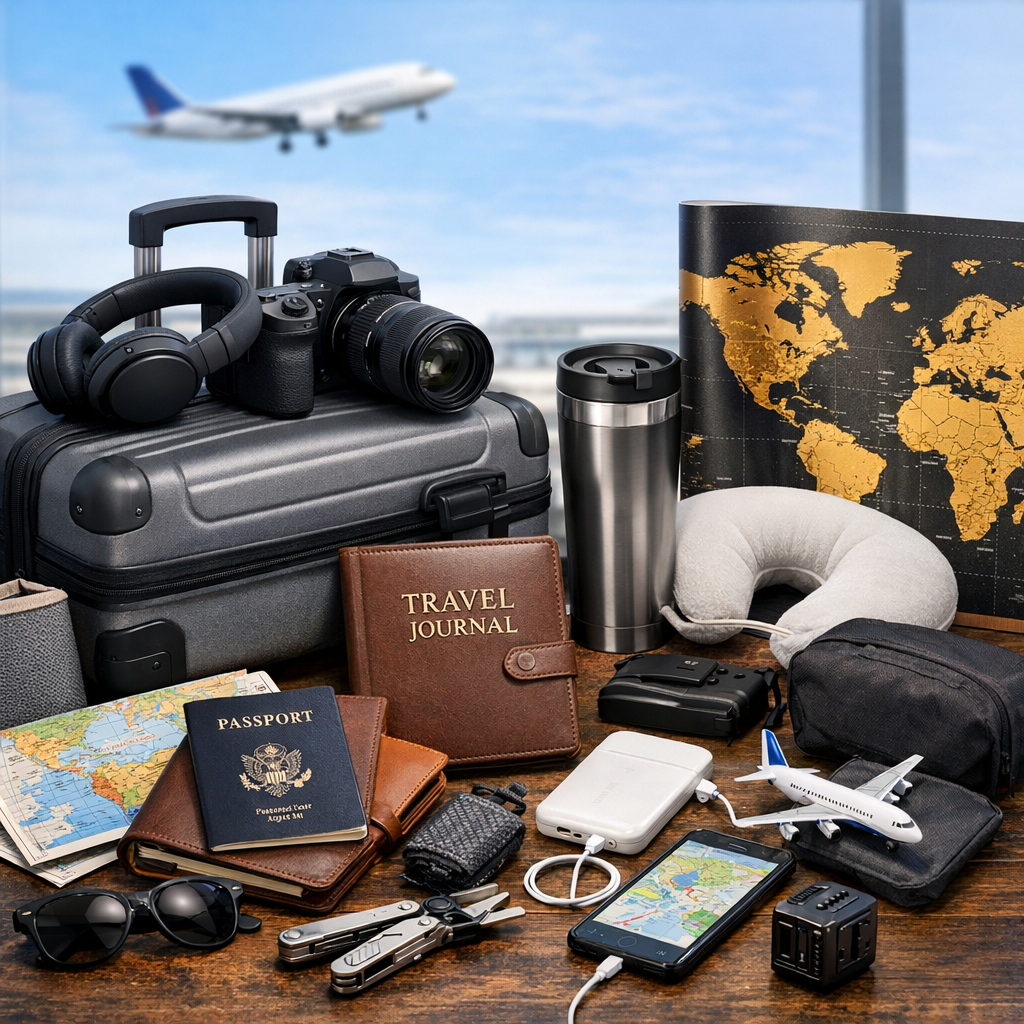
Organize your packing list: A well-thought-out packing list minimizes last-minute stress and ensures you have all essentials. Don’t forget the essentials like medicines or chargers. This preparation breeds control.
Visualize your journey: Spend a few moments picturing your travel experience. Imagine reaching your destination, wandering, and enjoying. This can cultivate calm and anticipation, making the trip seem more manageable.
In-Moment Awareness
Engage your senses: As you travel, actively notice the sights, sounds, and tastes around you. Be it local smells or striking colors, emphasize the small things in your mind that highlight your adventure.
Take breaks to pause: Throughout your day, find moments to stop and reflect. This might be sitting in silence in the park or sharing a meal. These breaks give your mind a chance to digest your experiences and recharge.
Practice deep breathing: When overwhelmed, use deep breathing techniques to ground yourself. Breathe in for four, hold for four, breathe out for four. This can help with anxiety in a bustling environment.
Share experiences with companions: Discussing your impressions and feelings with fellow travelers enhances connection. It creates common ground and can enrich your experience.
Post-Trip Reflection
Dedicate time for reflection: After returning home, set aside moments to think about your trip. Reflect on what you discovered about yourself and your world.
Document your journey: Keep a journal or create a photo album. This preserves memories and gives you wisdom for future journeys.
Share your stories: Sharing your experiences with friends or on social media can inspire others and create meaningful discussions.
Evaluate planning methods: After the trip, think about what worked and what didn’t in your planning. This evaluation can improve your future travels and make them more enjoyable.
The Hidden Value of Crowds

We avoid peak season travel because of the crowds and consider it a pain. These crowds may actually enrich the destination experience in some respects. Crowds have a certain vibrancy and energy that quieter hours may not possess. The hum of dialogue, the giggles of unfamiliar faces and communal energy add an adrenaline to the environment. Take the Eiffel Tower. It is of course incredible to see solo, but there is something indescribably magnetic about seeing it during peak season, bustling amidst a sea of other visitors, overwhelmed with awe.
Crowded places provide special chances to reach out to someone. Whether it’s fellow travelers or locals, meeting people is one of the best parts of traveling. Let me take you back a bit: there’s nothing like talking with someone from a different culture to expand horizons and create unexpected bonds. Imagine yourself in a marketplace. Talking to a vendor or a fellow shopper will provide not only local tips but also color and texture to your experience of the destination.
In high season, travelers will experience the wonderful variety of those surrounding them. This diversity in backgrounds adds to a rich mosaic of experiences. Be it a festival, a crowded beach, or a popular museum, the interaction of various cultures can be mesmerizing. Just take the ‘festival’ Holi in India or Carnival in Brazil, where natives and visitors unite in celebration, each sharing their traditions and merriment.
Furthermore, the thrill of hot attractions or moments at their height is contagious. There’s something about the collective excitement of a concert, parade, or even a local sporting event that brings us together. Consider, for instance, that summer concert in the park. It’s just not as much fun when you’re out there alone.
Conclusion
There’s nothing like traveling in peak season. Just follow the tips we shared and you’ll be able to enjoy your adventures, stress-free! It takes a minute of rethinking your approach to busy times and it makes a difference! A good plan lets you surmount swarms and savor serendipity. Mindfulness keeps you rooted in the moment and in the experience. Though crowds can be overwhelming, they present unexpected moments and connections. Good planning and flexibility will help you maximize your travel.
Discover, connect, remember. Begin your next adventure now.
Frequently Asked Questions
What is peak season travel?
To travel during peak season would mean when these places are most full. This usually coincides with school breaks, holidays, and good weather, meaning all of those amazing sites are packed and everything costs a bit more.
How can I avoid crowds during peak season?
To avoid crowds, travel during off-peak hours, visit popular attractions early or late, and explore lesser-known sites. Anticipation leads you through crowded zones.
What should I pack for peak season travel?
Take only what you need and clothes that can handle multiple kinds of weather. Take the obvious advice not to forget the essentials like your portable charger, comfortable shoes, and your reusable water bottle. These are the things that make your trip.
How can I manage stress while traveling?
Try mindfulness, like deep breathing or meditation, before and even during your trip. Keeping organized and having a flexible itinerary can assist you in staying calm when things become unpredictable.
Are there benefits to traveling during peak season?
Sure, it’s peak season. That usually means gorgeous weather, tons to do, and some amazing local events. The chance to soak up the buzz and bond with other travelers just adds to the magic.
How can I make the most of crowded attractions?
Get there early or come at off-peak times. Get timed entry tickets if possible and concentrate on the highlights. Taking the plunge into the thick of it all can result in serendipitous encounters and unforgettable moments.
What is travel mindfulness, and why is it important?
Travel mindfulness means being mindful in the moment, increasing your awareness and appreciation of the world around you. This habit eases stress, connects you more to your destination and enhances your adventure.