

Table of Contents
- 1. International Travel’s 2026 Rebound: Key Insights
- 1. Global Travel Demand and Recovery
- 2. Geopolitical Risks and Travel Uncertainty
- 3. Travel Price Trends and Economic Influences
- 4. The Rise of Microvacations and Short Trips
- 5. European Off-Season Travel Growth
- 6. Biometric Technology at Airports
- 7. Other Key 2026 Travel Trends
- Frequently Asked Questions About 2026 Travel
- Summary: Navigating 2026 International Travel
1. International Travel’s 2026 Rebound: Key Insights
The global travel landscape is constantly evolving, with 2026 poised for significant shifts. Despite lingering economic uncertainty, international travel demand is on an upward trajectory.

This guide from Trafels.com offers crucial insights for navigating the year ahead, focusing on 2026 travel trends, pricing, and essential planning tips. We’ll help you understand the current economic uncertainty and how it impacts your trips.
1. Global Travel Demand and Recovery
International travel demand is set to accelerate in 2026, defying a global economic slowdown. Improved sentiment and regional tailwinds are driving this resurgence. This growth signals a robust return for the global tourism economy, offering exciting opportunities for travelers worldwide.
Asia-Pacific and Middle East Lead the Rebound
Travel to the Asia-Pacific region is expected to strengthen significantly, particularly as China’s outbound market recovers with economic stimulus. The Middle East also anticipates a strong rebound as geopolitical tensions ease. These regions are key drivers in the overall recovery of international visitors.
Geopolitical Risks and Travel Uncertainty
Despite the rebound, travel uncertainty remains a key concern in 2026. Potential geopolitical issues can affect your travel plans. For instance, U.S. military actions in Venezuela and Cuba, along with immigration crackdowns and changing border policies, are factors travelers consider when planning itineraries. Even discussions around the American annexation of Greenland can influence perceptions of global stability.
Economic Influences on Travel Prices
Travel prices are highly variable in 2026. Premium segments, such as luxury travel and high-end flights, are seeing increases, while budget travel options often feature discounts. The overall economic uncertainty and inflation continue to shape pricing.
Domestic Airfares and Major Events
In 2025, domestic airfares decreased by more than 3%, averaging near $266 in December. Expect regional price variations, especially during major events like the World Cup 2026 hosted by the United States, Canada, and Mexico. This event will significantly impact domestic airfares and hotel rates in host cities like Los Angeles and North Carolina.
2. Geopolitical Risks and Travel Uncertainty
Uncertainty remains a key concern for travelers in 2026. Geopolitical issues can significantly impact your travel plans, making thorough research essential. This is especially true when planning international trips.
Navigating Geopolitical Hotspots
For example, U.S. military actions in Venezuela and Cuba are factors vacationers in the Caribbean must consider. These situations highlight the need for travelers to stay informed about regional stability.

Additionally, U.S. travel policies and an immigration crackdown under figures like Donald Trump continue to make some prospective international visitors reconsider travel to the United States. Restrictive border policies can create significant hurdles for international visitors.
Even adventurous travelers eyeing Greenland might pause due to the threat of American annexation. This unpredictable global climate requires a heightened awareness of political developments when planning your itinerary.
Expert Advice on Preparation
Terry Dale, Chief Executive of the United States Tour Operators Association, emphasizes the critical need for thorough research and preparation. “What I can recommend for U.S. travelers in 2026 is to do their research and prepare,” he advises.
This advice is crucial for managing travel uncertainty and ensuring a smooth trip, especially given the dynamic geopolitical landscape affecting destinations from Canada to Mexico, and even further afield to the Ivory Coast, Haiti, Iran, and Senegal.
3. Travel Price Trends and Economic Influences
Travel prices in 2026 are highly variable, influenced by ongoing economic uncertainty and shifting demand. You’ll see premium segments, including luxury hotels and flights, experience increases. Conversely, budget travel options may offer attractive discounts.
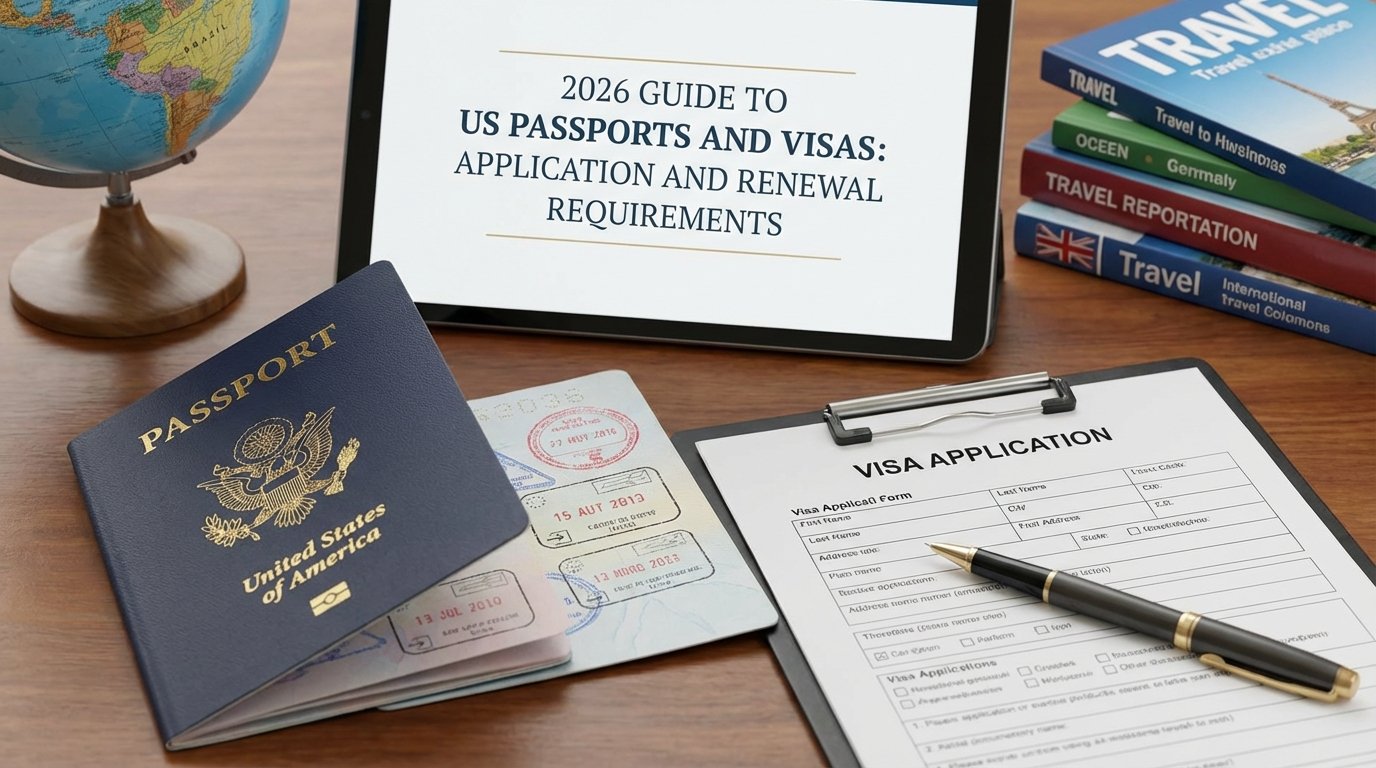
For example, domestic airfares saw a decrease of over 3% in 2025, averaging around $266 in December. However, slight increases are projected for Q1 2026. Regional price variations are expected, especially during major events like the World Cup 2026, hosted across cities in the United States, Canada, and Mexico.
Inflation continues to influence pricing across the travel sector. This makes flexible booking options, such as refundable flights and changeable hotels, more appealing for travelers seeking to mitigate financial risk.
Price Comparison: Domestic Airfares 2025-2026
| Category | 2025 Average | 2026 Projection (Q1) | Trend |
|---|---|---|---|
| Domestic Airfare | $266 (December) | Slight increase | Variable |
| Luxury Hotels | Increasing | Further increase | Upward |
| Budget Hotels | Decreasing | Potential discounts | Downward |
Navigating Economic Uncertainty and Travel Costs
The overall U.S. tourism economy is recovering, yet travelers remain price-sensitive. Experts like Terry Dale from the United States Tour Operators Association emphasize the importance of value. You can expect AI pricing and travel algorithms to play a larger role in determining real-time costs, making early booking and price comparison tools essential.
Despite forecasts for increased international visitors to destinations like Walt Disney World and major cities such as Los Angeles and New York City, travelers are still looking for deals. NerdWallet’s Sally French highlights that many are using loyalty programs and credit card points to offset costs, especially for luxury travel experiences.
Be aware of potential impacts from airline bankruptcies, such as the widely discussed possibility for Spirit Airlines, which could affect budget travel options and domestic airfares. Monitoring these developments, along with global oil prices, will be key to understanding future price shifts.
Consider travel insurance as an essential tool to protect against unforeseen costs due to travel uncertainty or changes in U.S. travel policies. This is especially true given the unpredictable global climate and potential for extreme weather events influenced by climate change.
4. The Rise of Microvacations and Short Trips
The microvacation trend continues its strong trajectory into 2026. Travelers are increasingly opting for short trips, typically 1-3 days, to various destinations. This trend is often fueled by accumulated credit points and inspiration from social media, making quick getaways more accessible.
In 2025, the average trip length for Americans dropped to three days, highlighting a clear preference for quick, experience-focused travel. This allows for more frequent getaways and the exploration of diverse locales without extended time commitments, a key driver in current 2026 travel trends.

This approach also helps travelers navigate economic uncertainty by allowing for more budget-friendly, shorter excursions. You can maximize your time and explore destinations like San Francisco or even a quick hop to the Caribbean without a major financial outlay, especially when utilizing loyalty programs.
5. European Off-Season Travel Growth
European destinations are seeing a significant surge in off-season demand for 2026. Travelers are actively seeking to avoid peak season crowds, leading to a more relaxed experience, often with better prices and fewer queues.
Cities like Florence and Barcelona have experienced over a 40% increase in short-term rental demand during winter months. Searches for fall travel to Europe also rose over 50% in 2025, showing a clear preference for shoulder season trips. This trend allows you to enjoy iconic sites like the Parthenon in Athens or the Grand Egyptian Museum with greater ease.
This shift in 2026 travel trends means you can find more budget travel options and avoid the inflation often seen during peak summer months. It also reflects a broader trend of travelers optimizing their spending amidst economic uncertainty.
6. Biometric Technology at Airports
Biometric ID technology is expanding rapidly at U.S. airports in 2026. This innovation will directly impact how international visitors navigate airports across the United States, from San Francisco to New York City.
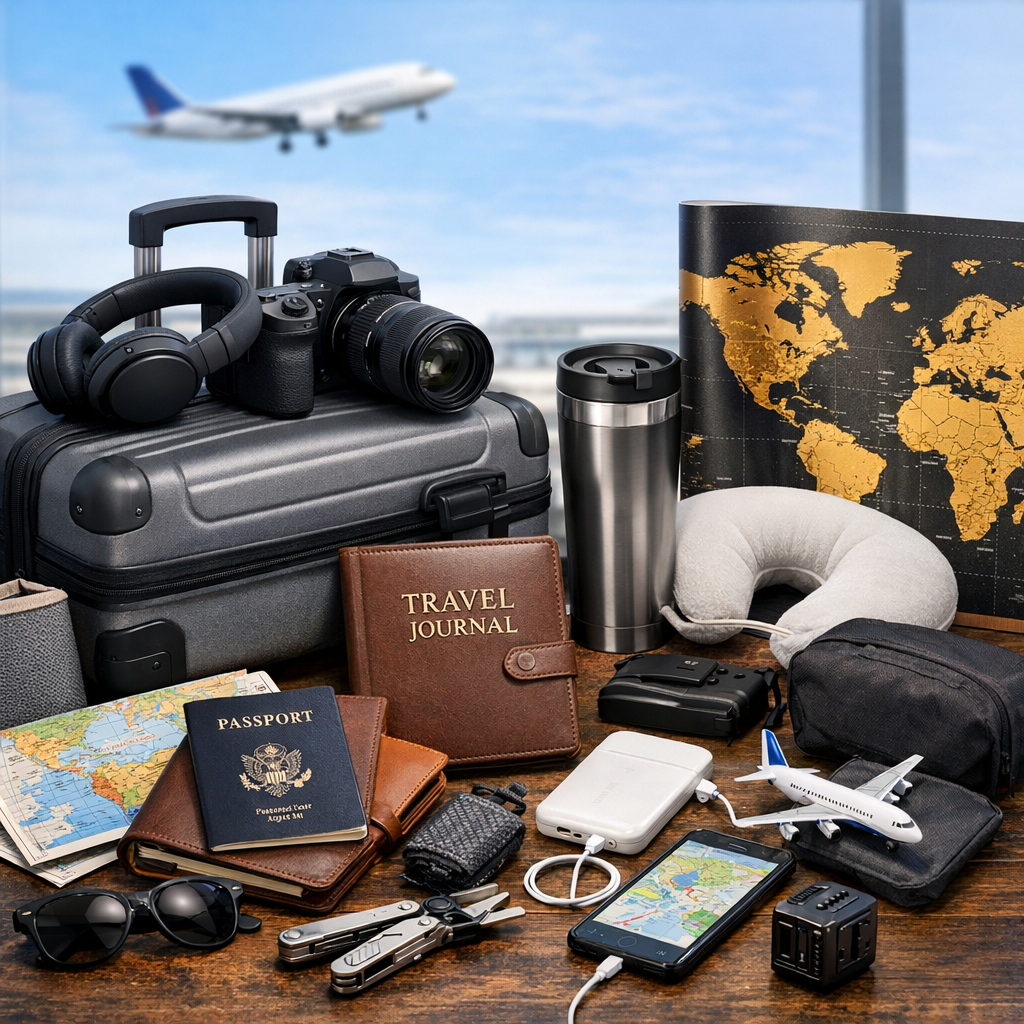
Facial recognition is set to streamline security, customs, and boarding processes, enhancing efficiency for travelers. This focus on biometrics aims for a broader rollout in 2026, making travel faster and more secure.
Trials include Orlando’s biometric corridor and the Transportation Security Administration’s Touchless ID at over two dozen airports. This move is part of wider 2026 travel trends focused on improving the overall travel experience despite ongoing travel uncertainty.
7. Other Key 2026 Travel Trends
7.1 Technology and AI in Travel Planning
Artificial intelligence (AI) is redefining how you plan your trips and find deals in 2026. Travel algorithms are smarter than ever, giving you personalized recommendations and dynamic pricing. Companies like HotelPlanner, led by Tim Hentschel, and Going, featuring expert Katy Nastro, use AI for optimal deals. This helps you find the best refundable flights and changeable hotels, crucial in navigating unpredictable global climate and economic uncertainty. Zach Klempf and NerdWallet also emphasize AI’s growing influence in securing value.
7.2 Loyalty Programs and Reward Optimization
Maximizing loyalty programs and reward points is more crucial than ever in 2026. Travelers are strategically using credit card points and airline miles for microvacations and even luxury travel experiences. Understanding how to optimize these programs can lead to significant savings and enhanced travel, especially amidst rising hotel rates and domestic airfares. Don’t leave points on the table!
7.3 Wellness Tourism and Sound Therapy
Wellness tourism continues its strong growth, with a rising interest in holistic experiences like sound therapy. Travelers, particularly Millennials and Gen Z, are seeking destinations that offer rejuvenating and mindful retreats. This moves beyond traditional sightseeing, focusing instead on personal well-being and personalized travel experiences.
7.4 Global Travel Trends and Demand Recovery
Despite lingering economic uncertainty, international travel demand is set to accelerate in 2026. Improving sentiment and regional tailwinds are driving this rebound. For instance, travel to Asia-Pacific is strengthening as China’s outbound market recovers with economic stimulus. The Middle East is also seeing a rebound as geopolitical tensions ease, opening up new opportunities for international visitors.
7.5 Geopolitical Risks Impacting Travel
Uncertainty remains a key concern for 2026 travel. Potential geopolitical issues can significantly affect your plans. For example, U.S. military actions in Venezuela and Cuba, along with immigration crackdowns and border policies, are factors travelers consider. Even the mere threat of American annexation of Greenland highlights the unpredictable global landscape that influences travel insurance decisions and itinerary planning.
7.6 Travel Price Trends and Economic Influences
Travel prices are highly variable in 2026 due to inflation and economic uncertainty. While premium segments like luxury hotels and flights are seeing increases, budget travel options might offer discounts. Domestic airfares, for example, decreased by over 3% in 2025, averaging near $266 in December. Expect regional price variations, especially around major events like the World Cup 2026 in the United States, Canada, and Mexico.
7.7 Microvacations and Short Trips Trend
The microvacation trend is still going strong in 2026. Travelers are increasingly taking 1-3 day trips to distant destinations, often leveraging credit points and social media inspiration. The average trip length for Americans dropped to just three days in 2025, emphasizing a desire for quick, experience-focused travel rather than extended stays. This trend drives demand for changeable hotels and refundable flights.
7.8 European Travel Off-Season Growth
European destinations are experiencing increased shoulder season demand. Cities like Florence and Barcelona saw over 40% growth in short-term rental demand during winter months. Travelers are actively seeking to avoid peak season crowds, with searches for fall travel to Europe up over 50% in 2025. This allows for a more relaxed and often more budget-friendly experience.
7.9 U.S. Tourism Economy Headwinds
The U.S. tourism economy faces challenges despite global growth. The number of international visitors to the United States dropped about 5% in 2025, according to Tourism Economics. While a partial rebound is projected for 2026, factors like U.S. travel policies, immigration crackdown measures, and the threat of Spirit Airlines bankruptcy pose challenges. The World Cup 2026 is expected to boost inbound visitors, particularly to Los Angeles and North Carolina, but broader border policies remain a concern, impacting destinations from Walt Disney World to New York City. Sally French of NerdWallet also highlights these concerns.
Frequently Asked Questions About 2026 Travel
1. What are the main challenges for international travel in 2026?
You can expect to navigate economic uncertainty, geopolitical risks, and climate change leading to extreme weather events. Inflation is also impacting travel prices, making budget travel plans more crucial than ever.
For instance, U.S. military actions in Venezuela and Cuba can create travel advisories. Donald Trump’s administration policies, including potential immigration crackdowns and border policies, also add to the unpredictable global climate for international visitors.
2. How is technology changing travel in 2026?
Biometrics at airports are streamlining processes, especially in the United States. Think facial recognition at security and boarding. Meanwhile, AI pricing and travel algorithms from companies like Going (featuring expert Katy Nastro) and HotelPlanner (led by Tim Hentschel) are offering personalized deals and optimizing loyalty programs. This helps you find refundable flights and changeable hotels more efficiently.
3. Are microvacations still popular in 2026?
Yes, microvacations remain a strong 2026 travel trend. Many travelers are taking short, experience-focused trips of 1-3 days to diverse destinations. You can often leverage credit points for luxury travel experiences, enjoying quick getaways to places like North Carolina or even short international hops to the Caribbean.
4. What impact will the World Cup 2026 have on travel?
The World Cup 2026 is expected to significantly boost international visitors to host cities in the United States, Canada, and Mexico. However, U.S. travel policies and potential border policies could affect fan attendance from certain countries, such as Ivory Coast, Haiti, Iran, and Senegal, as highlighted by past administration policies.
Expect higher domestic airfares and hotel rates in cities like Los Angeles during the tournament, impacting the overall U.S. tourism economy.
5. Is it safe to travel internationally given the unpredictable global climate?
While the global climate presents challenges like extreme weather, careful planning and comprehensive travel insurance are key. Staying informed about destination-specific conditions and U.S. travel policies can help mitigate risks. Terry Dale of the United States Tour Operators Association advises thorough research before your trip.
Despite these challenges, international travel demand is forecast to accelerate in 2026. This is due to improving sentiment and regional tailwinds, such as strengthening travel to Asia-Pacific as China’s outbound market recovers.
Summary: Navigating 2026 International Travel
International travel in 2026 presents a dynamic landscape of recovery and new trends. While challenges like economic uncertainty, geopolitical risks, and climate change leading to extreme weather events persist, demand for global travel is accelerating. This includes the ongoing immigration crackdown and concerns over U.S. military actions in regions like Venezuela and Cuba.
Understanding these 2026 travel trends is crucial for your adventures. Microvacations, European off-season exploration, and the integration of biometrics are shaping traveler experiences. Terry Dale of the United States Tour Operators Association advises thorough research for a rewarding journey despite the unpredictable global climate.
Key Insights for Your 2026 Journeys
The U.S. tourism economy is set for significant shifts, with international visitors playing a pivotal role. Be prepared for fluctuating hotel rates and domestic airfares. Always consider comprehensive travel insurance, especially with the current global climate.
The global travel landscape is constantly evolving, with 2026 poised for significant shifts. Despite lingering economic uncertainty, international travel demand is on an upward trajectory. This guide from Trafels.com offers crucial insights for navigating the year ahead, focusing on trends, pricing, and essential planning tips.
Addressing Global Travel Trends and Demand Recovery
Despite economic slowdowns, international travel demand is forecast to accelerate in 2026 due to improving sentiment and regional tailwinds. For example, travel to the Asia-Pacific region is expected to strengthen as China’s outbound market recovers with economic stimulus. The Middle Eastern rebound is also anticipated as geopolitical tensions ease. This recovery is vital for the U.S. tourism economy, drawing more international visitors.
Navigating Geopolitical Risks and U.S. Travel Policies
Travel uncertainty remains a key concern in 2026. Potential geopolitical issues, such as U.S. military actions in countries like Venezuela and Cuba, and the ongoing immigration crackdown, significantly impact travel plans. The threat of American annexation of Greenland is another factor travelers consider. Travelers must stay informed about U.S. travel policies and potential border policies to ensure smooth journeys.
Understanding Travel Price Trends and Economic Influences
Inflation is impacting travel prices, making budget travel plans more crucial than ever. Travel prices are highly variable in 2026, with premium segments like luxury travel hotels and flights seeing increases, while budget options may offer discounts. Domestic airfares decreased by more than 3% in 2025, averaging near $266 in December. Regional price variations are expected, especially during major events like the World Cup 2026. Keep an eye on AI pricing and travel algorithms for the best deals, and look for refundable flights and changeable hotels.
The Enduring Appeal of Microvacations and Short Trips
The microvacations trend continues strongly in 2026. Travelers are taking short, experience-focused trips of 1-3 days to diverse destinations, often leveraging credit points for luxury travel experiences. The average trip length by Americans dropped to three days in 2025, emphasizing quick, experience-focused travel. This allows for more frequent getaways without a significant time commitment, perfect for exploring places like North Carolina or even a quick trip to Walt Disney World.
Exploring European Travel Off-Season Growth
European destinations like Florence and Barcelona are seeing increased shoulder season demand, up over 40% in short-term rental demand during winter months. Travelers are actively seeking to avoid peak season crowds, with searches for fall travel to Europe up over 50% in 2025. This trend offers a more relaxed and often more affordable way to experience iconic sites like the Parthenon in Athens or the Grand Egyptian Museum in Egypt.
The Rise of Biometric Technology at Airports
Biometrics are revolutionizing airport processes. Biometric ID technology is expanding at U.S. airports, with facial recognition expected to streamline security, customs, and boarding. Trials include Orlando’s biometric corridor and TSA’s Touchless ID at over two dozen airports, aiming for broader rollout in 2026. This technology promises to make travel more efficient, especially at busy hubs like Los Angeles, San Francisco, and New York City.
The Impact of World Cup 2026 on Travel
The World Cup 2026 is expected to significantly boost international visitors to host cities across the United States, Canada, and Mexico. However, U.S. travel policies and potential border policies, reminiscent of those under Donald Trump’s administration, could affect fan attendance from certain countries, such as the Ivory Coast, Haiti, Iran, and Senegal. This event will undoubtedly influence domestic airfares and hotel rates in host regions.
Technology and AI in Travel Planning
Technology continues to reshape travel planning. AI pricing and travel algorithms are becoming more sophisticated, offering personalized deals and optimizing loyalty programs. This makes planning more efficient and potentially more cost-effective. Experts like Sally French from NerdWallet often highlight how to best leverage these tools for budget travel and maximizing rewards. Companies like HotelPlanner, with insights from Tim Hentschel, are at the forefront of this innovation.
References
- Travel Trends in 2026: Uncertainty, Face Scans and ‘Microvacations’
- Key global trends defining tourism in 2026 – Oxford Economics
- Travel Forward: Data, Insights and Trends for 2026 – Phocuswright
- The Latest Travel Data (2026-01-21) – U.S. Travel Association
- Global Travel Intent for Early 2026 Points to Asia as the Main Growth …