
Table of Contents
- Cuba Travel Restrictions: What You Need to Know Now
- 1. Current Cuba Travel Restrictions: OFAC Regulations
- 2. U.S. Department of State Travel Advisory and Security Environment
- 3. Cuba Entry and Exit Regulations for U.S. Citizens
- 4. Medical Insurance and Health Precautions
- 5. Crime and Safety Risks in Cuba
- 6. Travel Licenses and OFAC Regulations
- 7. Medical Facilities and Emergency Medical Care
- 8. Legal Penalties for Violations in Cuba
- 9. Frequently Asked Questions About Cuba Travel
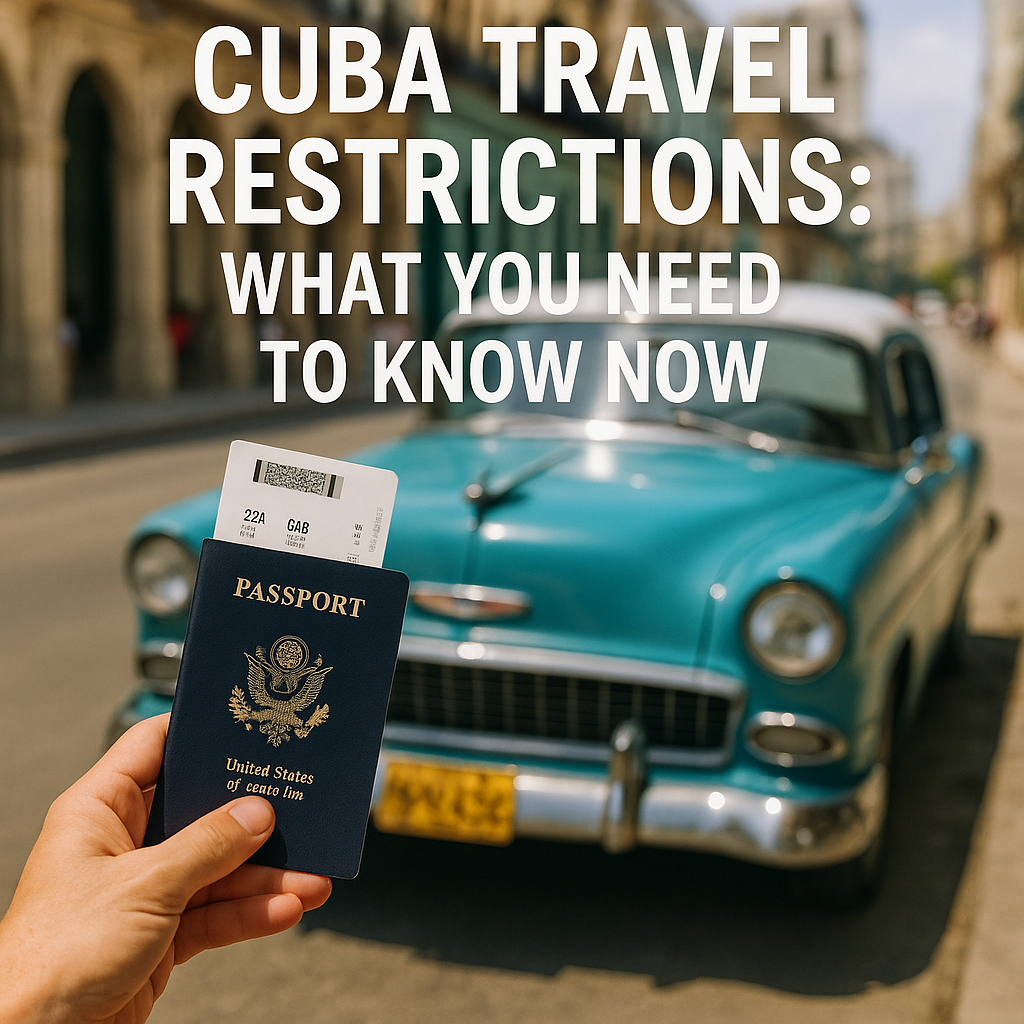
Cuba Travel Restrictions: What You Need to Know Now
Navigating Cuba travel information can be complex, especially with evolving regulations. The U.S. Embassy Havana frequently updates its guidance, and you need to understand the specifics before you plan your trip. This guide will break down the essential Cuba travel restrictions for U.S. citizens as of February 22, 2026.
1. Current Cuba Travel Restrictions: OFAC Regulations
Travel to Cuba for tourism remains prohibited for U.S. citizens. You can only travel if you comply with specific OFAC authorized categories or possess a special license. The Office of Foreign Assets Control (OFAC), part of the U.S. Department of the Treasury, enforces these regulations.

Only travelers eligible under 12 approved OFAC categories or with a specific license can conduct travel transactions. These categories include family visits, humanitarian projects, and professional research. Understanding these Cuba sanctions is crucial for legal travel.
2. U.S. Department of State Travel Advisory and Security Environment
The U.S. Department of State maintains a Travel Advisory for Cuba, regularly updated on its website. The security environment in Cuba is relatively stable but can be unpredictable. Demonstrations are infrequent but may turn violent. You should avoid any demonstrations, as they may draw violent responses or detentions.
Always check the latest advisory from the Department of State before your trip. This ensures you have the most current security awareness and can plan accordingly.
3. Cuba Entry and Exit Regulations for U.S. Citizens
U.S. citizens must enter and depart Cuba using their U.S. passports. This is a strict entry requirement. For Cuban-born U.S. citizens who reside in Cuba, they are treated as Cuban nationals by the Cuban government and must use their Cuban passport for entry and exit.

Attempting to enter Cuba illegally or with unauthorized travel is strictly prohibited and can result in arrest and long prison sentences. Always ensure you meet all exit requirements before departing.
4. Medical Insurance and Health Precautions
Cuba requires all visitors to have non-U.S. medical insurance. This is often included in your airline ticket insurance when purchasing flights. If it is not covered, you can purchase insurance upon arrival, typically from Asistur Medical Insurance.
The CDC Cuba provides important immunization information. U.S. citizens are strongly advised to buy additional medical evacuation insurance due to potentially substandard local healthcare outside major cities like Havana. This is crucial for your safety and well-being.
5. Crime and Safety Risks in Cuba
Crime, including petty theft, scams, and violent incidents like robbery and assault, is increasing in Cuba due to economic conditions. You should avoid displaying valuables, use official taxis, and exercise vigilance, especially in tourist areas such as Habana Vieja and Varadero.
Be aware of your surroundings, particularly in crowded areas like markets and public transport. The Department of State also provides guidance on general security awareness for travelers.
6. Travel Licenses and OFAC Regulations
Beyond the general license categories, some activities require a specific license from OFAC. Direct financial transactions with entities linked to the Cuban military or security services are prohibited. This includes businesses under the control of the Revolutionary Armed Forces or the Ministry of the Interior.
Remittance rules allow unrestricted family transfers, but ban remittances to certain Cuban government officials and members of the Cuban Communist Party. Always verify that your activities align with OFAC regulations to avoid penalties.
7. Medical Facilities and Emergency Medical Care
Medical treatment in Cuba is often substandard, particularly outside major cities. Equipment and supplies are limited. Visitors are strongly advised to purchase comprehensive travel health insurance, especially if their stay exceeds 30 days.
Even with insurance, accessing high-quality emergency medical care can be challenging. Plan for potential medical emergencies by understanding your insurance coverage and local medical limitations.
8. Legal Penalties for Violations
Cuban local laws are strictly enforced. Actions such as possessing illegal drugs, aiding unofficial departures, or photographing sensitive sites may lead to severe penalties, including lengthy prison terms. The FBI works with U.S. authorities on international legal matters.
U.S. laws also prohibit unlicensed business activities in Cuba. Violating U.S. jurisdiction rules can lead to significant fines and imprisonment. Always adhere to both Cuban and U.S. laws during your travel.
1. Current Cuba Travel Restrictions: OFAC Regulations
Navigating Cuba travel information from the U.S. involves specific regulations. As of February 2026, U.S. law prohibits travel to Cuba for purely tourist activities. However, the Office of Foreign Assets Control (OFAC) of the U.S. Department of the Treasury authorizes travel under 12 specific categories.

These categories are designed to facilitate meaningful engagement rather than leisure tourism. You must ensure your activities fall within one of these approved categories or obtain a specific license from OFAC. Failure to comply can result in significant penalties under U.S. jurisdiction, including transactions related to airline tickets or accommodation.
Understanding OFAC’s Authorized Travel Categories
The U.S. Department of the Treasury’s OFAC maintains strict regulations. You do not need to apply for a specific license if your travel fits one of the 12 general license categories. These include family visits, journalistic activity, professional research, educational activities, religious activities, and support for the Cuban people.
Each category has specific requirements you must meet. For instance, “support for the Cuban people” requires engaging in activities that strengthen civil society or promote independent economic activity. Direct financial transactions with entities linked to the Cuban military or security services are strictly prohibited. These Cuba sanctions are actively enforced.
Current Cuba Travel Restrictions and Compliance
Only travelers complying with specific OFAC authorized categories or possessing a specific license can legally travel to Cuba. This means all travel transactions, from booking flights to securing accommodation, must align with these regulations. Your Cuba travel license is critical for avoiding legal issues.
U.S. Department of State Travel Advisory and Security Environment
The U.S. Department of State regularly updates its Cuba Travel Advisory. While the security environment in Cuba is generally stable, it can be unpredictable. Demonstrations are infrequent but may turn violent. You are advised to avoid all demonstrations, as they can lead to violent responses or detentions by local authorities.
Cuba Entry and Exit Regulations for U.S. Citizens
U.S. citizens must use their U.S. passports for both entry and departure from Cuba. Cuban-born U.S. citizens who reside in Cuba are treated as Cuban nationals and must use a Cuban passport. Attempting to enter Cuba illegally or with unauthorized travel is prohibited and may result in arrest and long prison sentences under U.S. jurisdiction.
Medical Insurance and Health Precautions
Cuba requires visitors to have non-U.S. medical insurance, often included in your airline fare. If not, you can purchase it upon arrival, typically through Asistur Medical Insurance. The CDC Cuba advises U.S. citizens to buy additional medical evacuation insurance due to potentially substandard local healthcare, especially outside major cities like Havana and Varadero.
Crime and Safety Risks in Cuba
Crime, including petty theft, scams, and violent incidents like robbery, is increasing due to economic conditions. Exercise vigilance, especially in tourist areas such as Habana Vieja and Playas del Este. Avoid displaying valuables and use official taxis to minimize risks. The U.S. Embassy Havana regularly issues security awareness updates.
Travel Licenses and OFAC Regulations
Travelers need a specific license from OFAC for activities outside the general license categories. Direct financial transactions with entities linked to the Cuban military or security services are strictly prohibited under Cuba sanctions. Remittance rules allow unrestricted family transfers but ban transfers for certain government officials.
Medical Facilities and Emergency Medical Care
Medical treatment in Cuba is often substandard outside major cities, with limited equipment and supplies. Visitors are strongly advised to purchase comprehensive travel health insurance, particularly if your stay exceeds 30 days. The U.S. Embassy Havana provides consular services but cannot guarantee high-quality medical care.
Legal Penalties for Violations
Local laws in Cuba are strictly enforced. Actions such as possessing illegal drugs, aiding unofficial departures, or photographing sensitive sites may lead to severe penalties, including lengthy prison terms. Furthermore, U.S. laws prohibit unlicensed business activities and violations of OFAC regulations, with significant fines and potential imprisonment under U.S. jurisdiction.
2. U.S. Department of State Travel Advisory and Security Environment
The U.S. Department of State maintains a Travel Advisory for Cuba, currently at Level 2: Exercise Increased Caution. This advisory is regularly updated on the U.S. Department of State website. While the security environment in Cuba is generally stable, it can be unpredictable.
Demonstrations, though infrequent, can occur and have the potential to escalate. They may lead to violent responses or detentions. You are strongly advised to avoid any demonstrations and maintain a high level of situational awareness, especially in public areas.
Safety Precautions in Cuba
Despite the advisory from the Department of State, many areas, particularly tourist zones like Habana Vieja and Varadero, are generally considered safe for visitors. However, it is crucial to remain vigilant. Petty theft, such as pickpocketing, is a common concern in crowded areas.
Violent crime, while less frequent, can occur. Always use official taxis and avoid displaying expensive valuables. The economic conditions in Cuba contribute to an increase in crime. This makes awareness paramount for all visitors to Cuba. The U.S. Embassy, Havana, regularly updates its guidance on security matters and Cuba travel information.
3. Cuba Entry and Exit Regulations for U.S. Citizens
All U.S. citizens must use their U.S. passports for both entry into and departure from Cuba. This is a fundamental aspect of Cuba travel information.
A critical point for individuals with dual nationality is that Cuban-born U.S. citizens who reside in Cuba are treated as Cuban nationals by the Cuban government. This means they are required to use their Cuban passport for entry and exit and may face different regulations.
Attempting to enter Cuba illegally or with unauthorized travel documentation is strictly prohibited. Such actions can lead to severe penalties, including arrest and lengthy prison sentences. Always check the latest entry requirements and exit requirements before your trip.
Passport and Visa Information
In addition to a valid passport, all visitors to Cuba must obtain a visa. This is typically a “tourist card” that can be purchased from airlines or through tour operators. It is essential to ensure you have the correct visa information for your travel category.
For Cuban-born U.S. citizens, specific rules apply regarding their residency status and passport requirements. It is advisable to contact the Cuban Embassy or consulate for precise guidance before planning your trip to Cuba.
4. Medical Insurance and Health Precautions
Cuba requires all visitors to have non-U.S. medical insurance. Often, this is already included in your airline ticket insurance. If not, you can easily purchase it upon arrival, typically through Asistur Medical Insurance.
However, the U.S. Department of State strongly advises U.S. citizens to acquire additional medical evacuation insurance. This is crucial because medical facilities outside major cities like Havana may be substandard, often lacking essential equipment and supplies.
Immunization and Health Advisories
The CDC Cuba website is your go-to resource for current immunization information and health advisories. Routine vaccinations, such as those for Hepatitis A and Typhoid, are generally recommended for Cuba travel. Always consult your doctor well in advance of your trip for personalized medical advice.
Travelers should also be aware of potential HIV entry restrictions or other health declarations that may be required upon arrival. Staying informed about these entry requirements is a key part of your Cuba travel information.
5. Crime and Safety Risks in Cuba
Crime rates in Cuba are on the rise, primarily due to economic challenges. This includes petty theft, scams, and more serious offenses like robbery and assault. Tourists, especially in popular areas like Habana Vieja, Playas del Este, and Varadero, can be targets. It is crucial to practice heightened vigilance and take proactive measures to safeguard your belongings and personal safety.
Common Scams and Prevention
Scams can range from inflated prices for goods and services to elaborate schemes involving false promises. Always agree on prices beforehand, especially for taxis and unofficial guides. Avoid displaying large amounts of cash or expensive jewelry.
The U.S. Embassy, Havana, provides information on common scams and how to avoid them. Staying in reputable accommodations and using official transportation services can significantly reduce your risk.
U.S. Department of State Travel Advisory and Security Environment
The security environment in Cuba is relatively stable but can be unpredictable. The Department of State regularly updates its Cuba Travel Advisory, which you should consult before and during your trip. While demonstrations are infrequent, they can sometimes turn violent. Travelers are advised to avoid any demonstrations, as they may draw violent responses or detentions from local authorities.
Personal Security Measures
To enhance your personal security, consider using reputable tour operators and official transportation. Be aware of your surroundings, especially after dark. Avoid walking alone in isolated areas. Keep important documents, like your U.S. passport and visa information, secure and separate from large sums of cash. Utilizing offline maps and emergency communication tools can also be beneficial for your security awareness.
6. Travel Licenses and OFAC Regulations
For U.S. persons, legal travel to Cuba is strictly governed by OFAC regulations under the U.S. Department of the Treasury. You need to understand these rules for compliant travel.
Travel is permitted only if it falls under one of the 12 general license categories or if a specific license has been granted by OFAC. Transactions related to travel that do not meet these conditions are prohibited.
This includes direct financial transactions with entities on the Department of State’s Restricted List. These entities are associated with the Cuban military, intelligence, or security services.
Remittance Rules and Prohibited Transactions
While family remittances to Cuba are generally unrestricted, certain government officials and members of the Cuban Communist Party are explicitly banned from receiving such transfers.
Furthermore, the U.S. Department of Commerce’s Bureau of Industry and Security also plays a role in regulating what can be exported to Cuba. Understanding these complex Cuba sanctions is essential for compliant travel.
The U.S. Embassy in Havana can provide further guidance on these specific regulations and general Cuba travel information. Always check the latest Treasury Department guidelines.
7. Medical Facilities and Emergency Medical Care
Healthcare infrastructure in Cuba, particularly outside of the capital, Havana, often faces significant limitations. Medical facilities may have shortages of basic supplies, medications, and modern equipment.
While major tourist areas like Varadero might have access to clinics, these may not meet international standards. For any serious medical emergency, evacuation to a country with advanced medical care is often recommended.
Emergency Preparedness and Medical Insurance
It is vital to have a clear plan for medical emergencies. You must ensure your medical insurance covers international medical evacuation. Many U.S. citizens are advised to buy additional medical evacuation insurance due to potentially substandard local healthcare outside major cities.
Carry a basic first-aid kit with any necessary prescription medications, as these may be unavailable in Cuba. Know the location and contact information for the U.S. Embassy, Havana, which can provide consular services and assistance in an emergency.
Cuba requires visitors to have non-U.S. medical insurance, usually included in airline fares. If not covered, insurance can be purchased upon arrival, often through Asistur Medical Insurance.
8. Legal Penalties for Violations in Cuba
Both Cuban and U.S. laws are strictly enforced, and violations can carry severe penalties. In Cuba, offenses like possessing illegal drugs, aiding unofficial departures, or photographing sensitive military or security sites can lead to lengthy prison sentences. You must be aware of these local laws before your Cuba travel.
Consequences of Non-Compliance with OFAC Regulations
U.S. laws also prohibit unlicensed business activities or financial transactions that violate OFAC regulations. Travelers under U.S. jurisdiction are subject to these laws even when abroad. Failing to adhere to OFAC regulations can result in civil penalties, including substantial fines, and in some cases, criminal prosecution by the U.S. Department of the Treasury.
For example, engaging in unauthorized transactions with restricted entities or traveling for purposes not covered by a general or specific license can lead to serious legal repercussions. Always ensure your travel plans align with both Cuban and U.S. legal frameworks. Review Cuba travel information carefully before your trip.
9. Frequently Asked Questions About Cuba Travel
1. What are the 12 Authorized Categories for U.S. Travel to Cuba?
The Office of Foreign Assets Control (OFAC) outlines 12 specific travel categories under a general license that permit U.S. citizens to travel to Cuba. These include family visits, official U.S. government business, journalistic activity, professional research, educational activities, and religious activities.
Other authorized categories are public performances, support for the Cuban people, humanitarian projects, activities of private foundations, exportation or importation of information materials, and certain authorized export transactions. You must ensure your trip falls strictly within one of these OFAC regulations to avoid violations.
2. Do U.S. Citizens Need a Special Visa for Cuba?
Yes, all U.S. citizens require a visa to enter Cuba, typically a “tourist card.” This is distinct from the OFAC travel authorization or Cuba travel license. You can usually obtain this tourist card through your airline or a Cuban embassy/consulate.
For Cuban-born U.S. citizens, dual nationality rules apply. If you reside in Cuba, you are treated as a Cuban national and must use your Cuban passport for entry and exit. It is crucial to contact the U.S. Embassy, Havana or Cuban Embassy for specific guidance on visa information and entry requirements if you have dual nationality.
3. Is Medical Insurance Mandatory for Travelers to Cuba?
Yes, Cuba mandates that all foreign visitors, including U.S. citizens, have non-U.S. medical insurance. This requirement is often fulfilled as part of your airline ticket insurance cost.
If your flight does not include it, you can purchase insurance upon arrival, usually through Asistur Medical Insurance. Given the limitations in Cuban medical facilities outside major cities, the Department of State strongly recommends acquiring additional medical evacuation insurance for your safety.
4. Can U.S. Credit and Debit Cards Be Used in Cuba?
Due to ongoing Cuba sanctions and the U.S. Department of the Treasury regulations, U.S. credit and debit cards are generally not accepted in Cuba. This means you cannot rely on them for transactions.
Travelers should plan to bring sufficient cash in U.S. dollars. You can exchange this currency into Cuban currency at airports, hotels, or official exchange houses. Always be mindful of local customs regulations regarding cash limits.
5. What is the Current U.S. Department of State Travel Advisory for Cuba?
The U.S. Department of State has issued a Level 2 Travel Advisory for Cuba: “Exercise Increased Caution.” This advisory is due to factors such as potential for demonstrations, increased crime, and limitations in medical facilities.
This Travel Advisory is regularly updated. You should always consult the official Department of State website for the latest Cuba travel information before your trip. Being aware of the local security environment is key to a safe journey.
6. What are the Current Cuba Travel Restrictions for U.S. Citizens?
Only travelers complying with specific OFAC authorized categories or possessing a specific license issued by the Treasury Department can legally travel to Cuba from the U.S. This means general tourism is prohibited under U.S. jurisdiction.
You must ensure your travel purpose aligns with one of the 12 approved travel categories for general license eligibility. Any attempt to circumvent these Cuba travel restrictions can lead to severe penalties under U.S. law.
7. What is the U.S. Department of State Travel Advisory and Security Environment in Cuba?
The security environment in Cuba is generally stable but can be unpredictable. While large demonstrations are infrequent, they can occur and potentially escalate into violent responses or detentions. The Department of State advises U.S. citizens to avoid all demonstrations.
The Cuba Travel Advisory provides critical security awareness information and is regularly updated on the U.S. Department of State website. Stay informed to understand the current risks, including potential for crime and limited access to consular services outside of U.S. Embassy, Havana.
8. What are Cuba’s Entry and Exit Regulations for U.S. Citizens?
U.S. citizens are required to use their U.S. passports for both entry into and departure from Cuba. For Cuban-born U.S. citizens who maintain residency in Cuba, they are legally treated as Cuban nationals by the Cuban government and must use their Cuban passport.
Attempting to enter Cuba illegally or with unauthorized travel documents is strictly prohibited and can result in arrest and lengthy prison sentences. Ensure you meet all entry requirements and exit requirements before and during your trip.
9. What Medical Insurance and Health Precautions Should I Take?
Cuba requires all visitors to have non-U.S. medical insurance, which is often included in your airline ticket insurance. If not, you can purchase it upon arrival, typically through Asistur Medical Insurance.
The Department of State strongly advises U.S. citizens to purchase additional medical evacuation insurance. Medical facilities in Cuba, especially outside major cities, may be substandard with limited equipment and supplies. Consult the CDC Cuba website for recommended immunization information and general health advice, including any HIV entry restrictions.
10. What are the Crime and Safety Risks in Cuba?
Crime, including petty theft, scams, and violent incidents like robbery and assault, is increasing in Cuba due to economic conditions. Popular tourist areas such as Habana Vieja and Varadero are not immune.
You should avoid displaying valuables, use official taxis, and exercise vigilance, particularly at night. Be aware of your surroundings and report any incidents to local authorities and the U.S. Embassy, Havana.
11. What Should I Know About Travel Licenses and OFAC Regulations?
Travelers need OFAC licenses for any activities not covered under a general license. This includes transactions with entities linked to the Cuban military or security services, which are strictly prohibited under Cuba sanctions.
Remittance rules allow unrestricted family transfers but ban transfers to certain Cuban government officials. Always verify your activities comply with the latest Treasury Department and OFAC regulations to avoid legal issues under U.S. jurisdiction.
12. What are the Legal Penalties for Violations in Cuba?
Both Cuban and U.S. laws are strictly enforced, and violations can carry severe penalties. In Cuba, offenses such as possessing illegal drugs, aiding unofficial departures, or photographing sensitive military or security sites can lead to lengthy prison sentences.
Under U.S. jurisdiction, unlicensed business activities or travel outside of authorized travel categories can result in significant fines and imprisonment. Always adhere to all Cuba travel restrictions and local laws to ensure a safe and compliant trip.
Staying informed about Cuba travel information is crucial for a safe and compliant trip. Always consult official sources like the U.S. Department of State, U.S. Embassy, Havana, and the Office of Foreign Assets Control for the latest updates on Cuba travel restrictions, OFAC regulations, and visa information. Planning carefully, especially regarding medical insurance and adherence to travel categories, will ensure a smoother experience in this unique destination.