Table of Contents
- 1. Adopt a Value-Based Selection Over Cheapest Price
- 2. Budgeting for Premium Travel Upgrades
- 3. Strategic Use of Loyalty Points and Miles Redemptions
- 4. Traveling During Shoulder Season to Avoid Crowds
- 5. Prioritizing Accommodation Walkability
- 1. Prioritizing Travel Value Over Cheapest Price
- 2. Mastering Seasonal and Location Selection
- 3. Prioritizing Value Over Cost in Travel Planning
- 4. Optimizing Airport and Transit Experiences for Less Stressful Travel
- 5. Choosing Travel Value Over Cost: The Budget Mindset Shift
- 5. Incorporating Flexible Travel Days
- Frequently Asked Questions
The global travel landscape in 2026 demands a strategic shift. Passive sightseeing is out; active, Intentional Travel Planning is in.
Overtourism means chasing the lowest flight price often leads directly to disappointment, massive crowds, and commercialized, low-quality travel experiences.
Trafels.com provides the expert smart travel tips you need for less stressful travel. This guide shows you how to maximize your sightseeing time and achieve truly meaningful travel by prioritizing long-term travel value.
Stop chasing deals and start traveling smarter. Here are the top strategies for 2026.
1. Adopt a Value-Based Selection Over Cheapest Price
The biggest mistake in 2026 travel planning is operating with a “cheapest price” budget mindset. While saving money is crucial, focusing solely on the lowest cost often destroys your travel experiences.
True smart travel tips prioritize travel value over absolute cost. Low-cost options frequently result in poor quality accommodations, lengthy transit times, and unnecessary stress, turning your vacation into a logistical headache.
Instead, allocate your trip budget toward comfort and convenience. For example, avoiding the cheapest flights on carriers like Southwest and choosing a slightly more expensive, direct route saves hours of frustrating transit time and enhances the in-flight experience.
This shift from a pure budget mindset to a Value-Based Selection Over Cheapest Price ensures every dollar spent contributes positively to your overall meaningful travel experience.
2. Budgeting for Premium Travel Upgrades
In 2026, comfort is not a luxury; it is a strategic investment in less stressful travel. Successful Intentional Travel Planning now includes upgrade costs in the baseline trip budget.
Spending more initially for a better quality experience leads to a more relaxed trip. This includes Budgeting for Premium Travel Upgrades such as a direct flight, an extra-legroom seat, or a small hotel suite rather than a standard room.
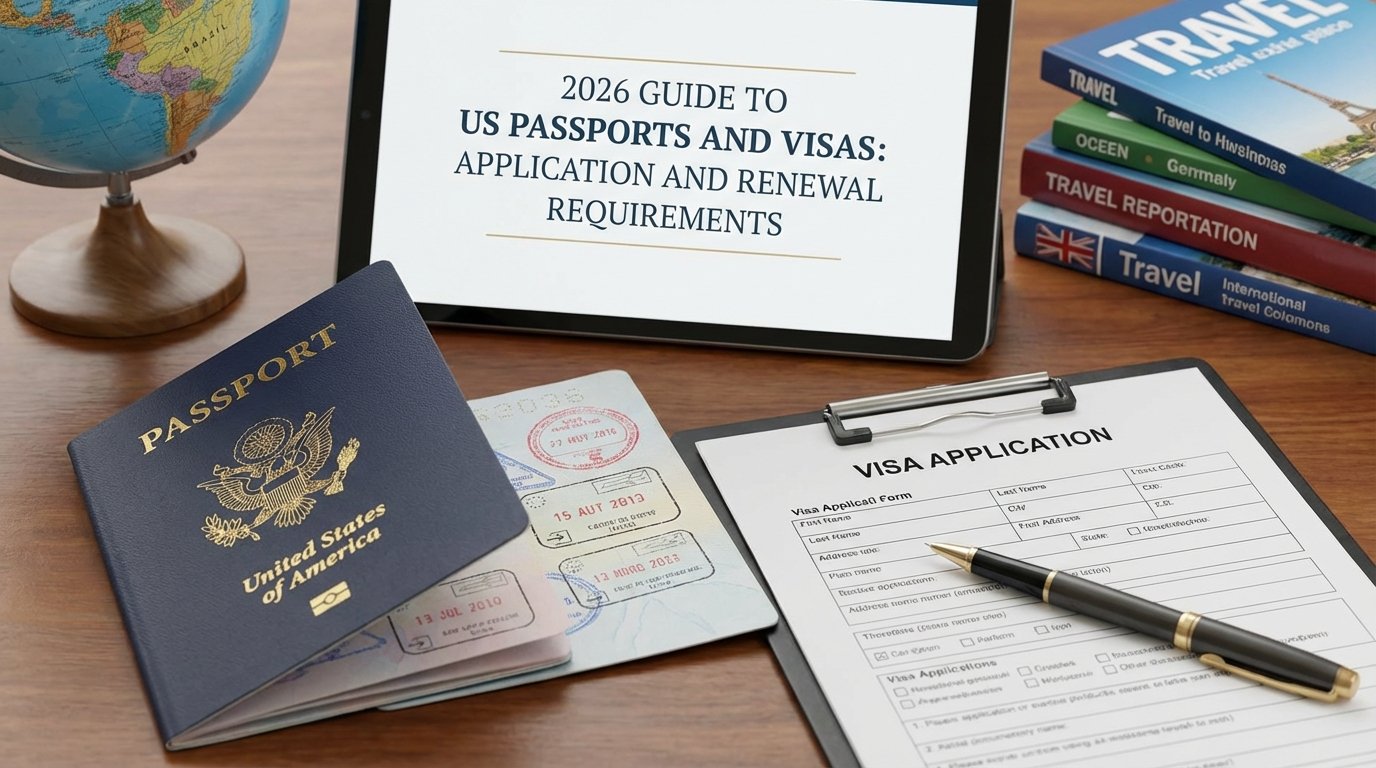
If you are planning a long-haul flight to Kuala Lumpur or Abu Dhabi, investing in business class or premium economy perks transforms the journey. This is the definition of affordable luxury, spending money where it delivers maximum benefit.
Look for travel upgrades that enhance mobility and rest, ensuring you arrive ready to explore, not exhausted.
3. Strategic Use of Loyalty Points and Miles Redemptions
Maximize your travel upgrades by Spending points and miles strategically. In 2026, the highest value redemption often comes from upgrades and premium bookings, not just free economy tickets.
If you hold a card from Chase or participate in programs like Hyatt or Thai Airways, plan around their award calendars. Optimizing Airport Lounge Access through programs like Priority Pass also adds immense value, offering a quiet retreat from chaotic terminals like Washington Dulles Airport.
Focus on redemptions that deliver comfort and convenience, maximizing the value of your accumulated points for business class perks or prime accommodation locations. This is a core pillar of traveling smarter.
4. Traveling During Shoulder Season to Avoid Crowds
One of the most effective smart travel tips for avoiding disappointment is timing. Avoiding Overcrowded Destinations and Popular Tourist Spots during peak summer is crucial for meaningful travel.
Traveling During Shoulder Season, the periods just before or after peak, offers better prices, fewer crowds, and often more pleasant weather. For example, visiting Dubrovnik in October historically offers less congestion and more enjoyable temperatures than the scorching, crowded summer months.
This strategy applies to landmarks as well. If you must see the Eiffel Tower, schedule your visit during off-peak hours or days, realizing that peak-season viewing is almost always disappointing.
5. Prioritizing Accommodation Walkability
Where you sleep dictates how much time you spend commuting. Prioritizing Accommodation Walkability is a non-negotiable part of effective Intentional Travel Planning.
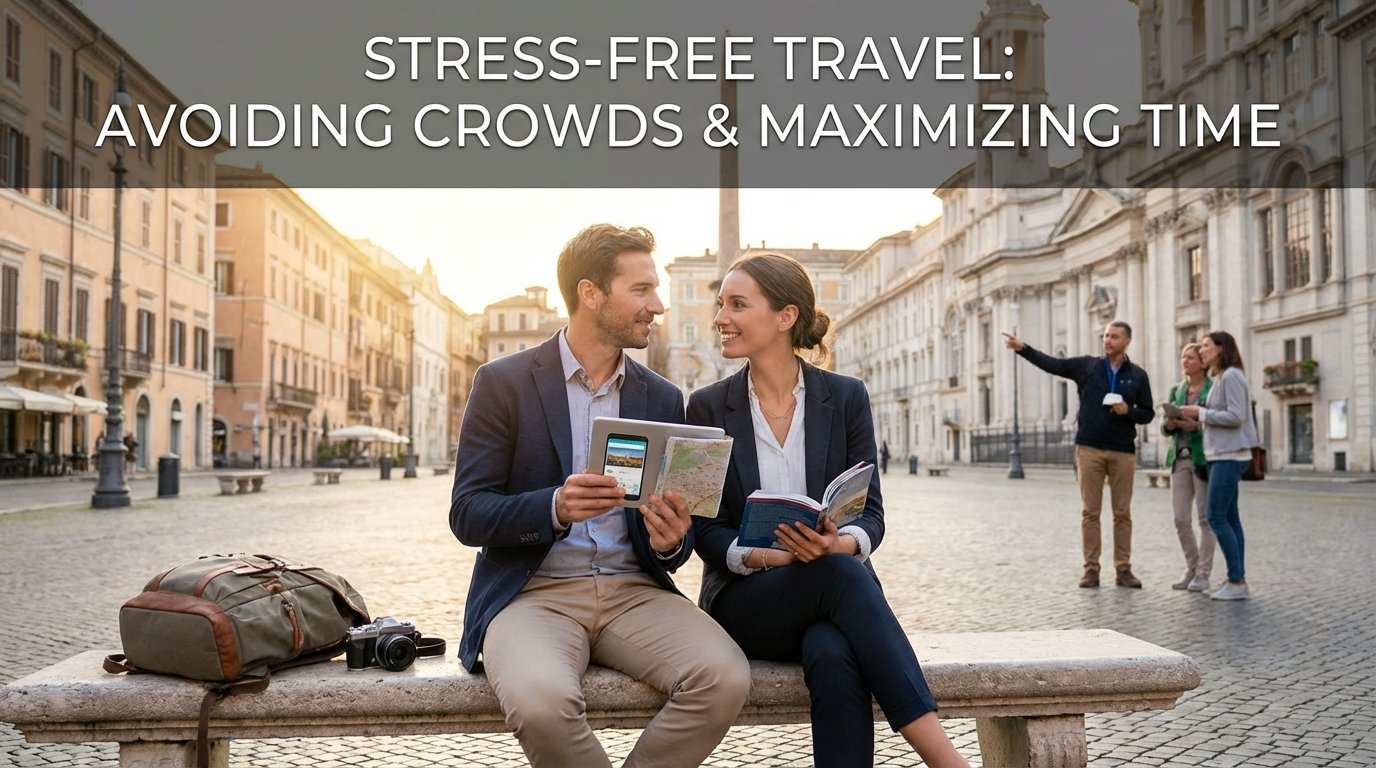
Book accommodations based on proximity to main transit hubs or central local neighborhoods, reducing reliance on long taxi rides or complicated public transport connections. This is a critical element of less stressful travel.
Staying in neighborhoods with easy access to attractions, local markets, street food, and cafes allows for leisurely exploration, saving you time and enhancing your travel experiences. The small increase in nightly rate for a walkable location is a prime example of choosing value over cost.
1. Prioritizing Travel Value Over Cheapest Price
The core of Intentional Travel Planning in 2026 is rejecting the strict Budget mindset. Chasing the absolute lowest Flight price or hotel cost often leads directly to massive crowds, wasted time, and poor quality experiences, the definition of a tourist trap.
Traveling smarter means recognizing that Value over cost is the ultimate metric. A slightly higher initial investment guarantees a smoother, less stressful travel journey and more Meaningful travel outcomes.
Budgeting for Premium Comfort and Travel Upgrades
Do not view comfort as a splurge; integrate it into your baseline Trip budget. Experts like liannandtheo advocate planning upfront for critical Travel upgrades that protect your time and energy while on the road.
Low-cost options, such as those offered by some Airline competitors, frequently involve poor service, multiple layovers, and inconvenient arrival times. As analysis shows, this often leads to longer transit times and less enjoyable Travel experiences overall.
Focus instead on securing options like a Direct flight or a well-located Hotel suite. This strategy defines Affordable luxury, ensuring you invest in convenience to protect your mental well-being.
Strategic Use of Loyalty Points and Miles Redemptions
The strategy for Spending points and miles in 2026 must be focused on maximizing comfort and convenience, not just small discounts. Use loyalty assets for high-value redemptions that dramatically enhance your trip quality.
If you plan to utilize Upgrade options, budget for them immediately. For long-haul routes, like utilizing Thai Airways for international legs, the enhanced In-flight experience of Business class is a critical component of less stressful travel.
Travelers should prioritize redemptions that offer the highest return on investment for comfort. For instance, points earned through financial institutions like Chase should be reserved for aspirational upgrades. This allows you to experience true Business class perks without exhausting your cash flow, making it one of the best Smart travel tips available today.
2. Mastering Seasonal and Location Selection
Tourist traps rely on predictability. Most travelers follow the crowds during peak season to see the same famous landmarks, guaranteeing disappointment. Avoiding mass tourism requires proactive Intentional Travel Planning.
The key to less stressful travel is changing the ‘when’ and the ‘where’ of your journey. This strategic shift is a critical component of Traveling smarter in 2026.
Prioritizing Travel During Shoulder Season
Traveling During Shoulder Season refers to the periods just before or immediately after the peak summer months. This strategy offers immediate, undeniable benefits for your 2026 travel plans.
You benefit from significantly fewer crowds, often superior weather, and drastically improved pricing, boosting the value of your trip. This shift radically enhances your overall travel experiences.
For a concrete example, visiting Dubrovnik in October provides less congestion and more pleasant temperatures than peak July. This allows for leisurely, meaningful travel exploration of historic sites without the overwhelming crush of visitors.
Avoiding Overcrowded Destinations and Renovation Traps
Some highly publicized destinations are simply not worth the current level of congestion or potential frustration. High-priority attractions advertised as “must-see” often suffer from extreme overtourism or ongoing maintenance.
Before finalizing your Travel planning, always check local reports for renovation schedules. Ignoring this step is a common tourist mistake that leads to disappointment.
If you are planning a trip to Paris, be aware that many key Paris attractions may be experiencing renovation work in 2026. This can lead to blocked views or disappointment near landmarks like the Eiffel Tower.
Use smart travel tips: choose alternative, equally valuable cultural sites or focus on smaller, walkable neighborhoods to ensure genuine, meaningful engagement instead of fighting crowds.
3. Prioritizing Value Over Cost in Travel Planning
The location of your accommodation and your choice of transportation are critical factors determining whether you fall into a tourist trap environment. Successful Intentional Travel Planning requires a Budget mindset that prioritizes Travel value over minimizing initial cost.
Prioritizing Accommodation Walkability and Local Immersion
Selecting accommodation based on Prioritizing Accommodation Walkability dramatically reduces reliance on expensive taxis or congested public transport. This is a crucial Smart travel tips strategy for 2026 travel.
Staying in a neighborhood with easy access to local cafes and authentic venues means you spend less time commuting. This facilitates leisurely exploration and supports Meaningful travel by maximizing positive Travel experiences.
Choosing Strategic Locations
Whether using a platform like Airbnb or staying with a global chain like Hyatt, choose locations slightly outside the immediate tourist center. This helps you avoid the high prices and commercialized experiences prevalent near major landmarks like the Eiffel Tower in Paris.
Remember that Traveling smarter means steering clear of overcrowded destinations. If a hotspot is advertised as a must-see, check if it is undergoing renovations or experiencing peak congestion before booking nearby.
Value-Based Selection Over Cheapest Price: Flight Strategy
While chasing deals, travelers sometimes opt for airlines based purely on Flight price, overlooking the detrimental impact on the overall trip. Low-cost options often lead to longer transit times, poor quality, and less enjoyable experiences, increasing less stressful travel challenges.
Skipping the Standard Transport Traps
The critique of certain domestic carriers, such as Southwest Airlines, often centers on the lagging In-flight experience and inefficient boarding processes that negate the initial cost savings. When selecting flights, evaluate the total trip time and comfort.
Look for reliable Airline competitors that offer superior service, even if the price is marginally higher. The Value over cost provided by a seamless connection from Washington Dulles Airport to Kuala Lumpur far outweighs the stress saved.
Budgeting for Premium Travel Upgrades
For long-haul journeys, adopting a Budgeting for Premium Travel Upgrades philosophy is essential. You should integrate the cost of potential Travel upgrades into your initial Trip budget.
Choosing a Direct flight or upgrading to Business class enhances comfort and significantly reduces travel fatigue. This is a key component of Traveling smarter, ensuring you arrive rested and ready to maximize sightseeing time.
Strategic Use of Loyalty Points and Miles Redemptions
In 2026, maximizing points redemptions is critical. Do not waste loyalty currencies on small items; focus on high-impact comfort improvements for true Affordable luxury.
This means Spending points strategically on flight upgrades with partners like Thai Airways or booking a premium Hotel suite instead of using cash. This strategy maximizes the utility of credit card perks from financial institutions like Chase.
Consider optimizing your airport experience by utilizing programs like Priority Pass. Access to airport lounges in hubs like Abu Dhabi provides a necessary refuge, turning layovers from stress points into relaxing breaks.
Exploring Local Markets and Street Food
A guaranteed way to avoid overpriced, low-quality tourist restaurants is by actively Exploring Local Markets and Street Food. These areas are the heart of local culture and commerce, offering authentic Travel experiences.
Look for venues where menus are not translated into multiple languages and where the surrounding patrons are clearly residents. This is a clear sign you have avoided a tourist trap environment.
Ask locals or staff at your accommodation for recommendations for non-touristy food stalls. This often leads to the most cost-effective culinary experiences, reinforcing the concept of Traveling smarter and staying within your Trip budget.
Furthermore, selecting destinations during the Shoulder season, like visiting Dubrovnik in October, often means local markets are less congested, providing a more pleasant and authentic shopping experience.
4. Optimizing Airport and Transit Experiences for Less Stressful Travel
The airport experience is often the first and last point of failure for travelers. Traveling smarter demands that you view transit time as a critical part of the overall journey.
Planning for comfort and efficiency here is vital for maintaining a relaxed demeanor and avoiding early travel fatigue.
Budgeting for Premium Travel Upgrades
Avoiding traps means minimizing friction points. Successful Intentional Travel Planning includes a Budget mindset that allocates funds specifically for transit comfort. This is a key example of prioritizing Value over Cost.
While chasing deals might save you a few dollars on the flight price, spending money on upgrades, like choosing a Direct flight or selecting premium economy seating, drastically reduces stress and improves the overall In-flight experience.
Consider using loyalty points or cash for these targeted Travel upgrades. Paying for comfort upfront ensures a less stressful travel experience, making the transition between home and destination seamless.
Strategic Use of Airport Lounges
Airport lounges are essential for minimizing airport stress and maximizing productivity during layovers. They are no longer exclusive to those flying first or Business class.
Strategic travelers leverage programs like Priority Pass, often included as one of the many Business class perks available through premium credit cards, to access quiet, comfortable spaces globally.
Whether you are navigating the hustle of Washington Dulles Airport or waiting for a connection in Abu Dhabi, lounge access provides reliable Wi-Fi, complimentary food, and a relaxed environment.
This simple upgrade significantly enhances the travel value proposition and helps you maintain focus for your upcoming Travel experiences.
Minimizing Luggage and Overpacking
Mobility is your greatest asset in avoiding tourist traps and navigating busy metropolitan areas like Paris or Kuala Lumpur.
By Minimizing Luggage and Overpacking, you reduce the time spent waiting at baggage claim, eliminate checked bag fees, and gain the freedom to move quickly through busy stations or crowded streets.
This focus on light packing is critical for flexible and enjoyable 2026 travel, allowing you to seamlessly incorporate local transport and respond quickly to unexpected changes in your itinerary.
Remember: the fewer items you have to manage, the more attention you can dedicate to enjoying the destination.
5. Choosing Travel Value Over Cost: The Budget Mindset Shift
If you are serious about less stressful travel in 2026, you must abandon the budget mindset focused solely on the lowest price. Traveling smarter means prioritizing travel value over minimizing the initial flight price or accommodation fee.
This approach is central to Intentional Travel Planning. Chasing deals often leads to longer transit times, poor quality, and less enjoyable travel experiences. Spending a little more initially ensures a higher return on satisfaction.
The Value-Based Selection Over Cheapest Price
Here is a comparison demonstrating the difference between simply chasing deals and seeking true travel value in 2026.
| Travel Component | Cheapest Option (Chasing Deals) | Value-Based Selection (Traveling Smarter) |
|---|---|---|
| Flight Booking | Lowest flight price, multiple stops (e.g., Southwest style connection), inconvenient hours. | Direct flight or high-value routing using Spending points (e.g., Thai Airways Business Class). |
| Accommodation | Outskirts of city, poor walkability, minimal amenities (e.g., distant Airbnb). | Walkable neighborhood near transit, quality chain (e.g., Hyatt), or well-vetted local stay. |
| Dining | Restaurants with picture menus outside, near major landmarks (high markup). | Local markets, street food stalls, or venues recommended by locals. |
| Airport Time | Waiting at the gate, paying for airport Wi-Fi and food. | Optimizing Airport Lounge Access using Priority Pass, enjoying complimentary amenities. |
| Overall Experience | High stress, long transit, constant struggle against crowds. | Less stressful travel, more time for exploration, higher satisfaction. |
Planning for Upgrades and Comfort
Budgeting for Premium Travel Upgrades is a cornerstone of modern smart travel tips. A cheap flight with a 12-hour layover in Washington Dulles Airport might save $100, but it costs you an entire day of energy and sightseeing time.
In 2026, prioritize comfort. Include the cost of premium economy or Business class perks in your baseline trip budget. This allows you to treat the flight as part of the vacation, arriving refreshed and ready to explore. This emphasis on comfort leads directly to higher quality travel experiences.
Strategic Use of Loyalty Points and Miles Redemptions
Achieving affordable luxury often relies on strategic use of loyalty points and miles redemptions. Use credit card perks from institutions like Chase to maximize your spending points balance.
Instead of redeeming points for low-value gift cards, focus on high-value redemptions like securing a seat in Thai Airways Business Class or booking a centrally located Hyatt suite. This strategy transforms a standard vacation into a truly meaningful travel experience without emptying your wallet.
Prioritizing Accommodation Walkability and Location
The location of your stay is the single biggest factor in avoiding tourist fatigue. Staying in a distant Airbnb to save $30 a night is a false economy when you factor in daily transit costs and the loss of time commuting.
A crucial smart travel tip is choosing location over price. Focus on a walkable neighborhood with easy access to local cafes, transport, and attractions. Whether you are exploring Paris or Kuala Lumpur, having the flexibility to walk back to your accommodation quickly minimizes friction and maximizes your exploration time.
Avoiding Overcrowded Destinations and Popular Tourist Spots
To ensure a high-quality trip, actively plan around high-traffic zones and popular tourist spots. Competitor analysis shows that chasing highly advertised ‘must-see’ locations, like the Eiffel Tower during peak afternoon hours, guarantees disappointment and long queues.
Remember that many iconic locations are currently undergoing renovation or experiencing extreme overtourism. Incorporate Intentional Travel Planning by identifying alternative viewpoints or visiting major landmarks at off-peak times, such as early morning or late evening.
Traveling During Shoulder Season
One of the most effective ways to secure better travel experiences is traveling during shoulder season. This strategic timing offers the dual benefit of fewer crowds and more pleasant weather.
For example, visiting Dubrovnik in October, rather than July, provides significantly less congestion and comfortable touring conditions. This simple shift in timing allows you to appreciate the destination fully, turning a potentially frustrating trip into a relaxed and less stressful travel adventure.
5. Incorporating Flexible Travel Days
A rigid itinerary is a hallmark of inexperienced travel and often forces reliance on overcrowded, high-cost activities. Incorporating Flexible Travel Days is critical for successful 2026 travel planning.
Flexibility ensures you can adjust plans based on local conditions, weather, or unexpected closures. This strategy is central to achieving less stressful travel and maximizing your positive travel experiences.
Strategic Pivoting: Avoiding Overcrowded Destinations
When you commit to Intentional Travel Planning, you budget time for the unexpected. If a major landmark, such as the Eiffel Tower in Paris, is undergoing scheduled renovations or has an unexpected closure, a rigid plan leads to frustration.
If you are traveling smarter, a flexible schedule allows you to pivot immediately to a neighborhood exploration or an alternative activity. This maintains the momentum of your trip without forcing you into disappointing lines or commercialized traps.
Optimizing Your Schedule: Traveling During Shoulder Season
One of the most effective smart travel tips for avoiding crowds is planning your trip budget and schedule around the shoulder season. This period (typically spring and fall) offers better prices and significantly fewer tourists than peak summer.
By opting for Traveling During Shoulder Season, you naturally distance yourself from the worst aspects of overtourism. For instance, visiting Dubrovnik in October offers pleasant weather and drastically less congestion, enhancing your overall travel value.
This intentional focus on flexibility and timing ensures your 2026 travel is defined by high-value Travel experiences, moving far beyond the old budget mindset of simply chasing deals.
Frequently Asked Questions
Adopting a high-value strategy demands a shift in mindset. Here are the most common questions about how to implement these Smart travel tips for your 2026 travel.
What is the biggest mistake travelers make when trying to avoid tourist traps?
The primary mistake is prioritizing the lowest Flight price or accommodation cost over overall Travel value. This Budget mindset of constantly Chasing deals often leads to inconvenient transit, poor quality stays, and reliance on overpriced services.
Effective Intentional Travel Planning means Spending money strategically. Prioritize high-impact items like a Direct flight or highly walkable accommodation to ensure Less stressful travel.
How can I use loyalty points strategically in 2026?
Maximize your Spending points by aiming for premium redemptions, which represent the highest Travel value. This is the key to the Strategic Use of Loyalty Points and Miles Redemptions.
Use points for Business class flights on top carriers like Thai Airways or for well-located properties within the Hyatt portfolio. This strategy covers the most expensive components of your trip.
You free up cash to spend on high-quality, authentic local Travel experiences and genuine meals, bypassing tourist markups. This is the core of achieving Affordable luxury through Travel upgrades.
When is the optimal time for shoulder season travel?
The ideal shoulder seasons typically fall in the spring (April/May) and autumn (September/October/early November). This timing is essential for Traveling During Shoulder Season and maximizing your Meaningful travel time.
For example, visiting a highly popular destination like Dubrovnik in October drastically reduces congestion and offers more pleasant weather compared to peak summer months. This intentional scheduling is a key Smart travel tip for 2026 travel.
Should I invest in airport lounge access programs like Priority Pass?
For travelers taking more than three international trips per year, utilizing programs like Priority Pass is a vital Travel upgrade. Access to airport lounges is central to Optimizing Airport Lounge Access.
Lounges at major hubs like Washington Dulles Airport or Abu Dhabi provide a reliable, quiet space for rest or work. This greatly reduces the stress of crowded terminals and long layovers, making it a crucial component of Traveling smarter in 2026.
References
- Smart Travel Tips for 2026: 10 Things We Won’t Do
- The Travel Advice That’s Secretly Ruining Your Trips … – YouTube
- Where you should – and shouldn’t – travel in 2026 – CNN
- Where to go in 2026, without crowds – Travel – The Washington Post
- What’s your best trick for avoiding tourist-trap restaurants? – Facebook