

Table of Contents
- Choosing the Best Time to Visit Switzerland
- 1. Spring: Shoulder Season Travel (March through May)
- 2. Summer: Peak Hiking and City Sightseeing (June through August)
- 3. Autumn: Scenic Beauty and Mild Weather (September through November)
- 4. Winter: Snow Sports and Festive Charm (December through March)
- 1. Overall Best Travel Seasons: April Through October
- 2. Summer Peak Season: June Through August
- 3. Shoulder Season Travel: Spring and Autumn
- 4. Winter Sports Season: December Through March
- 5. The Off-Season Transition Period
- 6. Detailed Seasonal Breakdown: When to Visit Switzerland
- 7. Aligning Your Goals: The Best Time to Visit Switzerland
- 8. Quick Answers: Frequently Asked Questions for Switzerland Travel
Choosing the Best Time to Visit Switzerland
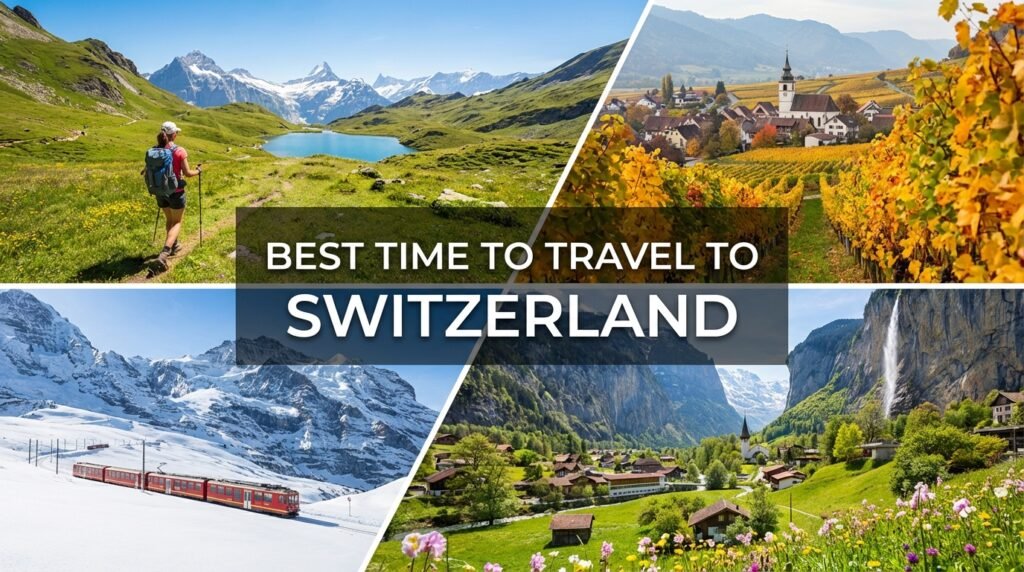
Switzerland offers dynamic travel experiences year-round, ranging from high-altitude skiing to beautiful lakeside lounging. Deciding the best time to visit Switzerland hinges entirely on your travel goals.
Are you looking for snow-free alpine trails and hiking near the Matterhorn and Jungfraujoch, or do you prefer the excitement of the Winter Sports Season? You need to align your trip with the specific activities you prioritize.

This comprehensive Switzerland travel guide breaks down exactly when to visit Switzerland, covering the differences between the expensive Summer Peak Season (July-August), the quiet Shoulder Season Travel, and the busy ski months. Use this guide to plan your ideal itinerary.
1. Spring: Shoulder Season Travel (March through May)
Spring is often overlooked, making it the perfect time for Shoulder Season Travel and securing fewer crowds in Switzerland. This season runs from March through May, offering a transition before the summer rush.
Temperatures rise steadily, moving from a chilly 41°F (5°C) in March to a pleasant 59°F (15°C) by May. This is ideal for exploring major cities like Basel and taking scenic lake cruises.
You will see wildflowers blooming and trails becoming accessible in lower elevations. However, be prepared for Unstable Spring Weather, as rain or late snow can occur, leading to High-Altitude Trail Closures near peaks like Mt. Pilatus.
This period offers better value and is often recommended by travel experts like Rick Steves for those prioritizing budget over guaranteed high-altitude hiking.
2. Summer: Peak Hiking and City Sightseeing (June through August)
If your goal is extensive hiking and guaranteed access to high-altitude trails, the Switzerland summer travel period is the best time to visit Switzerland. This is the Summer Peak Season (July-August), characterized by warm weather and bustling activity.
Temperatures generally range from 64°F (18°C) to 86°F (30°C). This climate is perfect for outdoor activities, including lakeside swimming in Lugano and accessing iconic spots like Jungfraujoch.
Expect higher costs and dense crowds, particularly during July and August travel. The peak of the summer is marked by the Swiss National Day on August 1 celebration, where you can enjoy major festivities and attractions like the Rhine Falls fireworks near Schaffhausen attractions.
While this is the most popular time, particularly in lowland regions and around lakes, booking accommodations in locations like Zermatt travel guide areas or Mürren accommodations well in advance is essential due to the high demand.
3. Autumn: Scenic Beauty and Mild Weather (September through November)
If you prefer moderate temperatures and striking natural beauty, consider Travel in September and October. Autumn sees colorful landscapes with leaves turning red, orange, and gold, providing a stunning backdrop for city visits and lower-elevation walks.
Mild weather in Switzerland prevails early in the season, making it suitable for wine harvest festivals and scenic city exploration. You can experience unique local traditions, such as the Alpine Cattle Processions (traditional seasonal migration) in many Alpine villages.
Be aware of the Off-Season Transition Period travel (known locally as Zwischenzeit) starting in late October/early November. Many smaller inns and Mountain resort closures occur during this time before the Switzerland ski season begins.
While temperatures are moderate, expect rain and chillier evenings, especially as November approaches. This is a great time to find deals and enjoy fewer crowds in Switzerland before the expensive winter season.
4. Winter: Snow Sports and Festive Charm (December through March)
For those focused on snow, the Winter Sports Season (December through March) provides the ultimate experience. Winter transforms Switzerland into a snow paradise ideal for skiing, snowboarding, and other activities.
Major resorts, including Zermatt and St. Moritz, are highly active during this period. Temperatures are suitable for winter sports, but this popularity leads to the most expensive hotel prices outside of the summer peak.
The festive season, from Christmas through New Year, is magical but extremely busy. Later in the season, you can still enjoy snow conditions while experiencing unique regional events like the Late Winter Carnival Traditions (Fasnacht), particularly in Basel.
If you plan to visit the mountains during December to March, be prepared for high costs and book your flights and accommodations far ahead to secure availability.
1. Overall Best Travel Seasons: April Through October
Determining the best time to visit Switzerland depends entirely on whether you prioritize hiking or snow. For general sightseeing, city exploration, and accessing snow-free alpine trails, the ideal window runs from April through October.
This period offers the mildest weather, maximizing your travel itinerary and ensuring the widest range of accessible attractions, including high-altitude destinations like Jungfraujoch. However, if your goal is exclusively Switzerland winter sports, plan your trip during the reliable Winter Sports Season between December to March.
Defining the Switzerland Tourist Season
The Switzerland tourist season is generally split into three distinct periods, each offering unique benefits and drawbacks regarding crowds and costs. Understanding these seasons is key to planning your perfect trip, according to this Switzerland travel guide.
- Summer Peak Season (July-August): Expect the warmest temperatures and longest daylight hours, perfect for enjoying the Matterhorn views. Be prepared for the highest prices and largest crowds.
- Shoulder Season Travel (Spring/Autumn): This includes April, May, September, and October. You benefit from mild weather in Switzerland and fewer crowds in Switzerland, leading to better deals on accommodations.
- Winter Sports Season (December to March): This time is dedicated entirely to snow activities. Resorts like Zermatt are bustling, often leading to expensive hotel prices during peak holiday weeks.
Spring: Wildflowers and Fewer Crowds in Switzerland (March, May)
Spring is a fantastic time for budget-conscious explorers. Temperatures gradually climb from 41°F (5°C) in March to 59°F (15°C) in May. This is the period when wildflowers bloom, and trails at lower elevations become accessible.
While the weather can be unstable, Spring offers excellent opportunities for city tourism in places like Basel or Lugano. You will encounter significantly fewer crowds in Switzerland compared to the busy summer months.
Be cautious of the transition period, sometimes known as Off-Season Transition Period travel (Zwischenzeit), which often runs from mid-April to mid-June in higher regions. During this time, many mountain resort closures occur before the summer season officially begins, limiting high-altitude access.
Summer Peak Season: High Altitude Hiking and Festivals (June, August)
Switzerland summer travel is characterized by beautiful, warm weather, with temperatures ranging comfortably between 64°F (18°C) and 86°F (30°C). This is the absolute best time for outdoor activities, including lakeside enjoyment and tackling demanding snow-free alpine trails near Mt. Pilatus.
The months of July and August travel constitute the busiest period. If you are visiting during this Summer Peak Season, book your accommodations well in advance, especially in popular hubs like Zermatt.
A key highlight is the Swiss National Day on August 1 celebration, featuring spectacular events like the Rhine Falls fireworks display near Schaffhausen attractions. This is also when many traditional Alpine Cattle Processions begin their high-mountain grazing routes.
Autumn: Wine Harvest and Mild Weather in Switzerland (September, November)
For many travelers, Travel in September offers the perfect balance. The landscapes are stunning, with leaves turning vibrant colors, and the weather is still moderate. You can enjoy scenic city visits and wine harvest festivals without the intense heat or crowds of the summer months.
The temperatures remain moderate, providing mild weather in Switzerland, but begin to drop, requiring layers, especially in the evenings. This is an excellent time to find lower hotel rates and experience the charm of smaller Alpine villages.
By late October and November, conditions become colder and wetter. This period sees the lowest tourist numbers before the Switzerland ski season kicks off in earnest, marking the quietest travel time of the year.
Winter Sports Season: Snow Paradise and Festive Charm (December, March)
The Switzerland ski season reliably runs from December to March, transforming the country into a snow paradise. Temperatures drop significantly, making conditions ideal for skiing, snowboarding, and other winter activities.
Major resorts such as Zermatt and areas offering Mürren accommodations are highly active, though be prepared for expensive hotel prices during the holiday weeks. If you love snow, this is definitively when to visit Switzerland.
Beyond the slopes, cities host charming Christmas markets in December, and certain regions maintain Late Winter Carnival Traditions (Fasnacht) in February or March, adding festive cultural appeal to the cold weather.
2. Summer Peak Season: June Through August
The Summer Peak Season, specifically July and August travel, is the most popular time for travelers. You are guaranteed the warmest weather and maximum accessibility to the mountains during this window.
Lowland temperatures typically range between 18°C and 30°C, making this the ideal period for extensive outdoor exploration and maximizing your itinerary.
Benefits of Switzerland Summer Travel
This is the prime time for classic outdoor pursuits like extensive hiking, lakeside swimming, and comprehensive city sightseeing. You benefit from extremely long daylight hours, often lasting until after 9:00 PM, which maximizes your exploration time.
Crucially, summer guarantees snow-free alpine trails. This allows full access to high-altitude destinations, including panoramic viewing points for the Matterhorn and the renowned summit of Jungfraujoch.
Crowds, Costs, and Key Summer Events
Since this is the height of the Switzerland tourist season, travelers must anticipate higher congestion and increased costs. Expect expensive hotel prices and busier conditions in popular spots like Lugano and Basel.
Summer hosts Switzerland’s most significant national celebration: the Swiss National Day on August 1 celebration. This event features spectacular nationwide activities.
A major attraction during this period is the stunning Rhine Falls fireworks display near Schaffhausen attractions, which usually takes place the night before the holiday.
As expert editor Rick Steves highlights, while high summer offers the best weather and accessible snow-free alpine trails, travelers should anticipate the busiest schedule of tourist fun and significantly increased costs.
3. Shoulder Season Travel: Spring and Autumn
The Shoulder Season offers a perfect balance for travelers seeking value when deciding When to visit Switzerland. You benefit from significantly fewer crowds in Switzerland and more moderate costs compared to the peak summer months.
This period generally spans from late April through early June, and again from Travel in September through mid-October. If your goal is reliable mild weather in Switzerland without the tourist rush, this is the window to target.
3.1. Spring: March Through May
Spring is defined by beautiful transitions and emerging landscapes. Temperatures gradually climb from cool 41°F (5°C) in March up to pleasant 59°F (15°C) by May. While March still feels like the tail end of the Winter Sports Season, May brings blooming wildflowers and accessible valley trails.
This season is fantastic for city exploration. Destinations like Basel and Lugano are less congested, often offering better deals on accommodations. However, be prepared for Unstable Spring Weather, including variability in rain and late-season snow.
A key consideration is accessibility. High-altitude areas still experience High-Altitude Trail Closures due to lingering snow and mud, especially before mid-May. Experts often advise waiting until late May for the best chance at experiencing snow-free alpine trails.
3.2. Autumn: September Through October
Autumn is often recommended in any Switzerland travel guide as the best compromise season. Travel in September provides almost summer-like conditions but with drastically reduced tourist density compared to July and August travel.
The landscapes offer rich, colorful foliage, making scenic train journeys spectacular. This season is perfect for visiting Alpine villages, enjoying wine harvest festivals in the lowlands, and witnessing the traditional Alpine Cattle Processions as cows descend from high pastures.
3.3. Navigating the Off-Season Transition Period (Zwischenzeit)
While the Shoulder Season is generally excellent, be mindful of the true low points, known locally as the Off-Season Transition Period, or Off-Season Transition Period travel (Zwischenzeit). This occurs primarily in November and early December, and again in late April.
During these times, many mountain operations cease entirely. Expect widespread Mountain resort closures, including cable cars and mountain railways in regions like Zermatt and Mürren, as they prepare for the next season. While you will find the cheapest prices, many key attractions may be inaccessible.
If you plan to visit in November, focus on large cities like Zurich and Geneva, or cultural centers like Basel, rather than relying on high-altitude experiences.
4. Winter Sports Season: December Through March
If your primary motivation is snow and cold-weather activities, the Winter Sports Season is the ideal time for your trip. The reliable Switzerland ski season runs from December to March, transforming the high Alps into a true snow paradise.
This period is defined by peak demand for Switzerland winter sports. You will find excellent conditions for skiing, snowboarding, and snowshoeing across the mountains.
Peak Season Activities and Costs
Major resort destinations like Zermatt (home of the Matterhorn) and St. Moritz are highly active during this time. The atmosphere is highly festive, particularly around Christmas markets in December.
Daytime temperatures are reliably cold, suitable for high-elevation sports. However, this popularity means you should expect Expensive hotel prices in prime mountain locations.
Towards the end of the season, some cities, including Basel, celebrate unique Late Winter Carnival Traditions. This offers a vibrant cultural experience if you are traveling in late February or early March.
5. The Off-Season Transition Period
Understanding the “in-between time,” locally referred to as the Off-Season Transition Period, is essential for budget travel planning. This period, sometimes called Off-Season Transition Period travel (Zwischenzeit), typically falls in April, early May, and late October through November.
Many travelers seeking the best time to visit Switzerland overlook this timing. If your goal is to save money and avoid the peak Switzerland tourist season, this quiet interval offers significant savings.
Impact of Mountain Resort Closures
During the Off-Season Transition Period, you will encounter many Mountain resort closures. Towns focused on the high Alps, such as Zermatt and areas offering Mürren accommodations, often see hotels, restaurants, and cable cars shut down entirely.
These closures allow for maintenance before the high demand of the Summer Peak Season (July-August) or the Winter Sports Season (December through March). Travelers focusing on the high mountains may find limited services and widespread High-Altitude Trail Closures due to snowmelt and mud.
The Low Cost, Low Crowd Advantage
The primary benefit of traveling during this time is the lowest possible cost and almost zero crowds, you will experience fewer crowds in Switzerland. You can find significantly lower expensive hotel prices compared to peak months.
However, you must accept the trade-off: Unstable Spring Weather is common, and limited access to scenic mountain infrastructure is guaranteed. If you plan to focus on cities like Basel or Lugano, the services remain robust, offering excellent value in this quiet window.
6. Detailed Seasonal Breakdown: When to Visit Switzerland
Deciding the best time to visit Switzerland requires balancing cost, crowds, and your desired activities. This comprehensive Switzerland travel guide uses the following table to summarize the year, followed by a deeper look into what each season offers you.
| Season | Months | Primary Activities | Crowd Level | Typical Cost |
|---|---|---|---|---|
| Spring | March, April, May | City sightseeing, low-altitude hiking, wildflowers | Low to Moderate (Shoulder) | Moderate |
| Summer | June, July, August | High-altitude hiking, lake activities, festivals (Swiss National Day) | High (Peak Tourist Season) | Highest |
| Autumn | September, October, November | Foliage viewing, wine harvests, Alpine Cattle Processions | Moderate to Low (Shoulder) | Moderate |
| Winter | December, January, February | Skiing, snowboarding, Christmas markets, Zermatt travel | High (Peak Sports Season) | High |
6.1. Spring Travel (March, April, May): Wildflowers and Shoulder Season Savings
Spring is an ideal period for Shoulder Season Travel, offering a sweet spot before the major rush. Temperatures offer pleasant conditions, ranging from 41°F (5°C) in March up to 59°F (15°C) by May, making it perfect for city tourism and exploring locations like Basel or Lugano.
This period is characterized by fewer crowds in Switzerland, resulting in better prices. The season is ideal if you are seeking snow-free alpine trails at lower elevations, where wildflowers begin to bloom.
However, be prepared for Unstable Spring Weather and High-Altitude Trail Closures. Trails leading to major peaks like Mt. Pilatus may still be inaccessible due to snow or mud, especially during Weather Variability in April and May.
6.2. Switzerland Summer Peak Season (June, July, August): Hiking and Festivals
Switzerland summer travel peaks during June, July, and August. This is the absolute best time to visit Switzerland for high-altitude hiking, with temperatures comfortably sitting between 64°F (18°C) and 86°F (30°C).
Expect this to be the most popular time, particularly during July and August travel. This is the official Switzerland tourist season, leading to Expensive hotel prices and crowded attractions like the Jungfraujoch and the Matterhorn.
If you travel between May through September, summer offers the most festivals. A major highlight is the Swiss National Day on August 1 celebration. If you are near Schaffhausen attractions, you can witness spectacular Rhine Falls fireworks as part of the nationwide festivities.
6.3. Autumn Travel (September, October, November): Foliage and Harvests
Autumn is characterized by Mild weather in Switzerland and stunning colorful foliage, making Travel in September particularly rewarding. Temperatures are moderate, ideal for walking tours and visiting vineyards during the wine harvest festivals.
You will encounter significantly fewer crowds in Switzerland than in summer. A unique event is the traditional Alpine Cattle Processions as livestock descend from high pastures to Alpine villages before the first snow.
Be aware that late October and November mark the Off-Season Transition Period, sometimes referred to as Off-Season Transition Period travel (Zwischenzeit). Many Mountain resort closures occur, including in smaller regions like those offering Mürren accommodations, as they prepare for the upcoming ski season.
6.4. Winter Sports Season (December to March): Skiing and Holiday Charm
If your primary goal is Switzerland winter sports, the period from December to March is the best time to visit Switzerland. The country transforms into a snow paradise, ideal for skiing and snowboarding.
The Winter Sports Season is vibrant, kicking off with festive Christmas markets throughout December. Major resorts like Zermatt are highly active, though expect Expensive hotel prices during holiday weeks.
Consult a Zermatt travel guide for specific resort opening times. While the focus is on snow activities, major cities like Basel celebrate unique Late Winter Carnival Traditions (Fasnacht) in the late season, adding a cultural element to your trip.
7. Aligning Your Goals: The Best Time to Visit Switzerland
Your ideal time to visit Switzerland depends heavily on your travel goals. Use this comprehensive guide to align your priorities, from budget to skiing, with the best months for travel.
Hiking and High-Altitude Access (Switzerland Summer Travel)
If your primary goal is hiking and accessing high-altitude trails, target the period from May through September. This is the optimal time for Switzerland summer travel, ensuring the best chance of snow-free alpine trails.
July and August travel guarantees full access to iconic routes around the Jungfraujoch and the majestic Matterhorn. Temperatures are warm, ranging from 18°C to 30°C in the valleys, perfect for lake activities.
Be aware that this is the Summer Peak Season (July-August). You will encounter higher prices and crowds, especially during the Swiss National Day (the August 1 celebration), which features spectacular events like the Rhine Falls fireworks near Schaffhausen attractions.
Budget Travel and Fewer Crowds (Shoulder Season Travel)
For travelers prioritizing low costs and reduced congestion, focus on Shoulder Season Travel. This means late May or early autumn, particularly Travel in September.
These months offer Mild weather in Switzerland while allowing you to avoid the high costs and crowded scenes of the summer months. You benefit from significantly fewer crowds in Switzerland and lower rates, avoiding the expensive hotel prices common during peak season.
Late September and early October are excellent for witnessing traditional events like the Alpine Cattle Processions as herds return to the lower Alpine villages.
Winter Sports and Snow Reliability (Switzerland Ski Season)
If you seek reliable snow and lively resort atmosphere, the Switzerland ski season runs strongly from December to March. This is the designated Winter Sports Season (December through March).
Major destinations like Zermatt and the slopes near Mürren accommodations benefit from consistent snow conditions, making January and February the prime months for skiing and snowboarding.
Note that while the resorts are fully operational, this is a period of high demand, contributing to the highest Switzerland tourist season costs outside of summer.
City Breaks and Cultural Exploration
For exploring cultural hubs and major cities, the quieter months of Spring (April/May) or late Autumn (October/November) are superb. Crowds are minimal, and the weather is generally favorable for sightseeing.
You can easily explore cities like Basel and Lugano without the congestion of the peak months. Early spring offers a chance to experience unique events like the Late Winter Carnival Traditions (Fasnacht).
However, be cautious of the Off-Season Transition Period (Zwischenzeit), typically mid-November or mid-April, when many smaller mountain resorts experience mountain resort closures due to maintenance.
Navigating High-Altitude Trail Closures
When planning your trip using a Switzerland travel guide, remember that high-altitude access is seasonally restricted. Even in May, high mountain passes and trails remain closed.
You should expect High-Altitude Trail Closures due to snow and mud until well into June. This is critical for routes accessing famous viewpoints like Mt. Pilatus and the high passes near the Matterhorn.
Early spring also brings highly Unstable Spring Weather, where rain in the city can quickly turn to snow at higher elevations. Consulting resources like Reddit (r/travel) and guides such as those by Rick Steves confirms that flexibility is key during the shoulder seasons.
8. Quick Answers: Frequently Asked Questions for Switzerland Travel
What months are considered the Shoulder Season Travel in Switzerland?
The Shoulder Season Travel typically includes late April, May, September, and October. This is often cited as the best time to visit Switzerland if you seek value and pleasant conditions.
You benefit from fewer crowds in Switzerland and lower costs compared to the peak season. Expect Mild weather in Switzerland, which is ideal for exploring cities like Basel and Lugano.
When is the best time for hiking and accessing high-altitude trails?
For accessing Snow-free alpine trails and high passes, target the period from May through September. This window ensures mountain transport, including access to sights like the Jungfraujoch and Matterhorn, is fully operational.
While June is excellent, many travelers prefer Travel in September for its stable weather and stunning autumn foliage before High-Altitude Trail Closures begin.
Is it worth visiting during The Off-Season Transition Period?
The Off-Season Transition Period, or Zwischenzeit, occurs mainly in early April and November. This time is best reserved for city tourism and budget travelers due to widespread Mountain resort closures.
During Off-Season Transition Period travel (Zwischenzeit), mountain resorts near Zermatt and Mürren often close down, and you face the highest risk of Unstable Spring Weather or persistent rain.
When does the Switzerland ski season officially run?
The core Switzerland ski season and Winter Sports Season runs reliably from December to March. This timeline ensures the best conditions and full resort availability.
While some glacier resorts offer skiing year-round, the main season for destinations offering extensive terrain begins in early December and often concludes by mid-April.
When can I see the traditional Alpine Cattle Processions?
The spectacular Alpine Cattle Processions, the seasonal migration of livestock, primarily occur in late May/early June (moving up) and again in September (descending).
If you want to witness the decorated cows moving through Alpine villages, Travel in September or early October is considered the prime time to catch the descent celebrations.
What is the weather like during the Summer Peak Season?
During the Summer Peak Season of July and August travel, lowland temperatures are very warm, ranging typically from 18°C to 30°C. This is the top time for Switzerland summer travel and lakeside activities.
Be aware that high demand means you will encounter the most crowds and the most Expensive hotel prices. Higher elevations, such as around Mt. Pilatus or the Zermatt travel guide area, will remain significantly cooler.
When are Switzerland’s major festivals and events?
The biggest summer celebration is Swiss National Day on August 1 celebration, featuring fireworks and festivities across the country. The display at the Rhine Falls fireworks near Schaffhausen attractions is particularly impressive.
If you prefer winter events, the Late Winter Carnival Traditions (Fasnacht) take place in late February or early March, with the largest and most famous celebration held in Basel.
References