
Table of Contents
- Introduction
- What an organized adventure trip offers for crowd control
- How organized trips maximize sightseeing time
- Discount mechanics explained
- Choosing the right organized adventure for you
- Practical planning tips to maximize value
- Common pros and cons
- FAQ
- Conclusion
Introduction
Overview of organized adventure trips
At trafels.com, organized adventure trips are curated itineraries that move you efficiently between highlights. They combine transportation, lodging, guides, and a set of activities into one package.

These trips are designed to reduce planning effort, letting you focus on the experience rather than logistics. They are especially helpful when you’re visiting a new destination for the first time, short on time, or dealing with crowds.
Why crowd avoidance and sightseeing time matter
Crowds can slow progress and limit access to top sights. Organized options often include timed or priority entries and guided routes that help minimize lines.
Maximizing sightseeing time means spending less effort on figuring out the next step and more time exploring. A well-structured itinerary aligns with viewing windows so you can see the highlights without feeling rushed.
What an organized adventure trip offers for crowd control
Structured itineraries and fixed start times
Organized trips use a defined sequence with set start times. This structure helps you move through destinations during optimal windows, reducing time spent in crowded spaces.

Having a calendar-driven pace means you know exactly when to be at each site, avoiding hesitations that can lead to longer lines later in the day.
Access to exclusive or priority attractions
Operators often arrange entry slots or guided access that aren’t readily available to independent travelers. This can translate to skip-the-line entries or early access windows that thin crowds.
Benefits may include private viewpoints, reserved seating, or curated experiences behind the scenes, meaning more time at highlights and less time queuing.
How organized trips maximize sightseeing time
Efficient routing and curated routes
Organized trips follow a well-planned sequence that groups must-see sights in a compact area. This reduces backtracking and trims travel time between stops.
Curated routes align with optimal viewing windows, such as early morning light at a landmark or the best vantage during golden hour. The result is more time spent at each site and less time in transit.
Expert guides and on-site logistics
Guides coordinate timing, permissions, and crowd flow, letting you focus on the experience rather than crowds. Their local insight helps you discover viewpoints and exhibits you might miss otherwise.
On-site logistics cover coordinated entries, reserved transfers, and real-time updates if plans shift. Momentum stays intact even when weather or closures arise.
Included activities and skip-the-line benefits
Bundled activities ensure you participate in priority experiences without extra planning. This reduces decision fatigue and supports deeper immersion.
Skip-the-line options translate to more actual sightseeing, not standing in queues. Time saved compounds across a full day of exploration.
Discount mechanics explained
Early bird and group discounts
Planning ahead can unlock lower per-person costs. Early bookings often come with tiered pricing that rewards larger groups and longer booking horizons.
Group bookings may include extras like free spots for coordinators or reduced deposits, which can shift the overall value if you’re traveling with others.
Seasonality and shoulder-season pricing
Prices rise with demand in peak periods and ease during shoulder or off-peak times when crowds thin out. Aligning travel with these windows can stretch your budget without sacrificing core experiences.

Operators may segment pricing by date ranges, so small shifts in your departure can yield meaningful savings while preserving key sights.
Inclusions, add-ons, and hidden costs
Base itineraries often carry discounts, while extras like special activities, private transfers, or premium lodging can add separate charges. Check what is bundled and what requires extra payment.
Bundles that combine transport, lodging, and guides under one price can offer value, especially when it would otherwise be paid for separately.
Choosing the right organized adventure for you
Destination fit and pacing
Start by matching the destination to your interests and travel style. Some regions reward fast-moving itineraries, while others benefit from slower exploration at key moments.

Check the daily schedule for pace gaps between sights. A well paced trip avoids backtracking and allows time for spontaneous stops without derailing the whole day.
Group size and interaction style
Consider how many travelers will be on the trip and how you prefer to engage with the group. Smaller groups often enable better access to guides and quieter sites, while larger groups can unlock bigger discounts and more social energy.
Ask about the group dynamics, leadership structure, and free time rules. Clear expectations help prevent friction during the trip.
Safety, reviews, and operator reputation
Evaluate safety standards, emergency procedures, and trip insurance options. A transparent operator should outline these upfront.
Read recent reviews to gauge consistency, guide professionalism, and support during unexpected changes. Reputation matters when plans shift due to weather or closures.
- Destination fit aligns with your must-sees and time at each site
- Pacing reflects how you want to balance travel days with downtime
- Group size influences interaction and logistics
- Safety protocols and operator credibility protect your investment
Practical planning tips to maximize value
Booking windows and cancellation policies
Plan ahead to secure a favorable price and seat availability. Early bookings often unlock tiered discounts and preferred roomings or rail seats in some regions.
Align your dates with known crowd surges. Midweek departures and shoulder-season slots can reduce costs without sacrificing core sights.
- Understand cancellation windows and penalties before you commit.
- Check whether price drops occur after booking and whether refunds are offered for changes.
- Look for flexible or partial refunds if plans shift due to weather or visa delays.
Leveraging loyalty programs and affiliate offers
Many operators run loyalty schemes that accumulate savings across trips. Mix these with partner offers to amplify discounts.
- Combine loyalty credits with early bird pricing where possible.
- Join affiliate programs or travel portals that bundle discounts on itineraries and add-ons.
- Use trusted reward programs from banks or credit cards to cover deposits or experiences.
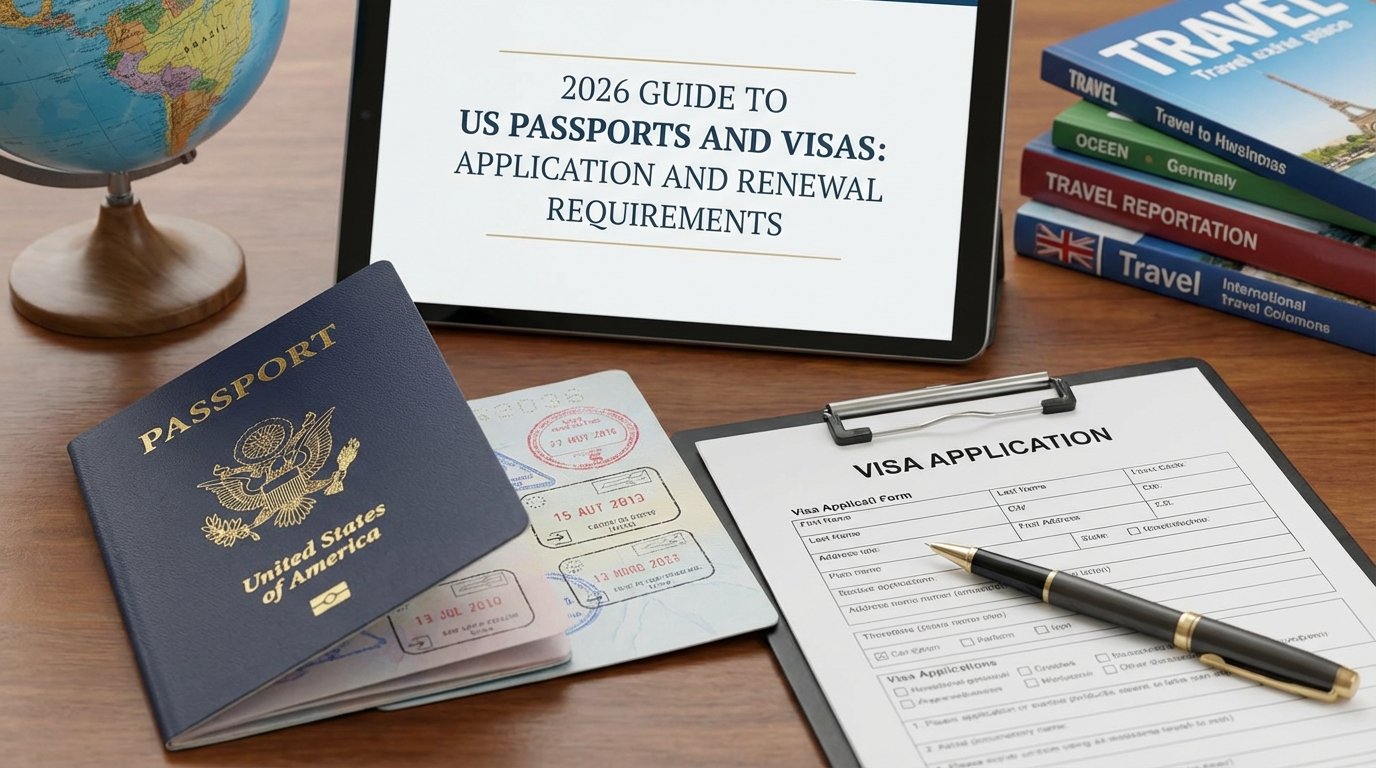
Budgeting for transport, visas, and insurance
Break the trip into core components: transport, lodging, activities, and protections. This helps spot hidden costs early.
- Estimate cross-border transportation between airports and meeting points, not just the main tour legs.
- Account for visa fees, transit permits, and potential vaccination costs where applicable.
- Choose travel insurance that covers cancellations, medical needs, and gear loss in remote areas.
Common pros and cons
Pros: time efficiency
Organized trips present sights in a logical flow, reducing backtracking and unnecessary transit time. You can often cover more in a day than on a DIY itinerary.
Preplanned start times and coordinated logistics help you maintain a steady pace without chasing arrangements on the ground.
Pros: reduced planning load
Daily itineraries, accommodations, and transfers are handled by the operator. You can focus on the experience rather than logistics.
Pros: crowd management
Group movements are timed to minimize lines and peak congestion. Coordinated entry can boost your chances of access to popular viewpoints with shorter waits.
Cons: cost
Structured packages and included services can carry higher upfront prices. Compare the total spend to a DIY approach to judge value.
Cons: flexibility
Fixed itineraries limit detours and spontaneous discoveries. Changes often require negotiating with the operator or waiting for the next departure window.
Cons: potential group dynamics
Shared spaces and schedules can affect pace, dining options, or daily rhythm. Clear expectations early help prevent friction during the trip.
FAQ
What exactly is an organized adventure trip and how does it differ from independent travel? An organized trip bundles transportation, lodging, meals where included, and guided experiences into a single itinerary. You follow a set schedule with a group, which reduces planning time and helps you focus on sights rather than logistics.
Do these trips help reduce crowds at popular sites? Yes, many operators schedule visits during off-peak hours or coordinate entry windows for group members. This can translate to shorter lines and more time at key viewpoints.
How do discounts typically work? Discounts often come from early bookings, larger group sizes, or seasonal promotions. Look for early bird, group, or shoulder-season offers that lower the per person price.
What should I check before committing to a deal? Review inclusions and add-ons, cancellation terms, and what is not included. Confirm flight arrangements, visa needs, and insurance coverage to avoid surprise costs.
- What is the itinerary pace and daily schedule?
- What is the group size and demographic mix?
- What safety measures and guides are provided?
Conclusion
Choosing an organized adventure trip can be a practical move when crowd control and efficient sightseeing are your priorities. The structured pacing and included logistics help you keep momentum between sights without getting bogged down in planning minutiae.
Value depends on how well inclusions map to your goals. If transport, lodging, some meals, and curated activities are bundled, you may save time and reduce planning friction. Still, compare total costs with a DIY approach to ensure you’re not paying for unnecessary services.
Key takeaways to evaluate your next booking:
- Destination pacing matters: pick itineraries that match how fast you want to move each day.
- Inclusions offset complexity: consider what you would source yourself, such as transfers and entry fees.
- Discounts require smart timing: early bird, shoulder-season, and group pricing can lower per-person costs when planned thoughtfully.
For practical planning, map transport between airports and meeting points, verify visa needs, and confirm cancellation terms before committing. A well-chosen package lets you focus on the experience, not the logistics.