


Table of Contents
- Introduction
- 1. Iceland’s Ring Road and Beyond
- 2. New Zealand’s South Island Adventure Loops
- 3. Patagonia: Carretera Austral and Beyond
- 4. The Alps Corridor: France to Slovenia
- 5. Canada’s Rocky Mountain Highways
- 6. The USA’s Route 66 Reimagined and Pacific Coast Routes
- 7. Southeast Asia by Motorcycle: Thailand, Vietnam, and Laos
- FAQ
- Conclusion
Introduction
Why this guide matters for adventure riders
If you ride abroad, you need clarity on routes, safety, and paperwork. This guide cuts through guesswork with practical, real world guidance tailored for international bike trips. You’ll find concrete decisions you can make before you depart, not broad promises.

We highlight safe riding regions, visa considerations, and step by step planning. The goal is to reduce risk and maximize riding time, so you can focus on the ride, not the red tape.
Overview of what to expect from overseas bike trips
You’ll see destinations organized by accessibility and ride quality, from high latitude highways to mountain passes. Each section covers:
- Why a region is ideal for motorcycles
- Top routes and seasonality notes
- Key logistics like permits, border rules, and fuel planning
Across sections, expect a practical route planning framework: permits and safety checks, border considerations, and crowd management strategies. This approach helps you map a ride that fits your time, budget, and risk tolerance with real world checklists.
1. Iceland’s Ring Road and Beyond
Why Iceland is a premier motorbike destination
Iceland offers a mix of dramatic coastlines, volcanic landscapes, and surprisingly light traffic. The Ring Road provides a practical spine, with towns offering services and clear signage along the loop. The open horizons reward deliberate pacing and weather-aware planning.

Remote stretches demand preparedness for gusts, shifting conditions, and evolving road surfaces. The payoff is solitude and landscapes that feel untouched, even on a popular circuit.
Key routes, scenery, and seasonal considerations
- The Ring Road (Route 1) circles the island, connecting fjords, lava fields, and waterfalls with frequent pullouts for photos and refueling when available.
- Highland routes offer rugged backcountry experiences and typically require a 4×4 or high-clearance bike, with access windows that vary by season and careful weather checks.
- Coastal passes in North Iceland deliver dramatic ocean views, with occasional remote fuel and repair options and notable crosswinds at exposed headlands.
Seasonality matters. The prime riding window runs from late spring to early autumn when daylight and services are most reliable. Shoulder seasons reduce crowds but bring cooler temps and shifting forecasts. Winter raises risk with ice and limited daylight; aurora seekers should confirm road conditions and closures before heading onto backcountry routes.
2. New Zealand’s South Island Adventure Loops
Iconic rides and must-see landscapes
The South Island delivers dramatic scenery in compact corridors. Expect alpine passes, glacier tongues, and coastal switchbacks that reward deliberate pacing. Loops weave through Fiordland, the Hoch, and the Southern Alps with abundant viewpoints for photography.
Rides vary from wind-swept plateaus to forested backroads. Plan for regular rest stops to absorb mountain vistas and the quick-changing microclimates that can shift in minutes.
Road conditions, fuel, and weather planning
- Road quality ranges from smooth pavement to tight, winding backroads with limited services in remote stretches.
- Fuel is sometimes sparse along scenic corridors; fill up before traversing long valleys or high passes.
- Weather can flip from sun to sleet quickly; pack layered gear and monitor forecasts for alpine areas and coastal exposure.
3. Patagonia: Carretera Austral and Beyond
Riding the remote roads of southern Chile and Argentina
Patagonia rewards patient pacing with open horizons, wind-swept plains, and rugged granite backdrops. Expect a mix of gravel and dirt sections and limited services in the heart of the corridor. Be ready for variable road surfaces and high winds that test endurance on long, exposed stretches.
North and southbound progress reveals glacier-fed rivers, steppe plateaus, and forested canyons. You’ll encounter remote estancias and sparsely populated towns, so plan multi-day legs between resupply points. Fuel, parts, and repairs demand proactive planning in these gaps.
Border controls, logistics, and safety considerations
- Crossings between Chile and Argentina can involve waiting and paperwork at border posts; carry both vehicle documents and any required temporary import papers for your bike.
- Expect variable speed limits in national parks and high-mountain corridors. Ride to conditions and watch for wildlife near dawn and dusk.
- Spare fuel, a basic tools kit, and a first-aid kit are essential beyond the main highways. Satellite messaging boosts safety where mobile coverage is sparse.
- Weather can shift quickly from sun to sleet on high passes. Layer your gear and carry a compact, weatherproof shell for backcountry sections.
4. The Alps Corridor: France to Slovenia
Best mountain passes and scenic routes
The Alps corridor links high elevation passes with dramatic panoramas and tight switchbacks. Begin in the French Alps and thread through Switzerland, Italy, Austria, and finally Slovenia to create a continuous alpine arc. Seek routes that balance carved granite cliffs with valley vistas and ample photo opportunities.
Consider a two to four day loop from Nice through the Northern Alps or a longer traverse from Lake Geneva to Innsbruck. In Switzerland, target passes like the Furka and Grimsel for elevation drama, then cross into Italy via the Simplon for a contrasting stone landscape. Spring and autumn light adds atmosphere while easing peak-summer crowds.
Tolls, permits, and seasonal closures
- Many alpine roads rely on tolls or vignette tariffs in several countries; plan for border regions and confirm currency acceptance at toll points.
- High passes close seasonally due to snow, sometimes lingering into early summer. Check regional portals and hotel boards within a week of departure.
- National parks may require permits for certain routes or parking areas; carry vehicle documents and verify any length or emission restrictions in protected zones.
5. Canada’s Rocky Mountain Highways
Iconic routes across Alberta and British Columbia
The Rockies weave a tight network of scenic byways that link national parks, alpine towns, and glacier-fed valleys. Expect long, sweeping curves through pine forests, expansive lake vistas, and jagged mountain silhouettes that define the horizon. You can stitch together routes like the Icefields Parkway and the Bow Valley corridors to form multi-day loops with frequent pullouts for photography. For a practical itinerary, plan two nights in Banff, a day at Lake Louise, and a final night in Jasper to optimize light for early-morning shots.
Map out practical legs between fuel stops and overnight stays in Banff, Jasper, or Golden. Elevation changes demand thoughtful weather planning, especially in shoulder seasons when temps swing quickly. The terrain rewards a steady pace and careful cornering on winding pavement. In recent seasons, typical byway days cover 150-180 km with 2-3 photo stops and a short hike to a viewpoint.
Camping, wildlife, and road etiquette
- Wildlife movement peaks at dawn and dusk; keep a safe distance and use high beams judiciously to avoid startling animals. If a moose blocks the road, wait for it to move on.
- Camping choices range from established campgrounds to backcountry sites; respect fire bans and pack out all waste. A compact stove helps minimize campsite impact in remote areas.
- Road etiquette matters in tourist hubs: yield to oversize vehicles on narrow passes and maintain steady speeds in wildlife corridors. Use turnouts to let faster traffic pass and avoid sudden braking near groups of photo seekers.
| Route | Highlights | Typical Conditions | Best Time |
|---|---|---|---|
| Icefields Parkway | Glacier vistas, Athabasca Glacier, towering rock faces | Paved, some frost pockets, variable weather | June to September |
| Bow Valley Corridor | Forest passes, lake views, trailheads nearby | Smooth to moderate grade, frequent stops possible | May to October |
6. The USA’s Route 66 Reimagined and Pacific Coast Routes
Classic rides with modern logistics
Route 66 today blends the nostalgia of a bygone era with practical planning for longer trips. You’ll find reliable fuel stops, updated lodging, and improved cell coverage in major towns. Plan milestones that avoid backtracking and weave in iconic stops alongside efficient overnight stays.
On the Pacific Coast, Route 1 offers rugged cliffs and sweeping sea vistas. Schedule regular photo breaks and consider coastal detours to soften traffic peaks. Use shoulder-season windows and calm morning rides to maximize scenery without the crowds.
Permits, motor vehicle regulations, and crowd planning
- Know state requirements for temporary vehicle registration, insurance, and motorcycle licenses at crossings or checkpoint-like stops between states.
- Check campground and national forest rules for vehicle length limits, parking, and quiet hours to minimize disruption in popular locales.
- Avoid peak crowds by targeting midweek riding slots and choosing meals and lodging in smaller towns near scenic viewpoints, preserving time for roadside museums and overlooks.
Route planning framework in practice
Build a practical day-by-day plan that balances iconic stretches with gaps for fuel, food, and rest. Include contingency legs for weather disruptions and alternate scenic roads near major cities. Use a simple checklist to verify permits, documentation, and equipment each morning.
7. Southeast Asia by Motorcycle: Thailand, Vietnam, and Laos
Navigating borders, visas, and road culture
Southeast Asia offers varied riding scenery and affordable logistics. Start with clear border plans because border crossings can require multiple documents and vehicle permits. Expect occasional checkpoint delays, so pad time into each travel day. For a practical example, plan a two to four hour cushion when crossing from Thailand into Laos during peak market days to avoid delays caused by cargo inspections.

Visa rules shift by nationality and season. Some riders opt for 30-day or 60-day stamps, while others arrange longer stays through eVisas or visa-on-arrival where available. Verify vehicle import documentation and ensure your carnet or customs forms align with each border regime. If you travel with a partner, share digital copies of visas and vehicle papers to speed up checks at busy crossings.
Road culture varies by country and even across regions. Expect mixed surface quality, frequent roadworks, and local driving habits that differ from Western norms. Ride conservatively in towns, and anticipate sudden livestock or pedestrians on rural strips. In cities like Ho Chi Minh City or Bangkok outskirts, use dedicated lanes when available and allow extra buffer for scooters weaving through traffic.
Sourcing bikes and gear locally
- Renting often includes insurance, maintenance, and roadside assistance, which reduces upfront costs for short trips. For a specific scenario, a two-week rental in Vietnam may include 24/7 support and a basic spare set of tubes for punctures.
- Local shops can provide spare parts, helmets, and rain gear at approachable prices, with English-speaking staff in tourist hubs. In Cambodia, stock up on brake pads and tire patches near popular border towns to avoid backtracking.
- Condition checks before departure help prevent breakdowns: inspect brakes, tires, lights, and fluid levels, especially after long stretches of heat and rain. A quick test ride of 5 minutes can reveal wobble in the front wheel or fading brakes that only show after a short ride.
FAQ
What bike should I bring for international trips?
Choose a versatile motorcycle with a reliable engine, comfortable ergos for long days, and solid aftermarket support in remote regions. Consider displacement, fuel economy, and luggage capacity to match your route length and gear needs.
- Dual-sport or adventure bikes excel on mixed pavement and light off-road stretches, such as a KTM 890 Adventure or Yamaha Tenere 700, balancing range and ride comfort.
- Smaller displacement bikes can reduce fuel stops and improve handling in tight passes, for example a 400 to 650cc bike for winding backroads.
- Ensure your bike fits your height and riding stance for fatigue-free days, and test a full day ride before departure.
How do I handle border crossings and paperwork?
Plan border days with extra time and a clear stack of documents. Some borders require vehicle permits, carnet de passage, and proof of insurance. Always carry photocopies and digital backups.
- Verify visa rules and vehicle import requirements for each country on your route, including temporary import exemptions.
- Check if temporary registrations or import taxes apply at crossing points to avoid delays.
- Keep a dedicated folder for insurance, rider licenses, and bike registration documents, and store scans in the cloud.
How can I avoid crowds while maximizing riding time?
Target shoulder seasons and midweek riding slots to reduce traffic at popular viewpoints. Use alternate scenic byways near major areas to maintain pace without long waits.
- Split long days with strategic overnight stops in smaller towns to recharge and fuel.
- Reserve popular attractions for early mornings or late afternoons to minimize queues.
- Monitor local events calendars and weather patterns to steer clear of peak crowd periods.
Conclusion
Key takeaways for a successful overseas bike adventure
Plan with a clear route framework that accounts for fuel, repairs, and weather. Prioritize safe riding conditions and seasonal timing to minimize risks on remote roads. Build flexibility into every day to adapt to border processes and road closures.
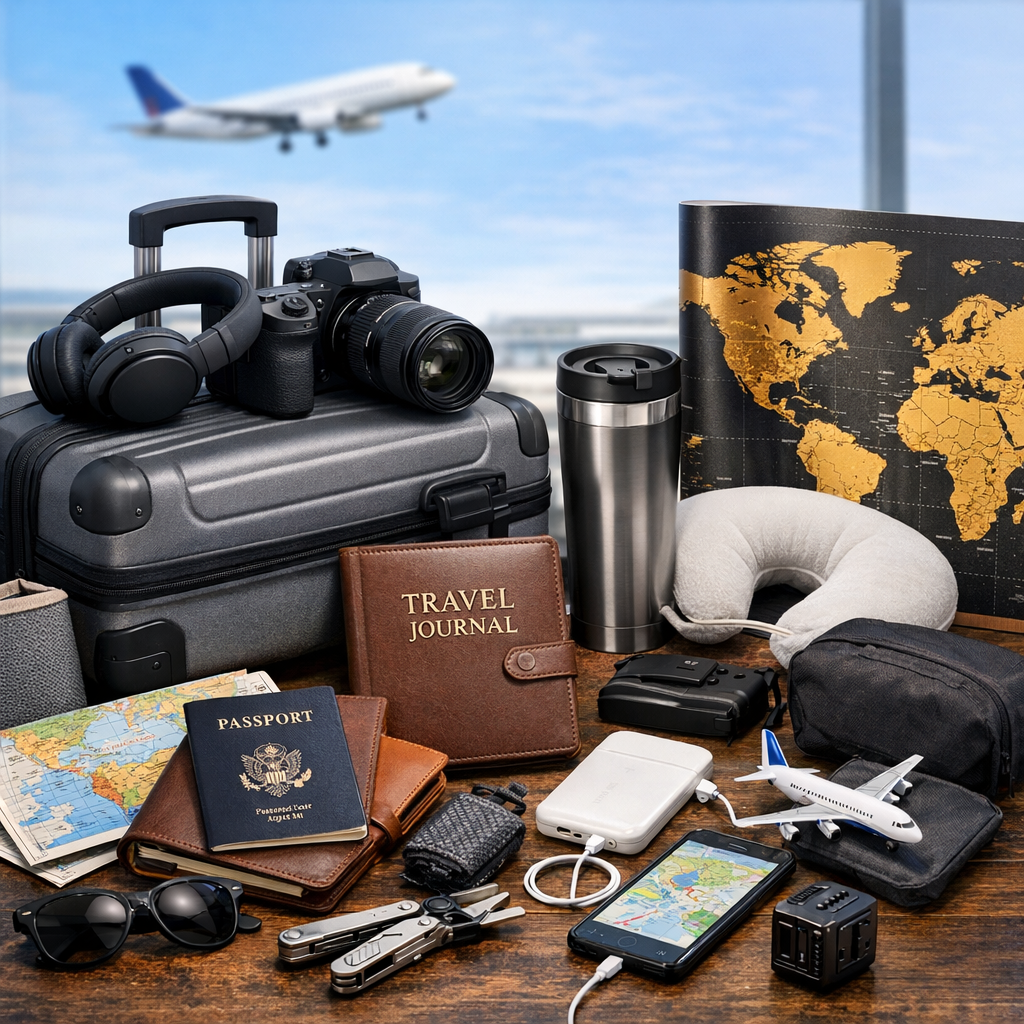
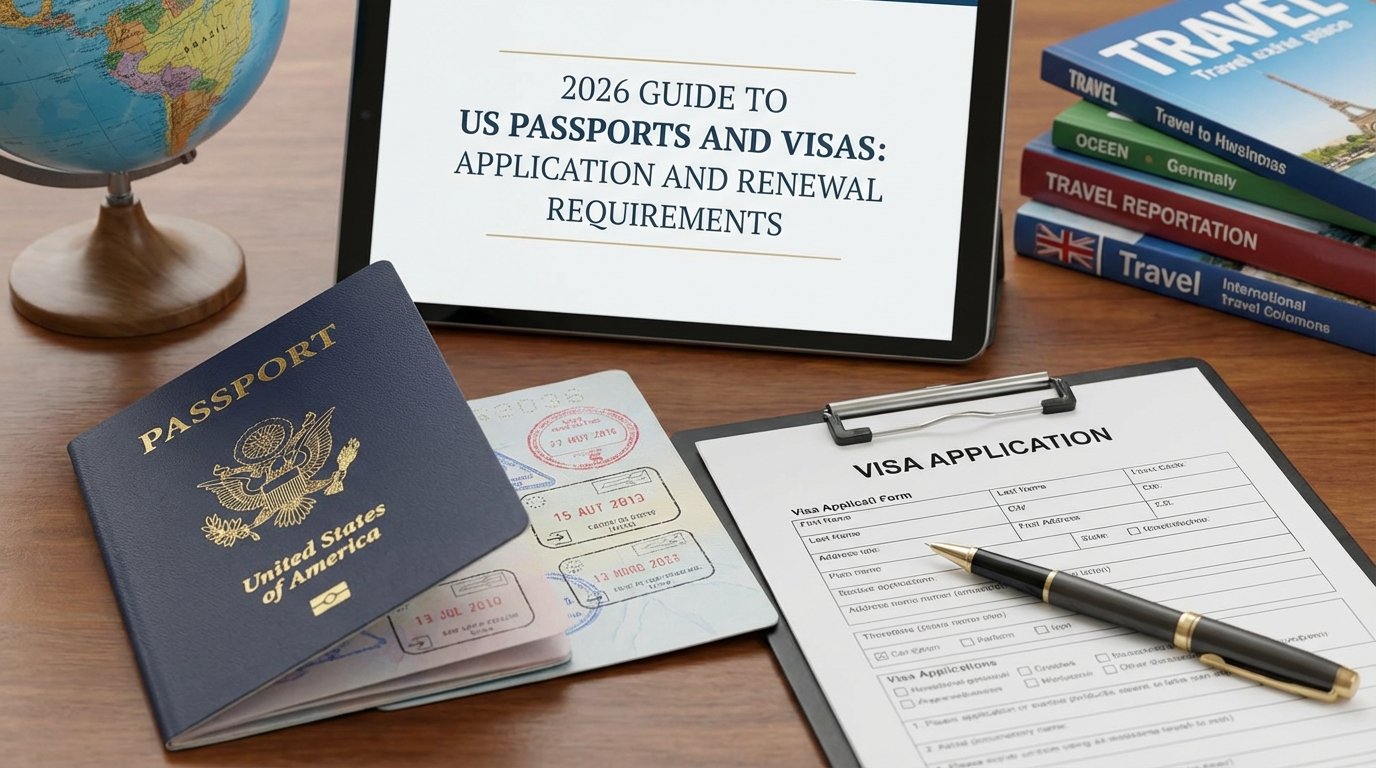
Prepare documents, permits, and insurance well in advance. Keep both digital and physical copies organized for quick access at crossings. Local knowledge matters, so seek advice from trusted shops or riders in each country you visit.
Next steps and resources to consult before you go
Draft a multi-country route with primary and alternate loops, noting visa windows and vehicle import requirements. Confirm emergency contacts and roadside assistance options for each region.
- Check regional riding conditions and local traffic norms before departure.
- Review border protocol checklists and carnet validity for your chosen path.
- Verify gear adequacy for diverse climates, from high mountain passes to coastal routes.