


Table of Contents
- Introduction
- 1. Understanding Bundled Travel Packages
- 2. Price Comparison: Bundled vs. Separate Booking
- 3. Sleep Quality and Itinerary Benefits: Stay Synchronization
- 4. Flexibility, Change Fees, and Refundability
- 5. Loyalty, Rewards, and Ancillary Perks
- 6. Hidden Costs and Restrictions to Watch For
- 7. How to Decide: When Bundles Make Sense
- FAQ
- Conclusion
Introduction
What bundling means in travel planning
Bundling combines multiple travel elements into a single purchase. In practice, that often means a flight plus hotel, sometimes with extras like transfers or tours. It can simplify planning and tracking, especially when itineraries involve complex schedules or multiple destinations.

For some travelers, bundles offer one sign in price and a predictable budget. For others, the bundled option hides add ons that appear only after you commit. We weigh both sides to help you decide what fits your trip.
Why price and time savings matter for international trips
International trips hinge on quick connections, reliable lodging, and predictable costs. Even small savings in airfare, hotel, or transfers can compound into meaningful difference over a long itinerary.
Time matters too. Bundles that align flight times with hotel check in windows or minimize layovers can reduce idle days and wasted transit time. Our approach prioritizes efficiency alongside raw price data.
How Trafels.com evaluates baggage, flexibility, and hidden costs
We assess the total value of a bundle by examining:
- Baggage policies and potential fees
- Cancellation, change fees, and refundability
- Hidden costs such as seat selection and destination taxes

For practical evaluation, consider a real scenario: a two week trip with a bundled flight, hotel, and airport transfer. Compare this to separate bookings, then add in potential meal plans or tours to see the true total. If the bundle saves 8 to 12 percent after fees, it’s worth serious consideration, but if timing adds a day of layover or inflates baggage fees, the math shifts.
We also flag common pitfalls such as bundles that require nonrefundable components for dates with flexible travel needs. If you anticipate last minute changes, prioritize bundles with transferable credits or flexible cancellation terms. Trafels.com highlights these nuances so you can choose options that align with your risk tolerance and schedule.
1. Understanding Bundled Travel Packages
What bundling includes (flight + hotel + optional extras)
A bundled travel package combines components into one purchase. At minimum, expect a flight and a hotel stay. Optional extras often include transfers, airport lounge access, tours, and breakfast. Some bundles extend to activities, car rentals, or travel insurance.
Real-world example: a spring break bundle might group a roundtrip flight, a 4-star hotel, and prepaid airport transfers, yielding less stress at check-in. In another case, a Caribbean package could include a guided excursion and daily breakfast with the same fare.
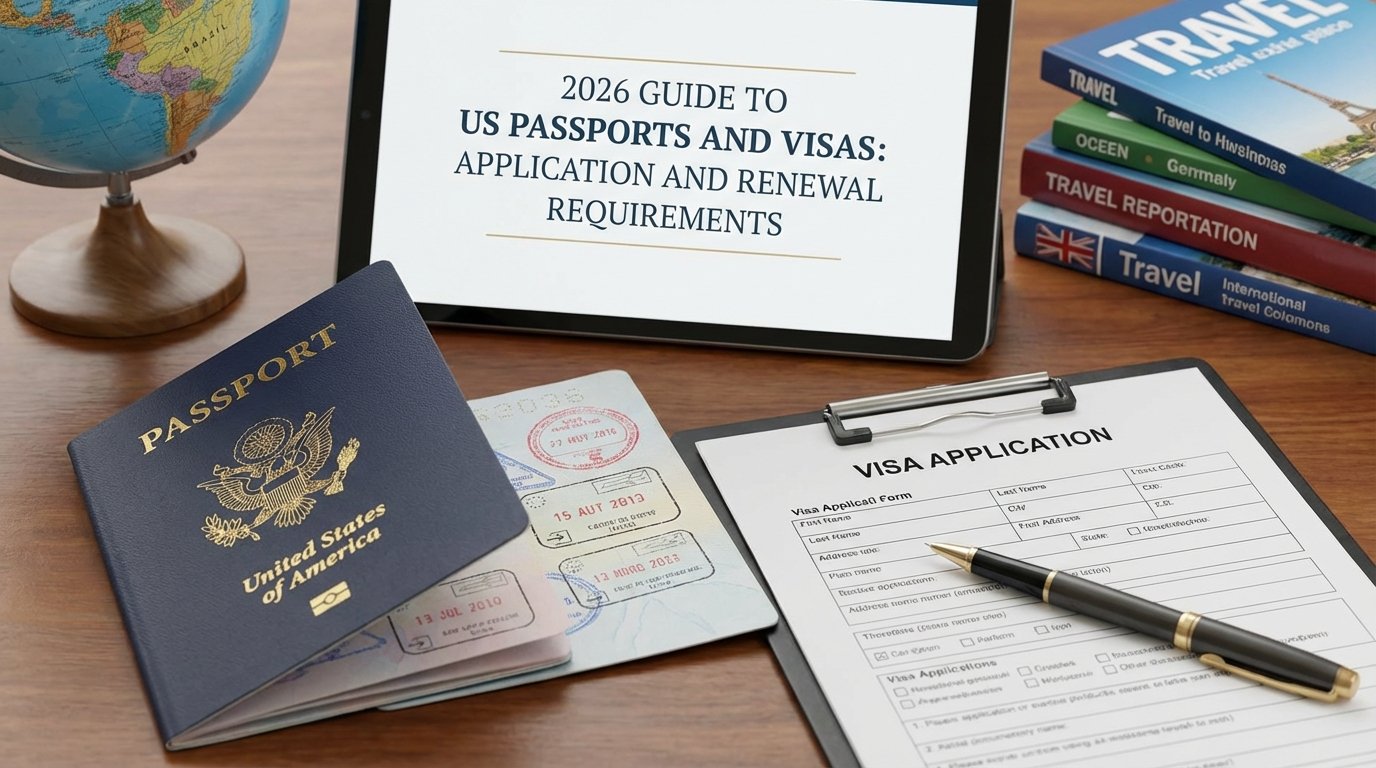
How to verify inclusions: open the provider’s breakdown screen, check the exact hotel class, flight cabin, and map the transfer details to your arrival airport. If a promo shows only flight and hotel, confirm whether a breakfast credit or activity voucher is included or available as an add-on.
Common pricing structures and where discounts come from
- Bundle discounts: Providers may offer lower combined prices to lock in multiple elements together rather than selling them separately.
- Tiered pricing: Some bundles present different hotel classes or flight cabins within the same package, affecting overall cost and value.
- Dynamic components: Transfers or activities can appear as add-ons at a discount only when booked with the flight and hotel.
- Promotions and partner deals: Loyalty programs or region-specific promotions can drive reduced rates on bundled itineraries.
2. Price Comparison: Bundled vs. Separate Booking
Analyzing total cost components for bundles and separate bookings
Break down every cost tied to the trip. Compare base flight and hotel rates, taxes, and mandatory fees for both options. Include transfers, meals, and activities if they come with the package or as separate add ons in a DIY plan.
Account for non monetary value as well. Consider booking flexibility, credits, and the time saved by buying in a single transaction. A bundle may look cheaper but hidden fees such as change penalties or seat charges can erase the advantage.
- Base price: flight and hotel for each scenario
- Taxes and surcharges charged at checkout
- Ancillary costs: baggage, seat selection, meals
- Transfers or added experiences included or addable
- Cancellation, modification, and refund terms
When bundled deals appear cheaper on price alone
Bundles win when suppliers move inventory and offer stage discounts that stack with loyalty offers. Look for practical signs:
- Lower combined rates versus sourcing components separately
- Promotions that apply only if elements are booked together
- Transfers included or fees waived within the package
| Scenario | What to compare | Potential savings signals |
|---|---|---|
| Bundle | Flight plus hotel price, included extras, bundled credits | Lower total than DIY when add ons are costly or hard to source separately |
| Separate | Flight, hotel, transfers, and extras booked separately | More flexibility, but higher risk of hidden fees accumulating |
3. Sleep Quality and Itinerary Benefits: Stay Synchronization
Impact of hotel location on travel time and sightseeing
The hotel’s placement relative to sights, business hubs, and transit hubs shapes your daily rhythm. A well-chosen base can cut transit time, reduce morning fatigue, and help you hit the day with energy.
Choose a base aligned with your priorities. For two museum-heavy days, a central district with strong transit links can save minutes each morning. If your itinerary centers on a conference, staying near the venue minimizes walking between venues.
- Proximity to public transit lowers daily travel time and preserves energy for evening activities.
- Walking distance to major attractions supports quicker starts and shorter entry waits.
- Quiet, safe neighborhoods contribute to better sleep and steadier daytime mood.
How flight times interact with hotel check-in and layovers
Flight timing affects whether you need early or late check-in. Look for hotels offering guaranteed early access or flexible check-in windows to minimize waiting after a long travel day.
For layovers, an airport-adjacent option with a quick shuttle or lounge can provide a calm reset between legs, which matters on longer trips.
- Early arrivals benefit from guaranteed room access or dedicated rest areas upon landing.
- Strategic layovers give time to recover before continuing, especially across time zones.
- Late arrivals benefit from flexible policies and 24-hour front desk service to avoid rushed check-ins.
4. Flexibility, Change Fees, and Refundability
Cancellation and modification policies in bundles vs. separate bookings
Bundles can simplify shopping by presenting one unified policy. For example, a bundled flight and hotel may offer a single window to change dates, with credits issued to the bundle rather than individual parts. You can save time, but you risk stricter rules if the provider enforces a single change deadline.

If you split bookings, you control each component’s terms. For instance, you might choose a flexible flight with a modest fee and a separately booked hotel with a strict 24-hour cancellation rule. This approach lets you tailor risk to your plan, potentially reducing overall costs when plans shift.
Risk assessment for unpredictable plans
- Travel windows: For a 10-day trip with two potential departure dates, compare a flexible bundle that allows date changes up to 21 days before travel versus separate bookings with pay-as-you-go change options.
- Awaited visa or entry changes: If visa timelines slip, bundled rules may force rebooking through the same provider, complicating routing. Separate bookings enable you to rebook each leg with minimal cross-impact.
- Insurance considerations: Standalone trip protection can be adjusted independently, which helps when coverage needs change mid planning.
| Aspect | Bundled | Separate |
|---|---|---|
| Change fees | Consolidated may limit options; check provider’s flexibility thresholds | Component-level adjustments allow mixing and matching |
| Refundability | Single framework; credits can span components | Isolated refunds; easier to identify nonrefundable parts |
5. Loyalty, Rewards, and Ancillary Perks
How bundling affects earning miles, points, and status
Loyalty dynamics shift when you book a bundle. Some programs credit rewards differently for bundled travel versus separate components, which can alter your progress toward status or tier benefits. Always verify how your chosen program tallies miles or points when a flight and hotel are purchased together.
For example, a major airline and hotel alliance might offer 1.5x miles on bundled bookings, while solo bookings yield 1x. In practice, you may see higher velocity when travel partners are aligned, but rules vary by program. If your goal is to maximize status quickly, confirm the exact earn rates for bundles before committing.
Value of included extras (airport transfers, breakfast, lounge access)
Bundles often include extras that would cost extra if booked separately. Airport transfers can save time and reduce taxi hassles, while breakfast may offset meal costs during long activity days. Lounge access, when included, can improve comfort during layovers or delays.

Assess whether these perks fit your itinerary. A hotel breakfast is valuable only if you would otherwise pay out of pocket, and transfers matter most when you have tight schedules or multiple bags.
- Perk alignment: Check if extras are truly included or rolled into the base price.
- Perk usefulness: Consider how often you would use lounge access or breakfast on this trip.
- Perk reliability: Confirm blackout dates or restrictions that could limit use.
6. Hidden Costs and Restrictions to Watch For
Baggage, seat selection, and change penalties in bundles
Bundles can hide costs that appear only after you book. Compare the final total with a la carte options to avoid sticker shock. For example, a bundled flight plus hotel might include a basic room but charge extra for additional luggage or preferred seating if plans change.
- Check the exact baggage allowance and any overweight fees before booking.
- See if standard seat selection is included or if you must pay to choose your seat in advance.
- Understand change policies: how credits or refunds are issued and any blackout periods.
Destination-specific visa, entry, or hotel tax considerations
Taxes and entry requirements vary by country and can differ between bundled and standalone bookings. A bundle may omit destination taxes, tourist fees, or visa costs, leading to surprises at check-in or border control.
- Clarify whether hotel taxes are included in the bundle or charged at the destination.
- Account for visa fees or entry surcharges that could arise separately from flights or lodging.
- Verify whether the bundle assumes a specific hotel tax treatment that may not apply to your party or dates.
7. How to Decide: When Bundles Make Sense
Scenarios where bundling is advantageous
You gain when your schedule is fixed and you want ease over granular control. For tight connections, a bundle can align flights, hotel check in, and transfers, reducing planning time. On complex international trips, a single purchase with unified policies simplifies refunds and changes. Aim bundles to match hotel districts that cut daily travel time.
Bundles also pay off when included perks save real minutes or money, such as airport transfers, breakfast, or lounge access. If you would otherwise buy these separately, a bundle strengthens the value. If you need some flexibility, verify a cohesive change policy that covers all components in the package.
Practical steps to compare bundles with DIY itineraries
- List components: flight, hotel, transfers, and any extra you require.
- Fetch standalone prices for your exact dates and constraints.
- Find bundles that mirror your plan and record included perks.
- Compute total costs: bundle vs DIY, then adjust for change penalties or refunds.
- Estimate time savings: calculate check in, transfer, and daily commute for both paths.
| Factor | Bundle | DIY |
|---|---|---|
| Total price | Sum of bundled components | Sum of individual components |
| Included perks | Transfers, breakfast, lounge access may be included | Perks added only if purchased separately |
| Flexibility | Unified policy; changes may affect all components | Independent changes possible for each part |
| Time savings | One checkout; fewer separate bookings | Multiple steps and confirmations |
FAQ
Here are practical answers to common questions about bundling flights with hotels. The goal is to help you decide when a bundle makes sense for your trip.
Do bundles always save money?
Not always. A bundle can lower the headline price but still carry higher or unanticipated costs. Compare the total with your actual dates, baggage needs, and seat or room preferences. For example, a bundle might shave 50 on a flight but add 100 in hotel taxes you would pay separately.
What should I check beyond the price?
Inspect baggage allowances, seat selection, and change policies. Confirm visa or entry fees and destination taxes charged outside the bundle. If you plan to extend a stay, verify how the bundle handles extra nights or midtrip changes.
How do bundles affect flexibility?
Bundles often tie components to a single policy. A change in one part can ripple to others, triggering credits or penalties. Before booking, map out scenarios: date shifts, itinerary changes, and partial refunds to avoid surprises.
Are loyalty programs compatible with bundles?
Some bundles earn miles or points; others do not. Check how the bundle interacts with your status and whether included perks count toward rewards. If you rely on status benefits, compare the bundle versus booking components separately.
What about time savings?
Bundles can streamline planning by consolidating bookings. If you have a tight schedule, this may cut delays between arrival, transfers, and hotel check-in. Build a quick 2-column plan: what you gain in time versus what you might lose in flexibility.
| Question | What to verify |
|---|---|
| Cost accuracy | Total price, any hidden fees, baggage, and taxes |
| Policy clarity | Cancellation windows, change rules, credits |
| Perks value | Included transfers, breakfast, lounge access or nothing |
Conclusion
Bundling flights with hotels can be worth it in specific circumstances, but it is not a universal win. The key is to compare the bundle against a carefully constructed DIY itinerary with the same constraints and dates.
Use a calculator approach: add the bundled price plus any included extras, then compare to the total for separate bookings plus the same extras and fees. Include estimated local transport, baggage, and seat selection. Don’t forget time savings and risk factors, as these can tilt the decision beyond base price.
- Fixed schedules and aligned locations can cut daily transit time and simplify planning, especially for city to airport transfers.
- Included extras like transfers or breakfast may add value if you would pay for them separately, such as a breakfast buffet during a low activity travel week.
- Change policies and refundability matter more in bundles because one change can ripple across multiple components.
When in doubt, map out two parallel itineraries: one bundled, one DIY. Compare total costs, time spent, and flexibility. At trafels.com, we ground every choice in concrete, date specific details and real world constraints rather than general assumptions.
| Decision factor | Bundled | Separate bookings |
|---|---|---|
| Total cost visibility | Quoted bundle price plus included extras | Component prices with added taxes and fees |
| Time to book | Single checkout | Multiple transactions |
| Change complexity | Unified policy | Individual policies |