


Table of Contents
- Introduction
- 1. Independent Planning: Build Your Own Adventure
- 2. Guided Organiser: The All-In-One Adventure Package
- 3. When Independence Wins: Scenarios to Plan Alone
- 4. When a Guided Experience Is the Better Fit
- 5. Trade-Offs That Matter: Time, Money, and Experience Quality
- 6. Risk Management and Safety Considerations
- 7. How to Combine Approaches: Hybrid Planning Tactics
- FAQ
- Conclusion
Introduction
Purpose of the guide
This guide helps you decide whether to plan an adventure independently or book with a guided organiser. You’ll see practical trade-offs laid out clearly, so you can choose the approach that aligns with your priorities.
What you’ll learn about planning methods and trade-offs
Expect a straightforward look at control, cost, time savings, and risk management for both independence and guided planning. The guide also points out scenarios where each method shines and where a hybrid approach makes sense.

Key takeaways include:
- How much you’re willing to control versus how much you want someone else to handle
- Where costs add up and where you can save money
- Which destinations or seasons suit independent planning or guided support
By the end, you’ll have decision criteria tailored to your travel style, safety needs, and timeline. This is about making your adventure smoother, with fewer surprises and clearer expectations.
1. Independent Planning: Build Your Own Adventure
Strengths: flexibility, control, and potential cost savings
You set the pace, places, and timing. You can tailor every day to your interests without conforming to a preset structure.
Independence often lets you mix budget options, from dorms to midrange stays, and pick activities that fit your wallet and taste.
Practical steps: research, itinerary design, and logistics
- Identify a core route and seasonal windows that maximize visibility and minimize crowds.
- Gradually build a day-by-day plan with built-in buffers for weather or delays.
- Coordinate transport, lodging, and entry permits directly with providers to avoid middlemen fees.
Common pitfalls: information gaps, decision fatigue, and safety considerations
- Information gaps can derail plans if local practices or regulations are unclear.
- Decision fatigue grows with too many options or changing conditions.
- Overlooking health and safety needs, such as necessary vaccines, equipment checks, or insurance, raises risk.
2. Guided Organiser: The All-In-One Adventure Package
Strengths: convenience, local expertise, and time efficiency
You get a ready-made plan that covers logistics, leaving you with more time for the experiences themselves. Local guides offer on‑the‑ground insight, helping you access viewpoints or routes that are hard to reach independently.

Guided organisers typically remove the day-to-day grind of booking transport, lodging, and permits. This setup can shrink planning time from weeks to days, particularly for complex routes or high-demand destinations.
What is typically included: guides, permits, transfers, and safety protocols
- Qualified guides who know local terrain, culture, and safety nuances
- Permits and permissions arranged on your behalf
- Transfers between logistics nodes to minimize backtracking
- Structured safety protocols and emergency support during activities
Expect a cohesive schedule with built-in contingencies and access to equipment or entry points you might not secure solo.
Potential downsides: cost, pace, and dependence on the operator
- Higher upfront costs due to bundled services and guided support
- Pace may be set by the itinerary rather than your preferred rhythm
- Reliance on the operator means changes require coordination and can affect flexibility
3. When Independence Wins: Scenarios to Plan Alone
When you value autonomy and on-the-ground control
You thrive when you set the pace, choose each day’s focus, and adjust plans as you go. Independence suits travelers who enjoy researching options, testing routes, and curating activities to fit niche interests.
Self-reliant travelers often prefer to pilot timelines, allowing spontaneous detours or longer stays in places that capture their curiosity.
When destinations reward self-planning
Remote or less-touristy regions with clear transport patterns reward self-made itineraries. Predictable seasonal windows and straightforward entry rules let you optimize for weather, crowds, and budget.
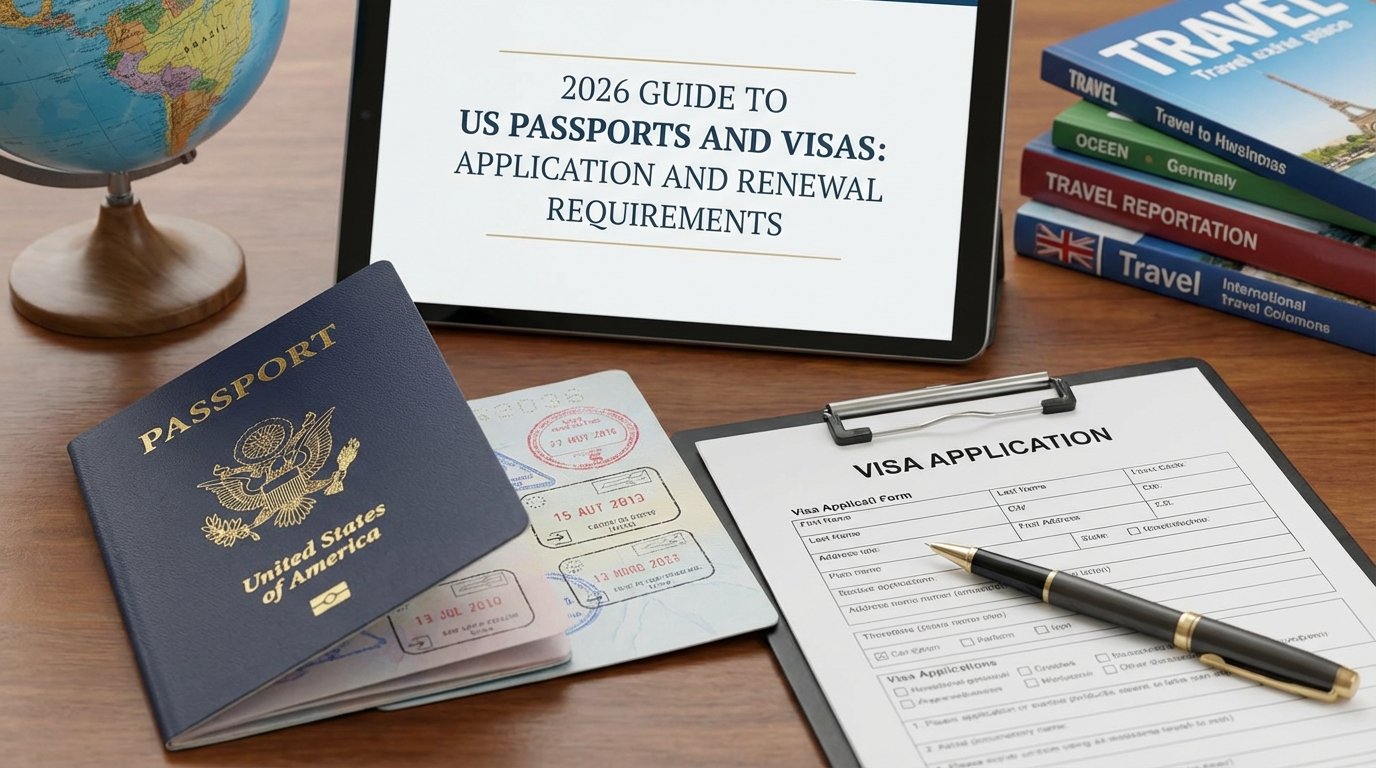
Places with well-documented public transport, plentiful lodging, and a wide range of local activities tend to reward independent planning.
Budget considerations and risk tolerance
Independence can lower costs if you cap guided services and mix budget lodging with self-guided activities.
Your risk tolerance matters: you should be comfortable handling permits, safety checks, and contingency planning without external support.
4. When a Guided Experience Is the Better Fit
High-complexity itineraries and hard-to-access areas
For routes that span remote regions, restricted zones, or layers of permits, a guided operator often handles the bureaucracy and logistics. This can unlock viewpoints and routes that are difficult to reach independently.
Guides bring specialized equipment, acclimatization support, and contingency plans tailored to the environment, reducing the chance of missteps in challenging terrain.
Safety, local insights, and language barriers
Local guides offer hands-on safety briefings and clear emergency protocols, along with culturally appropriate etiquette. They translate practical details from gate procedures to signage, lowering uncertainty in unfamiliar settings.
Language support matters when negotiating with suppliers or authorities. A guide acts as a real-time translator, smoothing transactions and avoiding miscommunications.
Time-constrained trips and group dynamics
If your schedule is tight, a guided itinerary can maximize what you see each day. Structured pacing helps manage fatigue and keeps travel days efficient.

Group dynamics influence pace, meals, and activity levels. A guide can balance preferences within the group, reducing friction and keeping everyone engaged.
5. Trade-Offs That Matter: Time, Money, and Experience Quality
Cost versus value: what you’re paying for beyond logistics
The price tag reflects more than transport and lodging. Independent planning requires you to invest time in research and due diligence, with the risk of missing niche experiences. Guided organisers bundle access to local networks, safety protocols, and streamlined permits, which can reduce surprises and unlock hard-to-book activities.
- Independent planning can trim costs by targeting off-peak times and budget options.
- Guided trips may save on permits, transfers, and equipment rentals through bundled rates.
- Certainty matters. If a misstep costs a day, the value of certainty can outweigh the price gap.
Time to Sightsee: pacing, queues, and crowd avoidance
Pacing changes with peak seasons. A self-led itinerary lets you skip lines and linger where you want, but crowds can bottleneck popular sites.
- Independent trips require proactive timing to dodge queues and enjoy flexibility.
- Guided itineraries use trained pacing to balance sights, rest, and travel, reducing downtime.
- Hybrid approaches can reserve key experiences with a guide while keeping mornings open for spontaneity.
Customization vs. structure: tailoring the trip to you
Independent plans shine for niche interests and detours. Structure provides safety, predictability, and a coherent day-to-day flow.
- Independence supports private timings and ad hoc route changes.
- Guided plans offer vetted sequences, built-in contingencies, and consistency across destinations.
- A mixed approach can deliver personal highlights with reliable framing.
6. Risk Management and Safety Considerations
Documentation and permits
Independent planning requires you to track all required documents for each destination, including visas, park permits, and any special access clearances. You must verify validity periods and renewal processes ahead of time to avoid last minute holds on routes or activities.
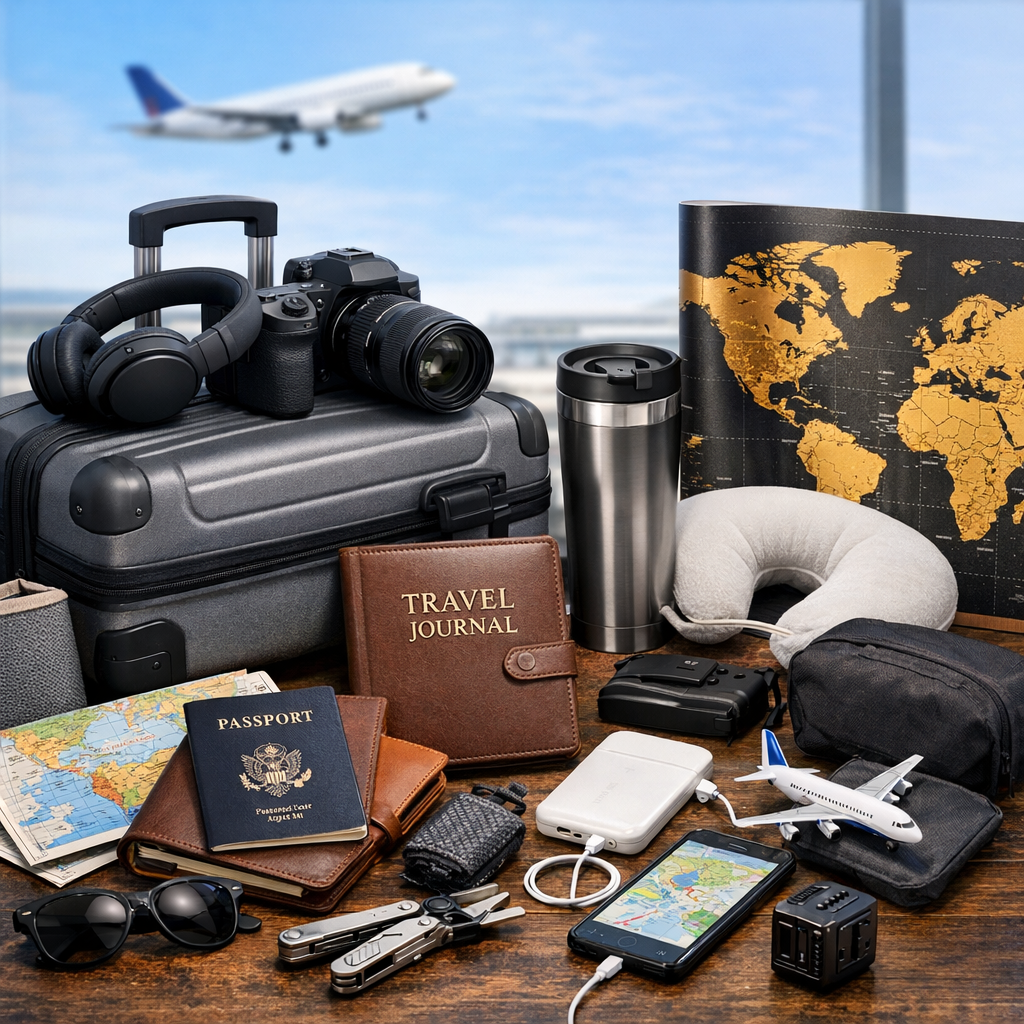
Guided organisers often pre-handle paperwork, bundling permits with the itinerary. This can reduce the chance of missing a deadline or misinterpreting local regulations.
Emergency protocols and local support
With a self-directed trip, you own the response plan. Build a clear chain of contact, know nearest medical facilities, and carry offline maps. Prepare contingency routes for bad weather or transport gaps.
Guides bring on-the-ground emergency procedures, share direct contact with local partners, and provide rapid access to support networks. This typically shortens response times during incidents.
Health, safety, and travel insurance implications
Independent travel demands thorough risk assessment for activities, altitude, and environmental hazards. You should tailor a personal emergency fund and confirm activity-specific waivers where needed.
Guided trips commonly include safety briefings, equipment checks, and insurance recommendations aligned with the itinerary. Bundled safety measures can simplify claims and coverage reviews.
7. How to Combine Approaches: Hybrid Planning Tactics
Split days between self-planned activities and guided segments
Balance flexibility with reliability by reserving mornings for independent exploration and afternoons for guided experiences. This approach maintains momentum while protecting key experiences from timing issues.
Plan core logistics yourself, then bring in a guide for high-value legs where uncertainty or permits are more complex. The result is a steady rhythm that minimizes stress and maximizes discovery.
Using local operators for tricky legs while retaining core autonomy
Assign specialists to segments that demand local knowledge, such as remote transfers or permit-heavy corridors. Keep control over the remaining days to pursue personal interests and unplanned detours.
This mix reduces risk on difficult sections while preserving the freedom to tailor experiences to your preferences.
Leverage expert resources from Trafels.com for planning accuracy
Use curated itineraries, vetted operator networks, and current logistical insights to confirm timing, costs, and feasibility. Ground your plan with these resources to spot bottlenecks before you travel.
Trusted planning tools help you refine schedules, compare options, and budget with clarity while retaining independence where it matters most.
FAQ
What factors should influence the choice between independence and guided tours?
Your priorities shape the decision. Consider control over the schedule, tolerance for risk, and budget flexibility. If autonomy and niche interests drive you, independence may suit you. If you value local know-how, safety frameworks, and time efficiency, a guided option can be better.
Other factors include destination complexity, language barriers, and travel pace. For hard-to-access areas or strict permit regimes, a guided organiser often reduces friction. When your trip hinges on precise timing or high-value experiences, a guided segment can maximize results without sacrificing core autonomy.
Can you mix independent planning with guided segments effectively?
Yes. A hybrid approach combines mornings of self-led exploration with structured guided legs in high-risk or high-value zones. This preserves flexibility while ensuring reliability where it matters most.
- Plan logistics for the straightforward legs yourself, then add a guide for tricky routes or transfers.
- Use local operators for specialized activities while keeping free days open for spontaneous routes.
- Reserve key experiences with a guide to reduce decision fatigue and pacing issues.
How do I assess a guided organiser’s quality and safety standards?
Start with their track record in similar destinations, including safety credentials and emergency protocols. Look for written safety briefs, equipment standards, and insurance coverage details in their documents.
| Assessment Criterion | What to Check |
|---|---|
| Certifications | Guide qualifications, local permits, and operator licenses |
| Safety Protocols | Emergency plans, equipment checks, and risk management processes |
| Insurance | Comprehensive coverage including activities and evacuations |
| Client Feedback | Recent reviews, incident reports, and response times |
Conclusion
Key takeaways for choosing your planning approach
Your choice hinges on how you weigh control, risk, and time. If you prize autonomy and are comfortable solving logistics on the ground, independent planning can yield cost savings and personal pacing. If you want reliable logistics, local insight, and streamlined safety, a guided organiser often reduces decision fatigue and exposure to uncertainty.
Next steps to optimize your adventure planning
<pAssess your priorities and the destination’s complexity. Map critical legs where uncertainty or permits are high, then decide which parts to outsource. Use a hybrid approach to balance flexibility with structure, and lean on trusted resources from Trafels.com to verify timing, costs, and feasibility.