
Table of Contents
- Introduction
- 1. The Fuel-Driven Pricing Lens: How Gas Costs Change Travel Decisions
- 2. Optimize Route Design with Fuel-Efficient Itineraries
- 3. Vehicle Choice and Fuel Strategy for Holidays
- 4. Timing, Distance, and Daylight: Maximizing Sightseeing Per Tank
- 5. Alternative Transport Tactics: When Flying May Be Worth It
- 6. Budget-Efficient Lodging and Local Transit to Save Fuel
- 7. Real-World Case Studies: Fuel-Aware Holiday Itineraries
- FAQ
- Conclusion
Introduction
Setting the scene: fuel costs and travel behavior
When gas prices rise, travel plans tighten. Travelers trade distance for time, shorten road trips, and favor itineraries that minimize fuel burn without sacrificing experience. This guide shows how higher fuel costs reshape route design, mode choices, and daily budgeting for holidays.

Fuel affordability now drives choices from vehicle selection to destination distance. That means prioritizing efficient routes, smarter refueling stops, and a mix of transport modes that keeps sights within reach while guarding total costs.
What readers can expect from this guide
From practical planning tips to real world scenarios, this guide offers actionable steps you can apply on your next trip. You’ll learn:
- How to view travel costs through a fuel cost lens and adjust budgets accordingly
- Routes that minimize backtracking and cluster attractions for efficiency
- Vehicle strategies, including fuel efficient rentals and energy saving habits on the road
1. The Fuel-Driven Pricing Lens: How Gas Costs Change Travel Decisions
Understanding fuel cost impact on overall trip budgets
Treat fuel as a core line item in your trip budget. A $0.20-per-gallon shift can add up on a 2,000-mile road trip. Start with a rough estimate using your vehicle’s mpg and the planned route, then adjust for driving style and planned stops.
Concrete steps: calculate miles per day, multiply by your expected mpg, and apply current fuel averages for each segment. Use a fuel app to flag days when prices spike and plan accordingly. Track daily fuel spend to catch rising costs before they derail plans.
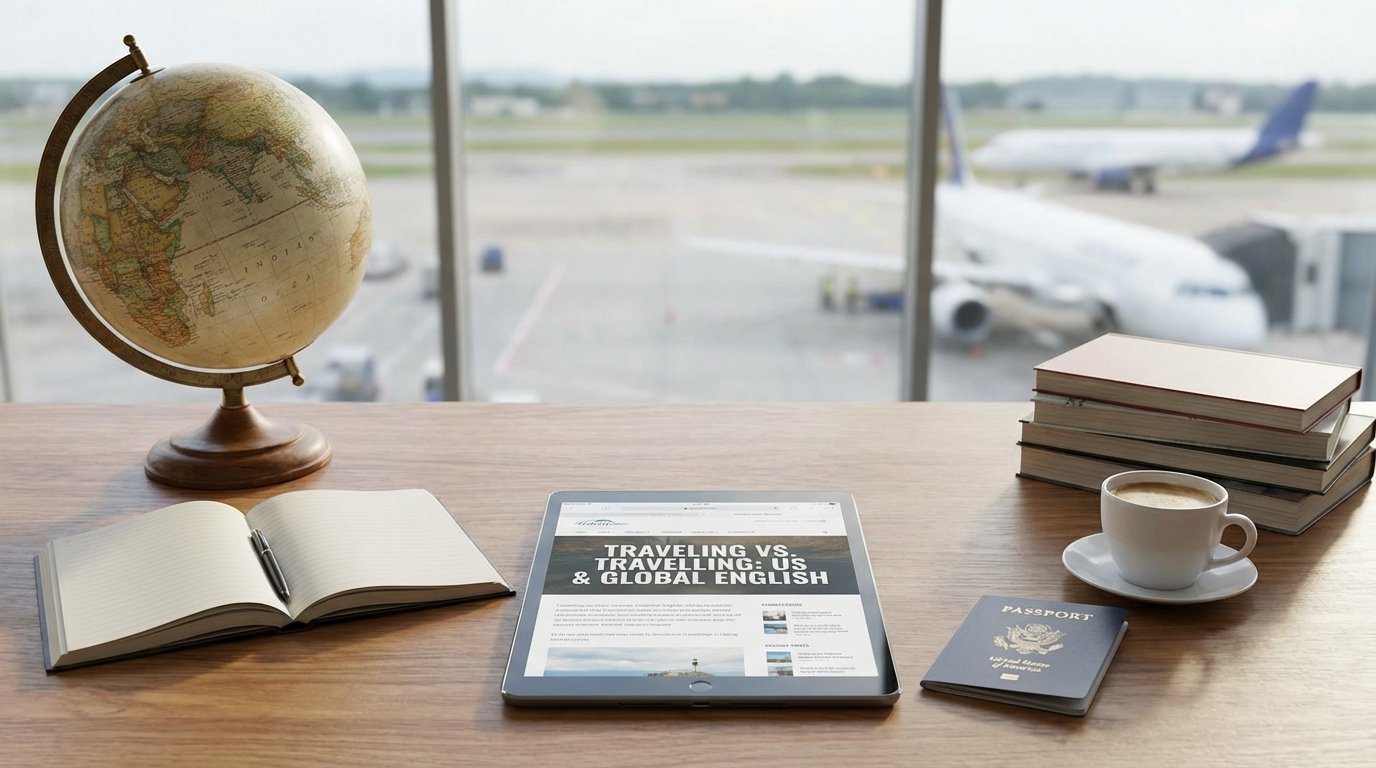
Real world tactic: if fuel climbs, opt for shorter driving days, prune redundant detours, or stay closer to key sights to reduce nightly travel. Consider midday, off-peak departure windows to save on tolls and fuel burn from congestion.
Regional variability and its effect on itineraries
Gas prices vary by region due to refinery capacity, taxes, and seasonal demand. Coastal markets can swing differently from inland ones, and cross state routes often show wider volatility.
Practical approach: map two to three routing options that keep overall fuel burn similar but offer different experiences. If a corridor shows higher volatility, switch to a nearby route with steadier pricing and comparable attractions. This flexibility preserves value while avoiding surprise costs.
2. Optimize Route Design with Fuel-Efficient Itineraries
Single-pass routes that minimize backtracking
Plan segments that move steadily toward the final destination without retracing miles. A single-pass route reduces unnecessary accelerations, idling, and repeated highway crossings that waste fuel. Map the day so each leg ends near a fuel stop or a preferred overnight spot to avoid looping detours.

Use a primary route as the backbone and reserve flexibility for weather or events. If you must detour, add only small, purposeful extensions that don’t ripple into multiple back-and-forth legs. This approach keeps daily mileage predictable and fuel costs more controllable.
Clustered sights and logical sequence planning
Group experiences by proximity to limit driving between attractions. A clustered itinerary reduces total miles while preserving what you want to see. Start with neighboring sights, then move to adjacent neighborhoods or towns to maintain a logical flow.
When evaluating clusters, consider fuel burn per stop. Compare two sequences that visit the same sites in different orders and choose the one with lower overall distance and fewer large gaps. The goal is to maximize sightseeing per tank without sacrificing key experiences.
3. Vehicle Choice and Fuel Strategy for Holidays
Hybrid and fuel-efficient rental options
Selecting the right vehicle can cut fuel costs significantly. Prioritize models with real‑world fuel economy data, not just brochure numbers. Hybrids typically deliver strong miles per gallon across a mix of highway and city driving.
When booking, focus on total trip cost rather than the upfront rate alone. Look for rental terms that include fuel‑economy features such as Eco modes and tire pressure monitoring. For routes with long stretches between towns, a plug‑in hybrid can add flexibility when charging opportunities are limited.
Smart refueling and energy-saving tips on the road
- Plan fueling stops around mid day when traffic is lighter and prices may dip in some markets.
- Use cruise control on highways to keep speeds steady and reduce fuel burn.
- Keep tires inflated to the manufacturer’s recommended pressure to maximize efficiency.
- Lighten the load by removing unnecessary roof racks or cargo when not needed.
- Avoid long idling periods; if you anticipate a delay, turn off the engine and restart when moving again.
4. Timing, Distance, and Daylight: Maximizing Sightseeing Per Tank
Seasonal driving considerations and fuel burn
Seasonal weather changes can alter fuel efficiency in noticeable ways. For example, heat waves can push A/C usage up, while cold starts in winter add extra idling and heater load. Plan for typical conditions at your destination and build a 10-15 percent fuel cushion into your budget.
Daylight matters for efficiency. Driving during daylight often reduces energy spent on lighting and navigation. Schedule longer legs when daylight is strongest to minimize backtracking caused by poor visibility.
Balancing driving days with peak sightseeing hours
Pair the longest driving segments with times when attractions are best lit and crowd flow is favorable. This approach cuts wasted miles and increases time at sights per tank. For example, reach a national park before 9 a.m. to beat traffic and heat.

Align driving with optimal sightseeing windows. If a site is strongest in the morning, plan the drive for early arrival and keep the afternoon for nearby experiences. Shorter daily distances help preserve energy for evening activities without boosting total fuel burn.
| Factor | Practical Move |
|---|---|
| Season | Anticipate higher fuel use in extreme heat or cold; pre-plan routes with fewer detours and heavier traffic times |
| Daylight | Schedule long legs during brighter hours to reduce energy spent on lighting and navigation |
| Sightseeing window | Align arrival with peak hours to minimize idle driving and maximize time at sites |
5. Alternative Transport Tactics: When Flying May Be Worth It
Comparing rail and bus options for long legs
For longer legs of a trip, trains and buses can cut fuel exposure while preserving time. Rail networks offer predictable schedules and central arrivals, reducing the need for taxis. Buses cover regional routes with lower per‑mile costs and easier parking.
Evaluate total door‑to‑door time, luggage handling, and transfers. A rail leg may be faster with fewer stops, but a bus can be more direct to a neighborhood or hotel. Consider convenience, stress, and potential delays on travel days.
Hybrid travel plans: driving legs with rail shuttles
- Use rail for long cross‑country portions to minimize fuel burn over great distances.
- Drive a shorter initial segment to a train hub and complete the trip by rail to central destinations.
- Reserve a flexible rental plan for last‑mile driving near arrival points where rail access is limited.
Hybrid plans balance fuel costs with time and comfort. Map two routes: a rail‑heavy backbone plus a driving appendix for local sights. This approach keeps the trip fuel‑efficient without sacrificing reach. Trafels.com provides route insights that map these hybrids to real destinations, including data on rail versus bus savings for common corridors.
6. Budget-Efficient Lodging and Local Transit to Save Fuel
Staying in central hubs to cut road time
Choosing lodging in walkable city centers or near transit hubs can dramatically reduce daily driving. When your hotel sits within easy reach of sights, dining, and public transport, you spend less time on the road and fewer miles per day.

Concentrate on properties with access to frequent shuttle routes or metro lines. Short, predictable trips to major attractions keep fuel burn in check and free up energy for experiences on the ground.
- Prioritize central neighborhoods with dense amenities.
- Look for accommodations within a 15-minute walk of multiple sights.
- Check for on-site car-free perks or bike rental options.
Using public transit and walkable neighborhoods to save fuel
Public transit and compact neighborhoods let you cover more in less fuel. You can replace several short road hops with a single transit pass and longer shore excursions on foot.
Plan daily routes around clustered attractions and transit lines. This minimizes detours and idle driving while maximizing time at destinations.
- Buy multi-day transit passes when available to lower per-trip costs.
- Map walking routes that connect common sights to reduce bus or car usage.
- Pair evenings with neighborhoods that offer dense dining and entertainment within walkable radii.
| Strategy | Fuel Benefit |
|---|---|
| Central lodging | Less daily driving, lower mile accumulation |
| Transit-first plan | Reduced fuel per sight, predictable costs |
| Walkable neighborhoods | Minimized parking searches and idling |
7. Real-World Case Studies: Fuel-Aware Holiday Itineraries
Case study A: Coastal road trip with optimized routing
A family plans a weeklong coastal drive along a string of national parks. They map a single-pass route that minimizes backtracking, grouping stops by proximity to avoid repeated detours. This approach trims excess mileage and reduces fuel burn across the trip.
Key moves included starting at a central hub, then moving southward in a natural arc to minimize long, empty legs. They replaced one long inland stretch with a shorter, scenic coastal segment that kept sightseeing compact and energy use steady.
- Coastal clustering to reduce repeated highway entry and exit costs.
- Even daily distances with built-in buffer for weather or closures.
- Midpoint refueling stops chosen near amenities to lower idle time.
| Strategy | Fuel Benefit |
|---|---|
| Coastal clustering | Fewer miles wasted on backtracking |
| Central starting point | Shorter first leg, quicker absorption of energy costs |
| Timed sightseeing windows | Less idling, smoother fuel use |
Case study B: Inland heritage route with rail boosts
An urban couple follows an inland heritage corridor, blending driving legs with selective rail segments to cut long stretches of highway fuel burn. Rail legs handle distance efficiently while driving covers local discoveries near departure and arrival points.
They chose rail shuttles for the longest legs and kept driving for short, dense clusters of sites. This hybrid setup preserved time for museums and historic districts without paying a heavy fuel price toll.
- Rail portions reduce per-mile fuel exposure on long hops.
- Driving segments focus on reachable attractions from rail hubs.
- Flexible car rental terms support last-mile exploration near rail access.
FAQ
How do fluctuating gas prices affect travel timing?
Prices swings can shift your departure dates to chase better rates or dodge peak periods. Adjusting your itinerary to start earlier or later in the season can lower fuel spend and keep overall costs in check. For example, a week before a major holiday may cut long-road expenses.
Expect daily driving plans to evolve with price changes. Shorter driving legs and more time at a single location help manage fuel burn when costs rise. A midweek forecast can guide you away from weekend congestion that inflates fuel use.
What tools help estimate fuel costs for a trip?
Use trip planners and fuel calculators that incorporate your vehicle’s miles per gallon, route distance, and local fuel prices. They provide a rough forecast and help compare options. A typical result might show savings from a shorter highway detour with cheaper gas.
Cross-check with regional price dashboards for real-time shifts. Pair estimates with lodging and transit costs to gauge overall affordability. Add a 10 to 20 percent buffer for weather or detours that add miles.
Is it cheaper to rent a fuel-efficient car vs. driving a personal vehicle?
Fuel-efficient rentals can lower per‑mile costs on long legs or dense sightseeing itineraries. Compare total costs, including rates, insurance, and maintenance, against expected driving time and miles. A 3,000 mile trip may yield meaningful savings if a compact rental averages several mpg better than your own vehicle.
Also weigh the total cost of ownership for a personal vehicle, including maintenance and fuel burn during peak travel periods. In some cases a fuel-efficient rental provides more predictable expenses and less volatility. Trafels.com suggests tallying fuel, lodging, and parking to decide the most economical option.
Conclusion
Key takeaways for fuel-aware trip planning
High fuel costs push you toward smarter routing and vehicle choices. Prioritize routes that minimize backtracking and cluster sights to reduce idle time and unnecessary driving. Central lodging and walkable neighborhoods can meaningfully cut daily miles. Let fuel costs shape your budgeting and timing decisions for sightseeing.
- Design single-pass itineraries to avoid long highway legs.
- Choose central hubs to minimize daily mileage and fuel drift.
- Balance driving with rail or bus options on longer legs when feasible.
Encouragement to apply fuel strategies to future travels
Incorporate these practices into your trip brief before booking. Run fuel-cost scenarios for multiple routes and compare total trip cost, not just per-gallon estimates. Speak with rental providers about fuel-efficient options for your dates and destinations. Front-loading planning helps you stay flexible without paying a premium at the pump.