
Table of Contents
- Introduction
- 1. Indonesia: Budget-friendly adventures in the archipelago
- 2. Vietnam: Rich culture, remarkable value
- 3. Portugal: European value with easy access
- 4. Mexico (outside the mega-markets): Affordable, diverse experiences
- 5. Romania and the Balkans: Europe on a shoestring
- 6. Thailand: Gateways to Southeast Asia on a budget
- 7. Morocco: Affordable access to North Africa’s highlights
- FAQ
- Conclusion
Introduction
Travel costs shape every first international adventure. Budget travel matters because it widens options, reduces stress, and lets you experience more without risking your finances. We focus on practical, safe, English-friendly destinations with reliable infrastructure.
Why budget travel matters for first-time international trips
You’ll gain confidence by sticking to sensible daily budgets. It helps you avoid money-related worries that can derail a trip. The goal is to maximize time on the ground, not on planning and budgeting alone.

For a first timer, consider a two-week stay in a country with widespread Western-friendly services. Plan for a modest daily cap and a reserve for unexpected transit delays or a missed connection. Realistic budgeting reduces stress when you encounter local price surprises, such as a weekend market hike or a surge in train fares.
How to use this guide: what to expect in 2026
Expect hands-on, up-to-date guidance. We highlight affordable destinations with easy logistics, current visa basics, and low-chaos environments. Each section includes concrete numbers, realistic budgets, and practical tips you can apply right away.
Look for sample itineraries that show typical costs for 7 to 14 days, with a mix of free sights and paid experiences. We also include safety notes from travelers who recently visited popular routes, plus links to official visa pages.
Key factors: safety, visa logistics, affordability, and crowd avoidance
We evaluate destinations through four lenses you should care about on day one:
- Safety and reliability of local infrastructure including transit reliability, language support, and healthcare access
- Simple visa processes for first-timers with clear steps and typical timelines
- Average daily costs for accommodation, meals, and transport with realistic ranges
- Strategies to avoid crowds while preserving a rich experience, such as visiting shoulder-season sites and using local guides
1. Indonesia: Budget-friendly adventures in the archipelago
Cost of travel and daily budgets in Bali, Yogyakarta, and Lombok
Indonesia offers a wide range of price points suitable for first-time travelers. Daily costs vary by area, with popular tourist hubs typically more affordable than Western cities. In Bali, you can manage on a modest budget by choosing guesthouses, local warungs, and public transport.
Yogyakarta provides even stronger value, with cheaper accommodations and inexpensive street meals. Lombok mirrors Bali’s value but often has lower crowd levels and growing budget options. Plan for roughly a mid-range daily budget that covers lodging, meals, and transport, plus a little extra for activities or entrance fees.
Visa and entry basics for first-time international travelers
Indonesia generally offers straightforward entry for many nationalities. Check whether a visa on arrival is available or if an e-visa is preferred for your passport. Ensure your passport validity extends at least six months beyond your stay and have a return ticket or onward travel plan to satisfy immigration checks.
Health and safety basics are simple: carry basic medications, stay hydrated, and choose reputable transport options when moving between islands. English is commonly used in tourist areas, aiding communication for first-timers.
Top affordable experiences and how to maximize sightseeing time
- Sunrise at Tanah Lot and Uluwatu avoids peak crowds by arriving before sunrise; reserve a spot at a nearby coffee shop for a clear view without inflated prices.
- Street food tours in Seminyak or Ubud markets offer tastings of local staples for less than 5 USD per person.
- Temple and royal complex visits in Yogyakarta with bundled entry passes save time and money; arrive early to beat lines.
- Beaches and snorkel spots around Lombok’s quieter coastlines, like Tanjung Aan and Gili alternative shores, provide low-cost gear rentals if you join a small group tour.
2. Vietnam: Rich culture, remarkable value
Daily costs, transportation, and accommodation on a budget
Vietnam keeps costs surprisingly low for first-time travelers. In hubs like Hanoi and Ho Chi Minh City, you’ll find clean hostels and guesthouses at comfortable rates, with meals from street stalls offering great value. Trains and public buses provide affordable intercity travel, while scooter rentals remain a flexible, economical option for local exploration.
Outside the large cities, guesthouses and homestays in smaller towns often deliver even better value. Plan for a manageable daily budget that covers a simple breakfast, a couple of local meals, quick local hops, and a modest activity or two. Careful planning and prioritizing low-cost experiences can stretch your money further.
Essential visa guidance for first-timers
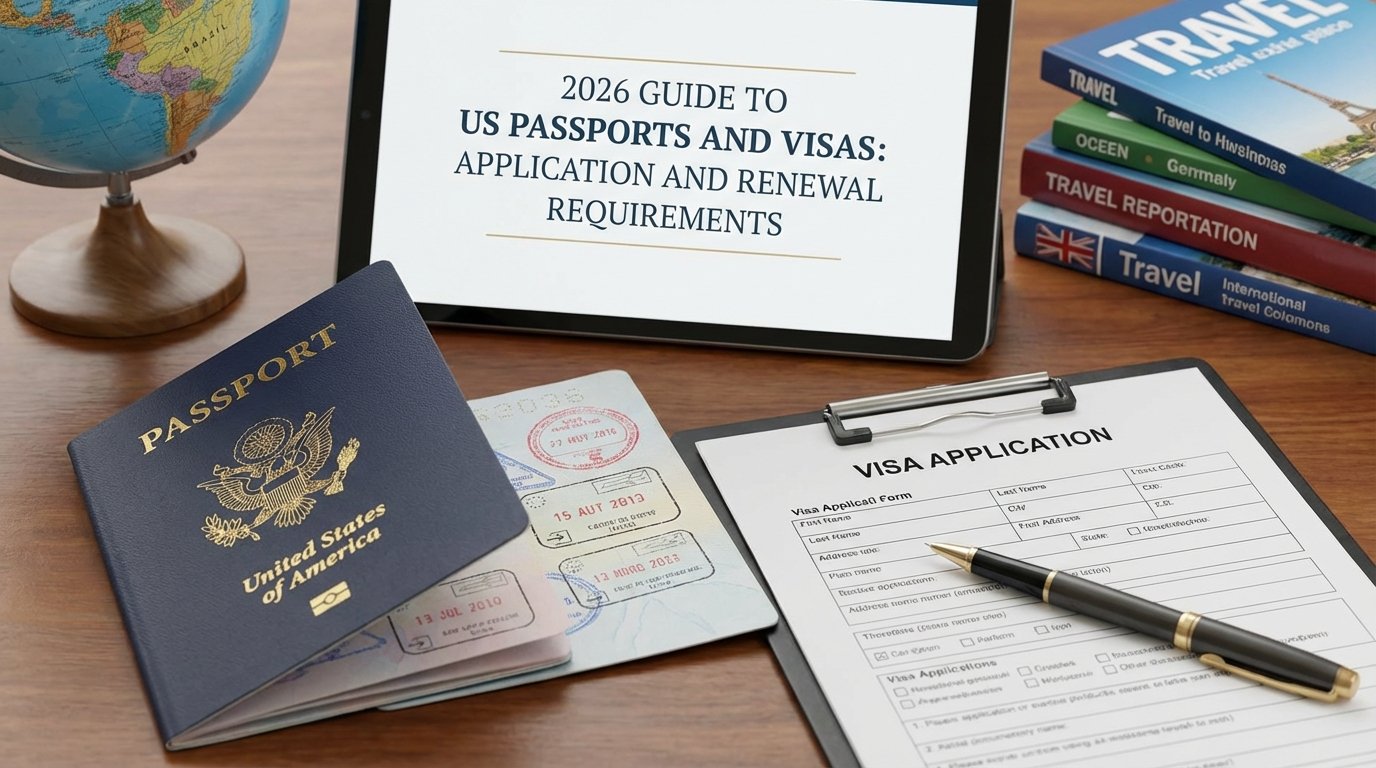
Most travelers will need a visa for Vietnam, though options vary by nationality. Check whether a visa on arrival or an e‑visa suits your passport, and verify processing times before booking flights. Ensure your passport remains valid for at least six months and have onward travel details ready to help with entry checks.
Carry printed confirmations of any visa approval if applicable, and keep health insurance information handy. Having basic coverage helps avoid unexpected costs during your trip.
Crowd-free itineraries and must-see sights efficiently arranged
- Northwest gateways: Hanoi’s old quarters, Ha Long Bay day trips, and point-to-point temple visits near Ninh Binh
- Central highlights: Hue ruins, Hoi An lantern-town, and nearby My Son Sanctuary
- Southern loop: Ho Chi Minh City markets, Cu Chi tunnels, and a relaxed excursion to Ben Tre or Can Tho
Practical tweaks to maximize value
- Opt for sleeper trains on longer legs to save a night’s lodging.
- Negotiate rides or choose meter-based taxis to avoid overcharging.
- Choose guesthouses that include breakfast and provide access to water refill stations to lower daily spend.
3. Portugal: European value with easy access
Affordable accommodation and dining in Lisbon and Porto
Portugal offers solid value in Western Europe. In Lisbon and Porto, you can find clean guesthouses and budget hotels at predictable rates, especially in shoulder seasons. Local eateries and tasca dining provide substantial meals at modest prices, helping keep daily costs predictable for first-time travelers.
Opt for neighborhood stays outside historic centers to save, and book in advance for better rates. Tapas-style snacks and mid‑range restaurants strike a good balance between quality and cost.
a 3‑star guesthouse in Alfama or Baixa can run 60-90 euros per night in spring, with breakfast included. For meals, a full lunch at a tasca may cost 8-12 euros, while a mid‑range dinner for two stays under 40 euros. Practical tip: TrafelS.com can help compare daily prices across neighborhoods.
Schengen visa basics and travel insurance tips
Portugal is part of the Schengen Area, so plan around standard visa requirements for your nationality. Understand visa validity, entry limits, and overstays to avoid delays. Carry proof of onward travel and accommodation when required.
Travel insurance is prudent for health coverage, trip interruptions, and potential cancellations. Look for plans that cover emergency medical costs and a reasonable baggage policy, especially for longer stays or multi-city itineraries.
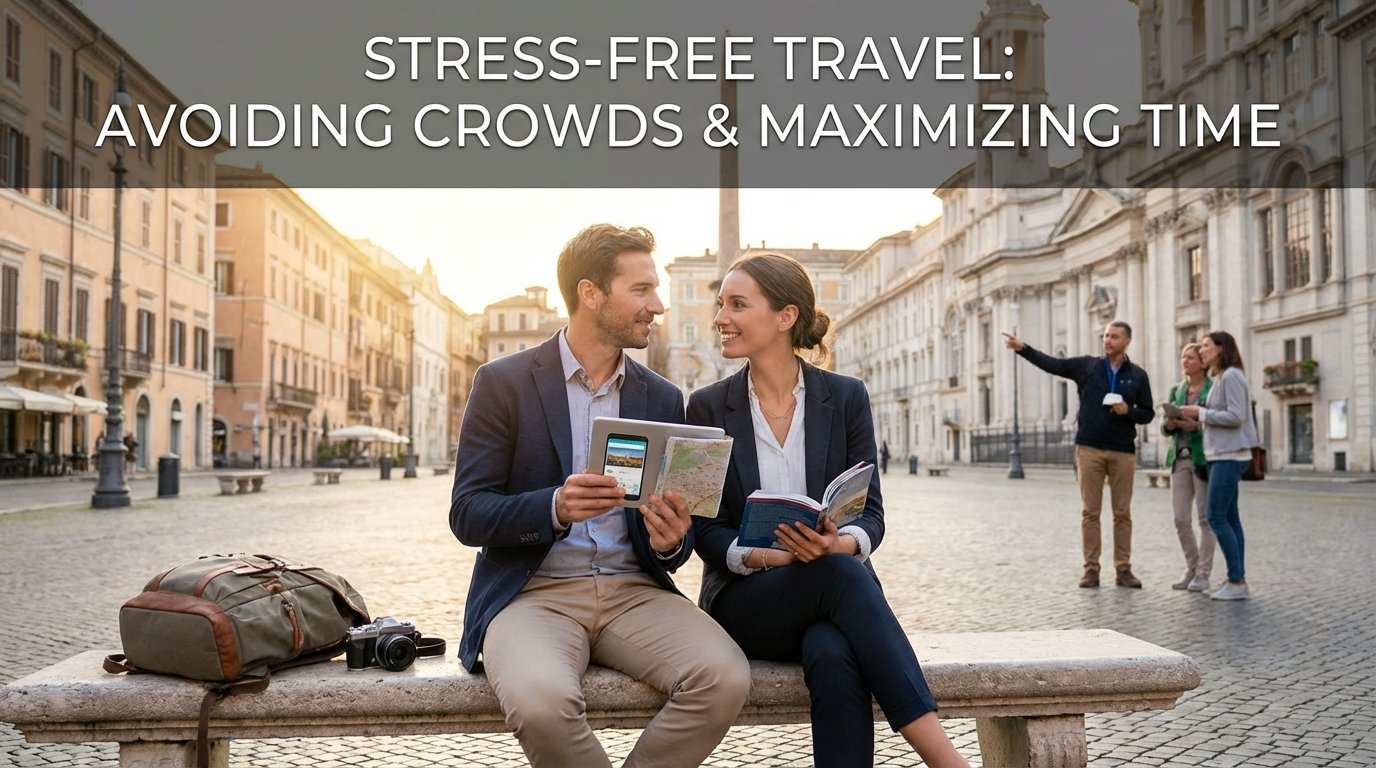
Practical detail: ensure your insurer offers 24/7 assistance and has local partners in Portugal. If you plan activities like sailing or surfing, verify adventure‑sport endorsements are included.
Efficient routes to hit major sights without crowds
Lisbon and Porto benefit from compact cores and reliable public transit. Structure itineraries to visit iconic sites early in the day, then explore lesser-known neighborhoods by tram or train. Consider day trips to nearby towns or coastlines to spread crowds and maximize value.
Smart timing: ride iconic elevators and viewpoints before 9 am in Lisbon, then explore back streets after 11 am. In Porto, book a morning Douro River cruise and reserve late afternoon for the Ribeira district. If you’re visiting in peak season, target weekday visits to popular spots and use off-peak hours for viewpoints.
4. Mexico (outside the mega-markets): Affordable, diverse experiences
Budget travel essentials: lodging, food, and transport
Mexico offers budget accommodations from simple hostels to family-run guesthouses in colonial towns. Look beyond the main tourist zones to find safe, well-reviewed options at lower prices.
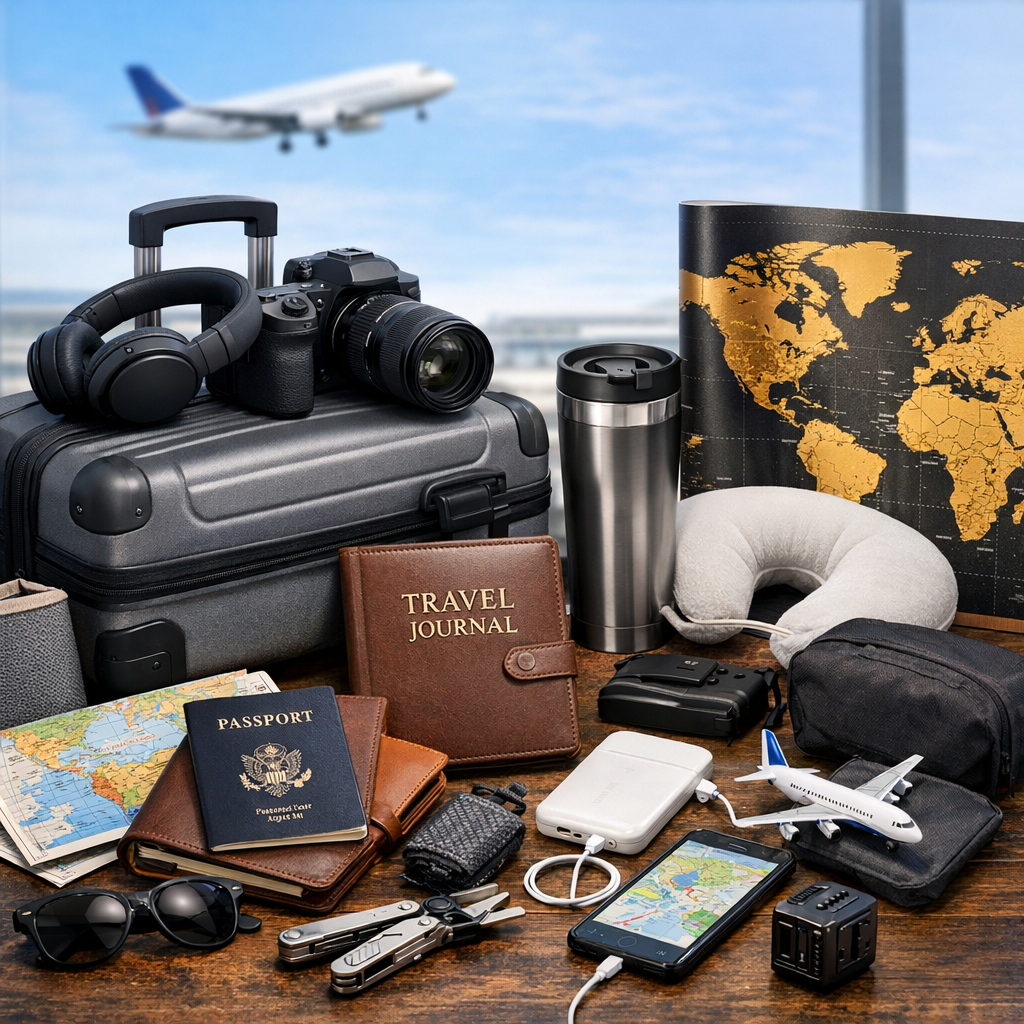
Eat like a local to stretch your dollars. Street stalls and mom-and-pop eateries deliver authentic meals at a fraction of resort costs. For longer trips, plan 2-3 cook-at-home dinners weekly to control expenses without sacrificing variety.
Transport matters. Use long-distance buses for affordable intercity hops and rely on colectivos or shared shuttles in rural areas. In cities, combine affordable public transit with ride-hailing apps to keep daily costs predictable. For a tight budget, limit airport transfers and book 2-3 weeks in advance to snag lower fares.
Entry and safety tips for first-time international travelers
Carry copies of travel documents and maintain digital backups. Use reputable transport hubs on arrival and choose accommodations with 24/7 reception. Keep a small, secure pouch for valuables in crowded areas.
Be mindful of price fluctuations and common tourist scams. Learn essential Spanish phrases for directions and bargaining. Health insurance coverage remains a practical safeguard for unexpected costs, and carry a basic first-aid kit.
Balanced itineraries: beaches, colonial towns, and Maya sites
- Coastline variety: mix quiet beach days with visits to nearby fishing villages for fresh seafood at lower prices.
- Colonial centers: stroll central plazas, visit low-cost municipal museums, and sample affordable street food.
- Maya sites: pair a major ruin with a nearby cenote swim to minimize transport time and maximize value.
5. Romania and the Balkans: Europe on a shoestring
Cost of living comparisons across Bucharest, Krakow, and Tirana
Budget travel in this region often means affordable lodging, affordable meals, and reasonable transit costs. Bucharest tends to offer solid value for longer stays with mid-range options that balance comfort and price. Krakow remains economical, though it can be pricier in peak season around historic sites. Tirana has seen price reductions in recent years, making it a friendly option for first timers on a tight budget.
Visa and border considerations for newcomers to Europe
Most travelers will face standard European visa rules and border checks. Confirm entry requirements for your nationality well in advance and keep digital copies of essential documents. If you plan multiple Balkan countries, map out visa validity and regional exemptions to avoid delays at borders.
Slow travel vs. rapid sightseeing: keeping crowds at bay
Spread your itinerary to prevent bottlenecks at popular spots. Focus on a few cities deeply, then add nearby towns to balance cost and pace. In practice, slow travel yields more authentic experiences and reduces timing stress.
| City | Average daily budget (lodging, food, transit) | Crowd factor |
|---|---|---|
| Bucharest | Moderate | Lower in off-season |
| Krakow | Moderate to high in peak season | High around main squares |
| Tirana | Low to moderate | Generally lower crowds |
6. Thailand: Gateways to Southeast Asia on a budget
Accommodation and street-food value in Bangkok, Chiang Mai, and Phuket
Bangkok offers budget-friendly guesthouses near transit hubs, with typical rates around 15-40 USD per night when you’re outside peak periods.
Chiang Mai remains affordable, with guesthouses and boutique stays clustered near the Old City. Expect 15-35 USD nightly, and many places include perks like free bicycle rental for temple hops.
Phuket can run higher in peak season, especially near popular beaches. Save by choosing inland options 20-40 minutes from the shore, where guesthouses and small hotels commonly charge 25-50 USD nightly and provide safer, calmer neighborhoods.
Entry requirements and safety tips for first-timers
Travelers typically enter with a valid passport and the visa rule that matches their nationality. Check requirements 4-6 weeks before departure and keep digital copies accessible offline.
Choose accommodations with 24/7 reception and secure access. Use official taxis or ride-hailing apps for airport pickups and day trips to minimize the risk of scams.
Smart itineraries to balance culture, nature, and nightlife
- Bangkok first: grand temples by day, street markets by night, and a river cruise to close the day.
- Chiang Mai: temple circuits, nearby Doi Suthep views, and affordable Thai cooking classes to deepen the experience.
- Phuket: mix beach time with viewpoints, then consider a day trip to nearby islands for variety.
7. Morocco: Affordable access to North Africa’s highlights
Budget-pleasant cities: Marrakech, Fes, and Chefchaouen
Casual guesthouses, affordable street food, and compact city centers keep costs reasonable. In Marrakech, choose riads in the medina and plan late-afternoon strolls to dodge heat and crowds. In Fes, stay inside the old town for easy walking access to landmarks and inexpensive courtyards. Chefchaouen offers guesthouses with hillside views at accessible prices and a relaxed pace that helps you stretch meals and transit.
Visa basics and travel documents for first-time international travelers
Most travelers should confirm entry requirements well before departure. Use offline copies of your passport, visa pages, and travel insurance, and store them in a separate wallet or secure pocket. Carry a printed backup of key documents and allocate time for border checks during multi-city trips.
Guided vs. self-guided options to optimize time and costs
- Guided tours can simplify desert excursions, provide historical context at sites, and include transport and meals in one price.
- Self-guided itineraries save by letting you pick independent trains, buses, or rideshares and stay where you prefer.
- Hybrid approaches: lock in a few must-see experiences with local guides, then wander markets and neighborhoods on your own.
| City | Average daily budget (lodging, food, transit) | Suitability for first-time travelers |
|---|---|---|
| Marrakech | Moderate | High for culture and simpler planning with local tips |
| Fes | Low to moderate | Excellent value, dense historic sights, straightforward logistics |
| Chefchaouen | Low | Relaxed pace, easy navigation, scenic but fewer big sights |
FAQ
What is the best country for a first-time international budget trip in 2026?
There isn’t a single best choice. Look for destinations with affordable lodging, cheap street food, and solid infrastructure. Southeast Asia and parts of Eastern Europe routinely offer good value for first‑timers, with established networks for budget travel and reliable safety standards.
How much should a first-time traveler budget per day in these destinations?
Daily costs vary by region and season. Plan around inexpensive lodging, local meals, and public transit. In many budget‑friendly spots, a practical target sits between moderate and low daily costs, leaving room for occasional paid activities or travel between cities.
- Allocate for key experiences like a guided market tour or a temple visit.
- Allow extra for transport between major stops during peak seasons.
What are the essential documents and visa tips for 2026?
Carry your passport with at least six months’ validity. Keep digital scans and a printed backup of important pages, travel insurance, and visa documents. Check visa requirements well before departure and note potential entry limits for multi‑city itineraries.
- Know whether a visa is required on arrival or if an e‑visa is available.
- Remember to verify border rules for multi‑country trips and any duration limits.
How can I avoid crowds while maximizing sightseeing time?
Stagger visits to popular sites, target shoulder seasons, and mix major sights with offbeat neighborhoods. Balance long days with lighter itineraries to reduce fatigue and improve overall enjoyment.
Concrete examples and practical steps you can take
Choose a first stop like Hanoi or Sofia where hostels, trains, and local tours cluster at low prices. Book a two‑night minimum in a central but affordable area to cut transit wasted time. Use public buses or the city metro to reach top sights early, then return for a mid afternoon break.
- In Hanoi, join a 3‑hour guided street food crawl that includes a cheap banh mi and pho sample, plus a quick market tour.
- In Sofia, buy a 24‑hour transit pass to visit the Alexander Nevsky Cathedral, Vitosha Boulevard, and nearby ruins without paying per ride.
Data points and practical cautions
Experts note that Southeast Asia averages $25-40 per day for lodging and meals in major budget areas, while parts of Eastern Europe can hover around $40-60 daily. Always factor seasonal price spikes around holidays and festivals.
- Edge case: monsoon or snow seasons can spike transport costs and reduce hostel availability.
- Mistake to avoid: assuming every country offers the same visa on arrival rules. Verify early.
Conclusion
Choosing the right budget destination for your first international trip
Begin with what matters most: easy entry, reliable infrastructure, and predictable costs. If you want straightforward travel with English-friendly services and plenty of budget options, target destinations with established networks and clear logistics. For a balance of culture and comfort, think through-efficient transit and solid safety in Northern Europe, or value-rich options in Southeast Asia with abundant hostels and strong public transport.
Key takeaways for planning a safe, affordable, and enjoyable journey in 2026
- Map visa requirements early and carry both digital and printed copies of essential documents.
- Estimate daily costs by region and season, then include a buffer for intercity travel.
- Balance iconic sights with lesser‑visited neighborhoods to avoid crowds and stretch your budget.
- Use guided experiences selectively to maximize time while keeping costs in check.
- Prioritize destinations with solid safety records, reliable infrastructure, and English-friendly services.