


Table of Contents
- Introduction
- 1. Core Essentials: What Belongs in Every Bag
- 2. Contextual Carry: Adapting Based on Destination and Climate
- 3. Layered Packing: The Strategy of Minimalism with Flexibility
- 4. Value vs. Burden: How to Assess Worth in Real Time
- 5. Decision Triggers: Signals That You Should Leave It Behind
- FAQ
- Conclusion
Introduction
At trafels.com, packing is a practical skill. Your bag should reflect what you actually use, not what you think you should carry. Understanding why you keep items helps you trim the noise and travel lighter with confidence.
Understanding the psychology of carry decisions
People overestimate what they might need and underestimate what they actually use. Biases show up as fear of missing something or fear of not looking prepared. A simple rule helps: only keep items you would actively reach for on a typical travel day.
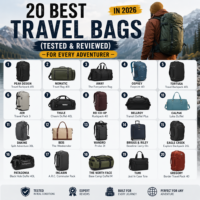
If an item sits unused for several days, it’s a candidate to remove. For a weekend city break, you might drop extra layers if the forecast is warm, and leave behind duplicate chargers. The goal is a bag that feels balanced, not bulky or fiddly.
Why packing light matters for travel efficiency and safety
Light packs speed through security lines, shorten jet lag, and reduce fatigue. They cut transit friction, help you move through crowds, and minimize wear on your body. In emergencies or crowded venues, a lighter load lets you react faster with less to manage.
Think of your bag as a tool, not a statement. Prioritize items that protect your documents, enable quick access to essentials, and support comfort during long days of sightseeing. For example, a compact rain shell replaces a bulky jacket while a slim wallet keeps fatigue down.
1. Core Essentials: What Belongs in Every Bag
Keep essentials together in a dedicated inner pocket or small pouch. You want quick access and reduced risk of misplacing anything important. For example, on a city layover you can grab your essential documents and backups in seconds at security.
2. Contextual Carry: Adapting Based on Destination and Climate
Urban vs. remote locations
City days call for quick access and discreet carry. Keep essentials close to your body and avoid bulky signals. Remote areas reward versatility, with space for extra layers or a compact emergency kit.
- Urban: slim crossbody or compact top handle for hands free movement
- Remote: multi-pocket design with modular attachments
Weather and season considerations
Weather drives layer strategy. Pack compact protection and lightweight insulation to stay agile without adding bulk.
- Rain gear: packable umbrella or thin rain shell that tucks away
- Cold: lightweight scarf or compact gloves ready to slip on
- Heat: breathable fabrics and sun shade items to keep weight down
Cultural and safety considerations
Local norms shape what you carry and how visible it is. In some places discreet storage reduces attention, while in others you may need quick access to travel documents.
- Security habits: keep valuables in an inner zip with a simple inventory
- Local etiquette: avoid oversized logos or loud colors in sensitive areas
3. Layered Packing: The Strategy of Minimalism with Flexibility
Layered packing keeps you prepared without overloading. Start with a base layer that contains daily essentials, then add modular pieces for situational needs. The goal is fast access, easy reconfiguration, and the ability to drop items without a full rethink.
Packing cubes and organization for quick access
Organize by category and access frequency. Use a small top pocket for keys and phone, a mid pocket for chargers, and a larger cube for clothing basics. This setup speeds repacking in transit and keeps bulk down.
- Lightweight compression cubes for clothes
- Dedicated cable pouch with labeled sections
- Slim document sleeve for travel forms and receipts
Multi-use items and compact gear
Choose gear that serves more than one purpose to trim weight. Think items like a scarf that doubles as a blanket, a compact towel, or a charger with built-in cable management. This approach preserves function while shaving bulk.
- Multi-use clothing and accessories
- Foldable travel towel and compact blanket
- USB-C PD power bank with integrated cable
When to offload and travel light with carry-on only
Assess daily routines and local amenities. If you can replace a function with a hotel or store option, remove it from the bag. Carry-on only works when you can access essentials within reach and rely on shared facilities when available.
| Decision | Impact | Example |
|---|---|---|
| If you won’t use it daily | Reduces weight | Extra spare clothes for a short trip |
| If access is easy on-site | Frees space | Buying shampoo or adapters locally |
| When packing cubes keep you organized | Quicker reconfiguration | Separate cubes for electronics, clothes, and docs |
4. Value vs. Burden: How to Assess Worth in Real Time
Carrying decisions hinge on real time value. You must weigh what an item adds against its cost in weight, space, and effort to access it. The goal is to maximize usefulness without turning the bag into a drag.
Weighing utility against weight and space
Assign a quick score to each item based on how often you use it and how essential it is in a typical day. If the weight or bulk overshadows the benefit, remove it. Be ruthless with duplicates and single use items that rarely justify their space.
- Keep items with daily impact, like a trusted phone charger or transit card
- Limit redundancy to one high utility version per category
- Prefer compact, multi function tools over single purpose gear
Opportunity costs and time savings
Time saved matters just as much as physical space. If an item accelerates a routine or avoids a repeat stop, it earns its place. If it creates friction during entry or removal, question its necessity.
- Fast access belts or pouches for frequently used items
- Prepped documents or digital copies to reduce on the spot searches
- Streamlined charging gear to avoid multiple chargers
Personal comfort thresholds and health considerations
Comfort is real value. If a bag imposes awkward posture or fatigue after a short walk, the item may be a net negative. Health benefits, like reducing repetitive strain, count toward worth.
- Test weight with a 10 minute walk to gauge strain
- Opt for ergonomic straps and breathable materials
- Swap rigid items for flexible, compressible alternatives when possible
| Factor | Decision cue | Practical example |
|---|---|---|
| Frequency | Use daily or near daily | Key fob, phone, lip balm |
| Bulk | Consumes more than it returns | Heavy umbrella replaced by compact rain shell |
| Accessibility | Easy access beats hidden access | Inner pocket for transit card |
5. Decision Triggers: Signals That You Should Leave It Behind
Certain signals tell you a item isn’t worth the space. Trust these triggers to keep your bag lean and usable on the move.
Size and weight limits of the bag
Start with the bag itself. If a potential item pushes you past your daily weight or beyond the bag’s capacity, it belongs at home. Picture what the bag feels like when full and how the added item shifts balance during a commute or a stroll through a crowded station.
- Check the heaviest four items you routinely carry and compare to the bag’s target weight
- Estimate the total load after adding one more item to avoid overstuffing
- Prefer compact formats that fit external pockets without bulk
Access frequency and need-for-access items
Items you rarely reach for should stay in the main compartment or at home. If you pull something out only once a day or less, it may be unnecessary in transit.
- Place high-use items in quick-access pockets for rapid retrieval
- Move seldom-used gear to a dedicated interior sleeve or external pouch
- Limit items that require separate handling during security checks or entry
Redundancies and single-use items
Redundancy creates friction. If two items perform the same function, keep the better option and retire the rest.
| Signal | Decision | Practical example |
|---|---|---|
| Two chargers | Keep one compact option | USB-C PD with integrated cable |
| Two umbrellas | Use a single compact rain shell | Lightweight, packable option |
| Multiple notebooks | Choose digital notes or a single slim planner | One-sheet itinerary app |
FAQ
What should you always carry in your bag? Start with the essentials: a device charger, a reliable card or transit pass, a compact safety item, and a phone. These items support daily routines without adding unnecessary weight.

How do I decide bag size? Base the choice on your daily carry. If you routinely need a large amount of items, a mid to large everyday bag works. For quick trips, a smaller crossbody or compact top handle bag keeps things efficient.
Which materials matter most for durability? Leather and natural fibers offer durability and a premium feel, while vinyl and straw bags suit seasonal looks. Consider how your climate and usage affect wear and cleaning needs.
- Leather ages well with care
- Natural fibers are light but may require more maintenance
- Vinyl is easy to wipe but can look less refined over time
How do I manage tech items without bulk? Use multi-port chargers, compact cables, and a single power bank with enough capacity for a full day. Keep cords organized in a slim pouch for quick access.
What signals indicate I should leave something behind? If an item rarely moves from its spot or adds weight without improving efficiency, it likely belongs at home or in a separate bag for future trips.
Conclusion
Deciding what to carry is a balance between usefulness and burden. The goal is to keep you agile, prepared, and focused on your itinerary, not weighed down by excess gear.

Think in terms of a core set plus context driven extras. Start with essentials that cover safety, access, and daily routines. Then add items only if they clearly improve comfort, reliability, or time saved on a given trip.
- Use a lightweight decision framework to separate essentials from nice-to-haves.
- Adapt your bag choice to destination, climate, and activities rather than chasing universal perfection.
- Employ simple packing aids like packing cubes and multi-use gear to maintain rapid access without bulk.
In practice, your bag should feel like a tool, not a burden. If an item prevents smooth movement, increases fatigue, or disrupts security checks, it belongs outside the bag or in a separate carry option.
| Guiding Principle | Practical Outcome |
|---|---|
| Essentials first | Reliable basics stay in daily reach |
| Context matters | Destination and season drive the extras |
| Lightness over quantity | Less weight, more flexibility |