
Table of Contents
- Introduction
- 1. Scicon AeroComfort 3.0 Road Bike Travel Bag
- 2. EVOC Bike Travel Bag Pro
- 3. Scicon Aerocomfort 4.0 / 3.0 Hybrid Options
- 4. Thule RoundTrip MTB/Road Bike Travel Case
- 5. Topeak Bike Travel Case Options
- 6. How to Pack a Track Bike for Air Travel
- 7. Airline Rules and Protecting Your Bike
- FAQ
- Conclusion
Introduction
Overview of track bike travel needs
You move a track bike between venues, teams, and events with careful planning. Protection, weight, and ease of handling matter more than with standard road bikes. Strong cases shield the delicate geometry while keeping wheels, forks, and axles secure during cross-border travel.
Expect rigid demands on padding, frame stability, and checkpoint checks at airports. A purpose-built travel bag or case reduces damage risk and speeds up loading, inspection, and reassembly so you can focus on racing rather than logistics.
What this guide covers
We review the best travel bags and cases suitable for track bikes, emphasizing protection, weight, and portability. You’ll find practical packing tips, how to disassemble for transport, and airline considerations. The guide mixes product profiles with real-world setup notes so you can choose confidently.
Key topics include:
- Specialized bike cases designed for track geometry
- Protection levels across soft and hard shell options
- Disassembly and packing steps specific to track bikes
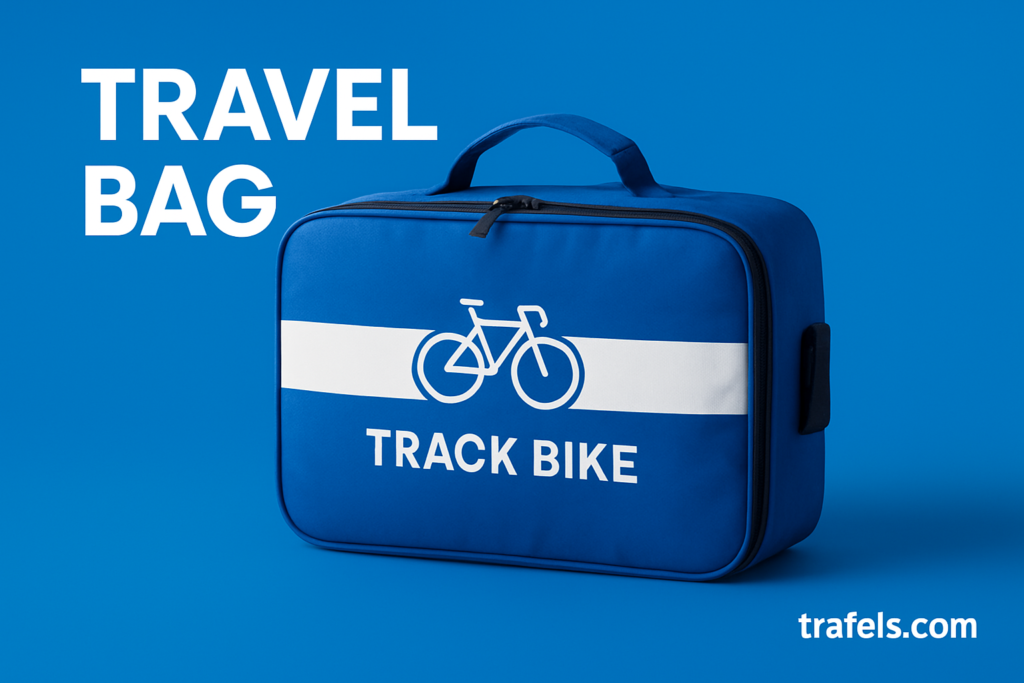
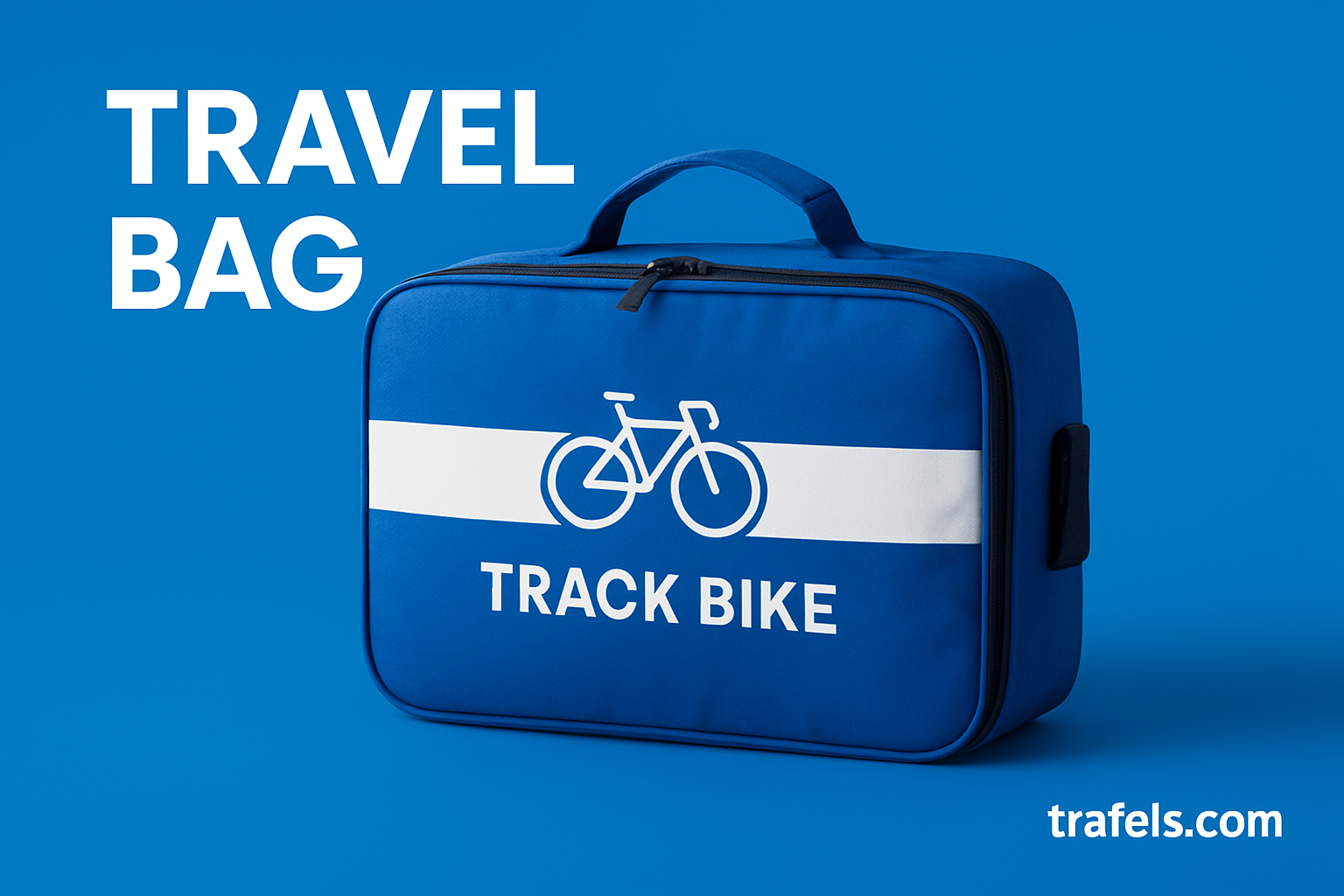
1. Scicon AeroComfort 3.0 Road Bike Travel Bag
Key features and protection levels
The Scicon AeroComfort 3.0 blends a soft exterior with structured interior protection to guard a track bike in transit. It includes reinforced padding around the frame and wheels and internal anchoring points to curb movement. A dedicated wheel pocket and a fork/seat stay cradle help maintain geometry during rough handling.

Security comes from locking zippers and a rigid insert system that dampens impact transfers from the aircraft cargo hold. The bag supports common track configurations with adjustable supports and a compact footprint aligned with airline guidelines.
Pros and ideal use cases
- Balanced weight and protection, suitable for frequent air travel
- Soft-shell exterior paired with dependable internal protection
- Compatible with road and track bikes, enabling quick disassembly and reassembly
- Good option for teams or individuals prioritizing portability without compromising frame integrity
2. EVOC Bike Travel Bag Pro
Design highlights and padding strategy
The EVOC Bike Travel Bag Pro pairs a rugged shell with purpose-built padding that cushions against side impacts during handling. A segmented foam system contours around key contact points and a reinforced wheel well resists compression, helping preserve frame geometry from loading to unloading.
A dedicated fork cradle and secure frame pocket keep the geometry stable, while a streamlined inner spine minimizes redundant layers for reasonable weight. An integrated carry system aids balance in crowded terminals, and the dual-zip perimeter closure helps maintain a tight seal against aviation mishaps.
Best scenarios for use
- Frequent flyers seeking strong protection without the bulk of a full hard case
- Riders transporting mixed frames, including road and lightweight MTB setups
- Charter or team travel where quick packing and unpacking speeds up schedules
3. Scicon Aerocomfort 4.0 / 3.0 Hybrid Options
Soft vs hard shell elements
The Aerocomfort hybrids blend soft, protective padding with a rigid outer framework. This setup aims to reduce weight while preserving impact resistance for track bikes. The soft interior cushions the frame, forks, and wheels, while the hard shell exterior adds stiffness to resist crushing and deformation during handling at airports.

In practice, you get a more manageable bag that still protects key contact points. It can be easier to step through crowded terminals compared with full hard cases, yet less prone to external dents than a pure soft bag.
Disassembly requirements and setup
Disassembly for these hybrids centers on removing the front wheel and often loosening the fork to fit inside the interior cradle. Some setups allow partial disassembly, which speeds packing if you travel light. Security anchors inside the bag help lock the frame and components in place for transit.
| Aspect | Aerocomfort 4.0 Hybrid | Aerocomfort 3.0 Hybrid |
|---|---|---|
| Weight relative to hard case | Lower weight | Balanced weight |
| Protection style | Soft padding + rigid shell | Soft padding + rigid shell |
| Disassembly required | Front wheel off, possible fork adjustment | Front wheel off, possible frame immobilization |
4. Thule RoundTrip MTB/Road Bike Travel Case
Protection approach for track bikes
The Thule RoundTrip uses a rigid shell paired with a padded interior to limit movement and protect critical contact points. It features a molded wheel well system and a secure frame area that helps preserve geometry during handling in transit.
Portability and airline readiness
Integrated wheels and a retractable handle aid maneuvering through busy terminals. The case stays within standard airline allowances, with dependable latches to withstand airport handling. Setup for travel involves removing the front wheel, securing the rear hub, and cinching the frame with built-in straps. Its compact footprint helps in crowded overhead compartments and cargo holds.
| Aspect | Thule RoundTrip |
|---|---|
| Protection style | Rigid shell + padded interior with frame straps |
| Disassembly required | Front wheel removal; frame secured inside |
| Weight | Moderate for a hard-shell case |
5. Topeak Bike Travel Case Options
Compact solutions for track bikes
Topeak offers compact travel cases that minimize bulk without sacrificing protection. Look for models with reinforced wheel wells and a secure frame pocket to help preserve geometry during transit. These cases emphasize easy handling through lighter construction and thoughtful interior dividers.
- Lightweight shells with rigid reinforcements for edge protection
- Dedicated fork and frame supports to prevent movement
- Integrated wheels and a retractable handle for airport navigation
Assembly and packing steps
Packing with a Topeak case is straightforward, but a calm loading sequence helps. Start by removing the front wheel and loosening the fork if required. Secure the frame in the main pocket, cushion the rear with a padded block, and place the wheels in their bays. Reattach the front fork once the setup sits snugly.
| Aspect | Topeak Case Overview |
|---|---|
| Protection style | Rigid shell with padded interior partitions |
| Disassembly required | Front wheel off; possible fork adjustment depending on model |
| Weight | Light to moderate for a travel bag |
6. How to Pack a Track Bike for Air Travel
Disassembly guidance (fork, wheels, pedals)
Plan packing steps around your bag’s capabilities. Start by removing the front wheel to narrow the profile, then decide if you need to loosen the fork crowns or release the front brake to accommodate the case. If your bag supports partial disassembly, limit changes and document them for quick reassembly at destination.

Wheels go into dedicated bays or pockets with padding. If you use wheel separators, align rims to minimize contact with frame tubes. Remove pedals to prevent crank strikes during handling. Keep a small torque wrench handy to reset pedal tightness during reassembly.
Padding placement and securing frame
Center the frame in a protected cradle with foam blocks at key contact points such as the headtube, down tube, and seatstays. Cushion the chainring and derailleur area to prevent metal-to-metal contact. Add padding around the fork steerer to guard against impacts.
Use adjustable straps to immobilize the frame without over tightening. Ensure wheels are seated firmly in their bays and that brake calipers are protected. Close all fasteners inside the bag and perform a gentle shake test to confirm nothing shifts.
7. Airline Rules and Protecting Your Bike
Baggage allowances
Airline policies vary by carrier and route. Weight limits and size constraints can change with aircraft type, so confirm the exact allowance for both checked luggage and oversize sporting equipment before you travel. Expect additional fees for oversized or overweight cases, even when you bring a dedicated bike bag.

Prepare documentation in advance. Many airlines require a standard baggage tag and may request a descriptive note for sports equipment. Having your bike bag dimensions, weight, and contents documented helps avoid last minute surprises at the counter.
Common airline pitfalls and tips
- Underestimating case size: measure length, width, and height with wheels extended to ensure it fits the carrier’s limits.
- Forgetting to remove excess strap lengths: loose straps can complicate inspections and handling.
- Not validating disassembly requirements: some routes or aircraft types expect partial teardown or wheel removal prior to check-in.
- Skipping padding checks: airline ground crews may inspect the interior; ensure foam blocks and frame supports remain in place.
- Neglecting a repair kit: carry basic tools or patches to address minor reassembly at destination if needed.
| Consideration | Impact on travel |
|---|---|
| Case size | Affects eligibility and fees at the counter |
| Disassembly requirements | Determines packing steps and time at check-in |
| Padded protection | Reduces risk of damage during handling and loading |
FAQ
What size case do I need for a track bike?
Track bikes disassemble to a compact profile, but frame length and wheelbase matter. Seek a case that fits a standard track frame with the front wheel removed and space for the rear wheel. Look for clearly listed internal dimensions and compatibility with 700c or 622mm rims without forcing a tight fit.
Is disassembly always required?
Disassembly needs depend on the bag and airline. In many cases removing the front wheel and loosening the fork helps reduce width. Some designs allow partial disassembly, others require full frame separation. Check product specs and your airline rules before packing.
How do I claim damage protection?
Protection steps usually involve reporting within a defined window after delivery, providing photos of the case and bike, and keeping the original packaging. Retain your baggage receipt and the bag’s serial or model details. Follow the airline or insurer instructions promptly to start a claim.
Conclusion
Best practice recap
Choosing a travel bag for a track bike hinges on protection, weight, and how you manage disassembly. Prioritize cases with solid wheel bays, reinforced frame cradles, and padded protection for delicate components like the derailleur and chainrings. Consider how easy it is to assemble at destination and whether the bag supports partial disassembly if your airline requires it.

When traveling across borders, inspections and fees can affect your plan. Confirm case dimensions and weight against the carrier’s limits before you book. Keep spare foam blocks and tie-down straps on hand in case you need to adjust padding on arrival.
Decision checklist for selecting a travel bag
- Protection level: hard shell vs soft shell with internal padding
- Disassembly compatibility: front wheel removal, fork loosening, or full frame separation
- Weight and dimensions: ensure compliance with airline rules and transit needs
- Portability: wheels, handles, and overall maneuverability at airports
- Ease of packing: layout of bays for wheels, frame, and accessories
- Repairability: access to spare parts and basic tools if needed at destination