
Table of Contents
- Introduction
- 1. Understanding GLP-1 Medications for Travelers
- 2. Planning Before You Travel: Documentation and Permissions
- 3. Packing and Transport: Safe Storage and Security
- 4. Dosing on the Road: Managing Schedules Across Time Zones
- 5. Food, Activity, and Side Effects While Traveling
- 6. International Logistics: Customs, Declarations, and Restrictions
- Conclusion
Introduction
Overview of GLP-1s for travel
GLP-1 medications are commonly used for weight management and metabolic health. When you travel, you must keep them at the right temperature, carry them in labeled containers, and have documentation ready. Planning ahead helps reduce the risk of missed doses or disruptions.
Why international travel requires extra planning
Rules on prescription medicines and injectables vary by country. You may encounter restrictions, labeling requirements, or specific documentation needs. A complete set of prescriptions and a doctor’s note can help you move through checkpoints smoothly.

Key considerations to keep in mind:
- Temperature control and storage throughout your trip
- Carrying syringes or injection pens legally and safely
- Declaring medications at borders when required
- Keeping original packaging and clear labeling
In this guide, we translate travel rules into practical steps you can apply on day one of your trip. We’ll cover what to bring, how to declare, and how to maintain dosing schedules across time zones, so you stay on track without delays.
1. Understanding GLP-1 Medications for Travelers
What GLP-1s are and how they work
GLP-1 medications are injectable therapies used for weight management and metabolic health. They mimic a natural hormone that helps regulate appetite and insulin release. By slowing stomach emptying and signaling fullness, they can reduce hunger and support steady weight management on the road.
Use them only under a clinician’s guidance and with FDA-approved options. Sticking to prescribed doses preserves effectiveness and minimizes risks when you travel across time zones or different climates.
Common forms and storage requirements
GLP-1s come as injection pens and, less often, prefilled syringes. Most require refrigeration until first use, with some flexibility for travel days depending on the product. Always check the specific storage instructions on your label.

Practical storage tips for travel:
- Keep medication in the original, labeled container to preserve autoinjector or pen information.
- Carry a compact cooler or insulated pouch for ambient temps during transit.
- Avoid exposing pens to direct sunlight or extreme heat, especially in luggage compartments or vehicles.
Plan for temperature excursions by mapping your route and identifying cooling points along the way. This helps ensure your GLP-1 remains within the recommended range until you can refrigerate again.
2. Planning Before You Travel: Documentation and Permissions
Prescriptions, medical letters, and generic names
Carry all prescriptions in their original packaging with clearly legible labels. Include the generic names of the GLP-1 medications to aid customs and medical staff who may not recognize brand names abroad. Have a clinician’s note confirming the medication and your dosing schedule, written on official letterhead.
- Keep copies of the prescription and the clinician’s contact information.
- Include the international nonproprietary name (INN) for the active ingredient where possible.
- Ensure letters specify dosing frequency and any storage needs during travel.
Country-specific rules and embassy checks
Rules vary by destination when you bring prescription injections. Before you travel, verify any restrictions tied to injectable medications and refrigeration requirements. Embassies or consulates can provide up-to-date guidance on import rules and penalties.
- Check if borders require documentation for injectables and special labeling.
- Determine acceptable forms of proof if your medication is a controlled product in a given country.
- Confirm whether you can carry syringes or injection devices and any limits on quantity.
3. Packing and Transport: Safe Storage and Security
Carry-on best practices and TSA considerations
You should keep GLP-1 medications in your carry-on bag. This reduces the risk of temperature excursions and protects against lost luggage. Keep each item in its original labeled container for easy inspection and to show safe storage requirements at a glance.
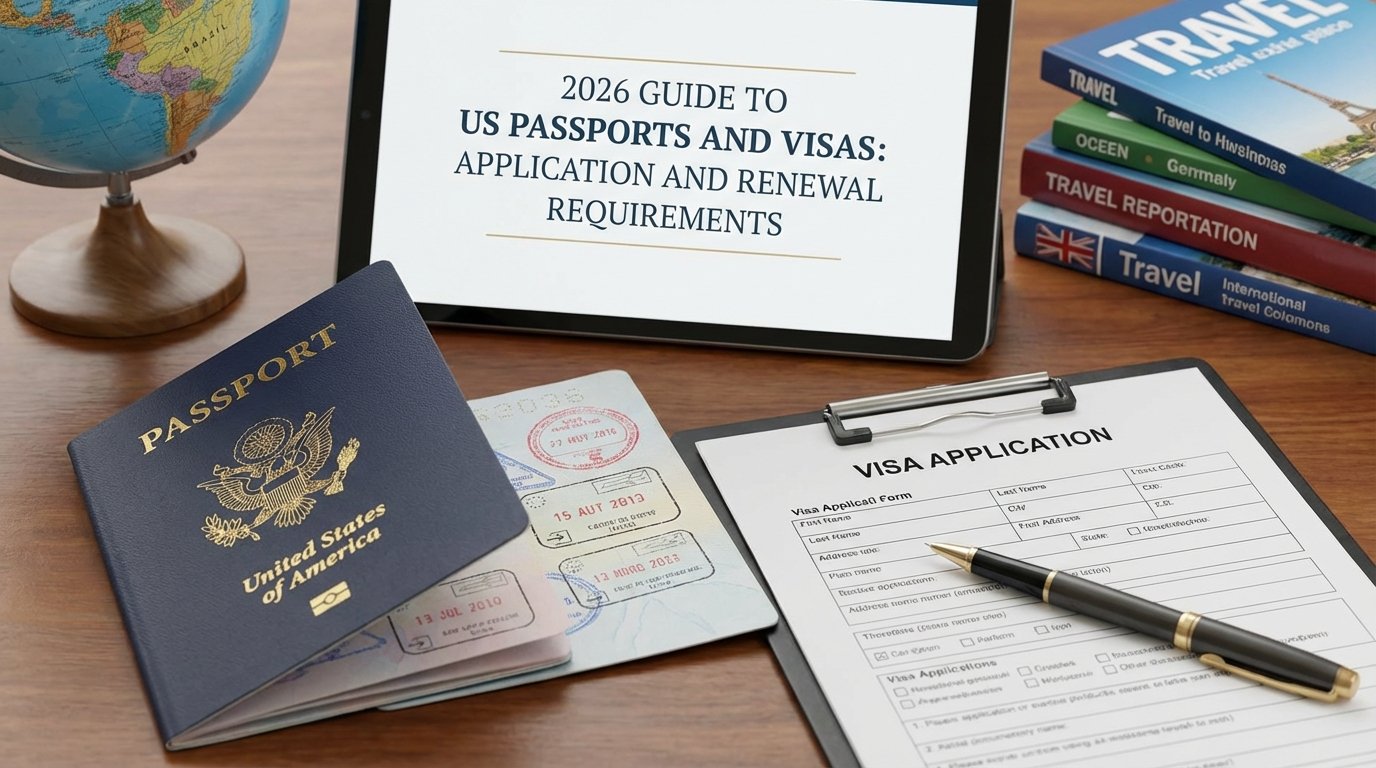
Prepare documentation to present at security checkpoints. A concise doctor’s note, prescriptions, and generic names help clarify why you carry injection devices and syringes. Be ready to show the brand and active ingredient if asked.
- Carry-on only injections, pens, and any syringes in your personal carry-on.
- Label everything clearly and keep labels intact for quick verification.
- Expect questions about refrigeration needs; have a simple explanation ready.
Temperature control and travel coolers
Most GLP-1 medications require refrigeration, at least until first use. Use a compact cooler or insulated pouch to maintain a safe temperature during transit, especially if you will be delayed or have long layovers.
Plan for temperature lapses by mapping where you can refrigerate along the route. If you anticipate heat exposure, swap to a gel-based cooling pack rather than solid ice to avoid moisture damage to packaging.
| Option | Pros | Cons |
|---|---|---|
| Original insulated case | Preserves labeling; simple to carry | May be bulky |
| Portable cooler with gel packs | Better temperature stability | Requires maintenance during travel |
| Thermal pouch + ice substitutes | Lightweight; discreet | Limited cooling duration |
4. Dosing on the Road: Managing Schedules Across Time Zones
Adjusting dosing when crossing time zones
GLP-1 medications are typically weekly, which helps when traveling across time zones. Plan your dosing window before departure and align it with the new local time as soon as you land. If a dose time is shifted, note the change and continue from the new schedule without doubling up.
Set a smartphone reminder in the local time zone for your next dose. Keep a concise dosing schedule in your carry-on folder in case you forget the local time on arrival.
Handling missed or delayed doses responsibly
Missed doses can happen with travel delays. Do not double dose to catch up. If you miss a dose by more than a day, contact your clinician for guidance. Short gaps are often acceptable, but longer interruptions can affect control goals.
- Document the exact time and date you intended to dose and when you missed it.
- Resume on the next scheduled day at the usual time, unless instructed otherwise.
- For longer trips, consider coordinating with a local clinic or telemedicine option for dosing confirmation.
| Scenario | Recommended action | Notes |
|---|---|---|
| Time zone shift within 2 hours | Continue on the new local time | Minimal disruption to overall plan |
| Missed dose by less than 24 hours | Take at the next scheduled time, do not double dose | Maintain steady exposure |
| Missed dose by >24 hours | Consult clinician for next steps | Adjustments may be needed |
5. Food, Activity, and Side Effects While Traveling
Diet considerations on GLP-1s
GLP-1 medications can affect appetite and how you feel after meals. Plan meals with portion control and steady energy, especially during long travel days.
Keep a consistent eating window when crossing time zones to support dosing and stomach comfort. Hydration is key, so carry water and limit high-sugar snacks that can worsen side effects.
- Prioritize protein at each meal to help fullness without overloading the stomach.
- Choose high-fiber options to support satiety and digestion.
- Avoid large, very fatty meals immediately after injection if you notice stomach upset.
Common side effects and how to mitigate them
Common side effects include nausea, fullness, and occasional reflux. Travel can amplify these, especially on first days of a trip.

Mitigation tips include slow meal pacing, small frequent meals, and avoiding trigger foods such as very spicy dishes during the initial travel days.
- Carry easily digestible snacks like crackers, pretzels, or apples to balance meals on busy itineraries.
- Bring antacids or anti-nausea remedies if you know you react to routine changes.
- Monitor hydration and electrolyte intake on flights and long drives to support comfort and energy.
6. International Logistics: Customs, Declarations, and Restrictions
Declaring medications at checkpoints
Declare GLP-1 medications at border controls when required. Keep medications in their original labeled packaging to show a legitimate prescription. Carry copies of prescriptions and a doctor’s letter with the generic names and dosing schedule. These documents help authorities understand why you’re traveling with these medicines.
- Present your prescription and the doctor’s letter when asked.
- Keep a recent pharmacy receipt or dispensing record handy.
- Have a concise note of your dosing plan in case officials request it.
Country restrictions and potential penalties
Rules differ by destination. Some places may treat GLP-1 medications differently or require extra paperwork. Noncompliance can lead to confiscation, fines, or delays. Check each country’s stance on injectable medications before you depart.
- Research the destination’s policy on prescription injectables.
- Consult a clinician for a formal travel letter if crossing multiple borders.
- Anticipate longer processing times at security or customs during busy travel seasons.
Conclusion
Key takeaways for a smooth GLP-1 inclusive trip
Traveling with GLP-1 medications requires targeted preparation. Start with solid documentation: prescriptions, a doctor’s letter, and generic names clearly listed. Keep these in original packaging and accessible in your carry-on.
- Pack a dosing window and a travel-friendly schedule to minimize confusion across time zones.
- Plan for security by understanding carry-on rules for injectables and syringes, and keep temperatures in mind.
- Use dedicated travel cooling options to maintain safe temperatures during transit and layovers.
Practical decisions on the road matter. If you miss a dose or encounter a delay, have a plan in place with your clinician for safe resumption. Consider telemedicine options if you need dosing confirmation while abroad.
- Note the local climate and meal timing to reduce GI discomfort and maximize tolerance.
- Declare medications at checkpoints with clear labeling to avoid delays.
- Check country-specific rules for injectable meds to anticipate any administrative steps.
With careful planning, you can focus on the journey itself rather than the paperwork. trafels.com centers on practical, document-backed steps that keep your GLP-1 routine intact across borders.