
Table of Contents
- Introduction
- 1. The Core Travel Gear Toolkit
- 2. Lightweight Luggage and Packing Strategy
- 3. Clothing as Narrative Gear: Layering for Climate and Story
- 4. Tech and Power: Keeping Devices Ready for Storytelling
- 5. Safety and Navigation Tools
- 6. Documentation and Accessory Essentials
- FAQ
- Conclusion
Introduction
The travel narrative and the place of gear
Your journey unfolds as a story told in real time. Gear is more than equipment; it acts as a character that shapes what you can do and what you can show. The right items become plot devices that reveal pace, place, and perspective. At trafels.com, travel gear is part of the narrative you share with readers and fellow travelers.
Why gear matters for safety, efficiency, and storytelling
Safety first. Reliable gear reduces risk and keeps you on track when flights shift or neighborhoods feel unfamiliar. Efficiency follows: thoughtful choices cut setup time, preserve energy, and maximize exploration. Storytelling completes the loop. Gear influences how audiences perceive your journey, from wardrobe choices in a market to capturing a sunrise over a harbor.
- Gear sets the tone of your travel style
- It determines what you can capture and share in real time
- Preparedness translates to fewer delays and more authentic moments
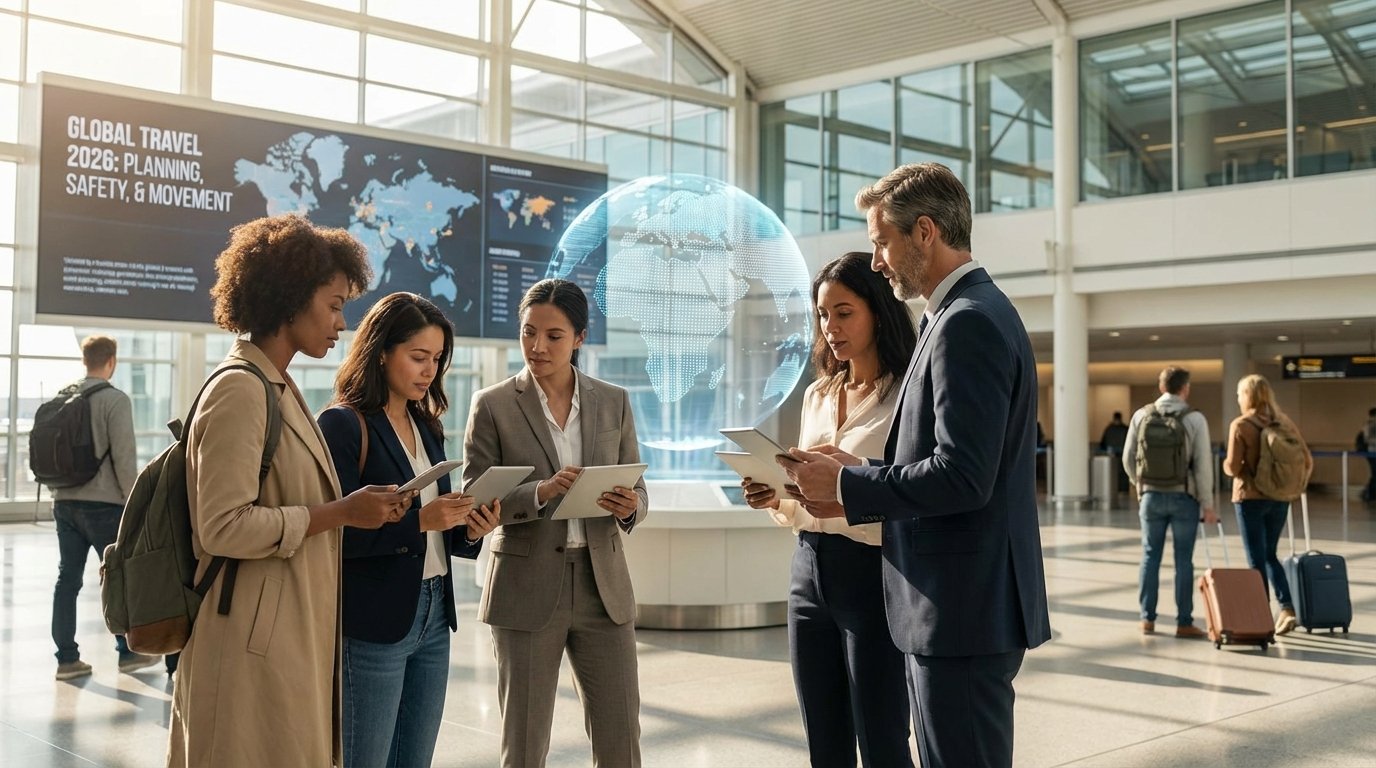
As we explore the role of gear, we’ll connect practical packing advice with narrative impact, grounding every recommendation in real-world usage and reliable sources.
1. The Core Travel Gear Toolkit
Essentials you should pack for most international trips
Think of your toolkit as the backbone of your travel narrative. Prioritize items that are versatile, durable, and light. Start with the basics and layer in purpose-built pieces as needed.
- Reliable carry-on luggage that fits airline restrictions and opens up fast access to essentials
- Non-designer, everyday clothing with multiple layering options
- A compact, multi-use jacket such as a breathable shell or light insulated layer
- Portable power sources and charging cables compatible with your devices
- Travel documents organized in a dedicated sleeve or pouch
How to tailor the toolkit by destination type
Destination shape changes what you carry. Consider climate, terrain, and cultural norms. The right gear balances practicality with storytelling potential.
- Urban capitals: lightweight luggage, quick-dry layers, and a compact camera or phone rig
- Coastal or tropical regions: moisture-wicking fabrics, breathable cotton, and sun protection
- Rural or high-altitude areas: a sturdy shell, insulation, and a compact flashlight
| Category | Recommended Items | Why it matters |
|---|---|---|
| Luggage | Carry-on compliant bag, light backpack for day trips | Mobility, speed, and on-board convenience |
| Clothing | Cotton clothing for comfort, microfiber options for quick-dry needs | Versatility across climates and packing light |
| Power | USB-C charger, portable battery, universal adapter | Stays connected during shoots and writing sessions |
2. Lightweight Luggage and Packing Strategy
Choosing luggage that supports mobility and speed
Mobility starts with a bag that glides smoothly and stores efficiently. Look for wheels that roll quietly, sturdy zippers, and a comfortable grip. Designs that fit airline size limits save time at check-in and reduce friction when overhead bins fill up.
- Carry-on compatibility with common airline limits
- Lightweight materials that don’t sacrifice durability
- Compartments that separate clothing from gear for quick access
- A removable daypack or sleeve for flexible storage options
Packing techniques to maximize space and minimize weight
Smart packing trims excess and keeps essentials ready for fast transitions. Roll fabrics to reduce creases, and use packing cubes to organize contents. Coordinate outfits to minimize total items while preserving storytelling potential in photos and notes.
- Pack with a capsule wardrobe approach to reduce duplicates
- Place frequently used items near the top for quick access
- Use lightweight packing cubes to maintain order without adding bulk
- Consider fabric weights by climate to balance insulation and ventilation
| Feature | Beneficiary | Practical Tip |
|---|---|---|
| Wheeled carry-on | Mobility and speed | Choose a design that fits your terrain and airline rules |
| Packing cubes | Organization | Label by category to cut rummaging time |
| Capsule wardrobe | Lightweight packing | Limit to 8-10 interchangeable pieces |
3. Clothing as Narrative Gear: Layering for Climate and Story
Fabric choices for diverse climates
Balance comfort, durability, and storytelling value in your fabric choices. Cotton remains breathable in warm conditions but can retain moisture in damp environments. Microfiber and synthetic blends dry quickly, manage humidity, and compress well for packing.
- Cotton for hot, dry settings adds natural texture on camera
- Microfiber fabrics for quick-dry performance during mobility-heavy days
- Hybrid blends combine softness with travel-ready resilience
How clothing communicates travel intent in writing and photography
Outfit selections set the tone before any word is spoken or frame is captured. Layering signals preparedness, climate awareness, and narrative focus. A compact shell over a light knit suggests urban exploration, while a rugged layer hints at remote travel.
- Layer depth conveys weather strategy and pacing in storytelling
- Texture and color choices guide reader attention to surroundings
- Non-designer, versatile pieces keep attention on the moment, not the label
| Climate Narrative | Recommended Fabrics | Story Impact |
|---|---|---|
| Warm, dry cities | Cotton tees, light chinos | Casual, observational mood |
| Humid, tropical | Moisture-wicking layers, quick-dry textiles | Active, on-the-ground movement |
| Cool or variable | Breathable shells, insulating mid-layers | Prepared, adaptive storytelling |
4. Tech and Power: Keeping Devices Ready for Storytelling
Power solutions for overseas travel
Reliable power keeps your narrative flowing from dusk to dawn. Plan for both frequent outlets and off-grid charging to match travel tempo. Carry a compact universal adapter and multiple charging options to cover different socket types and voltages.
- Universal adapter with multiple plug configurations
- USB-C fast charger for phones, cameras, and tablets
- Portable power bank with high capacity and quick-charge support
- Spare cables and a dedicated charging station for on-the-go editing
Durable tech that supports capturing and editing on the road
Rugged, dependable gear helps you document journeys without slowing you down. Choose cameras, tablets, and accessories designed for travel wear and quick setup in varied environments. Prioritize gear that persists through heat, dust, and humidity.
- Dust-resistant cameras and weather-sealed lenses
- Lightweight tripod or compact grip for steady shots
- Portable SSD with robust durability for footage and backups
- Offline editing capability on a tablet or laptop for field work
| Tech Item | Travel Benefit | Practical Tip |
|---|---|---|
| Universal power adapter | One charger fits many outlets | Check voltage range before departure |
| USB-C power bank (20,000-30,000 mAh) | Off-grid charging for cameras and phones | Charge devices in sequence to maximize uptime |
| Portable SSD | Fast, reliable backups on the road | Format for cross-platform use and carry with a protective case |
5. Safety and Navigation Tools
Essential safety gear for international trips
Safety gear should be practical and unobtrusive. Focus on items that offer reliable protection and quick access in unfamiliar environments.
- Personal safety alarm or whistle for crowded places
- Portable door wedge or travel door alarm for hotel security
- Compact first aid kit tailored to your itinerary
- Water purification tablets or a portable filter for places with uncertain water quality
How to use gear to enhance situational awareness and guidance
Gear is a storytelling tool as well as a safety asset. Use items to read environments and plan responses in realtime.
- Carry a lightweight headlamp to illuminate paths at night and signal presence without shouting
- Keep a small map or offline navigation app accessible on a rugged device for quick orientation
- Use a compact flashlight to identify landmarks and read street signs during early morning shoots
- Maintain a dedicated, organized pocket for essential documents and contact information
| Tool | Primary Benefit | Practical Tip |
|---|---|---|
| Personal safety alarm | Immediate attention in crowded areas | Attach to a lanyard for quick reach |
| Travel first aid kit | Immediate response to minor injuries | Update contents before each trip |
| Offline navigation device | Reliable directions without roaming costs | Preload maps of frequent stops |
6. Documentation and Accessory Essentials
Travel documents, adapters, and organization tricks
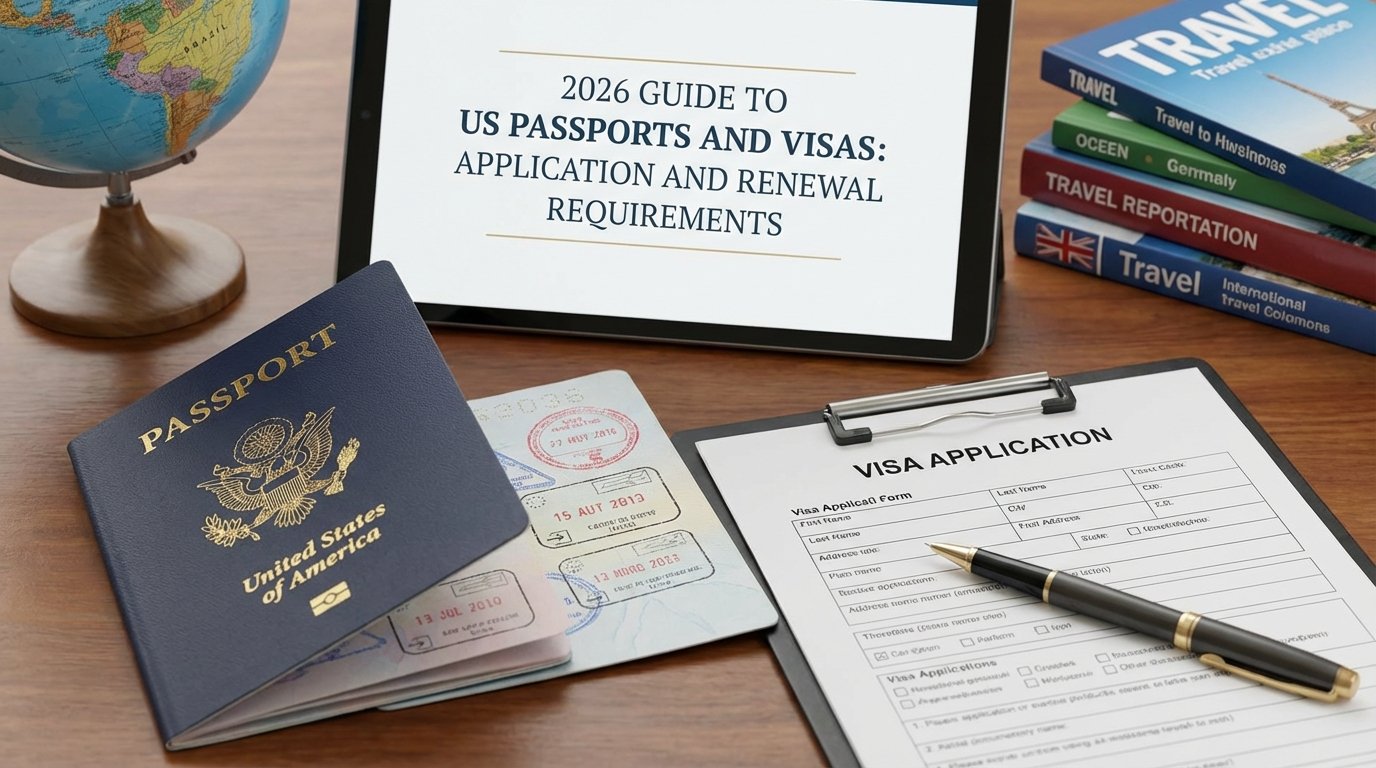
Good documentation keeps your narrative precise and legally smooth. Carry digital copies of passports, visas, and itinerary notes stored securely, with encrypted backups. Use a slim, labeled organizer to separate boarding passes, customs forms, and travel insurance.
- Passport and visa copies in a cloud vault and a physical scan kept separately
- Universal travel adapters matched to your destination regions
- Dedicated document wallet with clear tabs for quick retrieval
- Printed emergency contacts and accommodation details tucked in an accessible pocket
Aesthetic and practical accessories for readers and viewers
Accessories should frame the story without clutter. Select items that are useful on the road and visually engaging on camera or in photos.
- Slim, neutral-colored passport cover and card holder
- Compact notebook or digital note app for field observations
- Minimalist cable pouch and modular packing cubes for tidy gear layout
- Wearable tech accessories that double as props in storytelling, like a stylish watch with a discreet camera remote
| Accessory | Story Benefit | Practical Tip |
|---|---|---|
| Travel document organizer | Fast access during checkpoints | Label sections by region to reduce searching time |
| Adapter kit | One kit covers multiple outlets | Test before departure to avoid last-minute failures |
| Compact notebook | Capture impressions on the fly | Use quick-dry pages for outdoor shoots |
FAQ
What counts as travel gear in a story focused on narrative? Any item that supports mobility, safety, or visual storytelling. This includes luggage, packing systems, clothing, and portable tech that reveals how you move through places.
Why is clothing described as narrative gear? Garments convey climate, season, and intent. Layering choices show adaptability and set tone for scenes, whether a bustling market or a remote trail.
- Which fabrics matter for travel clothing? Cotton and microfiber fabrics are commonly discussed for their breathability and quick-dry performance, depending on climate and activity.
- How can packing light influence storytelling? A lighter load reduces distraction, allowing more time for observation and capturing moments that drive the narrative.
How do you balance durability and portability in gear? Prioritize items that perform reliably under travel conditions while staying compact enough for onboard storage and quick transitions between destinations.
| Aspect | Practical Take |
|---|---|
| Luggage choice | Mobility matters more than size in many itineraries; opt for lightweight options with sturdy wheels. |
| Clothing material | Know climate; cotton can feel comfortable in warm settings, microfiber can dry faster and layer well. |
Conclusion
Gear is more than what you carry; it helps shape the travel narrative you share. The right pieces indicate your approach to place, pace, and safety, influencing how readers and viewers experience your journey.
Clothes and equipment act as purposeful story props. Layering choices, fabric performance, and reliable gear signal climate, terrain, and intent without saying a word. Your Barn jacket, for example, can anchor scenes and stand as a tangible sign of preparedness.
- Prioritize mobility and frictionless transitions between destinations.
- Keep narrative value aligned with practicality to avoid clutter during long shoots or flights.
- Maintain backups for essential tools to sustain momentum when plans shift.
Test gear before departure and tailor your packing to the route, season, and planned sequences. When gear serves clarity, it helps your audience follow the story and trust your judgment in varied environments.