
Table of Contents
- Introduction
- 1. Data-Driven Path to Purchase for Holiday Travelers
- 2. Seasonal Demand Signals and Budget Sensitivity
- 3. Destination Inspiration Tactics That Convert
- 4. Personalization Playbooks for Peak Travel Periods
- 5. Crowds, Safety, and Experience Quality as Differentiators
- 6. Brand Partnerships and Affiliate Strategy for Holiday Campaigns
- FAQ
- Conclusion
Introduction
Context and objectives for holiday travel marketing
Holiday travel marketing sits at the crossroads of aspiration and practicality. Our goal is to help brands move travelers from curiosity to booking by aligning content with real consumer needs during peak seasons. The focus is on clear, actionable insights grounded in travel data and market intelligence.

Key objective: translate inspiration into action with precision, avoiding information overload. This means targeted messaging, relevant offers, and frictionless paths from discovery to reservation.
Overview of current trends and consumer sentiment
Interest in travel remains strong as holidays approach, with more intensive planning and a demand for authentic experiences. Travelers weigh price, flexibility, and safety alongside time-saving itinerary ideas.
Content systems should adapt quickly. Seasonal campaigns benefit from first-party data and destination-specific insights, ensuring relevance across destinations, hotels, and travel brands. Expect demand signals to drive tighter budgets, sharper targeting, and faster decision cycles.
1. Data-Driven Path to Purchase for Holiday Travelers
Understanding travel planning timelines during holidays
Holiday planning follows a distinct rhythm. Early planners pin holiday dates weeks in advance, while last-minute travelers react to flash deals and weather shifts. Brands should align content with these cadences and adjust offers to match decision velocity.

Key timing cues include when families begin itineraries, when peak pricing starts, and how mid season events influence decisions. Tracking shifts in search intensity by destination reveals where attention is concentrated and where to deploy high-impact creative sooner.
Leveraging first-party data to map inspiration to booking
First-party data provides a precise view of how travelers move from spark to sale. Combine site interactions, app events, and loyalty signals to chart the Path to Purchase tailored to holiday timing.
Practical steps you can take now:
- Segment by journey stage: inspiration, consideration, comparison, booking.
- Annotate content with intent signals to trigger timely offers.
- Use travel behavior patterns to forecast demand and optimize spend.
2. Seasonal Demand Signals and Budget Sensitivity
Interpreting Deloitte-style holiday travel intent data
Holiday demand shifts produce distinct spikes in intent signals. Track increases in destination searches, hotel inquiries, and flight inquiries in the weeks leading up to peak travel periods. This visibility helps you time spend and creative more precisely.
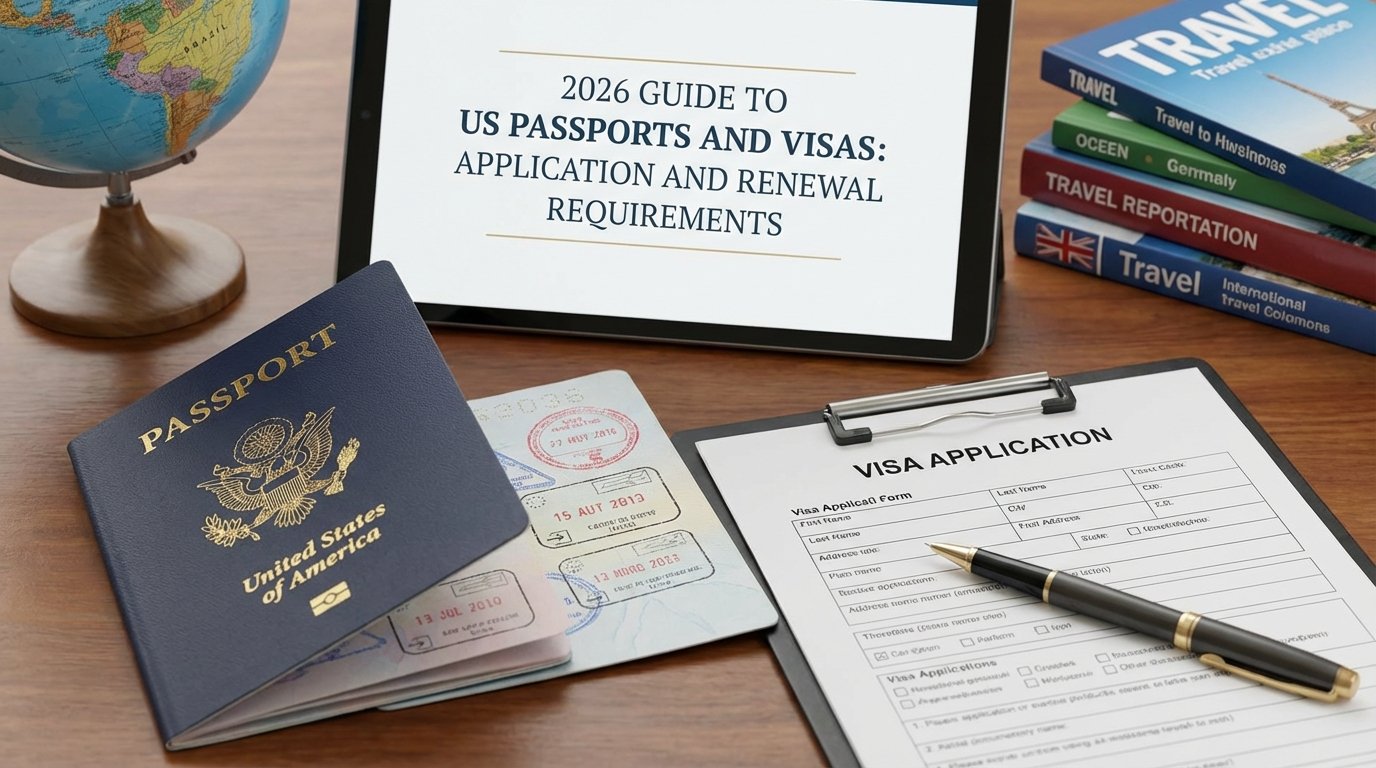
Look for changes in daily search volume, rising interest in family-friendly itineraries, and moves toward flexible travel dates. Pair these signals with macro indicators such as disposable income and regional holiday calendars to sharpen forecast accuracy.
Strategies to optimize messaging under tighter budgets
When budgets tighten, precision outperforms reach. Prioritize high-intent audiences with concise, action-focused messages.
- Deliver dynamic creatives that adapt to destination interest and time-sensitive offers.
- Consolidate campaigns around destinations with the strongest demand signals.
- Direct spend to performance-driven placements where available, such as flight listings and programmatic inventory.
| Aspect | Holiday-focused approach |
|---|---|
| Data source | Combine real-time search trends with first-party signals from sites and apps. |
| Message timing | Align with the onset of peak interest and price inflection points. |
| Budget tactic | Favor high-ROI channels, tight audience segments, and dynamic creative formats. |
3. Destination Inspiration Tactics That Convert
Must-have content for undecided travelers
Undecided travelers value content that lowers uncertainty and stirs curiosity. Prioritize practical details that answer common questions and paint a tangible picture of a destination. Show realistic days, highlight standout eateries, and illustrate local culture without overwhelming the viewer.
Opt for concise, scannable formats that can be saved for later. Include clear next steps such as sample itineraries, current weather snapshots, and access to trusted local guides. This helps move seekers from impression to intent with confidence.
Creative formats and channels that spark destination decisions
Different formats perform best at different moments along the Path to Purchase. Blend immersive content with functional, utility-driven pieces to sustain interest during undecided periods.
- Short-form video tours that highlight must-see spots and practical tips.
- Interactive maps with filters for interests like family-friendly, adventure, or food-focused itineraries.
- User-generated content that mirrors authentic experiences from real travelers.
- Destination bundles pairing lodging with experiential add-ons to demonstrate value.
Channel strategy matters too. Serve aspirational content in social feeds to stimulate desire, then surface authoritative guides on destination pages and in email newsletters to build trust. Align creative with current travel trends and the Path to Purchase signals you observe in first-party data.
4. Personalization Playbooks for Peak Travel Periods
Dynamic creatives and tailored offers by traveler type
During peak travel windows, one-size-fits-all ads lose relevance quickly. Tailor dynamic creatives to traveler segments such as solo explorers, families, or luxury seekers. Pair visuals with time-sensitive offers that reflect the traveler’s stage in the Path to Purchase.
Use first-party signals to adjust headlines, imagery, and calls to action in real time. For example, show family-friendly itineraries to parents browsing during school holidays and shift to spontaneous weekend getaways for solo travelers on shorter planning horizons.
- Segment audiences by journey stage and inferred intent.
- Serve destination-specific bundles with flexible booking terms.
- Test multiple creative variants to identify which formats convert fastest.
Automated experiences that save time and reduce friction
Automation accelerates decision making without sacrificing relevance. Implement personalized, rule-based experiences that adapt to traveler signals such as page views, cart activity, and loyalty status.

Key automations include tailored itineraries, dynamic pricing reminders, and proactive support prompts that guide users toward booking completion.
- Automated itinerary builders triggered by destination interest.
- Cart abandonment prompts with time-limited incentives.
- Loyalty-based rewards surfaced at critical moments to nudge conversions.
| Aspect | Personalization approach |
|---|---|
| Creative | Dynamic visuals and offers aligned to traveler type and timing. |
| Experience | Automated itineraries and recommendations based on past behavior. |
| Conversion | Tailored prompts that reduce friction and encourage next steps. |
5. Crowds, Safety, and Experience Quality as Differentiators
Messaging around safety protocols and hassle-free logistics
Travelers want reassurance that their trip will unfold smoothly from planning to return. Highlight clear safety protocols, flexible cancellation options, and transparent health considerations without overpromising. Include concrete details about cleaning standards, testing or vaccination requirements where relevant, and real-world examples of streamlined check-in and transfers.
Pair trusted third-party certifications with on-site practices. Share how partner hotels and operators maintain hygiene, support contactless services, and provide real-time updates on local conditions. This approach reduces anxiety and helps buyers compare options confidently.
Maximizing sightseeing time while avoiding crowds
When crowds spike, travelers seek efficient itineraries that preserve time for highlights and authentic experiences. Offer time-tiered plans that balance must-see sites with off-peak alternatives, plus real-time tips for crowd avoidance like early access windows or lesser-known viewpoints.

Provide practical planning tools that add value without complexity. Include concise itineraries, weather and crowd alerts, and simple rescheduling options when plans shift due to conditions.
| Differentiator | Communication | Practical aide |
|---|---|---|
| Safety protocols | Clear, specific practices and certification references | Accessible summaries of hygiene standards and flexible options |
| Logistics | Plain language on processes and support availability | Step-by-step guides for smooth transitions between activities |
| Crowd management | Realistic expectations and peak-time guidance | Time-smart itineraries and crowd alerts |
6. Brand Partnerships and Affiliate Strategy for Holiday Campaigns
Leveraging affiliate networks to scale reach during peak season
During the holiday window, partnerships extend reach without overextending budgets. Affiliate networks connect travel brands with publishers that already command traveler intent, from destination blogs to deal sites. Choose partners whose audiences align with your target segments and seasonal goals.
Practical moves include co-branded content, exclusive offers, and performance-based incentives that reward both reach and bookings. Use first-party signals to tailor partner communications and ensure offers stay relevant as traveler needs shift through the season.
- Vet affiliates for quality traffic and fraud risk before onboarding.
- Provide trackable banners, URIs, and creative guidelines to maintain consistency.
- Run time-limited promotions to create urgency without cannibalizing core channel performance.
Measurement and attribution considerations for holiday KPIs
Holiday campaigns demand clear attribution across channels to understand incremental impact. Map online touchpoints to the Path to Purchase and assign appropriate credit to affiliate partners, paid search, and programmatic placements.
Key metrics to monitor include assisted conversions, last-click vs. multi-touch attribution, and incremental bookings during peak weeks. Build dashboards that segment by destination, hotel group, and traveler type to reveal where content systems make a difference.
- Use first-party data to validate partner-driven bookings and reduce overcounting.
- Set holiday-specific benchmarks for ROAS, CPA, and incremental revenue.
- Regularly refresh partner terms based on campaign performance and inventory changes.
FAQ
What is the Path to Purchase in holiday travel marketing? It maps travelers from initial inspiration through to booking. Brands use travel data and first-party signals to tailor messages at each stage, matching content to traveler intent and timing.
How important is first-party data for holiday campaigns? Very. It drives accurate audience segments, reduces reliance on third-party data, and helps personalize offers as the season progresses. It supports more relevant messaging when budgets tighten.
Which content formats work best for undecided travelers? Visual destination showcases, authentic itineraries, and concise planning tools. Short videos, example day plans, and interactive maps help travelers imagine a trip without committing too early.
How should brands handle safety and service quality messages? Be specific about protocols, flexible policies, and real-time updates. Provide tangible details from partner hotels and operators to build trust without overpromising.
- Should campaigns adapt mid-season? Yes. Use live performance signals to adjust creative, offers, and channel mix as traveler needs shift.
- Is attribution more complex during holidays? It can be. Build multi-touch dashboards that align touchpoints with the Path to Purchase and separate incremental bookings from overall volume.
- What role do partnerships play? Affiliates expand reach efficiently during peak weeks when budgets are tight and demand is high.
Conclusion
Holiday travel marketing thrives when timing and trust work in harmony. Aligning content with the Path to Purchase and using first-party signals helps you meet travelers at the right moment without wasting budget on broad messaging.
Seasonal campaigns succeed through a disciplined balance of speed and relevance. Real-time signals should guide quick creative and offer adaptations, keeping messaging fresh as traveler needs shift during peak weeks.
A well managed partner ecosystem extends reach while preserving brand safety. Thoughtful affiliate selections, clear attribution, and performance-based incentives scale impact without increasing risk.
Expect a move from broad awareness to precise, context-rich interactions. Content systems should deliver destination insights, practical planning tools, and transparent safety and logistics details to reduce friction at booking.
- Use first-party signals to tailor messages as holiday demand tightens.
- Regularly refresh creative and offers based on performance data.
- Maintain clear, verifiable safety and service details across partners.