


Table of Contents
- Introduction
- 1. Passport Validity Rules You Must Know
- 2. Visa Essentials for Popular Destinations
- 3. Travel Insurance That Covers International Realities
- 4. Managing Medical Coverage Abroad
- 5. Streamlining Airport and Border Procedures
- 6. Maximizing Sightseeing Time While Avoiding Crowds
- 7. Safety Protocols and Risk Mitigation On Global Trips
- FAQ
- Conclusion
Introduction
Why global coverage matters for everyday travelers
Global coverage affects more parts of travel than many realize. Health coverage abroad, trip protection, and reliable assistance networks help prevent small hiccups from turning into major disruptions. Trafels.com aims to translate these realities into practical guidance grounded in real-world scenarios.
How travel logistics shape time, safety, and costs
Thoughtful planning saves minutes before departure, reduces stress at the airport, and lowers out-of-pocket expenses abroad. Core considerations include solid health coverage, timely passport and visa checks, and ready access to emergency support. We outline actionable steps so you can travel with confidence.
- Health coverage matters: domestic plans often don’t extend overseas, so travel insurance is essential.
- Trip protection helps with cancellations, delays, and baggage issues.
- Access to an international emergency response network can save time and money.
1. Passport Validity Rules You Must Know
Common validity requirements for international trips
Most countries require your passport to be valid for six months beyond your planned return date. Some destinations also mandate a minimum of three to six months beyond your stay for entry. Always verify the official embassy guidance for your itinerary, since rules vary by country and visa type.

Passports issued recently may still be in final processing at border control if expiration dates are tight. Airlines can deny boarding if your passport fails to meet a destination’s validity criteria, even with a valid visa or return ticket.
How to avoid last-minute passport issues
- Renew well in advance if your passport is close to expiring or will do so during travel. If your trip is six months away, aim to renew at least three months before departure to accommodate processing times.
- Keep a digital copy of your passport data page and emergency contacts in a secure, accessible location. Store it separately from your physical passport in case of loss or theft.
- Verify passport validity against the destination’s entry requirements at least two months before departure. Some countries require longer windows for certain visa categories.
- Factor processing times into your travel plan and consider expedited services if you’re near a deadline. Check whether your country offers regional processing hubs that can shorten the wait.
2. Visa Essentials for Popular Destinations
Understanding visa types and timelines
Visa rules depend on the destination, purpose, and traveler profile. Tourism often relies on exemptions or short tourist visas, while study, work, or volunteering may need specific permits. Start with official embassy guidance for your itinerary and note any required application windows.
Common visa categories include tourist, business, student, and work visas. Processing times can range from same day to several weeks or months, influenced by season and document completeness. Build in buffer for delays and consider flexible travel dates or alternative destinations.
Strategies to minimize visa wait times
- Prepare a complete document packet early, including passport copies, photos meeting requirements, travel plans, and any invitation letters.
- Check for expedited processing options and associated fees, and plan for in person appointments if needed.
- Monitor application status through official portals and stay in touch with the consulate or visa center for updates.
- Choose destinations with straightforward processes during busy periods to reduce backlogs and stress.
3. Travel Insurance That Covers International Realities
What international travel insurance typically covers
International travel insurance, often offered as SafeTrip or similar plans, addresses events that disrupt your trip or affect your health abroad. It covers medical emergencies, emergency medical evacuation, trip cancellations, and baggage issues. It also provides 24/7 assistance through an Emergency Response Center and help with unexpected travel delays.

Plans vary by provider, but most include baseline protections for illness abroad, hospital stays, and urgent care costs. Some policies offer higher limits for international medical expenses and add optional riders for adventure activities or preexisting conditions. Always verify what counts as a covered event and the geographic scope of coverage.
Choosing plans for medical emergencies, cancellations, and delays
- Medical emergencies and medical evacuation are essential for international trips. Compare per-incident limits, deductibles, and whether evacuation is available to the nearest appropriate facility or home country.
- Trip protection should address cancellations and interruptions due to illness, family emergencies, or work constraints. Look for flexible cancellation windows and coverage for nonrefundable bookings, plus options for missed connections.
- Delays and baggage loss are common abroad. Ensure the plan reimburses lodging, meals, and essential items when a delay extends beyond a defined threshold, and check how receipts are submitted.
Table: quick comparison of typical coverages
| Coverage Type | Typical Benefit | Key Considerations |
|---|---|---|
| Medical emergencies | Hospital bills, emergencies abroad | Low deductibles, clear evacuation terms, network of providers |
| Medical evacuation | Transport to nearest suitable facility | Geographic limits, coordination with providers, repatriation options |
| Trip cancellations | Refunds for nonrefundable bookings | Covered cancel reasons, documentation needs, timing windows |
| Delays and baggage | Reimbursement for lodging, meals, essentials | Minimum delay thresholds, proof of delay, itemized receipts |
4. Managing Medical Coverage Abroad
Why your domestic health plan may not be enough overseas
Your U.S. health plan often offers limited or no coverage once you leave the country. Flying abroad means you could face hospital bills, urgent care costs, and evacuations that your home plan won’t reimburse. Travel medical insurance fills that gap by providing abroad coverage and simplifying claim processes. Plan terms vary, so verify the geographic scope and any exclusions before you buy.
<pConsider a weekend trip to Europe where a sudden medical issue could require hospital admission. Without international coverage, you’d face bills for imaging, treatment, and aftercare. With travel insurance, you typically have a coordinated claim path and faster payouts. If you have a chronic condition, confirm coverage for preexisting conditions and required medical documentation at purchase.
Estimating medical costs and transport needs abroad
- Medical care costs vary by country and facility. Better to assume higher per-visit charges than you would at home.
- Emergency medical evacuation can be a major expense. Look for policies that specify coverage limits and coordination support through an Emergency Response Center.
- Medical coverage should align with your trip length. Longer trips may require higher limits or multi‑trip plans to stay protected.
| Factor | Consideration | Practical Tip |
|---|---|---|
| Geographic coverage | Some plans restrict service areas | Choose plans that explicitly cover the destinations you’ll visit |
| Per-incident limits | Low limits may leave you with large bills | Match limits to potential costs for medical care and evacuation |
| Deductibles | Higher deductibles save premium but raise out-of-pocket costs | Select a deductible you can reasonably afford in an emergency |
5. Streamlining Airport and Border Procedures
Documents to prepare before departure
Prepare a concise packet of documents to minimize delays at check in and immigration. Create a master checklist, print critical items, and keep digital backups separate from your physical papers.
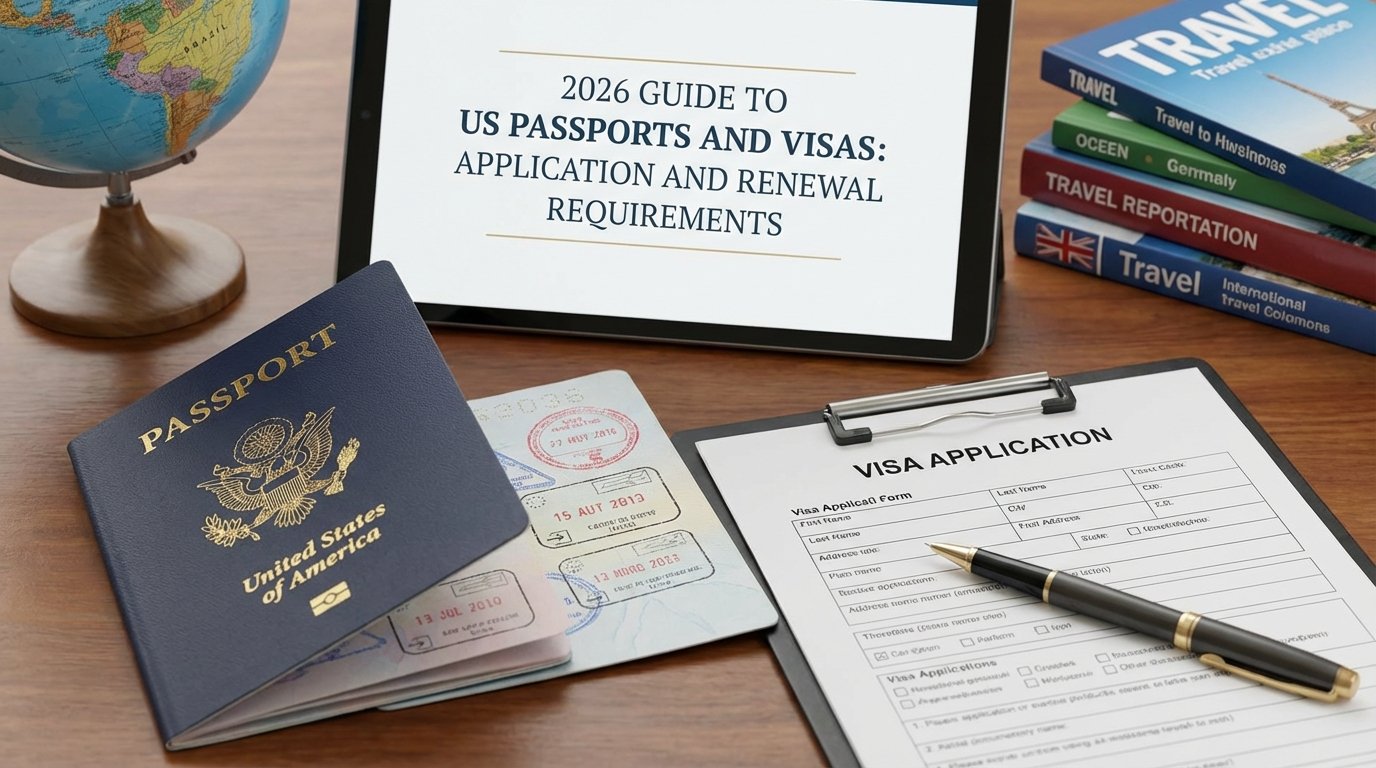
Key items include a passport with adequate validity, any required travel visas, travel insurance details, and a copy of your itinerary. If you carry medical documents or prescriptions, have them accessible for proof abroad.
- Passport validity and visa pages
- Travel insurance policy and emergency contact numbers
- Printed copies of bookings, hotel confirmations, and flight numbers
- Emergency embassy contact information and local currency
Tips to speed through security and immigration
Preparation and situational awareness drive efficiency at security and border control. Know your liquids policy and pack accordingly. Use clear organizers for electronics to ease screening.
- Remove belts and bulky items before reaching the lane to avoid delays
- Have your boarding pass and passport ready for officers to reduce questioning time
- Enroll in trusted traveler programs if available and aligned with your itinerary
- Keep travel documents in a single, accessible place to prevent rummaging at checkpoints
6. Maximizing Sightseeing Time While Avoiding Crowds
Time-saving routes and smart pacing
Plan your day around off-peak hours at top sites. Early mornings and late afternoons typically mean shorter lines and calmer spaces. Group nearby attractions to cut travel time and keep momentum.
Factor in time for meals and potential delays so you stay on track without rushing. Build natural breaks into the schedule to preserve energy for late-day experiences.
- Prioritize must-see sites for the first half of the day
- Allocate buffers for weather changes or transit hiccups
- Keep at least one flexible day to adjust plans
Crowd-aware planning and off-the-beaten-path alternatives
Seek lesser-known viewpoints, museums with extended hours, or neighborhoods that capture a destination’s character without crowds. This approach protects quality time for meaningful experiences.
- Target popular spots on weekdays to dodge weekend spikes
- Identify 2-3 nearby alternatives for each major site
- Leverage local recommendations or small-group tours for paced highlights
7. Safety Protocols and Risk Mitigation On Global Trips
Pre-trip safety checks and on-trip updates
Run through a concise safety checklist before you depart. Confirm international medical coverage and how to reach the Emergency Response Center if plans shift unexpectedly. Monitor destination health alerts and entry rules to avoid last minute surprises.
- Verify that your travel insurance includes international medical coverage and emergency evacuation.
- Register your trip with your insurer or national traveler registry if available for easier assistance abroad.
- Note local emergency numbers and your policy’s claim process so you can act quickly if needed.
Local transport safety and emergency contacts
Plan safe movement between destinations and have a plan for potential disruptions. Maintain a list of nearby clinics or hospitals at your arrival point and know how to reach them from your accommodation or transit hubs.
| Safety area | What to do | Practical tip |
|---|---|---|
| Medical access | Understand coverage under your policy abroad | Keep policy details and a digital copy accessible |
| Emergency support | Know how to contact the Emergency Response Center via your insurer | Store the number in your phone with local formats |
| Transport reliability | Identify safer transit options and backup routes | Preload two alternate routes for each leg |
FAQ
Common questions about international travel logistics
Before you depart, verify passport validity for at least six months beyond your return date, confirm visa requirements for your destination, and check if your health plan covers care abroad. Review entry rules and any required documents from your home country, such as traveler authorizations or digital visas.
How does travel insurance fit into trip planning? Choose a plan that covers cancellations, delays, and baggage issues, plus medical care abroad. If you might need evacuation, verify that option and review limits, deductibles, and claim timelines.
- Is domestic travel insurance enough for international trips? No. Domestic plans often exclude overseas medical coverage and international emergencies.
- What counts as a travel delay scenario? Flight cancellations, weather disruptions, airline schedule changes, or missed connections commonly trigger coverage.
- Do I need to register my trip with authorities or insurers? Some programs offer trip registration or emergency contact registries to speed assistance abroad.
Practical quick answers for urgent planning
How soon should I buy coverage? As soon as you book, to protect nonrefundable costs and add last minute amendments.
What information do I keep handy? Policy numbers, emergency contacts, your full itinerary, and any health details relevant to the trip such as allergies or medications.
What if I fall ill abroad? Seek local care first, then contact your insurer within the claim window and confirm which services are covered, including any required preauthorization.
Conclusion
Key takeaways for everyday travelers
Global coverage matters beyond medical care. It shapes how you plan, budget, and move through destinations with fewer surprises. Know what your plan covers to avoid gaps that disrupt plans.

Be aware that domestic plans may not extend overseas. Confirm whether emergency medical transportation is included and how to access care abroad. This clarity reduces stress when plans shift unexpectedly.
How to apply global coverage insights to your next trip
Tailor your insurance to your itinerary. For longer trips or expensive destinations, prioritize medical coverage abroad and potential medical evacuations.
Register your trip when possible. Trip or traveler registries can speed assistance during disruptions and help you reconnect with support networks.
- Review health coverage for international scenarios before booking
- Keep digital copies of policy details and emergency contacts
- Identify backup routes and local clinics along your route
| Aspect | Practical action | What it improves |
|---|---|---|
| Medical coverage | Verify if your plan includes overseas care and evacuation | Financial protection and faster care access |
| Trip registration | Enroll in insurer or national registries when offered | Swift assistance in disruptions |
| Contingency planning | Preplan backup routes and care options at key stops | Smoother transitions during delays |