
Table of Contents
- Introduction
- 1. The Threads of Identity: Self and Other in Global Spaces
- 2. Belonging Across Borders: Community and kinship on the road
- 3. Home Is Not a Place: The fluid concept of home for Black women travelers
- 4. Roots Travel and Ancestral Pilgrimage: Tracing lineage across continents
- 5. Narratives of Resilience: Navigating challenges on the global stage
- 6. Representing Black Womanhood: Media, memoirs, and diaries on the move
- 7. Travel as Craft: Planning, logistics, and immersive experiences
- Conclusion
Introduction
Setting the frame: travel as a route to belonging
Travel offers a practical way to test belonging beyond borders. For Black women, moving through cities, countries, and cultures often means navigating hospitality and bias in real time. Belonging is a daily practice, shaped by where you stay, whom you trust, and how you show up with name and voice intact.

Across journeys, belonging evolves from crowd tips to intimate navigation rituals. It includes connecting with local communities, honoring memory through place, and naming new spaces as home in dialogue with strangers turned friends.
Why Black women’s travel stories matter in a global context
These stories reveal how identity travels with you and how visibility sits beside safety. They illuminate how lineage informs every destination. Black women writers and travelers trace routes that others can follow, adapt, or respectfully question.
Our aim is to surface practical wisdom , planning, staying safe, and finding belonging in unfamiliar settings , while honoring the deeper currents of spirituality, community, and memory that accompany each journey.
1. The Threads of Identity: Self and Other in Global Spaces
Identity formation through place
Place shapes how you see yourself when you move across borders. Every city offers a mirror and a test: what part of you is visible, what remains private. The spaces you inhabit become pages in a living memoir, recording choices, tastes, and moments of recognition.

For Black women, the landscape often reframes lineage in real time. Streets, markets, and institutions carry histories that echo or challenge personal narratives. This is where memory meets present experience, creating a layered sense of self that travels with you.
Negotiating visibility and voice while traveling
Visibility on the road balances presence with protection. You learn when to assert voice and when to listen, translating encounters into earned agency rather than mere exposure.
Traveling also redefines how you are seen by others. Labels may shift across contexts, but your voice remains a constant anchor. Building confidence in dialogue, you curate interactions that affirm identity while inviting nuanced exchange.
- Turn travel moments into reflective notes about self-definition
- Cultivate conversations that acknowledge heritage without flattening it into stereotype
- Document shifts in perception to track how place influences identity over time
2. Belonging Across Borders: Community and kinship on the road
Finding chosen families abroad
Travel introduces anchors beyond your circle of origin. Chosen families form through shared experiences, mutual aid, and showing up for one another in unfamiliar places. These bonds can outlive a single trip and shape future itineraries with trusted contacts and safe harbors.
Everyday moments foster belonging: a late night meal with locals who respect your boundaries, a co working space that feels like a second living room, or a neighbor who accepts your presence as part of the city’s fabric. Belonging becomes a network you carry with you, not a single destination.
Cultural affinity, shared histories, and micro-communities
Micro communities grow where histories echo across borders. Language, music, or culinary memory can instantly create kinship, turning a street into a familiar map. These clusters show how belonging migrates with you across cities and countries.
Within these circles, small acts of reciprocity travel far. Borrowed recipes, study circles, and neighborhood rituals ground you while you explore new terrains.
- Local mentors who translate cultural codes and safety norms
- Informal networks that offer housing, translation help, and local guides
- Shared spaces where stories are exchanged and lineage is honored
3. Home Is Not a Place: The fluid concept of home for Black women travelers
Home as memory, ritual, and connection
For Black women on the move, home often resides in memory and routine rather than a fixed address. A familiar scent from a bakery, a recorded prayer, or a grandmother’s recipe can anchor a journey in felt continuity. These rituals become portable archives that travel with you, keeping lineage alive wherever you land.
Rituals create continuity across cultures. They might be a weekly call with family, a chosen tea break with new friends, or a nightly moment of reflection before sleep. Through these acts, home expands to include the people you meet and the spaces you inhabit, not just walls and keys.
Homesickness and the creation of portable homes
Homesickness is real, but it often prompts creative answers. Travelers assemble micro-homes: a carefully curated bag of comforts, a playlist, or a cherished book that travels as a portable hearth.
In practice, portable homes look like predictable routines in foreign spaces: familiar foods at the market, a consistent sleep pattern, and reliable places to pause and regroup. These elements transform transient stays into a series of anchored moments that feel like home across borders.
- Memory anchors that travel with you across cities
- Rituals that create belonging in unfamiliar rooms
- Portable comforts as practical tools for steadiness on the road
4. Roots Travel and Ancestral Pilgrimage: Tracing lineage across continents
Motivations for roots travel
Roots travel invites Black women to places that circle back to memory, lineage, and the stories that shaped families. The pull blends practical aims with emotional resonance: visiting archives, reconnecting with distant relatives, and standing where ancestors once stood can refract personal identity into a broader historical frame.

Motivations vary. Some seek confirmation of ancestry, others deepen education about diasporic routes, and many want to witness sites where remembrance becomes current practice. The journey often blends research with reflective practice, turning the trip into a living archive.
Sites of memory and historical resonance
Memory anchors appear in libraries, cemeteries, and classrooms where histories refuse to stay quiet. Places across Ghana, Nigeria, Senegal, and England offer tangible touchpoints to the past, shaping how travelers reimagine belonging.
Actionable moments emerge when you connect with local historians, visit family graves, or trace migration routes through archival maps. These experiences translate into a nuanced sense of home that travels with you, expanding your understanding of lineage.
- Archive visits that illuminate family narratives
- Meetings with elders who preserve oral histories
- Visits to sites tied to transatlantic and regional histories
5. Narratives of Resilience: Navigating challenges on the global stage
Race, gender, and safety in unfamiliar contexts
Black women travelers face layered scrutiny that can shape every interaction, from transit queues to hospitality. Understanding local norms helps, and documenting experiences clarifies patterns and risks. Realistic planning includes trusted contact points, safety briefings, and contingency options.
Strategies for empowerment and self advocacy while traveling
Power comes from preparation and presence. Build a practical toolkit that blends safety basics with curiosity about place and people. Advocating for yourself sets boundaries that others learn to respect.
- Carry a clear, concise description of needs and boundaries in your travel kit
- Establish a local support network before arrival, such as mentors or hosts you trust
- Use multilingual phrases to request assistance or explain a situation calmly
6. Representing Black Womanhood: Media, memoirs, and diaries on the move
Literary and visual storytelling as travel practice
Writings and images from Black women travelers turn movement into method. Memoirs and novels translate sensory journeys into memory maps, linking places with identity and lineage. Visual diaries capture streets, skies, and shared smiles that annotate a traveler’s inner map.
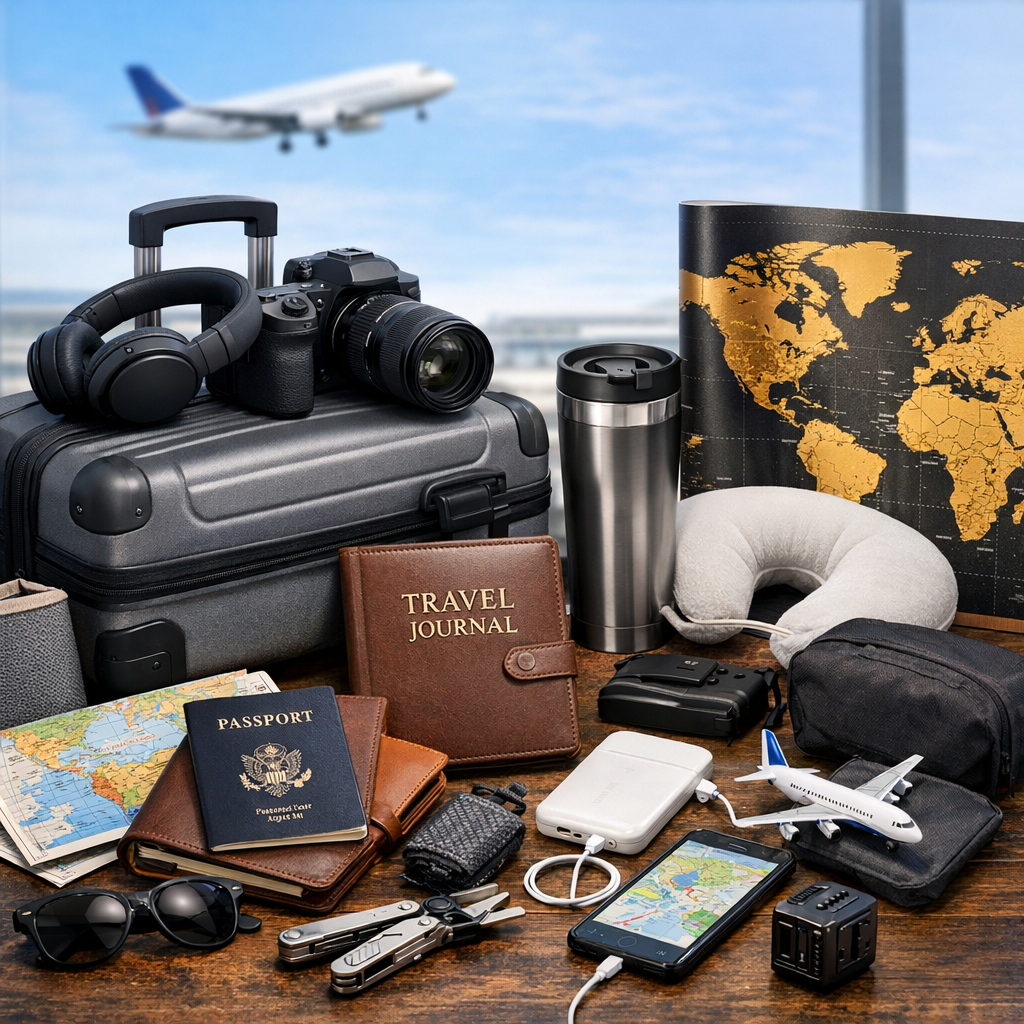
Authors weave texture into travel, showing how language, ritual, and place coalesce into a practice of belonging. Readers gain insight not just into scenes, but into how documenting reshapes selfhood and community across borders.
Digital presence and the shaping of travel discourse
Online platforms amplify Black women’s travel voices, turning personal narratives into broader conversations about safety, access, and representation. Curated feeds spotlight neighborhoods, cuisines, and intimate moments that standard guides often miss.
Digital storytelling creates a feedback loop: experiences become shareable lessons, and audiences respond with support, critique, and new perspectives. This exchange helps redefine what travel authority looks like in a diverse, interconnected world.
- Memoirs and anthologies that center Black women’s routes across continents
- Documentaries and diaries that reveal day to day realities on the road
- Online communities that validate and expand belonging through shared narratives
7. Travel as Craft: Planning, logistics, and immersive experiences
Practical guides for safe and meaningful itineraries
Good travel starts with a plan that respects both safety and curiosity. Build an itinerary that allows time for rest, reflection, and spontaneous discoveries. Prioritize accommodations and guides with strong local histories and verified reviews.
Before you go, assemble a compact safety toolkit: copies of important documents, emergency contacts, and a short phrase list in the local language. A lightweight daypack keeps essentials accessible without weighing you down.
- Identify 2-3 core experiences and 1 backup option per day
- Choose neighborhoods that balance accessibility with immersion
- Confirm cultural norms around photography and dress
Balancing crowds, timing, and authentic encounters
Timing matters. Early starts can unlock quieter sites, while late afternoons often reveal local rhythms through markets and performances. Align visits with community calendars when possible to glimpse authentic daily life.
Engage beyond landmarks. Seek storytellers, archivists, and guides who offer perspectives rooted in local memory. These conversations transform moving through a place into a practice of belonging.
| Element | Strategy | Benefit |
|---|---|---|
| Site selection | Prioritize smaller, peer-reviewed venues | Deeper, less crowded learning |
| Guided experiences | Choose locals with documented histories | Rich context and responsible tourism |
| Timing | Plan key visits for off-peak hours | Better access and comfort |
Conclusion
Travel serves as a lens for Black women to map belonging, identity, and home across continents. The journeys highlighted in our exploration reveal how movement becomes a practice of self discovery, community formation, and cultural resonance.
Across threads of memory and resilience, travel unfolds as a craft built on preparation, curiosity, and respect for place. Routes become rituals, and encounters shape a lineage that travels with you.
In practice, approach each trip as a living archive. Gather stories, honor local histories, and maintain a security-forward mindset that supports well being while you explore.
- Prioritize experiences that honor memory and connection
- Build networks of trusted support before arrival
- Document moments that reinforce a portable sense of home
| Takeaway | Practical Focus | Impact |
|---|---|---|
| Belonging | Nurture chosen communities abroad | Deeper roots in unfamiliar spaces |
| Identity | Record personal insights through writing or photo diaries | Clarified self beneath diverse cultures |
| Home | Create portable rituals and memories | A flexible sense of place no matter where you are |