


Table of Contents
- Introduction
- 1. Not Defining Clear Travel Priorities
- 2. Overpacking and Poor Luggage Strategy
- 3. Inadequate Destination Research and Timing
- 4. Underestimating Local Logistics and Documentation
- 5. Booking Hell-Bent on Savings Without Value
- 6. Ignoring Travel Insurance and Contingencies
- 7. Poor Crowd Management and Timing
- FAQ
- Conclusion
Introduction
Why sharing travel planning mistakes helps readers
You learn faster when you see real world missteps others have made. By sharing travel planning mistakes, we highlight concrete risks and practical fixes. This isn’t about guilt; it’s about preparation, so you avoid costly delays and stress. You draw on years of hands on experience to surface patterns you can spot before you travel.

Common errors recur across destinations and budgets. From flight delays to baggage mixups, spotting the red flags early helps you adjust now rather than later. Our aim is to give you actionable takeaways you can apply to any trip, including high demand routes and remote destinations.
At trafels.com, we keep the focus on security, reliability, and smooth logistics. You’ll find guidance grounded in real world scenarios, not fluff. By recognizing what can go wrong, you protect your time, money, and peace of mind.
How to turn missteps into practical lessons for better trips
Transform mistakes into steps you can repeat with confidence. Start by extracting the core issue, then build a simple, repeatable process to prevent it.
- Identify the mistake and its impact on your schedule and budget, for example a late connection that jeopardizes a multi city itinerary.
- Document a corrective action you can apply next time, such as rerouting through a shorter layover or booking a refundable option.
- Incorporate the fix into a standard pre trip checklist, including visa checks, baggage allowances, and seat selection deadlines.
We’ll outline recurring themes and provide quick templates you can adapt, from packing strategies to visa checks. The goal is clear: fewer surprises, more predictability, and steady progress toward a stress free journey.
1. Not Defining Clear Travel Priorities
How to identify must-see experiences vs. nice-to-haves
Start with a quick self-audit of what you value most on this trip. If culture drives you, prioritize museums, historic sites, and local performances. If food anchors your itinerary, map out markets, tastings, and renowned eateries. Distinguish musts from nice-to-haves to keep the plan lean and focused.

Use a simple split list to decide where to invest time and budget. Focus on two or three nonnegotiables and reserve flexibility for secondary activities.
Aligning itinerary with travel goals (culture, food, nature, crowds)
Center each day around a core theme. For culture, schedule signature experiences in the morning when spaces are quieter. For nature, weave in scenic walks or short hikes between city visits to avoid fatigue. For food, cluster meals around neighborhood hubs to minimize transit time and maximize tasting opportunities.
factor crowd patterns and seasonal rhythms. Align your pace with how you want to feel each day, not just what you can check off a list.
- Define 2-3 travel goals for the trip
- List 3 nonnegotiable experiences
- Mark flexible days for spontaneous discoveries
2. Overpacking and Poor Luggage Strategy
Trade-offs of carry-on vs checked bags
You save time at security and gate when you stick to a carry-on, reducing the chance of missing a connection. But you’ll be limited by size, weight, and how much you can sustain for a multi-day trip. A checked bag adds space for bulkier items and souvenirs, yet it introduces transit friction and potential fees. Pick a setup that fits your itinerary and the airline’s rules.
Assess each trip’s specifics: airport layout, transfer points, and expected weather. If you anticipate stairs, long halls, or shifting temperatures, favor a lighter carry-on combined with a compact checked bag for seasonal layers or a few heavier items. Tag and photograph valuables to speed recovery if something goes off course.
Smart packing checklist to minimize weight and hassle
- Choose mix-and-match pieces that cover two weeks of outfits with minimal items
- Limit footwear to two pairs and place them low in the bag for stability
- Use packing cubes to separate outfits, accessories, and tech gear
- Pack a compact toiletry kit with solid or travel-size liquids to meet airline rules
- Keep a quick-access pouch for boarding passes, passport, and electronics
| Carry-On Only | One Checked Bag |
|---|---|
| Quicker security screening and boarding | Room for bulkier items and returns |
| Limited capacity, stricter weight rules | Higher risk of misrouting and potential fees |
3. Inadequate Destination Research and Timing
Researching seasonal weather, crowds, and closures
Look beyond generic forecasts. Tie weather patterns to your daily plans and have contingency indoor options for peak sun or rain days.
Track ongoing conditions rather than relying on a single snapshot. If July humidity spikes, shift outdoor activities to cooler parts of the day and keep museums or indoor experiences for later.
Use real data to anticipate crowd dynamics. If a temple or market tightens hours during a festival, restructure your week to avoid peak periods instead of forcing fit.
- Consult official guides and local tourism pages for seasonality and closures
- Identify neighborhoods or regions affected by festivals, harvests, or holidays
- Plan backup activities that align with weather and crowd expectations
Building a realistic daily pace and buffer days
Set a practical rhythm for the itinerary. If you’re covering two districts, allocate mornings for each and leave afternoons flexible for parks, cafes, or spontaneous discoveries.
Reserve buffer days to absorb delays. An extra day after a long flight or a big transfer can save hours of stress when trains run late or a site closes unexpectedly.
| Fast pace | Balanced pace | Leisurely pace |
|---|---|---|
| Many activities, tight transitions | 2-3 key experiences per day | 1-2 major experiences with downtime |
| Higher risk of fatigue | Better flow and energy | More room for discovery and rest |
4. Underestimating Local Logistics and Documentation
Visa, passport validity, and entry requirements
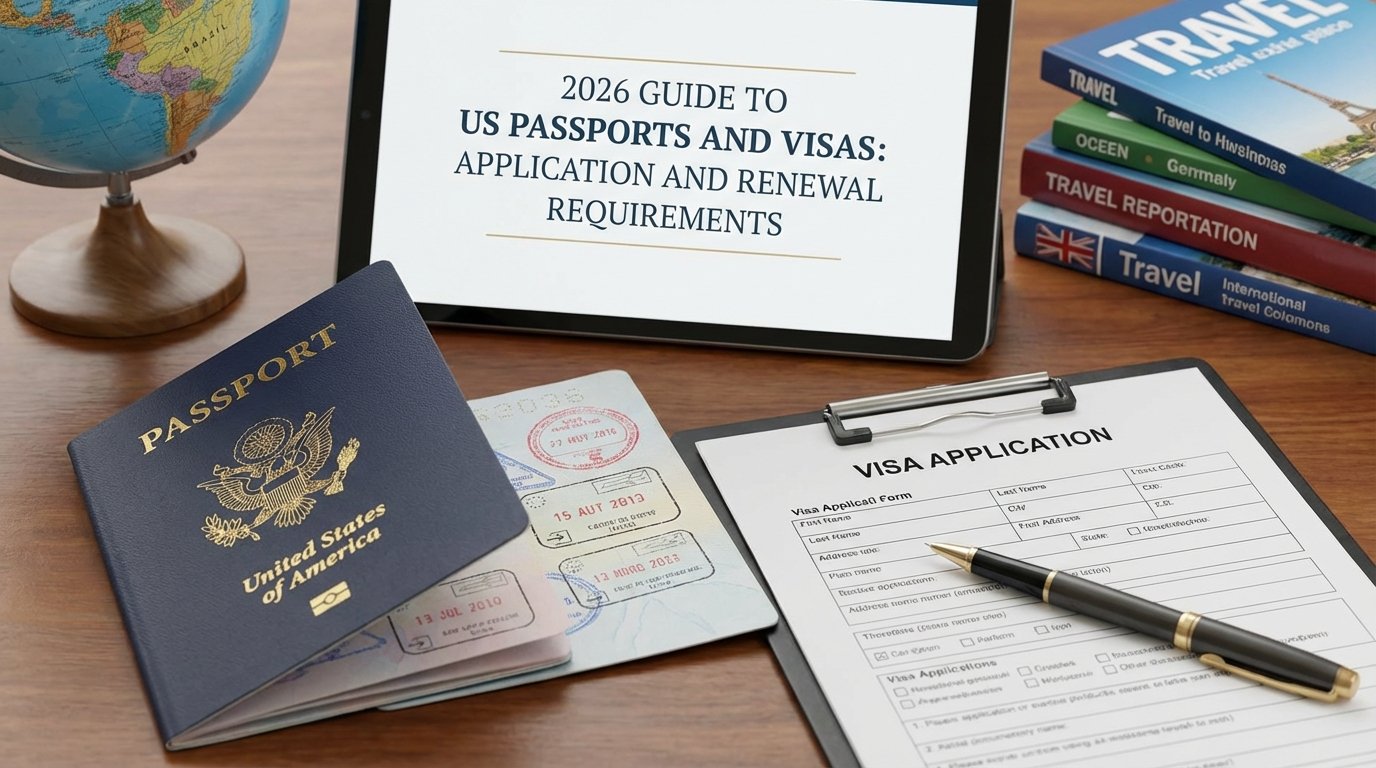
Passport validity rules differ by country and can surprise you at check‑in. Some destinations require six months beyond your return date, others accept near term validity with a visa on arrival. Confirm specifics weeks in advance via official sources or the country’s embassy site.
Entry rules shift with little notice. You may need onward travel proof, vaccination records, or special immigration forms. Practical steps: download official forms, keep digital and physical copies, and store them separately from your passport.
Real world tip: use Trafels as a quick reference to current entry policies and to store secure copies of your documents. When rules change, you’ll have alerts and ready alternatives for expedited entry.
Local transport nuances and backup plans
Public transit speeds, ticketing, and etiquette vary widely. In Tokyo, rush hour trains are dense but punctual, while in some European cities taps on cards work differently at each station. Check typical schedules, transfer patterns, and last mile options before you land.

Build concrete backups for on the ground movement. Identify a rideshare app, a reputable taxi option, and a couple of walking routes between key neighborhoods. A tested plan reduces stress when a primary option stalls or a line shuts down.
- Confirm visa timelines and passport validity weeks before travel
- Check entry requirements for each destination and keep updated copies
- Map out primary and backup transport routes, including transit unions and local apps
| Primary plan | Backup plan |
|---|---|
| Public transit with a prepaid card | Taxi or rideshare option if trains fail |
| Onward travel proof ready | Digital copies and offline maps available |
5. Booking Hell-Bent on Savings Without Value
Saving money is smart, but not at the cost of time, reliability, or refunds. When every minute matters on a trip, the cheapest option can backfire with hidden fees and poor support.
Weighing price vs. time, reliability, and refunds
Price alone rarely tells the full story. A lower fare may come with rigid change rules, slow customer service, or long rebooking cycles that waste travel time.
- Factor total trip time: longer layovers and complex routings can erode savings.
- Check change and cancellation policies for flexibility when plans shift.
- Assess refund processes and typical turnaround times before you buy.
When to book direct with providers vs. third parties
Direct bookings with airlines and hotels often offer clearer protection, faster support, and easier refunds. Third-party sites can still be useful for comparison but may complicate post-purchase changes.
| Direct booking | Third-party booking |
|---|---|
| Clear refund rules | Refunds may involve a middleman |
| Better customer support | Support depends on the reseller |
| Smoother adjustments | Potential delays in rebooking |
Practical steps to optimize your booking decision
1) List your non negotiables first, such as refundability, hold times, and cancellation windows.

2) Run a side-by-side cost check that includes baggage fees, seat selection, and change penalties.
3) If shaving minutes matters, prioritize direct bookings for major legs or peak travel days.
- For trips with tight connections, confirm minimum connection times and rebooking ease with the airline directly.
- When plans are fluid, choose options with flexible change rules and transparent refunds.
- Also compare mobile app support and chat availability for after-hours issues.
6. Ignoring Travel Insurance and Contingencies
What coverage is essential for international trips
Insurance protects your budget when plans unravel. Essential coverage includes medical emergencies, trip cancellation, and baggage protection. Look for policies with worldwide medical limits, emergency evacuation, and 24/7 real time assistance services.
Also consider coverage for flight delays, missed connections, and luggage loss. A comprehensive plan helps cover unexpected costs like last minute accommodations or rebooking fees.
Examples of how insurance saved trips from disruption
Insurance can cover costs after a delayed or canceled flight, letting you book alternatives without bearing the full expense. It also helps recoup nonrefundable prepayments when travel plans change due to illness or government restrictions.
Travelers have used coverage to pay medical bills abroad, replace essential items after baggage loss, and secure lodging when a disruption causes an extended stay.
- Carry digital copies of policy details and emergency contacts for quick access
- Confirm the region and activities covered by your plan, such as adventure sports or limited pandemics
- Review claim windows and required documentation before departure
| Coverage area | What it reimburses |
|---|---|
| Medical and emergency evacuation | Hospital bills and transport to appropriate facilities |
| Trip cancellation/interruption | Nonrefundable deposits and rebooking costs |
| Baggage loss or delay | Replacement essentials and delayed baggage expenses |
7. Poor Crowd Management and Timing
Strategies to visit hotspots with fewer crowds
Crowds can sap time and energy. Plan to visit popular sites during shoulder seasons or on weekdays when lines are shorter and spaces are calmer. Start with timed entries or prebooked slots to secure your window and avoid delays at the gate.
Split big sights into two shorter visits rather than one long marathon. This keeps energy up and reduces fatigue from standing in queues. Pair a high traffic attraction with a nearby quieter experience to balance the day, such as a museum followed by a scenic neighborhood walk.
- Staggered start times for galleries or museums to spread crowds
- Alternate routes to famous viewpoints to avoid bottlenecks
- Combine outdoor sites with indoor, lower-traffic alternatives
Using off-peak windows and smarter routing
Timing is a travel superpower. Use early openings, lunch hour gaps, or late afternoon slots to dodge crowds. Group attractions by geographic proximity to minimize backtracking and save transit time.
Smarter routing means mapping backup options in real time. If one route fills up, switch to a secondary path or slip in a café or park break to wait out peak times.
| Strategy | Benefit |
|---|---|
| Weekday slots | Shorter lines and more breathing room |
| Early morning access | Better light for photography and calmer spaces |
| Smart routing | Reduced backtracking and smoother day |
FAQ
What is the most common travel planning mistake?
Avoiding thorough destination research stands out. Skipping seasonal patterns, local events, and transport options can lock you into suboptimal schedules and higher costs.
How can I learn from others’ mistakes without repeating them?
Collect insights from trusted sources and map them against your own trip goals. Create a concise checklist that covers priorities, budgets, and risk buffers, then verify each item before booking.
What steps make a trip feel calmer and more efficient?
- Define clear daily goals aligned with your priorities
- Bundle activities by location to minimize backtracking
- Schedule buffer time for delays or discoveries
- Choose reliable booking channels with clear refund rules
| Approach | Benefit |
|---|---|
| Destination research checklist | Reduces surprise constraints |
| Location-based itineraries | Increases pace control |
| Buffer days | Gives flexibility for changes |
Conclusion
Recap of practical lessons
Rushing to save a few dollars often leads to missed details that derail a trip. Define clear priorities, pack efficiently, and respect local logistics to keep momentum. When your plan aligns with your goals, you free time and energy for meaningful moments on the road.
Protect arrangements with solid research and flexible timing. Build buffers around peak periods, and choose booking paths that offer clear refunds. Small safeguards compound into big wins, from missed connections to weather delays.
Encouragement to apply safeguards and plan with confidence
Begin with a concise travel checklist covering priority experiences, essential documents, and contingency options. Favor reliable routes and direct bookings when consistency matters, while keeping backup plans ready for disruptors.
Adopt disciplined planning habits to reduce repeat errors and gain momentum for smoother adventures. Your next trip should feel measured, capable, and focused on what you want to experience.
- Define daily goals aligned with core interests
- Bundle nearby activities to minimize backtracking
- Incorporate buffer days for unforeseen changes
| Action | Impact |
|---|---|
| Prioritize experiences | Sharper focus and richer memories |
| Direct bookings for essential legs | Better refunds and support |
| Buffer days | Reduced stress and smoother pivots |
References
- What’s your biggest travel mistake and what did you learn from it?
- What’s your biggest travel planning mistake that taught you something …
- These travel disasters taught 15 travelers unforgettable lessons
- What were the biggest travel planning mistakes you’ve ever made?
- 30 expensive travel planning mistakes you didn’t know you were making