


Table of Contents
- Introduction
- 1. Sleep Quality Over Distance: Premium Economy and Flat-Bed Options
- 2. Time-Saving Upgrades: Private Transfers and Priority Services
- 3. In-Flight Experience Enhancements: Food, Service, and Amenity Improvements
- 4. Door-to-Door Convenience: Room Upgrades and Location Benefits
- 5. Privacy and Personal Space: Private Tours and Exclusive Access
- 6. Long-Term Travel Outcomes: Consistency, Health, and Recovery
- 7. Cost-Benefit Scenarios: When It Pays to Upgrade and When to Skip
- FAQ
- Conclusion
Introduction
Why upgrades can impact more than comfort
An upgrade goes beyond a nicer seat. It shapes your pace, energy, and focus from the moment you depart, delivering reliable blocks of time, faster transitions, and reduced daily fatigue.

What you pay for translates into tangible advantages:
- Clearer headspace for work or rest
- Quicker check-ins and security lanes
- Better sleep quality on long or redeye flights
How upgrades align with travel goals and trip timelines
Before choosing, map upgrades to your itinerary and objectives. If your trip prioritizes sightseeing, a time-saving upgrade can maximize daylight hours and minimize transfer stress.
Consider these alignment points:
- Flight length and direction, as west to east can influence jet lag
- Importance of rest for the first full day at the destination
- Need for focused work or meetings upon arrival
1. Sleep Quality Over Distance: Premium Economy and Flat-Bed Options
How upgraded seating translates to jet-lag reduction
Enhanced seating supports deeper rest by promoting better posture and reducing muscle tension. Extra legroom and a wider seat help you settle more comfortably, aiding your body’s adjustment to new time zones.
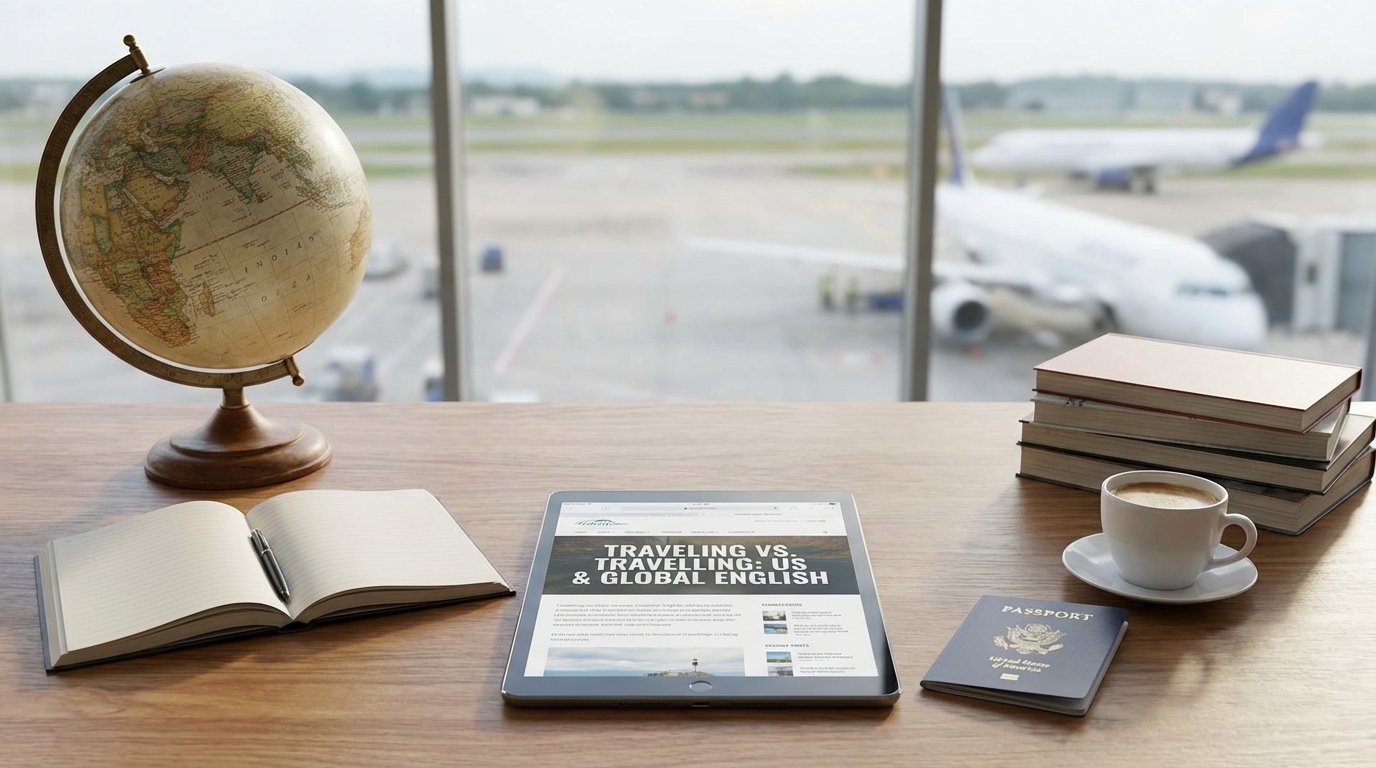
On red-eye journeys, small comfort gains accumulate. More restful sleep translates to fewer groggy episodes and a quicker alignment with destination schedules.
When to choose premium economy vs. business class for rest
- Flight length and heading: longer red-eyes often reward premium economy with meaningful rest without the higher price tag of business class.
- Personal comfort needs: back or joint issues can make even modest seat improvements worth it for sleep quality.
- Travel objectives: if you have back-to-back meetings, premium economy can offer steadier rest and reliable wake times without extensive cost.
| Aspect | Premium Economy | Business Class |
|---|---|---|
| Seat width and pitch | Moderate increase | Significant increase |
| Lie-flat capability | Typically angled or shallow lie | Full flat or true lie-flat |
| Sleep quality impact | Improved rest on long flights | Maximum rest, best jet-lag mitigation |
2. Time-Saving Upgrades: Private Transfers and Priority Services
The value of seamless airport-to-hotel experiences
A smooth transition from plane to hotel sets the tone for your trip. Private transfers and VIP lounge access cut waiting and lines, letting you arrive rested and ready to dive into your schedule.
Door-to-door service provides reliable timing, freeing you from navigating crowded hubs and last-minute scrambles. This steadier start translates into calmer days and more predictable momentum.
Which routes and occasions benefit most from expedited processes
- Long-haul or multi-city itineraries where daily momentum matters
- Overseas trips with early arrivals or late connections
- Destinations with complex entry procedures or busy arrival halls
- Travel during peak seasons when queues extend and schedules tighten
| Upgrade Type | Typical Benefit | Ideal For |
|---|---|---|
| Private transfers | Direct routing, fixed arrival time | First day efficiency, crowded airports |
| Priority services | Faster check-in, security, and boarding | Tight connections, high-stakes meetings |
| VIP lounge access | Quiet work/rest space, catering options | Jet lag management, work on the go |
3. In-Flight Experience Enhancements: Food, Service, and Amenity Improvements
Impact of upgraded dining and cabin service on travel mood
Better dining options and attentive cabin service can shift your travel mood from fatigue toward steadier energy. When meals feel thoughtfully prepared and the service cadence aligns with your itinerary, you stay more connected to your destination’s rhythm.
Example: on a 10 hour redeye, a dinner designed to support sleep followed by a light breakfast on arrival helps you wake clearer. Consistent dining timing can aid digestion and energy levels, easing the transitions after overnight legs.
Practical steps: request a late dinner when you need extended sleep, and plan a mid-flight snack near your destination’s typical mealtime. Pair meals with light movement to support digestion and rest.
How lounge access and extra amenities affect productivity and relaxation
- Quiet work zones and reliable Wi-Fi enable focused tasks mid-flight without sacrificing rest.
- Quality amenity kits and enhanced pillows support quicker recovery after wakeful periods.
- Shower facilities and premium beverages can refresh mood and energy for the next segment.
| Aspect | Upgrade Benefit | Impact on Journey |
|---|---|---|
| Dining quality | Expanded menus, fresher ingredients | Greater satisfaction, steadier appetite |
| Cabin service | More attentive, timely assistance | Lower stress, smoother transitions |
| Lounge access | Quiet zones, productivity spaces | Better work output, enhanced relaxation |
4. Door-to-Door Convenience: Room Upgrades and Location Benefits
How room upgrades affect sightseeing efficiency and daily pacing
Room quality shapes your start and end to each day. A more comfortable base can shorten morning frictions, streamline your routine, and cut travel fatigue between sights. With reliable, quiet space, you can protect energy for your planned activities.
Strategic hotel choices matter for daily pacing. Fewer elevator waits, calmer corridors, and easier access to amenities help you decompress after long travel days and stay ready for the next leg of your itinerary.
- Earlier bedtimes and streamlined in-room routines support consistent sightseeing energy.
- Improved pillows, climate control, and sound insulation boost sleep quality across varied conditions.
- Proximity to main attractions or transit hubs reduces transfers and backtracking.
The value of upgrading to better locations within destination cities
Location matters when balancing activities with downtime. Upgrading to a central district or well-connected area can shorten commutes, improve reliability for late departures, and free up daylight for experiences you care about.
Even modest location upgrades can unlock schedule gains, such as morning museum openings, lunch near sights, or evening strolls with minimal transit after sunset.
| Location Benefit | Impact on Routine | Travel Win |
|---|---|---|
| Central district access | Shorter commutes, more flexible days | Greater daily productivity and spontaneity |
| Proximity to transit hubs | Faster, predictable transfers | Less stress around arrivals and connections |
| Quiet neighborhood with amenities | Better rest, easier to recharge | Consistent energy for sightseeing |
5. Privacy and Personal Space: Private Tours and Exclusive Access
The role of private transfers, guides, and timed entries in crowds management
Private transfers reduce curbside exposure to crowds and long shuttle routes, setting a calmer tone from arrival. A dedicated driver can meet you at the terminal and drive directly to your hotel or first site, avoiding backtracking. A private guide can tailor pacing and focus, trimming time spent waiting in lines or navigating busy spaces by adapting routes based on real-time crowd levels.
Timed entries allow you to bypass peak hours and crowded corridors. Booking a 9:30 AM museum slot or a 2:00 PM landmark visit protects energy for the experiences you care about and helps prevent fatigue into the evening. Off-peak slots work well for lighter attractions; reserve peak times for limited-access exhibitions.
Balancing cost with personalized itineraries and flexibility
- Private tours offer pacing, access, and photo opportunities tailored to your interests, letting you linger where it matters and skip what doesn’t.
- Exclusive access can unlock behind-the-scenes moments not available to standard groups, such as after-hours viewings or restricted corridors in historic sites.
- Weigh the price against potential time savings, energy preservation, and mood, and have a fallback option if a preferred time sells out.
| Element | Benefit | Impact on Experience |
|---|---|---|
| Private transfers | Direct routing, fewer stops | Less stress during transit, more energy for activities |
| Private guides | Custom pacing, expert insights | More meaningful moments, reduced fatigue from crowds |
| Timed entries | Predictable access windows | Better planning, smoother day |
6. Long-Term Travel Outcomes: Consistency, Health, and Recovery
Assessing upgrades by how they support fatigue management on multi-stop trips
On multi-stop itineraries, fatigue compounds with each time-zone crossing. Upgrades that reduce morning friction, like extra legroom and better seat support, help you maintain a steadier daily rhythm. Consistent rest translates to clearer decisions and safer movement between sites.

Sleep quality matters as days accumulate. A lie-flat or semi-flat option can shorten the pace needed to recover from jet lag, enabling you to start each new city with energy rather than scrambling to catch up.
- Seat width and recline that support longer sleeping periods
- Less need for afternoon naps when you land in new locales
- Faster throughput at airports preserved by smoother boarding experiences
For example, on a two-week trip with three layovers, lie-flat seating on red-eye segments can reduce daytime fatigue in the first city after each flight. Plan one upgrade per long-haul leg to maximize rest without overdoing it.
When upgrades align with fatigue management, you gain reliable energy for in-city activities, from early museum visits to evening dinners. Track sleep duration and alertness after each flight to adjust subsequent selections.
When upgrades contribute to overall trip enjoyment and return on time
Upgrades pay off when they convert travel time into usable hours at your destination. A smoother flight and quicker connections free up days for experiences you value most, improving overall satisfaction.
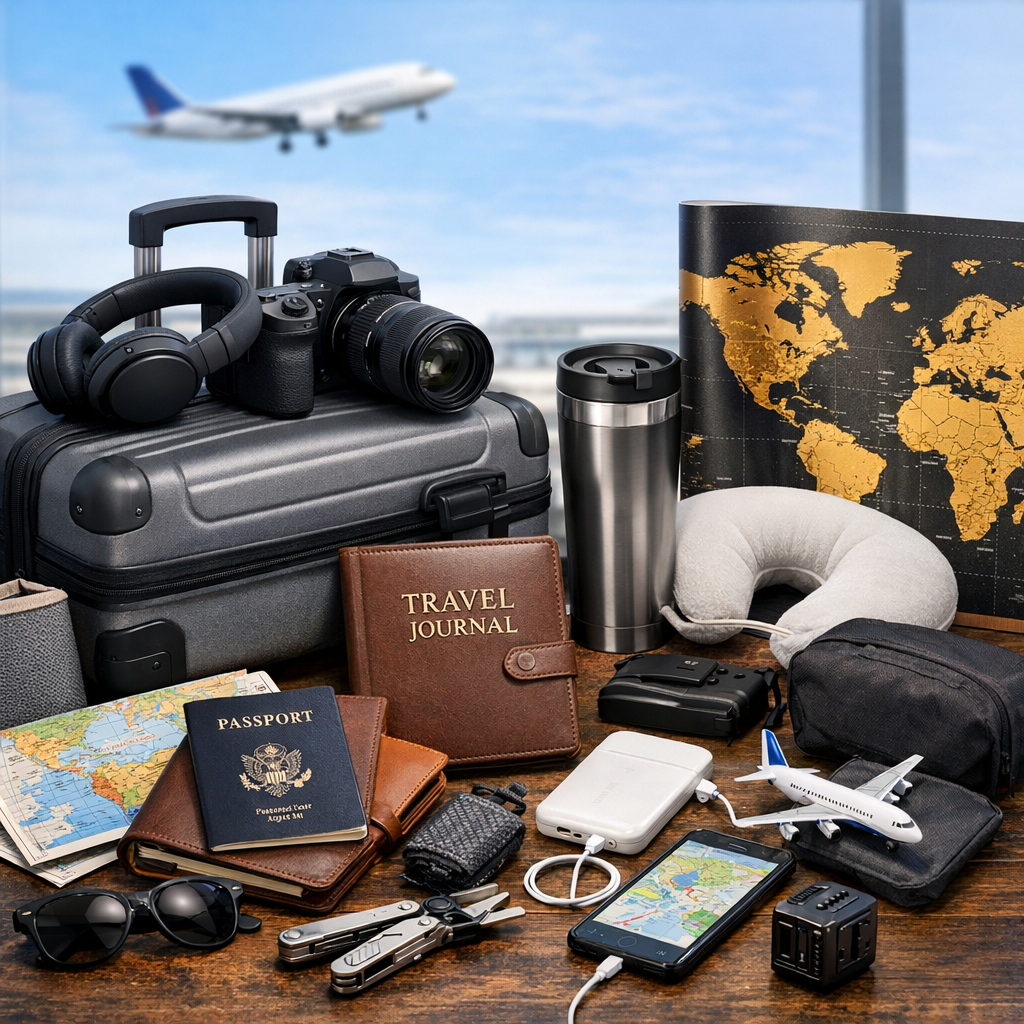
Expedited processes, such as priority boarding or lounge access, can compress buffers around delays, helping you arrive with energy intact for scheduled activities.
| Upgrade Element | Fatigue Effect | Trip Benefit |
|---|---|---|
| Extra legroom | Less fatigue from cramped seating | More consistent daily energy |
| Lie-flat seating | Better overnight rest | Sharper start for next day |
| Lounge access | Quiet environments for recovery | Improved mood and productivity |
7. Cost-Benefit Scenarios: When It Pays to Upgrade and When to Skip
Evaluating typical upgrade price vs. tangible benefits
Base your upgrade choice on tangible gains rather than impulse. Compare the incremental cost with real time saved, energy preserved, and your ability to perform on arrival. Look for measurable outcomes such as reduced fatigue, improved sleep quality, and smoother connections.
Ask whether the price aligns with your itinerary goals. If you face a tight post-landing schedule or an important engagement, upgrading often makes sense. For leisure trips, weigh comfort against the opportunity cost of the funds.
- Assess sleep potential: lie-flat or flat-bed options for overnight legs
- Factor airport friction: expedited check-in, security, and boarding times
- Consider destination pacing: more productive days at your first stop
Strategic upgrade decisions based on flight length, destination, and purpose
- Long flights (overnight): prioritize seat type and lie-flat access to reduce jet lag
- West to east or multi-time-zone itineraries: value sleep quality and daytime alertness
- High-stakes trips: conferences, presentations, or milestone celebrations may justify premium options
- Destination dynamics: if time at the destination is limited, prioritize smooth transitions over general luxuries
| Scenario | Upgrade Benefit | Decision Signal |
|---|---|---|
| Overnight, west to east | Better sleep, faster recovery | Strong justification to upgrade |
| Short domestic hop | Minimal disruption to agenda | Skip upgrade unless sensitive to discomfort |
| Important event on arrival | Energy and clarity for first impressions | Consider upgrade |
FAQ
Below are concise answers to common questions about traveler upgrades and their value beyond comfort.
- Is flight upgrade worth it on long flights? Yes, when overnight travel or multiple time zones are involved. A lie-flat seat can promote deeper sleep, and lounge access offers a quiet preflight space and a reliable breakfast upon arrival.
- What should I compare besides price? Look at sleep quality, time saved, and airport friction. If an upgrade reduces layovers, shortens security lines, or provides faster boarding, it can outperform a small fare delta over a week of travel.
- When is premium economy a better middle ground? Opt for it when you want extra legroom, a refined dining experience, and a wider seat without the full business class price. On mid to long hauls, it often delivers meaningful comfort at a moderate cost.
- How do I assess route and timing? West to east or north to south itineraries with overnight legs typically gain more from upgrades. For short domestic hops, value depends on your schedule and the goal to maximize daytime hours at the destination.
- Are lounge and priority services worth it? Yes, especially for high-stress itineraries or when you need to reset before meetings. Quiet spaces, faster security, and priority boarding help preserve energy for the first day ahead.
| Question | Practical Insight | When to Consider |
|---|---|---|
| Overnight international | Sleep quality and recovery matter most | Consider lie-flat and lounge access |
| Budget-conscious trip | Balance cost with tangible benefits | Evaluate premium economy as a middle option |
| High-stakes event on arrival | Energy and focus directly affect outcomes | Upgrade if it aids performance |
Conclusion
Upgrading is about more than luxury. It’s a strategic choice that can reshape your itinerary, energy management, and overall enjoyment of a trip. For each journey, weigh how time, comfort, and focus align with your goals.
Think beyond seat width. Consider how upgrades affect your daily rhythm, connection quality, and ability to start adventures refreshed. The right upgrade should shorten friction, not just inflate costs.
- Match upgrade type to flight length and time zone changes
- Prioritize routes that benefit from reduced fatigue and smoother transitions
- Integrate upgrade decisions with on-ground pacing and sightseeing plans
| Scenario | Value Factors | When to Upgrade |
|---|---|---|
| Overnight long-haul | Lie-flat seating, lounge access, sleep quality | If jet lag recovery is a priority |
| Domestic short hop with tight schedule | Expedited check-in, boarding, predictable transfers | Upgrade only if time savings matter |
| Multi-stop itinerary | Consistent energy, reliable connections | Upgrade to preserve daily pace |